Cauliflower Seeds
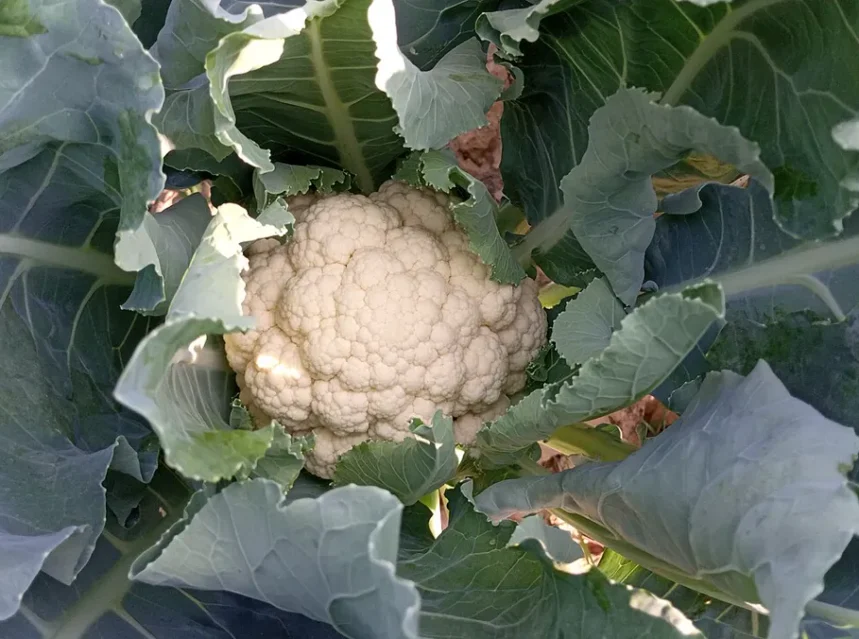
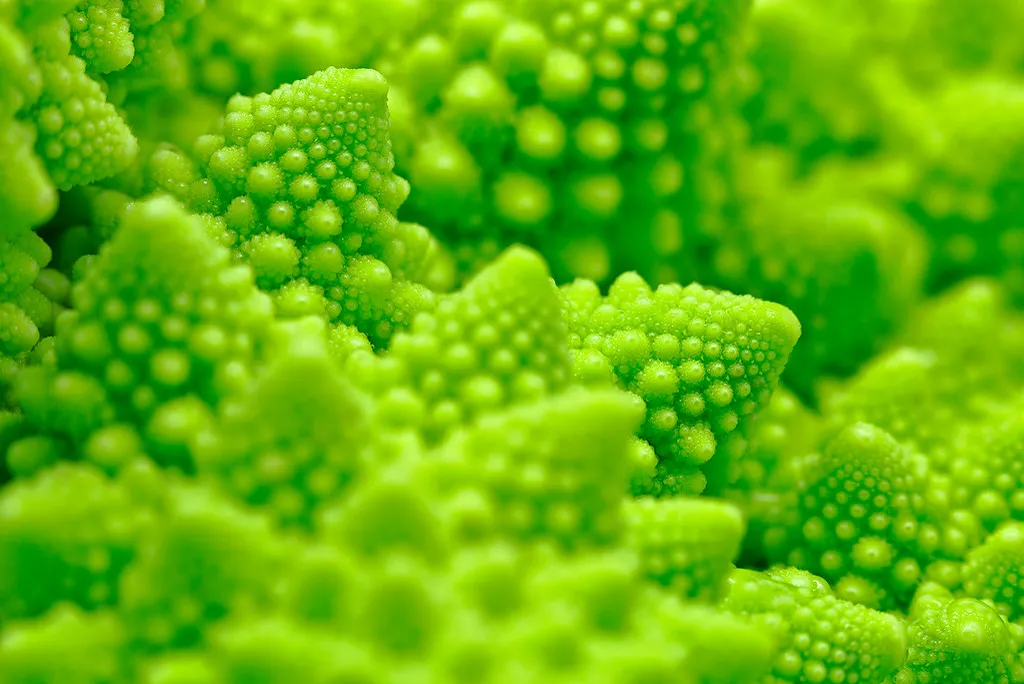
Cauliflower seeds are the small, round, dark seeds of Brassica oleracea var. botrytis — a cool-season cabbage-family crop grown for its dense, tasty flower head, or “curd.” Growing cauliflower from seed lets you choose creamy white types, vivid purple and orange heads, and even the spiralled green romanesco that shops rarely sell. Cauliflower (gobi) is fussier than broccoli or kale, but a little care rewards you with big, beautiful heads. Raw cauliflower carries 48 mg of vitamin C per 100 g (USDA record 169986). This guide covers the 12 best cauliflower seeds worldwide, exactly how to grow cauliflower from seed, and where to buy quality seed.
Steady moisture and cool weather are the keys to a good curd. The RHS guide to growing cauliflower and the University of Minnesota Extension cauliflower guide cover sowing, blanching, and variety choice.
🧰 In a hurry? Jump straight to our tested picks for this guide ↓
Cauliflower seeds at a glance
| Feature | Detail |
|---|---|
| Botanical name | Brassica oleracea var. botrytis (family Brassicaceae) |
| Sowing depth | 12 mm (½ inch); start indoors then transplant |
| Germination temperature | 18–29°C (65–85°F) |
| Days to germinate | 5–10 days |
| Season | Cool-season; spring & autumn (winter in India) |
| Days to harvest | 55–100 days from transplant |
| Note | Fussy — needs steady cool, moisture & rich soil |
Why grow cauliflower from seed?
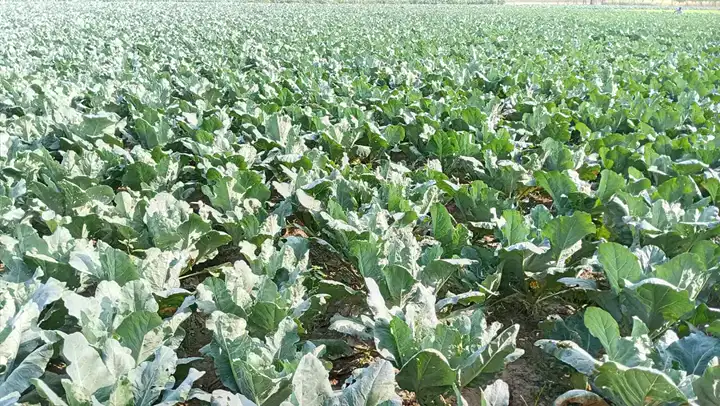
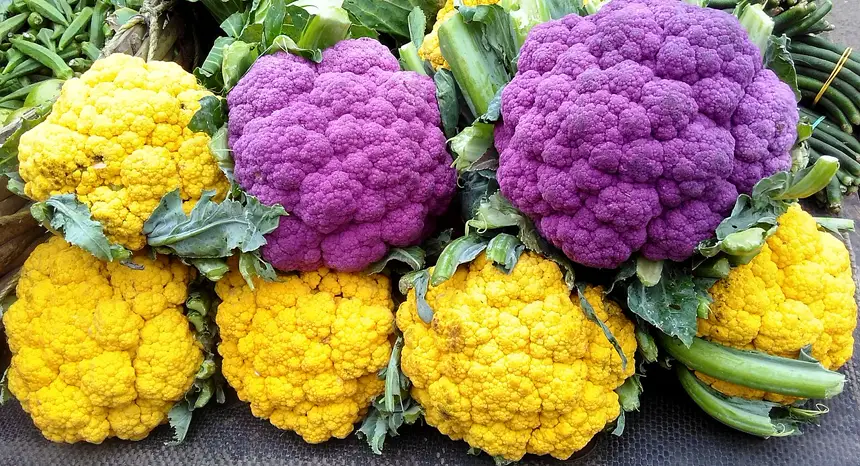
Growing cauliflower from seed is rewarding for a few reasons. First, choice: seed catalogues offer purple, orange, and green romanesco heads you almost never find in shops, plus white types bred for every season. Second, value: one packet raises many plants for a fraction of buying seedlings. Third, freshness — a home-grown head cut at its peak is sweeter and firmer than store cauliflower.
Cauliflower transplants well, so it is easy to raise in trays and move out. It does, however, demand steady care, which makes success very satisfying. For the full growing routine, see our guide on how to grow cauliflower. It belongs in the same cool-season brassica patch as broccoli and kale, alongside the spiralled romanesco, tender-stemmed gai lan and crisp napa cabbage.
History, origin & how cauliflower reached India
Cauliflower was bred from wild cabbage in the Mediterranean around 2,500 years ago. In the medieval era it was strongly linked with Cyprus and traded across Europe as “Cyprus colewort.” It reached Italy around 1490 and spread through Europe from there.
Cauliflower came to India relatively recently, introduced by the British in 1822. It took to the Indian climate quickly, and Indian breeders developed tropical types that crop in warmer conditions than European cauliflower. Today India and China together grow about 72% of the world’s cauliflower, with India a top producer and gobi a staple vegetable. You can read more on the cauliflower’s botany and history at Wikipedia. This is why Indian seed ranges include early, mid, and late varieties for a long growing season.
12 best cauliflower seed varieties to grow
Cauliflower comes in white (the classic), purple, orange (cheddar), and green romanesco. White types often need blanching for pure colour, while coloured types keep their hue in the sun. Indian varieties are grouped by season, from early to snowball. Choose by colour and your climate.
| Variety | Colour/type | Best for | Region |
|---|---|---|---|
| Snowball Y Improved | White | Reliable, self-blanching | US/global |
| Skywalker | White (hybrid) | Cold-tolerant, dense curds | US |
| Amazing | White | Self-wrapping, wide season | US/global |
| Graffiti | Purple | Vivid colour, no blanching | US/global |
| Depurple | Purple (hybrid) | Antioxidant-rich | US |
| Cheddar | Orange | Beta-carotene, holds colour | US/global |
| Veronica / Romanesco | Green (spiral) | Striking, nutty flavour | US/Europe |
| All Year Round | White | Flexible sowing | UK |
| Pusa Snowball K-1 | White (snowball) | Late winter, India | India |
| Pusa Meghna | White (early) | Early-season Indian crop | India |
| Early Kunwari | White (very early) | Earliest Indian harvest | India |
| Pusa Deepali | White (early) | Reliable plains variety | India |
For US and UK gardens, Snowball is the easy white standard, while Graffiti (purple) and Cheddar (orange) add colour and skip the blanching step. In India, match the variety to the season: Early Kunwari and Pusa Meghna for early crops, and Pusa Snowball K-1 for the main late-winter harvest. Coloured types are a great way to make cauliflower fun and forgiving.
Best season & when to sow cauliflower seeds
Cauliflower is a cool-season crop, so timing matters more than with most vegetables. It needs mild, steady weather while the curd forms. Heat makes heads loose and bitter, while a hard cold snap can ruin them.
In most of the US, sow indoors in late winter for a spring crop, or in mid-summer for a strong autumn crop. Autumn cauliflower is often easier, as it matures into cooling weather. Aim to transplant 6 weeks before the last frost in spring.
In India, cauliflower is mainly a winter (rabi) crop. Sow early types from June to July, mid types in August to September, and late “snowball” types from October to November. In the hills, you can also grow it through the cooler summer months.
How to grow cauliflower from seed
Cauliflower is the fussiest of the common brassicas, but these steps keep it on track. The golden rule is steady, unstressed growth.
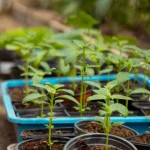
- Start in trays. Sow 12 mm (½ inch) deep in modules about 6 weeks before transplanting. Our seed-starting trays guide helps.
- Avoid any check. Never let seedlings dry out, get cold-shocked, or become root-bound. A stressed seedling forms a tiny “button” head later.
- Transplant into rich soil. Move plants out 50 cm apart in firm, compost-rich soil, and water in well.
- Keep moisture steady. Water deeply and regularly. Cauliflower will not form a good head in dry soil.
- Blanch white types. When the curd is the size of an egg, fold or tie the outer leaves over it to keep it pure white. Coloured types need no blanching.
To raise strong transplants, see our guide to starting seeds indoors. In India, sow early types from June to July and main-season snowball types from September to October.
Soil, watering & feeding
Cauliflower needs full sun and deep, rich, firm soil with lots of organic matter. It is a hungry crop, so feed with a nitrogen-rich fertiliser for strong leaf growth before the curd forms. Firm the soil well around transplants to anchor the big plants.
Consistent moisture is everything for cauliflower. Any dry spell checks the plant and ruins the head, so water deeply and mulch to hold moisture. Practise crop rotation and avoid following other brassicas such as kale or radishes. Cauliflower grows well after a soil-building crop of peas or beans.
Common pests & diseases
As a brassica, cauliflower attracts cabbage white caterpillars, cabbage aphids, and flea beetles. Cover plants with fine mesh to keep butterflies off, and check the heads for hidden aphids. The most serious disease is club root, which swells and distorts the roots, so rotate crops and never plant brassicas in known infected soil. Cabbage root fly can also damage transplants, so use collars around the stems.
Harvesting & days to maturity
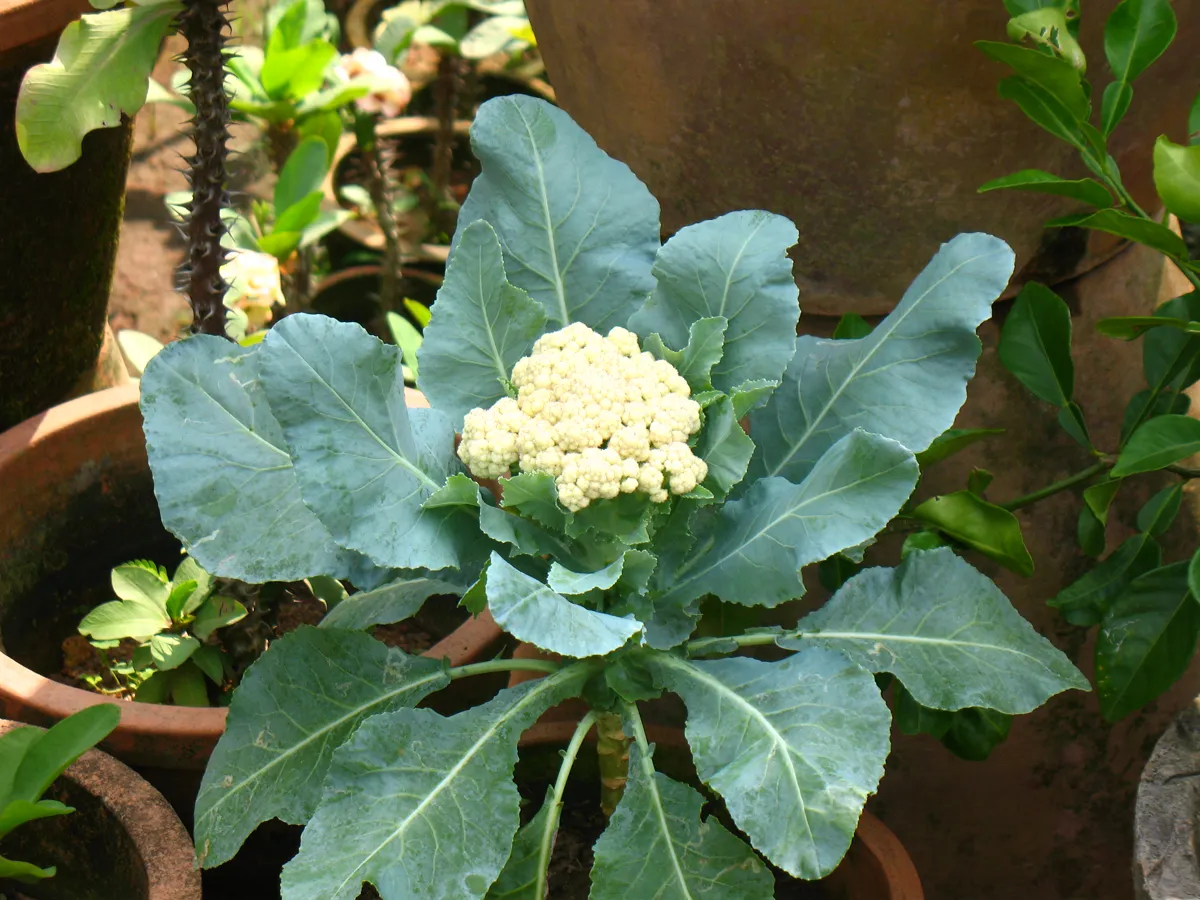
Heads are ready 55–100 days after transplanting, depending on variety and season. Harvest while the curd is firm, dense, and still smooth — before it starts to separate or “rice” into loose, grainy florets. Cut the whole head with a few protective leaves attached. Unlike broccoli, most cauliflower produces only one main head, so plan successional sowings for a steady supply rather than relying on side shoots.
Saving your own cauliflower seeds
Saving cauliflower seed takes patience because the plant is biennial and the curd must be allowed to flower. Leave a healthy plant to bolt; the curd opens into yellow flowers that bees pollinate, followed by slim seed pods. Let the pods dry on the plant, then collect and shell the seed. Cauliflower crosses readily with other Brassica oleracea crops, so isolate one variety for pure seed. Our full guide to saving seeds explains the process.
Common problems from seed
The classic problem is “buttoning,” where the plant makes a tiny premature head. This is caused by stress to young plants — cold, drought, or being root-bound — so raise seedlings steadily and plant out before they outgrow their cells. A loose, grainy “riced” curd means the plant got too warm or was harvested late. Plants that grow only leaves and no curd usually need more nitrogen, steadier water, or cooler weather. Use fresh seed for reliable germination.
Where to buy cauliflower seeds
Choose a variety to match your season and the colour you want — white needs blanching, while purple, orange, and green types keep their colour with no extra work. In the US, seed houses carry white and colourful types, while in India a wide range of early, mid, and snowball gobi varieties is sold by major garden retailers. Use the links below to compare trusted sources.
Medical disclaimer: this information is general and for educational purposes only — it is not medical advice. Consult a qualified healthcare professional before using any plant for health purposes.
Frequently asked questions
How long do cauliflower seeds take to germinate?
Cauliflower seeds sprout in 5–10 days in warm soil around 18–29°C. Most growers start them in trays and transplant, because cauliflower handles being moved well when young.
Why did my cauliflower form only a tiny head?
This is “buttoning,” caused by stress to young plants — cold, drought, or being root-bound. Grow seedlings on steadily and plant them out before they get pot-bound to avoid it.
Do I need to blanch cauliflower?
Only white types, to keep the curd pure white. When the head is egg-sized, fold or tie the outer leaves over it. Purple, orange, and green varieties keep their colour and need no blanching.
Which cauliflower seeds are best for beginners in India?
Match the season: Early Kunwari and Pusa Meghna are easy early types, while Pusa Snowball K-1 is reliable for the main late-winter crop in the plains.
When should I sow cauliflower seeds?
Sow indoors about 4 to 6 weeks before you want to transplant, aiming for the head to develop in cool weather. Most gardeners run a spring sowing for an early summer crop and a second sowing in mid to late summer for an autumn crop.
How deep and how far apart should cauliflower be planted?
Sow about 12 mm (1/2 inch) deep. Move seedlings out when they have four or five true leaves and space them 45 to 60 cm (18 to 24 inches) apart, with rows 60 to 90 cm (24 to 36 inches) apart.
Why is my cauliflower head loose and grainy instead of smooth?
That grainy, rice-like look comes from heat or growth stress while the curd is forming. Keep soil moisture steady, avoid crowding so air can move through the plants, and time the crop so heading falls in cooler weather.
Why did the curd turn brown and taste bitter?
Brown patches on the curd usually point to a boron shortage, common on light or heavily limed soils. A seaweed feed or a very dilute borax drench corrects it, but test first and never overdo boron, as too much is toxic to plants.
How long does cauliflower take from seed to harvest?
Most varieties run about 55 to 100 days from transplanting, so roughly three to four months from sowing. Check the packet, since fast summer types and slow overwintering types differ enormously.
Can I grow cauliflower in a container?
Yes, one plant per pot. Use a container of at least 20 litres (5 gallons), around 30 cm (12 inches) wide and deep, with rich soil and steady watering. Small pots dry out and stress the plant, which ruins the head.
What pests attack cauliflower?
Cabbage white caterpillars, aphids, flea beetles and cabbage root fly are the usual culprits. Fine insect netting over the bed from planting day is the simplest defence, and rotating brassicas to a new spot each year reduces soil-borne disease such as clubroot.
Still stuck? Ask the Plant Doctor
Describe the problem — yellow leaves, holes, no flowers — and get a clear answer in seconds. FreeAI can make mistakes. Answers are guidance, not a guarantee — check anything important against the guide it links to, and always read the label on any product before you use it.