Best Finger Millet Seeds
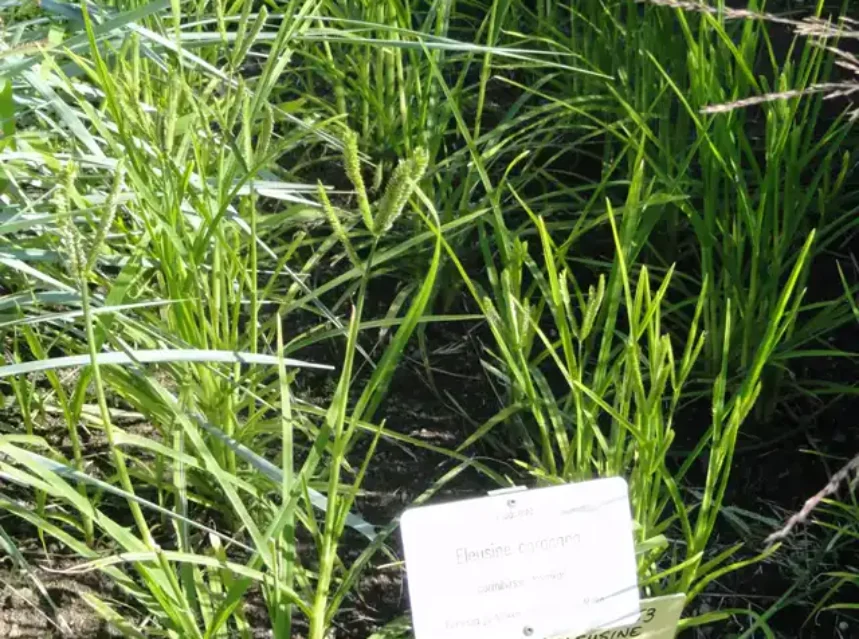
The best finger millet seeds grow a tough, drought-hardy grain whose seed heads split into finger-like spikes, giving a nourishing harvest from one of the most reliable crops a hot, dry garden can hold. It thrives where softer grains fail.
Finger millet is a hardy cereal grass, Eleusine coracana, grown for its small, round, reddish grain. Across India it is a vital staple, known as ragi, nachni or mandua.
🧰 In a hurry? Jump straight to our tested picks for this guide ↓
Quick start
- Type: Hardy annual cereal grass
- Grow from: Seed
- Sow: Warm weather, with the rains
- Soil: Well-drained, even poor
- Sun: Full sun
- Harvest: Grain heads after 3-4 months
Finger millet belongs to the grass family (Poaceae). For background, see finger millet on Wikipedia and finger millet on Wikipedia.
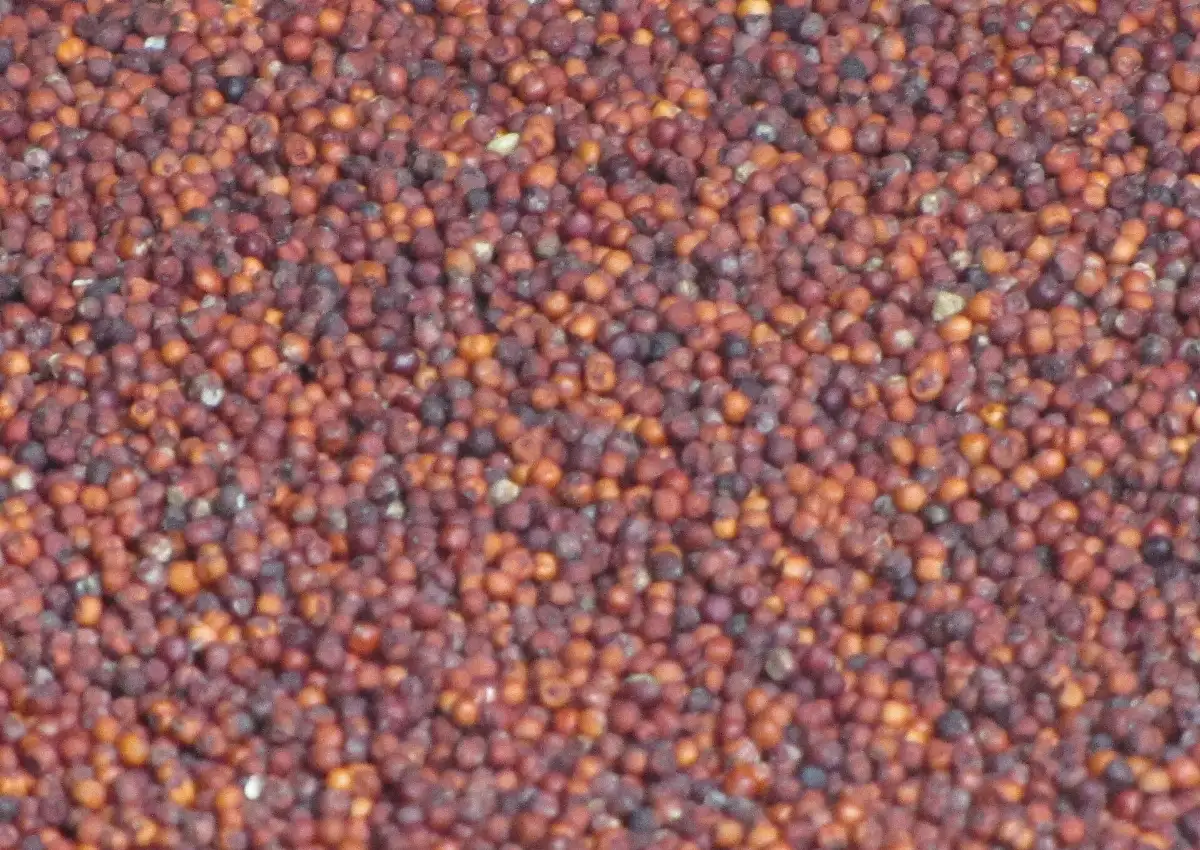
A field grain you can try at home
Finger millet is mainly a field crop. Farmers grow it across large acres for grain.
But a garden patch can give a fun, small harvest. It is a fascinating crop to grow and watch.
You will not feed a family from one bed. Yet you will learn how this ancient grain grows.
Why grow finger millet?
Finger millet is famously tough and reliable. It crops in heat, drought and poor soil.
Its grain stores extremely well for years. This made it a vital famine-proof food.
The plant is neat and grass-like with curious heads. The seed spikes splay out like fingers.
It is easy and undemanding to grow. Like a hardy amaranth, it shrugs off rough conditions.
Finger millet at a glance
| Feature | Detail |
|---|---|
| Botanical name | Eleusine coracana |
| Family | Poaceae (grass family) |
| Common names | Finger millet, ragi, nachni, mandua |
| Grown from | Seed |
| Edible part | Small reddish grain |
| Seed heads | Finger-like splayed spikes |
| Key trait | Very drought and heat tolerant |
| Type | Hardy annual cereal grass |
History, origin and how it reached India
Finger millet was first domesticated in East Africa. It came from the highlands of that region.
It reached India many thousands of years ago. There it became a cornerstone grain.
It spread across dry parts of Asia and Africa. Hardy and storable, it fed many through hard times.
In India it is central to southern cooking. Karnataka and the south treasure it as ragi.
Finger millet types to look for
Finger millet types differ in height and grain colour. Some ripen earlier than others.
| Type | Notes |
|---|---|
| Brown ragi | The classic; reddish-brown grain |
| White ragi | Paler grain; milder flavour |
| Early types | Mature faster in a shorter season |
| Local landraces | Many hardy regional Indian strains |
Choose fresh seed for even germination. A local type often suits your climate best.
Best season and when to plant
Finger millet loves warmth. So sow it in the warm season with the rains.
It thrives in the heat of an Indian monsoon. The warm, wet start drives strong growth.
In cooler countries, grow it in high summer. It needs a long, warm spell to ripen.
It cannot take frost or cold. So always grow it in the warm part of the year.
How to grow finger millet from seed
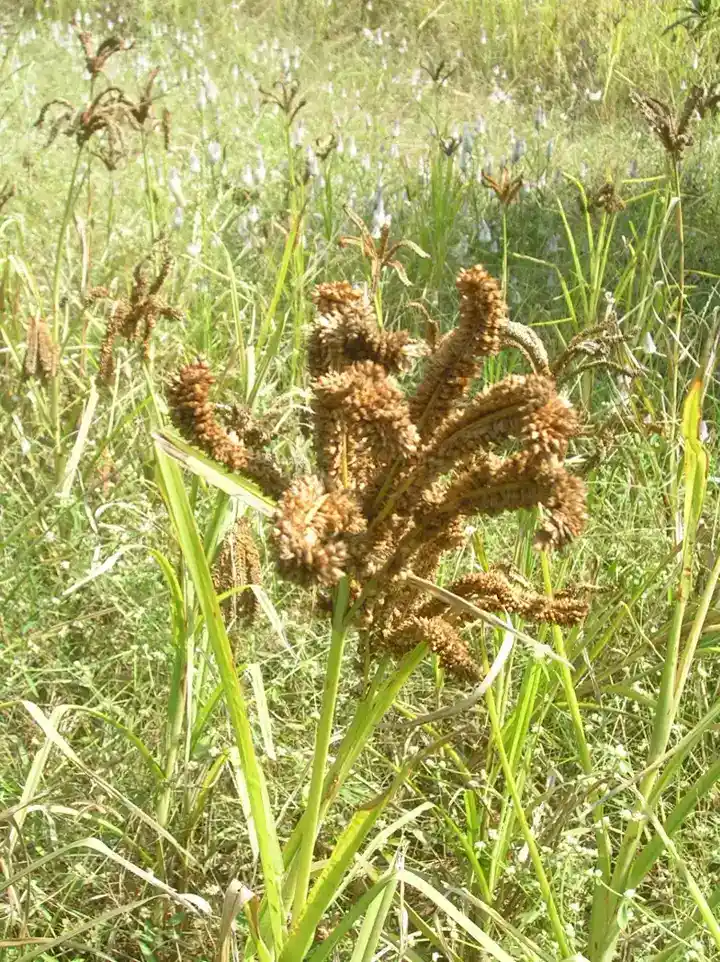
Finger millet is easy from direct seed. The seedlings look like fine young grass.
- Sow the tiny seed thinly in warm soil.
- Barely cover it, as the seed is small.
- Keep the soil moist until it sprouts.
- Thin or space the young plants out.
- Let it grow on to form its grain heads.
The seed is very fine, so sow it carefully. Mixing it with sand helps spread it evenly, much like sowing amaranthus.
Sun, soil, watering and feeding
Finger millet wants full, baking sun. It loves the hottest spot you have.
Well-drained, even poor soil suits it well. It dislikes heavy, waterlogged ground.
Water young plants to get them going. After that it copes well with dry spells.
It needs little feeding to crop. A modest soil is plenty, much like other tough grains grown in dry heat.
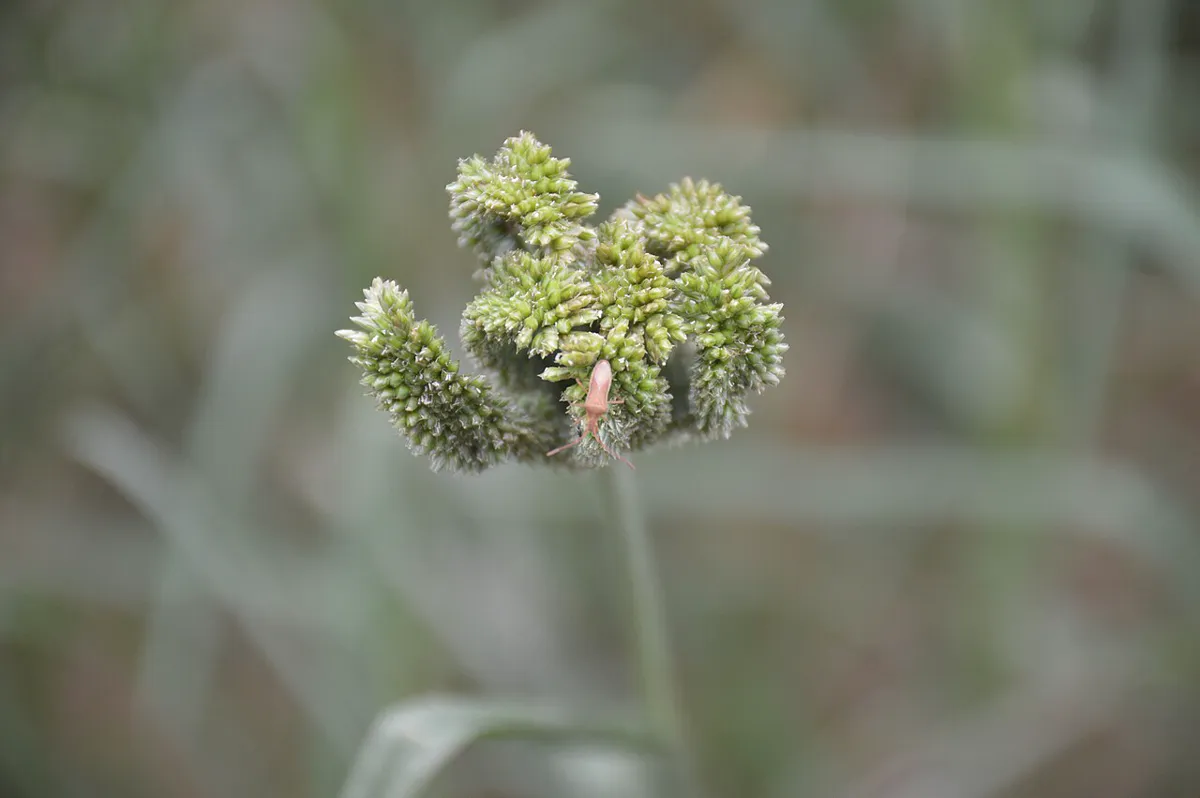
Built for heat and dry soil
Finger millet is a true survivor crop. It keeps growing when the rains fail.
Deep, fibrous roots help it find moisture. So it crops in places that defeat softer grains.
This toughness is its greatest gift. It is a dependable food in a difficult climate.
Common pests and diseases
Finger millet is hardy and pest-light. A few issues can appear.
- Birds: Feed on the ripening grain heads.
- Stem borers: Tunnel into the stems at times.
- Blast disease: A fungus in very humid spells.
- Aphids: Cluster on soft young growth.
Good airflow and dry ripening keep it healthy. Net the heads from birds, as with other grains like corn.
Harvesting finger millet
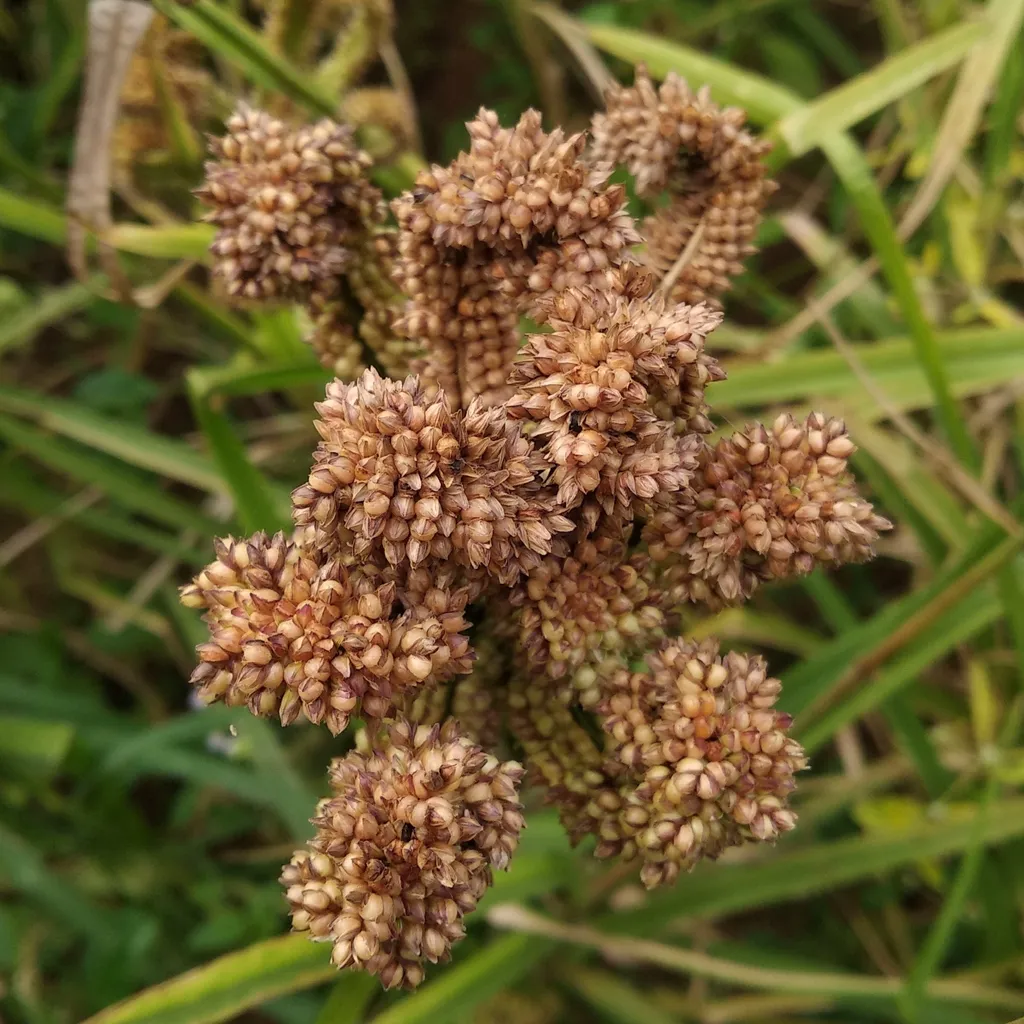
Harvest the heads once the grain is hard and dry. The finger-like spikes turn brown.
Cut the heads and dry them fully in the sun. Then rub out the small grain.
Winnow away the chaff in a light breeze. Store the clean grain somewhere dry.
Well-dried ragi keeps for a very long time. This long storage is part of its value.
Uses in the kitchen
Finger millet is a nourishing everyday grain. It is usually ground into a fine flour.
Ragi flour makes porridge, rotis and dosas. In the south it becomes the famous ragi mudde.
It has an earthy, nutty flavour. It blends well with other flours in baking.
Use the flour as a hearty staple. It is denser and earthier than light quinoa.
This article is for gardening information only and is not medical or nutritional advice. For dietary guidance, consult a qualified professional.
7 tips for the best finger millet seeds
A few simple habits give a good grain harvest. Follow these for full, healthy heads.
- Sow fresh seed in warm, settled weather.
- Mix the fine seed with sand to sow evenly.
- Give it full sun and free-draining soil.
- Water young plants, then ease off.
- Keep the bed weed-free while small.
- Net ripening heads from birds.
- Dry the grain fully before storing.
These steps suit most tough grain crops. The same care helps a hardy sesame patch along.
Common problems
Most finger millet troubles come from cold or wet soil. Use this guide to fix them.
- Patchy seedlings: Seed sown too thick or deep; sow fine and shallow.
- Lost grain: Birds; net the ripening heads.
- Poor growth: Cold soil; wait for real warmth.
- Rot: Waterlogged ground; improve drainage.
Companion planting and placement
Finger millet suits a sunny, open patch. Grow it in a block for a small grain crop.
Beans grow well nearby and enrich the soil. They share its love of warmth.
Keep it clear of heavy, shaded, wet ground. Such spots quickly weaken it.
Group it with other hardy warm crops. Set it near a drought-tough amaranth in a hot bed.
Growing finger millet in containers
Finger millet can grow in a large pot. A few pots give a small, fun harvest.
Choose a wide, deep tub with good drainage. Fill it with free-draining, not over-rich compost.
Stand it in full sun and water moderately. Sow a little block for the best effect.
Finger millet vs pearl millet: what is the difference?
Both are hardy Indian millets grown for grain. But they look quite different.
Finger millet, or ragi, is shorter with finger-like seed spikes. Pearl millet, or bajra, is taller with a single thick seed spike.
Ragi grain is small and reddish, often ground to flour. Both share the same love of heat and dry soil.
Frequently asked questions
Is finger millet the same as ragi?
Yes. Finger millet, ragi, nachni and mandua are all names for the same hardy grain, Eleusine coracana.
Is finger millet easy to grow?
Yes, it is very hardy. The main needs are warmth, full sun, free-draining soil and protecting the grain from birds.
Can I grow finger millet in India?
Yes, very widely. As ragi it thrives across warm, dry regions, especially in the south, with the monsoon rains.
How much grain will a garden patch give?
Only a small harvest, as it is really a field crop. But a patch is a fun way to grow your own ancient grain.
How long does finger millet take to mature?
Finger millet typically matures in 100 to 135 days from sowing, though some varieties finish sooner in warm conditions. Vegetative growth takes up the first two months, followed by three to four weeks of flowering before the grain fills.
How tall does finger millet grow?
Finger millet plants generally reach 30 to 150 cm depending on variety and growing conditions, sending up slender, grass-like stems topped by the distinctive finger-shaped seed heads. Most garden varieties settle in the lower half of that range.
What spacing does finger millet need?
Space rows about 22 to 30 cm apart, with roughly 8 to 10 cm between plants once thinned. Finger millet seed is very fine, so sow it shallowly and thin seedlings early to avoid overcrowding.
Why is ragi considered nutritious?
Ragi is valued for its unusually high calcium content, around 344 mg per 100 g, well above most other cereals. It also offers a good amino acid profile, which is why it is often recommended for growing children and lactating mothers.
How much water does finger millet need?
Finger millet is drought-tolerant once established and needs far less irrigation than rice or wheat, making it a reliable crop in dry, marginal land. Even moisture at germination and grain-fill still improves yields.
When should I sow finger millet?
Sow finger millet with the onset of the monsoon, typically June to July in most of India, once the soil has warmed and reliable rain has begun. Transplanting 18 to 20-day-old seedlings is also common practice in wetter regions.
How do I harvest and thresh finger millet?
Harvest finger millet once the seed heads turn brown and the grain hardens, cutting the stalks by hand or sickle. After drying in the sun, thresh by beating the heads on a hard surface or treading, then winnow to separate the grain.
Finger millet is one of the toughest and most fascinating grains a gardener can try, splaying its finger-like seed heads above a neat, grassy plant. With the best finger millet seeds, full sun and free-draining soil, you can grow a small patch of hardy ragi and taste a grain that has fed millions for millennia. For more seed and grain crops, see our guides on quinoa, fast foxtail millet and amaranth.
Still stuck? Ask the Plant Doctor
Describe the problem — yellow leaves, holes, no flowers — and get a clear answer in seconds. FreeAI can make mistakes. Answers are guidance, not a guarantee — check anything important against the guide it links to, and always read the label on any product before you use it.