Geum Seeds
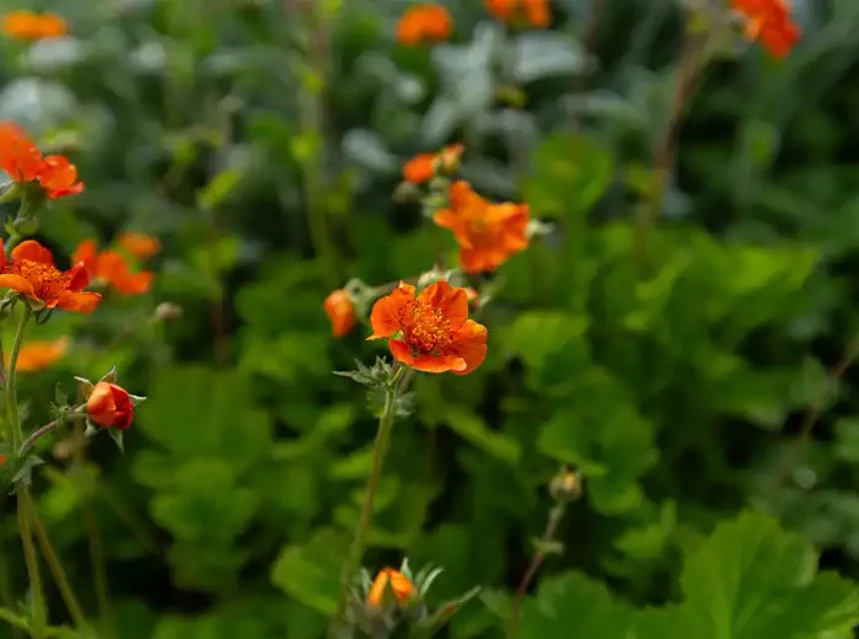
Geum seeds grow into avens — a hardy cottage-garden perennial with ruffled or bowl-shaped flowers in warm scarlet, orange, apricot, and yellow on wiry stems above neat leafy clumps. These cheerful, long-flowering plants are easy from seed and return year after year. Geum, also called avens, brings early-summer colour to borders and pots, and the flowers are loved by bees. Growing from seed is cheaper than buying plants and gives you the classic named strains. This guide covers the best geum seeds to grow, exactly how to grow geum from seed, when to sow, and where to buy fresh seed.
Geum (Geum species) is a hardy clump-forming perennial grown for its warm-coloured flowers in late spring and summer. You grow it from seed surface-sown in cool warmth. Many types bloom in their first or second year.
Hardy, cheerful, and pollinator-friendly. The geum botany page and the RHS guide to growing geum cover sowing, timing, and care.
🧰 In a hurry? Jump straight to our tested picks for this guide ↓
Geum seeds at a glance
| Feature | Detail |
|---|---|
| Botanical name | Geum (family Rosaceae) |
| Sowing depth | Surface-sow; barely cover, light helps |
| Germination temperature | 18–21°C (65–70°F) |
| Days to germinate | 21–28 days (can be slow) |
| Season | Hardy perennial; cool-season grower |
| Days to bloom | First or second year from sowing |
| Best for | Cottage borders, edging, pots, pollinators |
Why grow geum from seed?
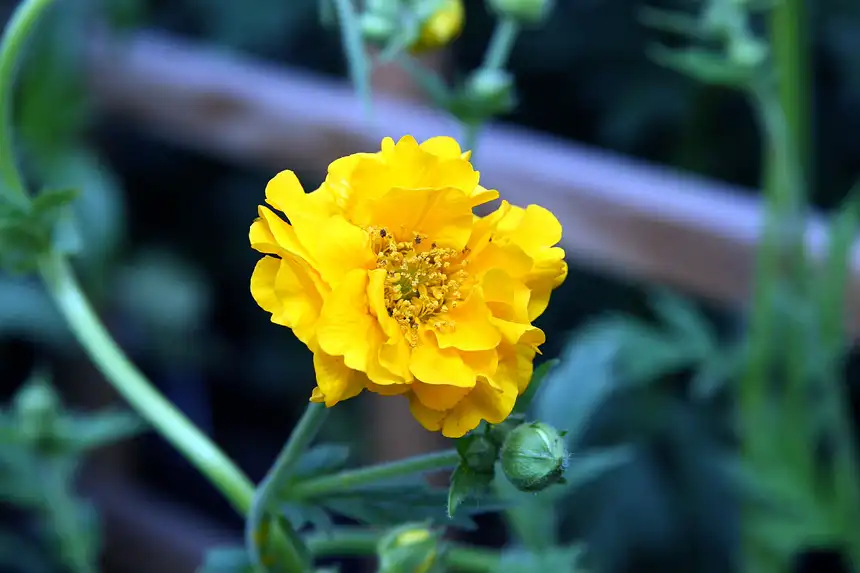
Geum is a brilliant, easy-going cottage perennial. First, it flowers early and long, often from late spring into summer, in warm, cheerful colours. Second, it is hardy and reliable, returning year after year and forming tidy leafy clumps. Third, seed is far cheaper than buying plants and gives you classic strains like the scarlet Mrs Bradshaw.
The bright blooms are great for borders, edging, and pots, and bees love them. Geum sits beautifully among other cottage perennials such as coneflowers and gaillardia. For a layered border, pair it with salvia, dianthus, and campanula.
Geum types & colours
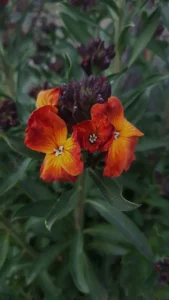
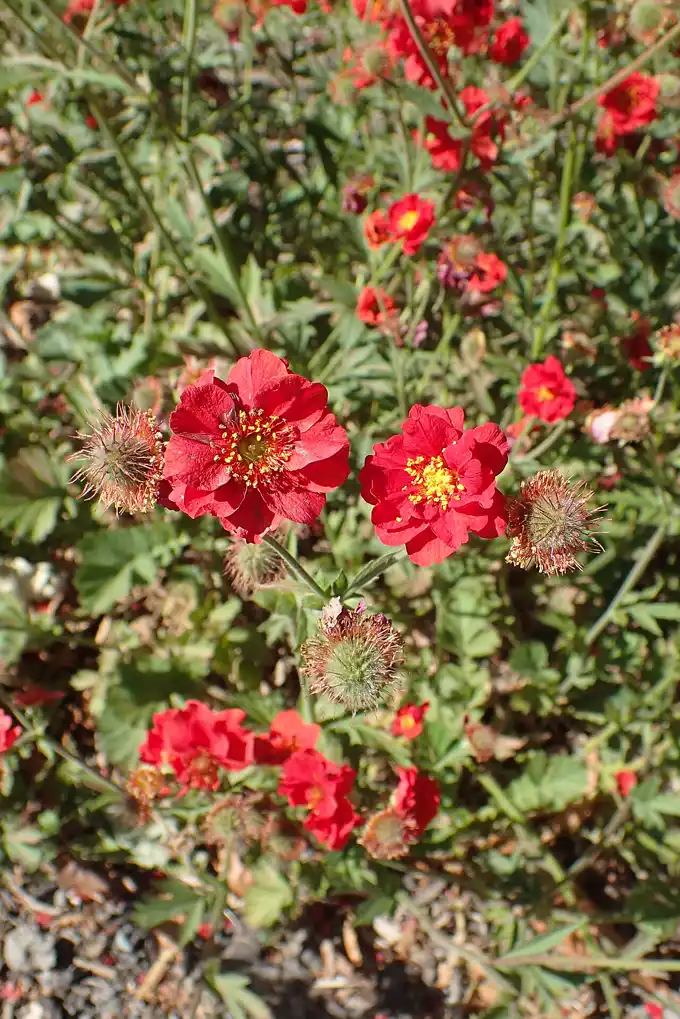
Geums come in warm, fiery shades and a range of flower shapes. Colours run through scarlet, orange, apricot, coral, and clear yellow, in single, semi-double, and fully double forms. The flowers can be neat bowls, open daisies, or ruffled pom-poms, held on slender, branching stems above the foliage. The leaves form a low, semi-evergreen rosette that looks tidy even out of bloom. Seed-raised geums include the famous old double strains as well as singles, so you can choose a bright, informal cottage look or a tidier border plant.
History & origin of avens
Geum is a wide group of plants found across Europe, Asia, and the Americas, with garden types drawing especially on species from Chile, such as Geum chiloense. The old strains Mrs Bradshaw and Lady Stratheden have been garden favourites for over a century. The common name avens has long been used for these and their wild relatives.
From these species, breeders developed the warm-coloured border geums grown today. You can read more on the plant’s botany and history at Wikipedia. Geum is a cool-climate perennial, so in India it grows best in the hills and cooler hill-station gardens, where winters are cold enough for it to thrive and return each year.
Best geum seed varieties to grow
Geum seed varieties range from classic double strains to bright singles. Choose by colour and flower form.
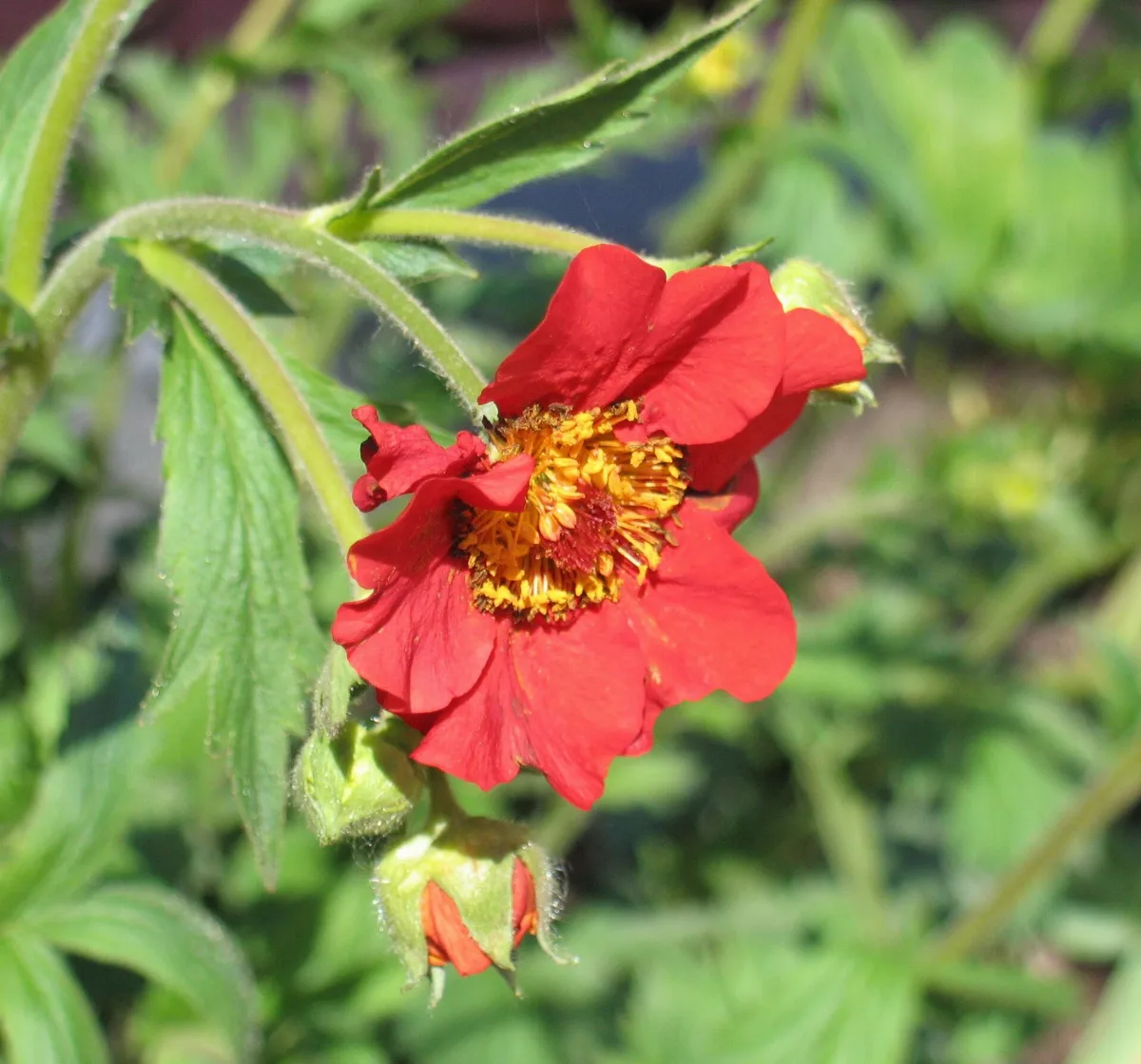
| Variety | Type | Best for | Region |
|---|---|---|---|
| Mrs Bradshaw | Double (scarlet) | Classic bright red cottage flowers | cool climates |
| Lady Stratheden | Double (yellow) | Golden-yellow double blooms | cool climates |
| Blazing Sunset | Double (red) | Large, full scarlet flowers | cool climates |
| Cocktail Mix | Mixed | Range of warm shades | cool climates |
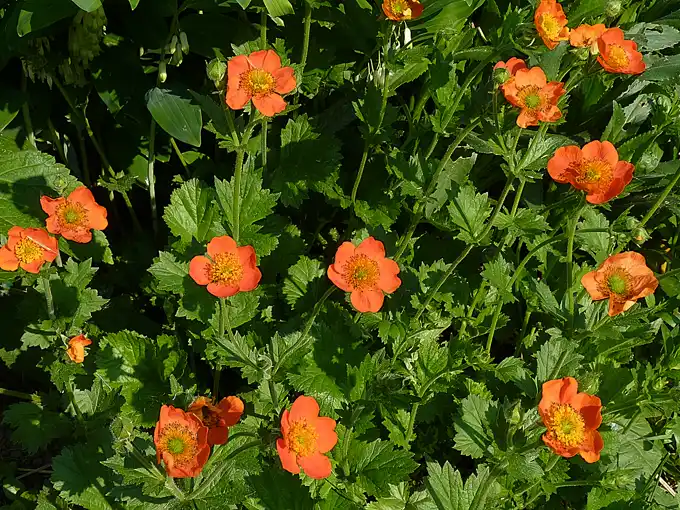
| Geum coccineum (Cooky) | Single (orange) | Bright single orange flowers | cool climates |
| Lady Stratheden & Mrs Bradshaw Mix | Double mix | Red and yellow together | cool climates |
For the classic look, the old double strains Mrs Bradshaw (scarlet) and Lady Stratheden (yellow) are unbeatable and grow well from seed. Blazing Sunset adds large red doubles, while a mix gives a blend of warm colours. For a simpler, single flower, Geum coccineum types like Cooky shine in bright orange. All are hardy, pollinator-friendly, and easy in a cool-season border.
How to grow geum from seed
Geum is straightforward from seed, though it can be a little slow to start.
- Surface-sow for light. Scatter seed on moist mix and barely cover it, as light helps germination.
- Keep cool and steady. Hold at 18–21°C; seeds sprout in about 21–28 days, sometimes unevenly.
- Sow spring or late summer. Spring sowing may bloom the same year; late-summer sowing flowers the next.
- Grow on and plant out. Pot up seedlings and plant into the border once they are sturdy.
- Deadhead for more. Remove faded flowers to encourage a longer show.
Geum likes a cool, bright spot and steady moisture. Established clumps can be divided every few years to keep them vigorous. In India, grow geum in the hills and cool hill-station gardens, where the winter chill suits it and it returns reliably each year.
Best season: when should you sow geum seeds?
Geum is a hardy, cool-season perennial. Sow it in spring or late summer for the best results. A spring sowing gives strong plants that may flower the same year, especially if started early. A late-summer sowing produces young plants that overwinter and bloom the following spring and summer. In cool and temperate climates, geum is easy and hardy outdoors. In India, sow in the hills during the cool season, as geum needs winter chill and will not thrive in the hot plains. Avoid sowing into hot, dry conditions.
Soil, watering & feeding
Geum wants full sun to part shade and moist but well-drained soil with some organic matter. It dislikes both drought and waterlogging, so aim for steady, even moisture. In hot climates, a little afternoon shade helps keep the plants fresh.
Feed in spring with compost or a balanced feed to support strong growth and flowering. Divide clumps every two or three years to keep them healthy and free-flowering. Geum mixes well with other hardy border plants such as rudbeckia and asters, giving a long season of cottage colour.
Common pests & diseases
Geum is generally healthy and trouble-free. The main pests are sawfly larvae and vine weevil, which can chew leaves or roots, and occasional aphids on new growth. The main diseases are powdery mildew in hot, dry spells and root rot in cold, wet, poorly drained soil. Good airflow, steady moisture, and sharp winter drainage prevent most problems. Dividing crowded clumps also keeps plants vigorous and less prone to trouble.
Blooming & pollinators
Geum flowers from late spring into summer, often as one of the earlier perennials to bloom. Deadheading spent flowers encourages more buds and can extend the display. The bright, warm-coloured blooms are excellent for bees and other pollinators, making geum a cheerful, wildlife-friendly choice for the front or middle of a border. The neat foliage clumps stay tidy after flowering, giving good ground cover and a long season of interest in a cool-climate garden.
Saving your own geum seeds
Saving geum seed is easy, as the flowers form fluffy, hook-tipped seed heads. Let some blooms fade and the seed heads dry on the plant, then collect the seeds once ripe. Dry them well and store in a labelled envelope somewhere cool and dark. Seed from species and old open-pollinated strains comes fairly true, while some modern hybrids may vary. Geum can also self-seed gently in a suitable spot. Our full guide to saving seeds covers drying and storage in detail.
Common problems from seed
The most common issue is slow or patchy germination, which is normal for geum, so sow with light, keep cool, and be patient. Seedlings that damp off mean the mix was too wet, so water carefully and give airflow. Plants that fade in summer usually need more moisture or some afternoon shade. Few flowers can mean too much shade or tired, crowded clumps that need dividing. Fresh seed, cool conditions, and steady moisture give the best results.
Where can you buy geum seeds?
Choose a classic double strain like Mrs Bradshaw or Lady Stratheden, or a single type like Geum coccineum for bright orange. Always buy fresh seed for better germination. Many seed houses sell geum in single colours and mixes, and seed travels well for cool-climate and hill gardens. Use the links below to compare trusted sources and pick your favourite warm shades.
Frequently asked questions
How long do geum seeds take to germinate?
Geum seeds germinate in about 21–28 days at 18–21°C, sometimes unevenly. Surface-sow them and barely cover them, as light helps, and keep the mix cool and steadily moist.
Will geum flower in the first year from seed?
It can. An early spring sowing may bloom the same year, while a late-summer sowing usually flowers the following spring and summer. Either way, geum is a hardy perennial that returns each year.
Is geum easy to grow?
Yes, in a cool, bright spot with moist, well-drained soil. Geum is hardy and low-care, needing only deadheading for more flowers and dividing every few years to stay vigorous.
Does geum seed need cold stratification?
Not strictly, but a spell of cold improves how evenly it comes up. Seed suppliers note that a month in the fridge or an outdoor autumn sowing that sits through winter chill germinates faster and more uniformly than seed sown warm with no cold treatment at all.
Is geum deer resistant?
Yes, deer generally pass over geum in favour of softer, more palatable perennials nearby. That makes it a reliable choice for cottage borders in areas with regular deer pressure, though no plant is completely safe when browsing animals are truly hungry.
Is geum toxic to dogs or cats?
No. Geum is listed as non-toxic in ASPCA and university veterinary plant databases, so it is a safe choice for gardens shared with pets. It is still sensible to discourage chewing any garden plant, but geum itself carries no known toxic compounds.
How often should you divide geum plants?
Every two to three years, once the clump gets crowded and flowering starts to thin out. Lift the plant in early spring or after flowering, split it into rooted sections, and replant promptly. Regular division keeps geum vigorous and flowering well.
What causes the white powder on geum leaves?
That is powdery mildew, a common fungal disease that shows up on geum in humid or crowded conditions. Improve airflow by spacing plants well and watering the soil rather than the foliage; remove badly affected leaves and treat with a fungicide if it recurs each year.
Does geum self-seed in the garden?
Some named strains do, dropping seed near the parent clump after flowering. Deadheading spent flower stems before seed ripens keeps self-sowing in check if you only want the plants you chose. Left alone, geum can gently colonise a bed over a few seasons.
What is the difference between geum and purple avens (Geum rivale)?
Purple avens is a wilder, damp-loving species with nodding pink-purple bells, while most garden geum seed strains are bred from Geum chiloense or hybrids with upright, brighter scarlet or orange cups. Both belong to the same genus but suit different border styles.
Can you grow geum in India?
Yes, in the hills and cool hill-station gardens. Geum needs winter chill, so it thrives in cooler regions rather than the hot plains. Grow it in sun to part shade in moist, well-drained soil and sow in the cool season.
Still stuck? Ask the Plant Doctor
Describe the problem — yellow leaves, holes, no flowers — and get a clear answer in seconds. FreeAI can make mistakes. Answers are guidance, not a guarantee — check anything important against the guide it links to, and always read the label on any product before you use it.