Gilia Tricolor Seeds
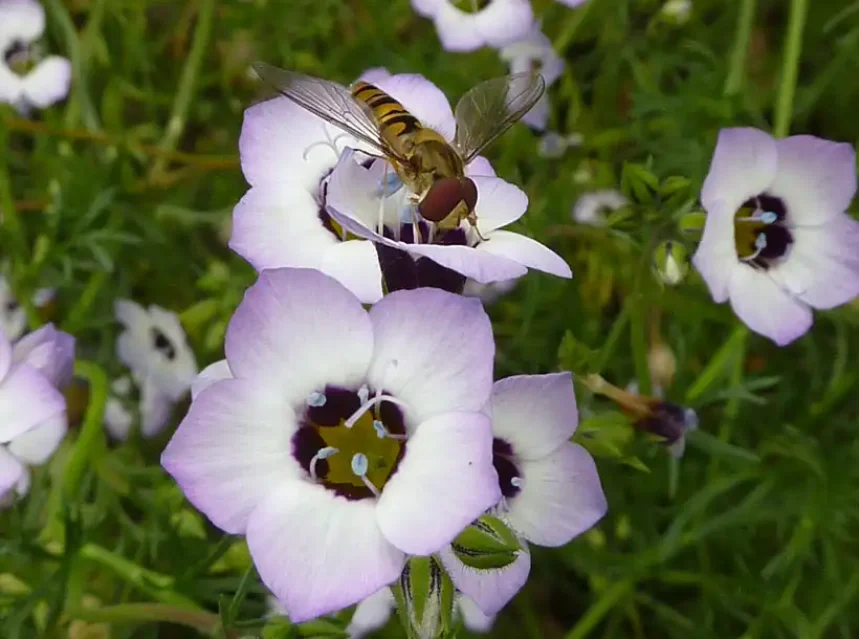
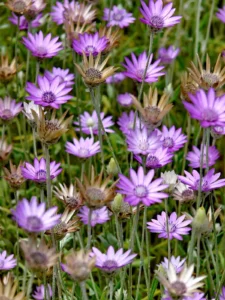
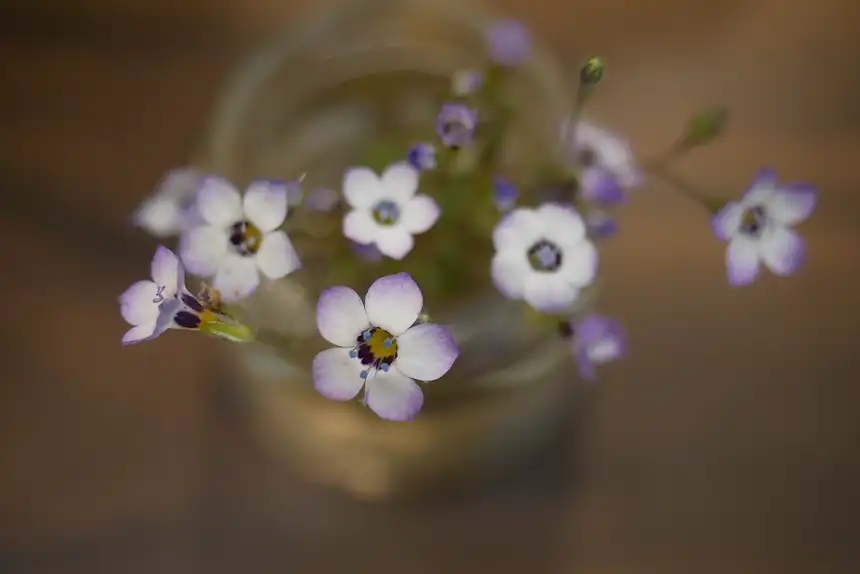
Gilia tricolor seeds grow into an airy, easy hardy annual called bird’s eyes. Each dainty flower has pale lilac petals, a yellow throat and a dark violet ring. That tiny “eye” at the centre gives the plant its name. The blooms even carry a sweet chocolate scent that bees adore.
🧰 In a hurry? Jump straight to our tested picks for this guide ↓
Quick start: bird’s eyes gilia at a glance
- What it is: a low hardy annual (Gilia tricolor), also called bird’s eyes or tricolor gilia.
- Best for: bee & butterfly forage, wildflower meadows, airy cut-flower filler, edging.
- Sow: direct sow in spring or autumn; surface-sow as it needs light and hates transplanting.
- Light & soil: full sun; light, well-drained soil; drought-tolerant once settled.
- Size: 15-45 cm (6-18 in) tall, bushy and ferny.
- India note: grow as a cool-season annual (sow Oct-Nov in the plains).
Authority references: the Wikipedia entry on Gilia tricolor.
| Family | Polemoniaceae (phlox family) |
|---|---|
| Native range | California, USA (grassy slopes & open valleys) |
| Height | 15-45 cm (6-18 in), bushy and ferny |
| Showy part | Lilac flowers with a yellow throat & dark violet “eye” |
| Scent | Sweet chocolate-honey fragrance |
| Germination | ~17-21 days at 12-18°C (surface-sow; needs light) |
| Bloom time | Spring to midsummer |
| Habit | Hardy annual; self-seeds gently |
Buy gilia tricolor seeds
Want a scented, bee-friendly haze of lilac flowers? Gilia tricolor seeds are cheap and easy to find. Compare a few trusted sellers below for the best value.
Why grow bird’s eyes gilia?
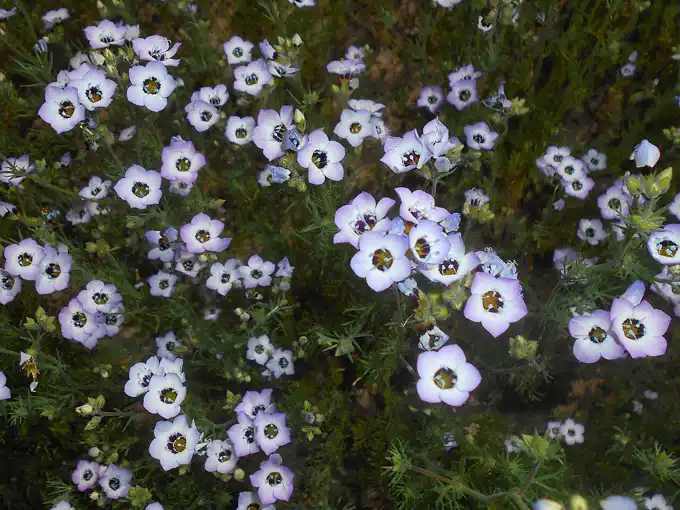
This little wildflower gives a big return for tiny effort. You scatter the seed and barely cover it. Weeks later it forms a soft, ferny haze of bloom.
The flowers are the charm. Each one shows that painted “bird’s eye” centre. Massed together they shimmer in pale lilac and violet.
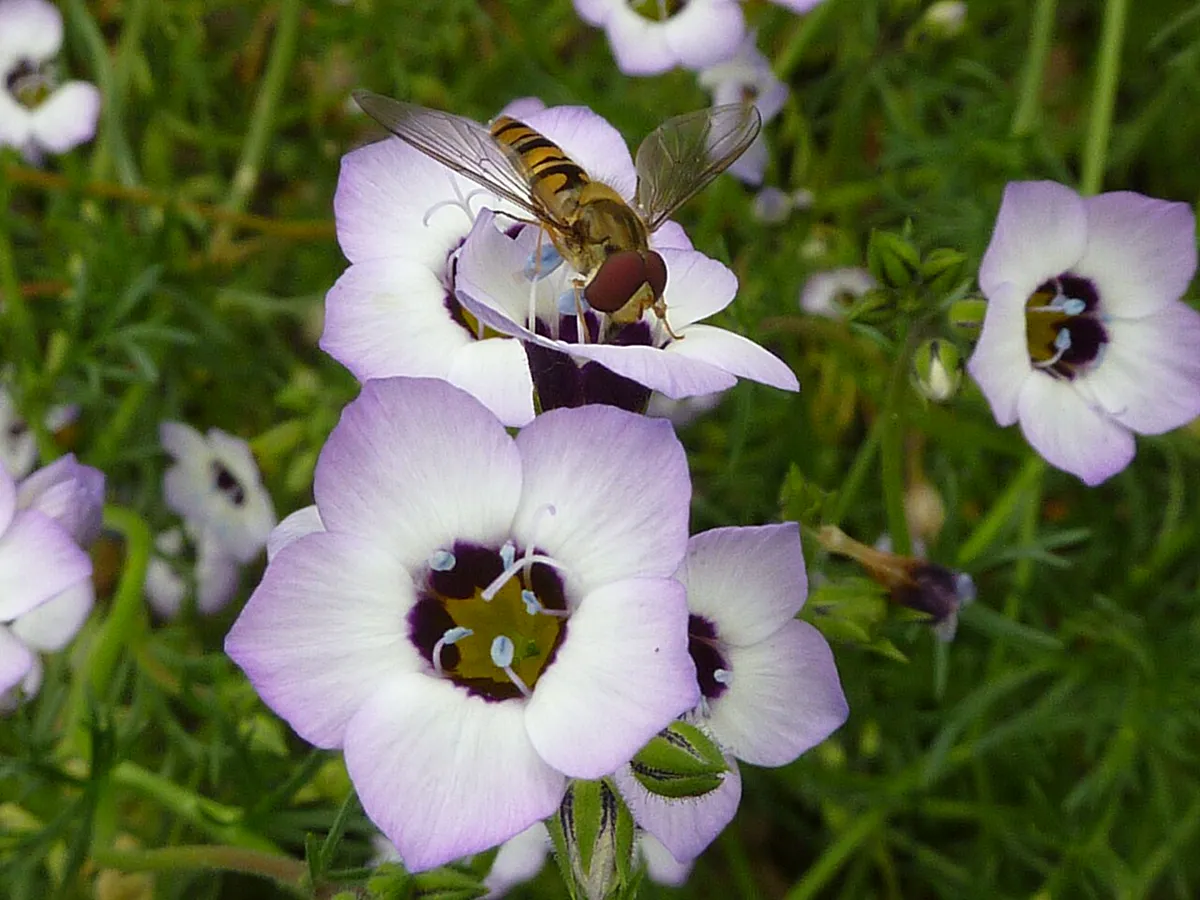
It is also a heavy nectar plant. Bees, butterflies and other helpful insects flock to it. The sweet chocolate scent only adds to the draw.
On top of that, it is tough and drought-tolerant. It thrives on lean, sunny ground other annuals dislike. For more easy bee flowers, see our phacelia growing guide and poached egg plant guide.
The “bird’s eyes” face & chocolate scent
This is what sets gilia tricolor apart. Most meadow annuals offer one flat colour. Bird’s eyes gives you three in every tiny bloom.
Look closely at a single flower. The outer petals are pale lilac to soft violet. A clean yellow throat glows at the base.
Then comes the magic ring. A band of deep purple-maroon circles the throat. Dark, powdery stamens finish the “eye” at the centre.
The scent is the second surprise. Many gardeners describe a sweet chocolate or honey note. Plant it near a path so you brush past and catch it.
Gilia tricolor vs other meadow annuals
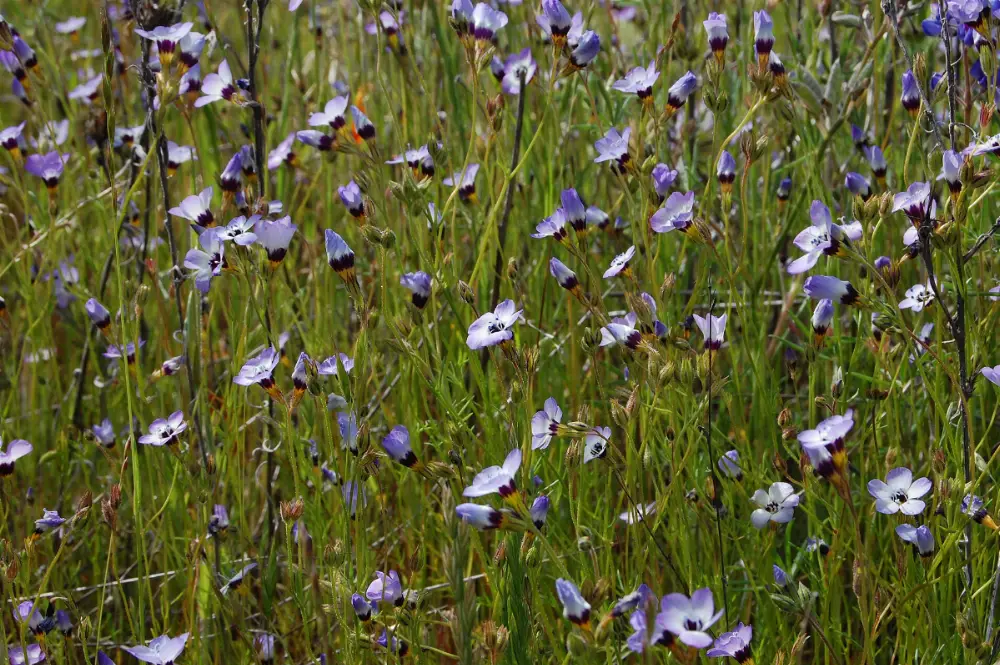
Many easy annuals suit a sunny wildflower patch. Each brings a different colour and habit. Here is how bird’s eyes compares.
| Flower | Main draw | Height | Where it grows |
|---|---|---|---|
| Gilia tricolor (bird’s eyes) | Scented lilac “eye” flowers, bees | 15-45 cm | US native; cool-season India |
| Nemophila (baby blue eyes) | Low sky-blue carpet | 15-25 cm | US native; cool India |
| Phacelia | Top bee plant & green manure | 30-60 cm | Most US; cool India |
| Clarkia | Frilly pink wildflower spires | 30-90 cm | US native; cool India |
| Calendula | Pollinators, pest decoy, edible | 30-60 cm | Most US; winter India |
So choose gilia tricolor when you want scent and a delicate face. It mixes beautifully with the blues above. For airy white partners, browse our ammi majus guide.
History, origin & the name
Gilia tricolor is a true California wildflower. It grows wild on grassy slopes and open valleys. Spring rains trigger its quick, showy bloom.
The genus Gilia honours an 18th-century Italian naturalist. The word “tricolor” points to the flower’s three tones. Lilac petals, a yellow throat and a violet ring make up the trio.
The common name bird’s eyes describes that ringed centre. Some sellers also call it tricolor gilia. All the names circle back to its painted face.
Gardeners adopted it as an easy cottage and meadow annual. It now features in wildflower mixes worldwide. Its toughness and scent keep it popular far from its home state.
Best season & when to sow
Gilia tricolor is quick and frost-tolerant when young. So you have two good sowing windows. The seed simply needs light and cool soil to start.
In the US, sow outdoors two to four weeks before the last frost. In mild-winter areas, an autumn sowing gives earlier, bigger plants. It flowers from spring into midsummer.
In India, treat it as a cool-season annual in the plains. Sow from October to November for winter and spring flowers. Cooler hill stations can sow in their own mild season.
Avoid sowing into hot, dry heat. The plants rush to seed and fade fast. Cool weather gives the longest, fullest display.
Growing gilia tricolor from seed: how to plant
This is one of the simplest wildflowers to raise. Here is how to plant it step by step.
- Prepare the bed. Rake light, well-drained soil to a fine tilth in full sun. Clear weeds first.
- Direct sow. Scatter seed where you want it to grow. Its delicate roots dislike transplanting.
- Surface-sow. Press seed gently onto the soil. Barely cover it, as light helps germination.
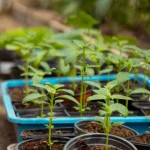
- Keep moist. Water gently and keep the surface damp. Seedlings appear in about two to three weeks.
- Thin out. Space young plants about 15 to 20 cm apart. They soon knit into a soft haze.
If you must start indoors, use deep pots and plant out small. Disturb the roots as little as possible. For more direct-sow annuals, see our cosmos growing guide and malope guide.
Sun, soil, watering & feeding
Give bird’s eyes full sun for the best flowering. It loves bright, open positions. Shade makes plants thin and floppy.
It prefers light, well-drained soil and even tolerates sand. Heavy, soggy ground is its main enemy. Add grit to improve drainage if needed.
Water young plants to settle them in. After that, it is genuinely drought-tolerant. Overwatering causes more disease than it prevents.
Feeding is rarely necessary at all. Rich soil grows leaves at the cost of flowers. Lean ground actually gives the brightest display.
Cut flowers & self-seeding
Gilia tricolor makes a lovely airy cut flower. The fine sprays work like a coloured baby’s breath. They soften and fill any small bouquet.
Cut long stems just as the first flowers open. Strip the lower leaves and place stems in water at once. They last well in informal posies.
Left in the garden, it self-seeds gently each year. It rarely becomes weedy and is easy to control. Many gardeners enjoy the surprise of returning plants.
To save seed, let some flowers fade and dry on the plant. Collect the ripe seed on a dry day. Store it cool and dark for next season. Pair it with other cut-flower fillers like our scabiosa stellata guide.
Common pests & problems
Gilia tricolor is remarkably trouble-free. It is grown for ease, not fuss. Most problems trace back to too much water.
Overwatering is the biggest risk by far. Wet roots invite rot and fungal disease. Let the soil dry between waterings once plants are settled.
Slugs and snails may nibble tender seedlings. Protect new sowings until plants toughen up. Established plants shrug off most damage.
In hot, dry spells it can finish early. The plants yellow and set seed fast. Sow in the cool seasons and let it self-seed to renew the display.
Frequently asked questions
Are gilia tricolor seeds easy to grow?
Yes, they are among the easiest wildflower annuals. Surface-sow on prepared soil in full sun and barely cover them. Seedlings appear in about two to three weeks with little care.
Why is it called bird's eyes?
Each flower has a dark violet ring around a yellow throat. With the pale lilac petals, this looks like a tiny painted eye. The “tricolor” name nods to those three tones.
Can I grow gilia tricolor in India?
Yes, treat it as a cool-season annual in the plains. Sow from October to November in full sun and free-draining soil. Avoid monsoon waterlogging with raised beds or pots.
Does bird's eyes gilia really smell of chocolate?
Many gardeners report a sweet chocolate or honey scent. It is gentle, so plant it near a path or seat. The fragrance also helps pull in bees and butterflies.
Do gilia tricolor seeds need cold stratification?
No, bird’s eyes seeds germinate without any pretreatment. Native-plant nurseries that sell this species list it as needing no stratification or scarification. Just press the seed onto damp soil in a cool spot and it sprouts on its own within a few weeks.
How deep should you plant gilia tricolor seeds?
Sow them roughly 1/8 inch deep, or simply press them onto the surface and barely dust with fine soil. The seed needs light to trigger germination, so burying it deeper than that often stalls sprouting. A light rake-in is enough to hold it in place.
Is bird's eyes gilia deer resistant?
Yes, gardeners and native-plant growers consistently list Gilia tricolor as deer resistant. Deer tend to leave the ferny, aromatic foliage alone even when browsing nearby plants. No plant is completely deer-proof in a hard season, but bird’s eyes rarely shows damage.
Does gilia tricolor grow in clay soil?
It can, though it performs best in light, fast-draining ground. California native-plant growers note that established plants tolerate clay and other heavy soils reasonably well with full sun and low water. Waterlogged clay in a wet winter is still the main risk, so raised rows help in heavier gardens.
Will gilia tricolor cross-pollinate with gilia capitata?
Rarely. Growers who raise both species for seed report that tricolor and capitata do not readily cross with each other, even planted side by side. If you save seed from a mixed wildflower patch, expect the two to stay true to type.
How far apart should I space gilia tricolor plants?
Thin seedlings to about 6 to 12 inches apart once they have their first true leaves. Closer spacing still works for a dense meadow look, since the ferny stems knit together as they grow. Wider spacing suits a tidier border planting.
Do birds eat gilia tricolor seed?
Yes, birds are drawn to the ripe seed, which is one reason growers recommend scattering it just before a rain so it washes into the soil quickly. A light raking after sowing also helps keep more seed in the ground and out of reach of hungry finches and sparrows.
Sources and further reading
Still stuck? Ask the Plant Doctor
Describe the problem — yellow leaves, holes, no flowers — and get a clear answer in seconds. FreeAI can make mistakes. Answers are guidance, not a guarantee — check anything important against the guide it links to, and always read the label on any product before you use it.