Best New Zealand Spinach Seeds
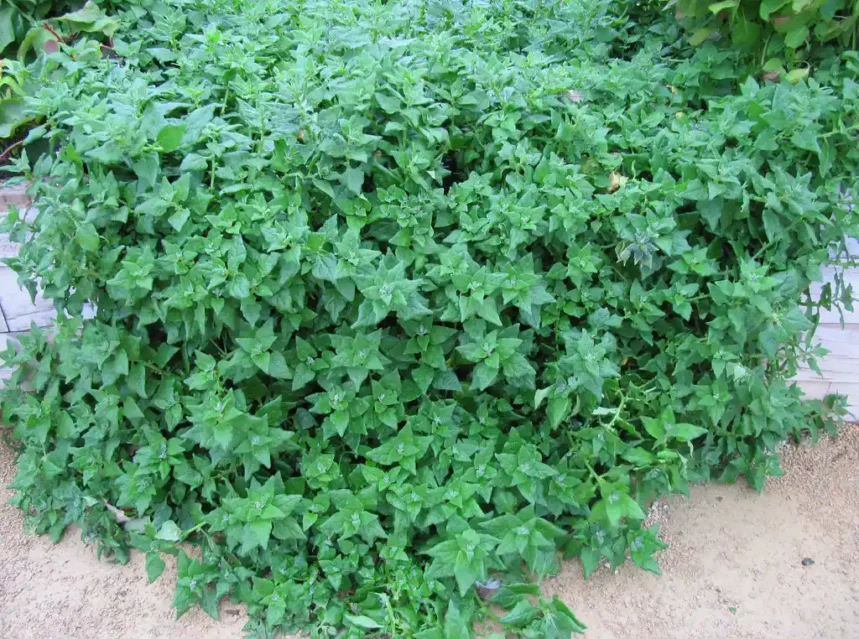
The best New Zealand spinach seeds grow a sprawling, heat-loving green that keeps cropping all summer, when ordinary spinach has long since bolted. It is the answer to fresh greens in the heat.
New Zealand spinach is a heat-tolerant leaf vegetable, Tetragonia tetragonioides, grown for its thick, succulent, spinach-like leaves. It is also called warrigal greens or Botany Bay spinach. Seed packets spell the species both ways, and the accepted form in World Flora Online is Tetragonia tetragonoides — without the second “i” — so do not be thrown if a supplier lists it differently.
🧰 In a hurry? Jump straight to our tested picks for this guide ↓
Quick start
- Type: Sprawling warm-season leafy perennial, grown as annual
- Sow: Late spring; soak seed first
- Soil: Fertile, moist, well-drained
- Sun: Full sun
- Harvest: Shoot tips from about 6-7 weeks
- Best for: Hot summers, ground cover, cooked greens
New Zealand spinach belongs to the fig-marigold family (Aizoaceae). For background, see Tetragonia tetragonioides on Wikipedia and the New Zealand spinach entry at Britannica.
Why grow New Zealand spinach?
It solves the great summer greens problem. It crops happily in heat that makes spinach bolt.
The leaves are thick, soft and mild. Cooked, they taste much like true spinach.
One plant covers a lot of ground. Its sprawling shoots keep giving leaves for months.
It is also tough and drought-aware. Once settled, it shrugs off hot, dry spells.
Why it is not a true spinach
Despite the name, this is not real spinach. It belongs to a completely different plant family.
True spinach is a cool-season annual that bolts in heat. New Zealand spinach is a warm-season sprawler.
They simply taste alike once cooked. So gardeners use this plant as a summer spinach substitute.
The leaves are thicker and more succulent, too. This helps the plant cope with heat and dry soil.
New Zealand spinach at a glance
| Feature | Detail |
|---|---|
| Botanical name | Tetragonia tetragonioides |
| Family | Aizoaceae (fig-marigold family) |
| Common names | New Zealand spinach, warrigal greens |
| Edible part | Young shoot tips and leaves |
| Flavour | Mild, spinach-like when cooked |
| Habit | Low, sprawling, spreading |
| Climate | Warm, even hot and dry |
| Type | Tender perennial, grown as annual |
History, origin and how it reached India
New Zealand spinach grows wild around the Pacific and Australasia. Coastal peoples gathered it long ago.
Captain Cook’s crew ate it to stay healthy at sea. It later spread to gardens across Europe.
It became a favourite warm-season green worldwide. Cooks valued it where real spinach would not last.
In India it suits the warm season very well. It thrives in heat that troubles many cool greens.
New Zealand spinach seed types
New Zealand spinach is grown as the basic species. There is little named variation.
| Type | Notes |
|---|---|
| Wild species seed | The standard; thick, mild summer leaves |
| Self-saved seed | Easy to collect; the plant self-seeds freely |
| Warrigal greens strains | Australian forms of the same plant |
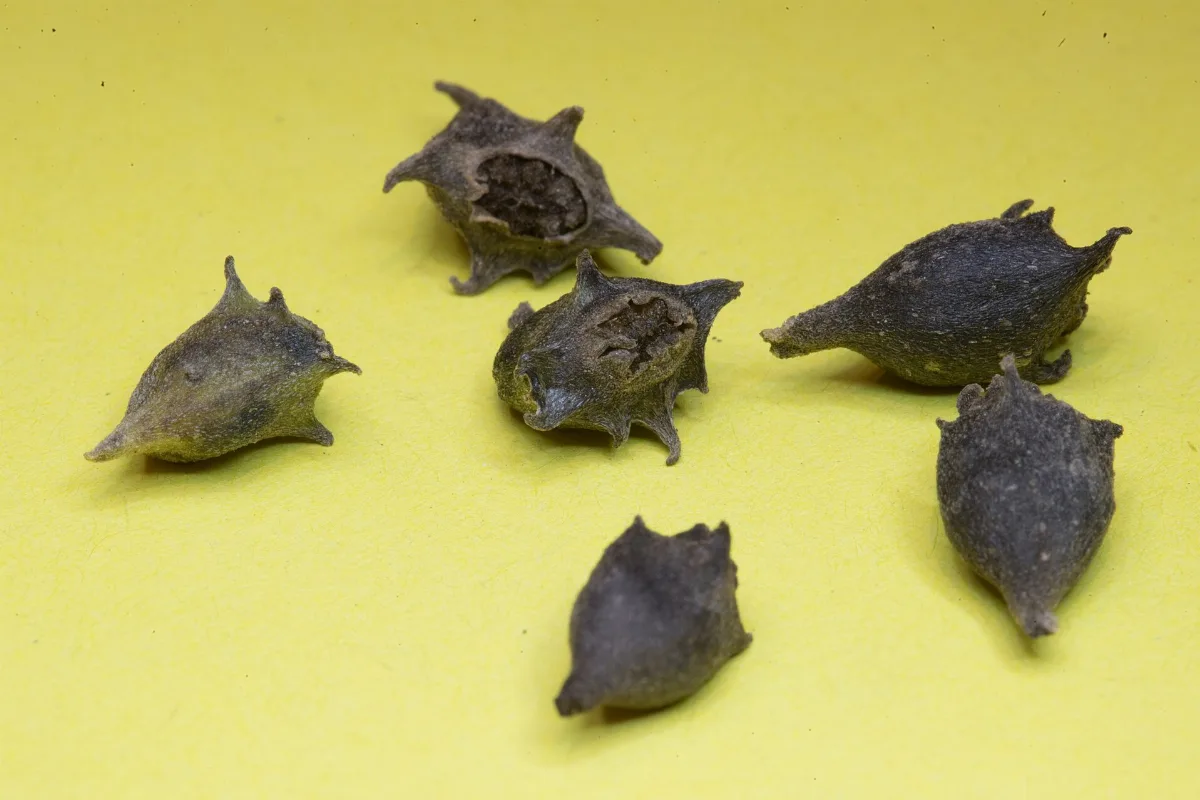
Buy fresh seed for the best results. The hard, knobbly seed sprouts better after a soak.
Best season and when to plant
This is a warm-season crop. So sow it in late spring once frost has passed.
In the US and UK, sow from May into early summer. The plants then crop through the heat.
In India, sow with the warm season in most regions. It loves the heat that other greens dislike.
Avoid cold soil, which the seed dislikes. Warmth gives quicker, more even germination.
How to grow New Zealand spinach from seed
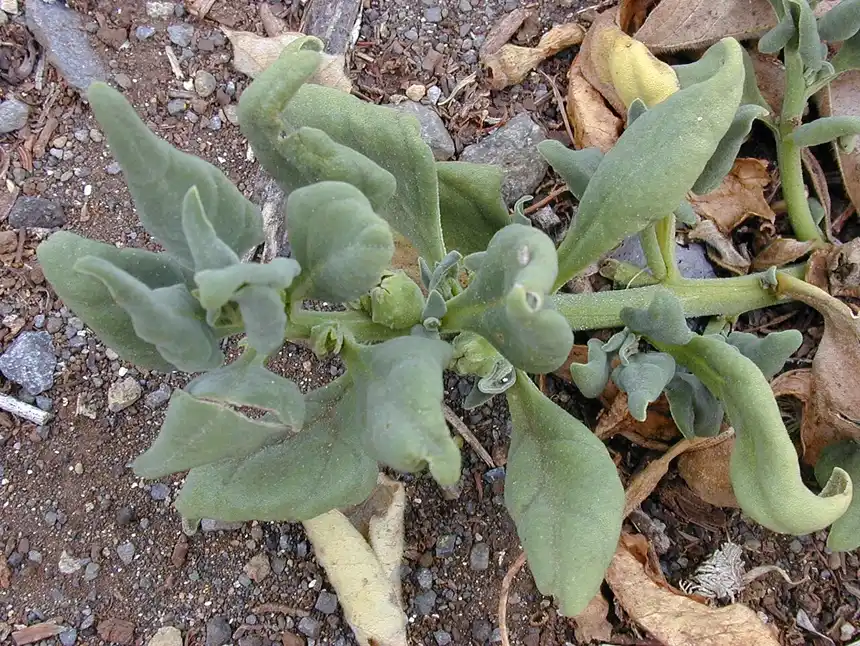
The seed is hard and slow to sprout. A soak before sowing makes a real difference.
- Soak the knobbly seed in warm water overnight.
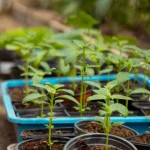
- Sow about 1-2 cm deep in warm, fertile soil.
- Keep the soil moist until seedlings appear.
- Thin or space plants about 45-60 cm apart.
- Give each plant room to sprawl widely.
Germination can still be slow, so be patient. Unlike fast greens such as mustard greens, it takes its time.
Sun, soil, watering and feeding
New Zealand spinach needs full sun to thrive. Plenty of heat and light build lush growth.
Fertile, well-drained soil grows the best leaves. It still copes on poorer ground once settled.
Water in dry spells to keep leaves tender. It tolerates some drought but crops better with moisture.
Feed lightly through the season. A balanced feed keeps the shoots soft, much like Swiss chard.
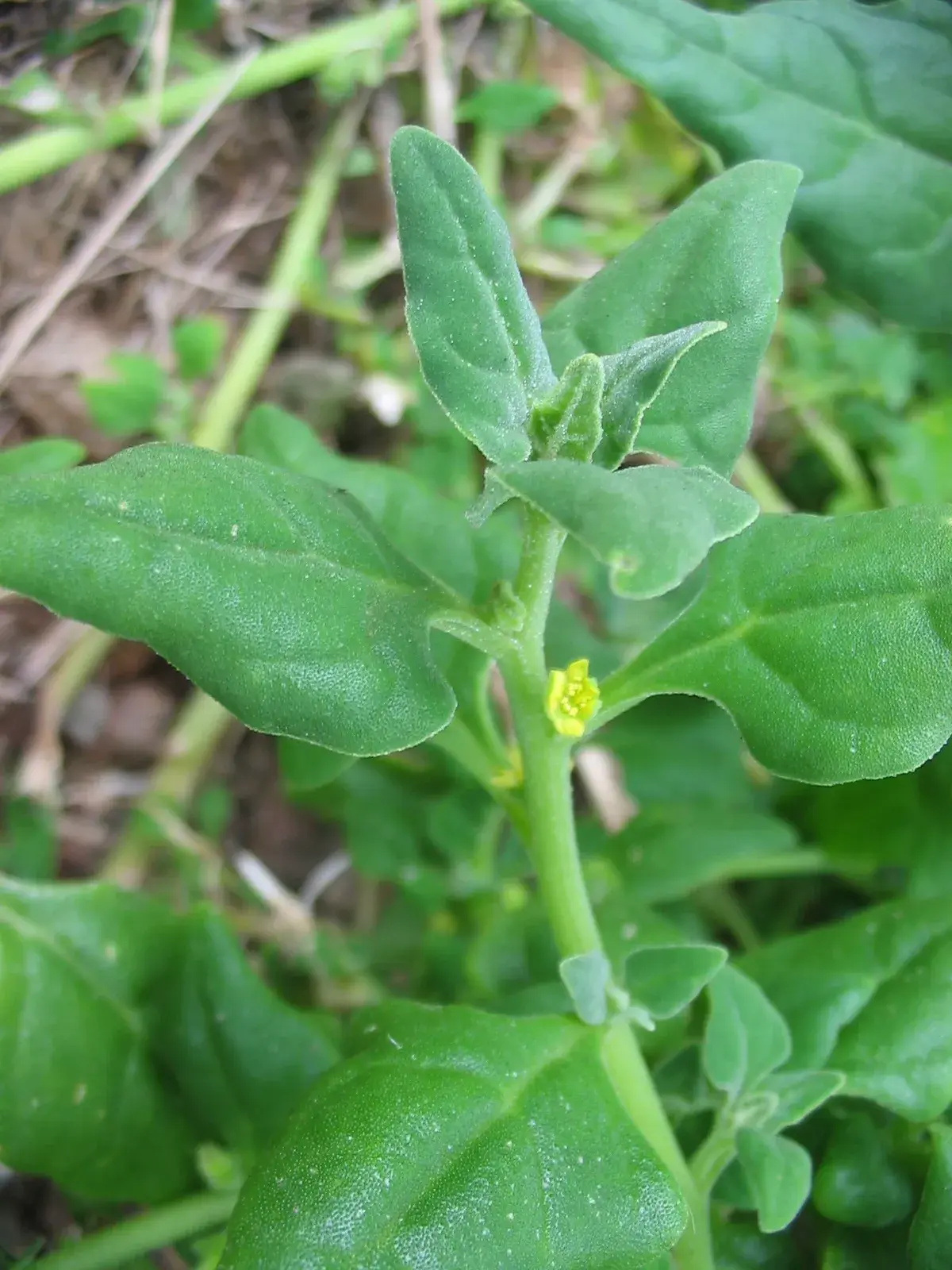
A sprawling summer ground cover
This plant spreads widely as it grows. The trailing shoots root and roam across the soil.
This makes it a useful living ground cover. It shades the soil and keeps weeds down in summer.
Just give it space at planting time. One plant can easily cover a square metre or more.
Common pests and diseases
New Zealand spinach is tough and pest-light. Its thick leaves resist many troubles.
- Slugs: Graze young seedlings early on.
- Aphids: Cluster on soft new shoots.
- Caterpillars: Chew leaves in warm spells.
- Root rot: From cold, waterlogged soil.
Good drainage and warmth keep it healthy. Pick pests off early, as with amaranth.
Harvesting New Zealand spinach
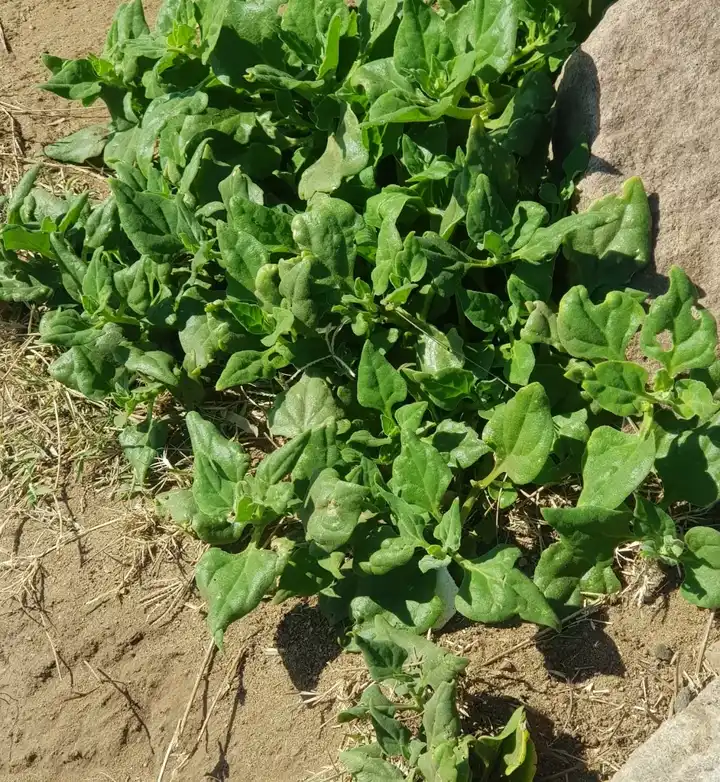
Pick the tender shoot tips, not whole plants. Snip the top few centimetres of each shoot.
This makes the plant branch and produce more. Regular picking keeps fresh leaves coming all summer.
Harvest young growth for the mildest flavour. Older leaves grow tougher and stronger.
Use the leaves fresh, soon after cutting. They wilt fairly quickly once picked.
Uses in the kitchen
New Zealand spinach is always cooked, not eaten raw. Brief cooking softens its thick leaves.
It is best blanched first, then drained. This step keeps its flavour fresh and mild.
Use it in any cooked spinach recipe. It suits curries, soups, pies and side dishes.
It pairs well with other summer greens. Combine it with molokhia for a heat-proof cooked-greens dish.
This article is for gardening information only and is not health or medical advice. Like spinach, the leaves contain oxalates, so cook them and eat in normal amounts.
7 tips for the best New Zealand spinach seeds
A few simple habits give a heavy crop. Follow these for tender summer greens.
- Soak the hard seed overnight before sowing.
- Sow only in warm soil, never cold ground.
- Be patient, as germination is slow.
- Give each plant room to sprawl widely.
- Water in dry spells for tender leaves.
- Pick shoot tips often to keep it cropping.
- Cook the leaves; never eat them raw.
These steps suit most heat-loving greens. The same care helps water spinach through summer.
Common problems
Most troubles come from cold or impatience. Use this guide to fix them.
- Poor germination: Unsoaked seed or cold soil; soak and wait for warmth.
- Slow start: Normal; the plant speeds up in heat.
- Tough leaves: Picked too old; harvest young shoot tips.
- Crowded, sparse plants: Too close; give them room to sprawl.
Good companion plants
New Zealand spinach makes a fine summer ground cover. Group it where its sprawl shades bare soil.
It works well at the feet of taller crops. There it covers ground without competing for light above.
It follows spring crops nicely. Plant it where early peas or lettuces have just finished.
It also mixes with other heat-lovers. Grow it near strawberry spinach for a varied greens patch.
Growing New Zealand spinach in pots
It grows well in a large container or hanging basket. The trailing shoots spill over the edges.
Choose a wide, deep pot with rich compost. The sprawling plant needs room to roam.
Keep it in full sun and water regularly. Pinch and pick often to keep it bushy and productive.
Frequently asked questions
Is New Zealand spinach real spinach?
No. It is a different plant in another family, but its cooked leaves taste much like spinach.
Why soak the seeds?
The seed is hard and knobbly, so soaking softens it and speeds up slow germination.
Can I grow it in India?
Yes, very well. It loves the warm season and crops when ordinary spinach would bolt.
Can I eat New Zealand spinach raw?
It is best cooked. Like spinach, the leaves contain oxalates, so blanch or cook them first.
Is New Zealand spinach frost-tolerant like true spinach?
No. Unlike cool-season true spinach, New Zealand spinach is frost-sensitive and is killed by the first freeze, so it should be treated strictly as a warm-season crop.
Does New Zealand spinach come back on its own every year?
In warm climates, roughly USDA zones 8-11, it can behave as a short-lived perennial. In cooler regions it dies over winter but often self-sows, so a new crop of seedlings can appear the following warm season.
How long does New Zealand spinach seed take to germinate?
After an overnight soak, expect around 7-10 days in warm soil, though the hard seed coat can make germination slow and uneven over two to three weeks.
Can I start New Zealand spinach seeds indoors before the last frost?
Yes. Start seed three to four weeks early indoors in warm conditions, then transplant outside once all frost danger has passed and the soil has warmed.
Does New Zealand spinach really contain oxalates like true spinach?
Yes, it carries oxalic acid similar to true spinach. Cooking reduces this, which is why the leaves are always blanched or cooked rather than eaten raw in quantity.
Will New Zealand spinach self-seed and spread in a raised bed?
Often, yes. Once established, it commonly reseeds itself in raised beds, and gardeners frequently find volunteer seedlings coming up on their own the next warm season.
Is New Zealand spinach related to true spinach at all?
No. Despite the name and a similar cooked taste, it belongs to the fig-marigold family (Aizoaceae), completely unrelated to true spinach in the amaranth family.
New Zealand spinach is a tough, sprawling green that keeps your kitchen in spinach all summer. With the best New Zealand spinach seeds, a soak, warm soil and room to sprawl, you can pick tender leaves long after true spinach has bolted. For more heat-proof summer greens, see our wider New Zealand spinach notes and our guides to molokhia and juicy purslane.
Still stuck? Ask the Plant Doctor
Describe the problem — yellow leaves, holes, no flowers — and get a clear answer in seconds. FreeAI can make mistakes. Answers are guidance, not a guarantee — check anything important against the guide it links to, and always read the label on any product before you use it.