Spinach Seeds
Spinach seeds are the small, spiky or round seeds of Spinacia oleracea — a fast, nutrient-packed, cool-season leafy green that is one of the quickest crops to grow from seed. From crinkled savoy types to smooth baby-leaf spinach, you can be picking fresh leaves in about a month. Home-grown spinach is cheaper, fresher, and far more varied than the bagged kind, and per 100 g the raw leaves carry 483 µg of vitamin K, 469 µg RAE of vitamin A, 194 µg of folate and 2.7 mg of iron (USDA record 168462). A single packet sows a long row of greens. This guide covers the 12 best spinach seeds worldwide, exactly how to grow spinach from seed, and where to buy quality seed.
Cool weather and quick growth give the most tender leaves. The RHS guide to growing spinach and the University of Minnesota Extension spinach guide cover sowing, bolt-resistance, and variety choice.
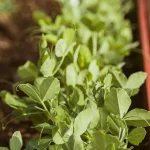
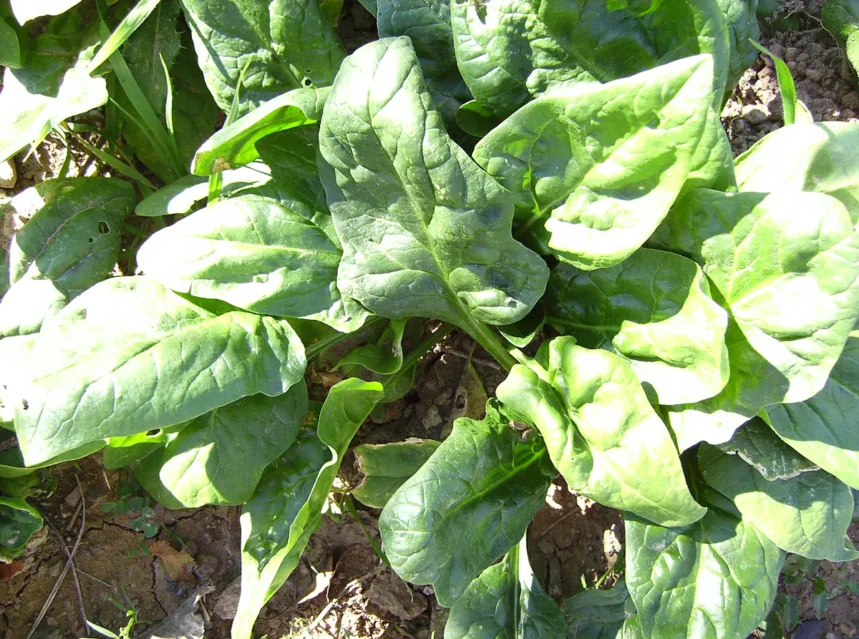
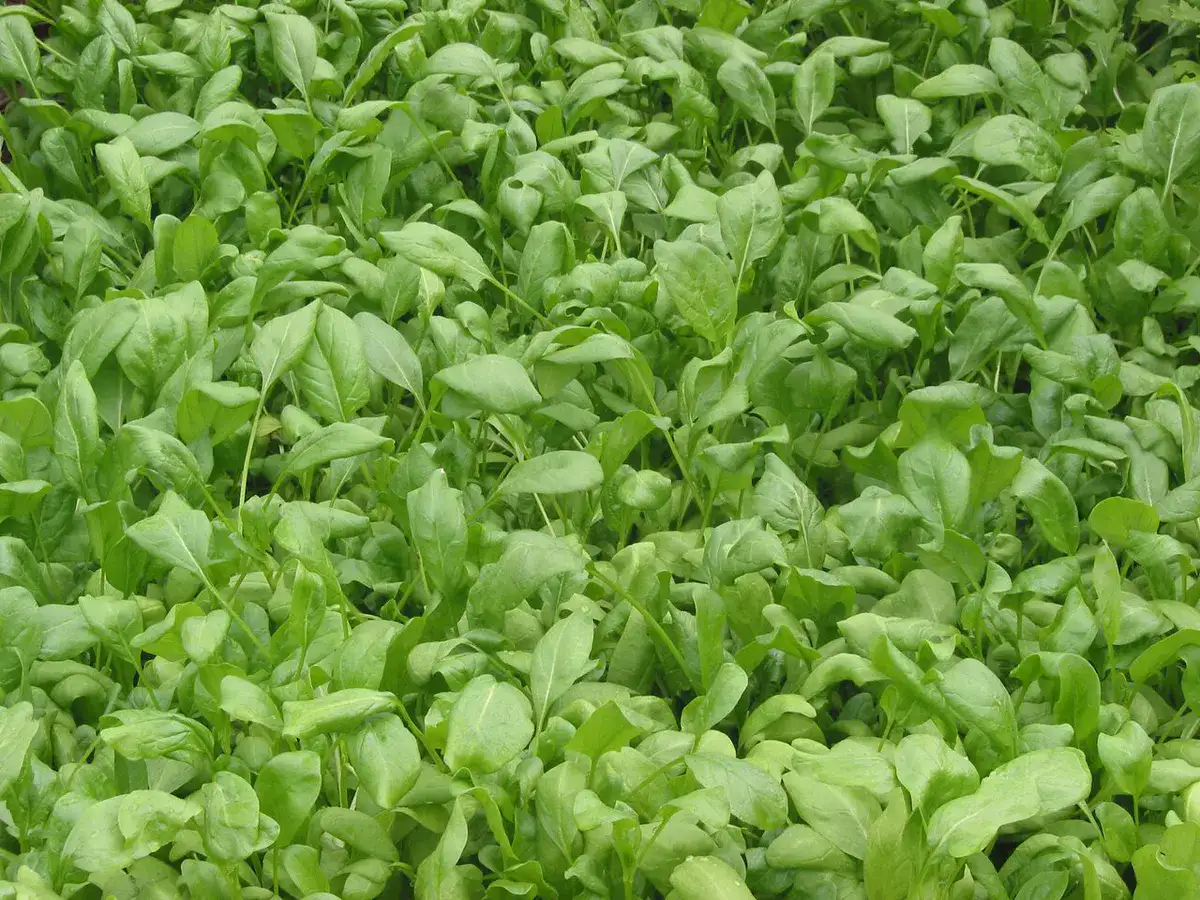
Rows this lush come from cool-weather sowings — spinach seed germinates poorly above 24°C, which is why autumn beds always look better than summer ones.
🧰 In a hurry? Jump straight to our tested picks for this guide ↓
Spinach seeds at a glance
| Feature | Detail |
|---|---|
| Botanical name | Spinacia oleracea (family Amaranthaceae) |
| Sowing depth | 12 mm (½ inch), direct sow |
| Germination temperature | 7–21°C (45–70°F) |
| Days to germinate | 5–14 days |
| Season | Spring & autumn; winter in India (palak) |
| Days to harvest | 25–30 days (baby); 40–50 days (full) |
| Best for | Beds, pots, window boxes, baby-leaf trays |
Why grow spinach from seed?
Spinach is a fast, generous crop for new gardeners. First, it is quick — baby leaves are ready in under a month. Second, it is healthy and cheap, giving bags of vitamin-rich greens from one inexpensive packet. Third, growing from seed lets you choose the texture you like, from rugged savoy leaves for cooking to tender smooth leaves for salads.
Cut-and-come-again sowing means you can harvest the same plants for weeks. Spinach also grows happily in pots and shallow beds. For the full growing routine, see our guide on how to grow spinach. In hot weather, true spinach bolts, so swap to heat-loving substitutes like Malabar spinach or New Zealand spinach.
History, origin & how spinach reached India
Spinach began in ancient Persia, in the region of modern Iran, around 2,000 years ago. It was prized as the “Persian vegetable” and spread along trade routes from there. Spinach reached India early, and from India it travelled on to China via Nepal in 647 CE.
Arab traders later carried spinach to Sicily, and it reached England and France by the 14th century. Today China grows the vast majority of the world’s spinach. You can read more on the spinach’s botany and history at Wikipedia. In India, true winter spinach is sometimes called vilayati palak, while the everyday “palak” of Indian kitchens is often a closely related, heat-tolerant leafy green grown in the same way. Both are sown from seed and loved for saag.
12 best spinach seed varieties to grow
Spinach comes in three leaf types. Savoy has thick, crinkled leaves with great flavour and cold tolerance. Semi-savoy is intermediate, easier to wash, and usually the best all-rounder. Smooth (flat) leaf is tender and perfect for baby-leaf salads. Choose by use and your climate.
| Variety | Type | Best for | Region |
|---|---|---|---|
| Bloomsdale Long Standing | Savoy | Flavour, cold tolerance | US/UK |
| Regiment | Semi-savoy | Fast, juicing, reliable | US/global |
| Tyee | Semi-savoy | Bolt-resistant all-rounder | US |
| Acadia | Semi-savoy | Heat & bolt tolerance | US |
| Viroflay | Smooth (giant) | Big leaves, fast baby spinach | US/Europe |
| Space | Smooth | Baby leaf, containers | US/global |
| Red Kitten | Smooth (red-veined) | Colourful salads | US/global |
| Giant Winter | Savoy | Overwintering, hardy | UK/Europe |
| Pusa All Green | Palak | Multiple cuttings, India | India |
| Pusa Jyoti | Palak | High yield, tender | India |
| Pusa Bharati | Palak | Large leaves, vigorous | India |
| Jobner Green | Palak | Heat-tolerant, multi-cut | India |
For US and UK gardens, Bloomsdale is the classic savoy and the semi-savoy types like Tyee or Acadia resist bolting best. In India, the palak varieties such as Pusa All Green and Pusa Jyoti give several cuttings through the cool season and are ideal for saag. For salads, choose a smooth baby-leaf type like Viroflay or Space.
How to grow spinach from seed
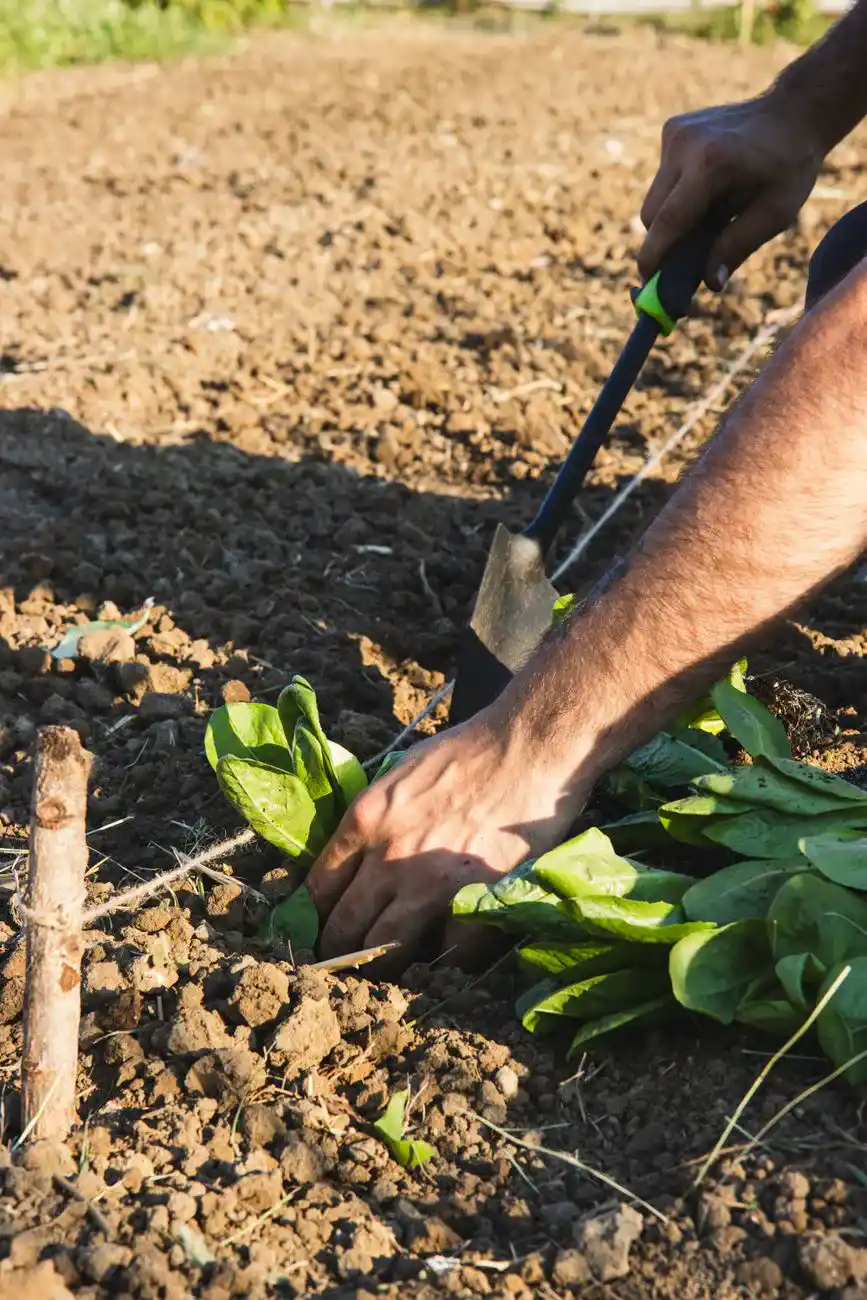
Spinach is easy if you grow it in the cool season and keep it moving fast. Sow it directly where it will grow.
- Sow in cool weather. Sow in early spring and again in late summer or autumn. Avoid the hot months, when seed will not germinate and plants bolt.
- Sow direct and thin. Sow seeds 12 mm (½ inch) deep in rows, then thin to about 10 cm apart. Spinach has a taproot and dislikes transplanting.
- Help summer germination. In warm spells, chill the seed in the fridge for a week first, sow in the evening, and keep the soil shaded and damp.
- Keep moisture steady. Even watering keeps leaves tender and delays bolting. Dry soil triggers early flowering.
- Succession sow. Sow a short row every 2–3 weeks for a continuous harvest of fresh leaves.
Spinach grows well in modules too if you want a head start — see our guide to starting seeds indoors. In India, sow palak from September to February in the plains for repeated cuttings.
Soil, watering & feeding
Spinach likes full sun in cool weather and part shade in warmer spells. Give it rich, moisture-retentive soil with plenty of compost. As a leafy crop, spinach enjoys nitrogen, so a nitrogen-rich feed pushes lush growth. Steady moisture is essential, because dry, stressed plants bolt and turn bitter.
Mulch to keep the roots cool and the soil damp. Because spinach is shallow-rooted and quick, it is a great catch crop to grow between slower vegetables like your tomatoes or carrots, using the space before they fill out. It also pairs well in the salad patch with lettuce, and its leafy relative quinoa can be grown for both greens and grain.
Common pests & diseases
The most common pest is leaf miner, whose larvae make pale tunnels inside the leaves; remove affected leaves and use fine mesh. Slugs enjoy young plants, and aphids can gather under the leaves. The main disease is downy mildew, which shows as yellow patches in damp, crowded conditions, so choose mildew-resistant varieties and space plants well. Good airflow and crop rotation prevent most problems.
Harvesting & days to maturity
Baby spinach is ready in just 25–30 days, full leaves in 40–50. Pick outer leaves first and let the centre keep growing for a cut-and-come-again harvest. Alternatively, shear the whole plant a few centimetres above the crown and it will often regrow. Harvest in the cool of the morning, and pick before plants bolt, as the leaves turn bitter once a flower stalk forms.
Saving your own spinach seeds
Spinach has separate male and female plants and is wind-pollinated, so saving pure seed needs a little care. Let several strong plants bolt and flower, keeping different varieties well apart. The female plants set seed along their stems. Let the seed dry on the plant, then strip it off and store it in a labelled envelope somewhere cool and dark. Our full guide to saving seeds explains the method for every crop.
Common problems from seed
The biggest problem is poor germination in warm weather, because spinach seed shuts down in heat much like lettuce. The fix is to sow in the cool season, pre-chill the seed, and keep the soil moist and shaded. Fast bolting is also heat- and day-length-driven, so grow in spring and autumn and choose bolt-resistant varieties. Pale, weak plants usually need more nitrogen and water. As always, use fresh seed, which germinates far better than old stock.
Where to buy spinach seeds
Buy fresh spinach seed and pick a type to match your use — savoy for cooking, semi-savoy for an easy all-rounder, or smooth leaf for salads. Look for bolt- and mildew-resistant varieties if your season warms quickly. In the US, seed houses offer all three leaf types, while in India the multi-cut palak varieties are widely sold. Use the links below to compare trusted sources.
Frequently asked questions
How long do spinach seeds take to germinate?
Spinach seeds sprout in 5–14 days in cool soil at 7–21°C. They germinate poorly in heat, so in warm weather pre-chill the seed and sow in the evening into damp, shaded soil.
Why does my spinach bolt so quickly?
Bolting is triggered by heat and long summer days. Grow spinach in the cool spring and autumn (or winter in India), keep it well watered, and choose bolt-resistant semi-savoy varieties.
Can I grow spinach in pots?
Yes. Spinach is shallow-rooted and grows well in pots and window boxes at least 15 cm deep. Baby-leaf types are especially good for container growing.
Should I soak or chill spinach seeds before planting?
Both help. Soaking seeds in room-temperature water for 12–24 hours softens the hard seed coat, and chilling pre-soaked seed in the refrigerator for about a week mimics the cold spinach needs to germinate reliably, especially for late-summer sowings.
How long do spinach seeds stay viable in storage?
Spinach seeds typically remain viable for about three years when kept cool and dry. Older seed still sprouts but less reliably, so testing a few seeds early if you’re unsure of their age is worth the trouble.
Can I use the freezer trick to sow spinach in warm weather?
Yes, many growers freeze packeted spinach seed for about two weeks before sowing in late summer. That cold treatment tricks the seed into germinating even when soil temperatures are still too warm for spinach to sprout normally.
How many days does spinach take from sowing to harvest?
Baby-leaf spinach is ready for a first cut in as little as 25–30 days, while full-sized leaves for mature plants take closer to 40–50 days. Cool, steady growing conditions produce the fastest, most tender harvests.
What is the ideal soil temperature for spinach seed germination?
Spinach germinates best around 10–21°C (50–70°F) and struggles above roughly 24°C (75°F), when many seeds go dormant instead of sprouting. That’s why hot-weather sowings benefit from pre-chilling the seed first.
Can spinach be sown in autumn for a winter harvest?
Yes, in mild climates autumn sowing lets spinach establish before winter and keep producing leaves through cool weather. In colder regions, a cold frame or row cover extends the harvest well past the first frosts.
Does spinach need rich soil to grow well?
Spinach is a fairly heavy feeder for a leafy green and grows best in fertile soil with plenty of organic matter and steady moisture. Poor, dry soil produces thin, quick-to-bolt plants rather than lush, productive leaves.
What's the difference between baby-leaf and full-size spinach varieties?
Baby-leaf types are bred or simply harvested young for tender, mild leaves, often ready in under a month and suited to repeated cutting. Full-size varieties take longer to mature but produce larger, meatier leaves better suited to cooking.
Which spinach seeds are best for beginners in India?
The palak varieties Pusa All Green and Pusa Jyoti are easy, productive, and give several cuttings through India’s cool winter season, making them ideal for first-time growers.
Still stuck? Ask the Plant Doctor
Describe the problem — yellow leaves, holes, no flowers — and get a clear answer in seconds. FreeAI can make mistakes. Answers are guidance, not a guarantee — check anything important against the guide it links to, and always read the label on any product before you use it.