Lettuce Seeds
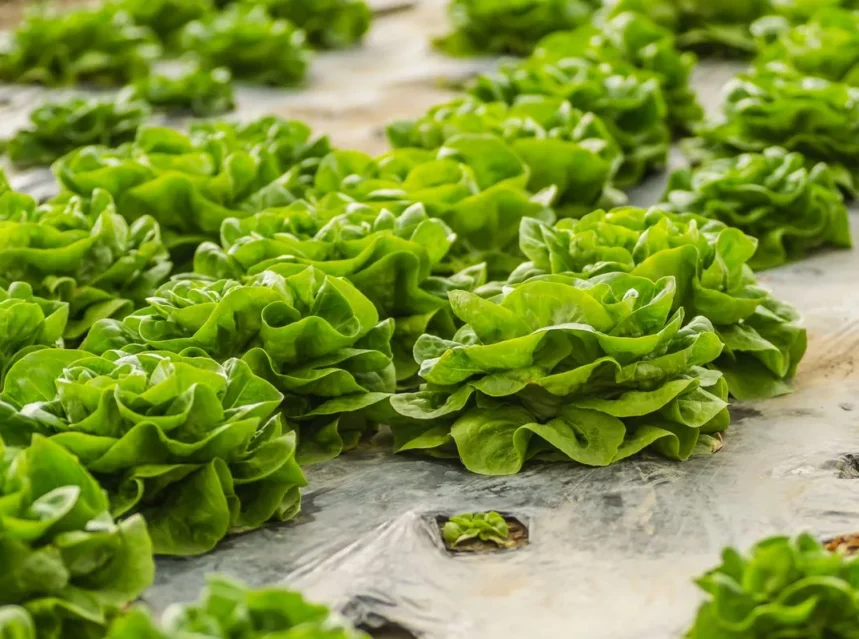
Lettuce seeds are the tiny, light, often pointed seeds of Lactuca sativa — a fast, cool-season salad crop that is one of the simplest and quickest vegetables to grow from seed. From frilly loose-leaf types you snip a handful at a time to crunchy romaine and buttery Boston heads, growing your own from seed gives you fresh, pesticide-free salad in weeks. Lettuce is cheap and forgiving: a single packet holds hundreds of seeds and a small bed can feed you for months. This guide covers the 12 best lettuce seeds for gardeners worldwide, exactly how to grow lettuce from seed, and where to buy quality seed.
Cool soil and steady moisture are the keys to sweet, non-bitter leaves. The RHS guide to growing lettuce and the University of Minnesota Extension lettuce guide cover sowing, succession, and variety choice.
🧰 In a hurry? Jump straight to our tested picks for this guide ↓
Lettuce seeds at a glance
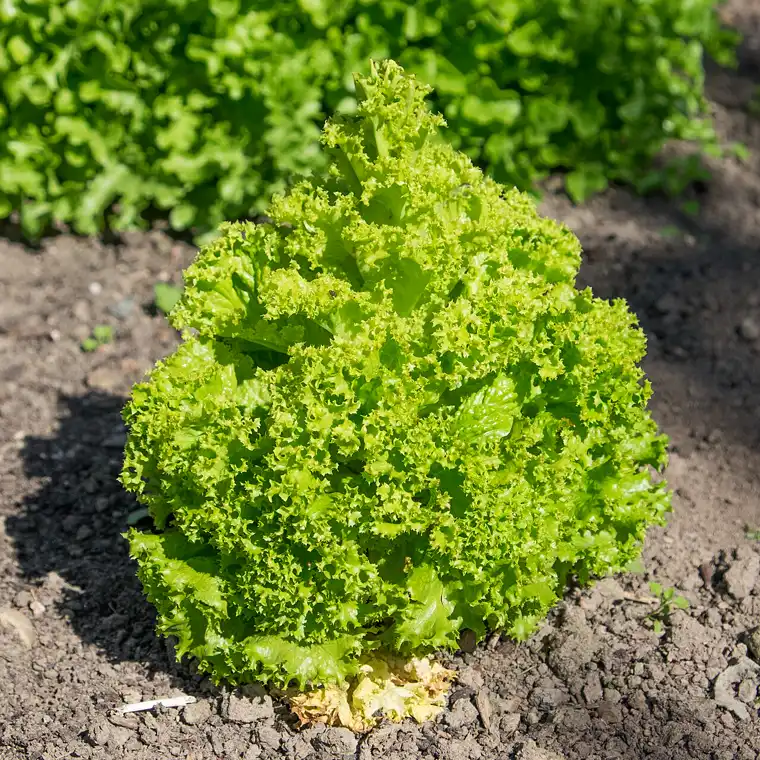
| Feature | Detail |
|---|---|
| Botanical name | Lactuca sativa (family Asteraceae) |
| Sowing depth | 3–6 mm (⅛–¼ inch) — needs light |
| Germination temperature | 16–18°C ideal; will not germinate above 27°C |
| Days to germinate | 2–10 days |
| Season | Cool-season: spring & autumn (winter in India/warm areas) |
| Days to harvest | 30–45 days (leaf); 60–80 days (heads) |
| Best for | Beds, pots, window boxes, baby-leaf trays, hydroponics |
Why grow lettuce from seed?
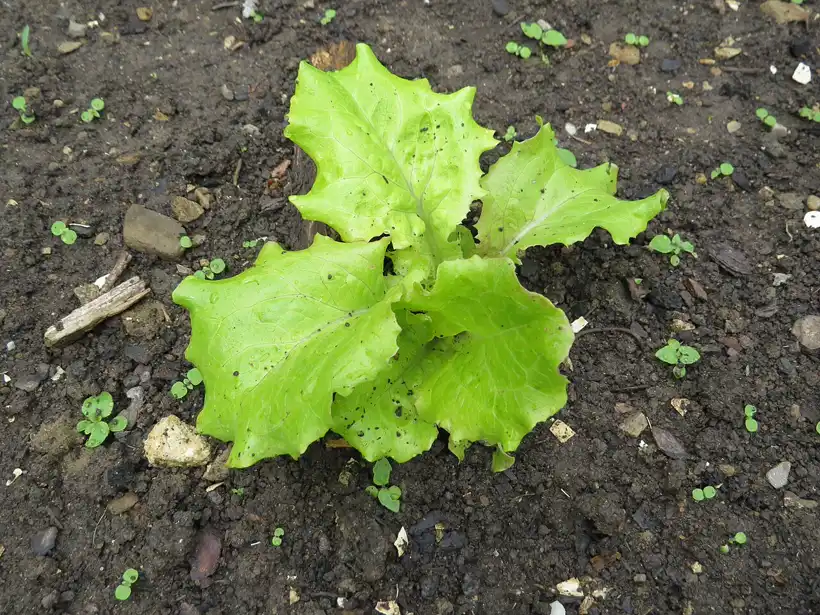
Lettuce is one of the most satisfying crops to grow from seed. First, it is fast — leaf types are ready to pick in about a month. Second, it is cheap and generous — one packet holds hundreds of seeds, far more value than buying bagged salad. Third, choice: shops sell two or three types, while seed catalogues offer dozens of colours, shapes, and textures, from red oak-leaf to speckled romaine.
Home-grown lettuce is also fresher and crisper, and cut-and-come-again leaf types let you harvest for weeks from one sowing. Lettuce grows happily in containers and even in water — see our guide to the Kratky method for lettuce for a soil-free option. For the full growing routine, see how to grow lettuce.
History, origin & how lettuce spread
Lettuce is an ancient crop. It was first domesticated near the Caucasus and Egypt, where carvings show lettuce being grown as early as 2680 BC. Curiously, it was first grown for its oil-rich seeds, not its leaves. The leafy salad lettuce we know developed in southern Europe around 500 BC.
From Egypt, lettuce passed to the Greeks and then the Romans, who gave it the name lactuca. It reached China by the 5th to 7th century and travelled to the Americas with Columbus in the late 1400s. Today China grows over half the world’s lettuce, followed by the United States, India, and Spain. You can read more on the lettuce’s botany and history at Wikipedia. In India, lettuce is grown as a cool-season winter crop and is increasingly popular for salads and hydroponics.
12 best lettuce seed varieties to grow
Lettuce comes in a few main types: loose-leaf (no head, cut-and-come-again), romaine/cos (tall, crisp), butterhead (soft, loose heads), crisphead/iceberg (dense, crunchy), and summercrisp/batavian (heat-tolerant). Choose by texture and your climate.
| Variety | Type | Best for | Region |
|---|---|---|---|
| Black-Seeded Simpson | Loose-leaf | Fast, easy, beginner | US/UK |
| Salad Bowl | Loose-leaf | Cut-and-come-again, slow to bolt | US/global |
| Lollo Rossa | Loose-leaf (red) | Frilly, colourful salads | Europe/global |
| Parris Island Cos | Romaine | Crisp, heat-tolerant, classic | US/global |
| Little Gem | Romaine (mini) | Containers, sweet hearts | UK/global |
| Buttercrunch | Butterhead | Soft, sweet, reliable | US/global |
| Marvel of Four Seasons | Butterhead | Cold-tolerant, red-tinged | Europe |
| Great Lakes | Iceberg/crisphead | Crunchy heads, warm areas | worldwide |
| Jericho | Romaine (heat-tolerant) | Hot climates, slow bolt | worldwide |
| Chinese Yellow | Loose-leaf | Reliable Indian leaf type | India |
| Slobolt | Loose-leaf | Slow to bolt in warmth | India/US |
| Red Oak Leaf | Loose-leaf (red) | Decorative baby-leaf mixes | US/global |
For US and UK gardens, loose-leaf types like Black-Seeded Simpson and Salad Bowl are the easiest and fastest. In India and other warm regions, choose heat-tolerant types such as Jericho, Slobolt, or Great Lakes, and grow lettuce in the cool winter months or in part shade. For a continuous supply, mix several types and sow little and often.
How to grow lettuce from seed
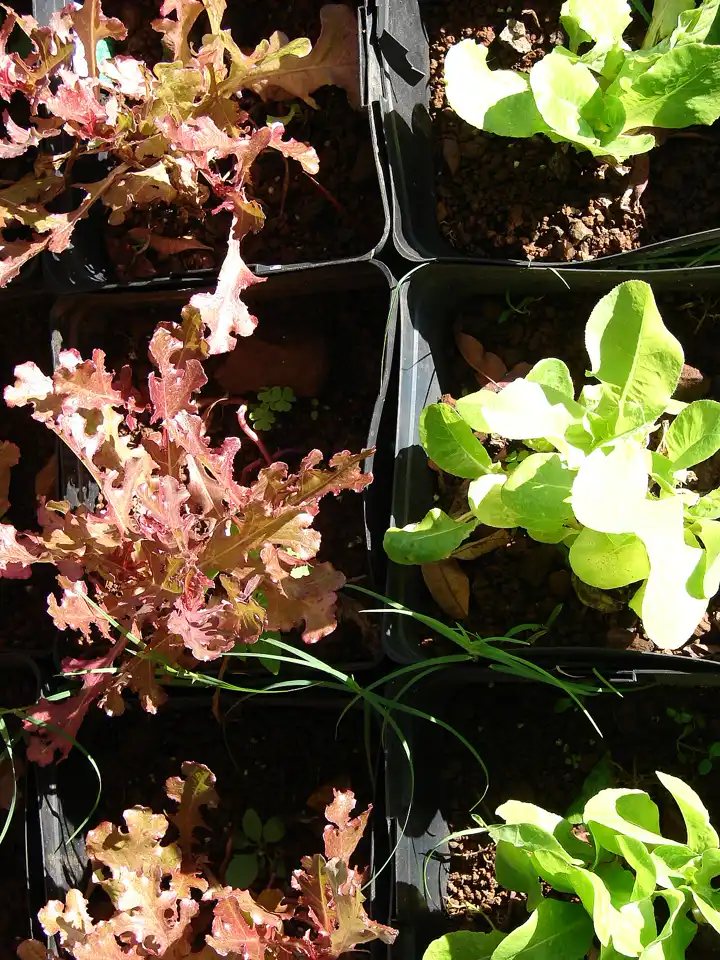
Lettuce is easy from seed if you respect its love of cool weather. Follow these steps.
- Sow in the cool season. Sow in spring and autumn, or winter in India and hot regions. Avoid mid-summer heat, when seeds refuse to germinate and plants bolt.
- Barely cover the seed. Sow 3–6 mm (⅛–¼ inch) deep — lettuce needs light to germinate, so press seed onto moist compost and cover lightly. Our seed-starting trays guide helps for module sowing.
- Keep it cool and moist. At 16–18°C seeds sprout in days. In warm weather, sow in the evening, keep the soil shaded and damp, or chill seed in the fridge for a few days first.
- Thin or transplant. Thin leaf lettuce to 10–15 cm and head types to 20–30 cm. You can start indoors and transplant carefully — see starting seeds indoors.
- Succession sow. Sow a short row every 2–3 weeks so you always have fresh, tender leaves.
In India, lettuce is best grown from October to February in the plains and through the cooler months in the hills, where it thrives.
Soil, light, watering & feeding
Lettuce likes rich, moisture-retentive soil and cool conditions. Give it full sun in cool weather, but part shade in warm weather to delay bolting. The biggest key is steady water — lettuce is shallow-rooted and quickly turns bitter or bolts if it dries out, so water little and often.
Feed lightly with a balanced or nitrogen-rich feed to push leafy growth; the best liquid feeds guide covers options. Mulch to keep roots cool and moist. Lettuce is a great companion for taller crops, so tuck it between your tomatoes and cucumbers where it enjoys a little shade. For an unusual relative grown for its thick, crisp stem, see celtuce (stem lettuce).
Common pests & diseases
Slugs and snails are the number-one lettuce pest — protect young plants with barriers or evening patrols. Aphids can cluster in the heart of the plant, so rinse them off or use insecticidal soap. In damp, crowded conditions, watch for downy mildew and grey mould (botrytis); good spacing and airflow prevent most problems. Choosing disease-resistant varieties also helps.
Harvesting & days to maturity
Loose-leaf lettuce is ready in just 30–45 days. Pick outer leaves and let the centre keep growing for a cut-and-come-again harvest over many weeks. Head types like romaine and iceberg take 60–80 days; cut the whole head at the base when firm. Harvest in the cool of the morning when leaves are crisp, and pick before plants bolt, as the leaves turn bitter once a flower stalk forms.
Saving your own lettuce seeds
Lettuce is mostly self-pollinating, so saving seed is easy and stays true to type. Let one healthy plant bolt and flower, then wait several weeks until the small dandelion-like seed heads form fluffy white tufts. Cut the stalks, dry them, then rub out the seeds and clean away the fluff. Store the dry seed in a labelled paper envelope somewhere cool and dark. Our full guide to saving seeds explains the process for every crop.
Common problems from seed
The most common problem is seed that won’t germinate in summer — this is thermodormancy, because lettuce seed shuts down above about 27°C. The fix is to sow in cooler weather, sow in the evening, keep the soil shaded and damp, or pre-chill the seed. Burying seed too deep also stops germination, since lettuce needs light, so sow shallow. If plants bolt fast, the weather is too warm; switch to heat-tolerant varieties and provide shade.
Where to buy lettuce seeds
Buy from a seed company with fresh stock, and look for heat-tolerant, slow-to-bolt varieties if you garden in a warm climate. In the US, seed houses offer dozens of leaf, romaine, and butterhead types, while in India reliable leaf and iceberg varieties are sold by major garden retailers. Use the links below to compare trusted sources.
Frequently asked questions
How long do lettuce seeds take to germinate?
In cool soil at 16–18°C (61–64°F), lettuce seeds sprout in 2–10 days. They will not germinate above about 27°C (81°F), so sow in cool weather or pre-chill the seed in hot conditions.
Do lettuce seeds need light to germinate?
Yes. Lettuce seed needs light, so sow it very shallow — just 3–6 mm deep — and press it onto moist compost rather than burying it.
Why does my lettuce bolt (go to seed) so fast?
Bolting is triggered by heat and long days. Grow lettuce in the cool season, give it part shade in warm weather, and choose slow-to-bolt or heat-tolerant varieties like Jericho or Slobolt.
Which lettuce seeds are best for beginners in India?
Loose-leaf types like Chinese Yellow and Slobolt, plus Great Lakes iceberg, grow well in India’s cool winter season and are forgiving for first-time growers.
How long do lettuce seeds stay viable in storage?
Kept cool, dark, and dry, lettuce seed typically stays viable for 2-6 years, though germination rates gradually decline. Store leftover packets in a sealed jar or envelope and do a quick germination test on damp paper towel before sowing an old batch at scale.
Is lettuce safe for dogs and cats to eat?
Yes, plain lettuce leaves are non-toxic and dogs and cats can eat small amounts as an occasional treat, though it offers little nutrition and too much can cause mild stomach upset. This is general information, not veterinary advice, so check with a vet before making it a regular addition to a pet’s diet.
How many lettuce seeds should I sow per cell or hole?
Two to three seeds per cell or station is the usual rule, then you thin to the strongest single seedling once true leaves appear. Sowing more than one guards against a seed simply failing to germinate, which is common with lettuce’s variable strike rate.
Why did my lettuce seedlings suddenly collapse at the base?
That is almost always damping off, a fungal problem caused by overwatering, poor airflow, or reused unsterilised trays. Water from the bottom, avoid soggy compost, thin crowded seedlings early, and use fresh seed-starting mix to prevent it.
What's the real difference between growing romaine and iceberg from seed?
Romaine germinates and matures a little faster, tolerates heat better, and is more forgiving for a first attempt, while iceberg needs a longer, reliably cool season to form a firm, dense head and is more prone to bolting or failing to head up in variable weather.
Can I grow lettuce from seeds saved out of a store-bought head?
Only if you let that head bolt and flower first, since the leaves themselves carry no seed; most supermarket lettuce is also a hybrid, so seed saved from it won’t grow true to the parent. Buying a packet or saving seed from an open-pollinated plant you grew yourself gives far more reliable results.
Do I need to soak lettuce seeds before sowing?
No, soaking isn’t necessary for lettuce and can actually make the tiny, light seeds harder to handle and space out evenly. A better trick for hot-weather sowing is pre-chilling the packet in the fridge for a few days, which helps break the heat-triggered dormancy that stops germination above about 27°C (81°F).
Still stuck? Ask the Plant Doctor
Describe the problem — yellow leaves, holes, no flowers — and get a clear answer in seconds. FreeAI can make mistakes. Answers are guidance, not a guarantee — check anything important against the guide it links to, and always read the label on any product before you use it.