Best Salsify Seeds
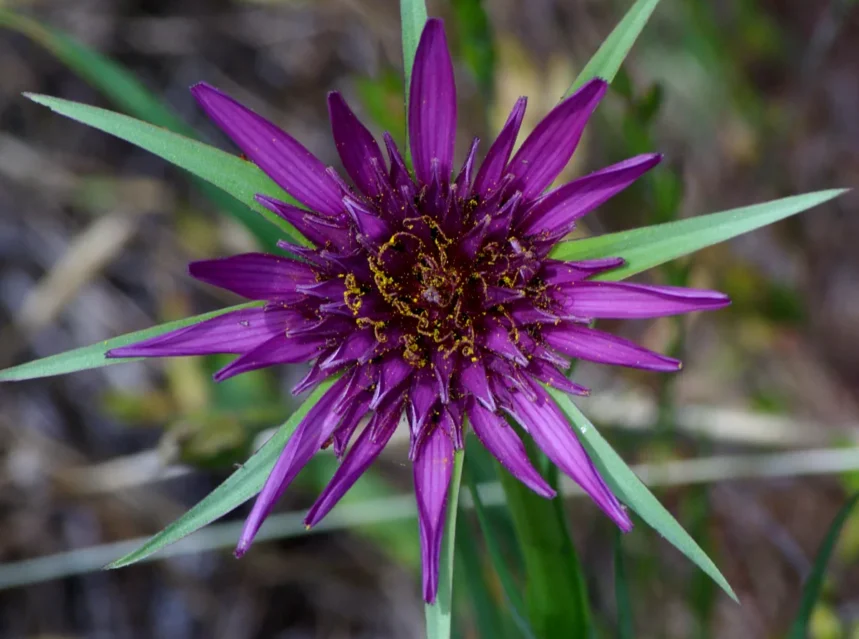
The best salsify seeds give you long, creamy taproots with a mild, oyster-like flavour that few market vegetables can match. This old-fashioned root crop is easy to direct-sow, and it rewards patient growers with a unique winter harvest.
Salsify is a hardy biennial root vegetable, Tragopogon porrifolius, grown as an annual for its slender edible taproot. Gardeners also call it the oyster plant or vegetable oyster because of its delicate taste.
🧰 In a hurry? Jump straight to our tested picks for this guide ↓
Quick start
- Type: Hardy biennial root vegetable, grown as an annual
- Sow: Direct outdoors in spring, once soil warms
- Soil: Deep, loose, stone-free, well-drained
- Sun: Full sun
- Harvest: About 120-150 days, best after first frost
- Best for: Heritage-veg fans, deep-soil plots, winter roots
Salsify belongs to the daisy family (Asteraceae). For background, see the entries on salsify at Wikipedia and on growing salsify at the RHS.
Why grow salsify?
Salsify is one of those forgotten vegetables that deserves a comeback. The roots taste mild and slightly sweet, with a hint of oyster or artichoke.
It stores well in the ground through winter. So you can dig roots fresh whenever the kitchen needs them.
The plant is also very hardy. Frost actually improves the flavour, which makes it a useful cold-season crop.
Gardeners who already grow carrots and beetroot will find salsify a fun next step. It fills the plot when many other crops have finished.
Salsify at a glance
| Feature | Detail |
|---|---|
| Botanical name | Tragopogon porrifolius |
| Family | Asteraceae (daisy family) |
| Common names | Salsify, oyster plant, vegetable oyster |
| Edible part | Long taproot (young leaves also edible) |
| Root colour | Creamy-white skin and flesh |
| Days to harvest | 120-150 from sowing |
| Hardiness | Very hardy; overwinters in soil |
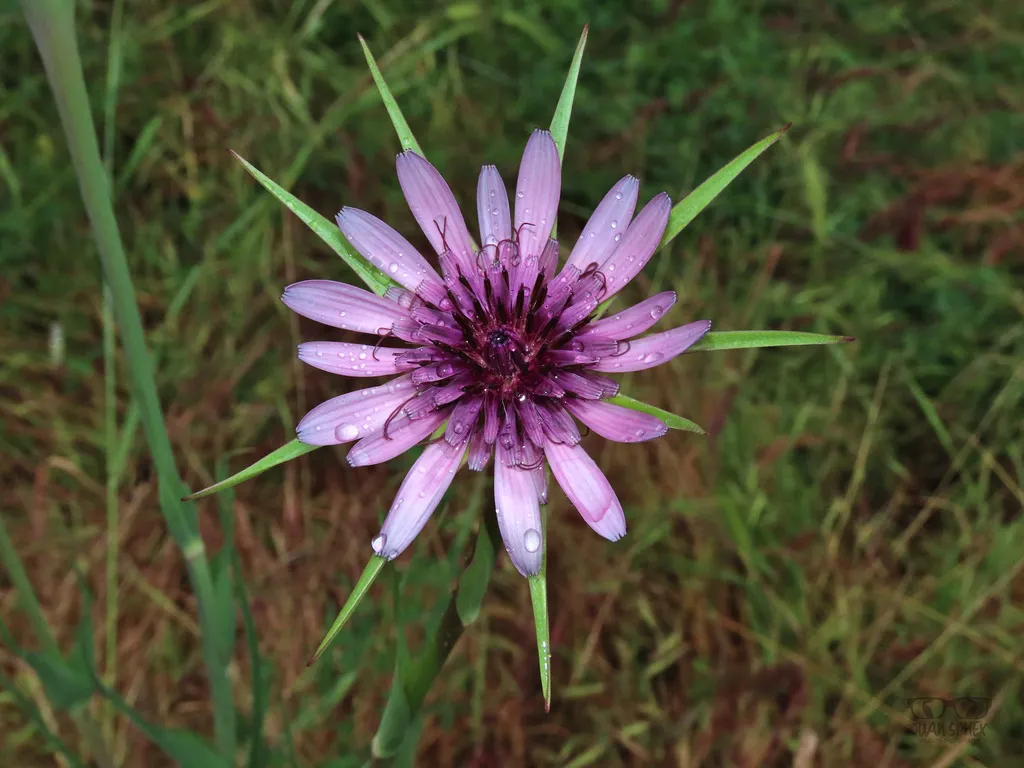
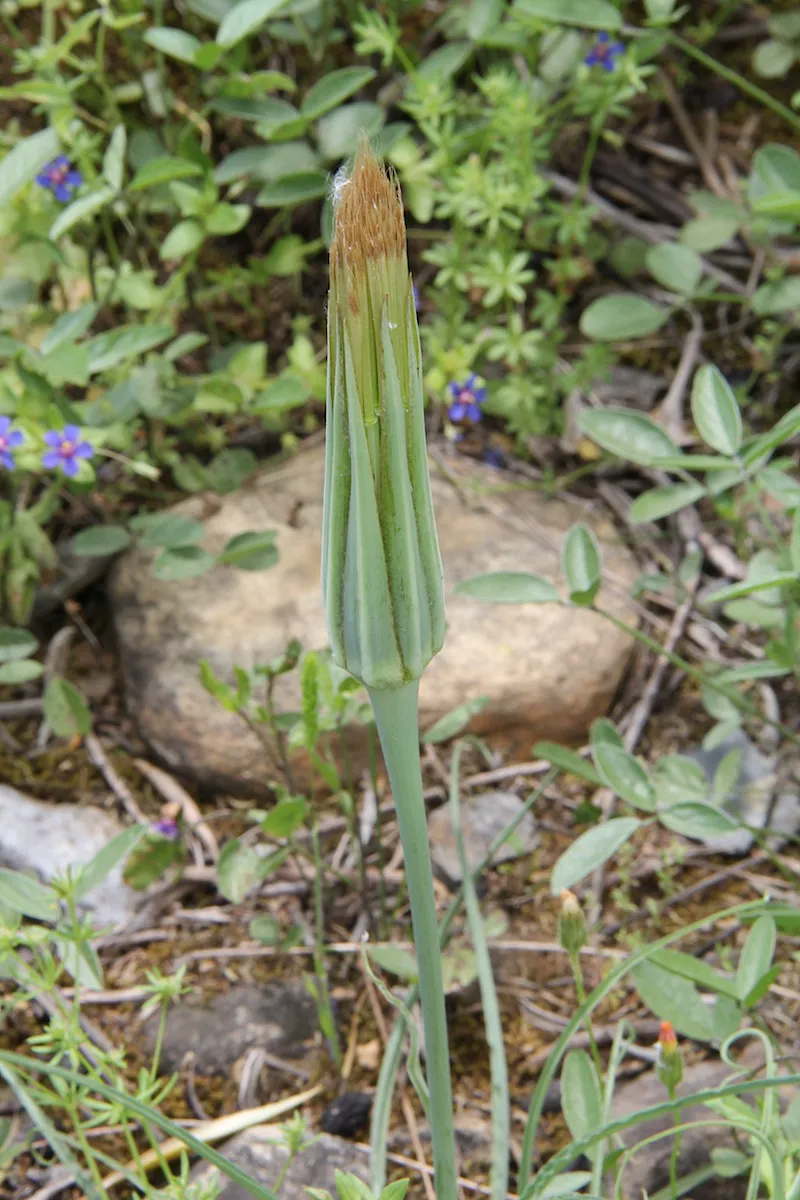
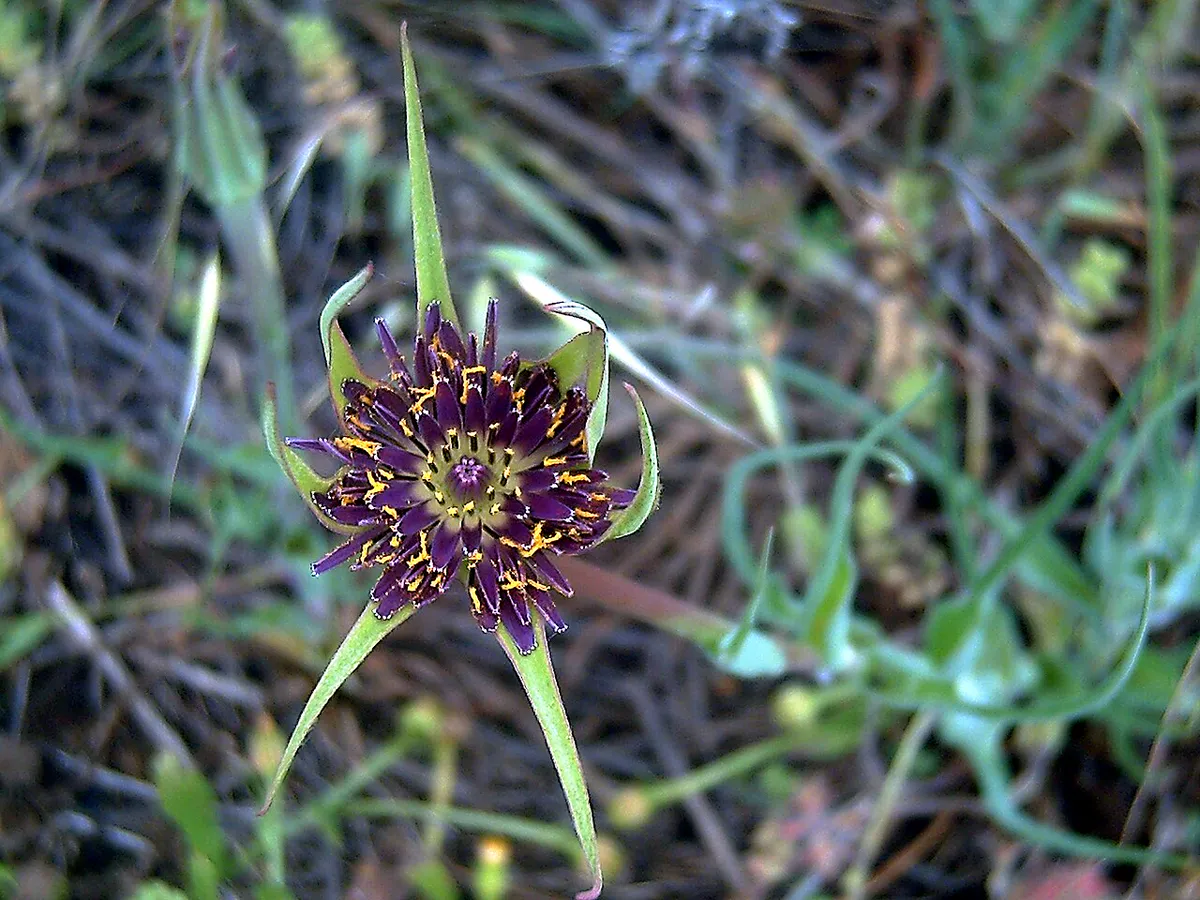
| Flower | Purple, opens in morning (second year) |
History, origin and how it reached India
Salsify is native to the Mediterranean region of southern Europe. Wild forms grew across Italy, Greece and nearby lands for centuries.
By the 1500s and 1600s it was a popular kitchen-garden root in France and Italy. From there it spread north across Europe and later to North America with settlers.
In India salsify is not a traditional crop. It arrives mainly through seed catalogues and hobby growers in cooler hill areas.
Today it remains a niche heritage vegetable. France, Belgium and the Netherlands grow the most, though home gardeners worldwide keep it alive.
Best salsify seeds and varieties to grow
There are only a few named types, so choosing seed is simple. The table below covers the common ones.
| Variety | Why grow it |
|---|---|
| Mammoth Sandwich Island | The standard variety; long, reliable white roots |
| Giant | Selected for thicker, heavier roots |
| Blanc Amelioré | French selection with smooth, even roots |
| Wild salsify | Edible but thin; better as a curiosity |
Look for fresh seed when you buy. Salsify seed loses viability fast, so old packets germinate poorly.
Best season and when to plant salsify
Salsify needs a long, cool growing season. So sow as early as the soil can be worked in spring.
In the US and UK, that usually means March to May. The roots then mature through summer and autumn.
In India, treat it as a winter crop in cooler hill regions. Sow after the monsoon, from September to October, where summers are not too harsh.
Avoid sowing in hot weather. High heat makes the plant bolt and run to flower instead of forming a good root.
How to grow salsify from seed
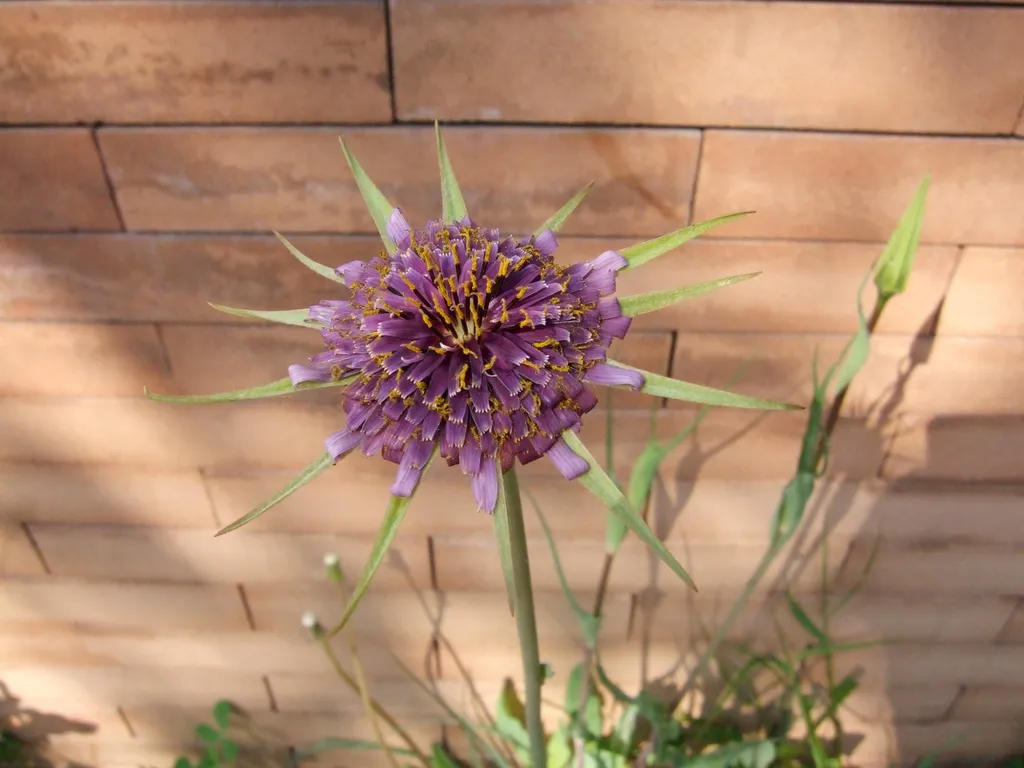
Salsify forms a long taproot, so it dislikes being moved. Always sow salsify seeds straight into the bed where the plants will grow.
- Dig the bed deep and remove stones, lumps and fresh manure.
- Rake to a fine, crumbly surface.
- Sow salsify seeds about 1-2 cm deep, in rows 30 cm apart.
- Keep the soil evenly moist until seedlings appear.
- Thin young plants to about 10 cm apart.
Germination is slow and can take two to three weeks. Be patient, and keep the row clearly marked.
Like radishes and turnips, salsify does best when it is never transplanted.
Sun, soil, watering and feeding
Give salsify a sunny, open spot. Light shade is fine, but full sun grows the best roots.
Deep, loose, sandy soil is ideal. Hard or stony ground makes the roots fork and split, just as it does for leeks and other deep-rooted crops.
Water steadily in dry spells. Even moisture keeps roots smooth and stops them turning woody.
Do not over-feed. Too much fresh nitrogen grows leaf at the cost of root, so a modest balanced feed is enough.
Common pests and diseases
Salsify is fairly trouble-free, which is part of its charm. Still, a few issues can appear.
- Slugs: May nibble young seedlings; protect early rows.
- White blister: A fungal patch on leaves in damp weather.
- Root forking: Caused by stones or fresh manure, not a pest.
- Bolting: Triggered by heat or stress, sending up flower stalks.
Good spacing and airflow prevent most leaf problems. Rotate beds yearly to keep soil healthy.
Harvesting salsify
Roots are ready about four to five months after sowing. Wait until autumn for the fullest size.
Frost improves the flavour, turning it sweeter and more mellow. So there is no rush to lift everything at once.
Dig carefully with a fork, loosening deeply first. The roots are long and brittle, so they snap easily if pulled.
You can leave roots in the ground all winter and dig as needed. In very cold areas, cover the row with straw for easy lifting.
Uses in the kitchen
Salsify root has a mild, oyster-like taste when cooked. Many people boil, mash, roast or fry it like parsnip.
Peel the roots under water with a little lemon. This stops the cut flesh browning quickly.
The young spring leaves and tender shoots are also edible. Use them raw in salads or lightly steamed.
It pairs well with creamy sauces and soups. For a heritage-veg dinner, serve it alongside sea kale and other unusual crops.
This article is for gardening information only and is not health or medical advice. For dietary guidance, consult a qualified professional.
Common problems
Most salsify troubles trace back to soil or timing. Use this quick guide to fix them.
- Forked roots: Soil too stony or recently manured; dig deeper next time.
- Thin roots: Often from crowding; thin seedlings earlier.
- Early flowering: Heat or drought stress; sow earlier and water well.
- Poor germination: Old seed; always sow fresh stock.
How is salsify different from scorzonera?
People often confuse the two, but they are separate plants. Salsify has white skin and purple flowers.
Scorzonera has black or dark-brown skin and yellow flowers. Its flavour is similar but a little richer.
Both grow the same way and need the same deep, loose soil. Many gardeners grow a row of each to compare.
Can you grow salsify in pots?
Yes, but you need real depth for the long taproot. Choose a container at least 30-40 cm deep.
Fill it with loose, stone-free compost. Keep it evenly watered, since pots dry out faster than open ground.
Pot-grown roots may be shorter than bed-grown ones. Still, it is a good option for terrace and balcony growers.
Storing salsify after harvest
The simplest store is the soil itself. Salsify roots keep happily in the ground through winter, so lift them only as you need them.
Where the ground freezes solid, lift a batch before the hard frosts. Twist off the tops and pack the roots in boxes of damp sand.
Kept cool and dark, they stay firm for several weeks. A garage, cellar or cool shed works well for this.
Do not wash roots before storing. Soil on the skin actually helps them last longer and stops them drying out.
7 tips for growing the best salsify
A few simple habits make a big difference with this crop. Follow these to get long, smooth roots.
- Always sow fresh seed, since old salsify seed germinates poorly.
- Dig the bed deep and clear every stone before sowing.
- Never add fresh manure, which makes roots fork.
- Direct-sow only, because the taproot hates transplanting.
- Thin seedlings early to give each root room.
- Water steadily so roots stay smooth, not woody.
- Harvest after frost for the sweetest flavour.
These same deep-soil rules help other root crops too. Gardeners who grow Swiss chard nearby get a handy leafy partner for the same bed.
Frequently asked questions
How long does salsify take to grow?
It needs about 120-150 days from sowing to a full-sized root. Most growers harvest from autumn onward.
Why is salsify called the oyster plant?
The cooked root has a mild flavour that some people compare to oysters. That gave it the nickname vegetable oyster.
Can I sow salsify seeds in India?
Yes, in cooler hill regions as a winter crop. Sow after the monsoon and avoid the hottest months.
Do I need to start salsify indoors?
No. Salsify hates root disturbance, so always direct-sow it where it will grow.
How long do salsify seeds stay viable?
Not long — about two to four years under cool, dry storage, and germination often drops off after the second year. Because fresh seed germinates far more reliably, buy a new packet each season rather than relying on leftover seed, and always store any extra in a sealed container away from heat and damp.
What temperature do salsify seeds need to germinate?
Salsify germinates best between about 15-24°C (60-75°F). In cooler soil it sprouts slowly and unevenly, sometimes taking close to three weeks, so wait until the soil has warmed in spring rather than sowing into cold ground. Keep the row evenly moist while you wait, since salsify seedlings are easy to lose to drying out.
Why do salsify flowers close by midday?
It’s a natural rhythm of the plant, which flowers in its second year. The purple, daisy-like blooms open with the morning sun and shut again by around noon, earning salsify the old country name “Jack-go-to-bed-at-noon.” Watch for this if you are letting a plant flower to save seed, since the seed head forms after the bloom closes for good.
Are salsify leaves edible, not just the root?
Yes. The young spring leaves and tender shoots are edible raw in salads or lightly steamed, alongside the main root harvest. They have a mild, slightly bitter, oyster-adjacent flavour. Most gardeners treat this as a bonus rather than the main crop, since the taproot is the reason most people grow salsify.
How is salsify different from scorzonera?
The skin and flower colour are the giveaways. Salsify has pale, creamy-white skin and purple flowers, while scorzonera has black or dark-brown skin and yellow flowers. Both are grown the same way, need the same deep, stone-free soil, and taste similar, so many gardeners grow a row of each to compare.
Does salsify need to be blanched or mounded like leeks?
No. Unlike leeks, salsify roots grow straight down and do not need soil mounded around them for blanching. The only soil work that matters is keeping the bed deep, loose, and free of stones before sowing, so the taproot can grow long and straight without forking.
Does frost make salsify sweeter?
Yes, genuinely. A touch of frost converts some of the root’s starches to sugars, so the flavour turns noticeably sweeter and more mellow after the first cold snap. That’s why most growers leave salsify in the ground and harvest through autumn and winter rather than lifting the whole row early.
Salsify is a rewarding heritage root for patient gardeners. With fresh seed, deep soil and a long season, you can enjoy this mild, oyster-flavoured vegetable all winter. For more on this crop, see our wider salsify growing notes.
Still stuck? Ask the Plant Doctor
Describe the problem — yellow leaves, holes, no flowers — and get a clear answer in seconds. FreeAI can make mistakes. Answers are guidance, not a guarantee — check anything important against the guide it links to, and always read the label on any product before you use it.