Fatshedera Care
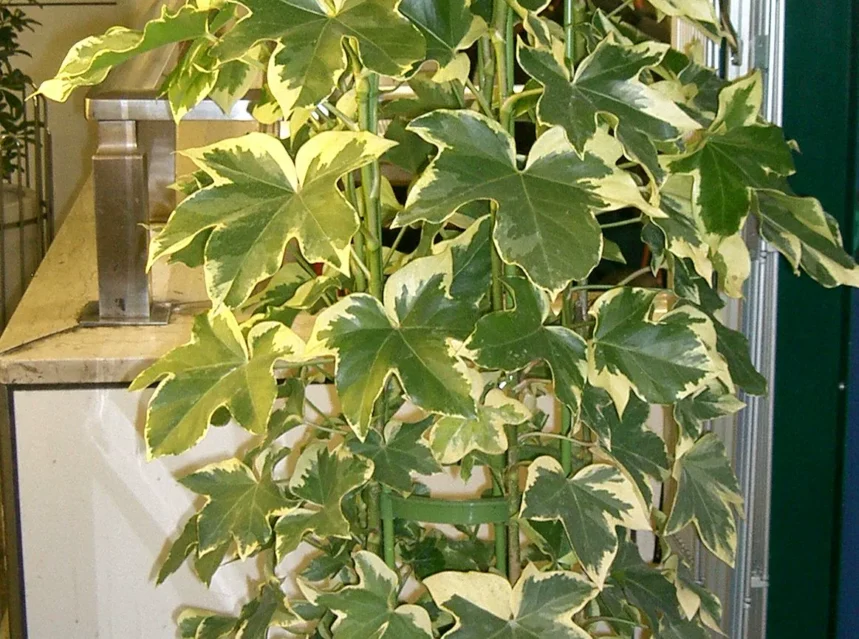
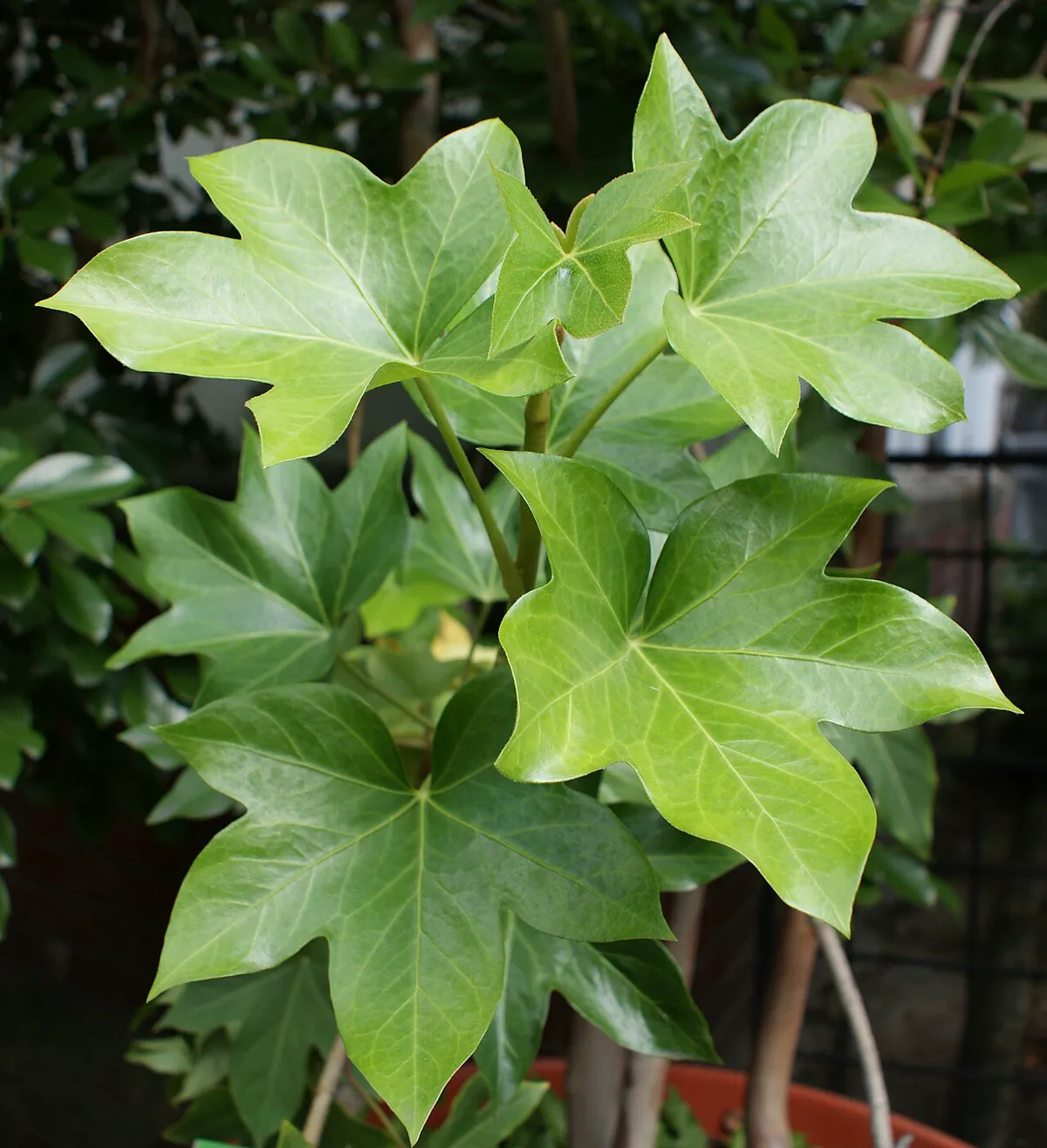
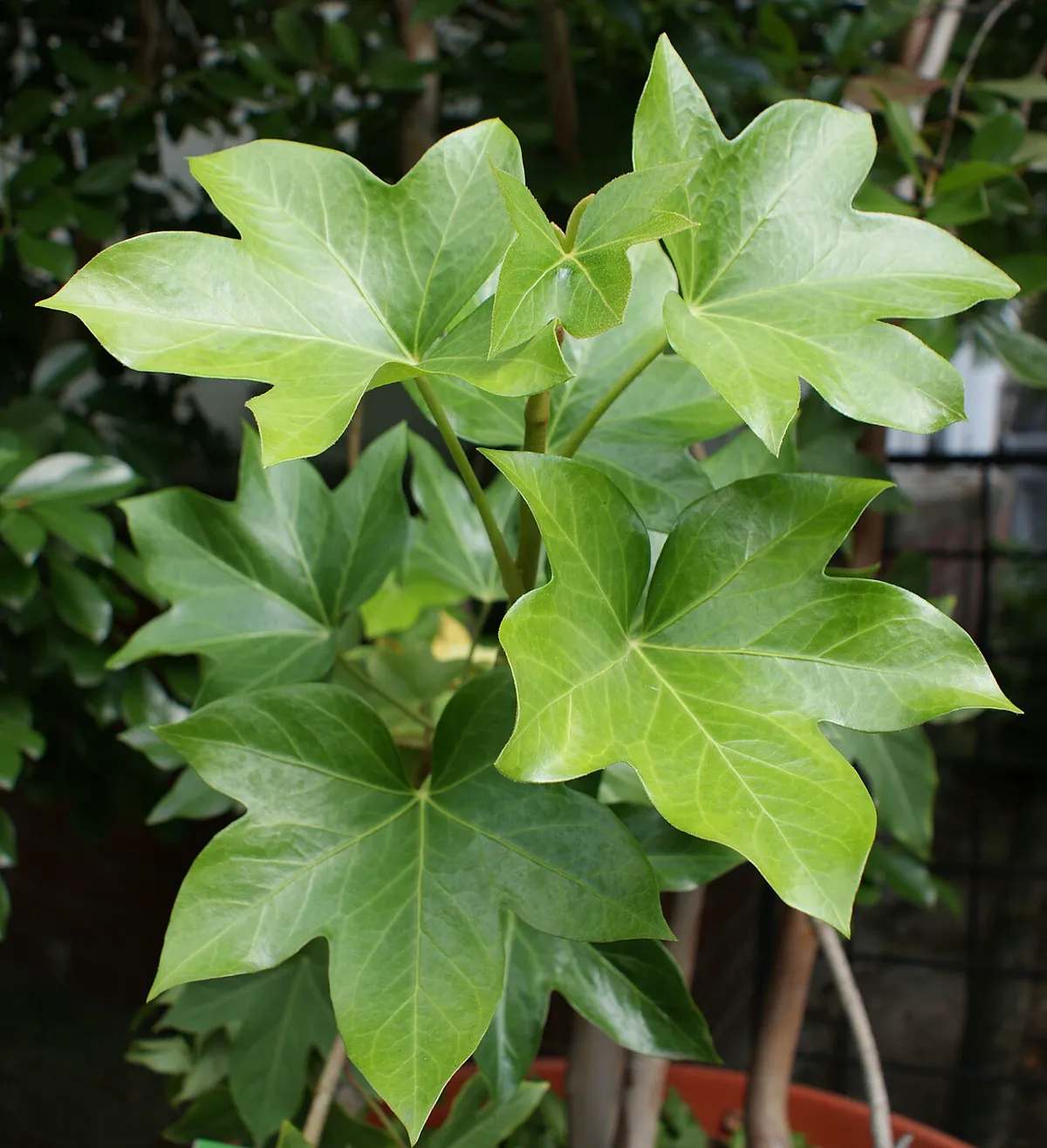
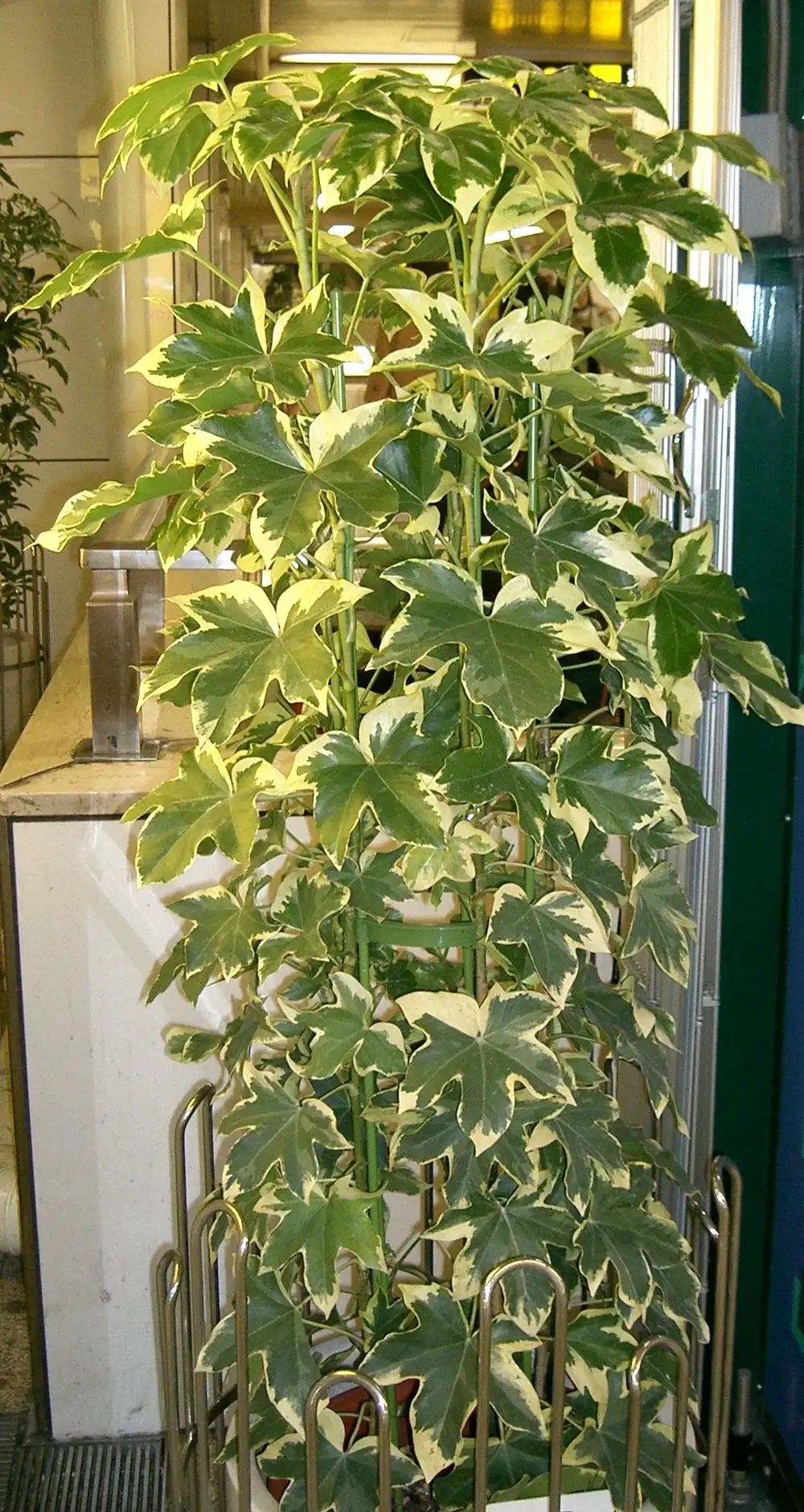
Fatshedera (× Fatshedera lizei), or tree ivy, is an easy evergreen foliage plant grown for its large, glossy, ivy-shaped leaves on upright, slightly sprawling stems — a hybrid of fatsia and ivy that thrives as a houseplant and, in mild areas, as a shade-loving garden shrub. Tolerant of low light and cool rooms, it is a forgiving, architectural choice. Here is the complete guide on fatshedera care.
Quick start: Grow fatshedera in bright, indirect light or shade, indoors or in a sheltered shady garden spot, in moist, free-draining soil or potting mix. Water when the top of the soil dries, and keep it out of hot, direct sun. It tolerates cool rooms and low light well. Pinch the tips to keep it bushy, or give the stems support to climb.
Experienced growers and the Royal Horticultural Society rate fatshedera as a tough, forgiving foliage plant, with a couple of useful notes. The first is light. It is one of the better plants for shade and cool, low-light rooms. Very deep shade, though, makes it leggy. The second is its habit. The floppy stems neither climb nor stand fully upright on their own. So gardeners either pinch them to stay bushy or tie them to a support. Most also value how it tolerates cooler conditions than many houseplants. This lets it bridge indoor and outdoor growing.
🧰 In a hurry? Jump straight to our tested picks for this guide ↓
Fatshedera at a glance
| Feature | Detail |
|---|---|
| Botanical name | × Fatshedera lizei (family Araliaceae) |
| Plant type | Evergreen foliage plant / shrub |
| Height/spread | About 1–2 m, sprawling or trained |
| Light | Bright indirect light to shade |
| Water | When the top of the soil dries |
| Soil | Moist, fertile, free-draining |
| Best for | Shady rooms and gardens, foliage, cool spots |
| Watch out | Floppy stems need pinching or support |
Why grow fatshedera?
Fatshedera is a brilliant plant for the shady, cooler spots that defeat many houseplants. Its big, glossy, hand-shaped leaves bring a lush, architectural look to a dim hallway, north-facing room, or shady garden corner. That bold foliage gives instant impact in spots that are usually hard to fill with greenery.
It is also tough and forgiving, tolerating low light, cool temperatures, and a little neglect, which makes it ideal for beginners. It is versatile too. You can grow it as a bushy pot plant, train it up a support, or plant it outside in mild shade. In this way it bridges the gap between houseplant and garden shrub. Honestly, few foliage plants are so adaptable, or so forgiving of a cool, shady, and tricky spot indoors or out.
History, origin & where it grows
Fatshedera is a man-made hybrid, created in France in 1912 by crossing Japanese fatsia (Fatsia japonica) with Irish ivy (Hedera). This unusual cross between two different genera gives it the bold leaves of fatsia on the looser stems of ivy. It is one of the rare hybrids between two separate plant genera. That mixed parentage is exactly what gives it its useful, in-between character.
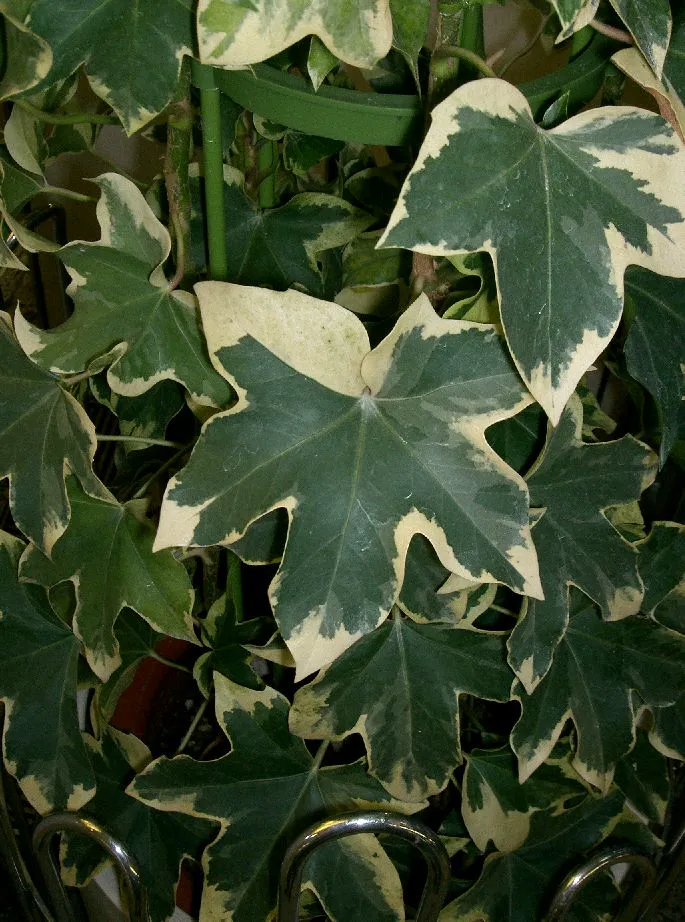
It became popular as an easy, shade-tolerant foliage plant for homes and shady gardens (see the background on × Fatshedera lizei). Variegated forms with cream-edged leaves were later bred for extra interest.
As a fairly hardy hybrid, fatshedera is grown as a houseplant worldwide and as an outdoor shade shrub in mild parts of the UK, Europe, and the US. In India, it suits cool, shaded indoor spots everywhere, and shady gardens in the cooler hills, rather than hot, bright plains.
Best time to pot & repot
The best time to pot up or repot fatshedera is spring, at the start of the growing season, when it recovers fastest. Repot every couple of years, or when roots fill the pot.
Move it up one pot size into fresh, free-draining potting mix. Outdoors in mild areas, plant it in spring or autumn in a sheltered, shady spot. In India’s hills, plant outside in the mild season, and indoors it can be potted whenever it outgrows its container.
How to plant and support fatshedera
Fatshedera is grown as a potted foliage plant or a shade shrub, and a little support shapes it well. To set it up:
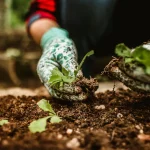
- Pot it in a free-draining potting mix in a container with drainage holes, or plant it in moist, fertile garden soil in shade.
- Decide on its form: pinch the growing tips for a bushy plant, or tie the stems to a cane or trellis to grow it tall (see how to repot a plant).
- Keep it out of hot, direct sun, which scorches the leaves.
Stand indoor plants in bright, indirect light or light shade. Its tolerance of cooler, dimmer spots makes it useful where fussier plants sulk. Turn the pot now and then so it grows evenly towards the light. Wiping the large, glossy leaves occasionally keeps them clean and helps the plant breathe. With a support behind it, fatshedera can also be trained flat against a shady wall as a living green screen.
Light, water & feeding
Fatshedera grows in bright, indirect light through to shade, making it one of the better foliage plants for low-light spots. Avoid hot, direct sun, but note that very deep shade gives leggy, sparse growth.
Water when the top of the soil dries, then water thoroughly and let it drain, never leaving it soggy (see how often to water plants). It likes moderate humidity and cool to average room temperatures. Feed monthly through spring and summer with a balanced houseplant or general fertiliser.
How to propagate fatshedera
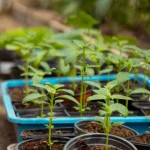
Fatshedera is easy to propagate from stem cuttings, so one plant soon gives you more. Summer is the best time.
Take stem-tip or stem-section cuttings a few centimetres long, each with a couple of leaves, and root them in water or moist, free-draining cuttings compost, kept warm and bright. Roots usually form within a few weeks. Taking cuttings is also a handy way to use the tips you pinch out to keep the parent plant bushy, turning routine trimming into new plants.
Common pests & diseases
Fatshedera is fairly tough, but the usual houseplant pests can appear, especially in warm, dry air. Regular checks keep them in hand.
Watch for spider mites, scale, and mealybugs on the leaves and stems. Root rot follows overwatering in soggy soil. Wipe the glossy leaves, keep humidity reasonable to deter mites, treat pests early, and always grow it in free-draining soil that is allowed to dry slightly between waterings.
Uses & benefits
Fatshedera is grown as an ornamental foliage plant, valued for its bold, glossy, evergreen leaves and its tolerance of shade and cool conditions. Indoors it suits dim hallways, north-facing rooms, and cool spots, while outdoors in mild areas it lights up shady borders and courtyards.
Like other big-leaved foliage plants, it adds lush greenery to difficult spots and helps furnish a shady room. It is grown for looks rather than eating, and it pairs well with other shade-tolerant foliage such as fatsia and ferns, indoors and out.
Common fatshedera problems
Leggy, sparse growth
Usually too little light or no pinching. Move it somewhere brighter (but out of hot sun) and pinch the tips to encourage bushy growth.
Floppy stems falling over
Natural to its habit. Tie the stems to a cane or trellis, or keep pinching to grow it as a lower, bushier plant.
Yellowing leaves
Often overwatering. Let the top of the soil dry between waterings and make sure the pot drains freely.
Related plant guides
- Mini Monstera care
- How to grow Fatsia Japonica
- Aluminum Plant care
- Chinese Evergreen care
- Money Tree care
- China Doll Plant care
Frequently asked questions
Is fatshedera easy to grow?
Yes. It is one of the more forgiving foliage plants, tolerating shade, cool rooms, and a little neglect. The main task is pinching or supporting its floppy stems.
What is fatshedera?
It is a hybrid of Japanese fatsia and ivy, sometimes called tree ivy, grown for its large, glossy, ivy-shaped evergreen leaves indoors and in mild shady gardens.
Does fatshedera climb?
Not on its own. Its stems are floppy, so tie them to a support to grow it tall, or pinch the tips regularly to keep it bushy and self-supporting.
Is fatshedera toxic to cats and dogs?
Fatshedera doesn’t have its own listing in the ASPCA’s toxic and non-toxic plant database, so no official verdict exists either way. It is a cross between English ivy, which the ASPCA lists as toxic to cats and dogs (vomiting, abdominal pain, hypersalivation, diarrhoea), and Fatsia japonica, which the ASPCA lists as non-toxic. Keep it away from pets that chew houseplants, and call ASPCA Animal Poison Control on 888-426-4435 if you’re worried — this isn’t veterinary advice.
How fast does fatshedera grow?
Fatshedera is a moderate grower, typically adding a reasonable flush of new stem each growing season and reaching its mature 1–2 m spread over a few years rather than months. Growth slows in low light or cool winter rooms and speeds up with brighter conditions and regular feeding through spring and summer.
Can I propagate fatshedera in water?
Yes. Stem-tip or stem-section cuttings a few centimetres long, each carrying a couple of leaves, root readily in a jar of water kept in a warm, bright spot out of direct sun. Change the water every few days to keep it fresh, and pot the cutting into free-draining compost once roots are a couple of centimetres long.
How often should I repot fatshedera?
Every two to three years is usually enough, ideally in spring as new growth starts. Repot sooner if roots are circling the base of the pot or the plant dries out unusually fast between waterings. Move it up only one pot size at a time into fresh, free-draining mix, since an oversized pot holds excess moisture the roots can’t use.
Why are my fatshedera leaves turning brown?
Brown, crisping tips or margins usually mean the roots have gone through a dry spell, while brown patches on the leaf surface point to scorch from direct sun or a heater nearby. Check the compost — if it’s bone dry, water thoroughly; if it’s soggy, let it dry out before the next drink and improve drainage.
Is fatshedera hardy enough to grow outdoors in winter?
In mild climates, yes — established fatshedera tolerates short spells of frost down to around -5°C in a sheltered, shady spot, similar to many evergreen shrubs from the ivy family. In colder regions it’s safer treated as a container plant that spends winter indoors or in an unheated porch, since prolonged hard frost damages or kills it.
Does fatshedera need high humidity?
No — it copes fine with normal room humidity, which sets it apart from fussier tropical foliage houseplants. A light misting or pebble tray helps in very dry, centrally heated air, but fatshedera’s tolerance of average indoor conditions is one of the reasons it’s recommended for beginners over humidity-hungry plants.
Can fatshedera grow in low light?
Yes, it is one of the better foliage plants for shade and low-light rooms, though very deep shade makes it leggy. Bright, indirect light gives the fullest growth.
Still stuck? Ask the Plant Doctor
Describe the problem — yellow leaves, holes, no flowers — and get a clear answer in seconds. FreeAI can make mistakes. Answers are guidance, not a guarantee — check anything important against the guide it links to, and always read the label on any product before you use it.