How to Grow Anemones (Jewel-Toned Windflowers)
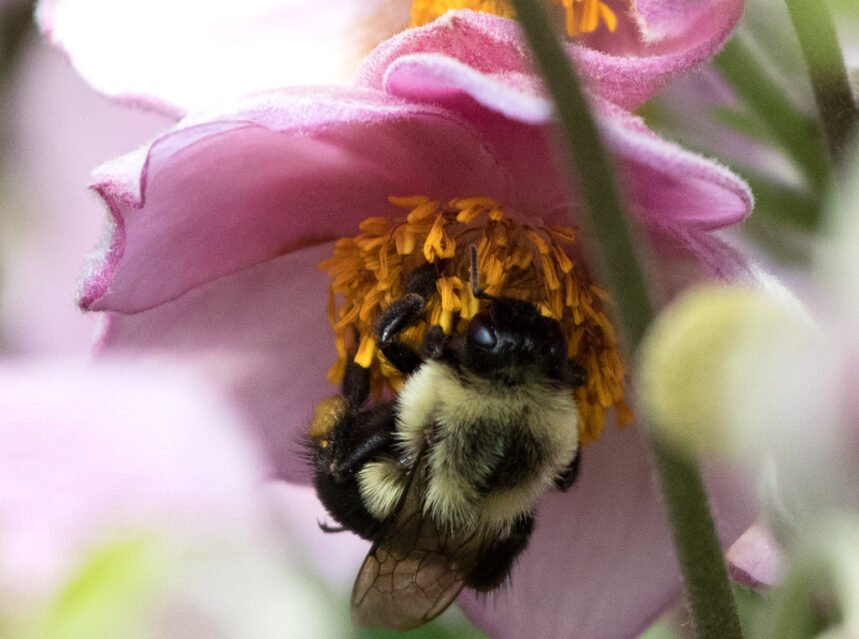
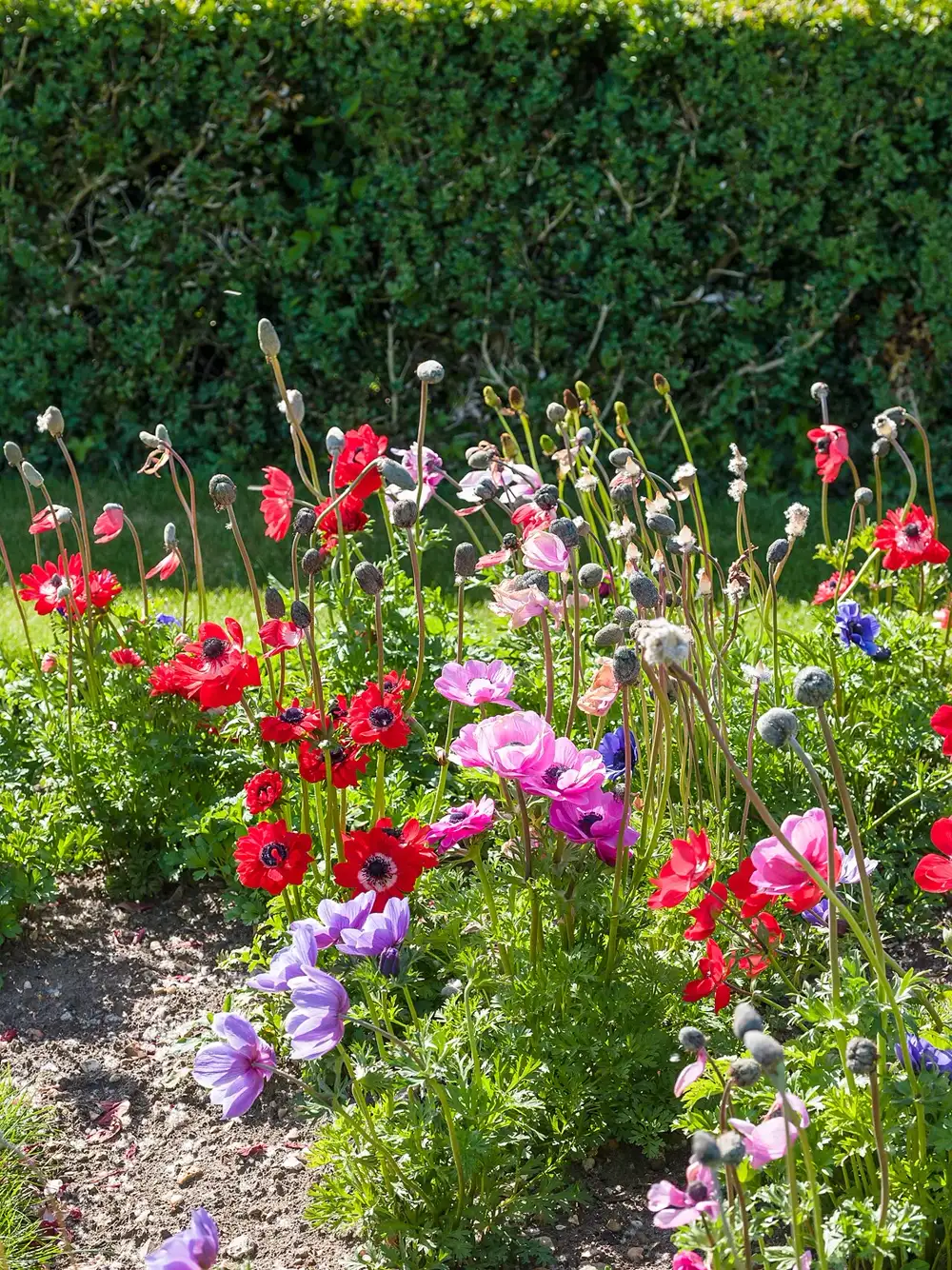
Anemones (windflowers) are cool-season flowers grown from small corms for their jewel-bright, dark-centred blooms in spring — dainty yet dramatic. The popular poppy-type anemones open vivid petals of red, blue, purple and white around a striking dark eye. They are elegant in the garden and superb as cut flowers. Like ranunculus, they grow from corms and love cool weather, and a quick soak gets them going. Here is the complete guide on how to grow anemones.
Quick start: Soak anemone corms a few hours, then plant them in full sun in cool weather. Give them well-drained, compost-rich soil. They bloom about three months later in cool conditions and last beautifully in a vase.
Anemones offer some of the richest, jewel-bright colour of the cool season, and their dark centres make them irresistible in a vase. The trick growers rely on is soaking the corms for just a few hours before planting, since over-soaking rots them. They flower only in the cool months and stop once the heat arrives. Cut just as the buds open, they last for days indoors. Planting the corms in small batches a few weeks apart stretches the flowering season.
🧰 In a hurry? Jump straight to our tested picks for this guide ↓
Anemones at a glance
| Feature | Detail |
|---|---|
| Botanical name | Anemone coronaria (family Ranunculaceae) |
| Common name | Windflower |
| Grown from | Corms (soak before planting) |
| Light | Full sun |
| Soil | Rich, well-drained |
| Season | Cool weather; stops above ~75°F |
| Blooms | About 3 months after planting |
| Note | Toxic if eaten; superb cut flower |
Why grow anemones?
Anemones offer rare colour and charm in the cooler months. A few reasons to grow them:
- Jewel-bright blooms. Vivid petals with dark “eyes” stand out in borders and bouquets.
- Long-lasting cut flowers. They hold beautifully in the vase.
- Cool-season colour. They flower when little else is at its best.
- Perfect partner. They pair with ranunculus, which want identical care.
History, origin & where anemones grow
The florist anemone (Anemone coronaria) is native to the Mediterranean region, while the genus as a whole runs to about 63 species spread through the temperate and subtropical parts of every continent except Australia, New Zealand and Antarctica (species and distribution). They have been admired since antiquity and feature in Greek myth, where the windflower sprang from the tears of the goddess Aphrodite. The name “windflower” reflects how the blooms tremble in the breeze.
The popular types evolved with mild, cool, wet winters and dry summers. So, like ranunculus, they are cool-season flowers that fade in heat. This Mediterranean rhythm is the key to growing them well.
From the Mediterranean they spread into gardens worldwide (see the Royal Horticultural Society). Breeders developed the brilliant single and double florist strains we grow today. In hot climates such as much of India, they thrive through the cool winter months.
Best season & when to plant
Anemones thrive in cool weather and stop blooming once it hits about 75°F. In mild-winter areas, plant the corms in fall for late-winter to spring flowers. In cold areas, plant in late winter or early spring, or start them under cover. In hot climates, grow them through the cool winter season.
How to plant anemone corms
- Soak the corms for 3–4 hours in room-temperature water before planting, keeping the water fresh. They swell as they rehydrate. Do not over-soak.
- Optionally, pre-sprout them in moist soil in a cool spot (40–50°F) for 10–14 days for earlier blooms.
- Plant about 2 inches deep and 6 inches apart in full sun, in rich, well-drained soil with compost (see improving garden soil). The corms have no obvious “up”, so do not worry — they will find their way.
Sun, soil & watering
Give anemones full sun and cool temperatures. Keep the soil evenly moist but well-drained (see how often to water plants); soggy soil rots the corms. They bloom abundantly about three months after planting, giving a long, generous display through the cool season.
Anemones as cut flowers
Anemones are among the finest cool-season cut flowers. Their bold colour and dark centres make a striking vase. So flower growers prize them highly.
Cut the stems when the buds are just opening, in the cool of the morning. Stand them in clean water straight away. They last a week or more and the flowers continue to open indoors.
Interestingly, anemones keep responding to light after cutting, opening by day and closing at night. Grouped with ranunculus and spring bulbs, they make an unforgettable arrangement. Always wash your hands afterwards, as the sap can irritate.
Harvesting & deadheading
Anemones make excellent cut flowers. Cut them when the blooms are just opening for the longest vase life. In the garden, deadhead the spent flowers to keep more coming through the cool season. Regular picking actually encourages more buds.
Saving corms for next year
In mild climates, anemone corms can be left to return. Where summers are hot or wet, it is safer to lift them. So your approach depends on your conditions.
After the foliage yellows and dies back, lift the corms gently. Brush off the soil and let them dry in an airy, shaded spot. Store them somewhere cool and dry until the next planting season.
Replant them in autumn or late winter, soaking them again first. Discard any that have gone soft or mouldy. With this simple cycle, a single batch can flower for several years.
Types of anemone to grow
Anemones are a big group, and a few main types suit gardens. Knowing them helps you choose. So here are the most useful.
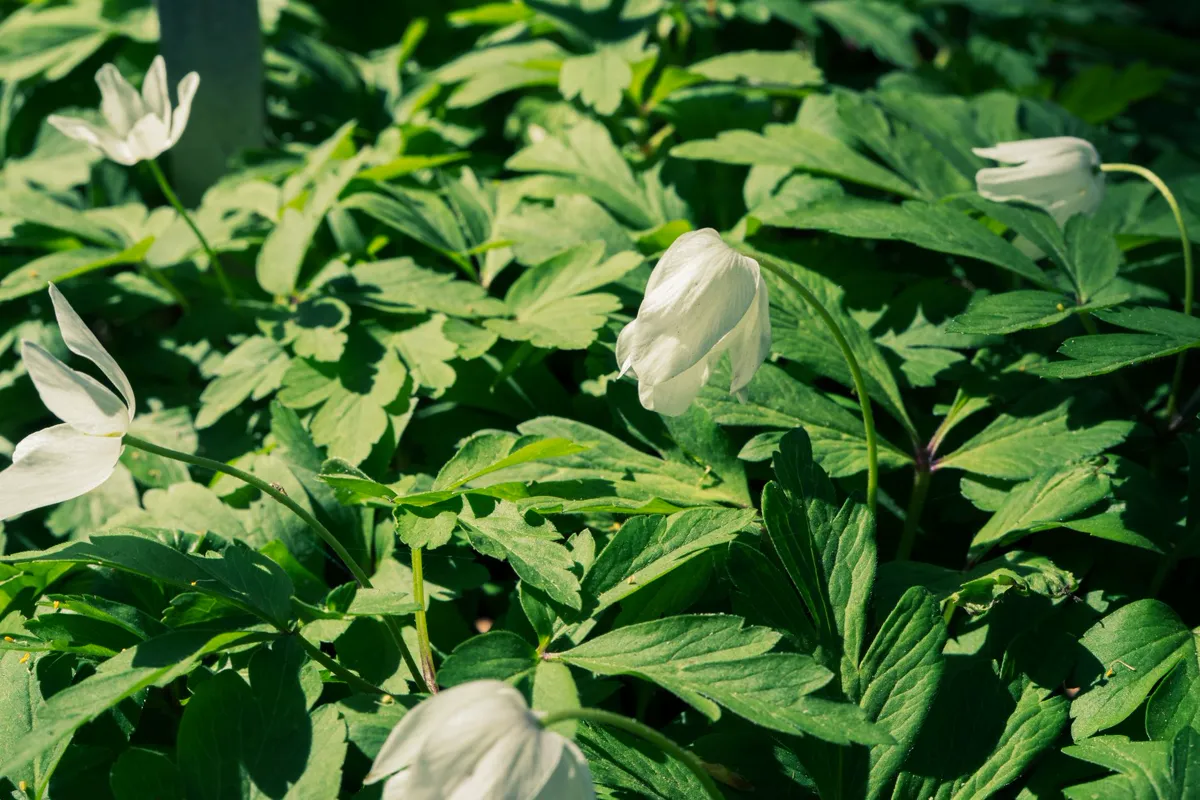
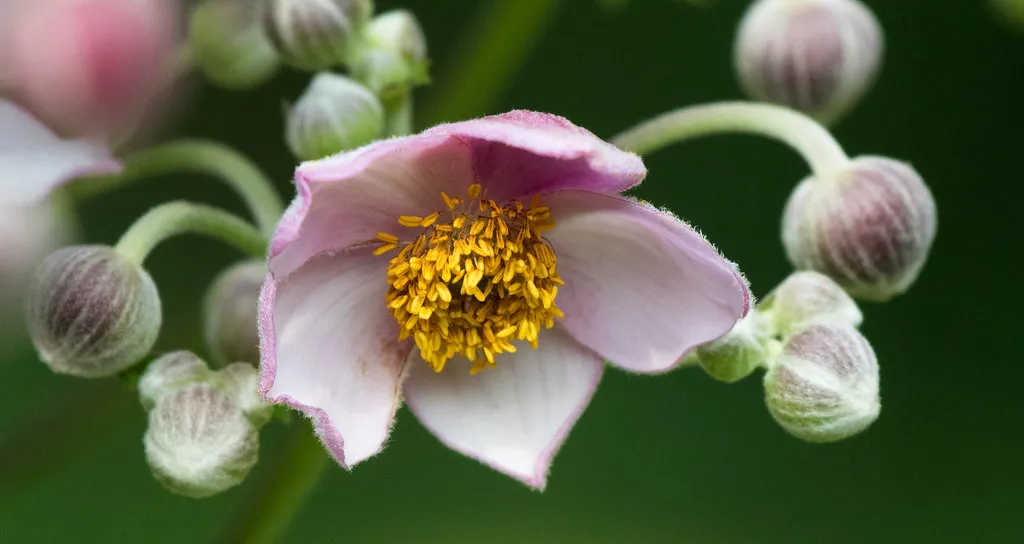
The poppy or florist anemone (A. coronaria) gives the bold, dark-centred spring blooms from corms. The De Caen and St Brigid strains are the popular single and double florist types. There are also delicate woodland anemones for shade, and tall Japanese anemones that flower in autumn.
For cut flowers and bright spring colour, choose the poppy types. For a shady corner, the wood anemone naturalises beautifully. They all share a love of cool, moist, well-drained conditions.
Growing anemones in containers
Anemones grow happily in pots, which suits a patio or balcony. A container also lets you control the soil and drainage. So it is a great option in heavy ground.
Soak the corms first, then plant them a couple of inches deep in free-draining compost. Stand the pot in full sun and somewhere cool. Keep the compost evenly moist but never waterlogged.
In hot climates, grow the pots through the cool winter months. Move them somewhere sheltered in harsh weather. After the blooms fade, let the foliage feed the corms before they rest.
Common pests & diseases
As with ranunculus, the main risk is rot from over-soaking or wet soil, so soak correctly and ensure good drainage. Watch for aphids on the buds (see aphid control). See our organic pest control guide, and protect newly planted corms from rodents, which may dig them up.
Benefits & uses
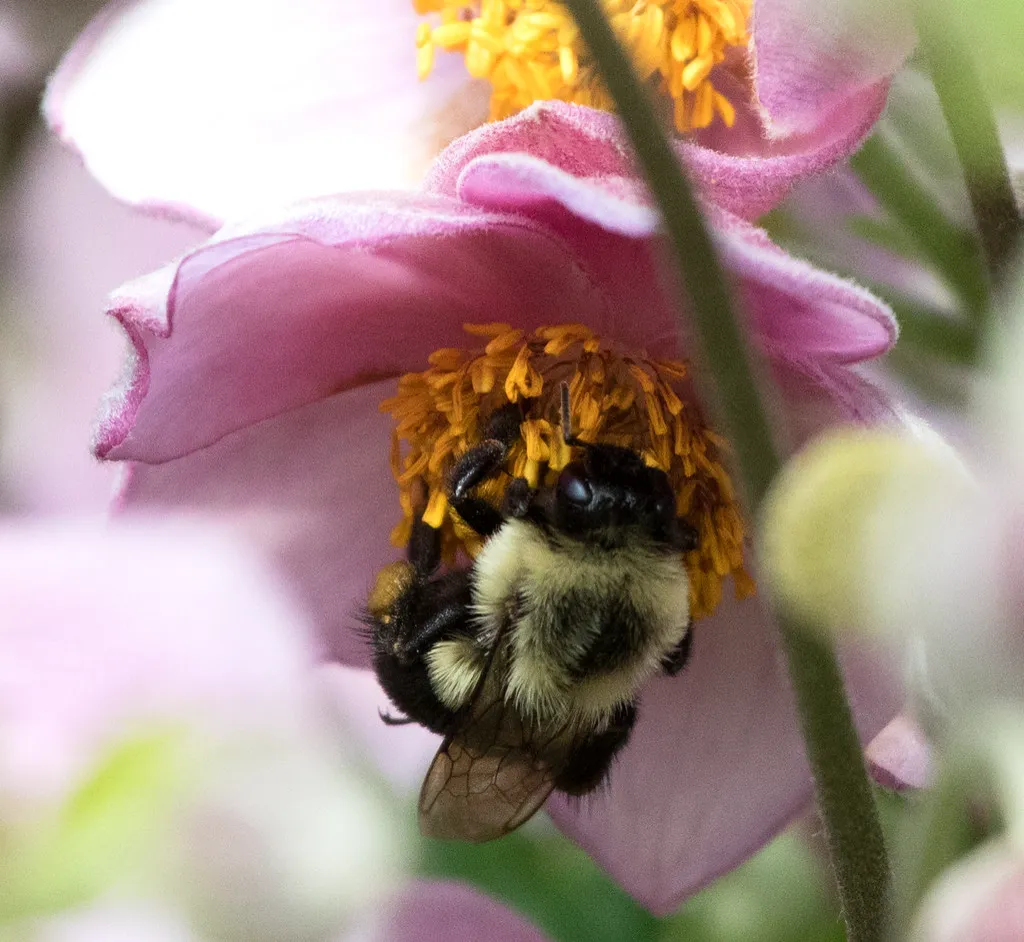
Anemones bring striking, jewel-toned colour to the cool-season garden and the vase. They are prized cut flowers and a lovely partner to ranunculus and spring bulbs (see attracting pollinators). Their early blooms also feed pollinators. Note that anemones are toxic if eaten, so keep them away from pets and children.
This article is for general information only and is not medical advice. Talk to a qualified professional before using any plant medicinally.
Common anemone problems
Corms rot
Over-soaked or wet soil. Soak only a few hours and plant in well-drained ground.
Few flowers or quick fade
Too warm. Grow them in cool weather, as they stop blooming above about 75°F.
No blooms
Planted in heat or poor light. Plant for cool conditions in full sun.
How to propagate anemones
Anemones are increased by dividing what grows underground, and the method depends on which of the three garden groups you have. Seed works for all of them but is slow, so division is what most gardeners use.
Poppy anemones (A. coronaria)
A corm that has grown well for a season comes up as a bigger, knobbly clump. Lift it after the foliage has died back, dry it off, and break the clump into separate pieces before replanting. Keep the firm, plump ones and throw away anything soft or mouldy. Seed can be sown fresh in a cold frame, but seedlings take a couple of years to reach flowering size.
Wood anemones
These spread by thin, brittle rhizomes just under the surface. Divide them once the leaves have died down: lift a patch, break the rhizomes into pieces with a bud on each, and replant immediately at the same depth. They must not dry out — a rhizome left on the potting bench for an afternoon is often a dead one. This is also how a small patch is turned into a drift, a few pieces at a time.
Japanese anemones
Divide these in spring, or take root cuttings in late winter — sections of root about 7.5–12.5 cm long, laid in a tray of gritty compost in a cold frame. Root cuttings work so easily here for the same reason the plant is hard to remove: any scrap of root left in the ground makes a new plant. Turn that against it, and one clump supplies the whole border.
Related plant guides
- How to grow Calla Lily
- How to grow Freesia
- How to grow Fritillaria
- How to grow Gloriosa Lily
- How to grow Ranunculus
- How to grow Hyacinth
Frequently asked questions
Do anemone corms need soaking?
Yes — soak them 3–4 hours before planting to rehydrate, but avoid over-soaking, which causes rot.
How deep do I plant anemone corms?
About 2 inches deep and 6 inches apart, in well-drained soil and full sun.
When do anemones bloom?
Roughly three months after planting, in cool spring weather.
Can anemones grow in warm climates?
Yes — grow them through the cool winter months, as they stop flowering in heat.
Are anemones poisonous?
Yes — they are toxic if eaten and the sap can irritate skin, so keep them away from children and pets and wash your hands after handling.
Do anemones come back every year?
In mild climates the corms can return for several years. Where summers are hot or wet, lift and store them after the foliage dies down, then soak and replant them in the next cool growing season.
Should I pre-sprout anemone corms before planting?
It is optional but worthwhile — pre-sprouted corms bloom a couple of weeks earlier and you can discard any that fail before they take up bed space. After the initial soak, nestle the corms into a tray of barely damp potting mix and hold them somewhere cool and dark, around 10-12C (50-54F), for one to two weeks. Plant them out once small roots and shoots appear. Check the tray every few days and remove anything mushy.
How many flowers does one anemone corm produce?
Far more than most people expect — a healthy corm growing in cool conditions can push out 20 or even 30 blooms over its season. The secret is steady, repeated cutting, which signals the plant to keep producing. Fertile soil, full sun and cool weather all raise the count. Heat is what shuts production down, not the corm running out of flowers.
Should I deadhead anemones?
Yes — cut the spent stem right at the base, where it meets the soil, exactly as you would when harvesting a fresh flower. This stops the plant wasting energy on seed and prompts new buds to rise. Leaving faded blooms on the plant noticeably slows repeat flowering. A quick pass every few days through the season keeps the show going.
Can I grow anemones in containers?
Yes, and they do very well in pots. Allow roughly one corm per 4-inch pot, or space several a few inches apart in a larger, deeper container with free-draining compost. Keep the pot in full sun during the cool season and water so the mix stays lightly moist, never soggy. Pots also make it easy to move plants under cover during a hard freeze or a heat spike.
When should I cut anemones for the vase?
Cut when the bud has coloured up and is just beginning to open — fully open flowers bruise easily and fade sooner. Harvest in the cool of the morning, cutting low at the base of the stem, and get the stems straight into clean water. Expect around a week of vase life, sometimes more with fresh water every couple of days. The blooms keep opening and even grow a little after cutting, which is part of their charm.
Still stuck? Ask the Plant Doctor
Describe the problem — yellow leaves, holes, no flowers — and get a clear answer in seconds. FreeAI can make mistakes. Answers are guidance, not a guarantee — check anything important against the guide it links to, and always read the label on any product before you use it.