How to Grow Barberry
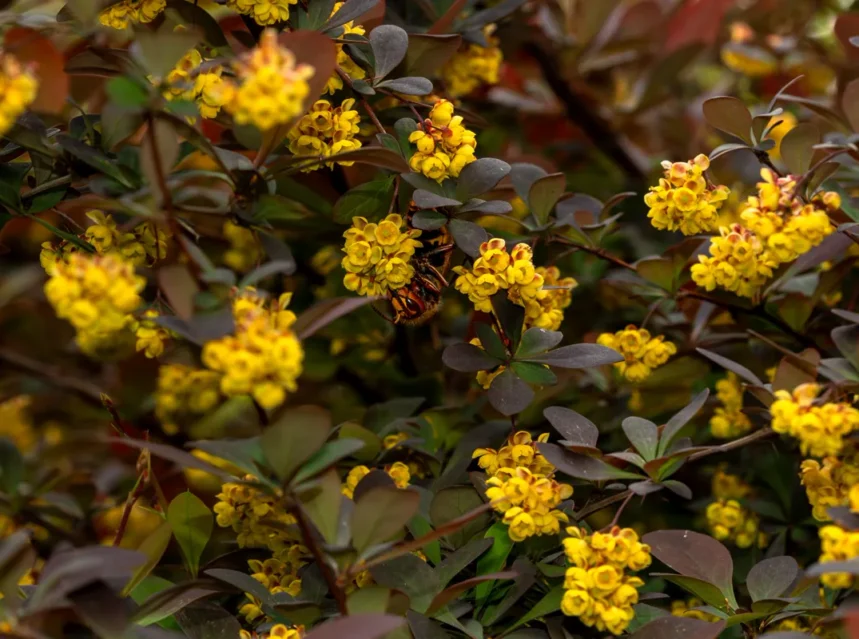
Barberry (Berberis) is a tough, adaptable group of deciduous and evergreen shrubs grown for their colourful foliage — in deep purple, gold, or green — spring flowers, autumn berries, and densely spiny stems that make excellent barrier hedges. Easy, drought-tolerant, and hard-wearing, barberry suits hedges, borders, and difficult spots, though its thorns and (in some species) invasiveness call for thought. Here is the complete guide on how to grow barberry.
Quick start: Grow barberry in full sun to part shade in any free-draining soil. It is very hardy, drought-tolerant, and low-maintenance, and the spiny stems make a superb security hedge. Plant in autumn or spring, water while establishing, and prune lightly after flowering (deciduous) or in late spring (evergreen). Wear thick gloves — the thorns are sharp. Choose purple- or gold-leaved forms for the best colour, in full sun.
Gardeners value barberry as one of the most reliable, trouble-free shrubs for colour and barrier hedging, but two cautions come up often. Members of gardening communities warn that the thorns are genuinely vicious, so heavy gloves and care are essential when planting and pruning, and that purple- and gold-leaved forms need full sun to colour well, fading to green in shade. They also note that Japanese barberry (Berberis thunbergii) is considered invasive and is restricted or banned in parts of North America, so it is worth checking local rules and choosing a non-invasive or sterile cultivar.
🧰 In a hurry? Jump straight to our tested picks for this guide ↓
Barberry at a glance
| Feature | Detail |
|---|---|
| Botanical name | Berberis species & cultivars (e.g. B. thunbergii, B. darwinii); family Berberidaceae |
| Plant type | Deciduous or evergreen spiny shrub |
| Height | 0.3–3 m, depending on type |
| Sun | Full sun to part shade (sun for best colour) |
| Soil | Any free-draining soil; very tolerant |
| Hardiness | Hardy (zones 4–9, by species) |
| Features | Coloured foliage, spring flowers, berries, thorns |
| Best for | Colour, barrier hedges, tough spots |
Why grow barberry?
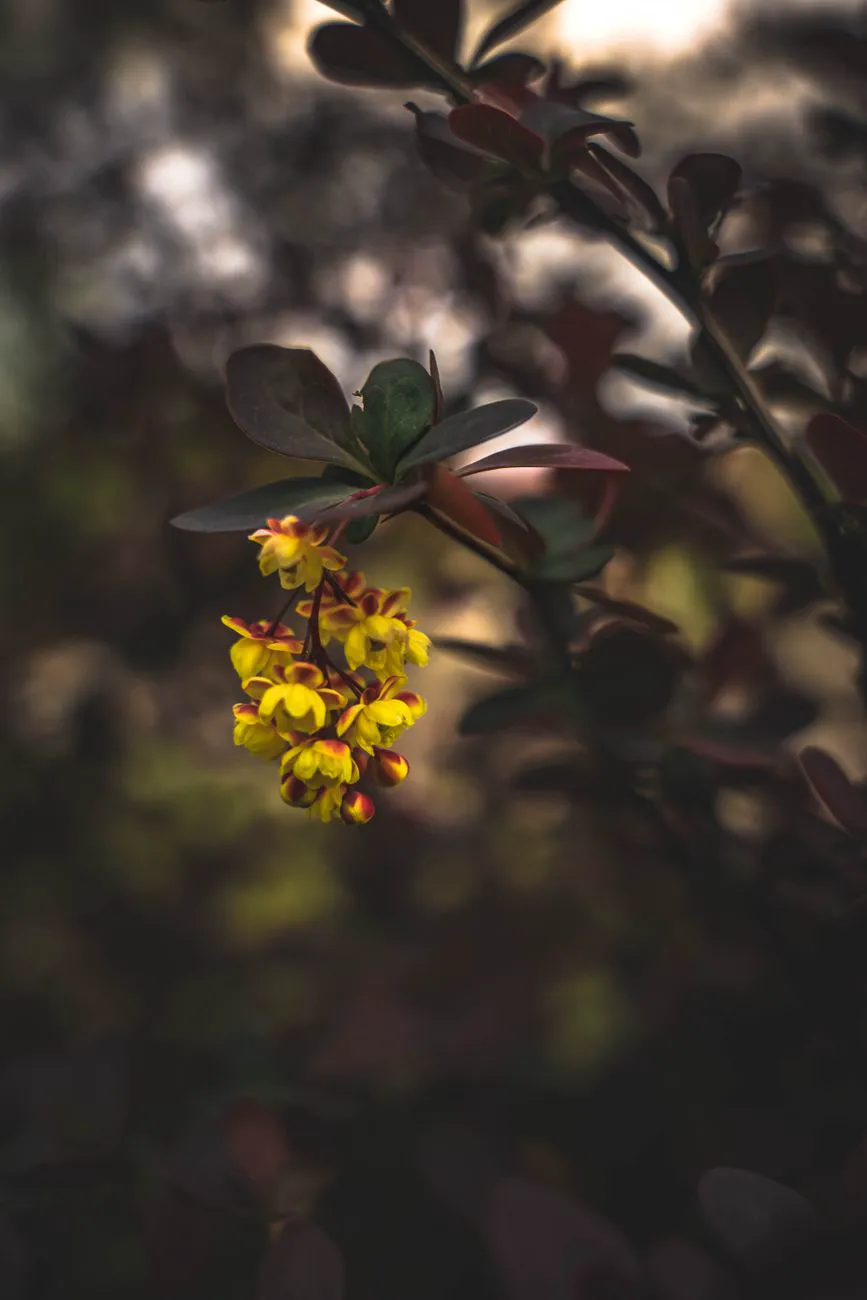
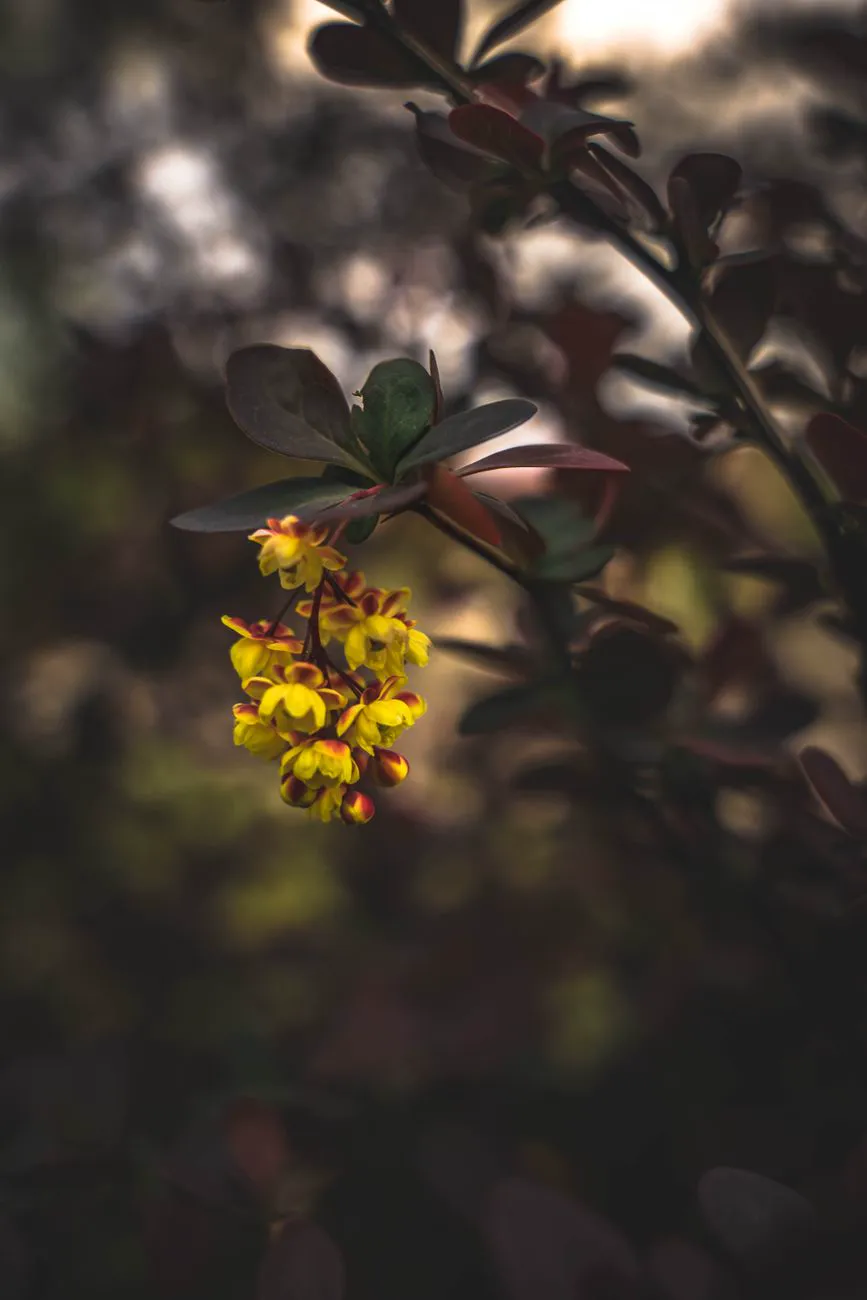
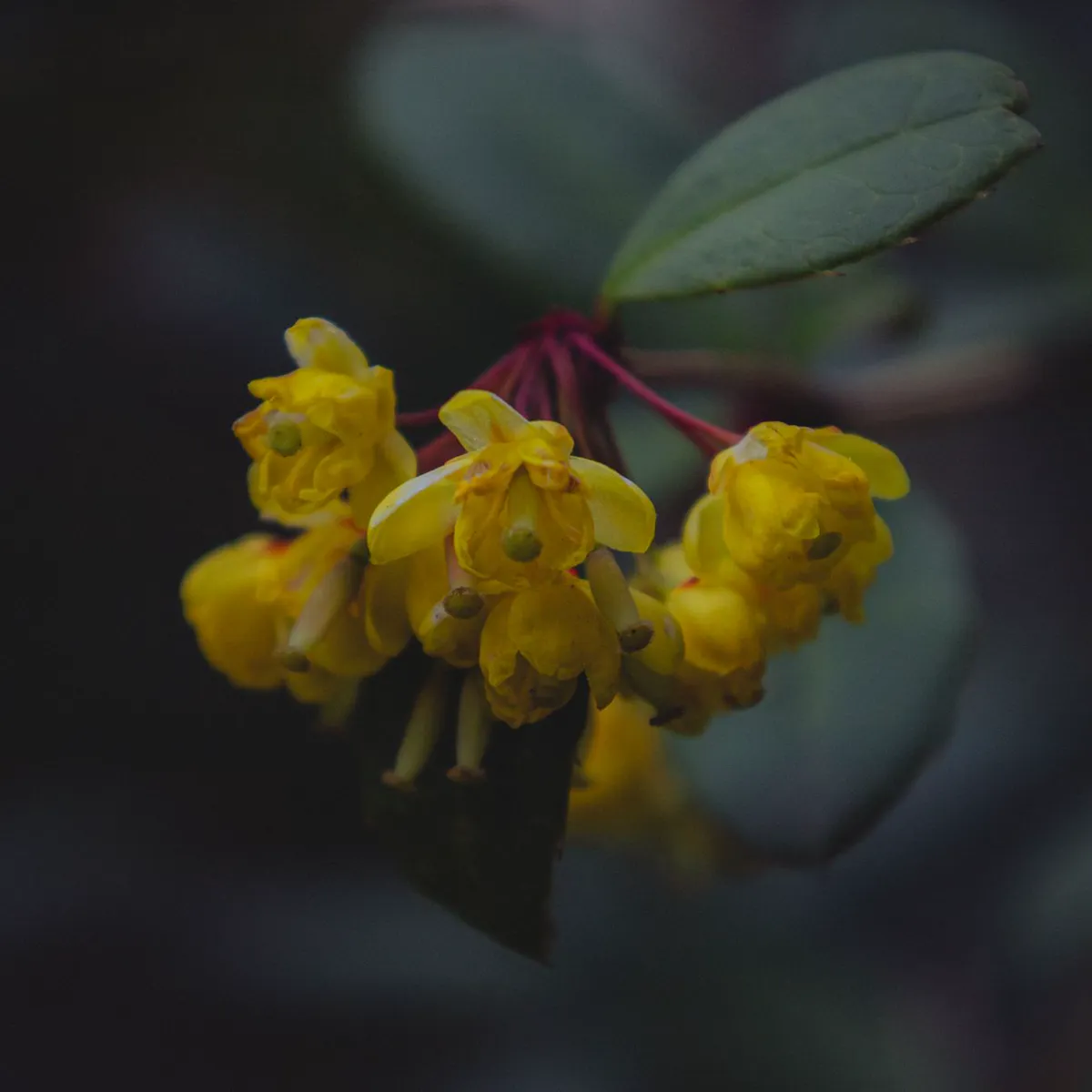
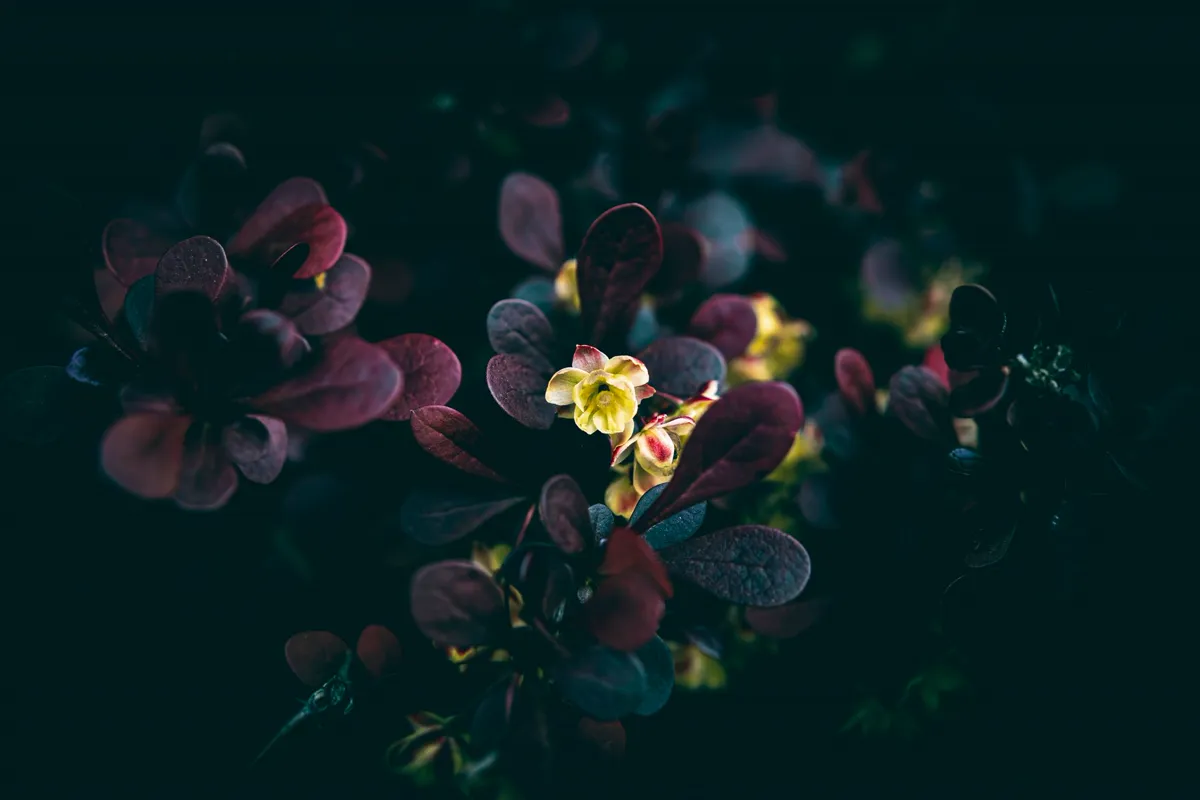
Barberry is one of the hardest-working shrubs for colour and structure. The many forms offer foliage in rich purple, bright gold, lime, and variegated tones, often with fiery autumn colour, plus small yellow or orange spring flowers and glossy red berries. The dwarf forms make neat, colourful low hedges and edging, while larger ones give bold border colour.
It is also exceptionally tough and easy: hardy, drought-tolerant, happy in poor soil, and largely pest-free, asking very little once planted. Deer and rabbits leave it alone — Rutgers University rates barberry as “rarely damaged” — so it suits gardens with browsing pressure. Its dense, spiny stems make it one of the best plants for an intruder-proof barrier or security hedge, while spring flowers feed bees and autumn berries feed birds.
For design, barberry pairs beautifully with conifers, ornamental grasses, and silver-leaved plants such as lavender. For low-effort colour and practical hedging, it is hard to beat, alongside other tough shrubs in a mixed planting. It rewards you with steady low watering needs and years of reliable structure.
History, origin & a note on invasiveness
Barberries are native across Asia, Europe, North Africa, and the Americas, with the popular Japanese barberry (Berberis thunbergii) from Japan and the evergreen Darwin’s barberry (B. darwinii) from South America. They have long been grown as ornamental and hedging shrubs (the background on Berberis records this range).
An important caution: some barberries, especially Japanese barberry, have become invasive in parts of North America. Birds eat the berries and scatter the seed into woodlands, where dense thickets crowd out native plants. Because of this, Japanese barberry is now restricted or banned for sale in states such as Pennsylvania, New York, Massachusetts, and Maine. Before planting, check your local regulations and choose a non-invasive species or a sterile, seedless cultivar.
There is also a health angle worth knowing. The shrub’s dense growth traps humidity, which shelters black-legged ticks and the mice that carry Lyme disease. University of Connecticut research found far more infected ticks under uncontrolled barberry than in barberry-free woodland, so removal is often recommended near homes. Separately, the common European barberry (Berberis vulgaris) was cleared from farmland in the past because it hosts a stage of wheat stem rust, a serious cereal disease.
India has its own famous barberry too. Berberis aristata — known as daruhaldi or Indian barberry — grows wild in the Himalayan foothills at 1,800–3,000 m. Its yellow root bark is rich in berberine and has long been used in Ayurveda. So the genus links a modern ornamental shrub to centuries of traditional use across Asia. Grown responsibly, barberry remains a valued garden plant across the US, UK, Europe, and the cooler hills of India.
Types of barberry
There are two broad groups, grown for different effects:
- Deciduous (e.g. Berberis thunbergii): grown mainly for colourful foliage — purple (‘Atropurpurea’, ‘Rose Glow’), gold (‘Aurea’), and compact forms (‘Atropurpurea Nana’) — with brilliant autumn colour and red berries; check invasiveness and choose sterile cultivars where needed.
- Evergreen (e.g. Berberis darwinii, B. julianae): grown for glossy evergreen leaves, masses of orange-yellow spring flowers, and dense, very spiny growth — superb evergreen barrier hedges.
For low colourful hedges and edging, choose a compact deciduous purple or gold form; for an evergreen flowering security hedge, choose a spiny evergreen species. Match the type to your purpose and check local rules first.
Best barberry varieties to grow
There are over 400 barberry species, so choosing the right cultivar matters more than the growing. Pick by size, leaf colour, and habit. The table below sums up popular, widely available forms.
| Variety | Foliage | Size | Best use |
|---|---|---|---|
| ‘Crimson Pygmy’ (Atropurpurea Nana) | Deep red-purple | 0.6 m dwarf | Low edging, borders |
| ‘Rose Glow’ | Purple mottled pink & white | 1.5 m | Colour accent, hedge |
| ‘Aurea’ / ‘Bonanza Gold’ | Bright gold-yellow | 0.5–1 m | Contrast, containers |
| ‘Orange Rocket’ | Coral to red | 1.2 m columnar | Narrow spaces, accents |
| ‘Helmond Pillar’ | Deep purple | 1.5 m upright | Vertical structure |
| B. darwinii (evergreen) | Glossy green, orange flowers | 2.5–4 m | Flowering security hedge |
Where invasiveness is a concern, look for modern sterile, seedless series such as WorryFree and Sunjoy. These give the same colour without setting viable seed. Gold-leaved forms can scorch in the fiercest afternoon sun, so give them a little shade in hot, dry regions.
Best season & when to plant
Plant barberry in autumn or spring, while dormant or settling, when bare-root or container plants establish best. It is very hardy and suits cool-temperate to warm-temperate climates, tolerating cold winters and hot summers alike. Container-grown plants can go in almost any time, except when the ground is frozen or baked hard.
Growth is steady rather than fast. Standard barberries add about 30–45 cm (12–18 inches) a year in full sun, while dwarf and evergreen types grow more slowly. Expect a usable hedge in three to four years from standard forms.
Barberry grows well across the US, UK, Europe, and cool hill regions elsewhere, and copes with a wide range of conditions. For the best foliage colour from purple- and gold-leaved forms, choose a position in full sun; in shade the colour fades towards green. Evergreen flowering types tolerate more shade but flower best in good light.
How to plant barberry step by step
Barberry is easy to plant — but handle it with care:
- Choose a spot in full sun to part shade with any free-draining soil; barberry tolerates poor, dry, and chalky ground.
- Wear thick, thornproof gloves and long sleeves — the spines are sharp and easily catch.
- Set the top of the rootball level with the soil surface, in a hole wider than the rootball. Planting too deep causes water to pool and rot the roots.
- Match spacing to your goal. For a tight barrier hedge, space plants 30–45 cm (about 3 plants per metre) apart. For individual rounded shrubs, allow 1–1.5 m. Dwarf edging can sit 30–40 cm apart.
- Firm in, water well, and mulch to conserve moisture, keeping mulch off the stems.
- Site spiny barberry away from paths and play areas where people might brush against it.
Once planted, barberry establishes easily and needs little care. Root rot from waterlogged ground is the main reason plants fail, so get the drainage right first. On heavy clay, improve the soil (see our guide on how to improve garden soil) or plant slightly proud of the surface. Its toughness then makes it ideal for hot, dry, or awkward spots where other shrubs struggle.
Growing barberry in pots
Compact barberries make excellent container plants for patios, doorways, and small courtyards. Choose a dwarf or slow-growing form, such as ‘Crimson Pygmy’ or a gold cultivar, for the best long-term result.
Use a pot only a little larger than the rootball, with good drainage holes and a loam-based compost. Container plants dry out fast, so water regularly through summer — sometimes daily in heat — but never leave the pot standing in water. Feed with a balanced liquid feed every few weeks in the growing season, and top-dress or repot every two to three years. Move pots to a sheltered spot in very cold, windy winters, as exposed containers freeze harder than open ground.
Sun, soil, watering & feeding
Give barberry full sun for the richest foliage colour and best flowering, though it tolerates part shade (with greener leaves on coloured forms). It grows in almost any free-draining soil, including poor, dry, sandy, and chalky ground, and is notably drought-tolerant once established; it dislikes only waterlogging.
Water young plants through dry spells while establishing (see how often to water plants); mature barberry rarely needs extra water. It needs little or no feeding on reasonable soil — a light spring mulch or balanced feed is enough if growth is poor. Avoid heavy feeding, which can dilute leaf colour with lush green growth. Overall, barberry is one of the lowest-maintenance shrubs you can grow.
Pruning & hedging
Barberry needs little pruning and tolerates clipping well, making it a fine hedge. Prune deciduous types in winter or after flowering, and evergreen flowering types straight after flowering (so you don’t lose the blooms), removing dead or wayward growth and trimming to shape. It can be cut back hard to rejuvenate if needed.
For a hedge, trim formal hedges once or twice in the growing season, or leave informal ones to grow more naturally and flower freely. Always wear thick gloves and eye protection — the thorns are sharp and the clippings unpleasant to handle. Rake up prunings carefully, as the spines persist. For colour-leaved forms, light pruning keeps growth dense and well-coloured.
How to propagate barberry
The easiest way to make new plants is from semi-hardwood cuttings taken in summer. This copies the parent exactly, which matters for named colour forms.
- Cut a 10–15 cm (4–6 inch) shoot tip, trimming just below a leaf node. Wear gloves, as the stems are spiny.
- Strip the lower leaves, dip the cut end in rooting hormone, and push it into a pot of gritty, moist compost or coarse sand.
- Cover with a clear bag or propagator to hold humidity, and keep it warm and out of direct sun. Roots usually form in about three to four weeks.
- Pot on rooted cuttings and grow them on before planting out.
Seed also works but is slow and unreliable: seedlings vary from the parent and need cold stratification (around 40°F / 4°C for several weeks). Because self-sown seedlings spread invasive species, cuttings are the responsible choice. Spreading species can also be layered by pinning a low branch to the soil until it roots.
Common pests & diseases
Barberry is generally very healthy and trouble-free, which is part of its appeal. Occasionally aphids gather on soft new growth, and barberry sawfly larvae can strip leaves in spring and summer — pick them off or treat early. Scale insects and spider mites appear now and then in hot, dry spells.
Diseases are few. Powdery mildew shows as white patches in crowded, dry conditions, and gold-leaved forms are most prone. Watch too for verticillium wilt (branches yellowing and dying back) and root rot in wet soil. Good airflow, full sun, and free-draining soil prevent most issues. As a robust, adaptable shrub, barberry needs little or no spraying and largely looks after itself once established, much like other low-maintenance landscaping choices.
Is barberry toxic to pets and people?
Barberry is best treated as mildly toxic to dogs, cats, and people. All parts contain berberine, and eating leaves, stems, or unripe berries can cause stomach upset, drooling, vomiting, or diarrhoea. The sharp thorns add a risk of mouth and gut injury if a pet chews the stems.
There is nuance by species. Ripe berries of common barberry (Berberis vulgaris) are eaten cooked — dried, they are the tart Persian zereshk used in rice dishes and jams. Ornamental Japanese barberry berries, however, are not a food, and other species vary. If a pet swallows a quantity, watch for symptoms and call your vet.
Berberis species have a long history in traditional medicine — Indian barberry root is a classic Ayurvedic remedy, and some studies suggest berberine may affect blood sugar and gut bacteria. These uses are traditional and still under research; barberry is not a treatment.
Medical disclaimer: this information is general and educational, not medical advice. Never eat wild or ornamental berries without positive identification, and consult a qualified professional before using any plant for health purposes.
Better alternatives to Japanese barberry
If Japanese barberry is banned where you live, or you simply want a plant that supports local wildlife, several native and non-invasive shrubs give similar colour, berries, or barrier value.
- Winterberry holly — bright red berries into winter and good hedging (see how to grow holly).
- Ninebark — purple or gold foliage on a tough shrub; try our guide to growing ninebark.
- Beautyberry — striking berries and easy care; see how to grow beautyberry.
- Smoke bush — rich purple leaves for colour accents; read how to grow smoke bush.
- Red chokeberry, fothergilla, and Virginia sweetspire — all give fiery autumn colour and berries for birds.
For a plain, dense screening hedge, an evergreen such as privet or arborvitae also works well without the invasive risk.
Common barberry problems
Coloured leaves turning green
Too much shade. Purple- and gold-leaved barberries need full sun to develop and keep their colour, fading towards green in shade. Move or plant in the sunniest spot, and avoid heavy feeding, which also greens up the foliage.
Sparse or leggy growth
Usually too much shade or age. Give full sun, and prune to encourage dense, well-coloured growth; barberry tolerates hard pruning to rejuvenate an old, leggy plant.
Worries about invasiveness
Japanese barberry is invasive and restricted in parts of North America. Check local regulations, choose a non-invasive species or a sterile, seedless cultivar, and remove self-sown seedlings where it spreads.
Painful to handle
The thorns are genuinely sharp. Always wear thick, thornproof gloves, long sleeves, and eye protection when planting, pruning, or clearing clippings, and site spiny barberry away from paths and play areas.
Related plant guides
- How to grow smoke bush
- How to grow beautyberry
- How to grow arborvitae
- Low-maintenance landscaping ideas
- How often to water plants
- How to improve garden soil
Frequently asked questions
Is barberry invasive?
Some species are. Japanese barberry (Berberis thunbergii) is considered invasive and is restricted or banned in parts of North America, spreading by bird-sown seed. Check local rules and choose a non-invasive species or a sterile, seedless cultivar where this is a concern.
Does barberry make a good hedge?
Yes — its dense, spiny stems make an excellent barrier or security hedge, and it clips well. Evergreen types give year-round screening and spring flowers, while compact deciduous forms make neat, colourful low hedges and edging.
Why is my purple barberry turning green?
Too little sun. Purple- and gold-leaved barberries need full sun to develop and keep their colour, fading towards green in shade. Give the sunniest position and avoid heavy feeding, which also encourages green growth.
Do barberry shrubs have thorns?
Yes — most barberries have sharp spines along the stems, which is why they make such good barrier hedges. Always wear thick, thornproof gloves and care when planting, pruning, and handling clippings, and keep spiny types away from paths.
Which US states have banned Japanese barberry?
Several, and the list has grown steadily. Minnesota has prohibited the species and all its cultivars from trade since March 2016, and Maine, New Hampshire and New York also restrict it. Pennsylvania added it to its noxious weed list with the ban on sale and cultivation taking effect on 8 October 2021, phased in over two years, and the state agriculture department has since approved a small number of sterile cultivars as exemptions. Massachusetts and West Virginia ban it from sale, and Michigan prohibits it as a seed contaminant — so always check your own state or county rules before buying.
Is it true that barberry thickets increase ticks in the garden?
The link is real and well documented by Connecticut researchers. Dense barberry stands hold humidity close to the ground, which is exactly what blacklegged ticks need to avoid drying out, and the thorny cover also shelters the white-footed mice that carry the Lyme bacterium. Survey work found roughly 280 adult blacklegged ticks per hectare in barberry-infested woodland against about 30 per hectare in comparable areas without it. A single clipped garden shrub in an open bed is a very different thing from a woodland thicket, but it is a strong argument against letting barberry naturalise at the edge of a property.
Are barberries edible?
Only some of them, and the species matters. The dried fruit of common barberry (Berberis vulgaris) is the tart red zereshk used in Persian rice dishes, and it is widely sold as a culinary ingredient. Japanese barberry berries are not a food crop and are best left alone. Root bark and stems of several species contain berberine, which has a long history of traditional use, but the concentrated forms interact with medicines and are not something to self-prescribe — treat this as general information, not medical advice.
How do you get rid of an established Japanese barberry?
Its root system is shallow and fibrous, so small plants pull out cleanly when the soil is damp, and a weed wrench or mattock lifts larger ones. Wear thick thornproof gloves and long sleeves, because the spines are vicious. For big infestations, land managers often use a directed propane torch in early spring to kill the low crown before the surrounding vegetation leafs out, repeating the following year on the resprouts. Whatever the method, the seed bank matters most — return for two or three seasons and remove every bird-sown seedling before it fruits.
Is barberry evergreen or deciduous?
Both, depending on the species you buy. Japanese barberry and common barberry are deciduous, dropping their leaves after a good autumn colour show and leaving bare spiny stems and red fruit through winter. Species such as Berberis darwinii, B. julianae and B. verruculosa are evergreen and hold glossy, holly-like leaves all year, which makes them a better choice for a screening or security hedge. Evergreen kinds are generally a little less hardy, so in colder gardens the deciduous types are the safer bet.
When and how should you prune barberry?
For deciduous types, prune in late winter or early spring before growth starts, taking out a proportion of the oldest stems at ground level to keep the shrub young and thinning any congested growth. Evergreen and spring-flowering species should instead be trimmed straight after they finish flowering, so you do not remove next year’s buds. Formal hedges can be clipped lightly once or twice through summer. Always cut into a healthy bud, use long-handled tools where you can, and rake up the clippings carefully — the fallen spines stay sharp for a long time.
Does barberry spread wheat rust disease?
Common barberry (Berberis vulgaris) is an alternate host for the black stem rust fungus of wheat, which is why large eradication campaigns targeted it across North America and Europe in the twentieth century, and why it remains restricted in many cereal-growing areas. Japanese barberry itself does not act as a host for the rust. The caveat is that where the two species grow together they can hybridise, and some of that offspring has proved susceptible — another reason regulators are wary of it. If you farm cereals or live near cropland, check regional rules before planting any Berberis.
What can I plant instead of Japanese barberry?
For the same compact size and deep red or gold foliage, consider ninebark (Physocarpus opulifolius) in a purple-leaved form, dwarf fothergilla, chokeberry (Aronia), or a small red-leaved weigela. If it is the thorny barrier you want, native hawthorn, blackthorn or a spiny holly does the job while feeding wildlife. In warmer regions, dwarf pomegranate and Loropetalum give similar colour. Any of these avoids the regulatory headache and the tick-habitat concern entirely.
Still stuck? Ask the Plant Doctor
Describe the problem — yellow leaves, holes, no flowers — and get a clear answer in seconds. FreeAI can make mistakes. Answers are guidance, not a guarantee — check anything important against the guide it links to, and always read the label on any product before you use it.