How to Grow California Poppies (Eschscholzia)
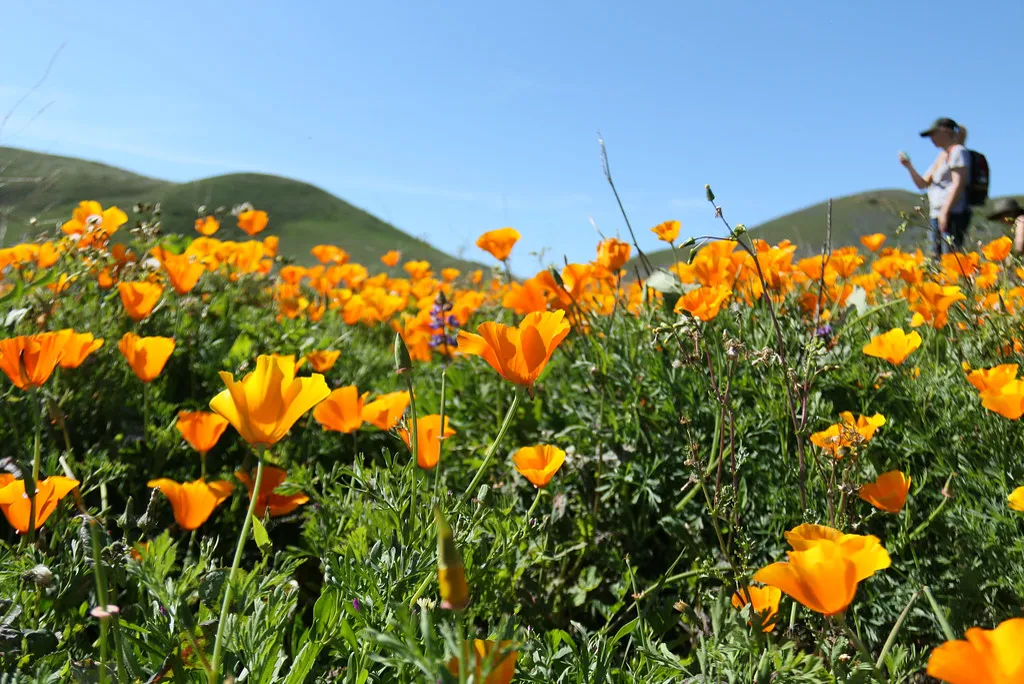
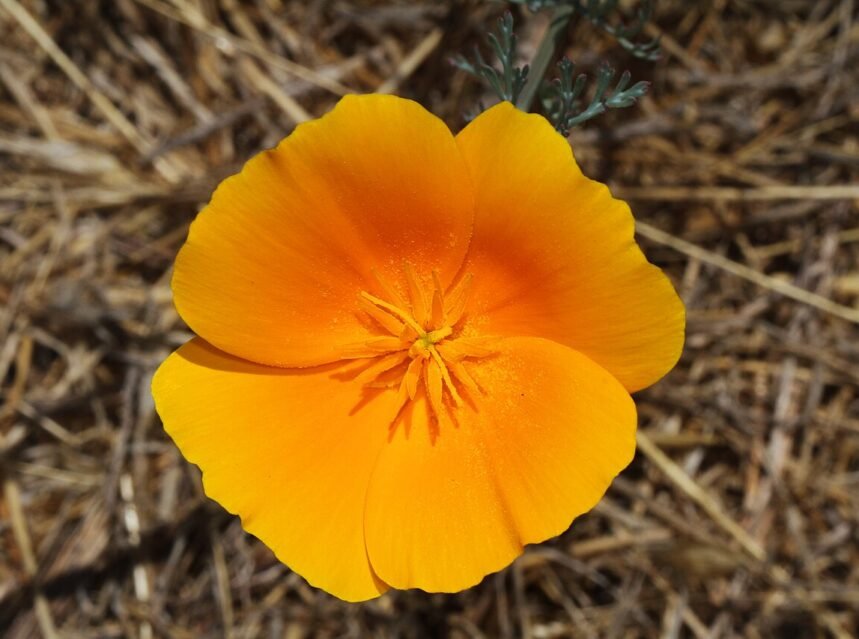 Image: Judy Gallagher — CC BY 2.0, via Wikimedia Commons
The California poppy (Eschscholzia californica) is a drought-tolerant, self-sowing annual grown for its silky, cup-shaped flowers above fine, blue-green ferny foliage — a ray of sunshine for hot, dry, neglected corners. The blooms are classically vivid orange, but also come in yellow, cream, pink and red. Effortlessly easy from seed, it is one of the most rewarding flowers you can scatter. Despite its name, it is not a true poppy — for those, see our guide to growing poppies. Here is the complete guide on how to grow California poppies.
Quick start: Direct-sow California poppy seed where it is to flower (it hates transplanting), in full sun and poor, well-drained soil. Barely cover the seed, as it needs light. Water sparingly, as it is drought-tolerant, and deadhead for a long display. It self-sows freely and returns year after year.
The California poppy is a tough, cheerful annual that positively prefers poor, dry soil and full sun, rewarding neglect with silky orange cups. The one rule growers must follow is to sow it straight where it is to grow, because its long taproot resents being transplanted. The flowers close up at night and on dull days, opening again in sunshine. Once established it self-seeds happily, returning year after year with almost no effort.
🧰 In a hurry? Jump straight to our tested picks for this guide ↓
California poppy at a glance
| Feature | Detail |
|---|---|
| Botanical name | Eschscholzia californica (family Papaveraceae) |
| Plant type | Drought-tolerant annual (short-lived) |
| Light | Full sun (6+ hours) |
| Soil | Poor, well-drained (not rich) |
| Sowing | Direct only (deep taproot); needs light |
| Flowers | Orange, yellow, cream, pink; long season |
| Water | Sparingly — overwatering rots it |
| Bonus | Self-sows freely; pollinator-friendly |
Why grow California poppies?
California poppies offer brilliant, silky colour for almost no effort. They thrive in poor soil and drought, self-sow to return each year, and draw pollinators. They’re perfect for sunny banks, gravel gardens, wildflower meadows, borders, and pots. For an easy, cheerful, water-wise flower, few can match them.
History, origin & where it grows
The California poppy is native to the western United States, especially California, where it carpets hillsides in spring and is the state flower (see Encyclopaedia Britannica). Indigenous peoples used the plant traditionally, and Spanish settlers were dazzled by the golden displays. Its botanical name honours the naturalist Johann von Eschscholtz.
From its native range it spread worldwide as an easy, cheerful garden annual. Breeders developed forms in cream, pink, red and double flowers alongside the classic orange. It has even naturalised in many warm, dry parts of the world.
It is superbly adapted to full sun, poor soil and drought (see the Royal Horticultural Society). So it suits hot, dry, low-water gardens, including much of India’s climate, extremely well. Its one dislike is rich, wet ground, which rots it.
Best season & when to plant
Sow California poppies in autumn for earlier flowers, or in spring (and successionally into early summer) for a long display. They bloom in roughly 50–90 days in warm weather (longer in cool). Autumn-sown plants overwinter and flower in late spring; spring-sown plants flower a little later. They’re short-lived but self-sow prolifically.
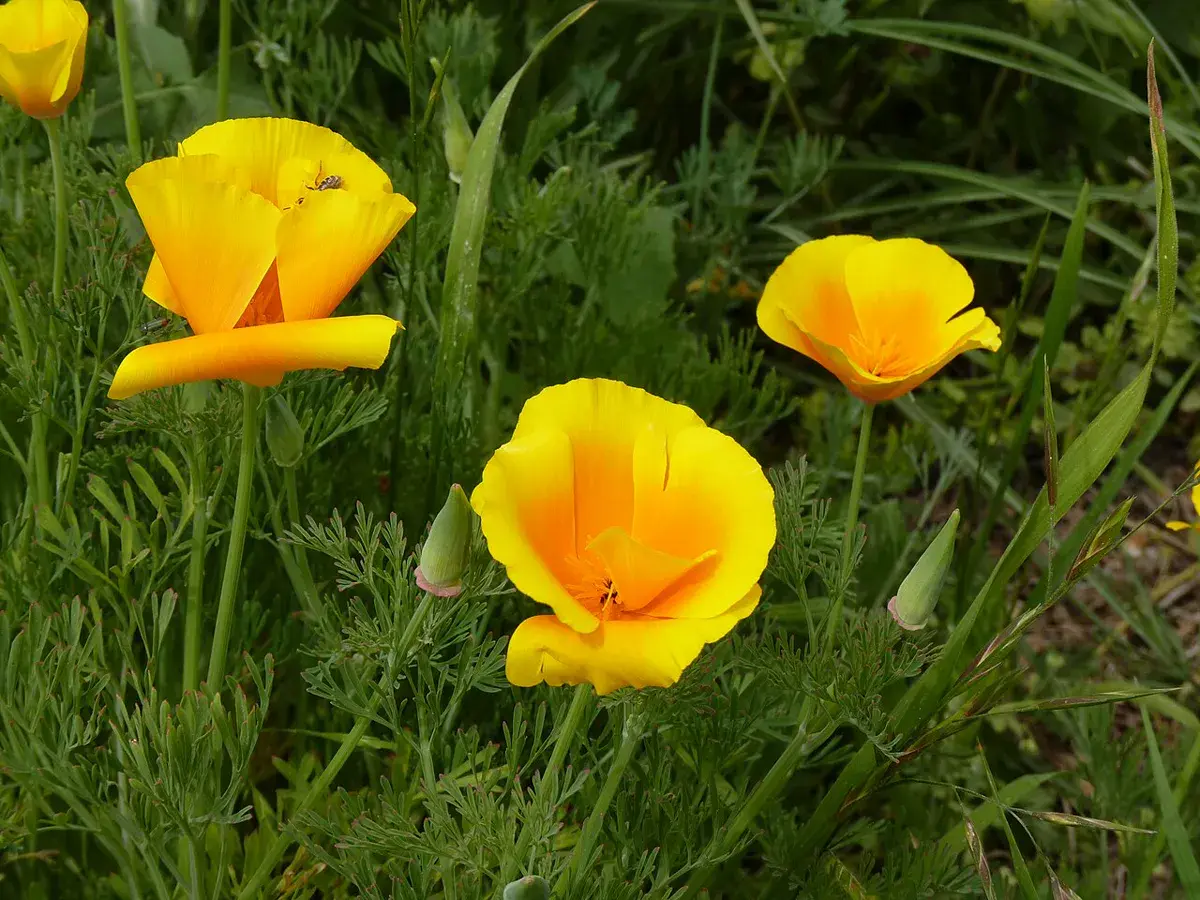
How to grow California poppies from seed
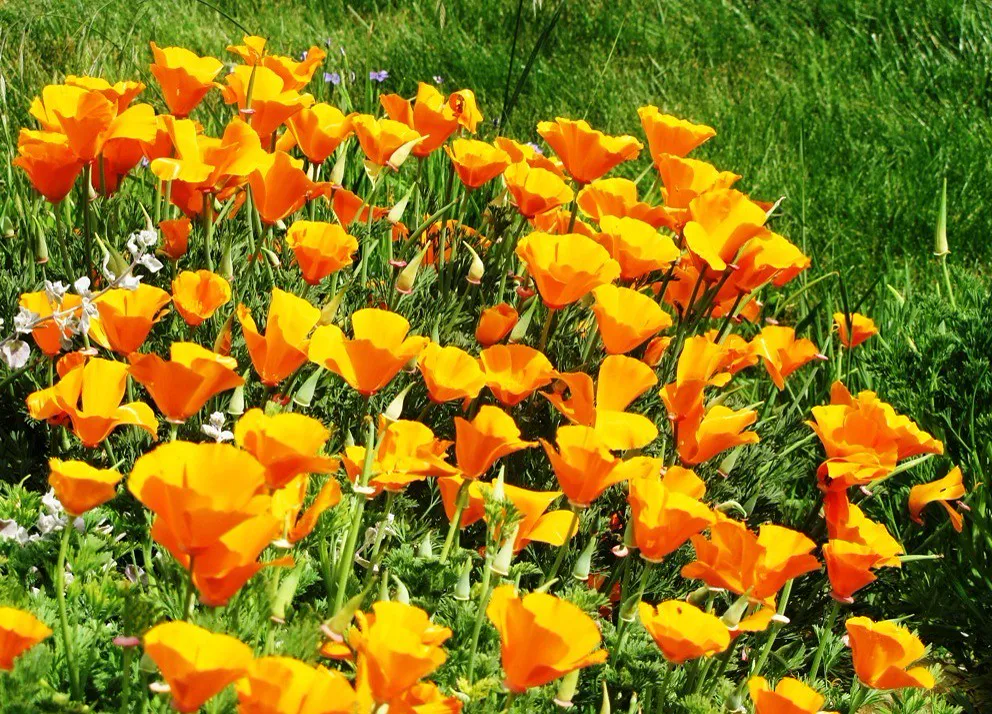
- Direct-sow where they’re to flower — they have a taproot and cannot cope with transplanting.
- Scatter the seed and barely cover it with a thin layer of soil, as it needs light to germinate; thin seedlings to about 6 inches apart.
- Choose full sun (6+ hours) and poor, well-drained soil — rich soil gives leaves over flowers (see improving garden soil).
Watering & care (less is more)
California poppies are drought-tolerant and dislike overwatering, which causes root rot — water young seedlings to establish them, then water only sparingly (see how often to water). They need no feeding in lean soil. Deadhead regularly to prolong flowering (see deadheading flowers), but leave some pods to self-sow.
Self-sowing
Left to set seed, California poppies self-sow generously and reappear year after year, drifting pleasingly through a sunny bed. If you’d rather limit them, deadhead before the pods ripen. Either way, once established they essentially look after themselves.
California poppies in a dry or gravel garden
This is exactly where the California poppy belongs. It evolved on hot, dry hillsides and thrives on neglect. So it shines where thirstier plants fail.
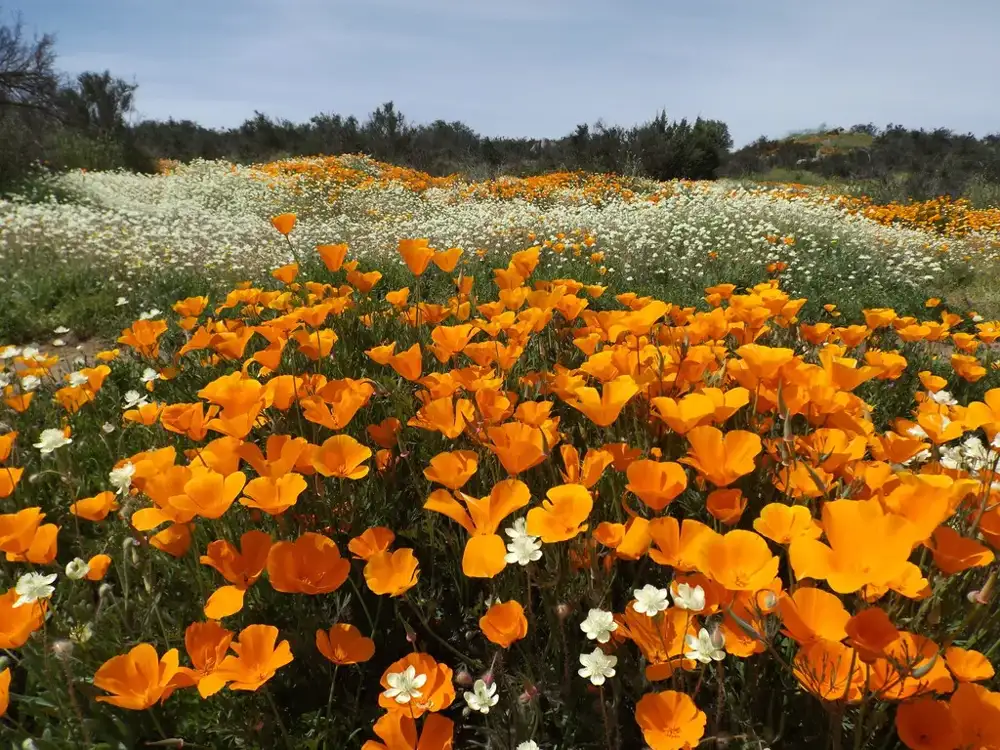
Scatter the seed over a sunny bank, a gravel garden or a hot, free-draining border. It needs almost no water once established and asks for no feeding. Massed together, the silky blooms create a glowing carpet of colour.
It pairs beautifully with other drought-lovers like lavender, salvia and ornamental grasses. The combination needs minimal care and supports pollinators. Together they make a relaxed, water-wise planting full of life.
Saving and scattering the seed
California poppy is one of the easiest flowers to keep going from seed. It practically sows itself. So a single packet can give years of colour.
Let some flowers fade and form the long, slender seed pods. When ripe, these split and fling the fine seed around, which is why it self-sows so well. To save seed, collect a few pods just before they burst.
Scatter the saved seed in autumn or spring where you want flowers, barely covering it. Remember it needs light to germinate and dislikes being moved. Sow it once, leave a few pods each year, and it returns on its own.
Common pests & diseases
California poppies are tough and largely trouble-free. The main risk is root rot from overwatering or heavy, wet soil, plus the occasional aphid (see aphid control). Full sun and sharp drainage prevent most issues; use our organic pest control guide if needed.
California poppy colours and varieties
While the classic glowing orange is the best known, there is more choice than many realise. A few varieties widen the display. So it is worth knowing the options.
Beyond orange, you can find soft yellow, cream, pink, rose and even red forms. Some varieties have ruffled or semi-double flowers for extra texture. Mixed seed packets give a cheerful blend of warm shades.
All share the same easy, drought-tolerant, self-sowing nature. The soft pinks and creams look lovely in a relaxed cottage scheme. The vivid oranges make the boldest statement on a hot, sunny bank.
Growing California poppies in containers
California poppies grow happily in pots, given the right conditions. The key is sharp drainage and full sun. So a sunny patio or balcony can glow with colour.
Use a free-draining, fairly lean compost in a pot with good drainage holes. Sow the seed directly into the final pot, since the taproot dislikes being moved. Stand it in the sunniest spot you have.
Water sparingly, letting the compost dry between drinks, as overwatering rots them. Do not feed, since rich conditions give leaves over flowers. Deadhead for a long display, leaving a few pods to self-sow.
Benefits & uses
California poppies give vivid, silky, long-lasting colour for sunny banks, gravel gardens, wildflower areas, borders and pots, with excellent drought tolerance and easy self-sowing. They support pollinators (see attracting pollinators), thrive in poor soil, and ask almost nothing in return. For a water-wise, low-effort flower in hot, dry gardens, few can match them.
This article is for general information only and is not medical advice. Talk to a qualified professional before using any plant medicinally.
Common California poppy problems
Few flowers, lots of leaves
Soil too rich. Grow them lean and don’t feed.
Rotting / poor performance
Overwatering or wet soil. Water sparingly and ensure full sun and good drainage.
Poor results after transplanting
They hate root disturbance. Always direct-sow where they’re to flower.
Related plant guides
- How to grow Anthemis
- How to grow Centranthus
- How to grow Gazania
- How to grow Cornflowers
- How to grow Catananche
- How to grow Linum
Frequently asked questions
Can I transplant California poppies?
No — they have a deep taproot and strongly resent transplanting, so it is best to always direct-sow them where they are to flower.
Do California poppy seeds need light to germinate?
Yes — barely cover them with the thinnest layer of soil, or simply press them onto the surface, as they need light to sprout well.
Do California poppies come back every year?
They are short-lived annuals, but they self-sow so freely from their bursting seed pods that they reliably reappear in the same spot year after year.
How much water do California poppies need?
Very little — they are drought-tolerant, and overwatering causes root rot.
Why are my California poppies all leaves and few flowers?
The soil is too rich. These poppies flower best in poor, lean ground, so do not feed them and grow them on the dry side in full sun, and the flowers will follow.
Is it illegal to pick California poppies?
There is no law that singles out the California poppy and bans picking it, despite the story being repeated endlessly online. What is genuinely illegal is removing any plant from state parks, national parks, roadside reserves, or other public land without permission, and taking plants from private land without the owner’s consent. Since most of the famous poppy displays sit on protected reserve land, the practical answer for visitors is still “look, do not pick”. In your own garden you can cut all the flowers you like.
Why do California poppies close at night?
The four petals fold shut each evening and also during cold, windy, or heavily overcast weather. Botanists link this movement, called nyctinasty, mainly to protecting the pollen — keeping it dry and sheltered at times when the bees and beetles that pollinate the flowers are not flying. The petals reopen once the sun warms them again the next morning. If your poppies stay closed for days, the weather is almost always the reason, not a plant problem.
How long do California poppy seeds take to germinate?
Expect sprouts in roughly seven to fourteen days when the soil is cool and evenly moist. Because the seed needs light, scatter it on raked soil and press it in gently rather than burying it more than about 3 mm deep. Keep the surface just damp until the seedlings appear, then cut back on water sharply. Autumn sowing in mild-winter areas gives the earliest and heaviest spring display.
Can you grow California poppies in pots?
Yes, and pots are a smart way to enjoy them without letting them self-seed across the whole garden. Choose a deep container, at least 25-30 cm, because the plant makes a long taproot that hates being cramped. Use a lean, gritty, free-draining mix rather than a rich compost, sow directly into the pot, and thin the seedlings to a few per container. Water sparingly and skip fertiliser entirely, or you will get lush leaves and hardly any flowers.
Are California poppies toxic to dogs and cats?
The California poppy is far milder than the opium poppy and is generally regarded as low risk in a garden setting, but it does contain alkaloids and is not a plant to let pets graze on. A curious mouthful is unlikely to do harm; a large quantity may cause vomiting, diarrhoea, or drowsiness. The same bitter alkaloids are why deer and rabbits mostly leave the plants alone. If your dog or cat eats a large amount or seems unsteady or unwell, contact your vet promptly.
How do you collect California poppy seeds?
Leave a few flowers to fade instead of deadheading them, and watch the long, slim green pods that follow. When a pod turns tan and feels dry, it is close to bursting, because the pods split explosively and fling seed a metre or more. Slip a small paper bag or piece of old stocking over the ripening pods, or snip them just before they split and finish drying them indoors on a tray. Store the tiny round seeds in a labelled envelope somewhere cool and dark.
When do California poppies bloom?
In their native range the main show runs from late winter through early summer, peaking between mid-March and May. In gardens the flowering season depends on sowing time: autumn-sown plants bloom earliest, spring-sown ones follow through early summer. In hot inland regions the plants often die back and go dormant once real heat arrives, while cool coastal gardens can keep flowers going most of the summer. Regular deadheading noticeably extends the display wherever you grow them.
Do California poppies spread and become invasive?
In a garden they spread enthusiastically by self-sown seed and will colonise gravel, paths, and any bare soil nearby, though they pull out easily as seedlings. That is charm in a wildflower border and a nuisance in a tidy bed, so deadhead most flowers if you want to keep the numbers down. Outside their native range the plant is treated as invasive in parts of Australia, Chile, and southern Europe, so check local guidance before sowing large areas. Growing them in pots or a defined patch keeps everything under control.
Still stuck? Ask the Plant Doctor
Describe the problem — yellow leaves, holes, no flowers — and get a clear answer in seconds. FreeAI can make mistakes. Answers are guidance, not a guarantee — check anything important against the guide it links to, and always read the label on any product before you use it.