How to Grow Datura (Moonflower)
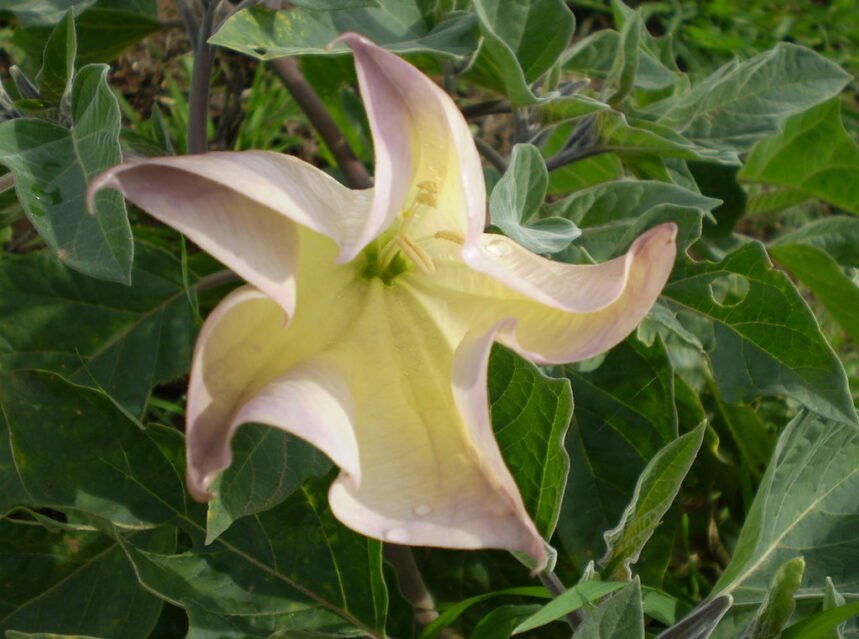
Datura is a fast-growing annual grown for its huge, upward-facing trumpet flowers that open and release their scent in the evening.
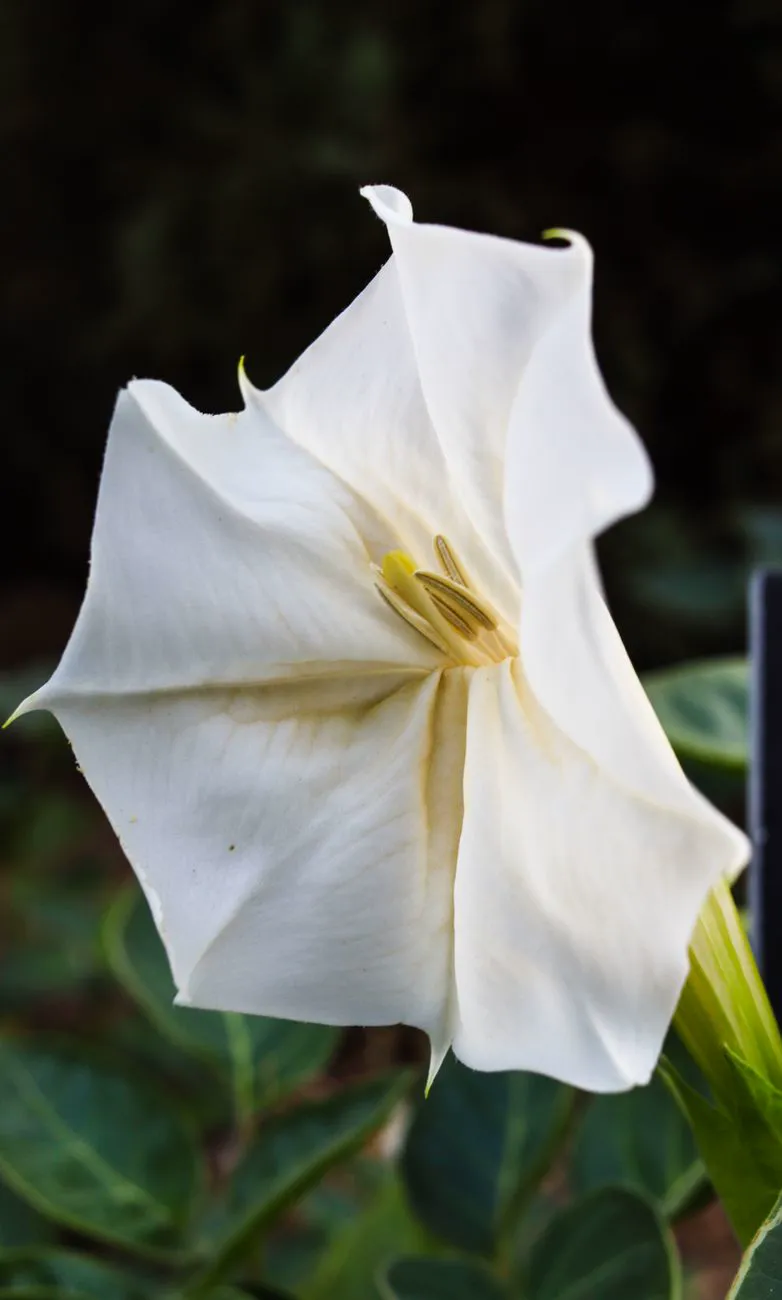
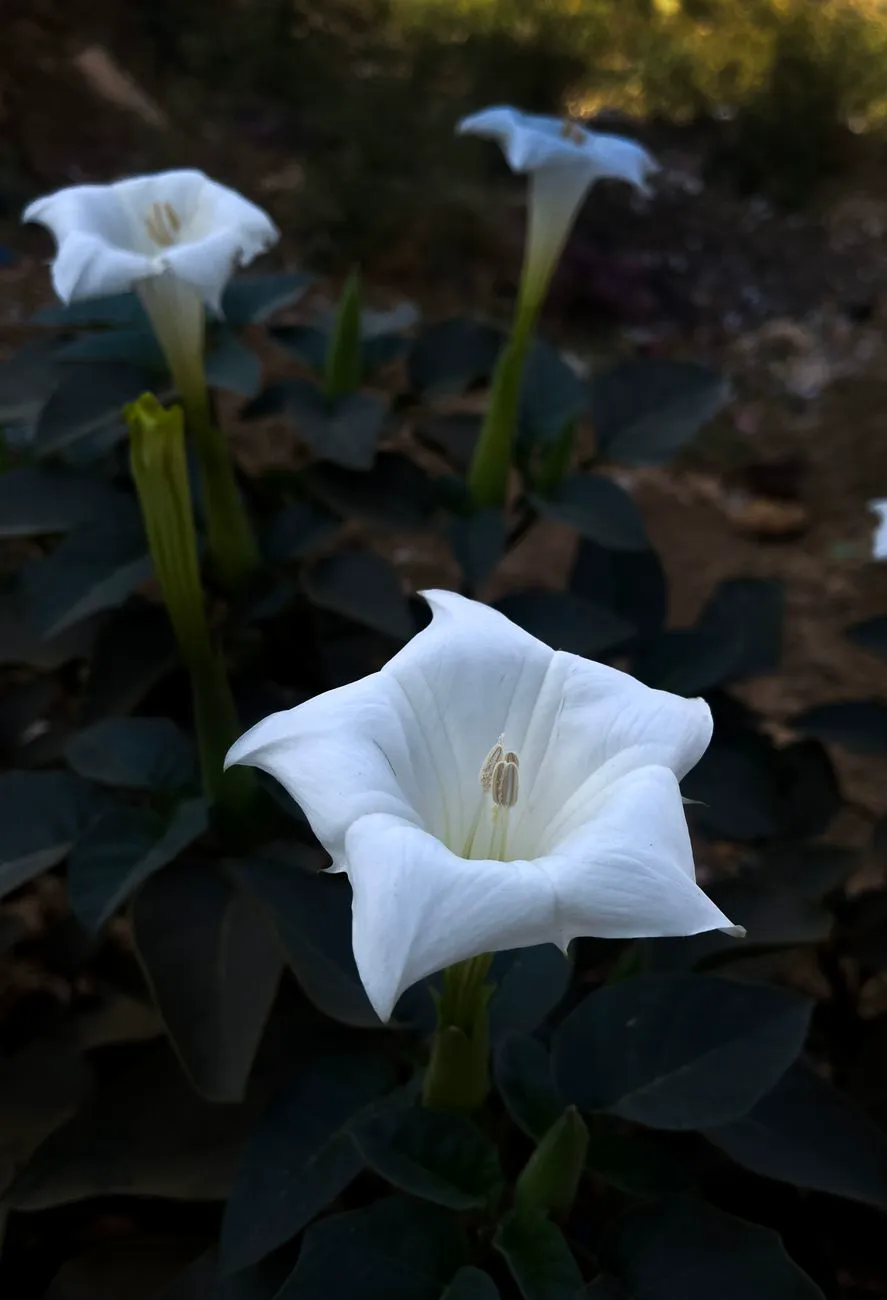
Datura, sometimes called moonflower or thorn apple, is a dramatic plant with huge, upward-facing trumpet flowers that often open and release their scent in the evening. In white, cream, purple, and yellow, the blooms are spectacular against bold foliage and spiny seed pods. It’s easy and fast from seed — but, like its relatives, it’s highly toxic and must be grown with care. Here is the complete guide on how to grow datura.
Quick start: Grow datura in full sun in rich, well-drained soil. Scarify and soak the seeds, then sow indoors 8–10 weeks before the last frost. Keep the soil evenly moist (established plants tolerate dry spells), and give it space. It flowers in summer with big fragrant trumpets. Warning: all parts are highly toxic.
Datura, the thorn apple, is a dramatic annual whose large, upward-facing trumpets open in the evening and pour out scent to attract moths. Growers find it fast, easy and quick to self-seed, often returning uninvited the following year. The vital thing to know is that every part of the plant is highly poisonous, so it must be sited well away from children and pets and handled with care. It is often confused with the related brugmansia, whose trumpets hang downwards.
🧰 In a hurry? Jump straight to our tested picks for this guide ↓
Datura at a glance
| Feature | Detail |
|---|---|
| Botanical name | Datura species (family Solanaceae) |
| Common names | Thorn apple, moonflower, devil’s trumpet |
| Plant type | Fast annual (self-seeds freely) |
| Sun | Full sun |
| Soil | Average, well-drained |
| Flowers | Large upward trumpets, scented at night |
| Warning | All parts highly poisonous |
Why grow datura?
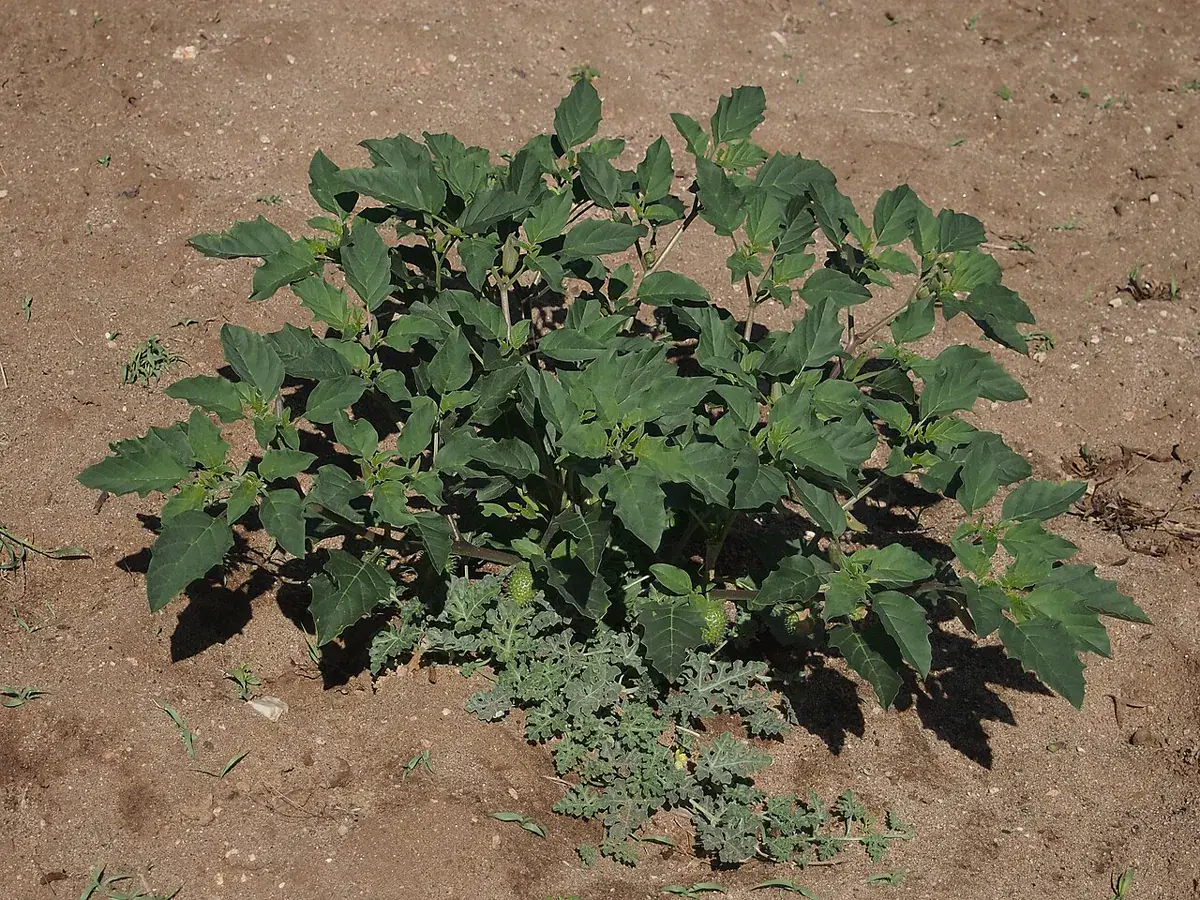
Datura delivers big, theatrical trumpet flowers and bold presence for very little effort. The evening-scented blooms are stunning, it grows fast and large to fill space quickly, and it draws night-flying moths. (Note: datura has upward-facing trumpets, while its relative Brugmansia has hanging ones.) For dramatic, fragrant, easy summer impact, it’s striking — as long as it’s grown safely.
History, origin & how datura spread
Datura is found across warm regions of the Americas and beyond, growing as a fast, sun-loving annual or short-lived perennial. So it loves heat, full sun, and rich, well-drained soil, and it thrives in warm conditions — including Indian summers, where some species grow wild.
Datura has a long and tangled history, with most species traced to the Americas, though the plant has naturalised so widely that its exact origins are still debated (see Encyclopaedia Britannica). Its dramatic flowers and potent chemistry gave it a place in ritual and folk medicine across many cultures, always handled with great caution.
The plant spread around the world along trade routes, helped by its tough, free-seeding nature, and it now grows wild across warm and temperate regions, including much of India. There it is associated with the related sacred datura offered in worship. Its easy self-seeding means that once introduced to a garden it tends to return year after year of its own accord.
Best season & when to plant
Sow datura 8–10 weeks before the last frost indoors, and plant out after frost once it’s warm. It flowers through summer into autumn, often with the biggest scent in the evening. It’s frost-tender, so it’s grown through the warm season (and may self-sow from its spiny pods).
How to grow datura from seed
- To speed germination, scarify the seeds (nick the coat) and soak them in warm water for about 24 hours before sowing.
- Sow about ¼ inch deep; seeds germinate in roughly 14 days at around 60°F.
- Plant out in full sun and rich, well-drained soil, giving each plant plenty of room (they get large — space several feet apart); see improving garden soil.
Watering & feeding
Keep the soil evenly moist, especially while plants establish and in hot weather; established plants tolerate drier soil (see how often to water). Datura is a vigorous, hungry grower, so feeding through the season supports its big, fast growth and heavy flowering. Don’t let it sit waterlogged.
⚠️ Important: datura is highly toxic
Every part of datura is highly poisonous and can cause serious illness or death if eaten. Never grow it where children or pets might chew it, always wash your hands after handling it, and take care with the spiny seed pods. Grow it strictly as an ornamental, well away from food crops, and consider whether it’s appropriate for your household.
Common pests & diseases
Datura is generally tough. Watch for spider mites, whiteflies, aphids, and caterpillars (see aphid control), plus root rot in soggy soil. Good drainage, sun, and airflow keep it healthy; use our organic pest control guide, taking care given the plant’s toxicity.
Benefits & uses
Datura offers spectacular, fragrant, evening-opening trumpet flowers and fast, bold growth, making it a dramatic ornamental focal point in warm gardens. It supports night-flying pollinators and is remarkably easy from seed. Grown responsibly and safely, it brings unforgettable, theatrical beauty to the summer garden.
This article is for general information only and is not medical advice. Talk to a qualified professional before using any plant medicinally.
Common datura problems
Slow germination
Hard seed coat. Scarify and soak the seeds for about 24 hours before sowing.
Leggy or sparse growth
Too little sun or space. Give full sun and room to spread.
Wilting
Dried out while young. Keep the soil evenly moist until established.
Growing datura in containers
Because datura is so toxic and seeds itself so freely, many growers prefer to keep it in a large pot rather than let it loose in a bed. A container limits its spread, makes it easy to site the night-scented flowers near a seating area, and keeps it well away from where children play. Use a roomy pot with good drainage, water steadily in the heat, and feed every few weeks for a long succession of those spectacular trumpets. For a similar evening-scented display, the related brugmansia offers downward-hanging flowers.
Handling datura safely
It is worth repeating that every part of datura, from seed to root, is highly poisonous, and serious poisonings have occurred from accidental or careless use. Growers wear gloves when handling it, wash their hands afterwards, and never plant it where children, pets or livestock could nibble it. Deadheading before the spiny seed pods ripen also limits both its self-seeding and the risk from the toxic seeds. Treated with that respect, it is a safe and spectacular ornamental.
Datura in the evening garden
Datura comes into its own at dusk, which is part of its appeal as a so-called moon-garden plant. The big trumpets open as the light fades and pour out a heady, sweet perfume to lure in the night-flying moths that pollinate them. Growers plant it where that evening scent can be enjoyed, near a terrace or open window, while keeping it safely out of reach. Paired with other pale, night-scented flowers such as nicotiana and white cosmos, it helps build a garden that truly comes alive after dark.
The plant is short-lived but fast, racing from seed to flower in a single season, and it shrugs off heat and poor soil with ease (see the RHS). A spell of warm weather and a sunny spot are really all it asks. Because it grows so quickly and self-seeds so readily, it is an inexpensive way to add bold, exotic drama to a summer border, as long as it is handled with the care its toxicity demands.
Is datura right for your garden?
Datura is a plant of bold contrasts, offering some of the most spectacular flowers a quick annual can give, set against a real need for caution because of its toxicity. For gardeners without young children or free-roaming pets, and with a sunny spot to spare, it is a dramatic, fuss-free choice that practically grows itself. Sited thoughtfully and handled with gloves, it rewards you with months of huge, fragrant evening trumpets and an exotic presence few other annuals can match.
Related plant guides
- How to grow Brugmansia
- How to grow Nicotiana
- How to grow Moonflower
- How to grow Vinca
- How to grow Gloriosa Lily
- How to grow Thunbergia
Frequently asked questions
Is datura poisonous?
Yes — all parts are highly toxic and can be fatal if eaten. Keep it away from children and pets and handle it with care.
What's the difference between datura and brugmansia?
Datura has upward-facing trumpet flowers (and is usually annual/short-lived), while brugmansia has large hanging trumpets and is a tender shrub or tree.
How do I get datura seeds to germinate?
Scarify (nick) and soak them in warm water for about 24 hours, then sow about ¼ inch deep in warmth.
Does datura need full sun?
Yes — it’s a sun-loving plant that needs full sun and rich, well-drained soil to thrive.
Is it safe to touch a datura plant?
Brushing past a datura or handling the foliage briefly is not the main danger — swallowing any part of it is. Even so, the sap can irritate skin and it is genuinely hazardous if it gets into the eyes, where it can affect the pupil, so wear gloves whenever you prune, deadhead or pull the plant, and wash your hands thoroughly afterwards.
Never rub your eyes while working with it. Do not use any part of the plant in food, drink, tea, smoke or home preparations of any kind, and do not follow internet claims that suggest otherwise — there is no safe home dose. If anyone swallows part of the plant, or sap enters the eye, seek emergency medical help immediately. This is general safety information, not medical advice.
Why is datura so dangerous compared with other poisonous garden plants?
Two reasons. First, it contains tropane alkaloids — atropine, hyoscyamine and scopolamine — that act powerfully on the nervous system and can cause delirium, racing heartbeat, blurred vision, seizures and death. Second, and more importantly, the alkaloid content varies enormously between plants and even between parts of the same plant depending on its age, the soil it grows in and the weather, so the amount in any given seed or leaf is completely unpredictable. That variability is precisely why documented poisonings and fatalities keep occurring. Treat it as an ornamental to look at and nothing else.
Is datura an annual or a perennial?
Most garden daturas behave as annuals or short-lived perennials, reaching up to about 2 m (6 ft 7 in) in a single season. In frost-free climates a plant may persist for a few years and become somewhat woody at the base, while in cold regions it is killed outright by the first hard frost. Because it grows so fast from seed, treating it as an annual is the simplest approach almost everywhere. Plants often reappear the following spring from self-sown seed rather than from the old root.
Does datura self-seed and become a weed?
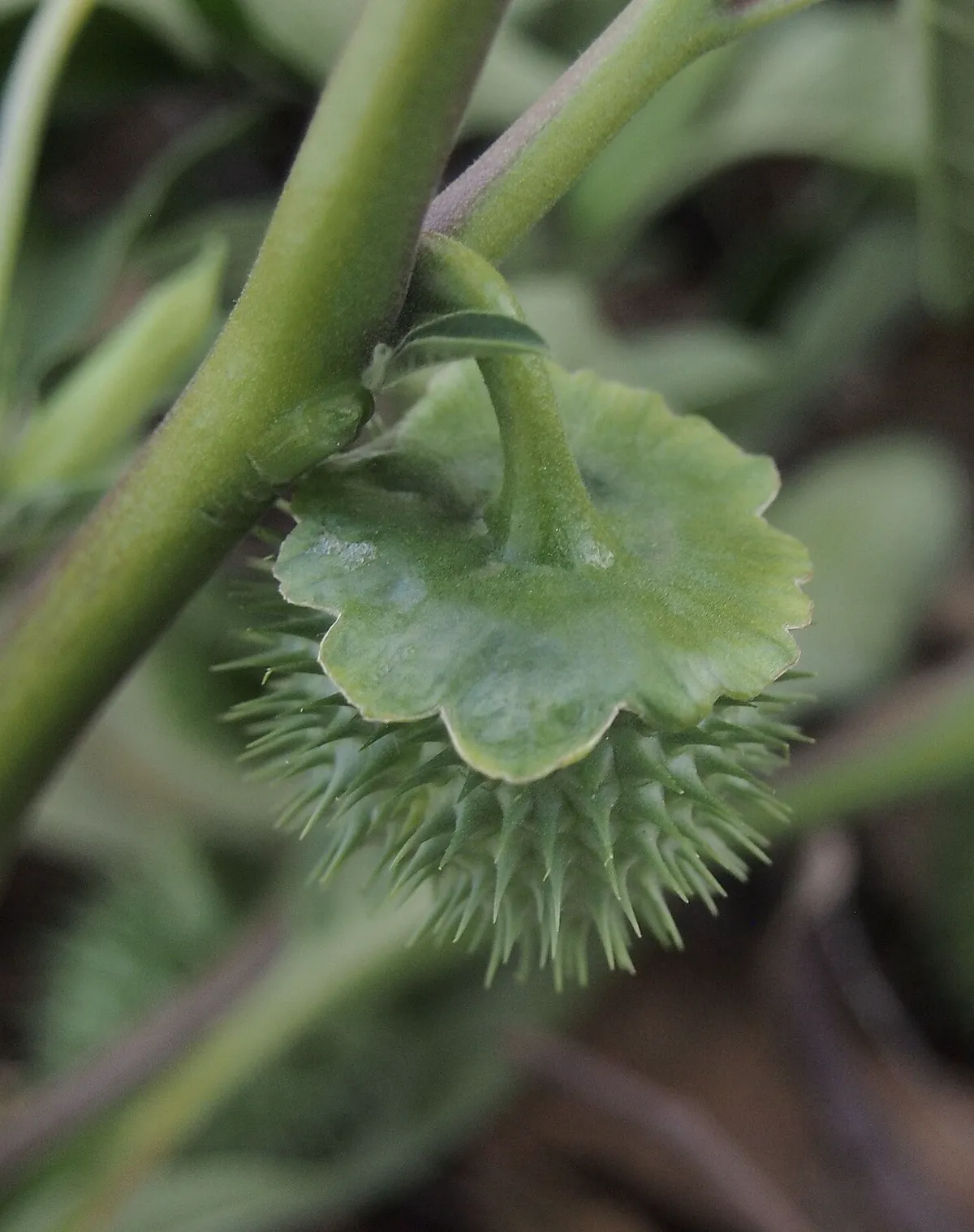
Heavily, and this is the single biggest reason to think twice before planting it. A single plant can produce many thousands of seeds, the spiny capsules split open and scatter them freely, and the seed stays viable in soil for an extraordinary length of time — buried seed trials have recorded high germination after nearly forty years. That means one season of letting it set seed can leave you with seedlings appearing in the same bed for decades. If you do grow it, cut off every seed pod while it is still green and bin it rather than composting it.
How do I get rid of datura safely?
Deal with it before the pods ripen, and wear gloves, long sleeves and eye protection. Young plants pull out easily when the soil is damp; larger ones should be cut and dug out with as much root as possible. Bag the whole plant, including any pods, and dispose of it with household waste — do not compost it, do not feed it to livestock, and do not burn it, because both compost heaps and smoke are ways of spreading the problem or the toxins. Expect to keep removing seedlings from the same area for several seasons, since the seed bank in the soil is long-lived.
Is datura dangerous to pets and livestock?
Yes, and dangerously so. All parts are toxic to dogs, cats, horses, cattle, sheep and poultry, and crucially the alkaloids remain active in dried plant material, so contaminated hay or silage causes poisonings every year. Animals usually avoid the plant because it smells and tastes foul, which means most cases happen when it has been cut and mixed into feed or when nothing else is available in an overgrazed paddock. Keep it out of any area that livestock or curious pets can reach, and contact a vet immediately if you suspect ingestion. This is general information, not veterinary advice.
Is datura legal to grow?
It depends entirely on where you live, so check before planting. Several jurisdictions restrict it — for example Datura stramonium is listed as a noxious weed in Pennsylvania because of its tropane alkaloids — and other states, countries and local authorities have their own rules on cultivating or transporting it. Restrictions may also apply to what you can sell, give away or post. Your local agriculture department or extension service is the right place to confirm the position, and their advice overrides anything you read online.
How do I identify datura and tell it apart from brugmansia?
Datura holds its trumpet flowers upright or outward-facing on a soft, herbaceous plant, and its fruit is a distinctive spiny capsule that splits open when ripe to shed the seeds. Brugmansia, often called angel’s trumpet, is a woody shrub or small tree with much larger flowers that hang straight down, and its fruit is smooth and does not split. Both are seriously toxic, so identification does not change how you handle them. Datura leaves are usually coarsely toothed with an unpleasant smell when crushed — another useful clue.
When do datura flowers open, and what pollinates them?
The big trumpets typically open in the evening and are at their best overnight and in the early morning, closing or collapsing once the day heats up. That night-opening habit goes with a strong sweet fragrance, and the flowers are pollinated mainly by large night-flying hawk moths whose long tongues can reach the nectar at the base of the trumpet. It is the reason datura is often planted in a moon garden alongside other pale, night-scented flowers. Plant it where the evening scent can be enjoyed from a distance, well away from paths children use.
Should I grow datura at all if I have children or pets?
Honestly, no. Given how toxic it is, how unpredictable the alkaloid content is, and how freely it self-seeds into places you did not choose, the risk is difficult to justify in a garden used by young children, or where pets or livestock graze. There are plenty of night-scented, moth-friendly alternatives — nicotiana, evening primrose and night-scented stock among them — that give a similar effect without the hazard. If you already have datura and want to keep it, fence it off, remove every seed pod before it opens, and make sure everyone in the household knows the plant is poisonous.
Still stuck? Ask the Plant Doctor
Describe the problem — yellow leaves, holes, no flowers — and get a clear answer in seconds. FreeAI can make mistakes. Answers are guidance, not a guarantee — check anything important against the guide it links to, and always read the label on any product before you use it.