How to Grow Nicotiana (Flowering Tobacco)
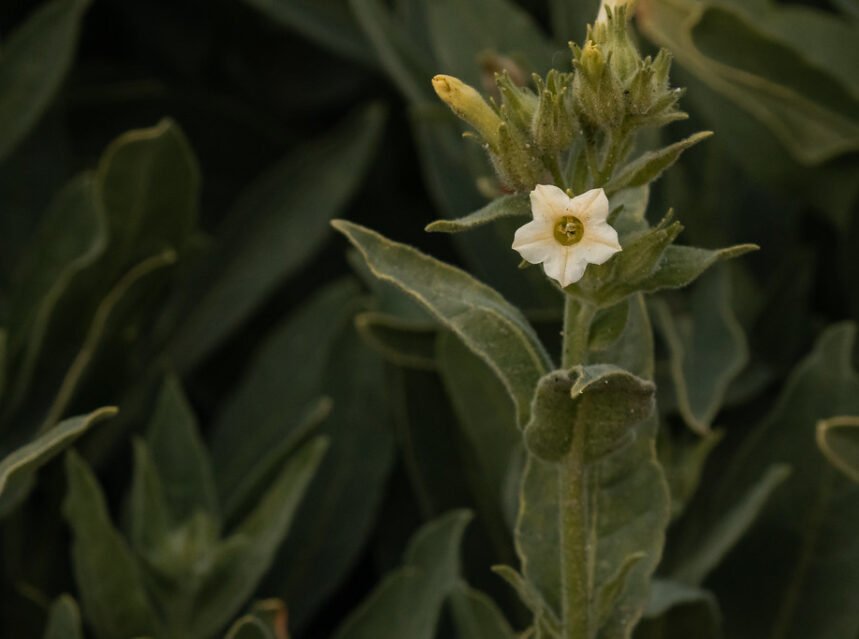
Nicotiana, the flowering tobacco, is grown for its clusters of starry, tubular flowers and, in many types, a gorgeous evening fragrance that perfumes the whole garden after dusk. It comes in white, green, pink, red, and purple, on plants from neat bedding size to towering statement species. Easy from seed and loved by pollinators, it’s a cottage-garden favourite. Here is the complete guide on how to grow nicotiana (flowering tobacco).
Quick start: Grow nicotiana in full sun to part shade in fertile, moist, well-drained soil. Sow the tiny seed on the surface (it needs light) indoors before the last frost. Pinch young plants, water regularly, feed every couple of weeks, and deadhead. It flowers for months — many types are scented at night.
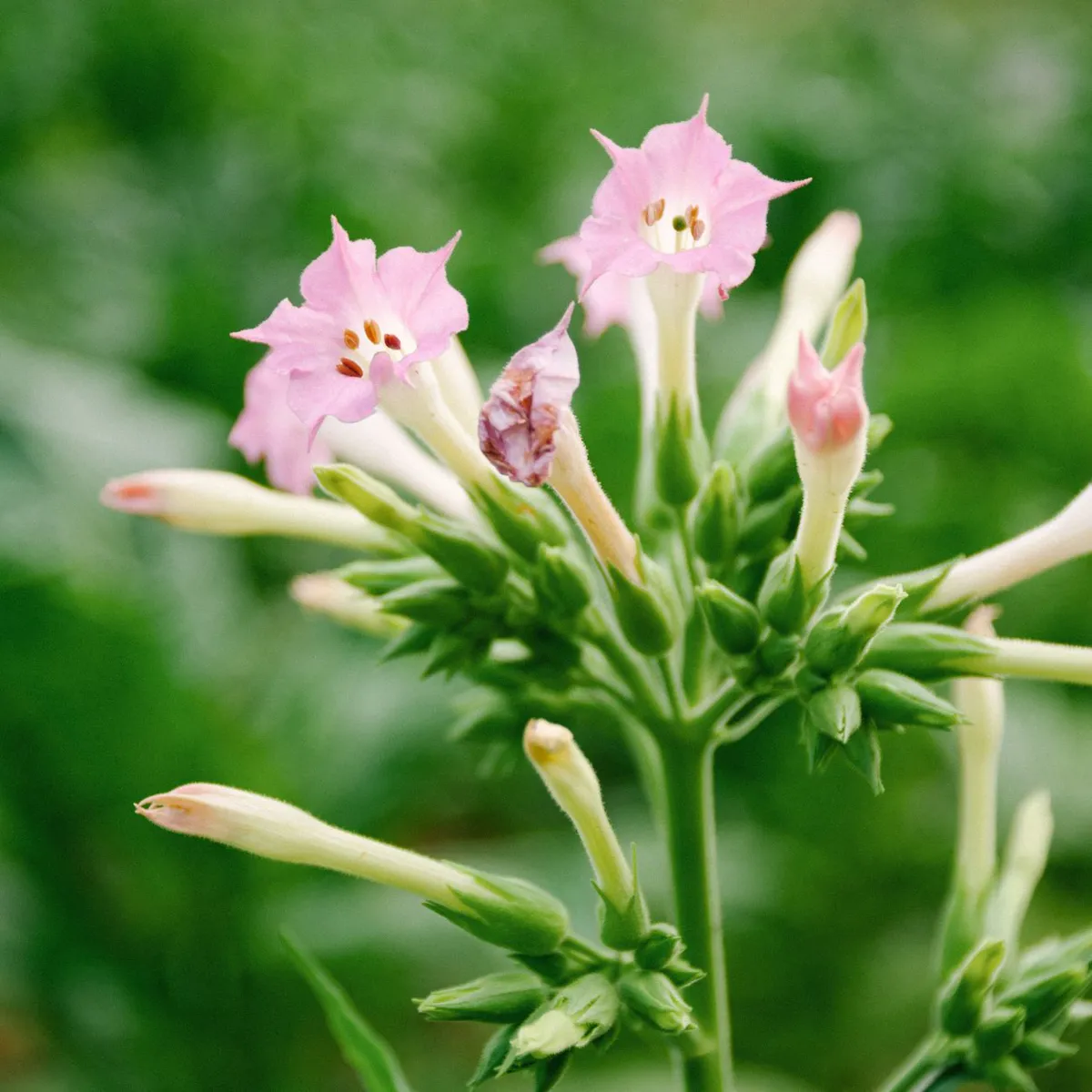
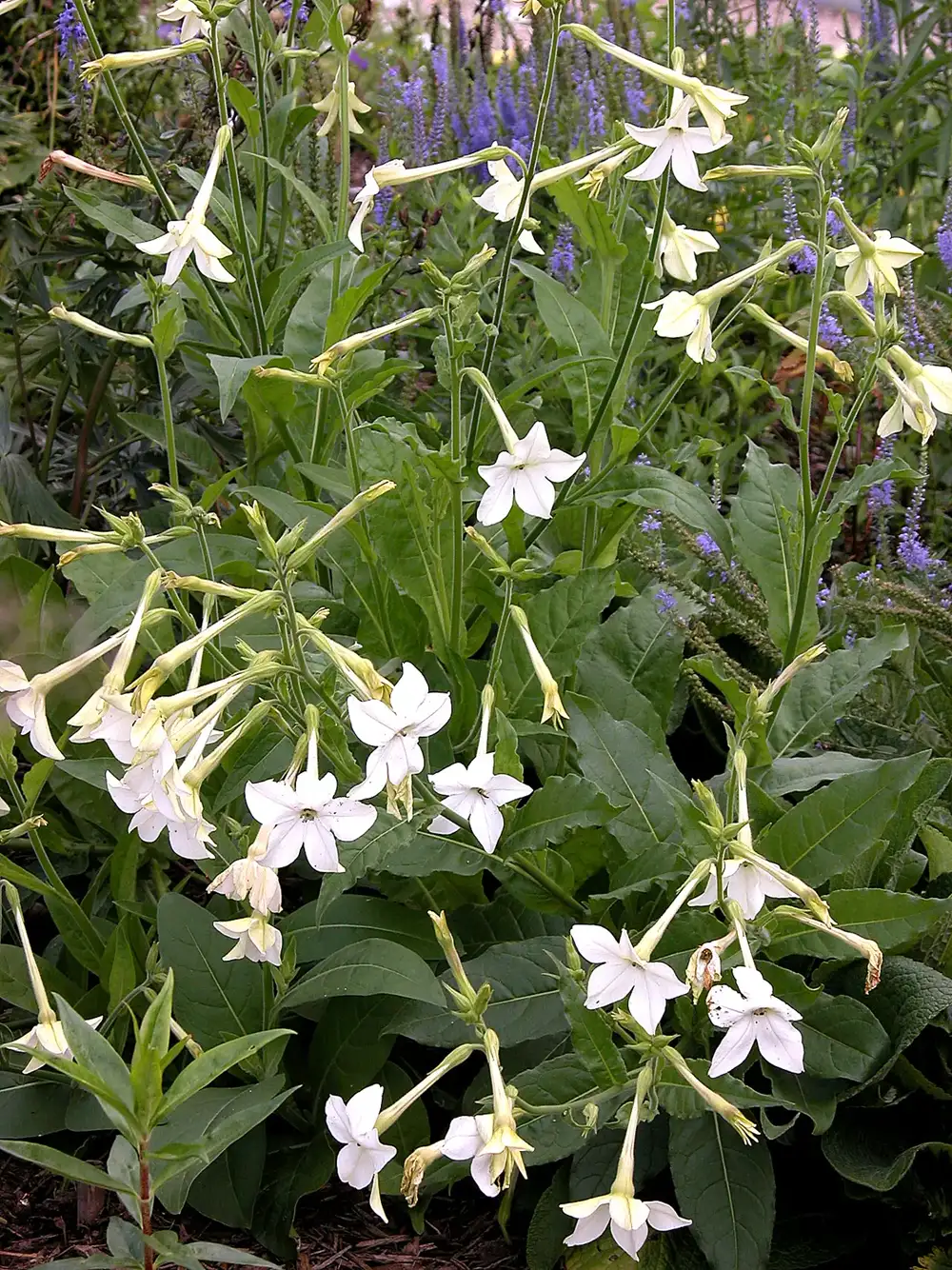
Nicotiana, the flowering tobacco, earns its place for its evening performance, when its tubular flowers release a heady sweet scent to draw in night-flying moths. Growers find the white and lime-green kinds especially fragrant, and value how well it flowers in part shade where many annuals sulk. It likes to be kept moist and rewards steady care with months of bloom. It self-seeds readily, and the taller species make airy, statuesque additions to a border.
🧰 In a hurry? Jump straight to our tested picks for this guide ↓
Nicotiana at a glance
| Feature | Detail |
|---|---|
| Botanical name | Nicotiana species (family Solanaceae) |
| Common name | Flowering tobacco |
| Plant type | Annual or short-lived perennial |
| Sun | Sun to part shade |
| Soil | Moist, fertile, well-drained |
| Height | 30 cm to over 1.5 m by type |
| Known for | Evening scent; loved by moths |
Why grow nicotiana?
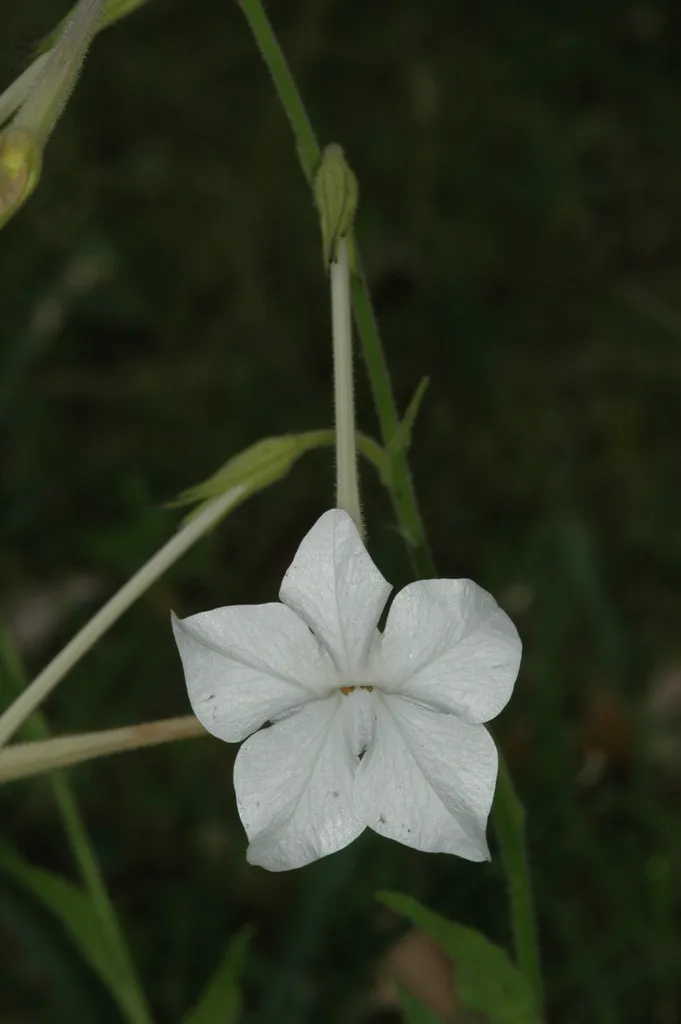
Nicotiana offers long-lasting flowers and, in many varieties, wonderful evening fragrance — a rare and special quality. It suits cottage borders, pots, and (with the tall species) dramatic focal points, and it draws pollinators and night-flying moths. Easy from seed and flowering for months, it brings both colour and scent to the summer garden.
History, origin & where nicotiana grows
Nicotiana (flowering tobacco) is native to the Americas (it’s an ornamental relative of the tobacco plant). So it’s a warm-season grower that likes fertile, moist soil and sun to part shade. Different species have different needs — N. alata loves full sun, while the tall N. sylvestris prefers dappled shade. It’s tender, grown as a warm-season annual in cold climates.
Nicotiana, the flowering tobacco, is not an American genus alone: its 79 species are indigenous to the Americas, Australia, south-western Africa and the South Pacific (Nicotiana). The ornamental kinds are relatives of the commercial tobacco plant, grown purely for their flowers and evening scent. The name carries a small piece of history: the genus honours Jean Nicot, the French ambassador to Portugal, who in 1559 sent samples as a medicine to the court of Catherine de’ Medici — and it is from that name that the word nicotine comes.
Their evening fragrance and easy nature made them cottage-garden favourites around the world (see the RHS). Modern types range from compact bedding plants to tall, statuesque species. In hot climates they grow well through the cooler parts of the year, appreciating a little afternoon shade in the fiercest heat.
Best season & when to plant
Start nicotiana indoors 4–6 weeks before the last frost, then plant out once frost has passed; in warm-spring areas, direct-sow outside. It flowers for a long period from summer into autumn. It’s frost-tender, so it’s grown through the warm season.
How to grow nicotiana from seed
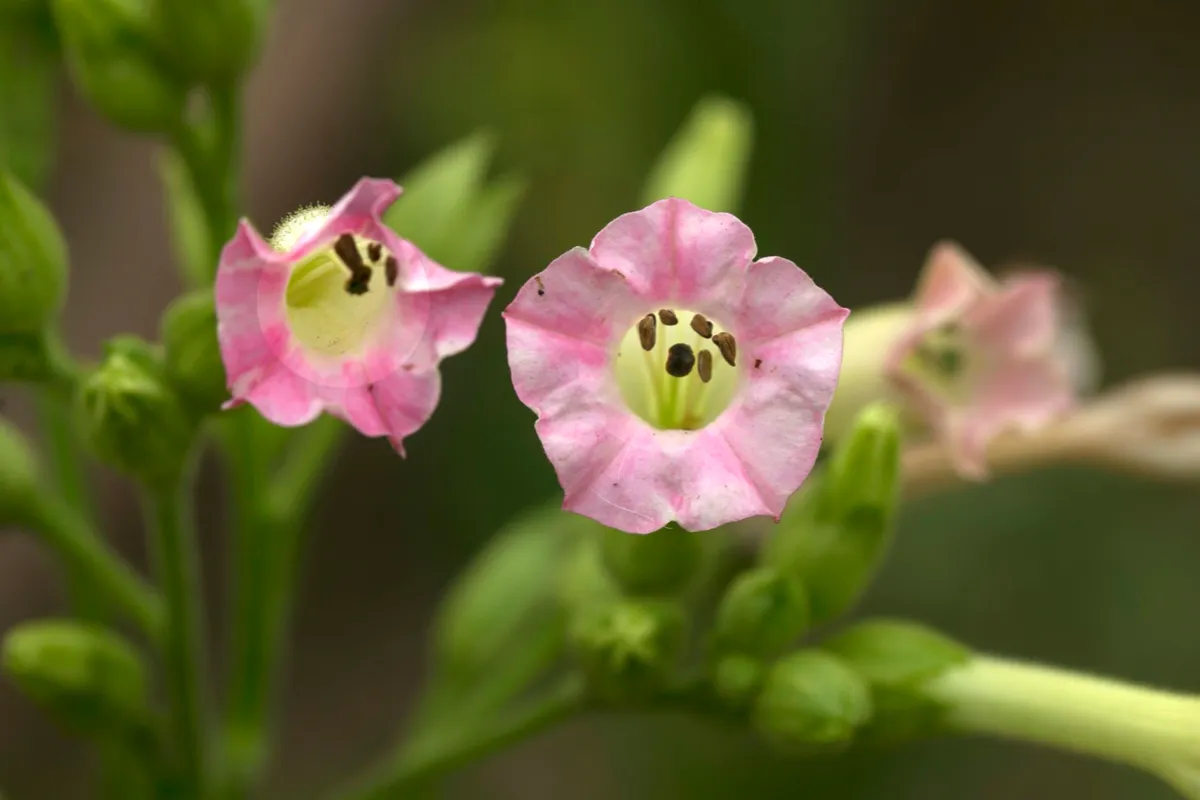
- The seed is tiny — press it onto the surface or barely cover it, as light aids germination; it sprouts in about 10–14 days.
- When seedlings have two pairs of leaves, handle them by the leaves (not the stem) and pot them on individually.
- Harden off and plant out in fertile, moist, well-drained soil in sun to part shade (match the spot to your species); see improving garden soil. Pinch the tips to encourage branching.
Watering & feeding
Water nicotiana regularly to keep the soil moist, especially in containers and dry spells (see how often to water). Feed every couple of weeks with a general fertilizer through the growing season for steady flowering. Keep taller types sheltered from strong wind.
Flowering tobacco likes fertile, moisture-retentive but well-drained soil, and it flowers well in sun or part shade, which makes it especially useful for brightening a lightly shaded spot (see how often to water plants). Keep it evenly moist, as it sulks if allowed to dry out, and feed container plants every couple of weeks. Given steady care, it rewards the gardener with months of bloom.
Deadheading & care
Deadhead spent blooms regularly to prolong the flowering season and keep plants tidy (see deadheading flowers). Pinching young plants keeps them bushy. Many types self-sow modestly, giving a few volunteers the following year. Otherwise it’s an easy, rewarding annual.
Common pests & diseases
Watch for aphids, whiteflies, and caterpillars (including tobacco/tomato hornworm), plus the occasional fungal or viral issue (see aphid control). Good airflow and healthy growth help; use our organic pest control guide. Note that nicotiana is toxic if eaten, so keep it away from children and pets.
Benefits & uses
Flowering tobacco gives months of starry blooms and, in many varieties, a beautiful evening fragrance, ideal for cottage borders, pots, and scented seating areas. It supports pollinators and night-flying moths, ranges from neat bedding to dramatic tall species, and is easy from seed — a lovely choice for colour and scent together.
This article is for general information only and is not medical advice. Talk to a qualified professional before using any plant medicinally.
Common nicotiana problems
Patchy germination
Seed buried too deep. Surface-sow the tiny seed and don’t cover it — it needs light.
Leggy plants
Not pinched, or too shady for the type. Pinch young plants and match sun needs to the species.
Pest damage
Aphids or hornworms. Check regularly and treat early.
The evening garden and scent
Nicotiana truly comes alive at dusk, when many kinds, especially the white and lime-green ones, release a heady sweet perfume to lure night-flying moths (see improving garden soil for strong growth). Planted near a seating area, an open window or a path, it fills the evening air with fragrance. It pairs beautifully with other night-scented flowers to build a garden designed to be enjoyed after dark.
Pollinators, self-seeding and problems
The long-throated flowers are a vital nectar source for moths and other pollinators (see attracting pollinators), and the taller species make airy, statuesque additions to a border. Nicotiana self-seeds readily, often returning the following year. Being a member of the nightshade family, it can occasionally suffer the same pests, but it is generally easy and trouble-free, giving long, fragrant value for very little effort.
Why grow flowering tobacco
Flowering tobacco is a plant best appreciated in the evening, and once you have grown it for its dusk performance, no scented garden feels quite complete without it. Through the day it is pretty enough, with its loose sprays of long, trumpet-shaped flowers, but as the light fades it comes truly alive, the blooms, especially the white and lime-green ones, releasing a rich, sweet, far-carrying perfume to lure in the night-flying moths that pollinate them. Planted near an open window, a doorway or a seating area, it fills the warm evening air with one of the loveliest fragrances in the whole garden, turning an ordinary patio into something memorable after dark.
It is wonderfully versatile too, with compact types ideal for pots and bedding and tall, stately species that add airy height and drama to the back of a border. Unusually among scented plants, it flowers happily in part shade as well as sun, which makes it invaluable for bringing both fragrance and long-lasting colour to a lightly shaded spot where many flowers would refuse to perform.
It is easy to grow, blooms for months given steady moisture, draws in valuable pollinators, and self-seeds readily so that it often returns the following year. For evening scent, long flowering, tolerance of shade and effortless cottage charm all in one undemanding plant, flowering tobacco is genuinely hard to beat, and it rewards a little care with a long season of fragrant pleasure.
Related plant guides
- How to grow Datura
- How to grow Salpiglossis
- How to grow Nemesia
- How to grow Torenia
- How to grow Stock
- Browallia care
Frequently asked questions
Is nicotiana fragrant?
Many varieties are beautifully scented, especially in the evening, though some modern bedding types have little fragrance.
Do nicotiana seeds need light to germinate?
Yes — surface-sow the tiny seed and leave it uncovered, as light aids germination.
Does nicotiana need sun or shade?
It depends on the species — N. alata likes full sun, while tall N. sylvestris prefers dappled shade; most do well in sun to part shade.
Is flowering tobacco poisonous?
Yes — it’s toxic if eaten, so keep it away from children and pets.
Is ornamental nicotiana the same as tobacco, and can you smoke it?
They are close relatives but not the same plants. Commercial tobacco comes from Nicotiana tabacum and, in some regions, the far stronger Nicotiana rustica, while garden nicotianas are usually Nicotiana alata, Nicotiana sylvestris, Nicotiana mutabilis or hybrids of them grown purely for scent and flowers. Smoking or otherwise consuming ornamental nicotiana is a genuinely bad idea: the alkaloid content is unpredictable and nicotine poisoning from raw plant material can be severe. Grow it for the evening perfume and leave it at that.
Is nicotiana safe around dogs and cats?
No. Every part of the plant contains nicotine and related alkaloids, and nicotiana is listed as toxic to dogs, cats and horses, with signs that can include drooling, vomiting, tremors, a racing heart and, in serious cases, collapse. Small animals need only a small quantity, so it is not a good choice for a garden where pets graze. Keep seed packets and pulled plants out of reach as well. If an animal has chewed it, contact a vet or a pet poison line straight away rather than waiting for symptoms.
Does nicotiana self-seed?
Freely, and often more than gardeners expect. The dust-fine seed scatters from the dried capsules and germinates on any bare soil the following spring, so a single plant can produce a scattered colony. Seedlings from hybrid bedding types will not come true and usually revert to taller, greener, less colourful plants — which many people rather like. If you want to control it, deadhead before the pods brown, or leave one plant to seed and hoe off the surplus in spring.
How tall does nicotiana get and how far apart should I plant it?
It varies enormously by species, so read the label. Compact bedding strains such as the Domino and Perfume series stay around 12 to 18 inches and go 9 to 12 inches apart. Nicotiana alata reaches 2 to 3 feet, while the woodland tobacco Nicotiana sylvestris makes an architectural 4 to 5 feet with huge basal leaves and wants 18 to 24 inches of space. The giant Nicotiana mutabilis can top 5 feet in a good season, so put the tall species at the back where the scent still carries.
Is nicotiana an annual or a perennial?
Botanically most garden nicotianas are tender perennials or biennials, but they are grown as half-hardy annuals in nearly all climates because they will not survive frost. In frost-free gardens, roughly USDA zones 10 and 11, plants can overwinter and flower for a second year, though they usually look tired and are best replaced. Elsewhere, plants pulled up after the first frost are simply replaced from seed each spring. Self-sown seedlings often do the job for you.
Why is my nicotiana sticky, and what are the insects on it?
The stickiness is the plant itself, not a problem — nicotiana stems and leaves are covered in glandular hairs that exude a resinous, faintly scented film, and small insects genuinely do get trapped on it. Aphids, whitefly and thrips are the usual pests, and because nicotiana is in the same family as tomatoes and potatoes it can also host tobacco mosaic virus, which shows as mottled, distorted leaves. Wash hands before handling tomatoes after touching nicotiana. Remove and bin any plant with clear mosaic symptoms rather than composting it.
Do I need to deadhead nicotiana?
It is not essential, since many modern varieties are self-cleaning and drop their spent trumpets, but removing faded flowers does keep the display going longer and stops the plant diverting energy into seed. On tall species, cut the whole flowering stem back to a lower bud once most of its blooms are over and a fresh side stem usually follows. A light overall trim in midsummer, plus a liquid feed, often triggers a strong second flush. Leave the last few seedheads in autumn if you want self-sown plants next year.
Still stuck? Ask the Plant Doctor
Describe the problem — yellow leaves, holes, no flowers — and get a clear answer in seconds. FreeAI can make mistakes. Answers are guidance, not a guarantee — check anything important against the guide it links to, and always read the label on any product before you use it.