How to Grow Thunbergia (Black-Eyed Susan Vine)
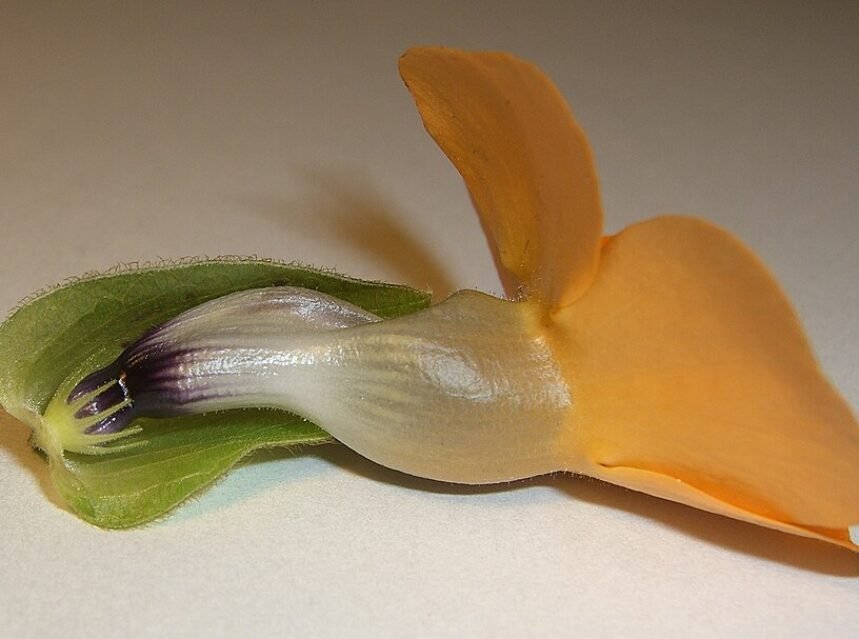 Image: Philipp Weigell — CC BY 3.0, via Wikimedia Commons
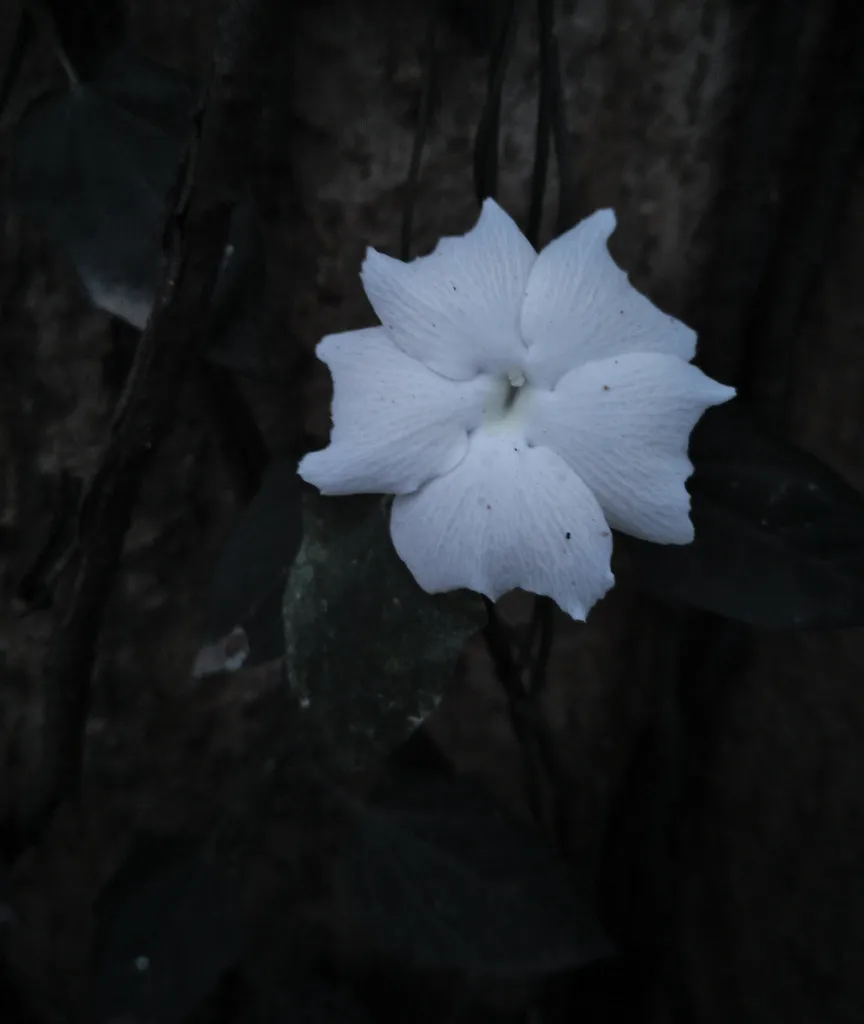
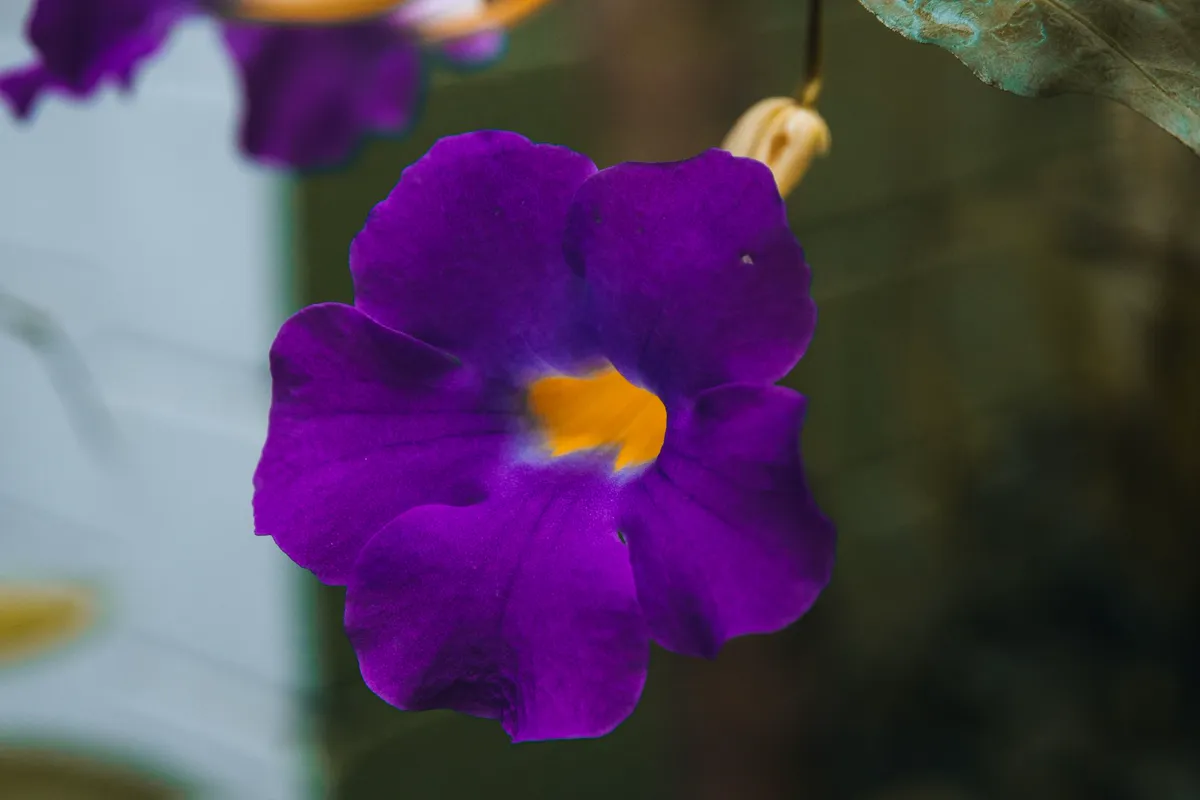
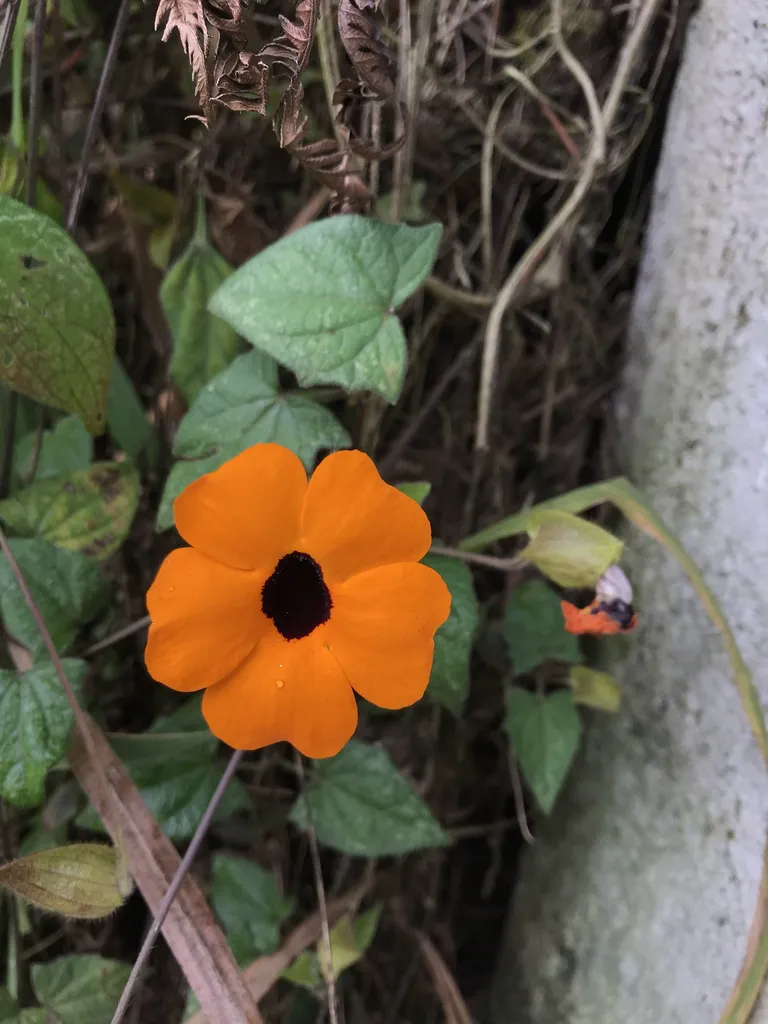
Thunbergia, the black-eyed Susan vine, is a fast, cheerful climber that covers a trellis or basket in bright trumpet flowers — golden orange, yellow, or white, each with a striking dark “eye.” It grows quickly from seed, flowers all summer, and softens fences, arches, and containers with tropical charm. Here is the complete guide on how to grow thunbergia (black-eyed Susan vine).
Quick start: Grow thunbergia in full sun in moist, well-drained soil, with a trellis or support to climb. Sow seed (nicked and soaked) after frost or start indoors. Keep it evenly moist — it won’t tolerate drought — feed lightly, and it’ll bloom all summer. Grown as an annual in cold climates.
Thunbergia, the black-eyed Susan vine, is a fast, cheerful climber that quickly covers a trellis or pot frame in warm orange, yellow or cream flowers, each with a dark eye. Growers give it a support to scramble up and a sunny spot, and it romps away in the heat, making it a fine monsoon-season plant in India. Pinching the young shoots encourages a bushier, more flower-laden plant. It is frost-tender, so it is grown as an annual or overwintered indoors in cold areas.
🧰 In a hurry? Jump straight to our tested picks for this guide ↓
Thunbergia at a glance
| Feature | Detail |
|---|---|
| Botanical name | Thunbergia alata (family Acanthaceae) |
| Common name | Black-eyed Susan vine |
| Plant type | Fast climbing annual (perennial in warm areas) |
| Sun | Full sun to light shade |
| Soil | Fertile, free-draining |
| Support | Trellis, wires or pot frame |
| Climate | Warm; frost-tender |
Why grow black-eyed Susan vine?
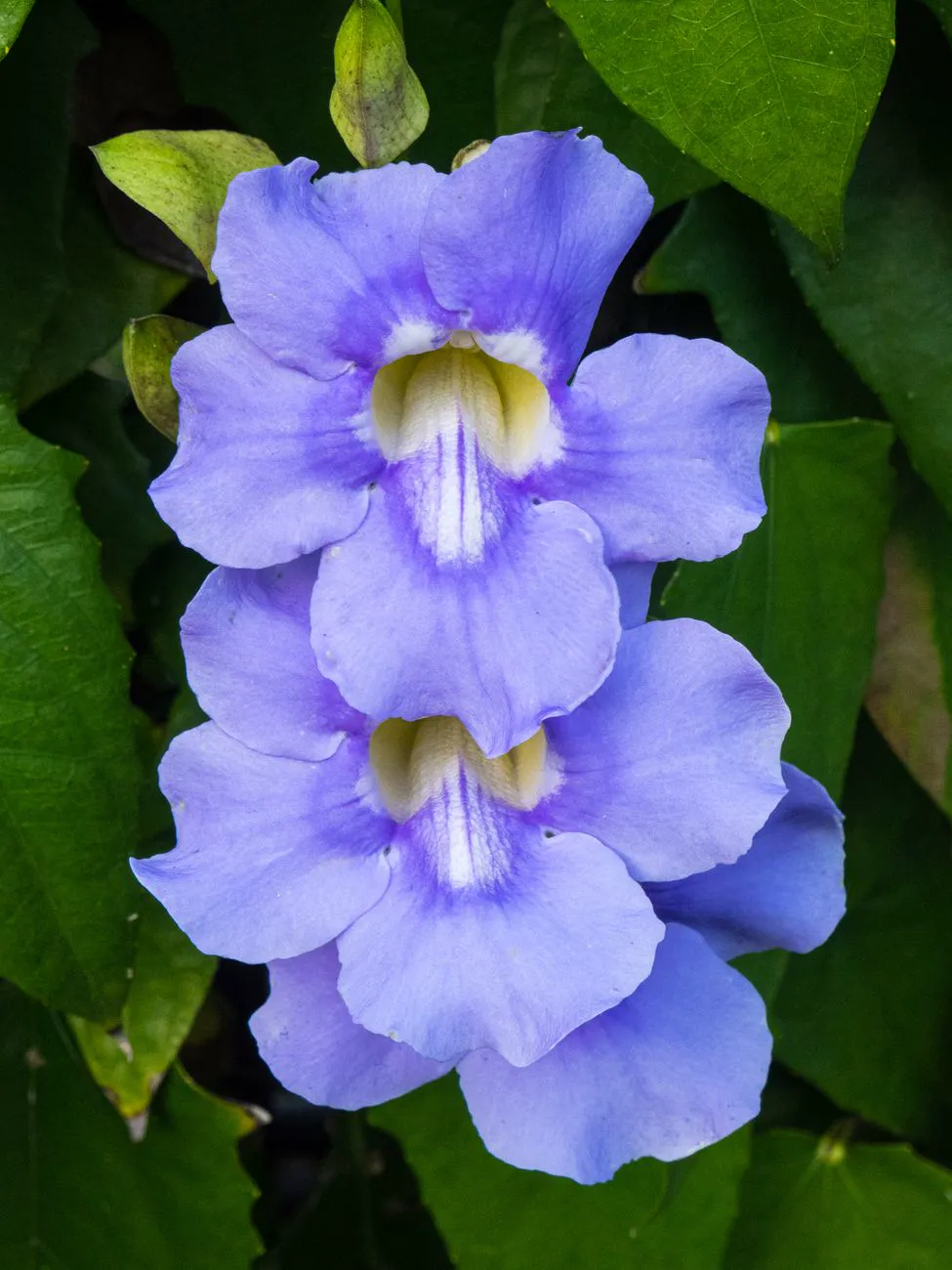
Thunbergia is a brilliant fast-growing annual climber for quick, colourful coverage. It scrambles happily up trellises, fences, arches, and obelisks, or trails from hanging baskets, flowering nonstop all summer with its distinctive dark-eyed blooms. It draws pollinators, is easy from seed, and brings instant tropical cheer to a vertical space.
History, origin & how it spread
The black-eyed Susan vine (Thunbergia alata) is native to tropical East Africa. So it loves warmth and sun and is frost-tender — grown as a perennial in frost-free regions and a warm-season annual where winters are cold. Its tropical origins make it well suited to hot Indian summers.
The black-eyed Susan vine, Thunbergia alata, is native to eastern Africa, where it grows as a vigorous warm-climate climber, and its orange or yellow flowers with a dark central eye gave it its common name (Thunbergia alata). ⚠️ Know this before you plant it out: that vigour has made it a widely reported invasive species — in the Caribbean and Pacific islands, from Mexico to Colombia, and in Japan. It grows fast, self-pollinates readily, strangles and shades out neighbouring plants, and is hard to pull out by hand because it regrows from underground rhizomes. In any warm region, grow it in a container on a support, deadhead it before seed sets, and never let it escape into scrub or woodland.
It has spread around the world as a popular, fast-growing ornamental climber, grown as an annual in cooler regions and a perennial in frost-free ones (see the RHS). Its tropical origin means it loves heat, which makes it a fine performer through the warm, humid monsoon season in Indian gardens.
Best season & when to plant
Sow or plant out after the danger of frost has passed, once it’s warm. Start seed indoors 4–6 weeks before the last frost for an early start, or direct-sow outdoors. It grows fast and flowers from summer until frost. (Note: this vine is different from the perennial black-eyed Susan flower, Rudbeckia.)
How to grow thunbergia from seed
- For better germination, nick the hard seed coat and/or soak the seeds overnight before sowing.
- Sow shallowly (about ¼ inch deep) in a fine seed mix; seeds sprout in about 5–21 days at 70–75°F.
- Plant out in full sun and moist, well-drained soil beside a trellis, arch, or fence, as it needs support to climb right away (see improving garden soil).
Watering & feeding
Here’s the key: thunbergia does not tolerate drought. Water regularly to keep the soil evenly moist but not soggy, especially in heat and in containers, which dry quickly (see how often to water). Feed lightly through the season — a diluted liquid feed every couple of weeks keeps it growing and flowering strongly.
Support & care
Give it a trellis, netting, strings, or an obelisk to climb from the start, and guide the young stems onto it. It’s otherwise low-maintenance — no deadheading needed to keep it blooming, though tidying spent flowers keeps it neat. In baskets, let it trail and cascade.
Common pests & diseases
Thunbergia is fairly trouble-free. Watch for aphids, spider mites, and whiteflies in hot, dry conditions (see aphid control), plus the occasional fungal issue in damp, crowded spots. Keep it watered and airy, and use our organic pest control guide if needed.
Benefits & uses
Black-eyed Susan vine gives fast, season-long colour for trellises, fences, arches, and baskets, with cheerful dark-eyed flowers that draw pollinators. It’s quick and easy from seed, ideal for screening or softening a structure in a single summer — superb value for a fast, flowering climber.
This article is for general information only and is not medical advice. Talk to a qualified professional before using any plant medicinally.
Common thunbergia problems
Wilting, dropping leaves
Too dry — it won’t tolerate drought. Keep the soil evenly moist, especially in heat.
Poor germination
Hard seed coat. Nick and/or soak seeds overnight and keep them warm (70–75°F).
Tangled growth
No support. Provide a trellis or netting and guide the stems onto it early.
Support, sun & care
As a quick climber, thunbergia needs a support such as a trellis, wires or a pot frame to twine up (see improving garden soil). Give it full sun, or light shade in the fiercest heat, and fertile, free-draining soil kept evenly moist (see how often to water plants). Pinching the young shoots encourages branching and more flowers, and it grows fast enough to cover a screen or arch in a single warm season.
Growing in pots and overwintering
Thunbergia is excellent in a large pot with a small obelisk or trellis, where it makes a portable splash of colour on a sunny patio or balcony. Being frost-tender, it is treated as an annual in cold climates, though a favourite plant can be brought indoors to overwinter in a bright, frost-free spot. It flowers tirelessly all summer with little more than steady watering and the occasional feed.
Why grow thunbergia
For quick, cheerful colour up a support, the black-eyed Susan vine is hard to beat, smothering a trellis, fence or pot frame in warm orange, yellow, apricot or cream flowers from summer until the frosts. It grows fast from seed, costs very little, and thrives in the heat that suits so few flowering climbers, making it especially valuable in warm and monsoon climates. It is easy and undemanding, flowering nonstop with no deadheading and asking only for sun, support and steady moisture. Whether screening an ugly fence, dressing an arch, or trailing from a high pot, thunbergia delivers a long, bright, low-effort display that brings any vertical space to life.
The black-eyed Susan vine is the kind of plant that delivers a great deal of cheer for very little outlay or effort, which is exactly why it has stayed a favourite for generations. From a single packet of seed it grows away with real speed once the weather warms, quickly clothing a trellis, fence, arch or pot frame in fresh green and a long, generous succession of warm, dark-eyed flowers in orange, yellow, apricot and cream.
Crucially, it loves heat, thriving through the hot, humid weather of high summer and the monsoon when so few flowering climbers will perform, which makes it especially valuable in warm gardens. It is wonderfully undemanding, flowering nonstop with no need for deadheading and asking only for sun, something to climb and steady moisture at the roots.
Grown up an obelisk in a large pot it makes a portable splash of colour for a sunny patio or balcony, and in the open garden it is perfect for quickly screening an ugly fence or dressing an arch with seasonal colour. Being frost-tender it is simply treated as an annual in cooler climates, though a favourite plant can be kept going indoors over winter.
For fast, bright, heat-proof colour up any support, with almost no fuss and at almost no cost, thunbergia is one of the most rewarding climbers you can grow.
Related plant guides
- Mandevilla care
- How to grow Moonflower
- How to grow Pentas
- How to grow Torenia
- How to grow Nierembergia
- How to grow Tithonia
Frequently asked questions
Is black-eyed Susan vine the same as the black-eyed Susan flower?
No — the vine is Thunbergia alata, while the upright perennial flower is Rudbeckia. They just share a common name.
Does thunbergia need a trellis?
Yes — it’s a climber and needs a trellis, netting, fence, or obelisk to grow up (or a basket to trail from).
How often should I water thunbergia?
Regularly — keep the soil evenly moist, as it doesn’t tolerate drying out.
Is thunbergia an annual or perennial?
It’s perennial in frost-free climates and grown as a fast warm-season annual where winters are cold.
Does thunbergia grow best in sun or shade?
Thunbergia flowers most freely in full sun, so a spot with at least six hours of direct light gives the best display. It will grow in partial shade, especially in very hot regions where some afternoon shade prevents scorching, but heavy shade means lots of leaf and few blooms. Give it warmth, sun, and steady moisture for the strongest flowering.
How do you grow thunbergia from seed?
Start seeds indoors about six to eight weeks before your last frost, as thunbergia needs warmth to germinate. Soak the seeds overnight, sow them lightly covered in warm compost, and keep them around 20-24 Celsius until they sprout in one to three weeks. Plant out only once frost has passed and the soil has warmed, giving each seedling a support to climb.
How tall does thunbergia grow?
The common black-eyed Susan vine (Thunbergia alata) typically climbs about 1.8 to 2.4 metres (6-8 feet) in a single warm season, which is why it is grown as a fast annual in cool climates. In frost-free regions it is a perennial and can grow considerably larger and woodier over time. Grown in a hanging basket it will trail rather than climb.
Is thunbergia invasive?
In cold climates it is harmless because frost kills it each year, so it never gets the chance to spread. In warm, frost-free tropical regions, however, Thunbergia alata can self-seed aggressively and has become a weed in places such as parts of Australia and Hawaii. If you garden in a mild region, deadhead the flowers to stop seed set and keep it in check.
Is thunbergia toxic to dogs or cats?
Black-eyed Susan vine (Thunbergia alata) is not known to be poisonous to dogs or cats, and it does not appear on the main poisonous-plant lists — but to name them: it has no ASPCA entry and North Carolina State Extension has a page for it but records no toxicity information, so treat it as unconfirmed rather than checked. As with any plant, a curious pet that chews a lot of foliage may get a mild upset stomach, so it is still sensible to discourage nibbling. This is general guidance, not veterinary advice.
Does thunbergia need deadheading?
Deadheading is not strictly required, but removing faded flowers and developing seed pods keeps the plant blooming longer and looking tidy. Left to set seed, the vine may slow its flowering as it puts energy into seeds instead. A quick pinch of spent blooms every few days, plus a light liquid feed, keeps a container vine flowering right up to the first frost.
Can you overwinter thunbergia or grow it from cuttings?
Yes. In cold areas you can lift a potted plant and keep it in a bright, frost-free room over winter, cutting it back and watering sparingly until spring. You can also take softwood cuttings in summer, which root fairly readily in moist compost, giving you fresh plants for next year without relying on seed. Both are good ways to keep a favorite plant going.
Still stuck? Ask the Plant Doctor
Describe the problem — yellow leaves, holes, no flowers — and get a clear answer in seconds. FreeAI can make mistakes. Answers are guidance, not a guarantee — check anything important against the guide it links to, and always read the label on any product before you use it.