How to Grow Primula
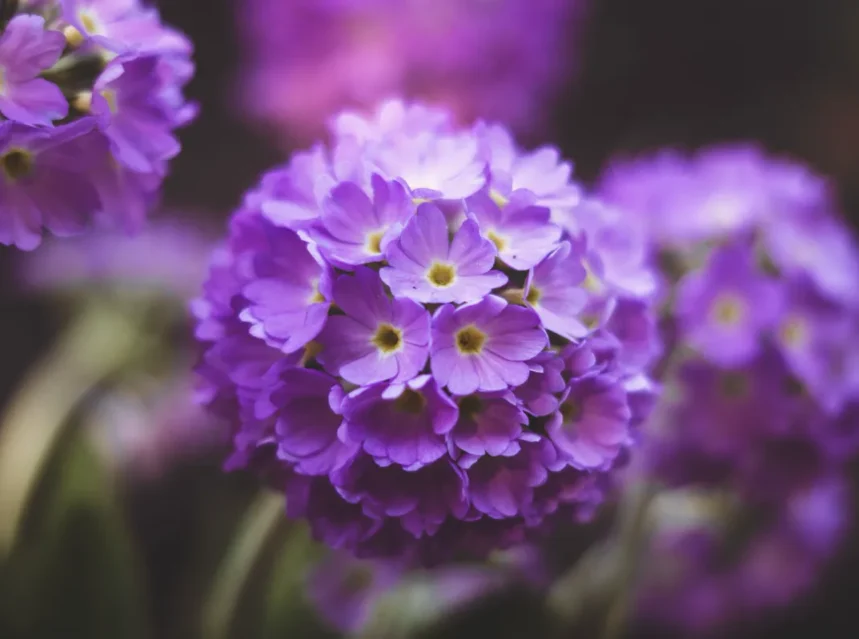
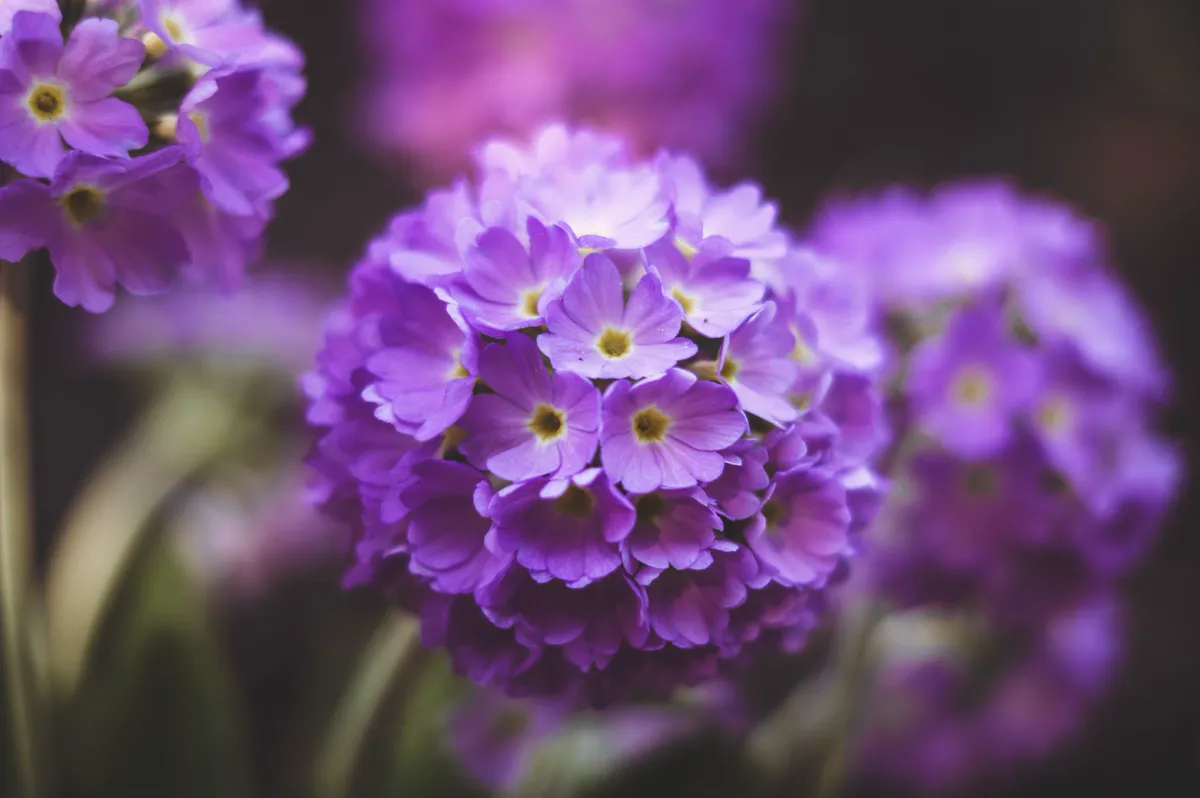
Primula (Primula), which includes the much-loved primrose and polyanthus, is a cheerful perennial that brings some of the earliest colour to the garden in late winter and spring — and it is a favourite for brightening shady, cool spots. From neat rosettes of crinkled leaves it throws up posies of flowers in almost every colour imaginable. It loves cool, moist, partly shaded conditions, and many types are wonderfully easy. Here is the complete guide on how to grow primula.
Quick start: Give primula part shade and moist, humus-rich soil. Plant in autumn or spring, keep it watered and never let it dry out, and deadhead spent flowers. Divide congested clumps after flowering. It loves cool weather and dislikes hot, dry sun.
Primula is one of the great signals that spring is coming, and the quirk new growers should know is just how much it hates to dry out. These are plants of cool, damp woodland and streamside, so heat and dry soil are their enemies, while moisture and dappled shade bring out their best. The genus is huge, from the classic primrose to tall candelabra types for bog gardens, but they share the same love of cool, rich, moist ground. In warm regions they belong to the cool season and the hills.
🧰 In a hurry? Jump straight to our tested picks for this guide ↓
Primula at a glance
| Feature | Detail |
|---|---|
| Botanical name | Primula (family Primulaceae) |
| Includes | Primrose, polyanthus, cowslip, candelabra types |
| Plant type | Hardy perennial (some grown as annuals) |
| Sun | Part shade (cool); avoid hot sun |
| Soil | Moist, humus-rich, never dry |
| Flowers | Late winter to spring |
| Care job | Keep moist; divide after flowering |
| Climate | Cool/temperate; hill country in warm regions |
Why grow primula?
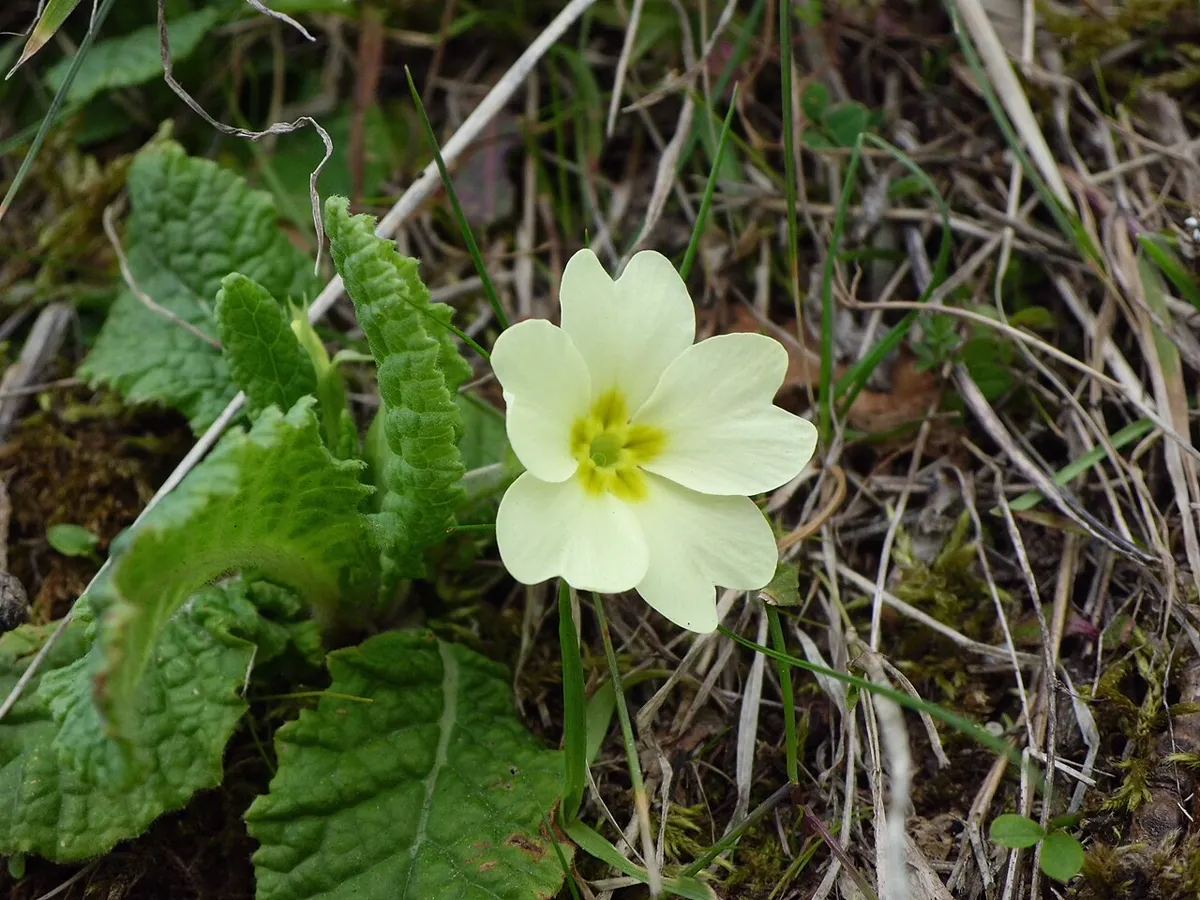
Primula delivers colour when the garden needs it most, often flowering while winter still lingers. The bright, cheerful blooms lift shady borders, pots and woodland edges just as everything else is waking up. Many types are easy and long-lived, returning and multiplying each year, and they feed some of the very first bees of the season. With colours spanning the whole rainbow, they are an irresistible, beginner-friendly way to start the gardening year.
History, origin & where it grows
Primula is a very large genus of around 500 species, native across the temperate northern hemisphere, with a remarkable concentration in the Himalayas and the mountains of Asia (see the Royal Horticultural Society). They grow wild in cool woodlands, meadows and damp mountain slopes, which is the key to growing them well.
A fascinating detail is the name itself, from the Latin for “first”, a nod to the primrose being among the first flowers of spring. The common primrose has been cherished in cottage gardens and folklore for centuries.
Today primulas are grown across cool and temperate gardens worldwide. In the US and UK they are classic early-spring plants for shade. India has a special claim, as many beautiful primula species are native to the Himalayas; they thrive in cool hill gardens and the cool season, but will not survive the heat of the plains, where they are best grown as short-term winter pot plants.
Best season & when to plant
Plant primula in autumn or early spring, while the weather is cool and moist, so the roots settle before any heat. Most flower from late winter into spring. Bedding polyanthus are often planted in autumn for winter and spring colour. In India and warm regions, grow them through the cool season or in hill gardens for the best, longest display.
How to plant primula
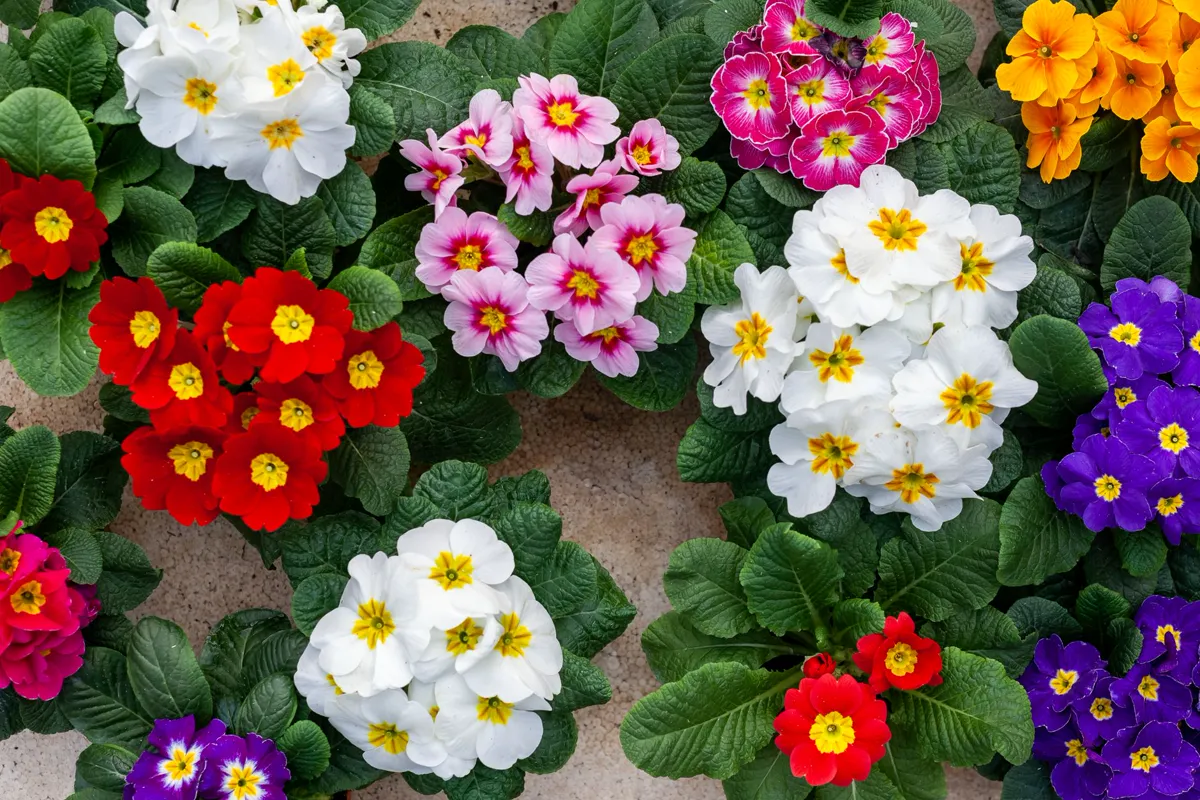
Primula is grown from young plants, divisions or seed. To give it the best start:
- Choose a spot in part shade, sheltered from hot afternoon sun, ideally under deciduous trees or on a cool side.
- Use moist, humus-rich soil enriched with leaf mould or compost (see improving garden soil); candelabra types even enjoy boggy ground.
- Set plants at the same depth they grew, and space them to allow airflow.
Water well after planting and keep the soil consistently damp. A leafy mulch helps lock in the moisture primulas love.
Sun, soil, watering & feeding
The golden rule with primula is never let it dry out. Keep the soil consistently moist, especially in sun or dry spells (see how often to water), because drought quickly causes wilting, scorched leaves and a short life. A leafy mulch keeps the roots cool and damp. Feed lightly in spring; rich feeding is rarely needed in good soil. Cool, moist, shaded conditions are everything to this plant.
How to propagate primula: dividing & deadheading
Primula clumps bulk up over time and flower best when refreshed. The ideal time to lift and divide is just after flowering, splitting each clump into smaller pieces with roots and replanting them straight away into moist soil. So division both rejuvenates tired plants and gives you free new ones. Through the flowering season, deadhead spent blooms to keep the display tidy and encourage more flowers, and remove any tatty old leaves.
Growing primula in containers
Primula is lovely in pots, window boxes and spring containers near the door. A pot lets you give it the cool shade and constant moisture it craves and move it into view when in flower. So it suits balconies and small spaces well, much like other container plants.
Use a moisture-retentive, humus-rich compost and stand the pot out of hot sun. Check it often and water before it dries, as pots dry quickly and primulas hate drought.
After flowering, you can plant pot primulas out into a shady border to grow on for next year. In hot climates, treat them as short-term winter colour and replace each cool season.
Common pests & diseases
Watch for vine weevil (notched leaves and root-eating grubs, especially in pots), slugs and snails, and aphids. In hot, dry conditions the leaves scorch and the plant weakens, while waterlogging can cause crown rot. The best defence is the right spot: cool, moist, shaded and well-drained. Pick off slugs, check pots for vine-weevil grubs, and use the methods in our organic pest control guide.
Types of primula to know
The genus is huge, but a few groups cover most garden plants and knowing them helps you choose well. The common primrose is the low, classic woodland type with single flowers nestled among the leaves, perfect for naturalising in shade. Polyanthus carry their flowers in bold posies on taller stems and are the showy bedding types sold for winter and spring colour.
Then there are the candelabra primulas, tall species that hold tiered whorls of flowers up sturdy stems and revel in damp, boggy ground beside ponds and streams. Cowslips and oxlips are charming wild-meadow types with dainty yellow blooms, while the jewel-like auriculas are collector’s plants grown for their perfect, often two-tone flowers. Many of the most spectacular species hail from the Himalayas and want cool, moist, humus-rich conditions. Matching the type to your spot, whether dry shade, a bog edge or a cool hill garden, is the surest path to success with primulas.
Uses & benefits
Primula is grown almost entirely as an ornamental and early-pollinator plant, treasured for bringing the earliest colour of the year to shady borders, pots and woodland gardens, and for feeding the first bees of spring. The classic primrose flowers are also edible and have a long decorative history, though the genus is best enjoyed simply for its cheerful, welcome colour at the end of winter.
This article is for general information only and is not medical advice. Talk to a qualified professional before using any plant medicinally.
Common primula problems
Wilting, scorched leaves
Almost always too much sun or dry soil. Move to cool part shade, keep the soil consistently moist, and mulch to hold dampness.
Notched leaves / plant collapse in pots
Often vine weevil grubs eating the roots. Check the rootball, remove grubs, and refresh the compost; encourage natural predators.
Few flowers or tired clumps
Usually congested plants or dry, poor soil. Divide clumps after flowering, enrich with leaf mould, and keep them moist and lightly shaded.
Related plant guides
- How to grow Forget Me Nots
- How to grow Veronica
- How to grow Astilbe
- How to grow Bleeding Heart
- How to grow Rhododendron
- How to grow Astrantia
Frequently asked questions
Is primula the same as primrose?
Primrose is one type of primula; the genus Primula also includes polyanthus, cowslips and candelabra primulas, all sharing a love of cool, moist shade.
Do primulas come back every year?
Most are hardy perennials that return and multiply each year if kept cool and moist; some bedding types are grown as short-lived annuals.
Why are my primula leaves wilting?
Usually too much sun or dry soil — primulas hate drought, so move them to cool part shade and keep the soil consistently moist.
Can I grow primula in India?
Yes in the cool Himalayan hill regions and the cool season, where many primulas are even native; in the hot plains, grow them as short-term winter pot colour.
When do primulas flower?
It depends which type you grow, and that is what makes the genus so useful. Common primrose and polyanthus open from late winter through spring, often starting in February in mild areas and carrying on into May. Drumstick primulas follow in early spring, while candelabra types such as Primula bulleyana and Primula japonica hold back until late spring and early summer, and Primula vialii can still be flowering in midsummer. Planting two or three groups gives you colour across a run of several months rather than one short burst.
How often should you water primulas?
Often enough that the soil never dries out completely, which in practice means checking every couple of days in warm weather. Primulas evolved in damp woodland and streamside conditions, and they show stress fast — the leaves flop and the flower stems wilt within hours of the soil going dry. Pot-grown plants need the most attention, since a small root ball in a sunny spot can dry out in a single hot day. Water at the base rather than over the crown, and mulch around garden plants to hold moisture in.
When and how do you divide primulas?
The traditional time is straight after flowering, in late spring or early summer, though early autumn also works in mild areas. Lift the whole clump with a fork, shake or wash the soil off so you can see the crowns, then tease it apart into pieces that each have their own roots and a growing point — most clumps pull apart by hand without any tool. Trim off tired outer leaves to cut water loss, replant at the same depth immediately, and water in well. Dividing every two or three years keeps plants vigorous, since old congested clumps flower less.
Are primulas toxic to cats and dogs?
Primulas are usually described as only mildly toxic if eaten, with digestive upset the likely result rather than anything serious, but they are not a plant you want a pet grazing on. The more relevant issue for many owners is skin contact rather than ingestion. If an animal eats a quantity of any garden plant and then seems unwell, contact your vet or a poison-control service. This is general information, not veterinary advice.
Can primulas cause a skin rash?
Yes, and it is well documented. Primula obconica, the German or poison primrose, contains a compound called primin, and DermNet notes that Primula was the commonest cause of plant contact dermatitis in Britain until the 1960s. The reaction shows up as an itchy, sometimes blistering rash on the fingers and hands a day or two after handling. Hardy garden species are much milder, but sensitive people can still react to them, so wearing gloves when planting or dividing is a sensible habit. Anyone who has reacted before should simply avoid Primula obconica entirely.
Can you grow primulas in pots?
They are excellent in containers, provided you accept that pots dry out faster than the ground and primulas hate that. Use a loam-based compost with added leaf mould or well-rotted organic matter to hold moisture, choose a pot deep enough to buffer the roots, and stand it where it gets morning light and afternoon shade. Grouping several pots together raises the humidity around them and slows drying. In hot-summer regions, container growing is often the only practical way to keep primulas alive, because you can move them to the coolest corner you have.
What do you do with primulas after they finish flowering?
Deadhead spent blooms down to the base of the stalk, which tidies the plant and stops it putting energy into seed. Leave the foliage alone — it is feeding next year’s flower buds — and keep the soil moist right through summer, which is when most primula losses actually happen. Give a mulch of leaf mould or garden compost around the crown, taking care not to bury it. Bedding polyanthus bought in flower can be planted out in a shady border afterwards rather than binned; many settle in and return the following spring.
Why is my primula not flowering?
The usual culprits are heat, drought and age. A plant that baked or dried out the previous summer will have set few flower buds, and an old congested clump that has not been divided for years runs out of steam. Too much shade is occasionally to blame, since primulas want cool conditions but still need decent light. Overly rich feeding, especially high-nitrogen fertiliser, produces lush leaves and no blooms. Divide, move to cool part shade, keep it moist, and most sulking primulas come back the next season.
Sources and further reading
Still stuck? Ask the Plant Doctor
Describe the problem — yellow leaves, holes, no flowers — and get a clear answer in seconds. FreeAI can make mistakes. Answers are guidance, not a guarantee — check anything important against the guide it links to, and always read the label on any product before you use it.