Is Wisteria Toxic to Cats? Milder Than for Dogs, Here’s Why
 Chinese wisteria in bloom with long cascading purple flower racemes
Is wisteria toxic to cats? Yes, but mildly in practice. Every part contains a lectin called wisterin plus a glycoside, and the seeds hold the most. The thing is, cats rarely eat seeds. Wisteria is genuinely more dangerous to dogs than to cats, and the reason has nothing to do with body size. It is about how each animal meets the plant.
Quick answer: If your cat chewed wisteria leaves or flowers, expect drooling and possibly vomiting, and watch it for a few hours. If your cat actually swallowed seeds or chewed open a pod, call your vet. Do not induce vomiting. This article gives general information, not veterinary advice.
🧰 In a hurry? Jump straight to our tested picks for this guide ↓
Is wisteria toxic to cats? Severity at a glance

| What you notice | What it means |
|---|---|
| Cat brushed past the vine | No risk from contact alone |
| Cat chewed a leaf or flower | Mild. Drooling, maybe vomiting |
| Cat batted a fallen pod around | Watch the paws and grooming |
| Cat actually swallowed seeds | The serious case. Call your vet |
| Repeated vomiting, sometimes bloody | Vet, now |
| Weakness, dehydration, collapse | Emergency |
Why wisteria is milder for cats than for dogs
This is the whole story, and almost no pet-safety page tells it, because most of them write one article and swap the animal’s name.
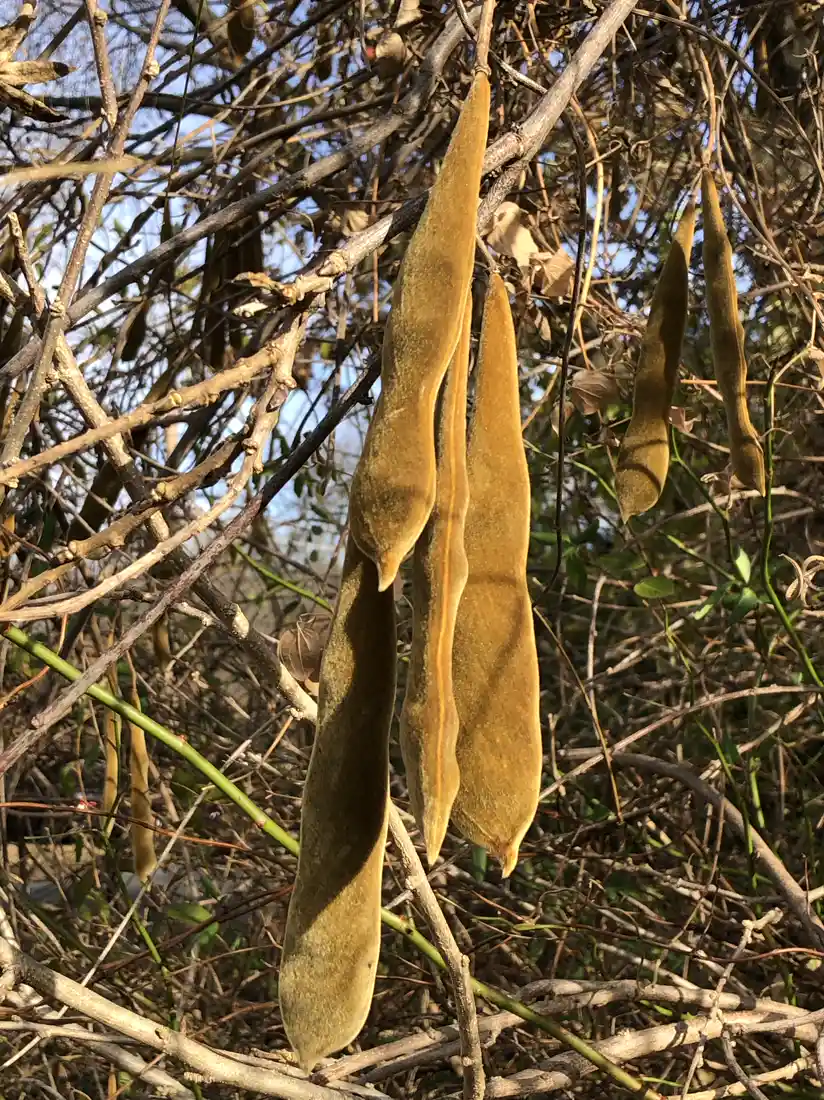
Wisteria’s most toxic part is its seed, held in a velvety pod. In our dog guide, that pod is the villain: it looks exactly like an edible pea pod, it falls to the ground under the vine, and a food-motivated dog gulps it whole before the bitter taste registers.
A cat does none of that. Cats are obligate carnivores and fussy ones at that. A dry bean-like pod on the ground reads as a toy, not as food. Cats also chew deliberately rather than gulping, so a bitter mouthful gets spat out rather than swallowed.
So the same plant, with the same toxin, lands at a lower practical risk for cats. Being honest about that is more useful than shouting “toxic!” at every owner.
Where a cat actually meets wisteria
A cat goes up, and wisteria goes up with it.
Mature wisteria drapes pergolas, porch roofs, arches, and wall trellises. Those are exactly the routes a cat patrols. So a cat meets living stems, fresh leaves, and hanging flowers at eye level, while a dog only ever meets what falls.
That flips the risk profile. For cats, the leaf and stem chewing is the realistic scenario, and both carry far less wisterin than the seeds. It is why most cat cases stay in “drooled, vomited once, fine by evening” territory.
Wisterin and the glycoside: what they do
Wisteria defends itself with two compounds working together.
It contains wisterin, a lectin that damages the lining of the gut, plus a glycoside that adds to the irritation. The ASPCA lists wisteria as toxic to cats as well as dogs, with vomiting and diarrhoea the expected signs.
Concentration is everything. A leaf carries a little. A seed carries a lot. That single fact explains why the answer changes so much depending on which animal, and which part, you are talking about.
The paw-and-groom route: how a cat gets a dose anyway
Here is the cat-specific way a “safe” scenario turns into an ingestion.
A cat that will not eat a pod may still play with one. It bats it, holds it, bites at it, and gets sap and seed fragments on its paws and coat. Then it does what cats always do next: it grooms.
A cat licks its fur clean many times a day. So whatever is on the paws goes into the mouth, whether the cat ever intended to eat it or not. With cats, “she wasn’t eating it, just playing with it” is not the reassurance it sounds like.
So watch the play, not just the meal. If your cat has been batting a fallen pod, wipe its paws with a damp cloth before it grooms.
Symptoms to watch for
Signs depend on what your cat got, and how much.
Leaf or flower: drooling, one or two vomits, a loose stool, a cat that skips a meal. This usually settles within a day.
Seeds: this is the serious version. Expect repeated vomiting, sometimes with blood, diarrhoea, and dehydration, which arrives faster in a small animal than owners expect. Larger doses have been linked to weakness and collapse.
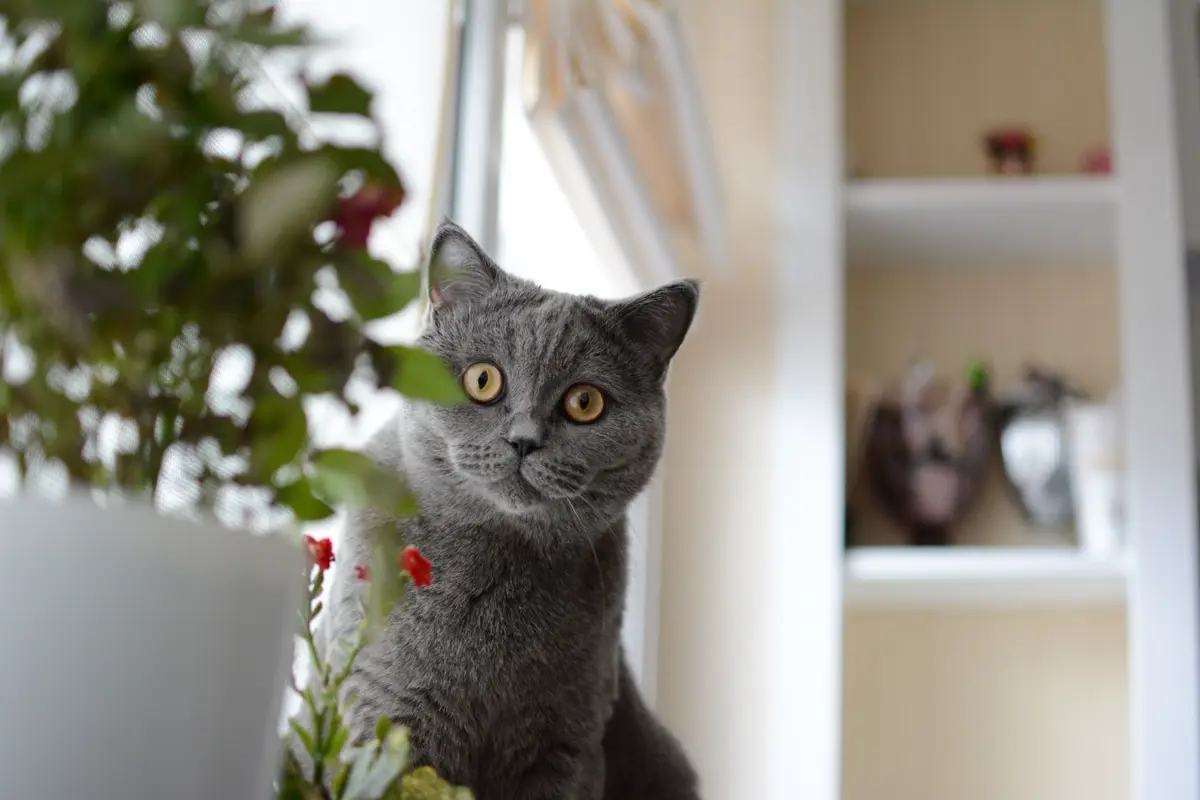
Cats also hide illness well, which is its own hazard. A cat that has gone quiet, tucked itself somewhere dark, and stopped eating is telling you something even if it has not vomited.
What to do if your cat ate wisteria
Work through this in order.
First, work out what it ate. A leaf or a flower usually means watching and waiting. Seeds or a chewed-open pod means calling your vet straight away, even if your cat seems fine. Check the mouth for plant fragments and offer a little water.
Second, check the paws and coat, especially if your cat was playing with a pod, and wipe them before it grooms. Never induce vomiting unless a vet tells you to. Call your vet if vomiting repeats, you see blood, your cat will not eat, or it seems weak or withdrawn. Our plant doctor tool helps you confirm the plant if you are unsure. Your vet’s advice always comes first.
Growing wisteria safely with a cat
- Grow cat grass or catnip. A cat with its own plant leaves yours alone. Highest-value fix, every time.
- Sweep up fallen pods in late summer and autumn. Not because cats eat them, but because cats play with them and then groom.
- Deadhead after flowering to cut down on pod set in the first place.
- Mind the cat highway. Pergola beams, porch rails, and wall tops are cat routes. Train the vine so the growth a cat can reach is stem, not seed.
- Watch kittens. They explore by mouth and have not yet learned that bitter means stop.
Our wisteria growing guide covers pruning and support, which is also how you keep pods off the ground and the vine off your cat’s walkway.
Wisteria and cats step by step
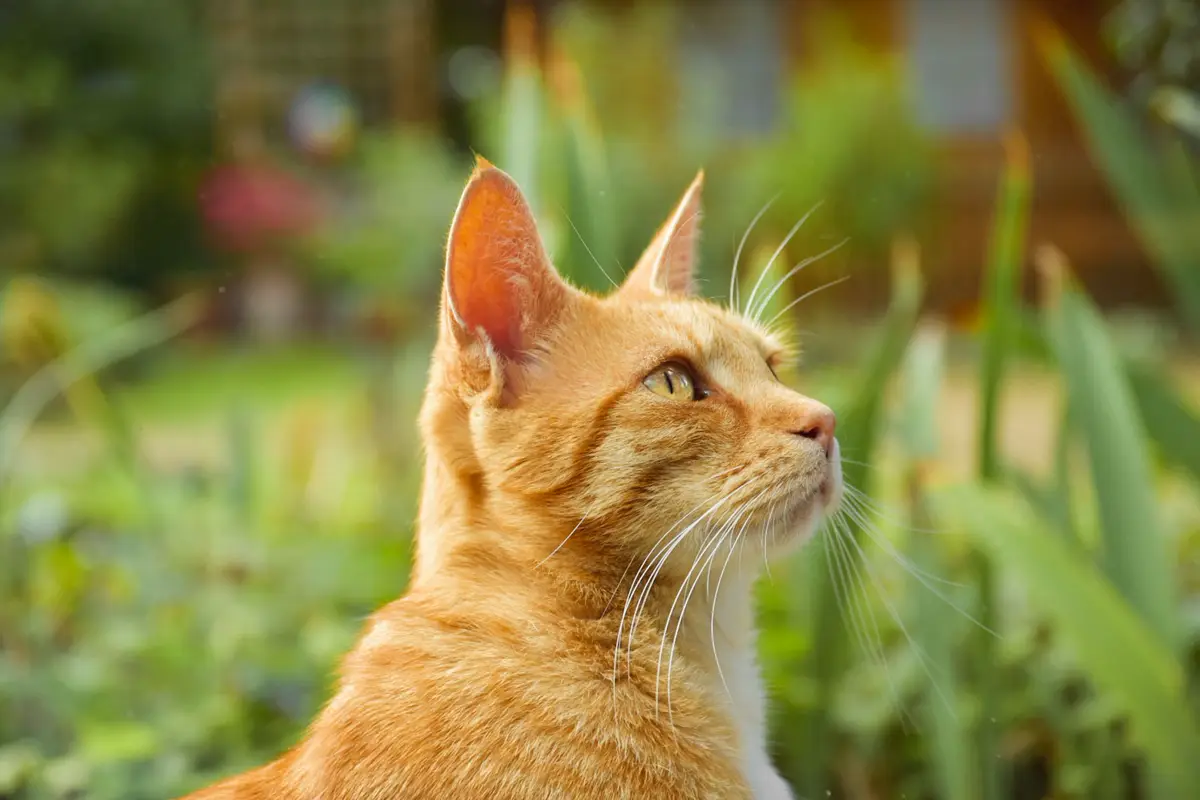
- Wisteria is toxic to cats, but mildly in real life.
- Seeds hold the most toxin. Cats rarely eat seeds.
- Leaf and stem chewing up in the vine is the usual scenario.
- Playing with a pod, then grooming, is the sneaky route to a dose.
- Any actual seed ingestion: call the vet, do not wait.
- Cat grass plus a swept patio removes nearly all of the risk.
A cat household can grow wisteria over a pergola without much worry. A dog household has to work harder, and that difference is real.
Wisteria and cats in gardens worldwide
Wisteria drapes pergolas and walls from Japan and China, its native range, through Europe and North America to Australia and New Zealand. Cats meet it everywhere it grows.
How they meet it depends on where you are. In the UK and much of Europe, cats roam freely, so a wisteria-covered wall becomes part of a cat’s daily circuit. In parts of North America and Australia, where indoor-only and catio cats are more common, the exposure often arrives as a cut stem in a vase instead.
In India, wisteria grows best in cooler hill-station and northern gardens, trained over gateways and verandas, so terrace and veranda cats are the ones to think about.
Wherever you live, save an animal poison helpline number in your phone before you need it.
Frequently asked questions
What happens if my cat eats wisteria?
It depends on the part. A leaf or a flower usually causes drooling, maybe a vomit or a loose stool, and little else, because those parts hold relatively little wisterin. Seeds are the serious case: they carry the highest concentration and can cause repeated vomiting, sometimes with blood, diarrhoea, and dehydration. Cats rarely eat seeds, so most cases stay mild. Check the mouth, offer water, and call your vet promptly if seeds or a chewed pod were involved.
Is wisteria more dangerous to dogs than to cats?
In practice, yes, and the reason is behavioural rather than biological. The most toxic part is the seed pod, which looks strikingly like an edible pea pod. A food-motivated dog forages under the vine and gulps one whole before the bitter taste registers. A cat is a fussy obligate carnivore that chews deliberately and treats a dry pod as a toy rather than food. Same plant, same toxin, different risk, because the two animals meet the plant in completely different ways.
My cat was playing with a wisteria pod but did not eat it. Is that safe?
Not entirely, and this is the trap owners miss. A cat that bats and mouths a pod picks up sap and seed fragments on its paws and coat. Cats groom constantly, so anything on the fur ends up swallowed regardless of whether the cat ever meant to eat it. Wipe the paws and coat with a damp cloth before your cat grooms, and keep an eye out for drooling or vomiting over the next few hours.
Is wisteria safe to plant if I have a cat?
For most cat households, yes. Wisteria is mildly toxic and cats are naturally unlikely to eat its most dangerous part. Grow a pot of cat grass so your cat has something it is allowed to chew, sweep up fallen pods through late summer and autumn so nothing is left to play with, and deadhead after flowering to cut down on pod set. Keep a closer watch on kittens, who explore by mouth before they learn that bitter means stop.
Which part of wisteria is most toxic to a cat?
The seeds and the seed pods are by far the most dangerous, because they hold the highest concentration of the toxins wisterin and lectin. Leaves and flowers contain much less, so a cat that mouths a bloom usually has a milder time than one that chews a pod. Every part carries some toxin, though, so none is truly safe. Sweeping up fallen pods through late summer and autumn removes the riskiest part from a cat’s world.
What are the symptoms of wisteria poisoning in a cat?
The signs are mainly gastrointestinal: drooling, repeated vomiting that is sometimes tinged with blood, diarrhoea, and a quiet, depressed manner. Heavy vomiting and diarrhoea can lead to dehydration, which is the main danger in a serious case. Symptoms usually begin within a few hours of eating the plant. Most cats stay mild because they rarely eat the seeds, but any suspected pod ingestion deserves a prompt vet call.
How much wisteria does it take to poison a cat?
There is no precise safe number, and sensitivity varies between animals, but seeds are the concern because just one or two chewed seeds can cause marked vomiting and diarrhoea. A single leaf or petal typically causes little beyond mild drooling. Since cats are fussy and rarely swallow seeds, most exposures stay minor. Because the exact dose is unpredictable, treat any seed or pod ingestion seriously rather than trying to judge whether it was “enough”.
How is wisteria poisoning treated in cats?
There is no specific antidote, so care is supportive and aimed at the symptoms. A vet may give anti-nausea medicine to control the vomiting and intravenous or under-the-skin fluids to correct dehydration, along with monitoring until the gut settles. Most mild cases recover well with this support. Do not induce vomiting at home unless told to, and phone your vet or the ASPCA Animal Poison Control Center at (888) 426-4435. This is general information, not veterinary advice.
Are wisteria flowers toxic to cats?
The flowers are toxic but much less so than the seeds and pods, since the blooms hold a lower concentration of the harmful compounds. A cat that bats at or nibbles a hanging flower cluster is more likely to get mild drooling or a single vomit than a severe reaction. That is not a reason to allow it, only a reason not to panic over a chewed petal. Keep a closer watch if the flowers were eaten in quantity, and remove fallen blooms from indoors.
Can cut wisteria in a vase harm a cat?
Yes, it should be treated with the same caution as the growing vine. Cut stems, leaves, and especially any developing pods keep their toxins indoors, and a cat is often more curious about a fresh arrangement on a table than a plant outside. The vase water is best considered unsafe to drink as well. If you bring wisteria indoors, keep it somewhere a cat cannot reach, or simply leave it out of a cat household.
How do I keep my cat safe around a wisteria plant?
Focus on the pods, since they are the real hazard. Deadhead the vine after flowering to reduce how many pods form, and sweep up any that drop through late summer and autumn before a cat can play with them. Grow a pot of cat grass indoors so your cat has something it is allowed to chew. Keep the closest eye on kittens, who explore by mouth before they learn that a bitter taste means stop.
Related guides
- Is wisteria toxic to dogs
- Is clematis toxic to cats
- Is pothos toxic to cats
- Best pet-safe houseplants
- How to grow wisteria
- Is jasmine toxic to dogs
Still stuck? Ask the Plant Doctor
Describe the problem — yellow leaves, holes, no flowers — and get a clear answer in seconds. FreeAI can make mistakes. Answers are guidance, not a guarantee — check anything important against the guide it links to, and always read the label on any product before you use it.