Why Do My Calathea Leaves Have Crispy Edges? Fixes
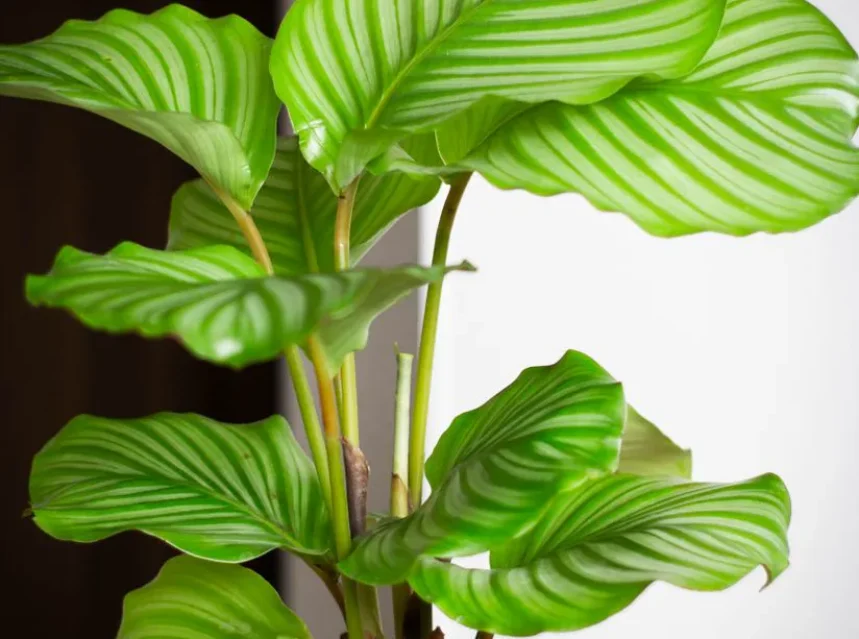
Why do my calathea leaves have crispy edges? Tap water is the top cause — calatheas are very sensitive to the fluoride, chlorine and minerals in it, which build up and burn the leaf edges brown and crispy. Dry air and underwatering also cause crispy edges.
Quick answer: Switch to filtered, distilled or rainwater, raise the humidity to 60 percent or more, and keep the soil evenly moist. New leaves then come in clean and whole. Match the cause below and act on it.
🧰 In a hurry? Jump straight to our tested picks for this guide ↓
Why do my calathea leaves have crispy edges? Quick diagnosis
| What you see | Most likely cause |
|---|---|
| Brown, crispy edges that spread slowly | Tap water minerals and fluoride |
| Crispy edges with curling leaves | Low humidity |
| Crispy edges with dry soil | Underwatering |
| Scorched, crispy patches in bright sun | Too much direct light |
| Crispy edges soon after feeding | Fertiliser burn |
| Crispy tips near a heater or vent | Hot, dry draughts |
Tap water: the number one cause
Tap water crisps calathea edges more than anything else. These plants are famously sensitive to the fluoride, chlorine and minerals in tap water. Over time these chemicals build up in the soil and burn the leaf edges.
The result is slow, creeping brown, crispy edges that no amount of misting fixes. Switching the water source, not the humidity, is what stops the damage. So the water is often the real culprit, as our calathea care guide explains.
The fix: change your water
Switching water is the key fix. Use filtered, distilled or rainwater instead of tap water. This alone stops most crispy edges over time.
If you must use tap water, let it sit out for 24 hours first. This lets the chlorine evaporate, though it will not remove fluoride. Water with room-temperature water when the top inch of soil is dry, as our watering guide shows.
The Royal Horticultural Society notes that calatheas tolerate tap water only if it stands for 24 hours first, so the chlorine can escape. Filtered or rainwater is the safer choice.
Low humidity and dry air
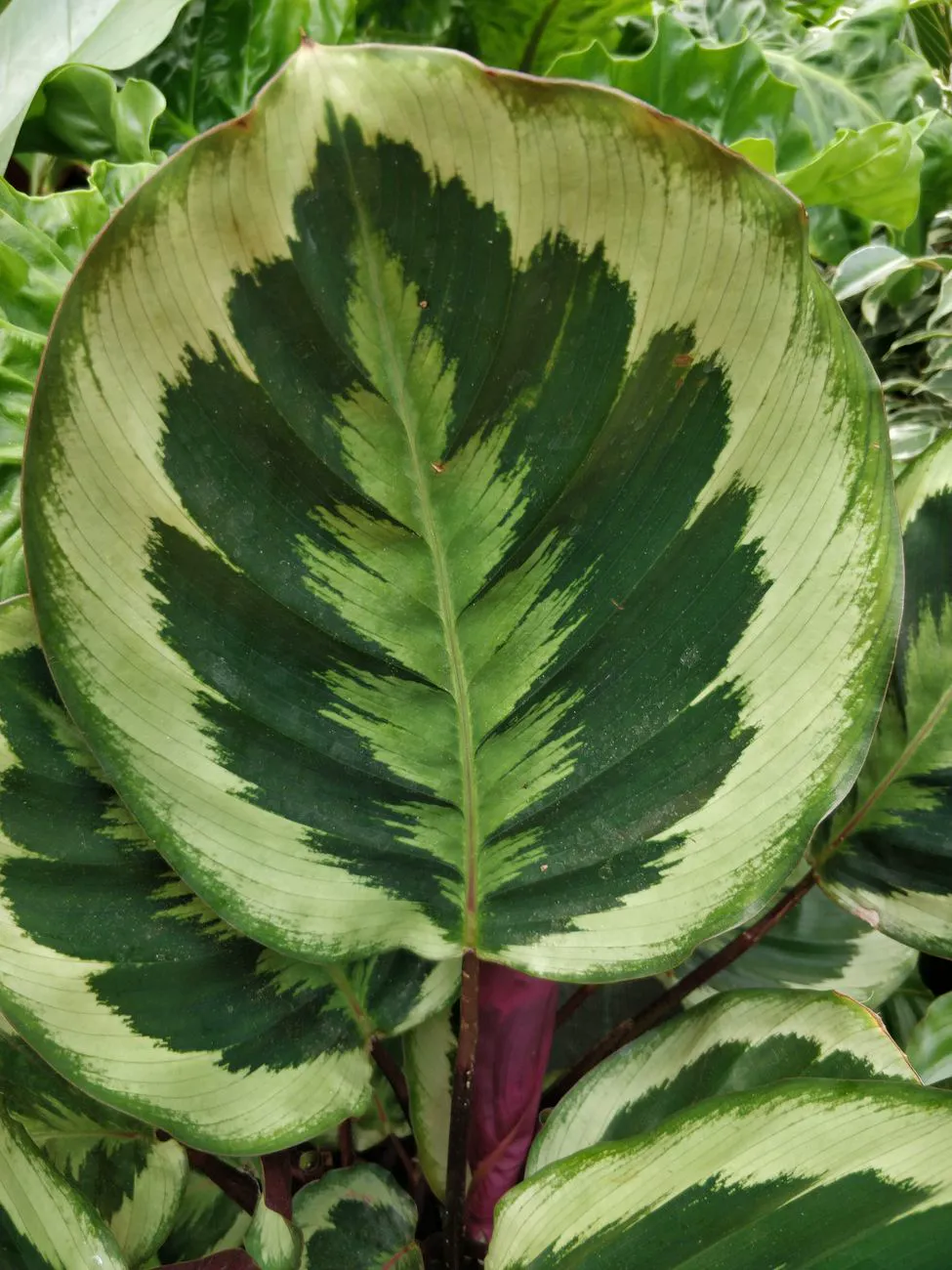
Dry air is the other big cause. Calatheas are tropical and want humidity of 60 percent or more. In dry indoor air the edges go crispy and the leaves curl.
So raise the humidity around the plant. A humidifier works best, or use a pebble tray or group your plants together. Skip misting, though. It only helps for minutes and can invite leaf fungus, as our humidity guide explains.
Why calatheas crisp so easily
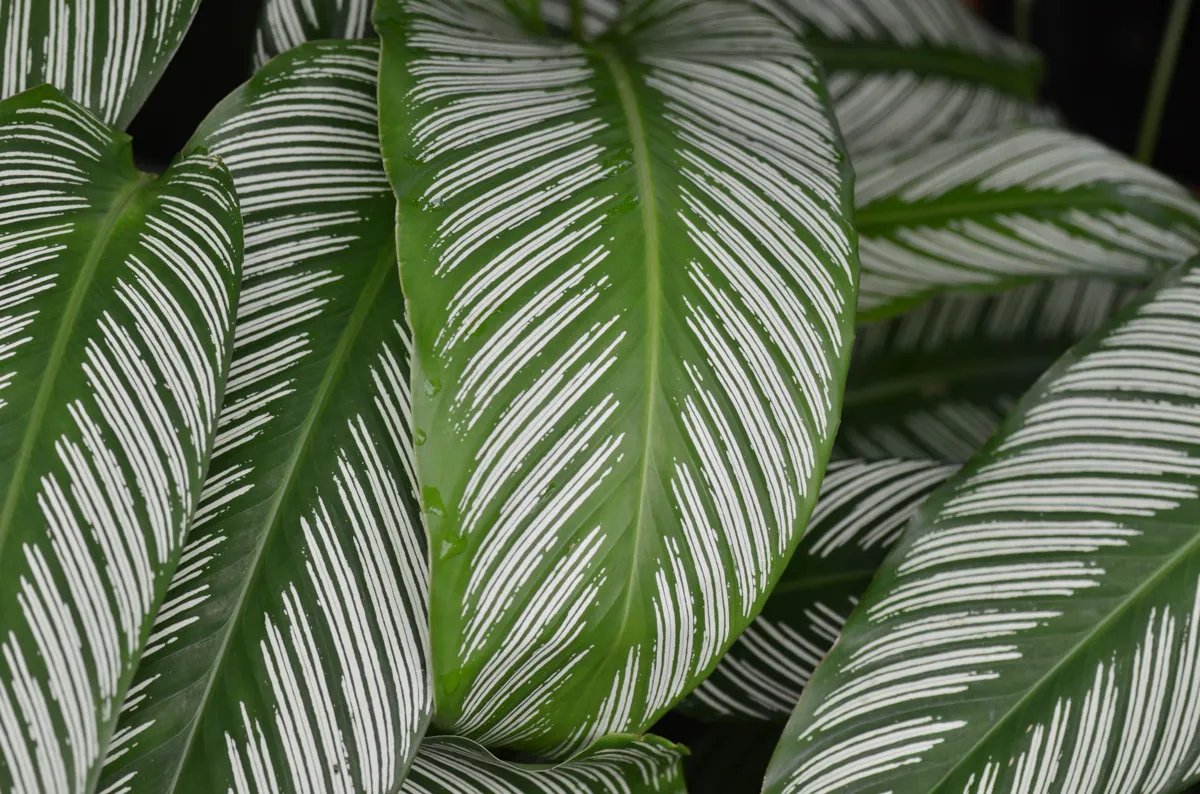
Calathea belongs to the Marantaceae family. It grows wild on the shady, humid floor of the tropical American rainforest. There the air stays warm and moist all year.
The plant evolved thin, decorative leaves to catch weak light under the canopy. Those thin leaves look lovely, but they also lose water fast. So they show stress at the edges before tougher houseplants would.
Because of this, calatheas react quickly to hard water, dry air and drought. In short, the very traits that make the foliage beautiful also make the edges crisp easily. Steady, gentle care is the answer.
Watering, light and feeding
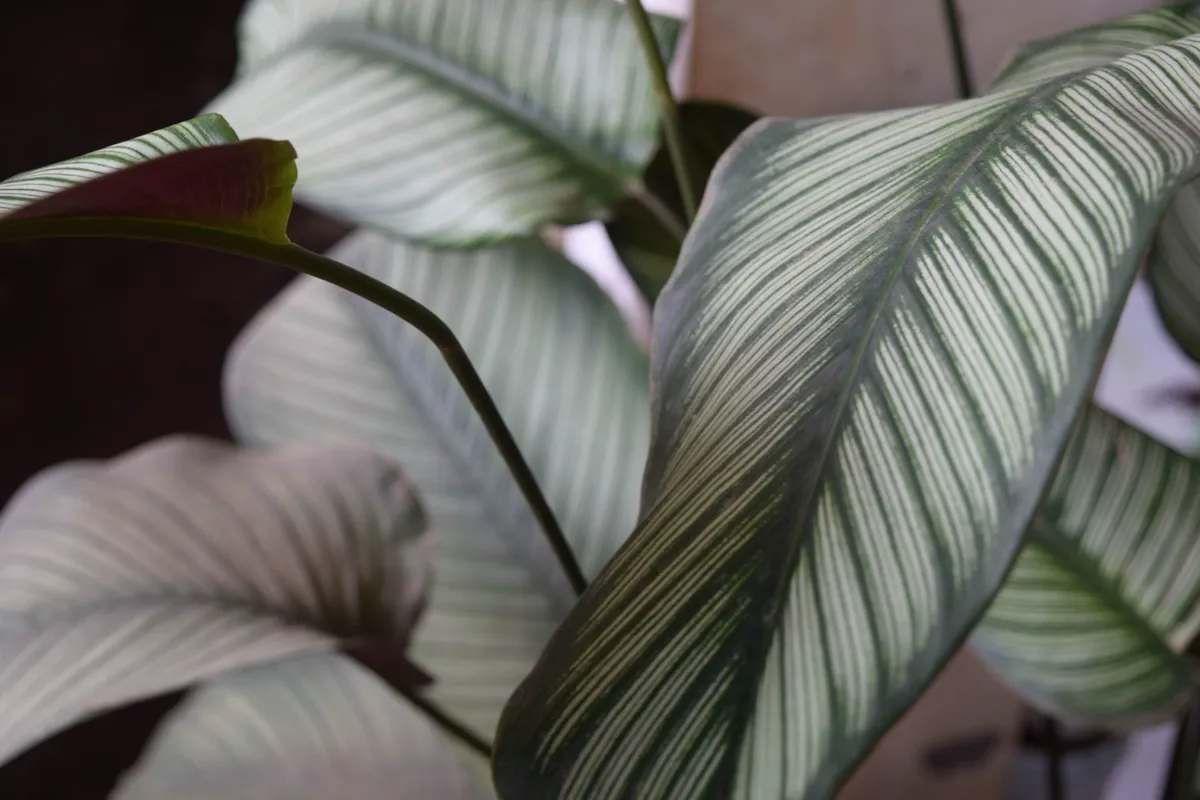
Watering matters too. If the soil dries out too much, the edges crisp from thirst. So keep it evenly, lightly moist, never soggy, and treat a mushy base as root rot.
Light and feed can also burn edges. Harsh direct sun scorches the leaves, so give bright, indirect light, or a grow light in dim rooms, as our grow light guide covers. Feed only lightly, since too much fertiliser burns the edges too. The Royal Horticultural Society recommends warm, humid conditions and bright, filtered light for calathea.
Should you trim crispy edges?
Crispy edges will not turn green again. So you can trim them for looks, but fix the cause first, or new leaves crisp too.
Trim along the natural leaf shape with clean scissors, leaving a thin brown line so you do not cut into healthy tissue. New, whole leaves are the real sign of success. The same care suits its relatives, as our calathea curling and prayer plant guides show.
Other calathea problems to watch for
Crispy edges rarely arrive alone. The same stress often shows up in other ways too. So check the whole plant, not just the tips.
| Other symptom | Usual cause | Quick fix |
|---|---|---|
| Leaves curling inward | Thirst or low humidity | Water and raise humidity |
| Yellowing lower leaves | Overwatering or old age | Ease off water, check drainage |
| Drooping stems | Dry soil or cold draught | Water and move somewhere warmer |
| Faded, washed-out pattern | Too much direct sun | Move to bright, indirect light |
Notice a theme here. Most calathea troubles trace back to water, humidity, light or temperature. So fix those four basics and the plant usually settles. For deeper help, see our calathea curling guide.
Calathea crispy edges in India
Two things crisp calathea edges in India: hard tap water and dry summer air.
Calathea is a popular but fussy houseplant across the country. Much of the tap water is hard and mineral-rich, which burns the leaf edges, so use filtered or rainwater. The hot, dry summer and air conditioning also dry the air, so run a humidifier or use a pebble tray. Keep it in bright, indirect light away from harsh sun. Our calathea guide has more.
How to keep new leaves crisp-free
Prevention beats trimming. Once you fix the cause, a few simple habits keep fresh leaves whole. So build these into your weekly routine.
First, keep a jug of filtered or rainwater by the plant. It stays room temperature and ready to use. Cold water can shock the roots.
Next, group your calathea with other tropical plants. Together they raise the local humidity and shield each other from dry draughts. A humidifier nearby helps even more.
Also flush the soil every few months. Pour room-temperature filtered water through the pot until it drains freely. This washes out built-up salts and minerals before they reach the leaf edges.
Finally, keep the plant away from heaters, air conditioners and cold windowsills. Steady warmth and moist air suit it best. In fact, most crispy-edge trouble simply comes from a spot that swings hot, cold or dry.
How to stop crispy calathea edges
- Switch to filtered, distilled or rainwater, not tap water.
- Raise the humidity to 60 percent or more with a humidifier.
- Keep the soil evenly, lightly moist, never bone dry or soggy.
- Give bright, indirect light, out of harsh direct sun.
- Feed only lightly to avoid fertiliser burn.
- Trim crispy edges for looks once the cause is fixed.
Fresh leaves that unfurl clean and whole are the sign your calathea is happy again.
Frequently asked questions
Does tap water really cause crispy calathea edges?
Yes, very often. Calatheas are sensitive to the fluoride, chlorine and minerals in tap water. These build up in the soil and burn the leaf edges brown and crispy over time. Switching to filtered, distilled or rainwater usually stops the problem within a few new leaves.
Should I cut the crispy edges off my calathea?
You can, for looks, but fix the cause first. Crispy edges never turn green again. Trim along the natural leaf shape with clean scissors, leaving a thin brown margin. If you do not fix the water and humidity, new leaves will crisp up too.
Will misting stop my calathea getting crispy edges?
Not really. Misting only raises humidity for a few minutes and can encourage leaf fungus. A humidifier is far more effective, or use a pebble tray or group your plants together. Fixing the water source matters even more than humidity for crispy edges.
How much humidity does a calathea need?
High humidity, around 60 percent or more. In dry indoor air the leaf edges crisp and the leaves curl. Run a humidifier, use a pebble tray, or group tropical plants together to create a humid microclimate. Steady humidity keeps new leaves whole.
Can underwatering cause crispy calathea edges?
Yes, and it is more often the cause than overwatering. A calathea has fine roots that suffer as soon as the compost dries right through, so the leaf edges brown and go papery within days. Letting the pot dry out and then flooding it makes the damage worse, because the plant never settles. Check the top inch or two with a finger every few days and water as soon as it feels dry, aiming for evenly moist compost rather than wet or bone dry.
Does too much fertiliser cause crispy calathea leaves?
It certainly can. Calatheas are light feeders, and surplus fertiliser leaves salts in the compost that pull moisture away from the roots and scorch the leaf margins, often within a week or two of feeding. Use a balanced liquid feed at half the recommended strength, every two to four weeks in spring and summer only. If you suspect a build-up, flush the pot slowly with plain water until it runs clear, then hold off feeding for a couple of months.
Why are my calathea leaves curling as well as crisping?
Curling is the plant reducing its exposed surface to save water, so it points to thirst, dry air, or roots that are struggling. Crispy edges alongside the curl mean the stress has been going on for a while. Deal with the water first, since that is the fastest fix, then raise humidity with a humidifier or pebble tray. Leaves that curl in the evening and open by morning are simply the plant’s natural daily rhythm and are nothing to worry about.
Can direct sunlight cause crispy edges on a calathea?
Yes. Calatheas grow on the shaded forest floor, so hours of direct sun scorch the edges and fade the patterning that makes them worth growing. A bright spot a metre or so back from an east or north-facing window suits them well. In hot climates, including Indian summers, keep them well away from unshaded south and west windows, and use a sheer curtain if the room gets strong afternoon light.
Why do new calathea leaves come out crispy or stuck?
Almost always because the air is too dry as the leaf unfurls. A new calathea leaf emerges rolled and needs moist air to open cleanly, so in a dry room the edge dries before it unrolls and stays brown and sealed at the tip. Raise humidity around the plant while new growth is coming through, and never force a rolled leaf open by hand, since tearing it causes permanent damage.
How often should I water a calathea?
Water whenever the top inch or two of compost feels dry, which is often once or twice a week in warm weather and less in winter. Use room-temperature filtered, distilled or rainwater, pour it evenly until it drains from the bottom, then empty the saucer so the roots are not standing in water. Consistency matters more than any fixed schedule, so check the compost by feel rather than watering on a set day.
Will a calathea with crispy edges recover?
The damaged leaves will not, since browned tissue is dead and stays that way, but the plant recovers through fresh growth. Once you have switched the water source, steadied the watering and raised humidity, watch the next few leaves. If they open clean and whole, the problem is solved. Trim the worst old leaves gradually rather than all at once, so the plant keeps enough leaf area to feed itself while it recovers.
Sources and further reading
Related guides
- Calathea care guide
- Why are my calathea leaves curling
- Why is my prayer plant curling
- Humidity for houseplants
- How often to water plants
- Root rot
Still stuck? Ask the Plant Doctor
Describe the problem — yellow leaves, holes, no flowers — and get a clear answer in seconds. FreeAI can make mistakes. Answers are guidance, not a guarantee — check anything important against the guide it links to, and always read the label on any product before you use it.