Why Is My Parlor Palm Turning Yellow? Causes and Fixes
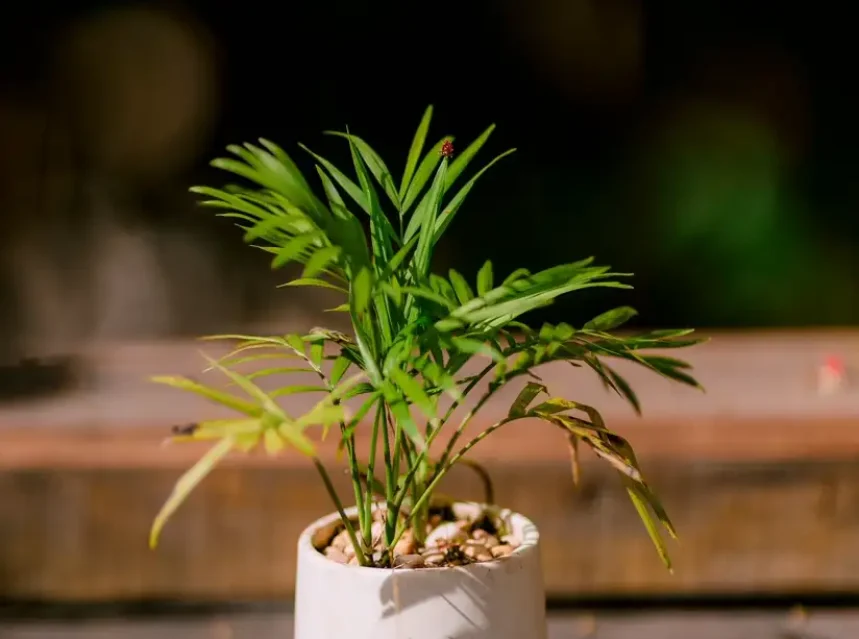
Why is my parlor palm turning yellow? Feel the soil first — soggy soil with many yellow fronds usually means overwatering and root rot, which is the top cause. Palms are also sensitive to the salts in tap water, so hard water yellows them, and a few old lower fronds yellowing is simply natural.
Quick answer: Check the soil and pattern. Wet soil with yellowing means overwatering, so let it dry and check the roots. Yellowing with crispy tips points to tap-water salts, so switch to filtered water. A few old bottom fronds is normal. Match the cause below.
🧰 In a hurry? Jump straight to our tested picks for this guide ↓
Why is my parlor palm turning yellow? Quick diagnosis
| What you see | Most likely cause |
|---|---|
| Many yellow fronds with soggy soil | Overwatering and root rot |
| Yellowing with crispy brown tips | Tap-water salts or dry air |
| Yellowing with bone-dry soil | Underwatering |
| A few oldest lower fronds, new growth green | Natural ageing |
| Pale, yellowing fronds in a hot, sunny spot | Too much direct sun |
| Yellow, speckled fronds with fine webbing | Spider mites |
First, is it just natural ageing?
Before you worry, check the pattern. This one look saves a lot of needless fuss, and many guides skip it.
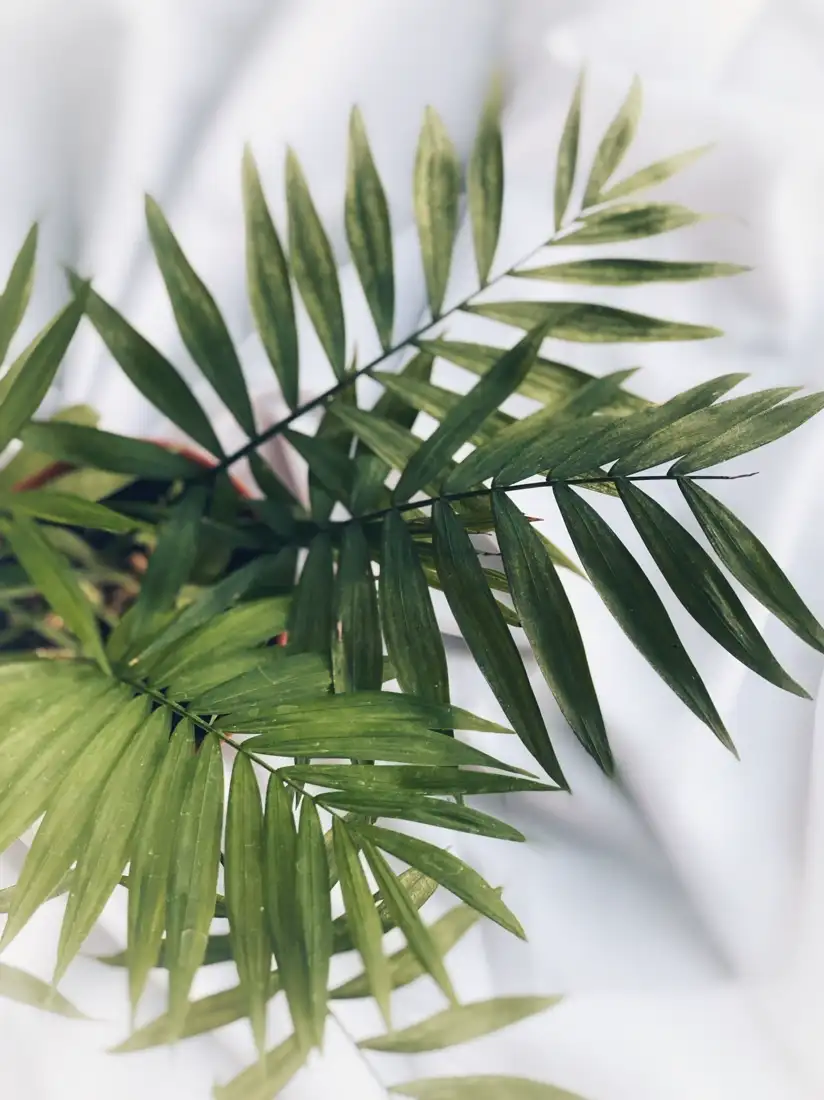
A parlor palm slowly sheds its oldest, lowest fronds as it grows, so one or two yellowing at the very bottom is normal. If the new growth from the crown is green and healthy, that is just natural ageing. So simply trim those off, as our parlor palm care guide explains. Worry only when many fronds yellow, or the new growth goes too.
Overwatering: the number one real cause
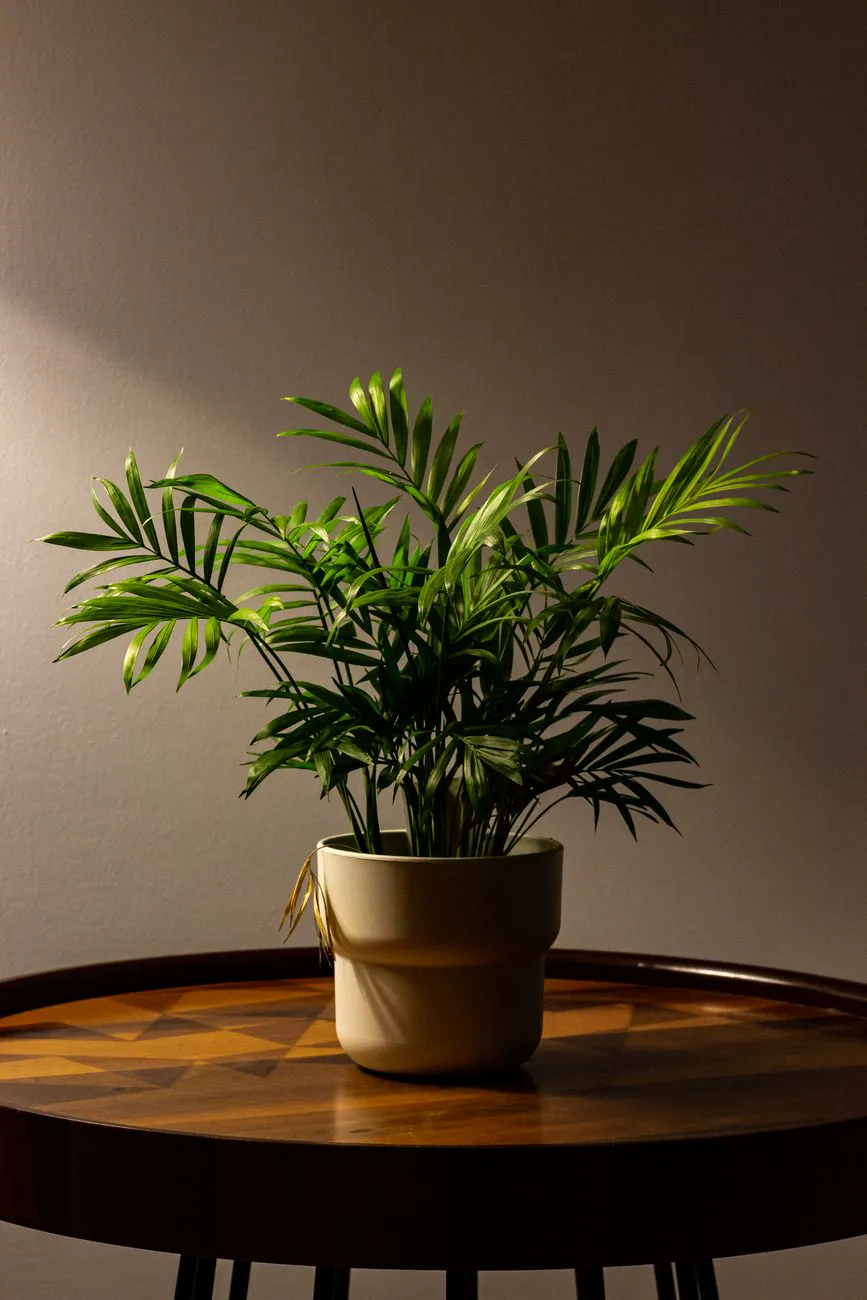
When it is a real problem, overwatering is usually behind it. A parlor palm hates soggy roots, so wet soil rots them, and they cannot feed the fronds. Many fronds then turn yellow, often from the lower plant up.
So check the soil and roots. Let the top inch or two dry before you water again, and make sure the pot drains freely. Trim any black, mushy roots, and repot into fresh, airy mix. Treat it as root rot, as our watering guide shows. Overwatering is the leading cause of a yellowing parlor palm.
Tap-water salts: the palm-specific cause
Here is a cause few guides stress. Palms are especially sensitive to the fluoride, chlorine and salts in hard tap water. These build up in the soil and yellow the fronds, often with crispy brown tips.
So change the water, not just the amount. Use filtered, distilled or rainwater, or leave tap water out overnight before you use it. Harvested rainwater is ideal and free, as our rainwater harvesting guide shows. Flush the soil with plain water now and then to wash salts out, and feed only lightly, since too much fertiliser adds to the salts.
Parlor palms are sensitive to salt build-up, which comes from tap water and overfeeding.
Underwatering and light
The opposite extreme yellows it too. If the soil goes bone-dry for too long, the fronds yellow and then crisp. So water when the top inch dries, and keep the mix lightly moist, not parched or soggy. Feel the soil to tell thirst from overwatering, since dry means thirst and wet means rot.
Light matters as well. A parlor palm is a low-light understory plant, so harsh, direct sun scorches and yellows the fronds. So give it bright, indirect light or gentle shade, not a hot, sunny window, as our grow light guide covers.
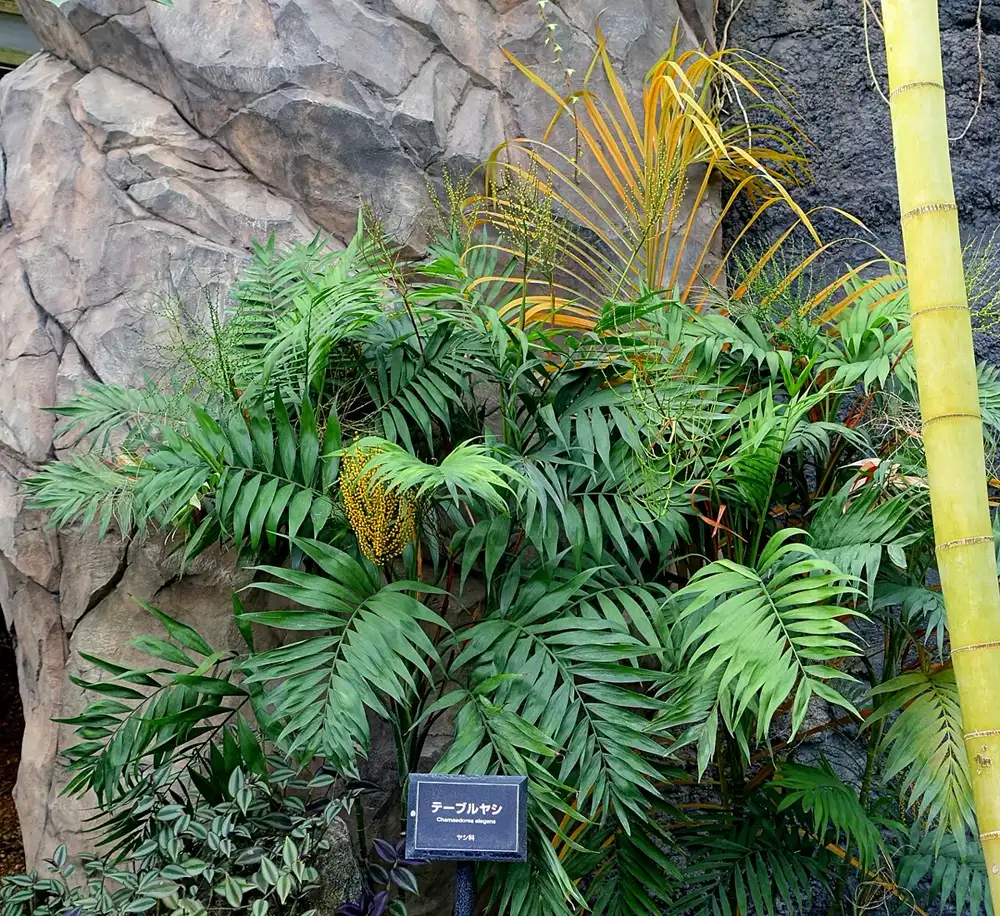
Pests, humidity and cold
A few other things yellow the fronds. Spider mites suck the sap and leave the fronds yellow, speckled and webbed, so check the undersides and treat with neem oil if you find them, as our humidity guide notes dry air invites them. So raise the humidity a little, which also stops the tips crisping.
Cold stresses it too. A parlor palm is tropical, so cold draughts and chilly rooms yellow the fronds. So keep it warm and stable, away from vents and cold windows. The Royal Horticultural Society recommends warmth, indirect light and careful watering for chamaedorea. Note that yellow fronds differ from crispy brown tips, which our parlor palm brown fronds guide covers.
Parlor palm turning yellow in India
Two things yellow parlor palms in India: overwatering and hard tap water.
Parlor palm grows well as a low-light indoor plant across much of the country. But it rots and yellows fast if overwatered, especially in the humid monsoon when the soil stays damp, so water much less then. Hard tap water also yellows and browns the fronds, so use filtered or rainwater and flush the soil now and then. Use an airy mix in a pot with drainage, and keep it out of harsh sun. Our parlor palm guide has more. The same care suits its cousin, as our areca palm yellowing guide shows.
How to fix a yellowing parlor palm
- Check the pattern, as a few old bottom fronds is normal.
- For many yellow fronds in soggy soil, check the roots for rot.
- Let the soil dry between waterings, in a draining pot.
- Switch to filtered or rainwater, and flush the soil of salts.
- Keep it in bright, indirect light, out of direct sun.
- Feed lightly, check for spider mites, and keep it warm.
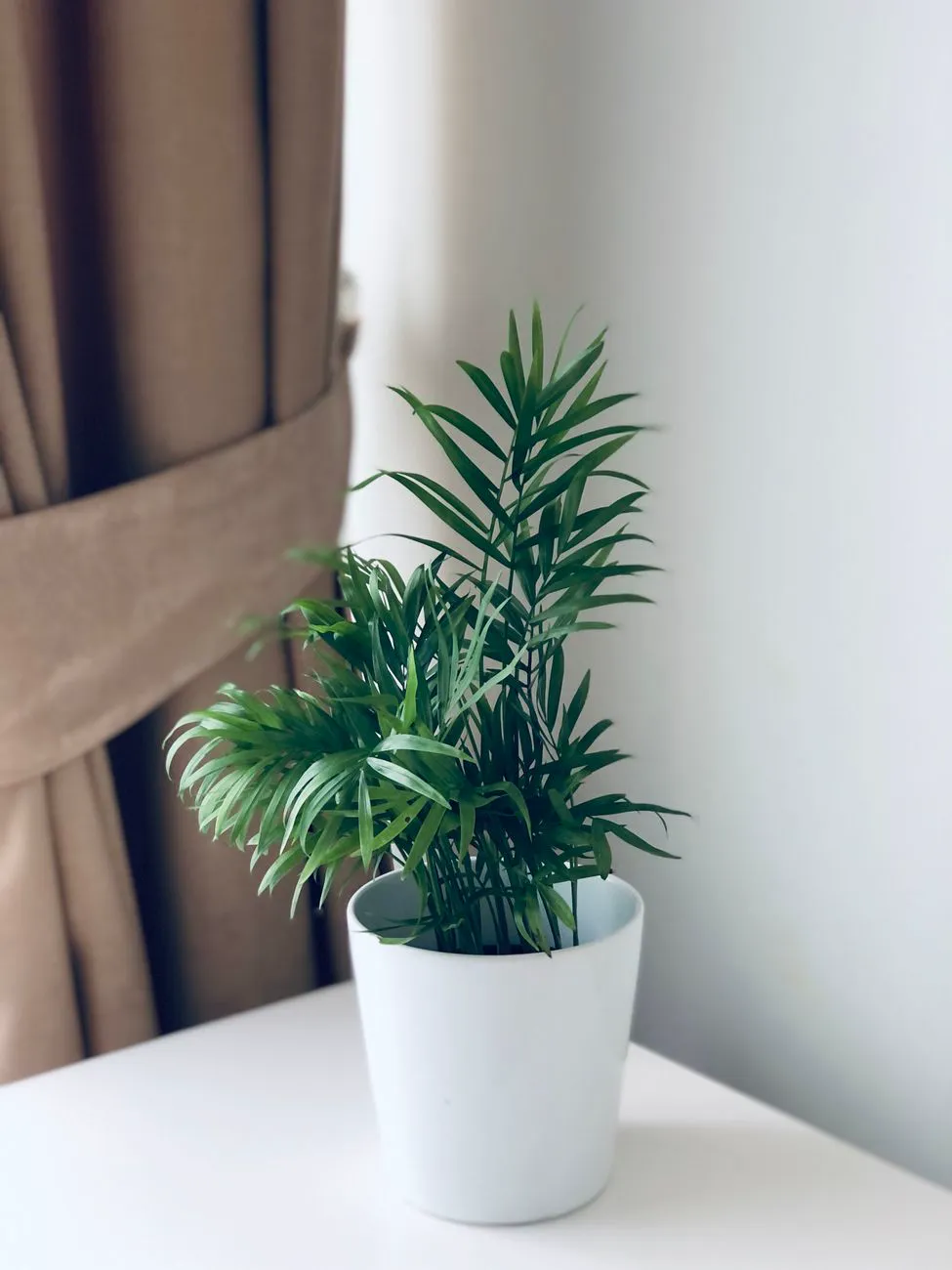
Firm, feathery, evenly green fronds from the crown are the sign your parlor palm is healthy again.
Frequently asked questions
Should I cut off yellow parlor palm fronds?
Yes, once a frond is yellow. Yellow fronds will not turn green again, so trim them at the base with clean scissors. This lets the plant put its energy into healthy new growth from the crown. Just fix the underlying cause too, such as the watering or water quality, or more fronds will yellow.
Is my parlor palm yellowing from over or underwatering?
Feel the soil to tell them apart. Many yellow fronds with soggy, wet soil mean overwatering and root rot, which is the more common cause. Yellowing with bone-dry soil means thirst. So check the moisture first, and when in doubt, let the soil dry a little more before you water again.
Does tap water make a parlor palm turn yellow?
Yes, it can. Palms are sensitive to the fluoride, chlorine and salts in hard tap water, which build up and yellow the fronds, often with crispy tips. So use filtered, distilled or rainwater, and flush the soil now and then. Many mystery yellowing cases clear up once you switch the water.
Is it normal for a parlor palm to have some yellow fronds?
Yes, a little is normal. As a parlor palm grows, it sheds its oldest, lowest fronds, which yellow first. So one or two yellow bottom fronds, with green, healthy new growth from the crown, is nothing to worry about. Only many yellowing fronds, or yellowing new growth, points to a real problem.
Can a nutrient shortage turn a parlor palm yellow?
Yes, especially in a plant kept in the same tired potting mix for years. Nitrogen shortage gives an even, pale yellow across the older fronds. Magnesium shortage is more distinctive, with yellowing that starts at the leaflet tips and edges while the centre stays green. Feed a balanced houseplant fertiliser at quarter to half strength every six to eight weeks in spring and summer only, and refresh the mix every two to three years.
Does too little light cause yellow leaves?
It can. In a dim corner the palm cannot make enough energy, so it thins out, the fronds fade to a dull, washed-out yellow-green, and the stems stretch. This happens slowly rather than overnight. Move the plant nearer a bright window without putting it in direct sun, ideally an east or north aspect or behind a light curtain. Wipe dust off the fronds too, since a dusty layer blocks a surprising amount of light.
Can too much sun turn the fronds yellow?
Yes, and it looks different from low-light yellowing. Direct sun bleaches the exposed leaflets to a pale, washed yellow, often with crisp brown patches or edges on the side facing the window. Indian balconies and south-facing windows in summer cause this quickly. Shift the plant back from the glass or filter the light with a curtain. The bleached leaflets will not recolour, so watch the newer fronds to confirm recovery.
Can pests make a parlor palm turn yellow?
They can. Spider mites feed on the undersides of the leaflets and leave fine pale stippling that spreads into an overall yellow, dull look, with faint webbing near the stem joints. Scale and mealybugs drain sap and leave sticky residue, causing patchy yellowing. Inspect leaf undersides monthly, rinse the plant in the shower, then treat with insecticidal soap or neem oil weekly until new fronds stay clean.
Does a root-bound pot cause yellowing?
Often, yes. When roots fill the pot completely, water runs straight through, nutrients run out, and the older fronds yellow one after another. Signs include roots circling the base or pushing out of the drainage holes, and soil that dries within a day. Repot in spring into a container just two to five centimetres wider, using fresh free-draining mix. Avoid a much larger pot, since excess wet soil invites rot.
Why is the new growth yellow?
Yellowing on the newest central fronds is more serious than yellowing at the base. It usually points to root damage from soggy soil, a micronutrient shortage such as iron, or salt build-up from fertiliser or hard tap water. Check the roots first: brown and mushy means rot, so trim and repot. If roots look fine, flush the pot with plain water, then resume light feeding once fresh growth appears.
Can cold air cause yellow fronds?
Yes. Parlor palms are comfortable between roughly 18 and 27°C and suffer below about 10°C. Cold draughts from a window, a chilly balcony night, or an air-conditioner blowing straight at the plant chill the roots and slow water uptake, so fronds pale and yellow within days. Cold, wet soil makes it worse. Move the plant to a stable, draught-free spot and water less while temperatures are low.
How should I water to stop more fronds yellowing?
Water thoroughly, then let the top two to three centimetres of mix dry before watering again, and always tip away what collects in the saucer. That rhythm keeps the soil evenly damp without drowning the roots. Cut back in winter and during humid monsoon weeks, when the pot dries slowly. A finger check beats a fixed weekly schedule, because light, pot size and room temperature change how fast the soil dries.
Sources and further reading
Related guides
- Parlor palm care guide
- Why is my parlor palm turning brown
- Why is my areca palm turning yellow
- Humidity for houseplants
- How often to water plants
- Root rot
Still stuck? Ask the Plant Doctor
Describe the problem — yellow leaves, holes, no flowers — and get a clear answer in seconds. FreeAI can make mistakes. Answers are guidance, not a guarantee — check anything important against the guide it links to, and always read the label on any product before you use it.