Why Is My Croton Not Growing? Causes and How to Fix It
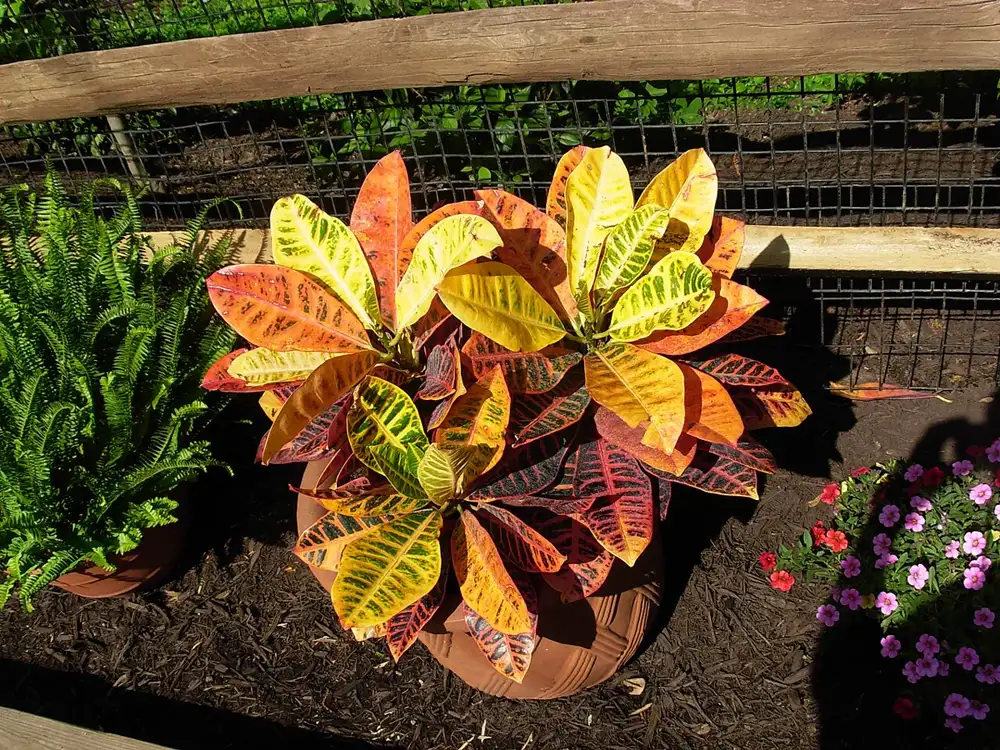
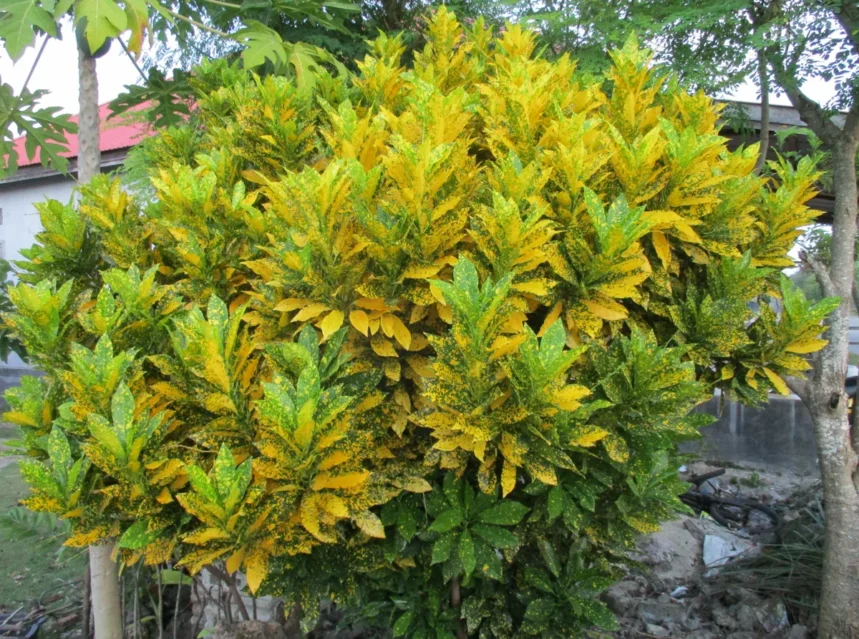 Well-grown garden croton shrub covered in gold-speckled yellow and green leaves
Why is my croton not growing? Too little light is the top cause — a croton needs lots of bright light both to grow and to keep its fiery colour, so in a dim spot it stalls and fades to plain green. A winter pause, overwatering, cold, or a recent move can also stop it growing.
Quick answer: Check the season and the light. In autumn and winter, no new growth is normal. In the growing season, move it to your brightest spot, water only when the top inch dries, and feed lightly. Match the cause below.
🧰 In a hurry? Jump straight to our tested picks for this guide ↓
Why is my croton not growing? Quick diagnosis
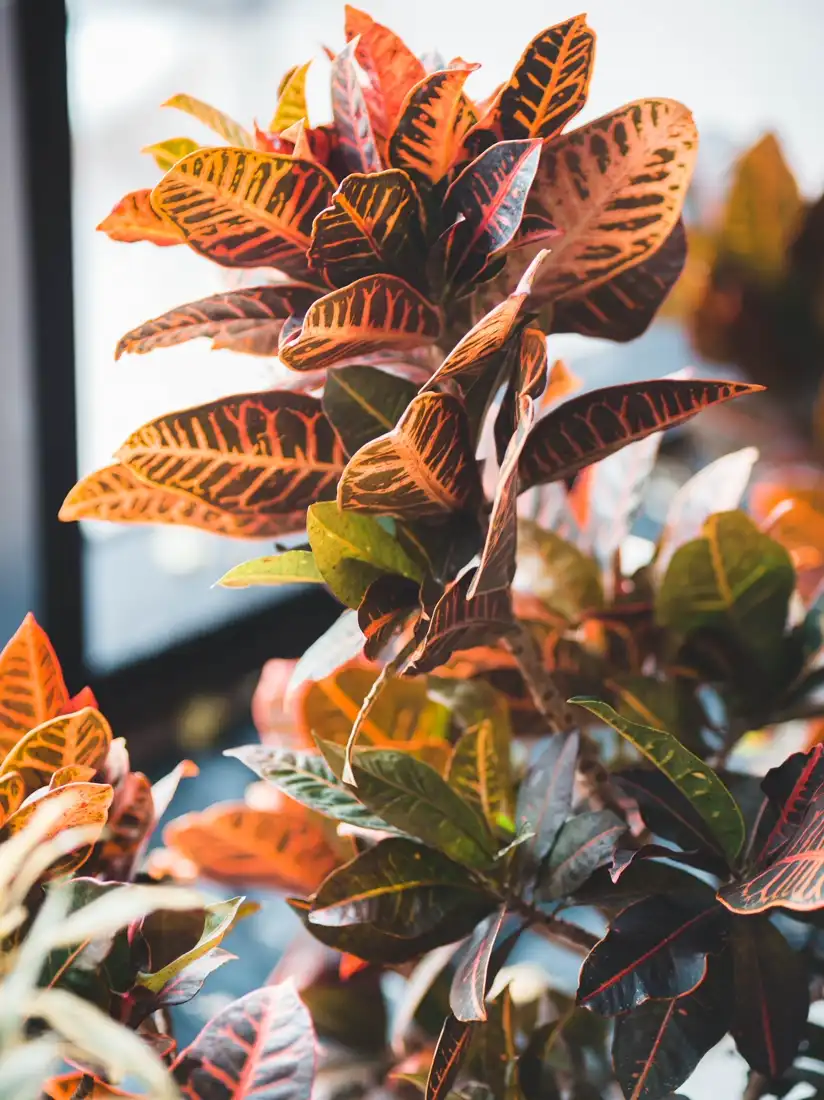
| What you see | Most likely cause |
|---|---|
| Stalled and fading to green in a dim spot | Too little light |
| No new growth in autumn or winter | Normal winter rest |
| Stalled with soggy soil and leaf drop | Overwatering and root rot |
| No growth soon after buying or moving it | Acclimatisation stress |
| Slow, pale growth despite good light | Needs feeding |
| Stalled, speckled leaves with fine webbing | Spider mites |
Light: the number one cause
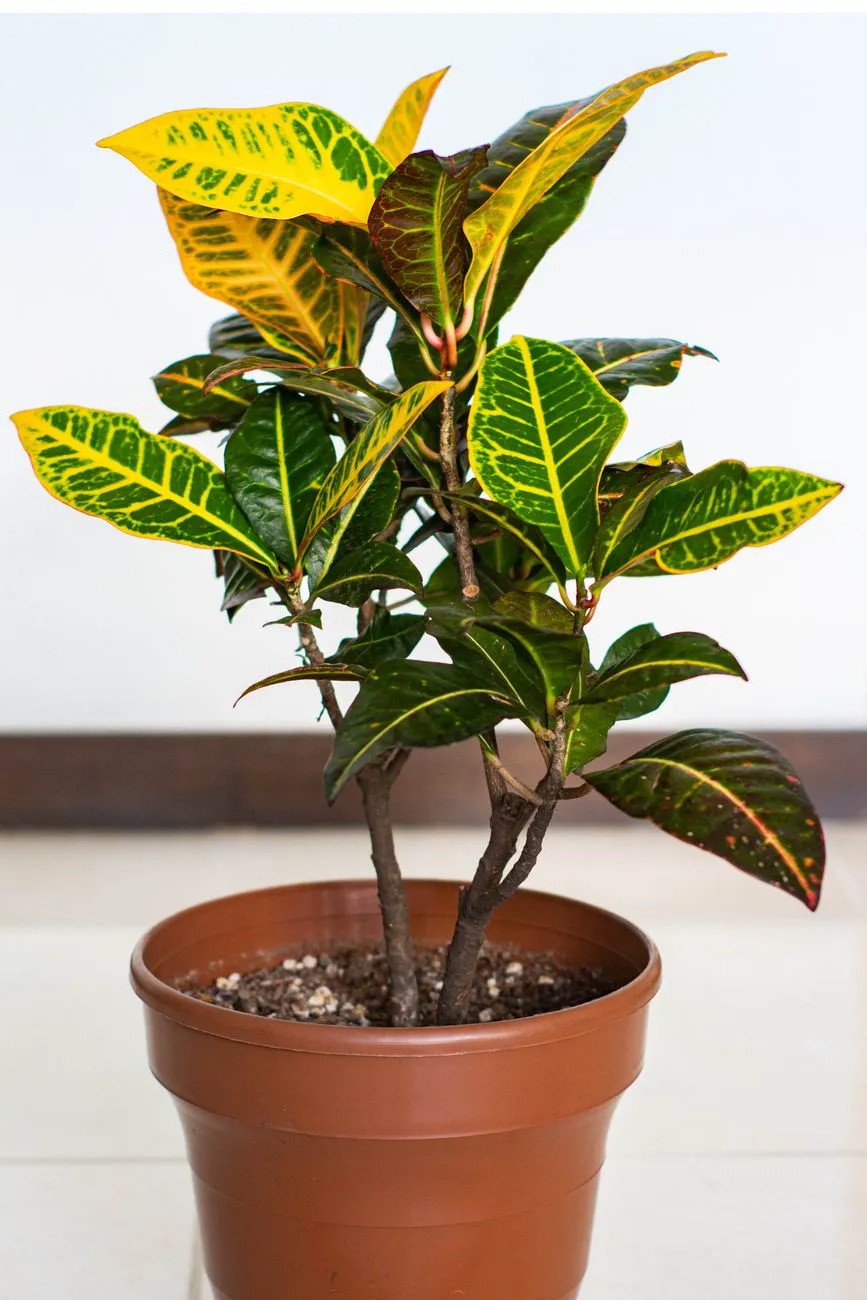
Light is usually the answer. A croton is a sun-lover, and it needs plenty of bright light to fuel new growth. In a dim spot, it simply cannot gather the energy to grow.
There is a clear tell here. Poor light not only stalls the plant, it also fades the bold colours back to plain green. So a croton that stops growing and loses its fiery tones almost always needs more light, as our croton care guide explains. Give it a bright spot, or a grow light in a dark room, as our grow light guide covers. Too little light is the top reason a croton stops growing.
Is it just winter?
Before you worry, check the calendar. A croton grows in the warm months, then rests in autumn and winter, so no new leaves in the cooler season is normal.
So do not force a resting plant. Ease off the feeding and water less in winter, and wait. Growth picks up again on its own once the warm season returns. Trying to push a dormant croton into growth just stresses it, and often leads to overwatering.
Do not overfeed a stalled plant
Here is a mistake many people make. When a croton stops growing, they reach for more fertiliser. But if the real cause is low light or winter rest, extra feed does not help.
Worse, feeding a plant that cannot use it builds up salts and burns the roots. So fix the light and season first. Then feed lightly, only in spring and summer, with a balanced houseplant food, as our potting soil guide covers. Feed the growing plant, not the resting one.
New plant? Give it time to settle
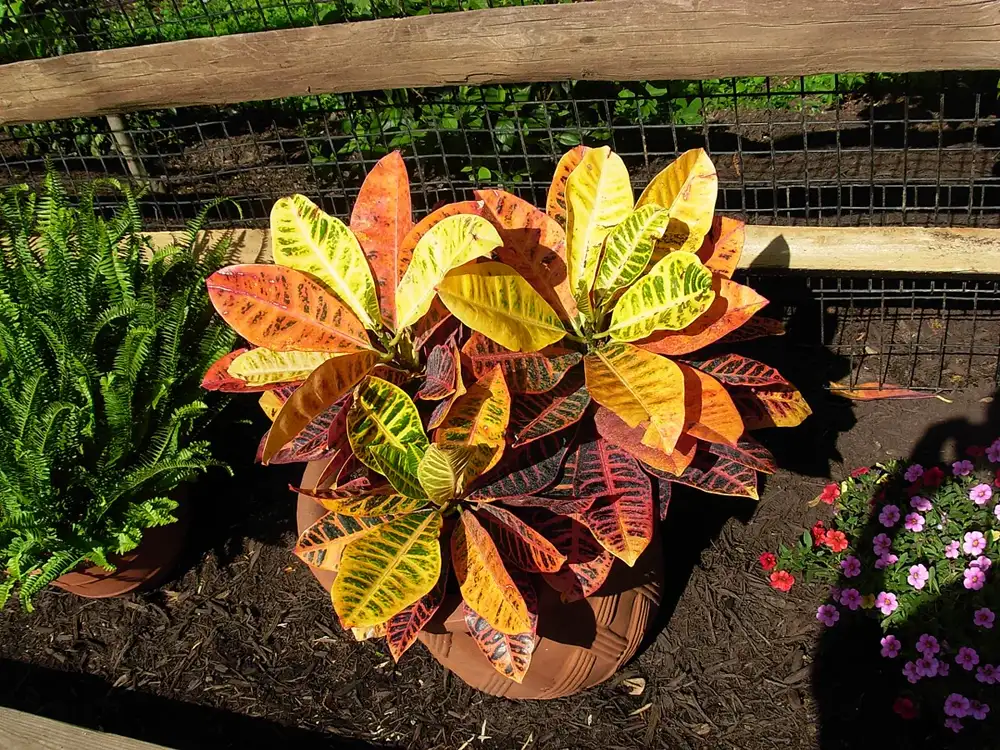
A recent move explains many stalls. A croton hates change, so a newly bought or moved plant often sulks, pauses and even drops a few leaves while it adjusts.
So be patient, and do not repot or overwater a sulking new croton. Keep it in a stable, warm, bright spot, water on a steady routine, and let it settle. Once it acclimatises, it starts growing again, much like our croton leaf-drop guide covers for the same drama-prone plant.
Overwatering and root rot
Too much water stalls it in a sneaky way. When the soil stays soggy, the roots rot, so they cannot take up the water and food the plant needs to grow. Growth then stops, often with leaf drop.
The clue is soggy soil and a soft, smelly base. So check the roots, trim any black, mushy ones, and repot into fresh, airy mix. Treat it as root rot, and let the top inch dry before the next drink, as our watering guide shows.
Warmth, humidity and pests
A few more things slow it down. A croton is tropical, so cold draughts and chilly rooms stall its growth, and it likes moderate to high humidity, as our humidity guide shows. So keep it warm and away from vents and cold windows.
Pests sap its energy too. Crotons are prone to spider mites, which stall growth as they feed, so check the undersides and treat with neem oil if you find them, as our spider mite guide covers. The Royal Horticultural Society recommends warmth, humidity and good light for codiaeum.
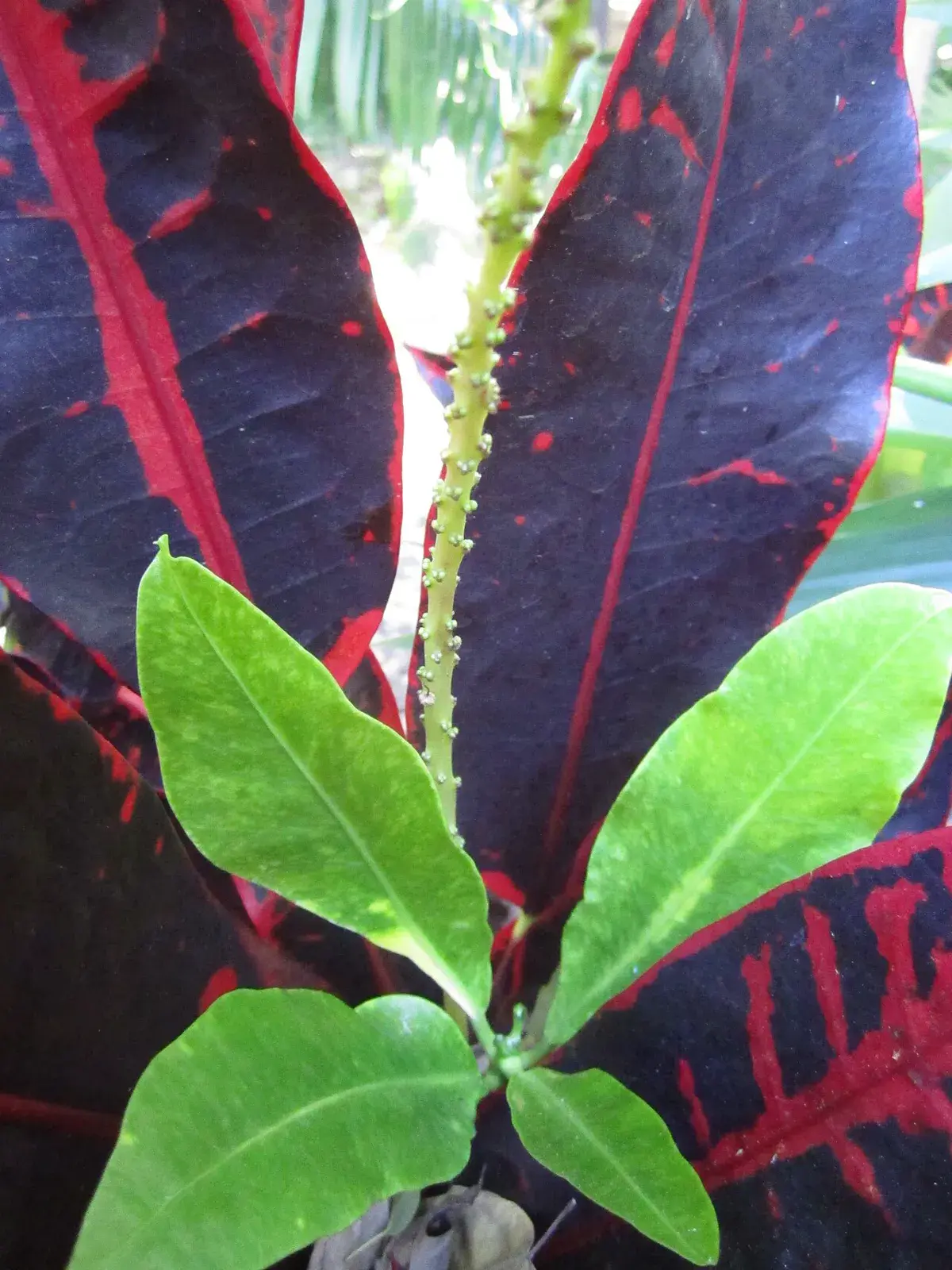
Croton not growing in India
Two things stall crotons in India: dim indoor corners and the cool winter pause.
Croton grows well in the warm, bright parts of the country, and it colours up beautifully in good light. In a dark corner it stops growing and fades, so keep it by a bright window or on a sheltered balcony with plenty of light. In the cooler winter it naturally pauses, so ease off feeding and watering then. Growth returns with the warm season. Our croton plant care guide has more.
How to get a croton growing again
- Move it to your brightest spot, which also restores its colour.
- Expect a natural pause in autumn and winter.
- Feed lightly, only in spring and summer, once light is good.
- Give a new or moved plant weeks to settle, and do not fuss.
- Water only when the top inch is dry, and never leave it soggy.
- Keep it warm, humid, and free of spider mites.
Bright new colourful leaves from the tips are the sign your croton is growing happily again.
Frequently asked questions
How do I get my croton to grow faster?
Give it more light first, since that drives growth. Place it in your brightest spot, or add a grow light, which also deepens its colour. Then feed lightly in the growing season, keep it warm and humid, and water only when the top inch dries. Steady, bright, warm conditions push out new leaves.
Is it normal for a croton to stop growing in winter?
Yes, it is normal. A croton grows in the warm months and rests in autumn and winter, so no new leaves in the cooler season is expected. Ease off feeding and water less then. Growth returns on its own once the warm season comes, so there is no need to force it.
Why is my croton not growing and losing colour?
That is almost always too little light. A croton needs bright light both to grow and to hold its fiery colours, so in a dim spot it stalls and fades to plain green. So move it to your brightest window or add a grow light. Better light restores both the growth and the colour.
Why is my new croton not growing?
It is probably still settling in. Crotons hate change, so a newly bought or moved plant often pauses, and may drop a few leaves, while it adjusts. So keep it in a stable, bright, warm spot, water on a steady routine, and do not repot yet. It should start growing once it has acclimatised.
How fast should a croton grow?
Crotons are moderate growers rather than fast ones. Indoors, expect a handful of new leaves over a growing season and perhaps 15 to 30 centimetres of height in a good year, mostly between spring and early autumn. Outdoors in a warm tropical climate they grow noticeably quicker and can become large shrubs. So a plant that adds little in a cool, dim room is normal, not necessarily unwell.
Does a root-bound croton stop growing?
It can. When roots fill the pot and start circling, the plant cannot take up enough water and nutrients, so growth stalls and the soil dries out very quickly. Roots poking through the drainage holes are a clear sign. Slide the plant out and check in spring. If the root ball is a dense mat, tease the outer roots loose and move it into a slightly larger pot.
What size pot does a croton need?
Only a little bigger than the one it is in. Choose a pot around three to five centimetres wider in diameter, with drainage holes. An oversized pot holds far more damp soil than the roots can use, which invites root rot and actually slows growth. Repot every one to two years while the plant is young, always in spring or early summer, using fresh free-draining potting mix.
How often should I feed a croton?
Feed during the growing season only. A balanced liquid houseplant fertiliser at half strength, roughly every four to six weeks from spring to early autumn, is plenty. Stop feeding in late autumn and winter, when the plant is resting and cannot use the nutrients. Always water the soil first, because feeding dry roots can burn them. Too much fertiliser causes weak, soft growth and salt build-up in the pot.
Can overwatering stop a croton from growing?
Yes. Soil that stays wet pushes air out of the root zone, and damaged roots cannot supply the plant, so growth stops even though the pot looks well cared for. Water only when the top two to three centimetres feel dry, let the excess drain away, and never leave the pot standing in a saucer of water. If the soil smells sour, check the roots for soft brown rot.
Does pruning help a croton grow bushier?
It does. Cutting back leggy stems in spring, just above a leaf node, encourages the plant to branch from lower down instead of stretching upwards. Take no more than about a third of the plant at a time, and use clean, sharp secateurs. The milky sap can irritate skin, so wear gloves and wash up afterwards. Fresh shoots usually appear within a few weeks in warm, bright conditions.
Do crotons need warmth and humidity to grow?
Yes, both matter. Crotons grow best between roughly 18 and 29 degrees Celsius with humidity above about forty percent. Cool rooms, cold draughts and dry heated air all slow them to a standstill. Keep the plant away from air conditioners and heaters, stand the pot on a pebble tray, or group it with other plants. In humid parts of India, crotons often grow far more freely outdoors than indoors.
Why is my croton tall and leggy with small new leaves?
That is a classic light problem. In dim conditions the plant stretches towards the nearest window, spacing its leaves widely and producing smaller, paler ones. Move it to a bright spot with several hours of indirect light, or add a grow light in a dark room, and turn the pot regularly so it grows evenly. Prune the stretched stems back in spring, and the new growth should be shorter and better coloured.
Sources and further reading
Related guides
- Croton plant care guide
- Why is my croton losing leaves
- Why are my croton leaves curling
- Why is my croton drooping
- Best grow lights
- Root rot
Still stuck? Ask the Plant Doctor
Describe the problem — yellow leaves, holes, no flowers — and get a clear answer in seconds. FreeAI can make mistakes. Answers are guidance, not a guarantee — check anything important against the guide it links to, and always read the label on any product before you use it.