Buphthalmum Yellow Ox-Eye Seeds
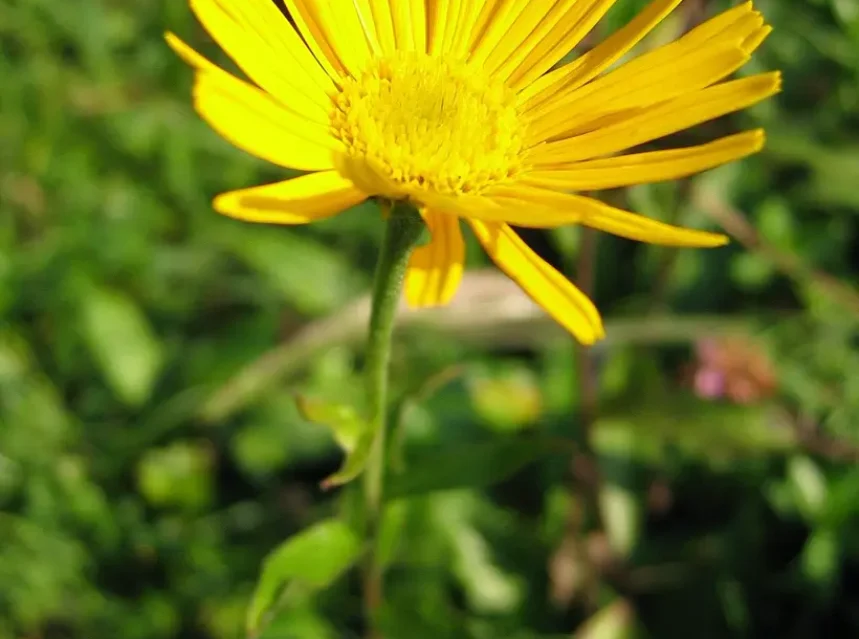
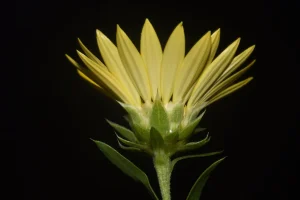
Buphthalmum yellow ox-eye seeds grow into one of the longest-flowering yellow daisies you can sow. Plant buphthalmum yellow ox-eye seeds and you get Buphthalmum salicifolium, a tough European perennial. It carries golden daisies from early summer into autumn. Below sits a neat clump of narrow, willow-like leaves. This guide covers sowing, care and honest notes worldwide.
This article is for ornamental gardening only. It makes no medicinal, herbal, or edible claims of any kind.
🧰 In a hurry? Jump straight to our tested picks for this guide ↓
Quick start
- Plant type: hardy herbaceous perennial.
- Family: Asteraceae (daisy family).
- Origin: central and southern Europe.
- Height: 50–70 cm; tidy clump.
- Bloom time: early summer to autumn.
- Flower: golden-yellow daisy, about 6 cm.
- Light: full sun.
- Soil: poor, sharply drained, even chalky.
- Wildlife: a magnet for bees and butterflies.
- Seed tip: surface-sow; needs light.
Authority sources: Wikipedia — Buphthalmum salicifolium, RHS, Thompson & Morgan.
Buphthalmum yellow ox-eye seeds at a glance
| Feature | Detail |
|---|---|
| Botanical name | Buphthalmum salicifolium |
| Family | Asteraceae (daisy family) |
| Common names | Yellow ox-eye, willow-leaf ox-eye |
| Native range | Central and southern Europe |
| Life cycle | Hardy herbaceous perennial |
| Mature size | 50–70 cm tall, compact clump |
| Flower season | Early summer to autumn |
| Flower colour | Golden yellow, about 6 cm |
| Light | Full sun |
| Soil | Poor, sharply drained, chalk-tolerant |
| Germination | Surface-sow; 2–4 weeks |
Why grow yellow ox-eye?
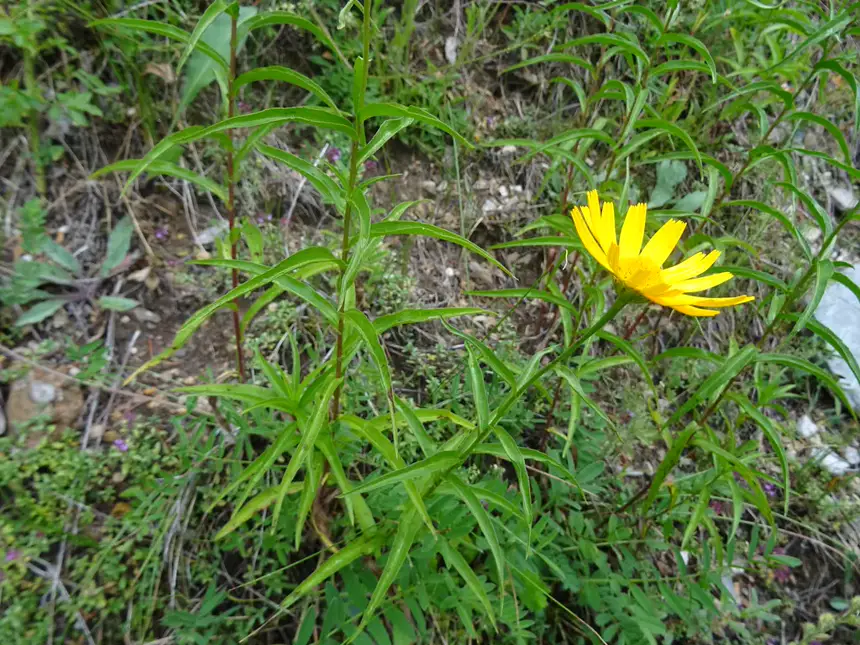
Yellow ox-eye is an easy, generous plant. It earns its place in any sunny border.
First, it flowers for months. Bright golden daisies keep coming from summer into autumn. Few perennials bloom this long.
Second, it is tough. This plant shrugs off drought, poor soil and chalk. It is also a magnet for bees and butterflies.
The yellow ox-eye name and European heritage
Yellow ox-eye comes from the grasslands of Europe. It grows wild on dry, limestone hills, including the Alps.
The name “ox-eye” describes the bold, round, eye-like daisy. The second name, “willow-leaf ox-eye”, points to its narrow leaves. They look much like willow leaves.
We share this purely as background. This guide treats the plant as an ornamental and makes no other claims.
The longest-flowering yellow daisy
This is the plant’s best trick. It simply does not stop.
The golden daisies open in early summer. They keep coming, wave after wave, right into autumn. Each bloom is about 6 cm across, with slightly shaggy rays.
Deadheading keeps the show going. The long, wiry stems also make a fine cut flower. So a small clump fills both the border and the vase for months.
Willow-like leaves and a tidy clump
The foliage is the quiet half of the plant. It behaves beautifully.
Yellow ox-eye forms a neat, branching clump of narrow leaves. They are dark green and willow-shaped, around 10 cm long. The plant stays compact and does not run.
So it suits the front or middle of a border. It mixes well with grasses and other daisies. The clump holds its shape without flopping in poor soil.
A tough limestone native and pollinator magnet
Here is the trait gardeners love most. This plant thrives where others sulk.
Yellow ox-eye is a limestone-grassland native. It is happy in poor, dry, chalky ground. Once settled, it copes well with drought.
It is also superb for wildlife. The open daisies offer easy nectar and pollen. Bees, butterflies and hoverflies all visit through summer. For more bee-friendly colour, see our nepeta catmint seeds.
Best season and when to sow
Spring is the main sowing time. You can also sow in early autumn.
- Spring sowing: sow indoors in early spring at around 21–23°C.
- Autumn sowing: sow outdoors in flats kept sheltered over winter.
- Direct sowing: scatter on prepared ground once soil warms.
Yellow ox-eye is quick from seed. Plants often flower in their first or second year. After that they bloom each summer.
Germination: the seed-starting secret
The key is light. The seed needs it to sprout, so do not bury it deep.
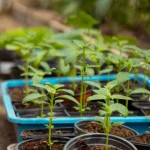
Surface-sow the seed and barely cover it. Keep the compost moist and warm, around 21–23°C. Germination takes two to four weeks.
Once seedlings appear, grow them on in bright light. They prick out and transplant easily. Harden off before planting out after frost.
How to plant yellow ox-eye step by step
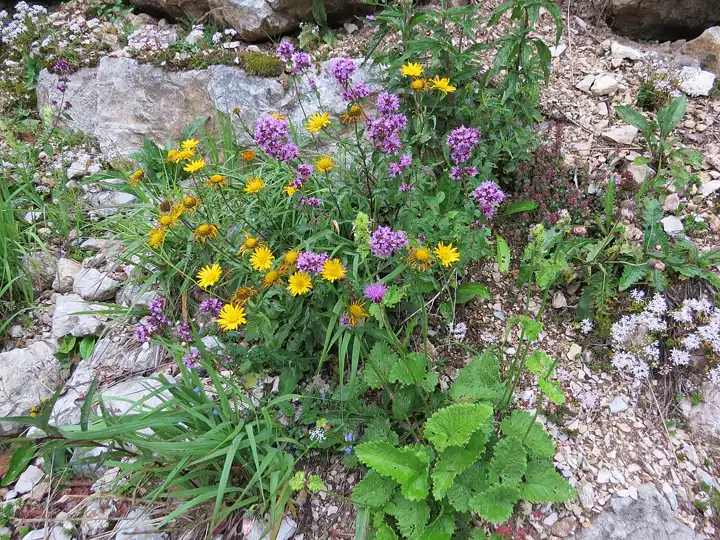
- Surface-sow seed in spring; barely cover it.
- Keep the compost moist and warm.
- Wait two to four weeks for germination.
- Prick out seedlings into small pots.
- Grow on and harden off after the last frost.
- Plant out in full sun, about 20–30 cm apart.
- Choose free-draining soil; avoid rich, wet ground.
- Water until established, then leave it to cope.
Sun, soil, watering and feeding
Give yellow ox-eye full sun. It flowers poorly in shade and may flop.
Soil should be free-draining, even poor or chalky. This plant hates wet winter ground, which can rot the crown. Sharp drainage is far more important than richness.
Water young plants through dry spells. Once established, it is drought-tolerant. Skip the feed, as rich soil makes soft, floppy growth.
Common pests and diseases
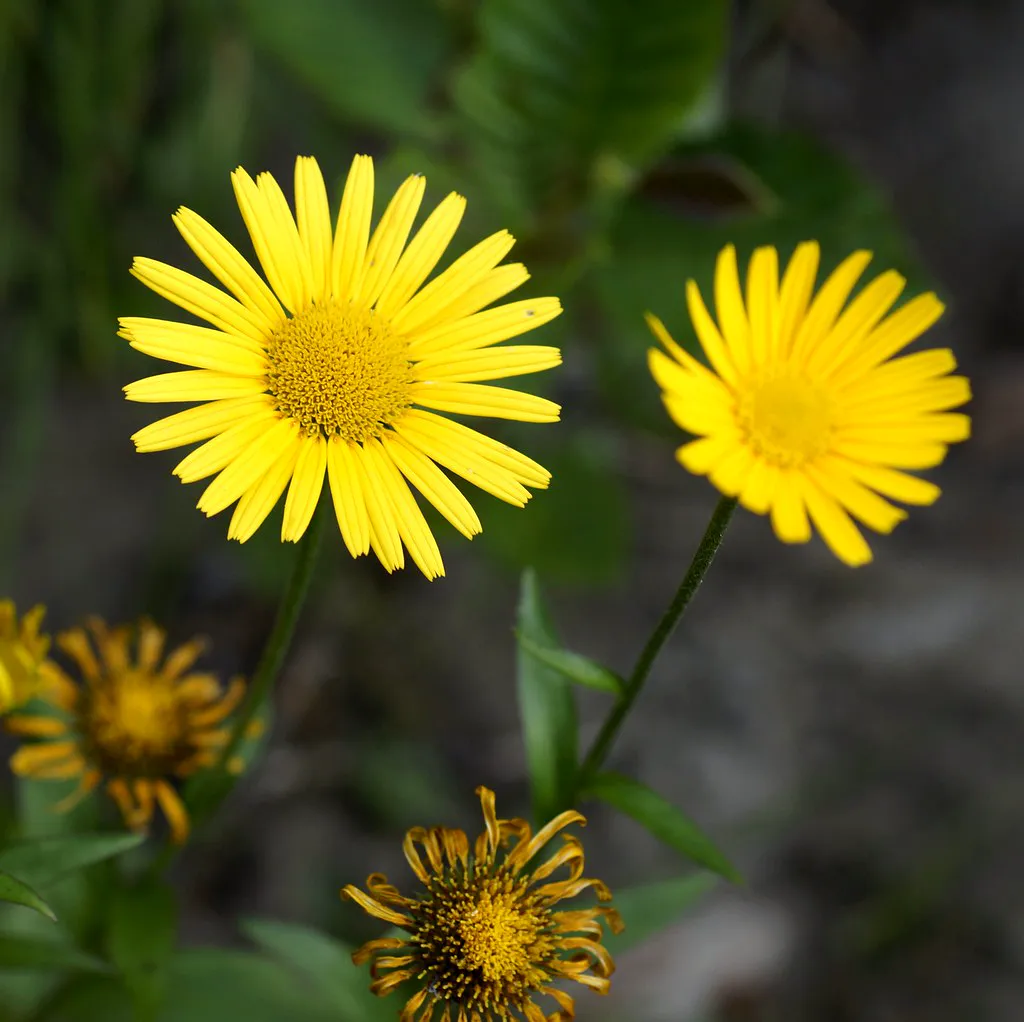
Yellow ox-eye is robust and mostly trouble-free. A few issues can appear.
Slugs and snails may nibble young spring growth. Aphids sometimes gather on buds. In hot, dry stress, a little powdery mildew can show on the leaves.
The main real risk is root-rot in soggy soil. Good drainage prevents it and fixes most problems. Otherwise this is a healthy, easy plant.
Common problems and quick fixes
- Floppy, leggy stems: soil too rich or too shady. Use poorer soil and full sun.
- Few flowers: too much shade. Move to a sunnier spot.
- Short-lived plant: wet winter soil. Improve drainage.
- Mildew on leaves: drought stress. Water in long dry spells.
- Seed will not sprout: seed buried too deep. Surface-sow next time.
Yellow ox-eye versus other “ox-eye” plants
Several daisies share the “ox-eye” name. Here is how to tell them apart.
| Plant | Botanical name | What it is |
|---|---|---|
| Yellow ox-eye (this guide) | Buphthalmum salicifolium | Golden daisy, willow leaves, tidy 50–70 cm clump |
| Giant ox-eye | Telekia speciosa | Much bigger, bold plant to ~1.8 m, large leaves |
| Oxeye sunflower | Heliopsis helianthoides | Taller, stiffer yellow daisy |
| Ox-eye daisy | Leucanthemum vulgare | The white meadow daisy, not yellow |
So always check the botanical name when you buy seed. Only Buphthalmum salicifolium gives the tidy clump and the months-long golden show.
Design ideas for buphthalmum yellow ox-eye seeds
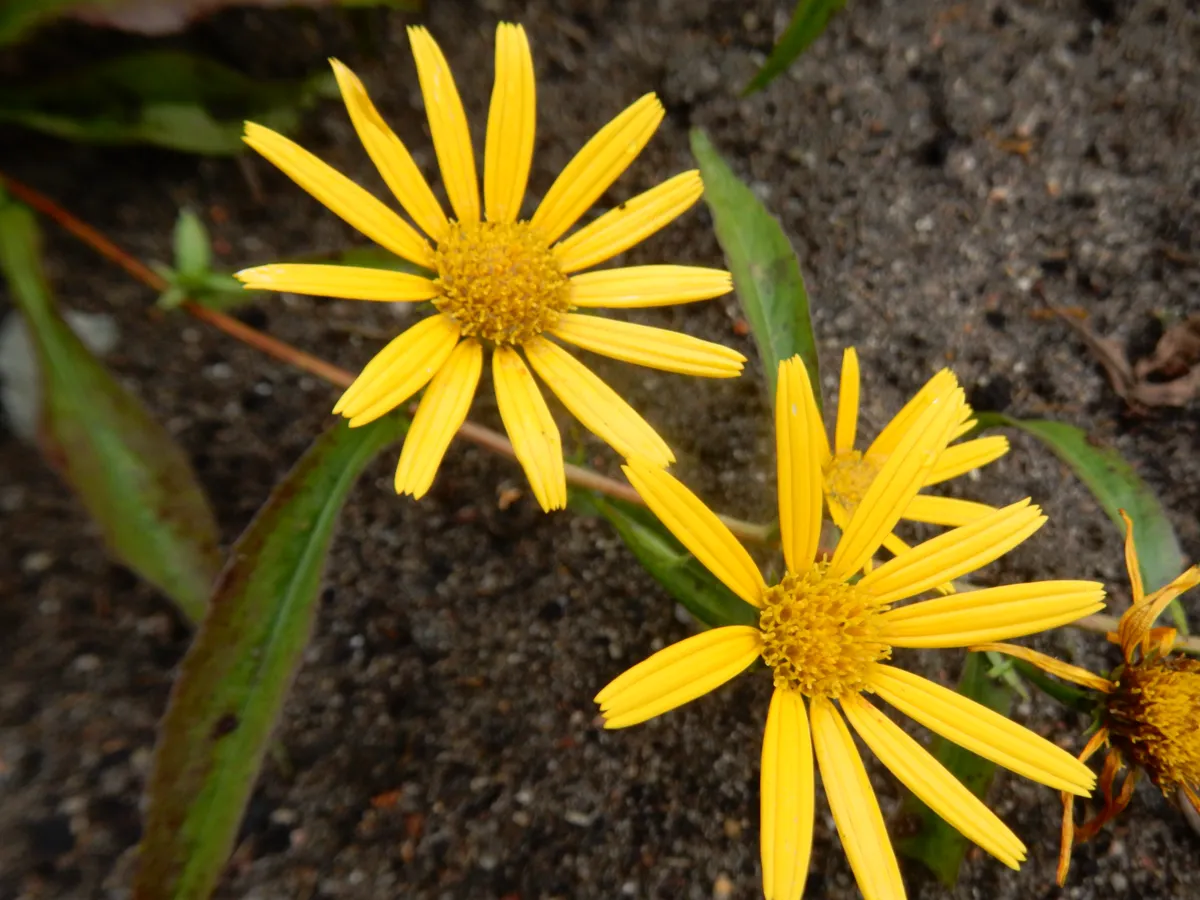
This sunny daisy suits many natural, low-care schemes. A few proven uses:
- Cottage gardens: long-flowering gold among mixed perennials.
- Wildlife borders: easy nectar for bees and butterflies.
- Cut-flower beds: long, wiry stems for the vase.
- Gravel and dry gardens: thrives in poor, sharp soil.
- Prairie plantings: mixes well with grasses and other daisies.
- Blue-and-gold schemes: pair with lavender, salvia or catmint.
Buy buphthalmum yellow ox-eye seeds
Growing yellow ox-eye in India: an honest take
Let us be honest about this plant. Yellow ox-eye is a cool temperate European perennial.
It is tougher than many cool-climate plants. It takes sun, drought and poor soil well. But the hot, humid Indian plains are still a poor match long-term.
Cool hill gardens are the realistic home. Think Himachal, Uttarakhand, Kashmir, Sikkim, Darjeeling and the Nilgiris. On the plains, treat it as a cool-season pot plant and expect a short run. For wildlife, count on bees and butterflies. There are no hummingbirds here, as they live only in the Americas. For a tougher Indian sun-lover, try our gaillardia seeds.
Companion plants and related guides
Yellow ox-eye pairs well with other sunny daisies and pollinator plants. Explore these guides to build a long-flowering, wildlife-friendly border:
- Heliopsis false sunflower seeds — a taller golden daisy cousin
- Rudbeckia seeds — classic black-eyed gold
- Echinacea coneflower seeds — bold pollinator partner
- Coreopsis seeds — airy yellow daisies
- Gaillardia seeds — heat-tough blanket flower
- Helenium seeds — warm late-summer tones
- Liatris seeds — purple butterfly spikes
- Ratibida Mexican hat seeds — prairie daisy
- Shasta daisy seeds — the white daisy partner
- Nepeta catmint seeds — blue bee magnet
- Salvia seeds — long-flowering spires
- Scabiosa seeds — pincushion cut flower
Frequently asked questions
What is the difference between yellow ox-eye and the ox-eye daisy?
They are different plants. Yellow ox-eye is Buphthalmum salicifolium, a golden daisy with willow-like leaves. The common “ox-eye daisy” is Leucanthemum vulgare, the white meadow daisy. There is also a giant ox-eye, Telekia speciosa, which is far larger. Always check the botanical name on the seed packet.
How long does buphthalmum flower, and is it good for cutting?
It is one of the longest-flowering yellow daisies. Blooms open in early summer and keep coming into autumn, especially if you deadhead. The long, wiry stems also make an excellent cut flower, so a small clump supplies the vase for months.
How do I grow yellow ox-eye from seed?
The seed needs light, so surface-sow it and barely cover it. Keep it moist and warm, around 21–23°C, and it germinates in two to four weeks. Sow in spring or autumn. Plants are quick and often flower in their first or second year.
Can I grow yellow ox-eye in India?
Only in the right place. It is a cool temperate plant, though it is tougher than most. Cool hill gardens in Himachal, Uttarakhand, Kashmir, Sikkim and the Nilgiris suit it best. On the hot plains, grow it as a cool-season pot plant. Expect bees and butterflies, not hummingbirds, which live only in the Americas.
How long do yellow ox-eye seeds take to germinate?
Usually two to four weeks at around 20 to 23 °C (68 to 73 °F). Some batches sprout in as little as a week, so do not clear the tray too soon.
Do the seeds need light or should I cover them?
Sow them on the surface and press them into contact with the compost rather than burying them. Keep the surface damp until seedlings appear.
Is Buphthalmum salicifolium an annual or a perennial?
It is a hardy herbaceous perennial. Plants die back in winter and return from the crown each spring.
How tall and wide does yellow ox-eye get?
Expect roughly 60 to 80 cm (24 to 32 inches) tall and about 50 cm (20 inches) across once settled. Plants reach full size within a few seasons.
Will it flower in the first year from seed?
Sown early under cover it sometimes gives a few late blooms, but most plants put on leaf and root the first year and flower properly in year two.
How do I keep it flowering for longer?
Deadhead spent flowers regularly through the season. Removing them before seed sets pushes the plant to keep producing new buds.
What soil and site suit yellow ox-eye best?
Full sun and ordinary, free-draining soil are ideal. It tolerates poor and stony ground, and overly rich soil tends to make the stems flop and need support.
Still stuck? Ask the Plant Doctor
Describe the problem — yellow leaves, holes, no flowers — and get a clear answer in seconds. FreeAI can make mistakes. Answers are guidance, not a guarantee — check anything important against the guide it links to, and always read the label on any product before you use it.