Best Scorzonera Seeds
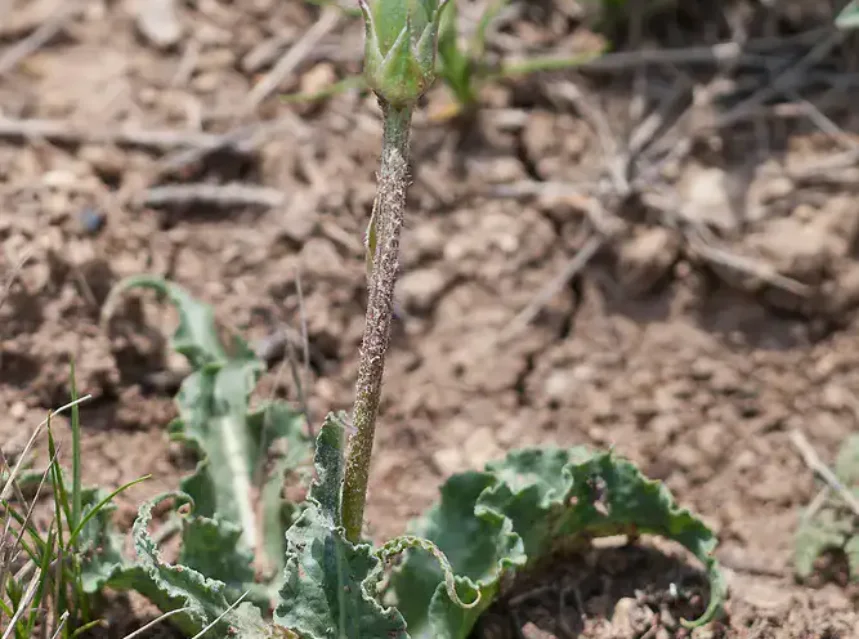
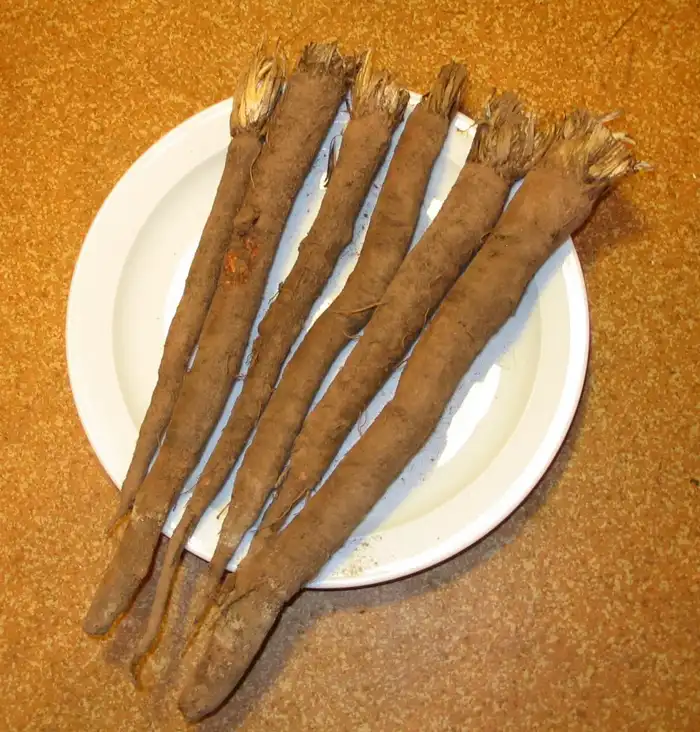
The best scorzonera seeds grow long, black-skinned roots with sweet, creamy white flesh and a delicate flavour often likened to oyster or asparagus. This heritage root is patient work, but the harvest is something special.
Scorzonera is a hardy perennial root vegetable, Scorzonera hispanica, usually grown as an annual for its dark-skinned taproot. It is widely known as black salsify or Spanish salsify.
🧰 In a hurry? Jump straight to our tested picks for this guide ↓
Quick start
- Type: Hardy perennial root, grown as an annual
- Sow: Direct outdoors in spring; do not transplant
- Soil: Deep, loose, stone-free, well-drained
- Sun: Full sun
- Harvest: Roots from autumn onward
- Best for: Heritage-veg fans, deep beds, winter roots
Scorzonera belongs to the daisy family (Asteraceae). For background, see Scorzonera hispanica on Wikipedia and the RHS guide to growing scorzonera.
Why grow scorzonera?
Scorzonera offers a flavour you rarely find in shops. Its creamy flesh is subtle, sweet and a little nutty.
The roots also keep well in the soil. You can lift them right through winter as you need them.
It rewards gardeners who enjoy a challenge. The long roots need patience, but the result feels worthwhile.
It teams up nicely with its cousin salsify. Many growers raise a row of each to compare.
Scorzonera at a glance
| Feature | Detail |
|---|---|
| Botanical name | Scorzonera hispanica |
| Family | Asteraceae (daisy family) |
| Common names | Scorzonera, black salsify, Spanish salsify |
| Root skin | Dark brown to black |
| Root flesh | Creamy white, sweet |
| Flavour | Delicate, oyster or asparagus-like |
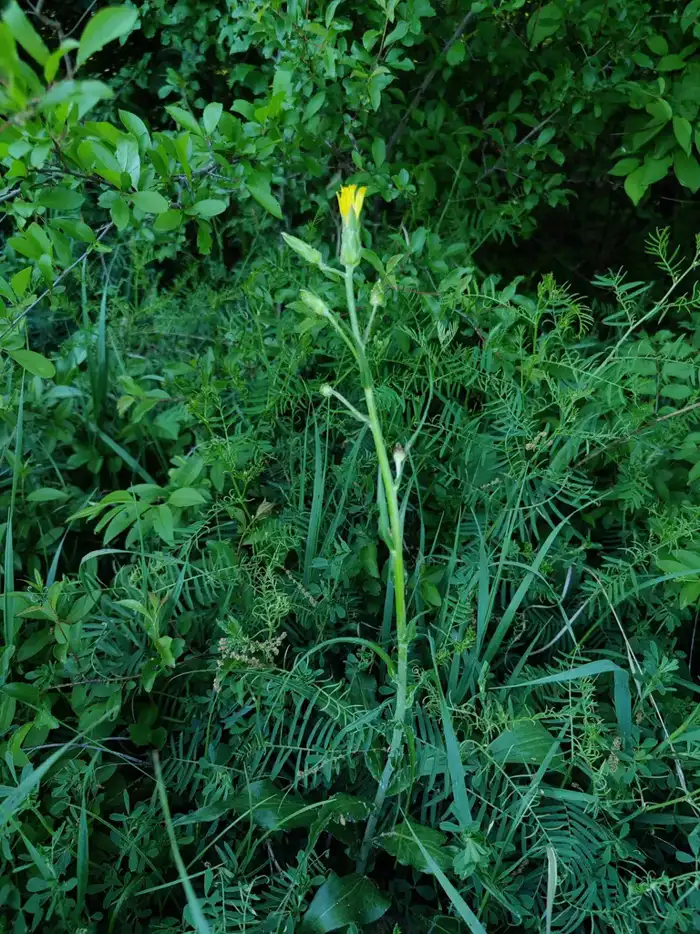
| Flower | Yellow, fragrant (second year) |
| Hardiness | Very hardy; overwinters in soil |
History, origin and how it reached India
Scorzonera traces back to southern Europe and nearby Asia. It was gathered from the wild long before it was farmed.
By the 1600s it had become a valued garden root in Spain and Italy. Its reputation then spread north through Europe.
Cooks prized its gentle flavour and smooth texture. For a time it rivalled its pale cousin salsify in popularity.
In India scorzonera is not a familiar crop. It suits cooler hill gardens with deep, fertile soil.
Best scorzonera varieties to grow
There are only a handful of named types. The table below lists the usual choices.
| Variety | Why grow it |
|---|---|
| Long Black Maxima | Long, thick, reliable dark roots |
| Duplex | Vigorous, productive heritage selection |
| Russian Giant | Heavy roots for a fuller harvest |
| Habil | Smooth, even roots that resist forking |
Always look for fresh, current-season seed. Scorzonera seed ages quickly and then germinates poorly.
Best season and when to plant scorzonera
Scorzonera needs a long stretch to mature. So get it going as early as the soil allows in spring.
In the US and UK, that often falls between March and May. The roots then size up over summer and autumn.
In India, grow it as a winter crop in cool hill areas. Sow once the monsoon eases and the air turns cooler.
Hot weather works against good roots. Heat can push the plant to flower instead of bulking up below ground.
How to grow scorzonera from seed
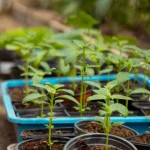
This is a deep-rooting crop that hates disturbance. Always sow it straight into its final bed.
- Dig the soil deeply and pick out stones and clods.
- Remove any fresh manure, which causes forking.
- Sow seed about 1-2 cm deep in rows 30 cm apart.
- Keep the bed moist until seedlings emerge.
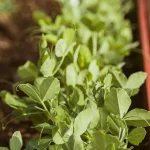
- Thin the young plants to about 10 cm apart.
Germination is unhurried and may take a couple of weeks. Mark the row clearly, much as you would for carrots.
Sun, soil, watering and feeding
Pick an open, sunny site for the best roots. A little shade is tolerated but slows growth.
Deep, loose, sandy soil gives the straightest roots. Compacted or stony ground makes them split, as it does for parsnips.
Keep the moisture steady through dry weeks. Even watering stops the roots turning tough or woody.
Go easy on feeding. A modest, balanced soil grows better roots than a heavily fed one, much like beetroot.
Common pests and diseases
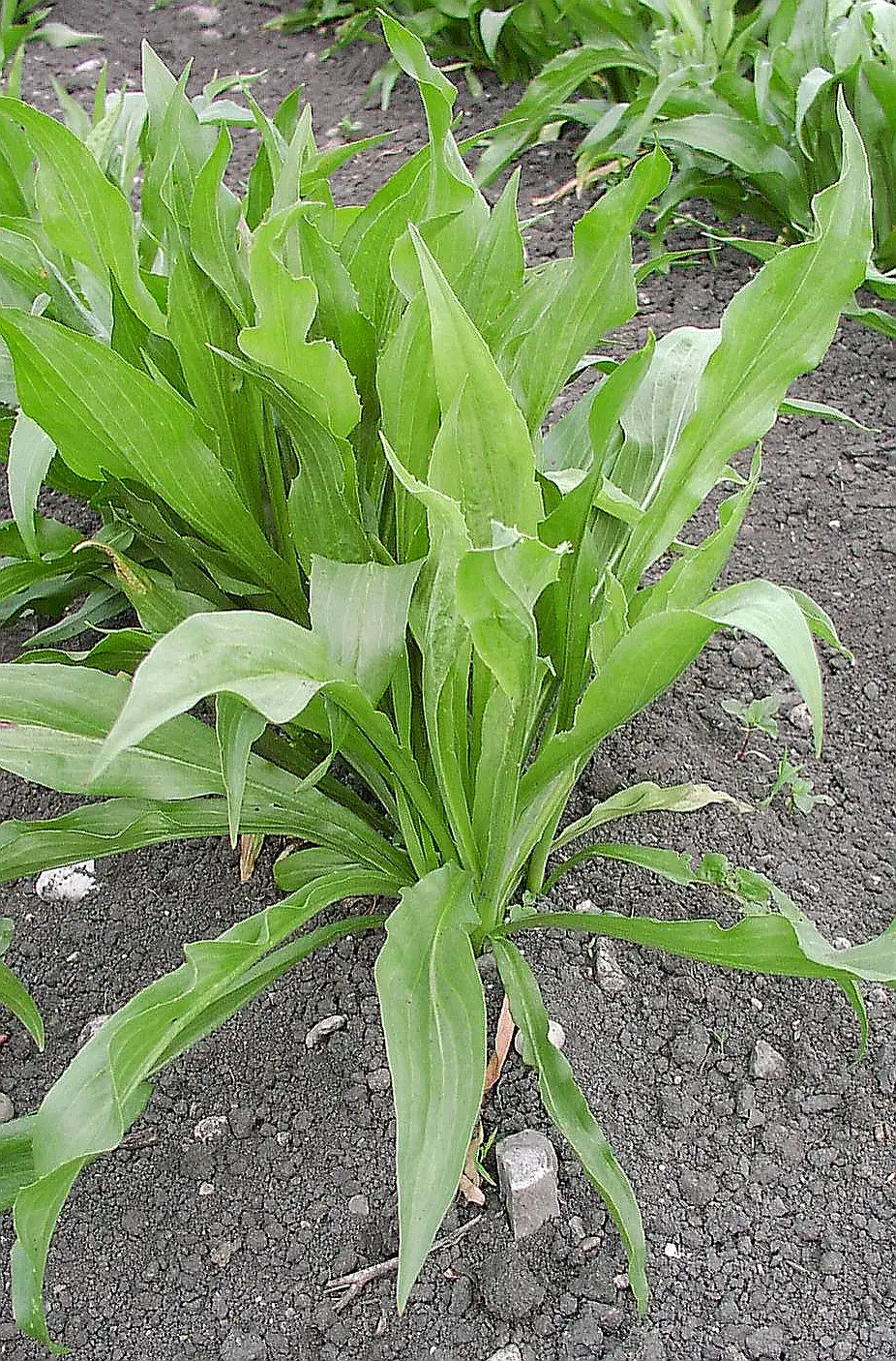
Scorzonera is a calm, low-trouble crop. Only a few issues tend to crop up.
- Slugs: Graze on tender seedlings; shield early rows.
- White blister: Pale fungal patches in damp spells.
- Forked roots: Caused by stones or fresh manure.
- Bolting: Triggered by heat or stress.
Airy spacing and tidy beds head off most problems. Rotate the crop each year, as with turnips.
Harvesting scorzonera
The roots are ready from autumn of the first year. They grow long, so lift them with care.
Loosen the soil deeply with a fork before pulling. The brittle roots snap easily if you rush.
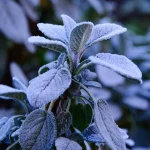
Frost in the ground does no harm at all. In fact, the roots often taste sweeter after a cold snap.
You can leave the crop in the soil all winter. Simply dig roots as the kitchen needs them.
Uses in the kitchen
Scorzonera shines when cooked simply. Boil, steam or roast it to bring out the sweet flavour.
The dark skin slips off easily after cooking. So many cooks scrub and boil the roots whole, then peel.
Handle peeled roots quickly, as the flesh can stain. A little lemon water keeps them pale.
It suits creamy gratins and gentle sauces. Serve it beside leeks and other mild winter vegetables.
This article is for gardening information only and is not health or medical advice. For dietary guidance, consult a qualified professional.
7 tips for the best scorzonera seeds
A few good habits make this fiddly crop far easier. Follow these for long, smooth roots.
- Always sow fresh seed, since old seed sprouts poorly.
- Dig deep and clear every stone before sowing.
- Skip fresh manure, which makes the roots fork.
- Direct-sow only, as the taproot hates moving.
- Thin seedlings early to give each root space.
- Water steadily to keep the flesh tender.
- Leave roots in the ground and lift through winter.
These ideas apply to most deep-rooted vegetables. The same care helps heritage roots like skirret thrive.
Common problems
Most scorzonera setbacks trace to soil or timing. Use this quick guide to put them right.
- Forked roots: Stony or freshly manured soil; dig deeper next time.
- Thin roots: Often crowding; thin seedlings sooner.
- Early flowering: Heat or drought stress; sow earlier and water well.
- Patchy rows: Stale seed; always sow fresh stock.
Storing and saving scorzonera
The soil is the simplest store of all. Roots hold well in the ground through winter.
In hard-freezing areas, lift a batch first. Pack the roots upright in boxes of damp sand.
To save seed, let a few plants flower in their second year. They carry bright yellow, fragrant blooms.
Collect the fluffy seed heads on a dry day. Store the seed cool and dry, and sow it fresh next spring.
Good companion plants
Scorzonera fits neatly into a deep-root bed. Group it with crops that enjoy the same loose, stone-free soil.
Its cousin salsify makes the obvious partner. Together they form a fascinating heritage-root corner.
Leafy crops can share the row edges. They use the space above while scorzonera works below. For more detail, see our wider scorzonera growing notes.
Scorzonera vs salsify: what is the difference?
The two are often confused, but they differ clearly. Scorzonera has black skin and yellow flowers.
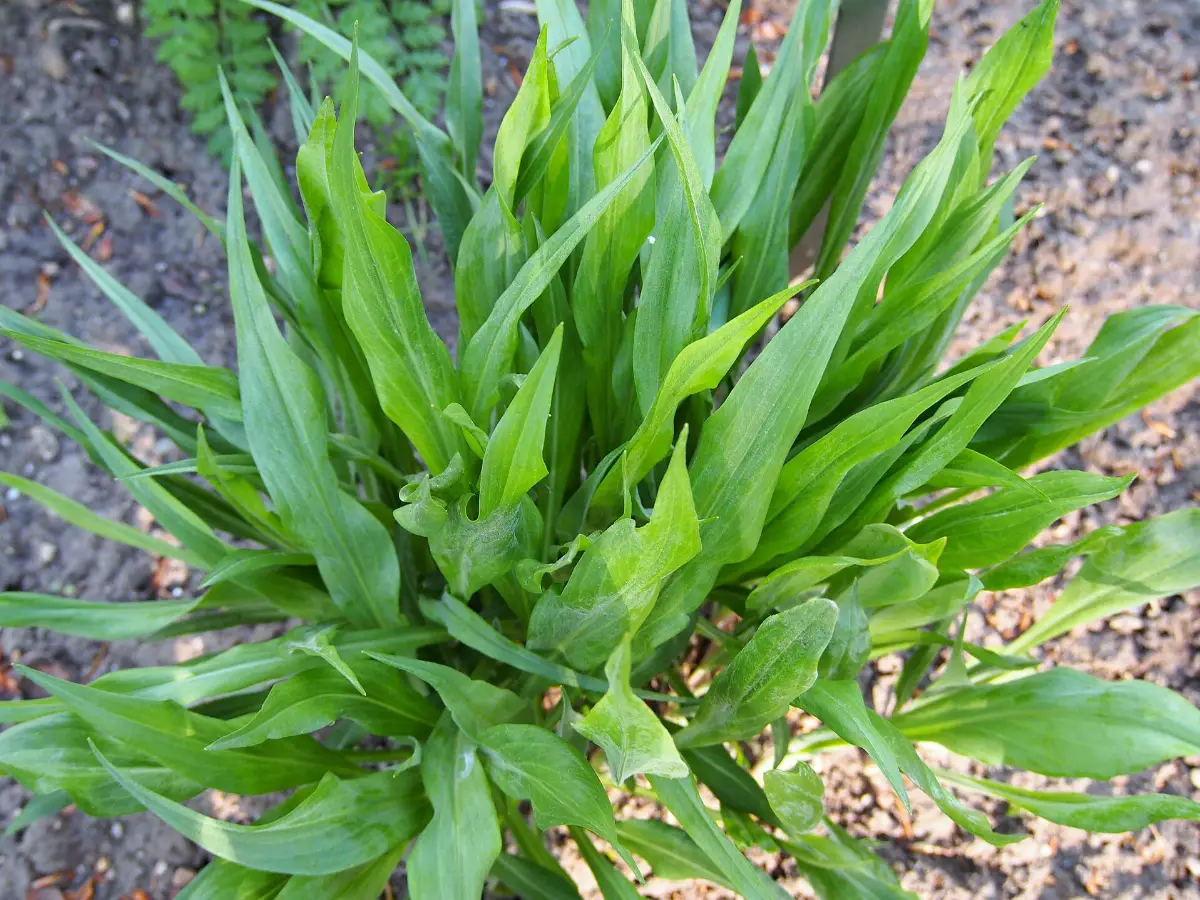
Salsify has pale, creamy skin and purple flowers. Its flavour is similar yet a touch lighter.
Both need the same deep, loose, stone-free soil. So they grow side by side with ease.
Frequently asked questions
Why is scorzonera called black salsify?
Its roots have dark, almost black skin, unlike the pale skin of true salsify. The flavour is similar, which adds to the comparison.
How long does scorzonera take to grow?
It needs most of a long season, with roots ready from autumn. Frost in the soil only improves the taste.
Can I grow scorzonera in India?
Yes, in cooler hill regions as a winter crop. Sow after the monsoon and avoid the hottest months.
Do I peel scorzonera before or after cooking?
After is easier. Cook the roots with the skin on, then the dark skin rubs off cleanly.
How long do scorzonera seeds stay viable?
Seed is usually reliable for about two years and drops off sharply after that, so a fresh packet each season or the next gives far better germination than digging out an old one. Buying current-season seed is one of the simplest ways to avoid patchy rows.
Can you grow scorzonera in a container?
Yes, as long as the pot is deep, ideally 30 cm or more, since the taproot needs room to grow straight down. Use a loose, stone-free mix and keep the moisture steady, just as you would in open ground.
Can you eat scorzonera roots in their second year?
Not really. The roots are at their best in the first year; left to a second season, most of the plant’s energy goes into flowering and the roots turn tough and woody. If you want to save seed, let a few first-year roots stay in the ground to flower rather than trying to eat second-year roots.
Is scorzonera good for blood sugar or digestion?
Like many root vegetables in the daisy family, it contains inulin, a fibre some studies link to steadier blood sugar and better gut health. This is general nutrition information rather than medical advice, so anyone managing diabetes or a digestive condition should check with a doctor or dietitian before relying on it.
What do scorzonera flowers look like, and do pollinators visit them?
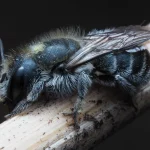
Second-year plants send up tall stems topped with bright yellow, faintly fragrant, dandelion-like flowers. Bees are regular visitors to the open blooms, so leaving a few plants to flower also feeds pollinators while you collect seed.
Does scorzonera come back every year on its own?
It is a true perennial, but most gardeners treat it as an annual or biennial crop because the roots are only worth eating in their first year. Left in the ground, the plant will keep growing and flowering, but you would be sacrificing the edible harvest to do it.
How long does scorzonera take to germinate?
Expect seedlings within about one to two weeks in reasonably warm soil, though cool spring conditions can slow this down further. Mark the row clearly while you wait, since the thin seedlings are easy to mistake for weeds.
Scorzonera is a rewarding heritage root for patient, hands-on gardeners. With the best scorzonera seeds, deep soil and a long season, you can enjoy its sweet, oyster-like flavour right through winter. For more unusual roots, see our guides on rampion and sea kale.
Still stuck? Ask the Plant Doctor
Describe the problem — yellow leaves, holes, no flowers — and get a clear answer in seconds. FreeAI can make mistakes. Answers are guidance, not a guarantee — check anything important against the guide it links to, and always read the label on any product before you use it.