Best Wonderberry Seeds
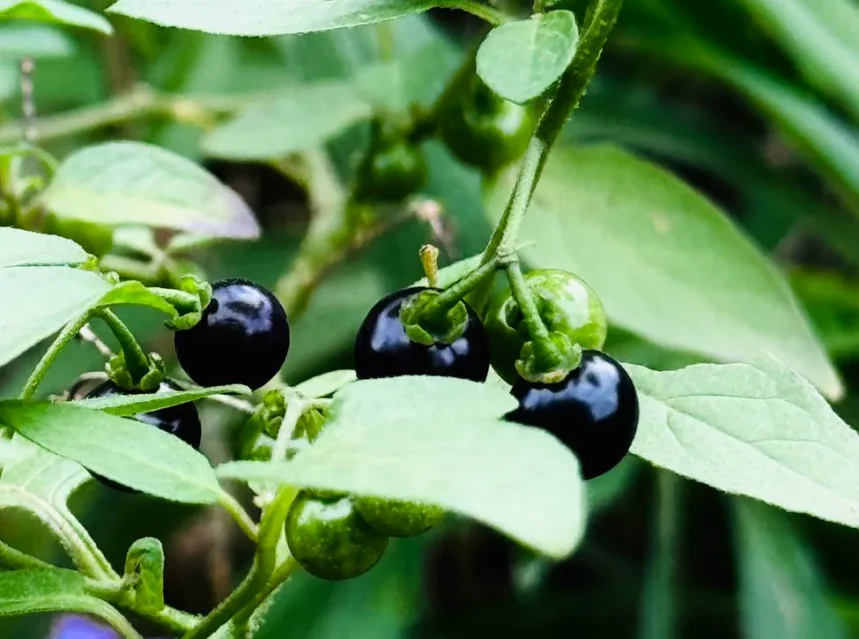
The best wonderberry seeds grow a fast, easy annual that crops heavily, hanging clusters of small, sweet-tart berries that ripen to glossy black. It gives you a berry harvest in a single season from seed.
Wonderberry is a fast-growing annual fruit, Solanum retroflexum, grown for its small ripe black berries. It is also known as sunberry, and was famously bred by Luther Burbank.
🧰 In a hurry? Jump straight to our tested picks for this guide ↓
Quick start
- Type: Fast warm-season annual berry
- Sow: Indoors in spring; plant out after frost
- Soil: Fertile, moist, well-drained
- Sun: Full sun
- Harvest: Fully ripe berries from late summer
- Best for: Jam, pies, quick berry crops
Wonderberry belongs to the nightshade family (Solanaceae). For background, see Solanum retroflexum on Wikipedia and the Solanum entry at Britannica.
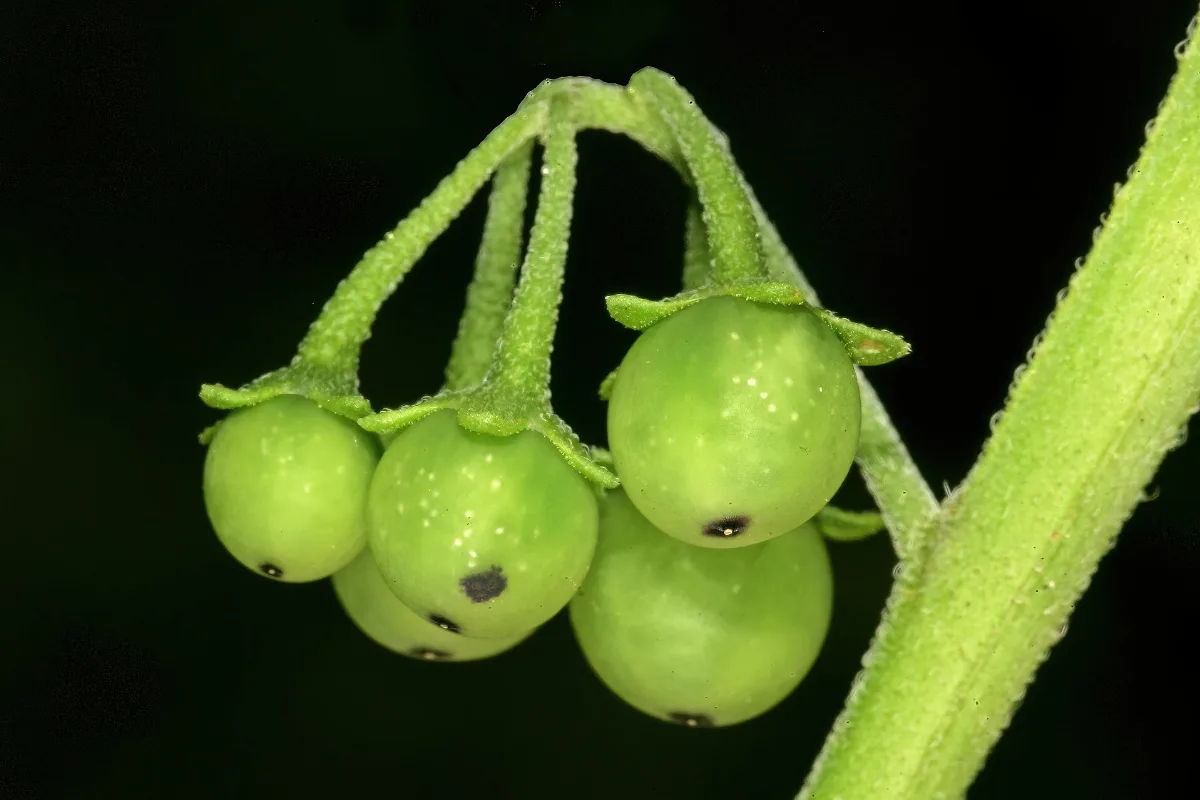
Important: eat only fully ripe berries
This is the most important rule with wonderberry. Eat the berries only when fully ripe and dull black.
Green, unripe berries and the leaves are not for eating. Like many nightshades, they can be toxic raw.
Wait until the fruit turns soft and deep black. Only then is it sweet and safe to use.
Many cooks also prefer to cook the ripe berries. Cooking into jam or pie is the traditional, trusted way.
Why grow wonderberry?
Wonderberry gives a berry crop in just one season. You sow it in spring and pick by late summer.
It is fast, tough and very productive. A few plants can yield a big bowl of fruit.
It grows much like its cousin the tomato. So tomato growers find it familiar to raise.
The ripe berries are sweet-tart and rich. They shine in jams, pies and cordials.
Wonderberry at a glance
| Feature | Detail |
|---|---|
| Botanical name | Solanum retroflexum |
| Family | Solanaceae (nightshade family) |
| Common names | Wonderberry, sunberry |
| Edible part | Fully ripe black berries only |
| Flavour | Sweet-tart, richer when cooked |
| Height | 45-75 cm |
| Season | One season from seed |
| Type | Fast warm-season annual |
History, origin and how it reached India
Wonderberry has roots in southern Africa. There its relatives have long been gathered as wild fruit.
The famous breeder Luther Burbank introduced it around 1909. He promoted it as a quick garden berry.
It then spread to gardens across the world. Growers liked its speed and heavy crops.
In India it suits the warm season well. It grows much like other nightshade crops in warm regions.
Wonderberry seed types to look for
Wonderberry is grown mostly as the basic species. Names can be loose in this group.
| Type | Notes |
|---|---|
| True wonderberry | Solanum retroflexum; sweet ripe berries |
| Sunberry strains | The same plant under another name |
| Garden huckleberry | A related, tarter berry for cooking |
Buy from a clear, reputable source. This avoids confusion with bitter wild relatives.
Wonderberry seed facts: depth, warmth and spacing
Wonderberry sows like the tomato relative it is: fine seed, gentle warmth, and no rush. Given that, it is one of the quickest fruiting plants you can raise from a packet in a single season.
| Seed detail | What to expect |
|---|---|
| Seed viability | 2–3 years |
| Sowing depth | 3–5 mm |
| Germination temperature | 20–25°C |
| Time to emerge | 7–21 days |
| Final spacing | 45–60 cm apart |
| Sowing to first fruit | About 70–80 days |
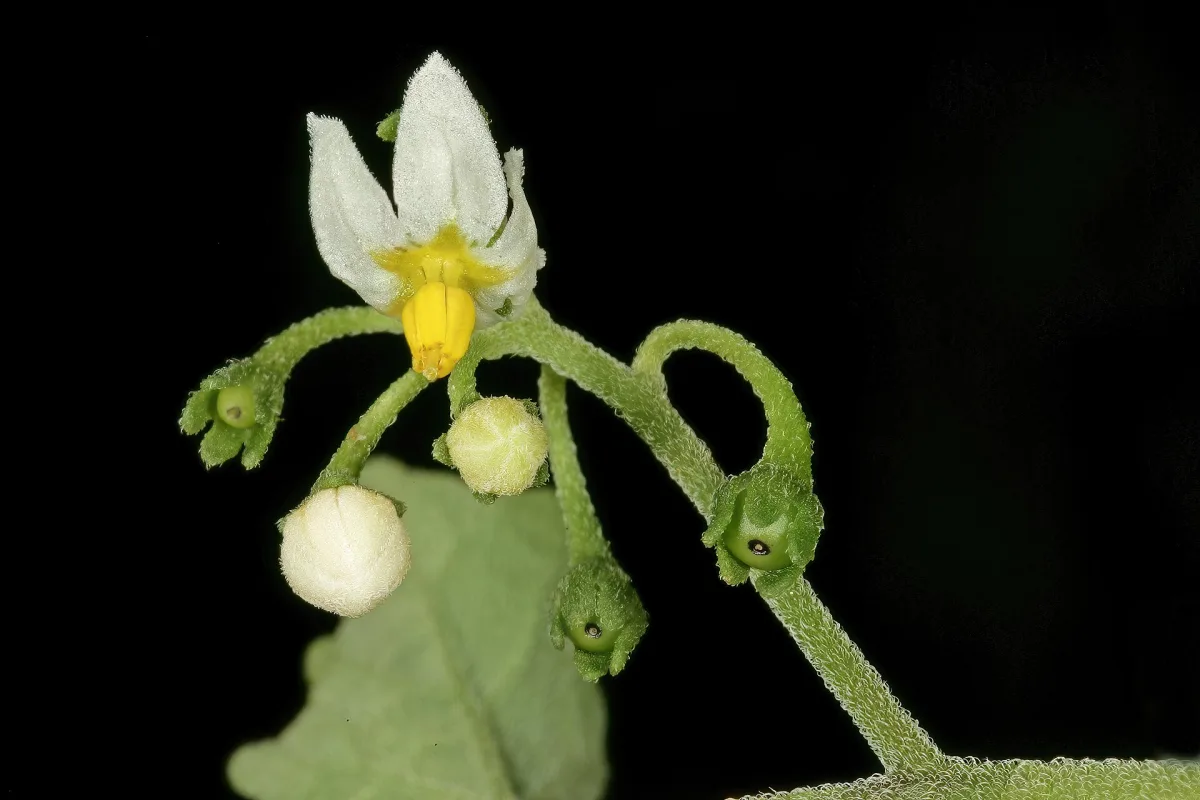
Best season and when to plant
Wonderberry needs warmth to grow well. So treat it like a tomato for timing.
In the US and UK, start seed indoors in early spring. Plant out after the last frost.
In India, sow with the warm season in most regions. The plants enjoy the heat.
Avoid cold, which checks young plants. Warm soil brings strong, fast growth.
How to grow wonderberry from seed
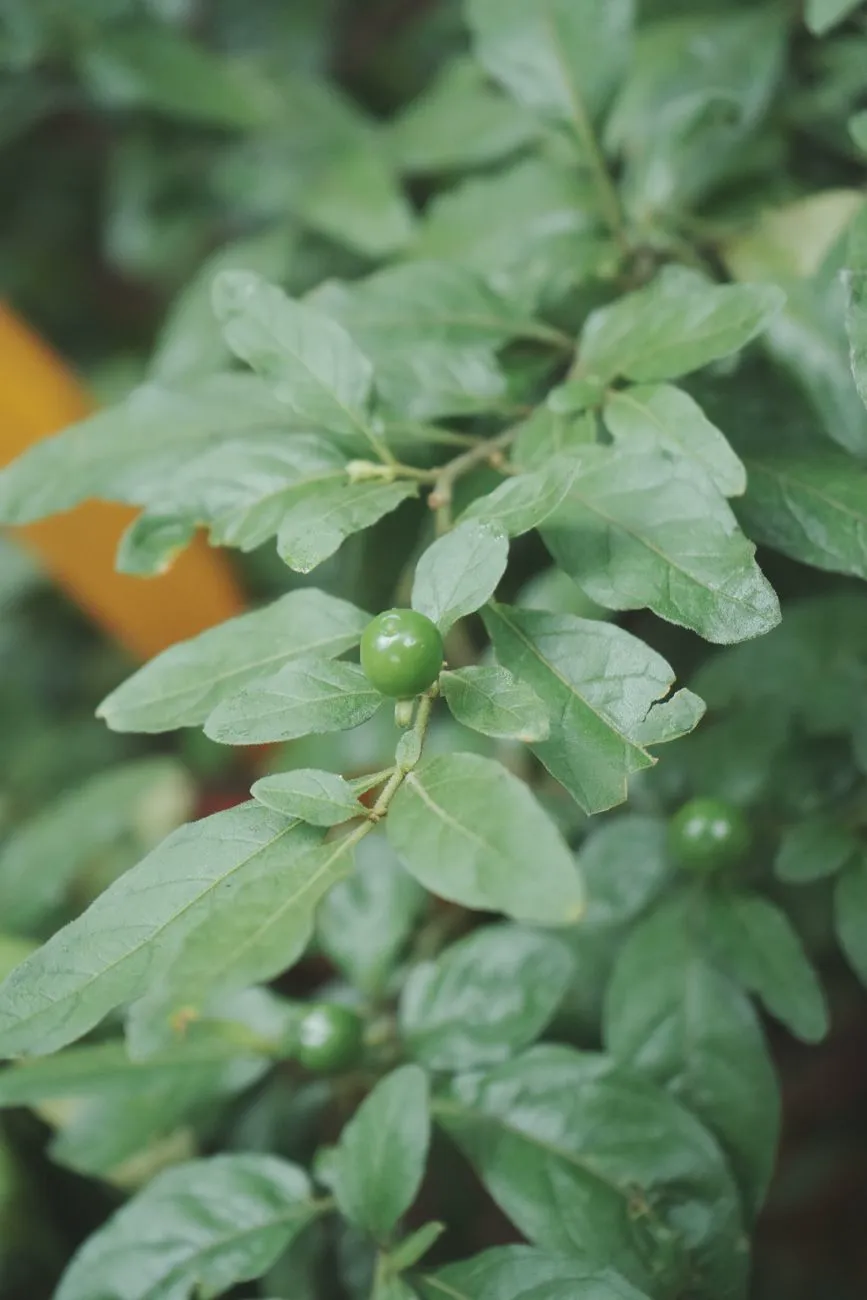
Wonderberry is raised much like a tomato. The seed is small and easy to start.
- Sow seed thinly in warm, moist seed compost.
- Just cover it and keep it warm and bright.
- Pot on seedlings as they grow.
- Harden off and plant out after frost.
- Space plants about 45-60 cm apart.
The plants branch into bushy little shrubs. Like the pepper, they crop well in a warm, sunny spot.
Sun, soil, watering and feeding
Wonderberry needs full sun for sweet fruit. Plenty of light ripens the berries well.
Fertile, moist, well-drained soil suits it best. Add compost before planting for strong growth.
Water steadily, as the fruiting plants are thirsty. Even moisture helps the berries swell and sweeten.
Feed every few weeks in the growing season. A balanced feed supports heavy cropping, much like eggplant.
Common pests and diseases
Wonderberry shares the usual nightshade pests. Watch for the same troubles as tomatoes.
- Aphids and whitefly: Suck sap from leaves and shoots.
- Flea beetles: Pepper young leaves with holes.
- Caterpillars: Chew leaves and unripe fruit.
- Root rot: From cold, waterlogged soil.
Good airflow and drainage prevent most issues. Check plants often, as you would chilli peppers.
Harvesting wonderberry
Pick only the fully ripe, dull-black berries. They should be soft and come away easily.
Leave any green or firm berries on the plant. These are unripe and not for eating.
The plants fruit over a long period. So you harvest in waves as berries ripen.
Use ripe berries soon after picking. They keep only a few days once gathered.
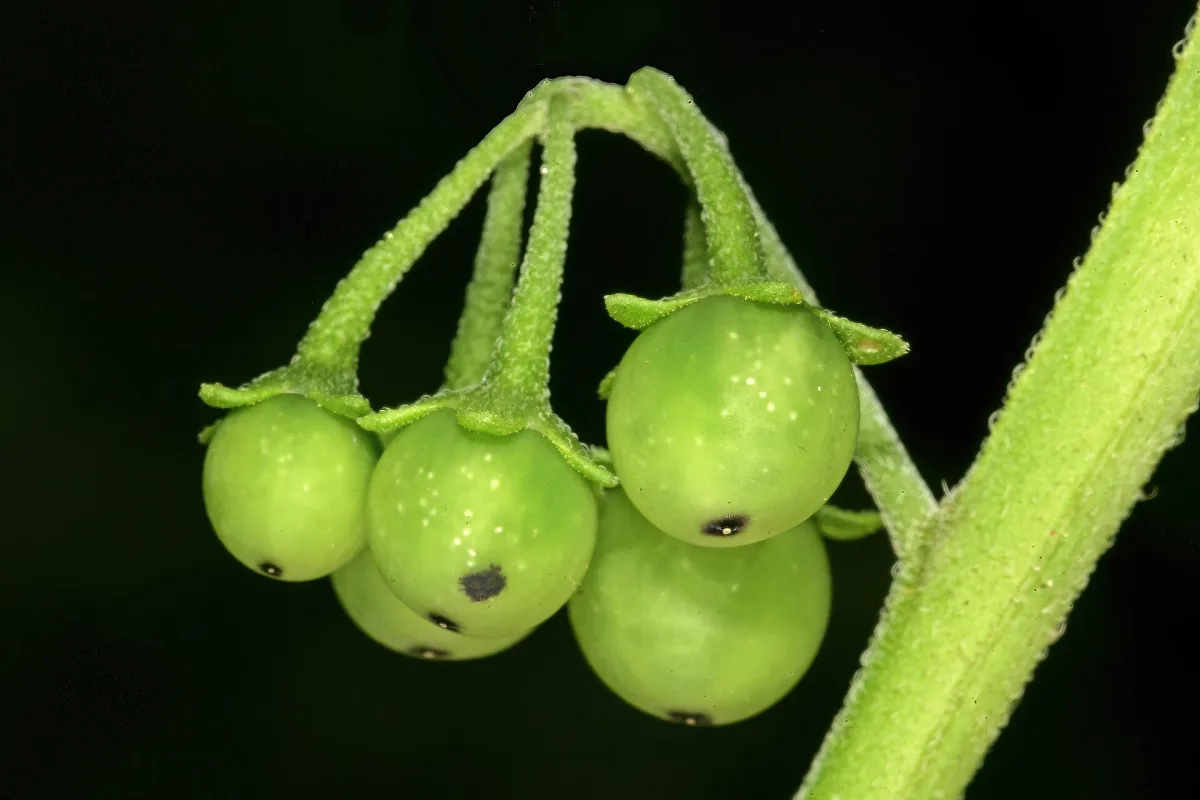
Uses in the kitchen
Wonderberry is best enjoyed cooked. Simmer the ripe berries into jams and pie fillings.
A little sugar and lemon lift their flavour. This balances their natural sweet-tart taste.
Fully ripe berries can also be eaten raw. Many still prefer them cooked for the richest flavour.
They pair well with other fruits in mixes. Combine them with tart berries for a deeper preserve.
This article is for gardening information only and is not health or medical advice. Eat only fully ripe berries; never eat the leaves or unripe green fruit. Consult a professional for any dietary concerns.
7 tips for the best wonderberry seeds
A few simple habits give a heavy, safe crop. Follow these for sweet ripe berries.
- Start seed indoors in warmth, like a tomato.
- Plant out only after the last frost.
- Grow in full sun and fertile soil.
- Water and feed steadily for sweet fruit.
- Wait until berries are fully ripe and black.
- Never eat green berries or the leaves.
- Cook ripe berries into jams and pies.
These steps suit most warm-season nightshades. The same care also helps a crop of cocona along.
Common problems
Most wonderberry troubles come from cold or impatience. Use this guide to fix them.
- Slow growth: Cold soil; warm up and wait.
- Bitter taste: Berries underripe; wait for full black ripeness.
- Flower drop: Heat or water stress; keep moisture even.
- Few berries: Too little sun; move to a brighter spot.
Growing wonderberry in pots
Wonderberry grows well in a container. A pot keeps this fruiting plant close to hand.
Choose a pot at least 25-30 cm wide. Fill it with rich, free-draining compost.
Keep it in full sun and water often. Feed regularly for a steady crop of berries.
Good companion plants
Wonderberry fits neatly into a warm-season fruiting bed. Group it with other heat-loving crops for an easy summer harvest.
It grows well beside its nightshade cousins. Tomatoes, peppers and aubergines share its needs and habits.
Low salad leaves can use the space early on. They crop before the wonderberry bushes fill out.
It also mixes happily with other quick fruits. Try it near strawberry spinach and passion fruit for a varied edible patch.
Wonderberry vs black nightshade
This is a vital point to understand. Wonderberry is closely related to wild black nightshades.
The key is that only the fully ripe berries are edible. Green berries and leaves should never be eaten.
To stay safe, grow named wonderberry seed from a trusted source. Always be sure of your plant before eating any berry, and keep unripe fruit away from children.
Frequently asked questions
Are wonderberries safe to eat?
Only the fully ripe, black berries are edible. Green unripe berries and the leaves can be toxic, so avoid them.
What does wonderberry taste like?
Ripe berries are sweet-tart and mild. They taste richest when cooked into jam or pie.
Can I grow wonderberry in India?
Yes. It is a warm-season crop and grows much like a tomato in most regions.
How fast does wonderberry crop?
Very fast. Sown in spring, it usually gives ripe berries by late summer in one season.
Is wonderberry the same as garden huckleberry?
They are closely related but not identical. Garden huckleberry is usually sold as Solanum melanocerasum, a diploid, while wonderberry (Solanum retroflexum) is a tetraploid bred by Luther Burbank around 1909. Both need full ripening before eating.
Does wonderberry contain solanine?
Like other nightshades, unripe green berries and the leaves contain solanine-type alkaloids and should not be eaten. Fully ripe, dull-black berries have very low levels and are considered safe when cooked, which is why ripeness is the key rule.
How long do wonderberry seeds stay viable?
Seed typically stores well for two to three years in a cool, dry container. Older seed germinates more slowly and unevenly, so buying fresh seed each season gives the most even stand of seedlings.
What is the ideal germination temperature for wonderberry?
Seeds germinate best between 20 and 25°C and usually emerge within one to three weeks. Cooler soil slows or stops germination entirely, which is why most gardeners start seed indoors rather than sowing directly outside.
Can I save my own wonderberry seed?
Yes. Scoop the pulp from fully ripe black berries, ferment it in water for a day or two to separate the seed, then dry it thoroughly before storing. Saved seed usually comes true since wonderberry rarely crosses with other nightshades.
Is wonderberry related to black nightshade?
It is a close cousin, both in the Solanum nigrum group, but genetic studies show wonderberry is a distinct tetraploid rather than simply cultivated black nightshade. This is why some growers still mix up the two names.
How many berries does one wonderberry plant produce?
A single well-grown plant can produce several hundred small berries across a season, since it flowers and fruits continuously from mid-summer until frost. Regular picking of ripe fruit encourages the plant to keep setting more.
Wonderberry is a fast, generous berry you can grow from seed in a single season. With the best wonderberry seeds, warm soil and patience for full ripeness, you can enjoy a generous crop of sweet berries for jams and pies. For more unusual fruits, see our guides on cocona and naranjilla.
Still stuck? Ask the Plant Doctor
Describe the problem — yellow leaves, holes, no flowers — and get a clear answer in seconds. FreeAI can make mistakes. Answers are guidance, not a guarantee — check anything important against the guide it links to, and always read the label on any product before you use it.