How to Grow Alstroemeria
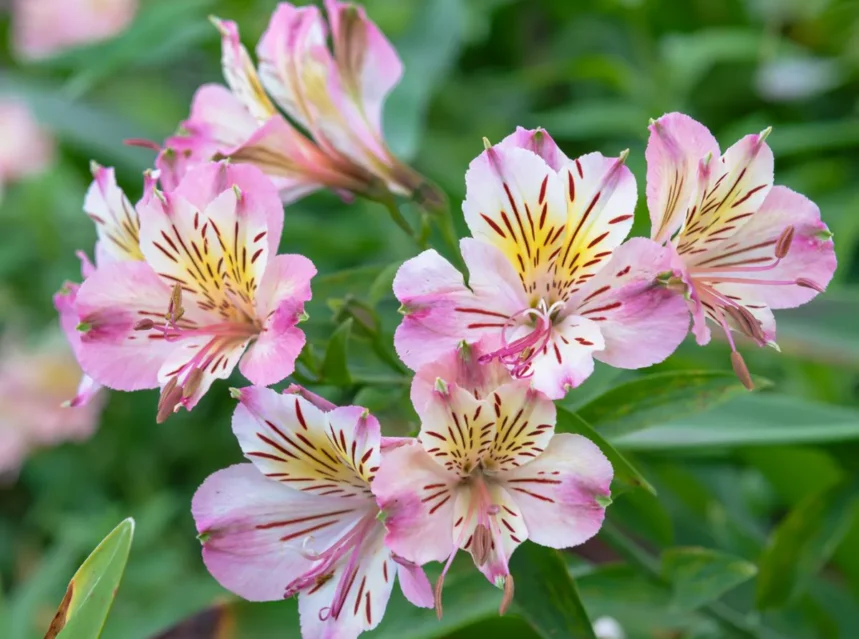
Alstroemeria, the Peruvian lily, is a tuberous perennial whose speckle-throated flowers last two weeks in a vase. That vase life is why florists rank it among the world’s favourite cut flowers. In the garden it blooms from early summer into autumn. It is hardy enough for most temperate beds and superb in deep pots. It also hides one famous trick: you harvest it by pulling, not cutting. Here is the complete guide on how to grow alstroemeria.
Quick start: Plant alstroemeria tubers or potted plants in spring. Give them fertile, free-draining soil with sun to light afternoon shade. Set the brittle tubers about 15 cm deep, handle them gently, and mulch the first two winters. When flowers open, pull whole stems from the base instead of cutting. Each pulled stem signals the crown to send up more.
Cut-flower growers treat alstroemeria as the gift that escalates. Gardeners who started with one plant describe second-year clumps throwing armfuls of stems weekly — provided they learned the pull. Growers who cut with scissors leave stubs that sit idle. Those who yank stems cleanly from the base watch replacements rise within days. The other repeated notes: the tubers snap like chalk if handled roughly at planting, and a deep mulch sees young plants through their first hard winter.
🧰 In a hurry? Jump straight to our tested picks for this guide ↓
Alstroemeria at a glance
| Feature | Detail |
|---|---|
| Botanical name | Alstroemeria hybrids (family Alstroemeriaceae) |
| Common names | Peruvian lily, lily of the Incas |
| Plant type | Tuberous herbaceous perennial |
| Height | 30 cm dwarfs to 1 m cutting types |
| Sun | Full sun to light afternoon shade |
| Soil | Fertile, free-draining, slightly acid to neutral |
| Bloom time | Early summer to autumn |
| Hardiness | Roughly −10°C with mulch (zones 7–10) |
| Signature trick | Pull stems, never cut |
Why grow alstroemeria?
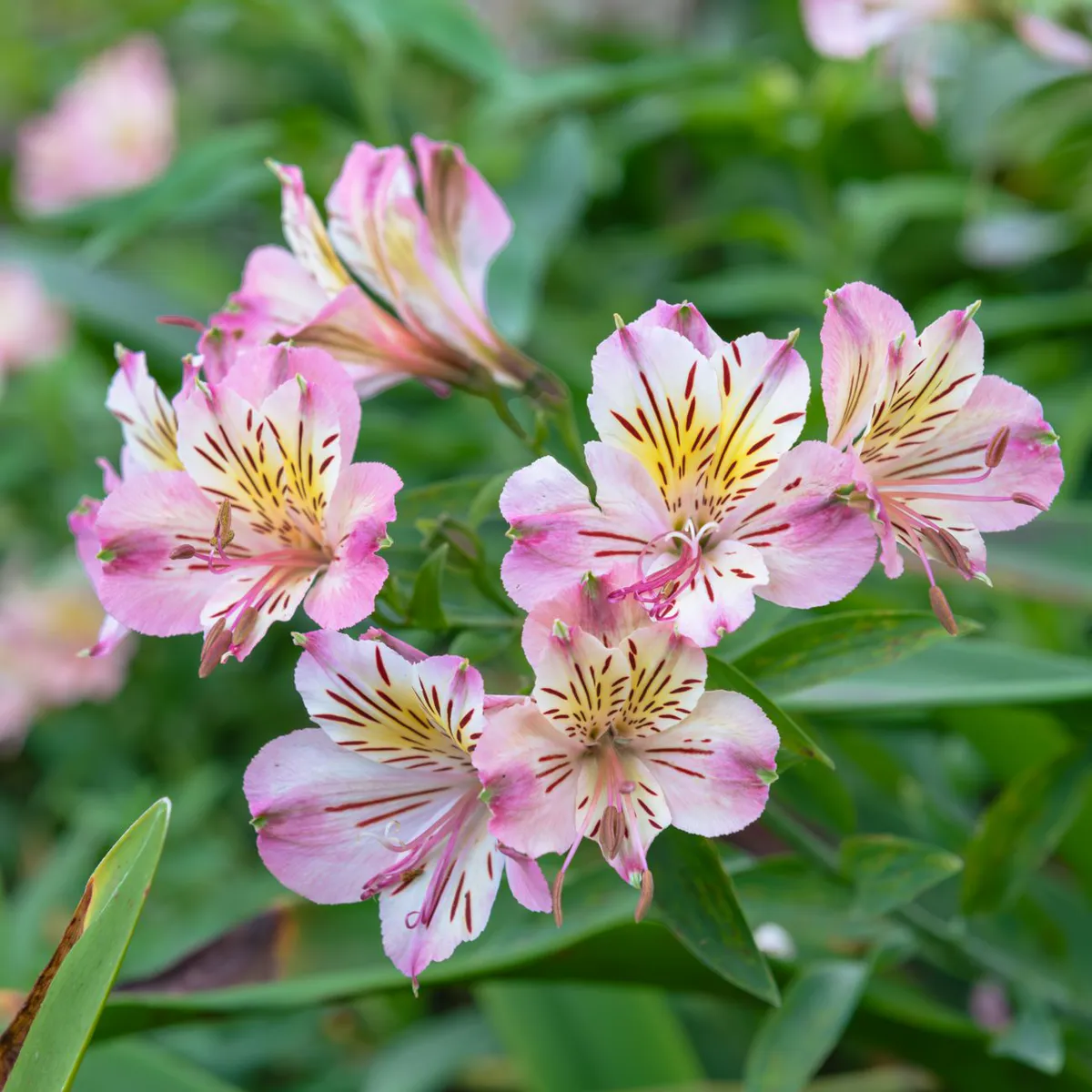
Few perennials work this hard. A settled clump produces stems continuously for three to four months. Every stem is a ready-made bouquet — three to seven trumpet flowers, streaked and speckled at the throat, in pinks, oranges, reds, purples, yellows, and whites.
The vase life seals it: up to two weeks in water. That is why supermarkets sell millions of stems, and why one garden clump replaces a season of bought bouquets. Modern hybrids are hardier than their reputation, and dwarf forms fill patio pots. The flowers draw bees while resisting deer and rabbits. For a cutting garden, it sits comfortably beside carnations and gladiolus as a backbone crop.
Best alstroemeria varieties for your climate
Variety choice decides whether your plant survives winter, fits a pot, or fills a vase. Older hybrids sit at zones 7–10, but new breeding has pushed alstroemeria care into genuinely cold gardens. ‘Indian Summer’ shrugged off −26°C winters in Michigan trials. Cornell-bred ‘Sweet Laura’ remains the only fragrant commercial variety.
| Variety / series | Hardiness | Height | Best for |
|---|---|---|---|
| ‘Indian Summer’ | Zone 6 (about −20°C) | 75–90 cm | Cold gardens; orange-yellow blooms over bronze leaves |
| ‘Sweet Laura’ | Zone 5 with mulch | 60–75 cm | The one fragrant variety; yellow cut stems |
| Summer series (‘Summer Breeze’, ‘Summer Heat’) | Zone 6 | 90–105 cm | Tall florist-quality stems until frost |
| ‘Inticancha’ & ‘Princess’ series | Zone 7–8 | 25–40 cm | Pots and balconies; bloom 9+ months in mild climates |
| ‘Inca’ series | Zone 7 | 30–45 cm | Compact borders and edging |
One warning the catalogues skip: a few wild species run underground and self-seed aggressively. Alstroemeria psittacina and A. aurea are classed as invasive in parts of Australia and New Zealand for that reason. Stick to named modern hybrids, which stay in polite clumps, or confine spreading species to large containers.
History, origin & how it conquered the vase
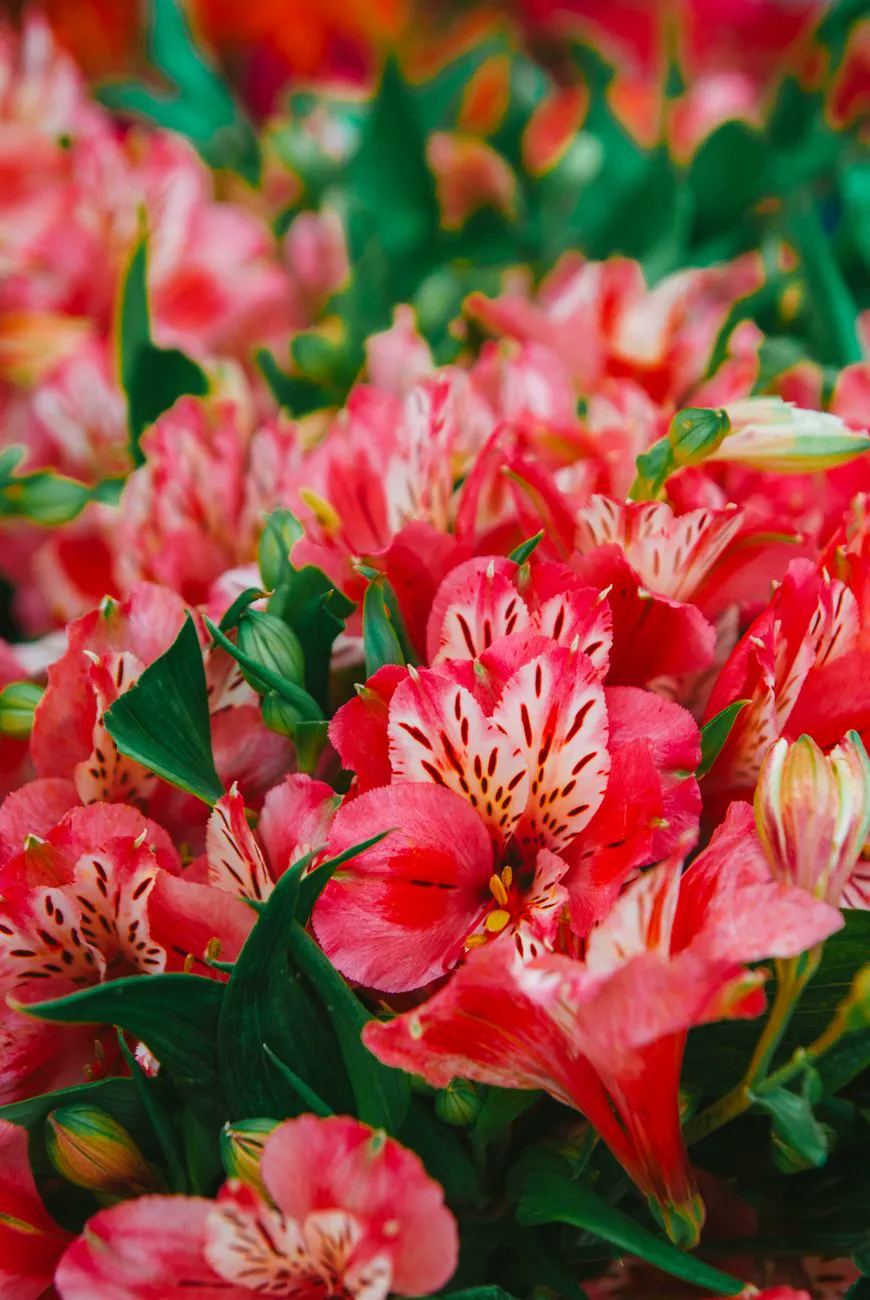
Despite the name, the Peruvian lily’s heartland is wider than Peru. Wild species split between the winter-rain valleys of Chile and the summer-rain east of Brazil. The genus honours Clas Alströmer, a Swedish baron and student of Linnaeus, whose seeds reached Europe in the 1750s (see the background on Alstroemeria).
The modern flower is a 20th-century invention. Dutch and British breeders crossed the Chilean winter-growers with the Brazilian summer-growers. That single cross captured hardiness, colour range, and the famous vase life in one package. The ‘Ligtu hybrids’ of the 1930s started it. Today’s named varieties — and the patented dwarf ‘Princess’ and ‘Inticancha’ series — finished the job, making alstroemeria a top-five global cut flower.
It grows worldwide now: a borderline-hardy garden perennial in the UK and much of the US. In India it is a commercial cut-flower crop of the cool hills — Himachal, Uttarakhand, and the Nilgiris — while plains gardeners enjoy it as a cool-season pot plant. One quirk to notice: each leaf twists at the base and grows upside down, a botanical party fact called resupination.
Best season & when to plant alstroemeria
Plant in spring, after the last frost, so the tubers root through warm months and face winter established. Potted nursery plants can also go in through early summer. Autumn planting suits only mild-winter gardens.
In the US and UK, that means April to June. Mild-winter gardens (zones 8–10) get a second window in early autumn, six to eight weeks before frost. In India, plant in the hills from March to May. In the plains, treat alstroemeria as a winter annual show — pot it up in October and enjoy stems until the heat arrives. Flowering begins the first summer and triples by the second.
Buying bare roots by mail? Soak them for a few hours on arrival, pot them into 2-litre pots to establish, and plant out once shoots are growing strongly. Nurseries report that bare roots left dry in their bags are the biggest cause of first-year failure.
How to grow alstroemeria: planting step by step
The tubers look like a cluster of pale fingers and snap easily — gentleness is the whole skill:
- Choose a spot with sun to light afternoon shade and rich, free-draining soil; work in compost first.
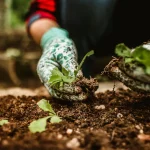
- Dig a hole about 15 cm deep and mound a little soil in the centre. Spread the tubers over it like an octopus, growth buds upward.
- Backfill without pressing hard, label the spot, and water in well.
- Space clumps 30–45 cm apart; taller cutting varieties appreciate a discreet ring of twiggy support.
- Mulch 5–7 cm deep after planting — and again each of the first two autumns in frost-prone areas.
Expect modest top growth at first; the plant builds its underground network before it performs. From year two, stand back.
Sun, soil, watering & feeding
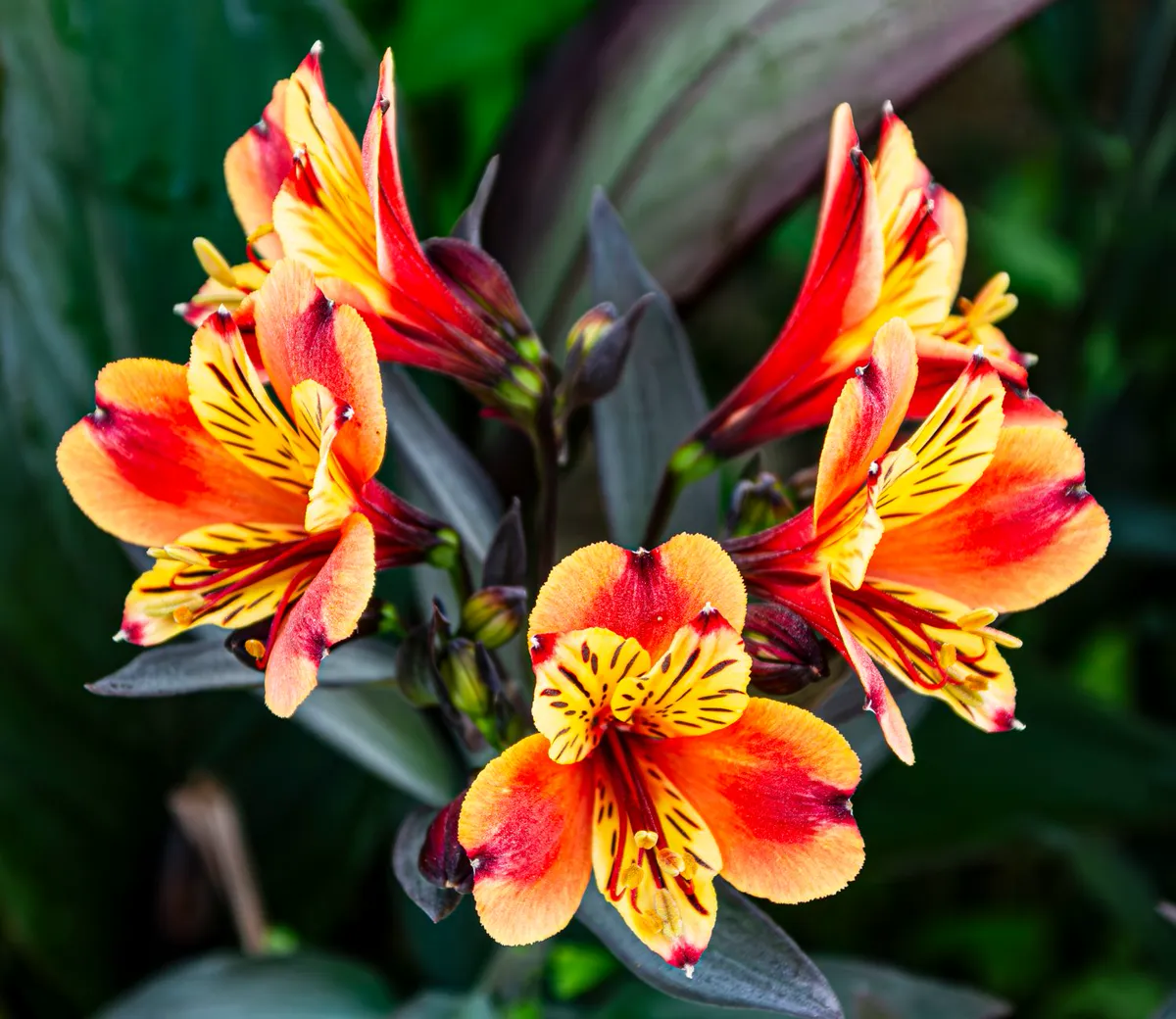
Aim for cool roots and a warm head. Six hours of sun drives flowering, while mulch or neighbouring low plants keep the root zone cool. In baking climates, light afternoon shade lengthens the season. Soil must drain; winter waterlogging kills more plants than frost does.
Water deeply when the top few centimetres dry during the growing season — steady moisture means continuous stems (see how often to water plants). Feed with a high-potash fertiliser monthly from spring to late summer, the same tomato feed used for most bloomers. Skip high-nitrogen feeds; they trade flowers for a thicket of leaves. In late autumn the top growth dies back; clear it, top up the mulch, and let the crown sleep.
Heat is the hidden limit. Commercial trials show flowering stalls once soil temperature passes about 25°C. That is why glasshouse growers — and India’s polyhouse farms in the hills — chase 18–24°C days and cool nights. In a hot garden, a thick mulch and afternoon shade keep the crown working weeks longer.
The pull harvest: more stems every week
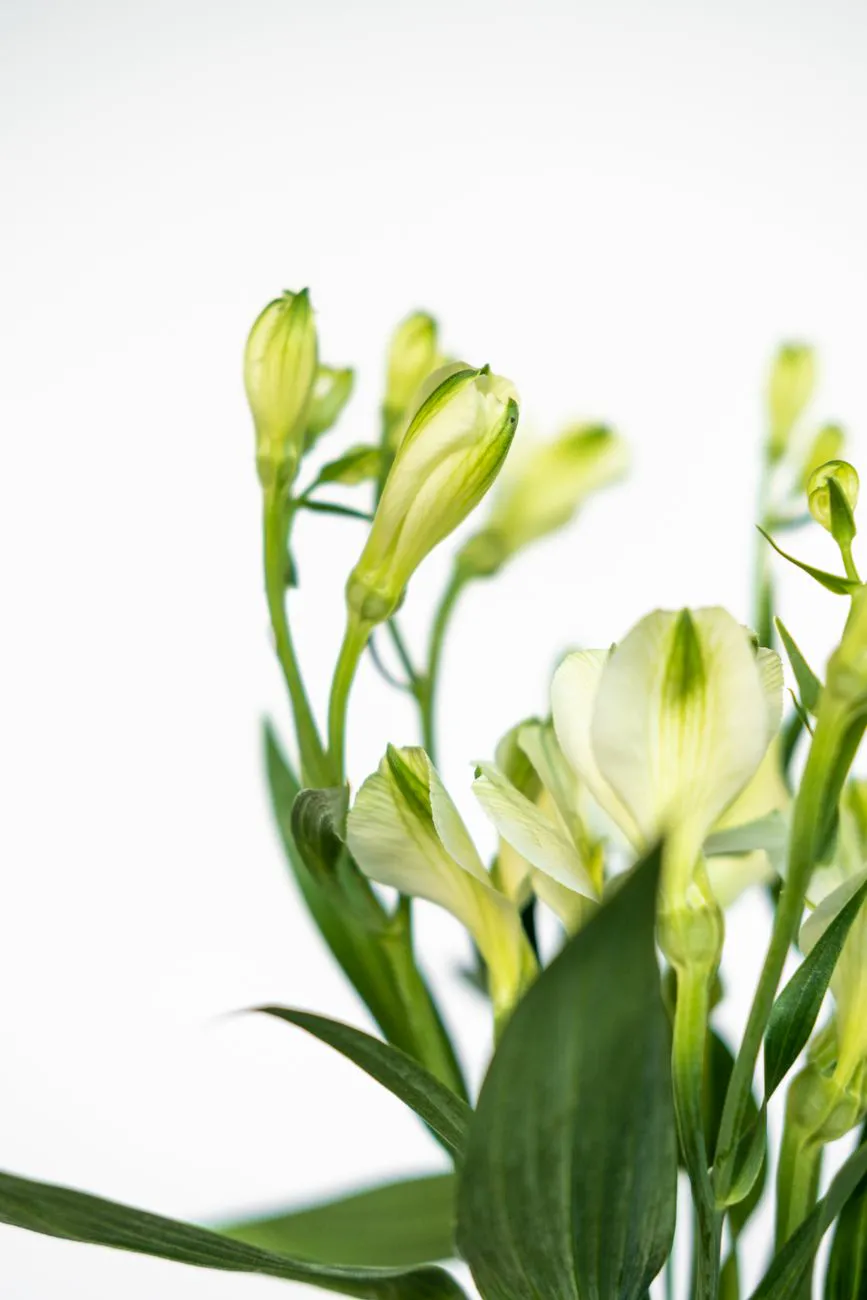
Here is the trick that separates alstroemeria growers from alstroemeria owners. When a stem’s first flowers open, grip it low and pull upward with a slight twist — it detaches cleanly from the tuber. That tug does two jobs. It gives you the longest possible stem, and it wakes the crown, which responds by pushing up new flowering shoots.
Cut stems, by contrast, leave a blind stub that does nothing. Pull for the vase, pull spent stems as deadheading, and a clump stays in production from June to the frosts. Water the bed the day before a big harvest, because stems slide out of moist soil far more cleanly. One caution: the sap can irritate sensitive skin, so gloves are wise when pulling armfuls, as with tulips.
Florist tricks for a two-week vase life
- Pick when buds show full colour but only the first flower has opened — the rest open in water.
- Strip every leaf below the waterline; submerged foliage rots and breeds bacteria.
- Re-cut the stem ends and change the water every two to three days, adding flower food if you have it.
- Keep the vase away from ripening fruit. Alstroemeria is highly ethylene-sensitive, and fruit gases drop petals early.
- Display in a cool spot out of direct sun; well-kept stems routinely pass 14 days.
Alstroemeria in pots
Dwarf series like ‘Princess’ and ‘Inticancha’ were bred for containers and bloom at knee height for months. Choose a deep pot — 30 cm or more — because the tubers dive. Fill with rich, free-draining compost, one plant per 30 cm pot.
Pot culture follows the bed rules, intensified: water more often, feed fortnightly with high-potash liquid, and pull stems just the same. Mix about 20% grit into the compost, because pot roots sit wetter than bed roots. In Indian plains winters, pots on a sunny balcony deliver a full cut-flower season with no bed space at all.
Propagation: division & seed
Division is the reliable route. Lift a congested clump in mid-spring, every three years or so, working the fork in well away from the crown. Shake off soil, then tease the tuber cluster into sections with several tubers and growing points each. Replant at once at the same depth — the tubers do not store. Expect divisions to sulk briefly, then flower within about 15 weeks. Two cautions apply. The roots are brittle and resent disturbance, and many named varieties carry Plant Breeders’ Rights, which forbid propagating them for sale.
Seed suits the patient and the species types only. Named hybrids do not come true, germination hovers near 20%, and seedlings take two to three years to bloom. If you try, soak the seed for 24 hours and sow at around 21°C for three weeks. Next, chill the tray in the fridge for three more weeks, then return it to warmth. Seedlings appear within a fortnight of the switch — a fiddlier version of the routine used for sweet peas.
Winter care in cold climates
Down to about −10°C, alstroemeria overwinters in the ground under a duvet of mulch. Pile bark or leaves 15–20 cm deep over the crown after the tops die back — deeper than you would for roses. Gardeners in US zone 5–6 report clumps returning for years under nothing more than a generous mulch mound on free-draining soil.
Colder than that, work like a dahlia grower. Lift the tubers after the first frost, nest them in barely damp peat or wood shavings, and store at 2–7°C. Give them a trickle of water once a month so they never fully dry. Alternatively, keep plants in pots and move them into an unheated garage or greenhouse for the worst months. Remember the real winter killer is wet, not cold. A soggy crown rots long before it freezes — the same fate that ends dahlias left in heavy ground.
Common pests & diseases
Slugs and snails adore the young shoots in spring — protect new clumps the way you would hostas (see slug and snail control). Aphids cluster on buds and can pass viruses; a soap spray clears them. Red spider mites appear on greenhouse and balcony plants in hot, dry spells.
Diseases are few in drained soil. Root rot in winter wet is the main loss, with grey mould on spent flowers in damp autumns. Mottled, streaked leaves that never green up suggest virus. Dig out and bin that clump, since there is no cure and aphids spread it.
Is alstroemeria safe for pets and skin?
Good news for households with animals: the ASPCA lists Peruvian lily as non-toxic to dogs, cats, and horses. Unlike true lilies, it does not cause kidney failure in cats. Veterinary poison services note that a chewed stem brings, at worst, drooling or a mild stomach upset.
Skin is the bigger issue. The sap carries tulipalin, the same irritant found in tulips. Florists who handle hundreds of stems can develop “alstroemeria dermatitis” on their fingertips. Casual pulling rarely bothers anyone, but wear gloves for long harvesting sessions and wash hands afterwards.
Common alstroemeria problems
Planted in spring, few flowers the first year
Normal. The tubers spend year one building underground; mulch them through winter and year two brings the flood.
Clump vanished after a wet winter
Waterlogged soil rotted the tubers. Replant higher, in grittier soil or a raised bed, and mulch rather than letting water sit.
Stems flopping everywhere
Tall cutting varieties outgrowing their support. Set a ring or netting grid early in spring so stems grow up through it. Pulling regularly also keeps clumps tidy.
Flowering stopped in a heatwave
Heat dormancy, not death. Once soil passes about 25°C the crown pauses; keep watering, refresh the mulch, and stems return when nights cool in late summer.
Masses of leaves, hardly any flowers
Usually too much nitrogen or too little sun. Switch to a high-potash feed, and check the clump still gets six hours of light — nearby shrubs often grow into the sun over the years.
Leaves mottled and growth weak
Suspect virus, spread by aphids. Remove and bin the affected clump, control aphids on neighbours, and replant fresh stock elsewhere.
Related plant guides
- How to grow lilies
- How to grow daylilies
- How to grow carnations
- How to grow gladiolus
- How to grow dahlias
- How to deadhead flowers
Frequently asked questions
Do alstroemerias come back every year?
Yes — they are perennials, hardy to roughly −10°C once established and mulched. Clumps expand each season, flowering harder in year two and beyond.
Why do you pull alstroemeria stems instead of cutting?
Pulling removes the stem at the tuber, which stimulates the crown to send up new flowering shoots and gives longer stems for the vase. Cut stubs sit idle and slow production.
Can alstroemeria grow in pots?
Beautifully — choose dwarf varieties and a deep 30 cm+ container with rich, free-draining compost. Feed fortnightly, pull stems as usual, and shelter the pot in hard winters.
Is alstroemeria poisonous?
The sap contains tulipalin, which can irritate skin and upset pets’ stomachs if chewed. Wear gloves for big harvests and keep pulled stems away from nibbling animals.
Is alstroemeria toxic to cats and dogs?
The ASPCA lists Peruvian lily (Alstroemeria) as non-toxic to dogs, cats and horses, so it is a far safer choice than a true lily. The real danger is a naming mix-up: genuine Lilium and Hemerocallis flowers cause acute kidney failure in cats, and florist bouquets often combine alstroemeria with true lilies in the same bunch. If you keep cats, remove every true lily stem from a mixed bouquet rather than trusting the label. Alstroemeria sap still contains tulipalin, which can irritate skin on repeated handling, so wear gloves for a big harvest.
Why is my alstroemeria not flowering?
Newly planted tubers commonly spend their first season building roots and flower properly only from year two, so patience is often the whole answer. Beyond that, the usual causes are too little sun, a congested clump that has never been thinned, or a nitrogen-heavy feed producing leaves at the expense of buds. Switch to a high-potash liquid feed through the growing season and make sure the plant gets at least six hours of light. Cutting rather than pulling the stems also suppresses new flowering shoots over time.
Do alstroemerias spread or become invasive?
Modern garden hybrids spread gently by underground rhizomes and form a wider clump each year without causing trouble. Some species are far more vigorous: A. psittacina has naturalised in New Zealand, the south-eastern United States, southern Mexico, Madeira and the Canary Islands, and both it and A. aurea are recorded as weeds in parts of Australia. In warm, moist climates it is worth planting those species inside a buried barrier or a large sunken container. In cold-winter gardens the frost keeps them firmly in check.
How often should you water alstroemeria?
Aim for steady moisture rather than either extreme — roughly a deep soak once or twice a week in the ground during the growing season, more often for containers in hot weather. The tubers sit fairly deep and store water, so light daily sprinkling is worse than a proper drenching that reaches the root zone. Cut back sharply in winter, because cold wet soil is what actually kills alstroemeria rather than the cold itself. A mulch keeps the roots cool and evens out the swings.
Can alstroemeria grow in shade?
It needs a good half day of direct sun to flower well, and morning sun is particularly valuable. In full shade you will get foliage and very few blooms. In hot regions, however, light afternoon shade is a genuine advantage: it stops the flowers bleaching and extends the season, since alstroemeria dislikes prolonged heat above the low 30s Celsius. A spot with bright morning light and dappled cover from mid-afternoon is close to ideal.
How do you divide alstroemeria without killing it?
Alstroemeria tubers are brittle and the plant genuinely resents disturbance, so divide only when a clump is clearly overcrowded and flowering has dropped. Lift in early spring as growth starts, work the soil away carefully by hand rather than chopping through with a spade, and separate sections that each carry several intact tubers with a growing point. Replant immediately at the same depth, water in, and expect the divisions to sulk for a season before hitting their stride. Deep, undisturbed clumps left alone will simply keep improving.
How long do cut alstroemeria last in a vase?
They are among the longest-lasting cut flowers available, commonly holding for around two weeks in water, and commercial stems have been recorded lasting up to 14 days without shrivelling. Pull the stems from the crown rather than cutting them, strip every leaf that would sit below the waterline, and recut the base before arranging. The leaves rot fast and are the main reason vase water turns cloudy. Change the water every two or three days and keep the vase out of direct sun.
Can you grow alstroemeria from seed?
Yes, though it takes persistence. The seed generally needs a period of cold to break dormancy — a few weeks of moist chilling in the fridge before sowing in warmth is the usual approach — and germination can be slow and uneven. Seedlings then take two to three years to reach flowering size. Named hybrids will not come true from seed, so if you want a specific colour you are better off buying tubers or begging a division from an established clump.
Still stuck? Ask the Plant Doctor
Describe the problem — yellow leaves, holes, no flowers — and get a clear answer in seconds. FreeAI can make mistakes. Answers are guidance, not a guarantee — check anything important against the guide it links to, and always read the label on any product before you use it.