How to Grow Amaryllis (Hippeastrum) Indoors
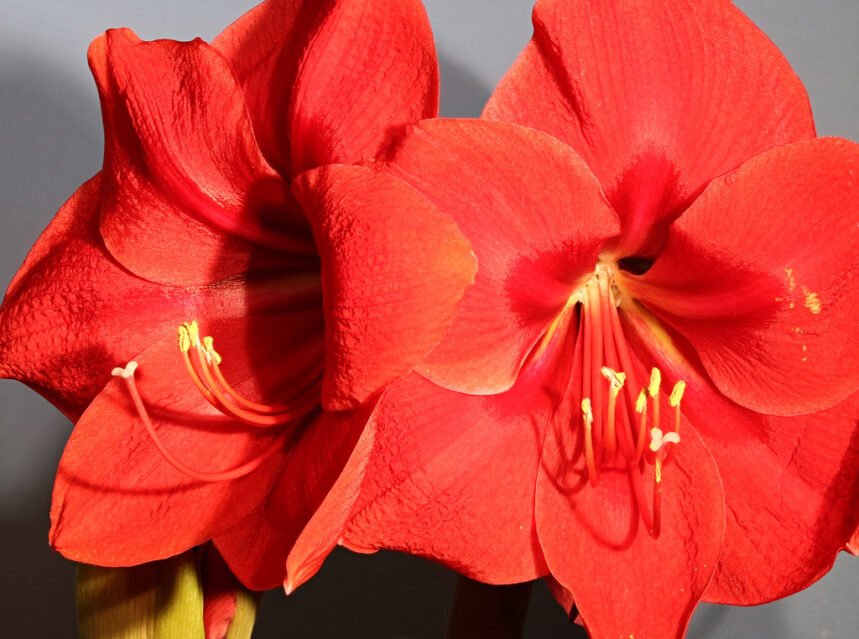
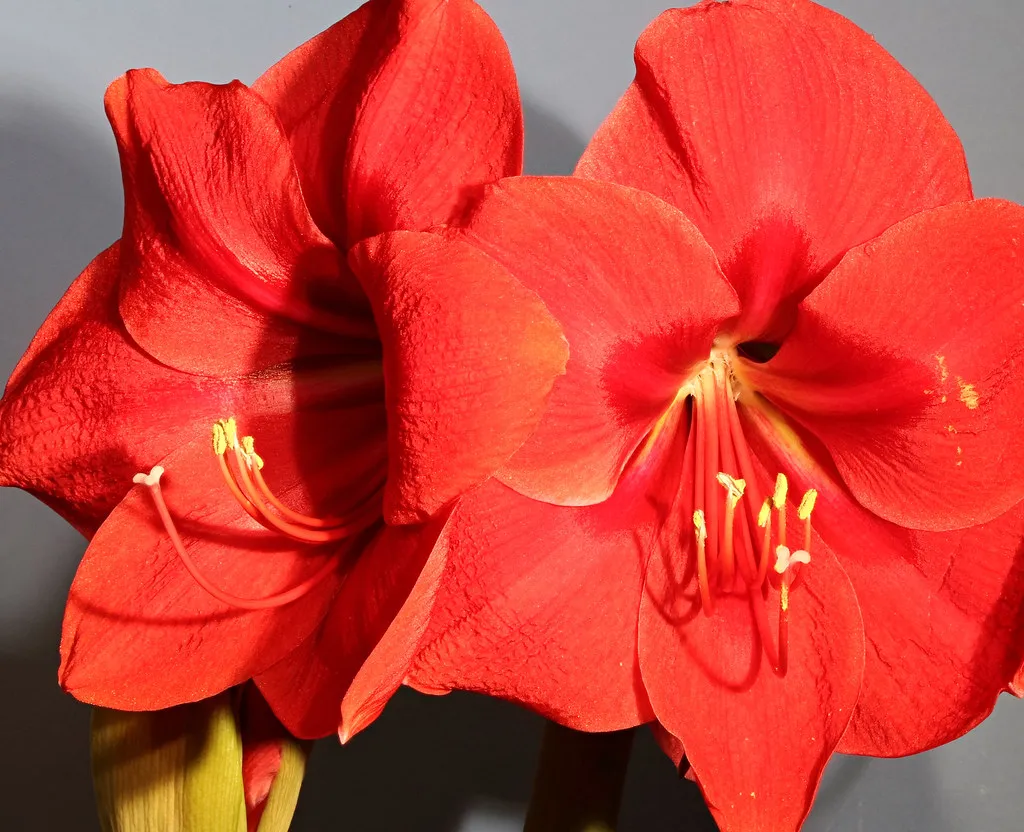
The amaryllis (Hippeastrum) is a tender flowering bulb grown indoors for its enormous trumpet blooms on a tall stalk in the depths of winter — the showstopper of winter windowsills. From a single fat bulb rises a stalk topped with giant flowers in red, white, pink or candy stripes, often around the holidays. It is astonishingly easy to bring into bloom indoors, and with a little care the same bulb can flower year after year. Here is the complete guide on how to grow amaryllis.
Quick start: Plant the amaryllis bulb in free-draining compost with the top third above the soil. Put it in a bright, warm spot and water sparingly until growth starts. It blooms in about 6–8 weeks. After flowering, keep the leaves growing and feed, then give the bulb a cool rest to rebloom.
Many people assume a gift amaryllis is a one-time bloom, but it will flower for years if treated right. The key is to keep the leaves growing through the year, then give the bulb a cool, dark rest before bringing it back into growth. The biggest lesson growers share is to water it very sparingly until the flower stalk appears, because soggy compost is the fastest way to rot the bulb. The tall flower stems may also need a thin stake so the heavy blooms do not topple.
🧰 In a hurry? Jump straight to our tested picks for this guide ↓
Amaryllis at a glance
| Feature | Detail |
|---|---|
| Botanical name | Hippeastrum (family Amaryllidaceae) |
| Plant type | Tender flowering bulb (grown indoors) |
| Light | Bright, warm |
| Soil | Free-draining compost |
| Planting | Autumn–early winter; top third above soil |
| Time to bloom | About 6–8 weeks |
| Reblooms | Yes — for years with a cool rest |
| Pet safety | Bulb toxic if eaten |
Why grow amaryllis?
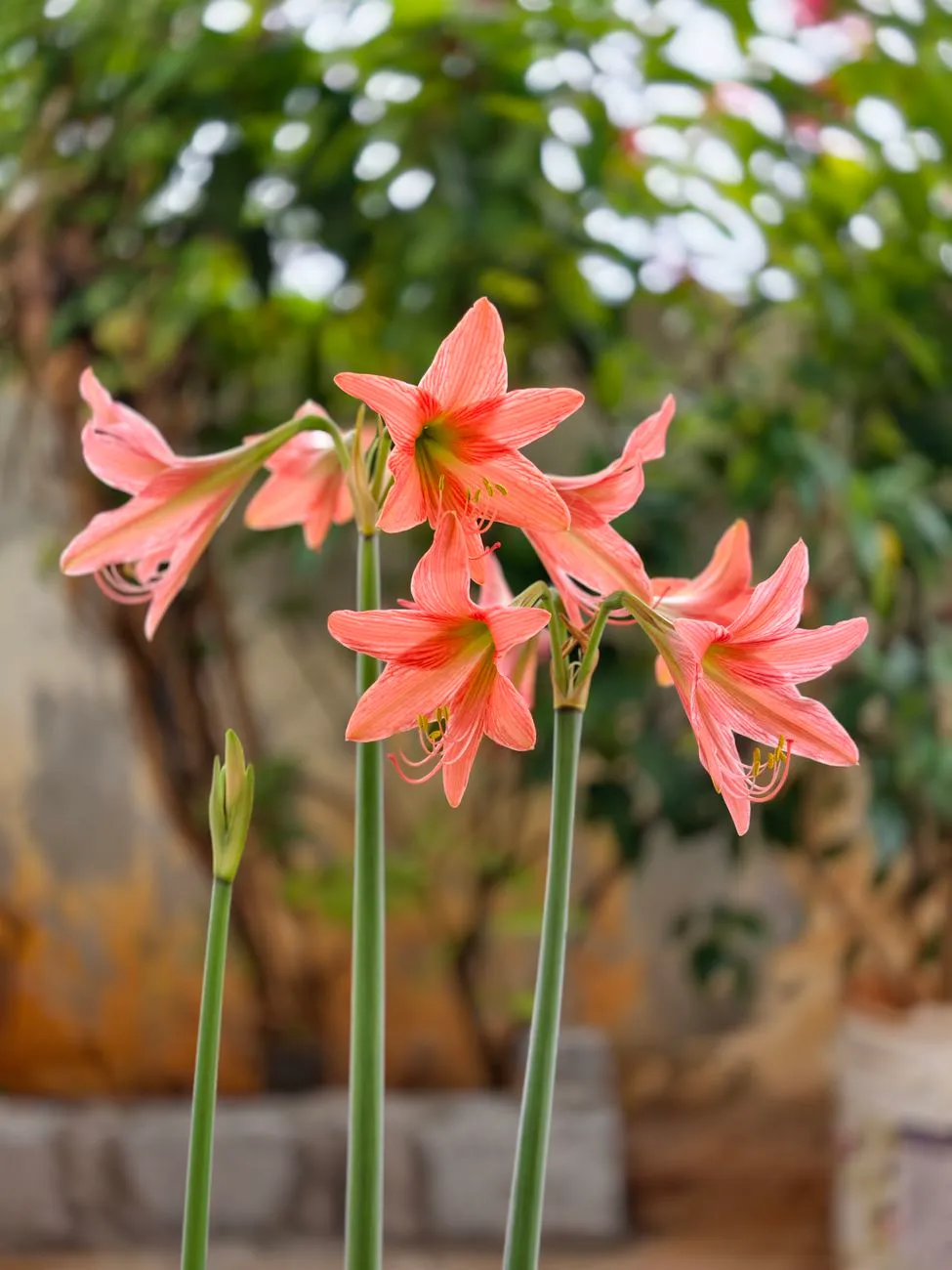
Few plants give such a dramatic reward for so little effort. A few reasons to grow one:
- Giant flowers. The jaw-dropping blooms appear indoors in the depths of winter.
- Beginner-proof. It is astonishingly easy to bring into bloom.
- Reblooms for years. Unlike many forced bulbs, it flowers again and again.
- Perfect gift. A potted bulb makes a generous, long-lived present.
If the amaryllis habit takes hold, its smaller cousin is worth knowing: the rain lily (Zephyranthes) belongs to the same family, Amaryllidaceae, but throws up its little crocus-like flowers outdoors within days of a good soaking — which is exactly why it suits an Indian monsoon garden.
History, origin & where amaryllis grows
The plant we grow indoors as “amaryllis” is really Hippeastrum, native to the tropical and subtropical Americas — Mexico south to Argentina, and some Caribbean islands (Hippeastrum). The true Amaryllis is a separate South African plant, and the mix-up was not settled casually: botanists argued over it for decades until the 14th International Botanical Congress ruled on it in 1987, conserving the name Amaryllis for the South African genus. The common name stuck anyway. Breeders have built over 600 hybrids and cultivars out of the genus’s 116 wild species.
It is a tender bulb that loves warmth, which is why it is grown as an indoor plant in cold climates. In frost-free warm regions, it can also be grown outdoors in the garden. The bulb stores all the energy needed for its spectacular bloom.
Because of its tropical origins, it cannot survive frost (see the Royal Horticultural Society). In cold areas it lives indoors as a forced winter bulb. In warm climates such as much of India, it can settle into a sunny, well-drained border.
Best season & when to plant
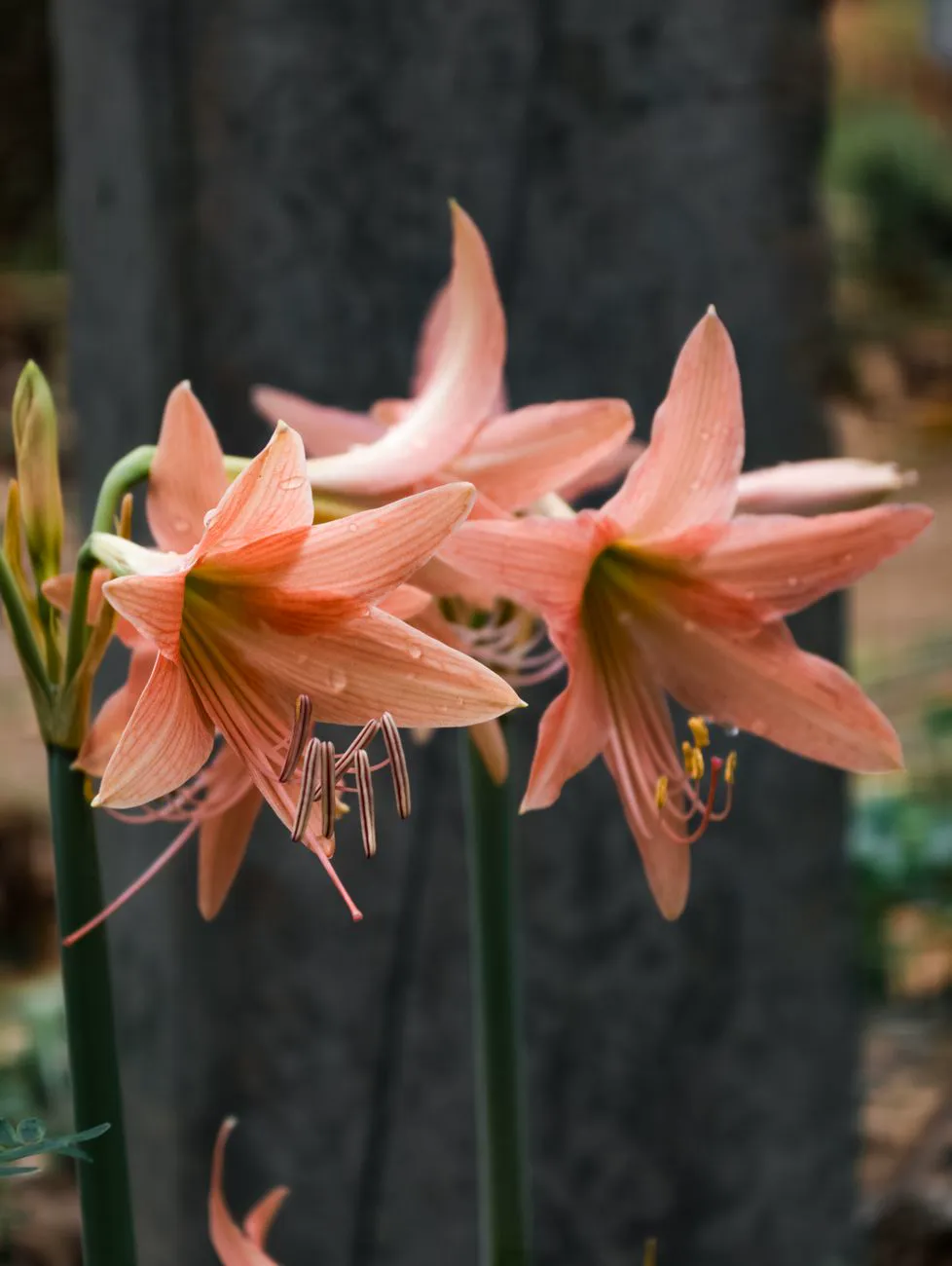
Amaryllis bulbs are usually planted in autumn and early winter for blooms over the holidays and into late winter. From planting, a bulb typically flowers in about 6–8 weeks. By staggering plantings a few weeks apart, you can enjoy a succession of blooms right through the season.
How to plant an amaryllis bulb
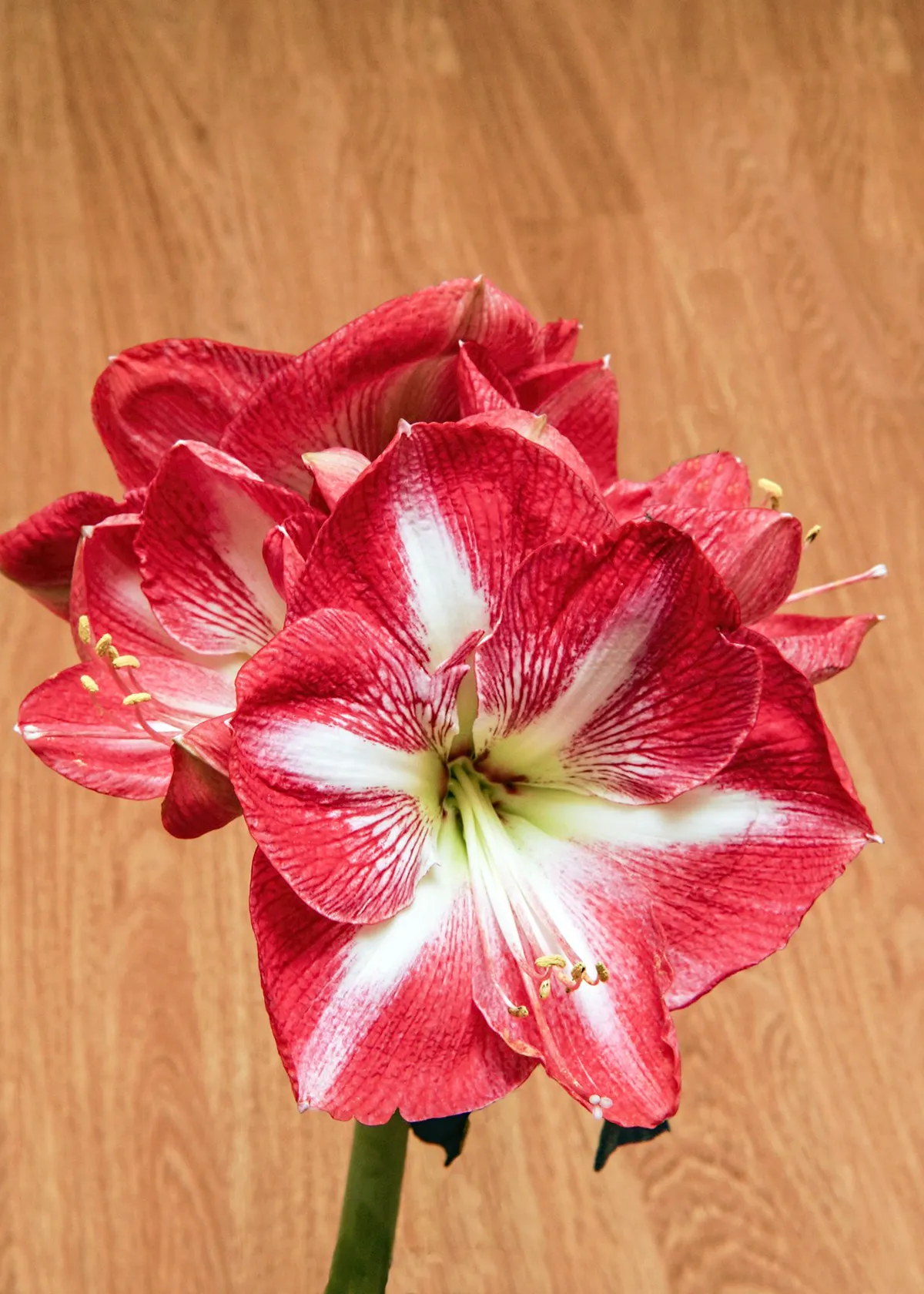
- If the roots look dry, soak the base of the bulb in lukewarm water for a few hours to wake it up.
- Pot it in free-draining compost (a cactus mix is ideal) in a pot only slightly wider than the bulb, leaving the top third of the bulb above the soil (see improving garden soil).
- Place it in a bright, warm spot (about 65–70°F / 18–21°C) and water sparingly until growth begins.
Watering & light
Water only when the soil surface is dry, as overwatering is the number one cause of bulb rot, especially before the stalk appears (see how often to water plants). Once growing, give it bright light and turn the pot every few days so the tall stalk grows straight rather than leaning to the window.
How to make amaryllis rebloom
This is the part most people miss:
- After flowering, cut the spent stalk to about 1–2 inches above the bulb, but keep the leaves.
- Grow it on as a leafy houseplant in bright light, watering normally and feeding monthly through spring and summer to recharge the bulb; in warm weather it can go outside.
- In autumn, give it a rest: move it to a cool, dark spot (about 45–55°F / 10–13°C) for 8–12 weeks, withholding water. Then bring it back into warmth and light, resume watering, and it will bloom again.
Growing amaryllis as a gift
Amaryllis is one of the most popular gift plants, and for good reason. A single bulb delivers a guaranteed, spectacular show. So it is a present that genuinely impresses.
For a gift, pot the bulb in an attractive container with the top third showing. Add a simple care note explaining the bright, warm spot and sparing watering. The recipient then watches the huge bloom unfold over a few weeks.
Best of all, you can pass on the secret of reblooming. With the cool autumn rest, the same bulb flowers for years. That turns a one-off gift into a lasting plant.
Propagating amaryllis from offsets
Over time, an amaryllis bulb produces small offset bulbs around its base. These are the key to free new plants. So a single bulb can slowly become several.
When you repot, gently detach any well-formed offsets that have their own roots. Pot each one separately in free-draining compost, with the top third showing. Treat them just like the parent bulb, much like other bulb propagation projects.
Young offsets take a year or two to reach flowering size. Grow them on with good light and feeding through summer. With patience, each becomes a full-sized, blooming amaryllis of its own.
Growing amaryllis in containers
Amaryllis is almost always grown in a pot, which suits it perfectly. A snug container actually encourages flowering. So choose a pot only a little wider than the bulb.
Use free-draining compost and a heavy pot, as the tall bloom can make light pots topple. Stand it somewhere bright and warm, and turn it regularly for a straight stalk. The same advice applies as for other container plants — never let it sit waterlogged.
Leave the top third of the bulb above the soil line. Water sparingly until the stalk appears, then more freely. After flowering, keep the pot growing on to recharge the bulb.
Common pests & diseases
Amaryllis are fairly trouble-free indoors. Watch for mealybugs, scale and spider mites, plus red blotch (a fungal disease) and bulb rot from overwatering (see sap-sucker control). Keep it well-drained, wipe off pests, and see our organic pest control guide. Note that the bulb is toxic to pets if eaten.
Benefits & uses
Amaryllis bring spectacular, large-scale colour indoors in winter, make a generous and long-lived gift, and, kept well, flower for many years from the same bulb. They are ideal for brightening a windowsill or table when the garden is bare. They need no special skill to succeed, making them a perfect plant for beginners.
This article is for general information only and is not medical advice. Talk to a qualified professional before using any plant medicinally.
Common amaryllis problems
Leaning, floppy stalk
Reaching for light. Give bright light and rotate the pot regularly; stake tall stalks if needed.
All leaves, no flowers (after the first year)
The bulb did not rest or recharge. Feed it through summer and give a cool, dark rest in autumn.
Soft, rotting bulb
Overwatering. Water sparingly, especially before growth starts, and use free-draining compost.
Related plant guides
- How to grow Brugmansia
- How to grow Calla Lily
- How to grow Canna
- How to grow Freesia
- How to grow Tuberose
- How to grow Hyacinth
Frequently asked questions
How long does an amaryllis take to bloom?
Usually about 6–8 weeks from planting the bulb.
How much of the bulb should be above the soil?
Leave the top third of the bulb above the soil line when potting.
How do I get my amaryllis to bloom again?
Keep the leaves growing and feed through summer, then give the bulb a cool, dark, dry rest for 8–12 weeks before bringing it back into warmth and light.
Why won't my amaryllis flower?
Usually it did not recharge — feed it through the growing season and give it a proper cool rest period to trigger reblooming.
Is amaryllis poisonous to pets?
Yes — the bulb in particular is toxic to cats and dogs if eaten, so keep it out of their reach.
Should I cut the leaves off my amaryllis after it blooms?
No — only remove the spent flower stalk, cutting it an inch or two above the bulb. The strappy leaves must stay, because they photosynthesise and recharge the bulb for next year’s flowers. Removing them too early is one of the most common reasons a bulb fails to rebloom. Let the foliage grow on in bright light until it yellows naturally at rest time.
Can amaryllis grow in water?
Yes — bulbs can be forced over water in a vase or a bowl of pebbles. The trick is that only the roots should touch the water; if the base of the bulb sits in it, the bulb rots. Top up so the waterline stays just below the bulb and refresh it regularly. Water-forcing exhausts the bulb more than soil growing, so pot it up afterwards if you want to keep it for future years.
How long do amaryllis flowers last?
Each individual bloom lasts roughly two to three weeks, and a large bulb often sends up two to four stalks in succession. That staggered show can stretch the total display to a month or more. Keeping the plant in a cool room, away from radiators and hot sun, makes the flowers last noticeably longer. Snip off each faded bloom to keep the display tidy and stop seed forming.
Can I put my amaryllis outside in summer?
Yes — once all frost danger has passed, a summer outdoors does the bulb good. Sink the pot into a bed or stand it in a spot with morning sun or bright dappled light, water when the top of the compost dries, and feed every couple of weeks. This is exactly when the bulb rebuilds its reserves for reblooming. Bring it back inside well before the first autumn frost.
Can amaryllis be planted permanently in the garden?
Only in mild, largely frost-free climates — roughly USDA zones 8-10 — where the bulbs can stay in the ground year-round, multiply, and flower each spring. Plant them in well-drained soil with the neck at or just above the surface. In colder regions the bulb will not survive winter outdoors, so grow it in a pot and treat the garden as its summer holiday only.
How many years will an amaryllis bulb last?
Decades, with basic care. A well-fed bulb that gets its summer growing period and annual rest can rebloom for 10-25 years, and heirloom bulbs passed down through families have lasted 50 or more. The bulb also produces offsets over time, which you can pot up separately. In effect, one good bulb is a long-term plant, not a one-season decoration.
What should I do with my amaryllis after it finishes flowering?
Cut the spent flower stalk a few centimetres above the bulb, but leave every healthy leaf in place — the foliage spends the next months photosynthesising and refilling the bulb for the following winter’s bloom. Keep watering, feed every couple of weeks, and give it your sunniest spot; the leaf-growing phase is where the next flowers are actually made.
How often should I water an amaryllis?
Water when the top 2-3 cm of soil feels dry, then soak thoroughly and let it drain — usually about once a week in active growth. The bulb rots quickly in soggy soil, so never leave it standing in water, and when watering try to keep the neck of the bulb dry.
Why are my amaryllis leaves floppy and falling over?
Too little light. In a dim room the strap leaves stretch weak and flop under their own weight; on a bright, sunny windowsill they grow shorter, thicker, and upright. Some flopping in old leaves is normal late in the season, but a fully collapsed young plant needs a sunnier home — a discreet stake helps in the meantime.
Does an amaryllis bulb need a dormant period to rebloom?
It needs a cool rest of eight to ten weeks to flower on schedule. From late summer, stop watering, let the leaves yellow and wither, then store the potted bulb dry in a cool, dark place around 10-15°C. Bring it back to warmth and light, water once, and a new flower bud typically appears within four to eight weeks.
Still stuck? Ask the Plant Doctor
Describe the problem — yellow leaves, holes, no flowers — and get a clear answer in seconds. FreeAI can make mistakes. Answers are guidance, not a guarantee — check anything important against the guide it links to, and always read the label on any product before you use it.