How to Grow Armeria (Sea Thrift)
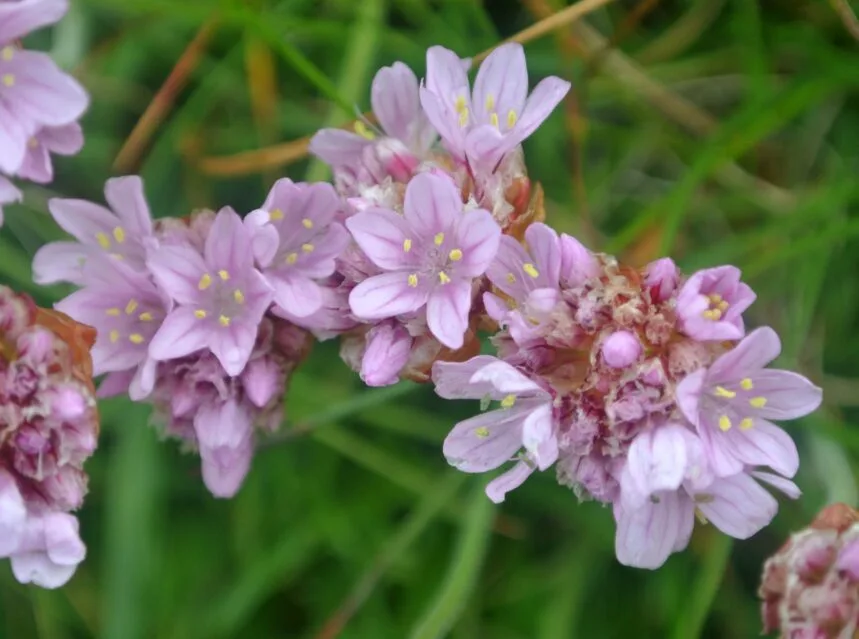
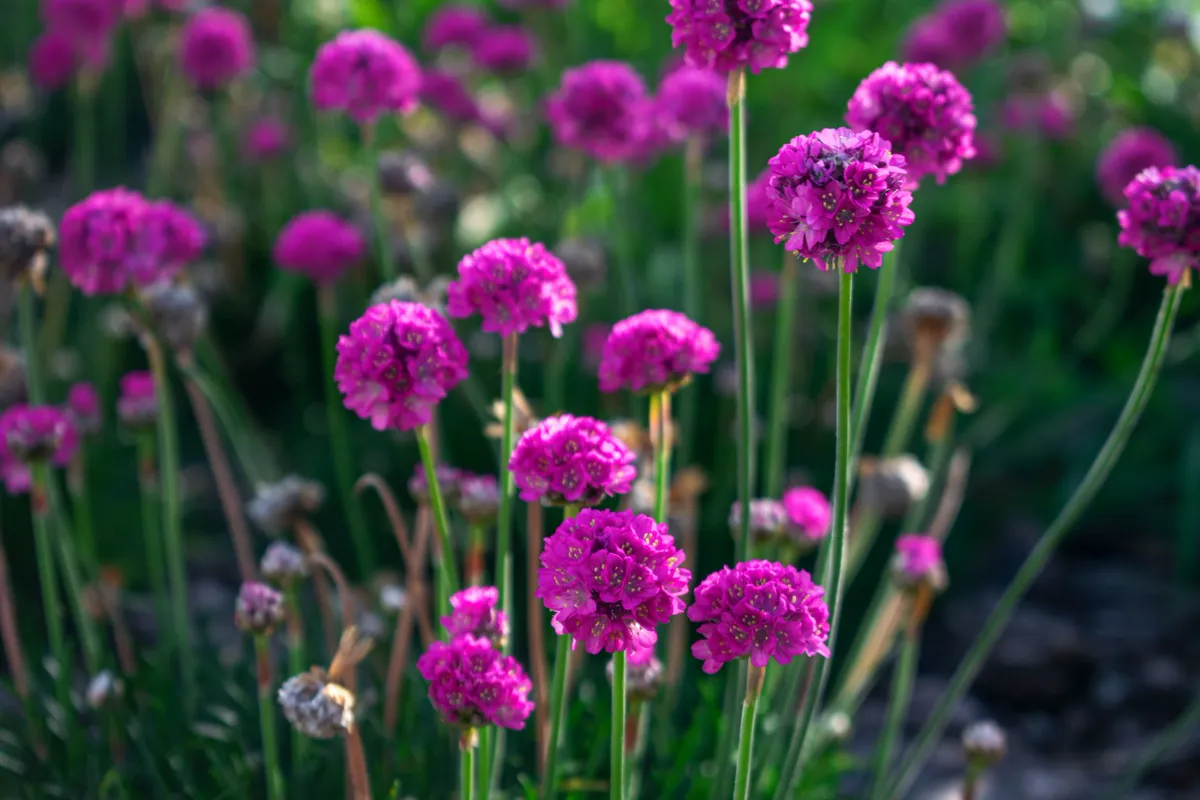
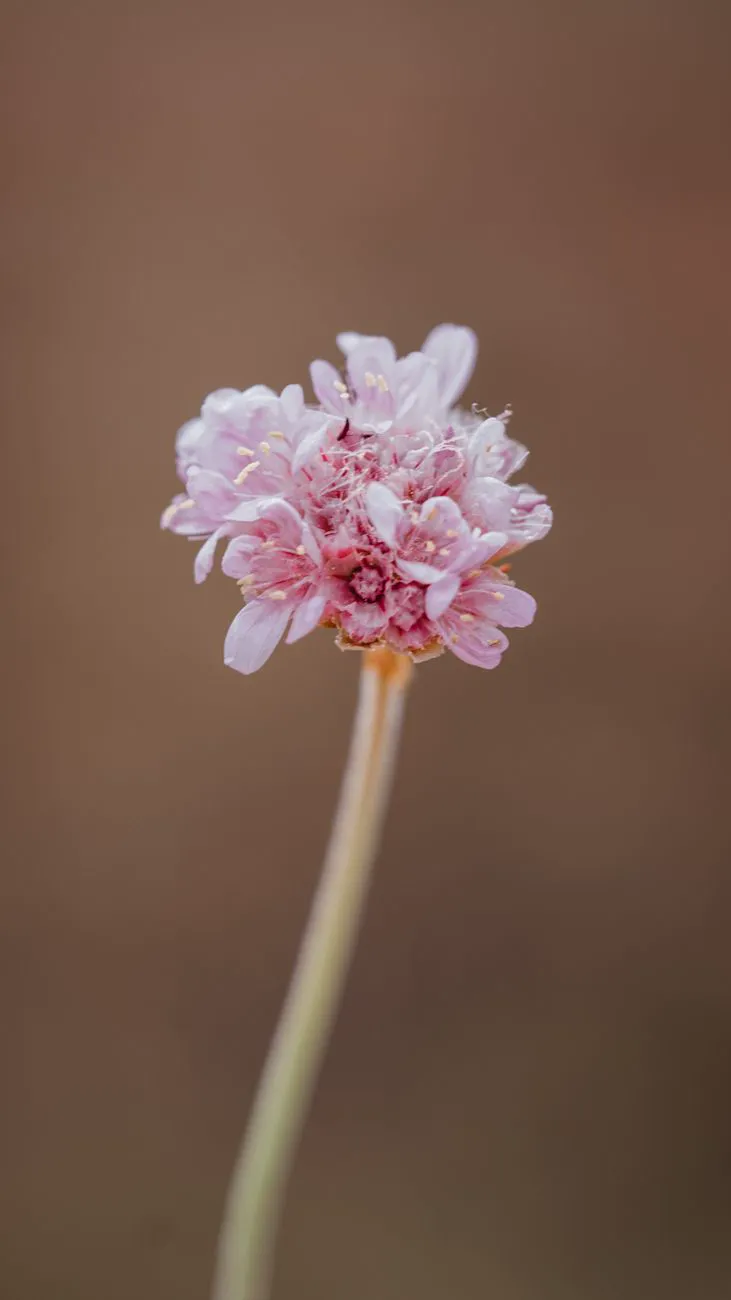
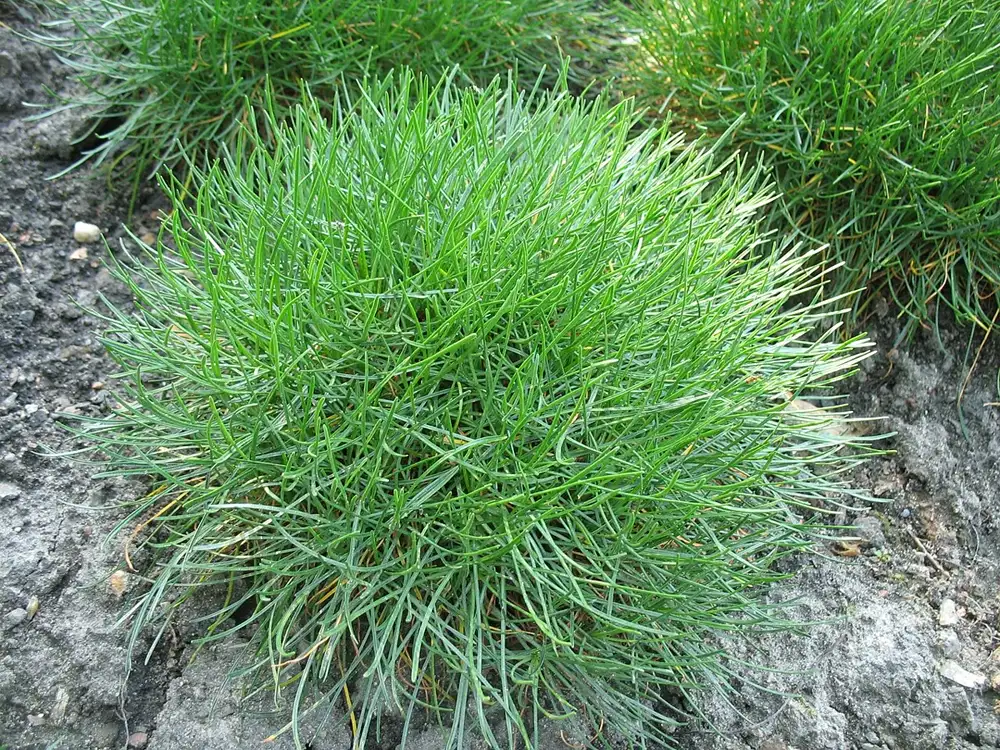
Armeria (sea thrift or sea pink) is a tough little evergreen perennial grown for its neat grassy cushions topped with cheerful pompom clusters of pink, white or red flowers — a cheerful survivor. Tolerant of salt, drought and poor soil, it thrives in tricky spots like coastal gardens, rockeries and gravel, where it edges and carpets beautifully. Here is the complete guide on how to grow armeria (sea thrift).
Quick start: Grow sea thrift in full sun in lean, very well-drained, even sandy soil — never wet or rich. It is drought- and salt-tolerant and needs little water once established. Deadhead the spent pompoms for some rebloom. It forms tidy evergreen cushions, perfect for rockeries and edging. Avoid clay and overwatering.
Sea thrift earns its keep by thriving exactly where fussier plants fail, forming neat evergreen cushions studded with pink pompoms. Growers stress one rule above all: give it lean, gritty, sharply drained soil and full sun, because it rots fast in rich, damp ground. It is a natural for rock gardens, gravel and containers, and deadheading the spent stems coaxes a second flush. Once settled, it shrugs off salt, wind and drought.
🧰 In a hurry? Jump straight to our tested picks for this guide ↓
Sea thrift at a glance
| Feature | Detail |
|---|---|
| Botanical name | Armeria maritima (family Plumbaginaceae) |
| Common names | Sea thrift, sea pink |
| Plant type | Hardy evergreen perennial |
| Light | Full sun |
| Soil | Lean, sandy, very well-drained (not rich/wet) |
| Flowers | Pink, white, red pompoms; late spring–early summer |
| Tolerates | Drought, salt, wind, poor soil |
| Habit | Neat evergreen cushions, 6–12 in |
Why grow sea thrift?
Armeria is an easy, tough little plant for difficult spots. A few reasons to grow it:
- Cheerful pompoms. Neat flower clusters sit above tidy evergreen cushions.
- Incredibly tough. It is drought-, salt- and wind-tolerant, thriving where others fail.
- Perfect for tricky ground. It suits rock gardens, gravel beds and edging.
- Low-maintenance. It is compact, non-invasive and pollinator-friendly.
History, origin & where sea thrift grows
Armeria maritima grows wild on coastal cliffs and salt marshes across Europe and beyond (see Encyclopaedia Britannica). It was once so emblematic of the British coast that it featured on the old threepenny coin. Generations of seaside gardeners have valued its toughness.
This wild, windswept origin shapes everything about its care. It is superbly adapted to full sun, lean sandy soil, salt, wind and drought. In return, it simply cannot cope with rich or wet ground.
It is a hardy evergreen perennial, comfortable in cool-temperate gardens worldwide (see the Royal Horticultural Society). It is perfect for tough, exposed positions where little else thrives. In hot climates, give it sharp drainage and it copes well.
Best season & when to plant
Plant armeria in spring or autumn, or sow seed, which usually flowers in its second year. It blooms from late spring to early summer, often with some rebloom if deadheaded. As an evergreen, it keeps its grassy cushion of foliage year-round, providing structure even out of flower.
How to plant armeria
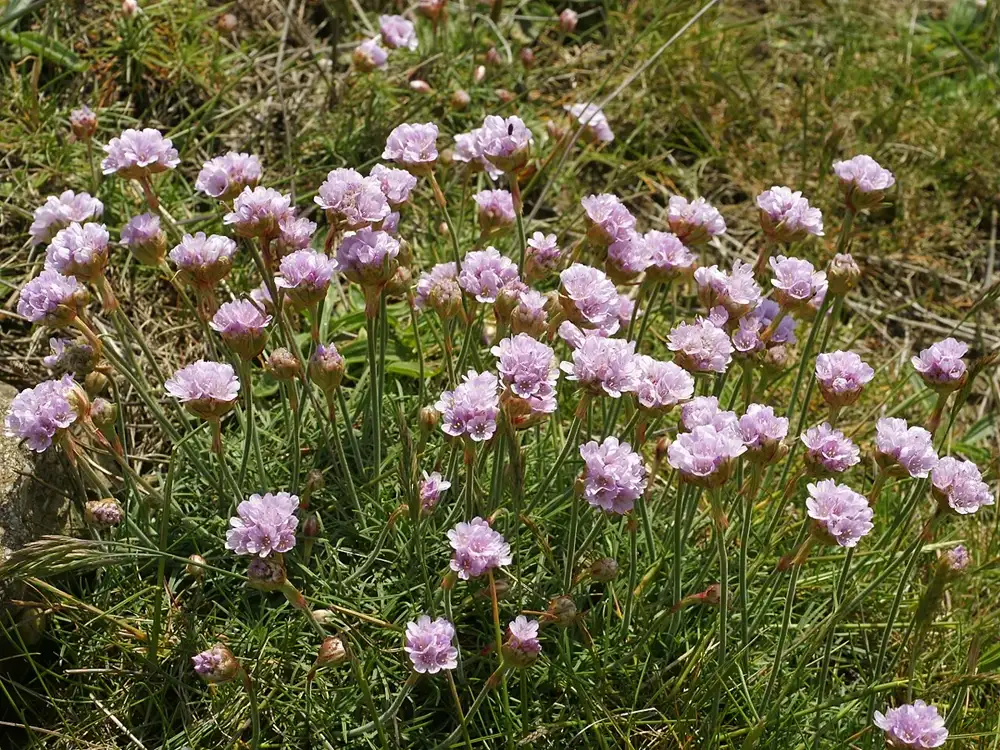
- Choose full sun and lean, very well-drained, sandy or gravelly soil — it tolerates poor, dry ground but rots in heavy clay or fertile, wet soil (see improving garden soil).
- It is perfect for rock gardens, the front edge of borders, gravel beds and coastal gardens, where it forms tidy 6–12 inch cushions.
- Grow it from seed (sown spring or autumn), division in spring, or basal cuttings in summer.
Watering & feeding (minimal)
Sea thrift thrives on minimal water in poor soil — once established it needs little to no watering and resents soggy conditions (see how often to water plants). It needs no feeding, as rich soil actually harms it. Essentially, plant it lean and dry in full sun and then leave it alone.
Sea thrift in a coastal or gravel garden
This is where armeria truly belongs. It evolved on salt-sprayed cliffs, so coastal conditions suit it perfectly. So it shines where salt and wind defeat other plants.
Plant it along the front of a sunny border, in the gaps of a gravel garden, or among rocks. Its neat cushions soften hard stone and edging beautifully. Massed together, the pompom flowers create a charming carpet.
Pair it with other tough, sun-loving plants like sedum, lavender and ornamental grasses. The combination needs almost no water or care. Together they make a relaxed, water-wise, pollinator-friendly planting.
Deadheading & care
Deadhead the spent flower stems during and after the spring flush to tidy the plant and encourage sporadic summer rebloom (see deadheading flowers). If a cushion starts dying out in the centre, a sign of age or too-rich or wet conditions, lift and divide it to rejuvenate. Otherwise it needs almost no care at all.
Growing armeria in containers
Sea thrift makes a charming container plant, especially in a trough or alpine pot. A pot guarantees the sharp drainage it craves. So it is a great fix for gardeners on heavy soil.
Use a gritty, free-draining compost and a container with good drainage holes. Stand it in full sun, the brightest spot you have. Water only when the soil is dry, and never let it sit wet.
Its neat, evergreen cushions look lovely spilling over the edge of a pot. Combine it with other alpines and sedums for a miniature rock garden. Divide it every few years to keep it fresh.
Best armeria varieties to try
There is a little more variety in sea thrift than first appears. A few named types widen the choice. So it is worth knowing the popular ones.
The classic Armeria maritima gives the familiar pink pompoms on neat cushions. ‘Alba’ offers crisp white flowers, while ‘Splendens’ is a deeper, richer rose-pink. For something bolder, the larger Armeria pseudarmeria types have bigger flower heads.
All grow the same lean, sunny, sharply drained way. Mixing pink and white forms looks lovely along an edge. Choose a compact type for troughs and a larger one for borders.
Growing armeria from seed
Sea thrift is easy and cheap to raise from seed. A single packet gives plenty of plants for edging. So it is a great way to fill a long border front.
Sow the seed in spring or autumn in gritty, free-draining compost. Keep it just moist and in good light until the seedlings appear. Prick them out and grow them on before planting in their final sunny, dry spot.
Seed-raised plants usually flower in their second year. They may vary a little in colour, which adds charm to a drift. Once settled, they need almost no further care.
Common pests & diseases
Armeria is tough and largely pest-free. Its main problem is crown or root rot in the centre, caused by heavy clay, fertile soil, or prolonged wet, cool conditions. Sharp drainage and lean soil prevent this, and there are few other issues. Treat any rare aphids as in our aphid guide, and see our organic pest control guide if needed.
Benefits & uses
Sea thrift gives cheerful pompom flowers, neat evergreen cushions, and outstanding tolerance of drought, salt, poor soil and exposure, making it ideal for rock gardens, gravel beds, edging and coastal plantings. It is pollinator-friendly, compact, non-invasive and almost maintenance-free (see attracting pollinators). For easy colour in tough, dry spots, it is a gem.
This article is for general information only and is not medical advice. Talk to a qualified professional before using any plant medicinally.
Common armeria problems
Dies out in the centre
Too rich, wet or heavy soil, or age. Grow it lean and dry, and divide it to rejuvenate.
Rotting
Soggy or clay soil. Plant it in sandy, sharply drained ground in full sun.
Few flowers
Too shady. Give it full sun for the best flowering.
Related plant guides
- How to grow Centranthus
- How to grow Linaria
- How to grow Catananche
- How to grow California Poppy
- How to grow Erigeron
- How to grow Gaura
Frequently asked questions
Is sea thrift salt-tolerant?
Yes — it grows wild on coastal cliffs and is highly salt- and wind-tolerant, ideal for seaside gardens.
Why is my armeria dying in the middle?
Usually soil that is too rich, heavy or wet, or simply age. Grow it lean and dry, and divide it to renew it.
Does sea thrift need much water?
No — once established it is very drought-tolerant and needs little to no watering; it dislikes soggy soil.
Is armeria evergreen?
Yes — it keeps its grassy cushion of foliage year-round, giving structure even when not in flower.
How do I propagate sea thrift?
Divide an established clump in spring, take basal cuttings in summer, or sow seed. Division is the quickest way to renew an old, dying-out cushion.
How long does sea thrift live?
In the lean, gritty, sharply drained conditions it evolved for, a clump lives happily for many years with almost no attention. In rich, heavy, or persistently damp soil it is markedly short-lived, often declining within two or three seasons. Dividing every three or four years, before the centre goes bare, effectively resets the plant and keeps a planting going indefinitely.
Should I deadhead armeria?
Yes — it is the one job that genuinely pays off. Snip each spent flower stem right down to the foliage cushion rather than just picking off the faded head, and the plant usually pushes out a scattering of extra blooms through summer. A final tidy-up in late summer keeps the mound neat through winter, when the evergreen foliage carries the display.
When and how do I divide sea thrift?
Early spring is ideal, just as new growth starts, though early autumn works in mild areas. Lift the whole clump, cut or pull it into sections, discard any dead or rotted centre, and replant only the vigorous outer pieces at the same depth in gritty soil. Water them in once, then treat them as normal — established divisions need very little afterwards.
Is armeria deer resistant?
It is widely rated deer and rabbit resistant, and the tough, grassy foliage is not a favourite in most gardens. That said, no plant is truly deer-proof: hungry deer in a hard winter or a heavily browsed neighbourhood will sample almost anything. Combined with its salt and wind tolerance, it remains one of the safer choices for exposed coastal gardens where deer pass through.
Does sea thrift grow well in pots and rockeries?
It is close to ideal for both. The neat evergreen cushion, small root system, and dislike of rich soil suit troughs, alpine pans, wall crevices, and gravel gardens perfectly. Use a free-draining mix with added grit, choose a pot with generous drainage, and skip the fertiliser — feeding is the quickest way to make an armeria floppy and short-lived.
Is sea thrift toxic to pets?
Armeria maritima is not listed among the plants known to be toxic to cats or dogs, and it has no reputation for poisoning livestock or pets. As with any plant, a pet that chews a mouthful of foliage might get a brief stomach upset simply from the roughage. Contact a vet if unusual symptoms follow, but the plant itself is considered a safe choice for family gardens.
Still stuck? Ask the Plant Doctor
Describe the problem — yellow leaves, holes, no flowers — and get a clear answer in seconds. FreeAI can make mistakes. Answers are guidance, not a guarantee — check anything important against the guide it links to, and always read the label on any product before you use it.