How to Grow Elephant Garlic
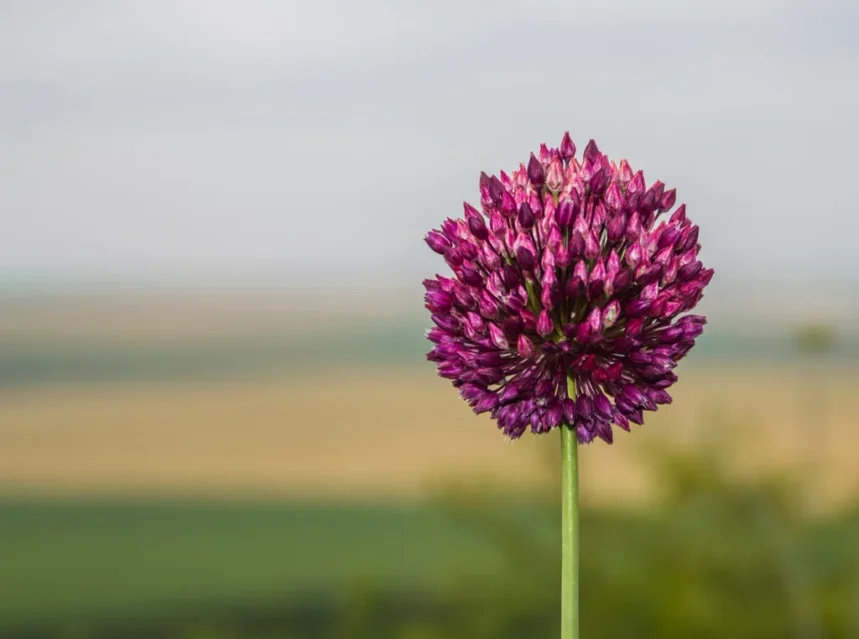
Elephant garlic (Allium ampeloprasum) is a giant, mild-flavoured bulb that looks like an oversized garlic but is botanically closer to a leek — and it is grown much like ordinary garlic, only bigger and gentler in taste. Each huge bulb splits into a few large cloves with a soft, sweet garlic flavour. Here is the complete guide on how to grow elephant garlic.
Quick start: Plant elephant garlic cloves in autumn in full sun and rich, free-draining soil. Space them well, as the plants get large. Water through the growing season and feed for big bulbs. Harvest in summer when the lower leaves yellow. In warm climates, give the cloves a cold spell before planting.
Experienced growers and university extension guides treat elephant garlic as an easy, rewarding crop that mainly needs space, rich soil, and patience. Allotment gardeners share two useful lessons: it needs a period of cold (vernalisation) to form a proper segmented bulb, so autumn planting in cold-winter areas works best; and in its first year a clove may produce a single undivided “round” rather than cloves, which is normal — replant it and it bulbs up the next year. Many also note the flavour is far milder than true garlic, closer to a sweet, mellow leek. In short, plant in autumn, feed well, and give it room.
🧰 In a hurry? Jump straight to our tested picks for this guide ↓
Elephant garlic at a glance
| Feature | Detail |
|---|---|
| Botanical name | Allium ampeloprasum (leek group) |
| Common name | Elephant garlic |
| Plant type | Hardy perennial bulb, grown as annual |
| Flavour | Mild, sweet — milder than true garlic |
| Sun | Full sun |
| Soil | Rich, free-draining, fertile |
| Plant | Autumn (needs a cold spell) |
| Harvest | Early to mid summer |
Why grow elephant garlic?
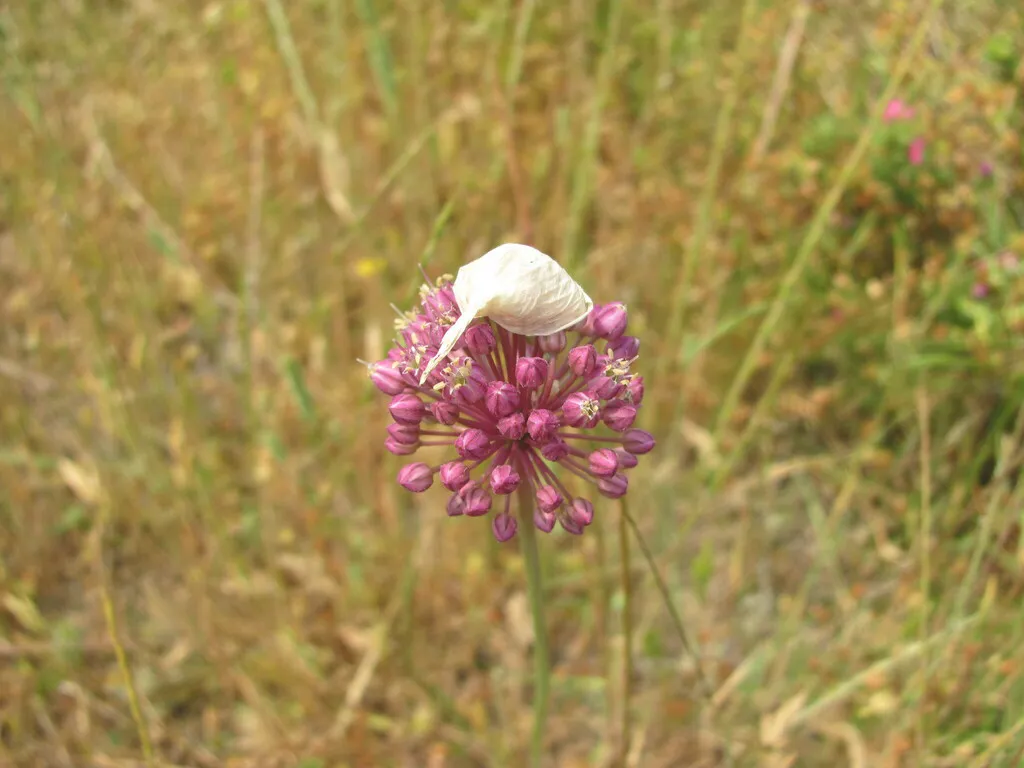
Elephant garlic gives a big reward for little effort. The bulbs are enormous, often the size of an apple, and a single clove can be as large as a whole head of ordinary garlic. That makes harvest both impressive and useful in the kitchen.
Its mild, sweet flavour is the real draw. It is gentle enough to roast whole, slice raw into salads, or use generously where true garlic would overpower. Easy to grow, striking in the plot, and productive, it is a fun crop for beginners and a talking point for any gardener.
History, origin & where it grows
Despite its name, elephant garlic is not a true garlic at all. It belongs to Allium ampeloprasum, the same species group as the leek, and is native to the Mediterranean and Western Asia (see the Encyclopaedia Britannica). This leek heritage explains its mild taste and tall, broad, strap-like leaves.
It has been grown around the Mediterranean for centuries and spread into European and American kitchen gardens as a novelty crop prized for its size and gentle flavour.
Elephant garlic grows well across temperate regions of the US and UK, where cold winters help the bulbs segment properly. In India, it suits the cool season and the hill stations, planted in autumn or early winter so it gets the chill it needs. On the hot plains it struggles to form good bulbs without that cold period.
Best season & when to plant
Plant elephant garlic in autumn, ideally a few weeks before the first hard frost, so the cloves root and then receive the winter cold they need to split into segments. This cold spell, called vernalisation, is the key to a well-formed bulb.
Spring planting is possible in very cold regions, but autumn-planted cloves almost always produce bigger bulbs. In India’s plains, plant in the cool months from October to November; in the hills, follow the local autumn planting window.
How to plant elephant garlic
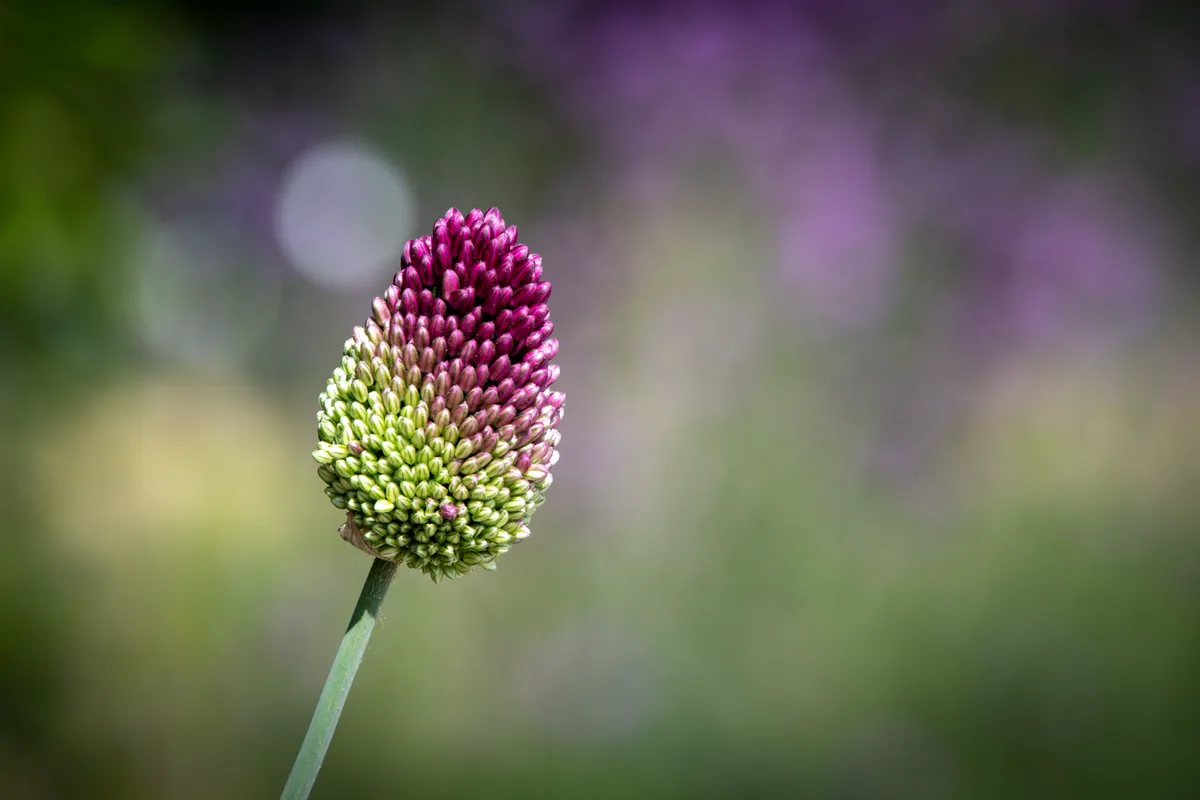
Elephant garlic is grown from individual cloves, just like ordinary garlic but with more space. To plant it well:
- Choose a spot in full sun with rich, free-draining soil improved with compost (see improving garden soil).
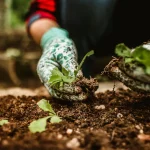
- Split a bulb into cloves and plant each one pointed-end up, about 5 cm deep.
- Space cloves generously, around 20–30 cm apart, as the plants grow large.
Water in after planting and keep the bed weed-free. The cloves will root before winter and send up leaves in spring.
Sun, soil, watering & feeding
Elephant garlic is a sun-lover and needs full sun to grow strong leaves that feed big bulbs. It prefers rich, fertile, free-draining soil and dislikes heavy, waterlogged ground, which rots the bulbs.
Water regularly through spring as the plants grow, especially in dry spells, since steady moisture builds size (see how often to water plants). Feed in spring with a balanced or nitrogen-rich fertiliser to drive leafy growth. Then stop watering as harvest nears and the leaves begin to yellow, which helps the bulbs ripen and store well.
Scapes, bulbils & the first-year round
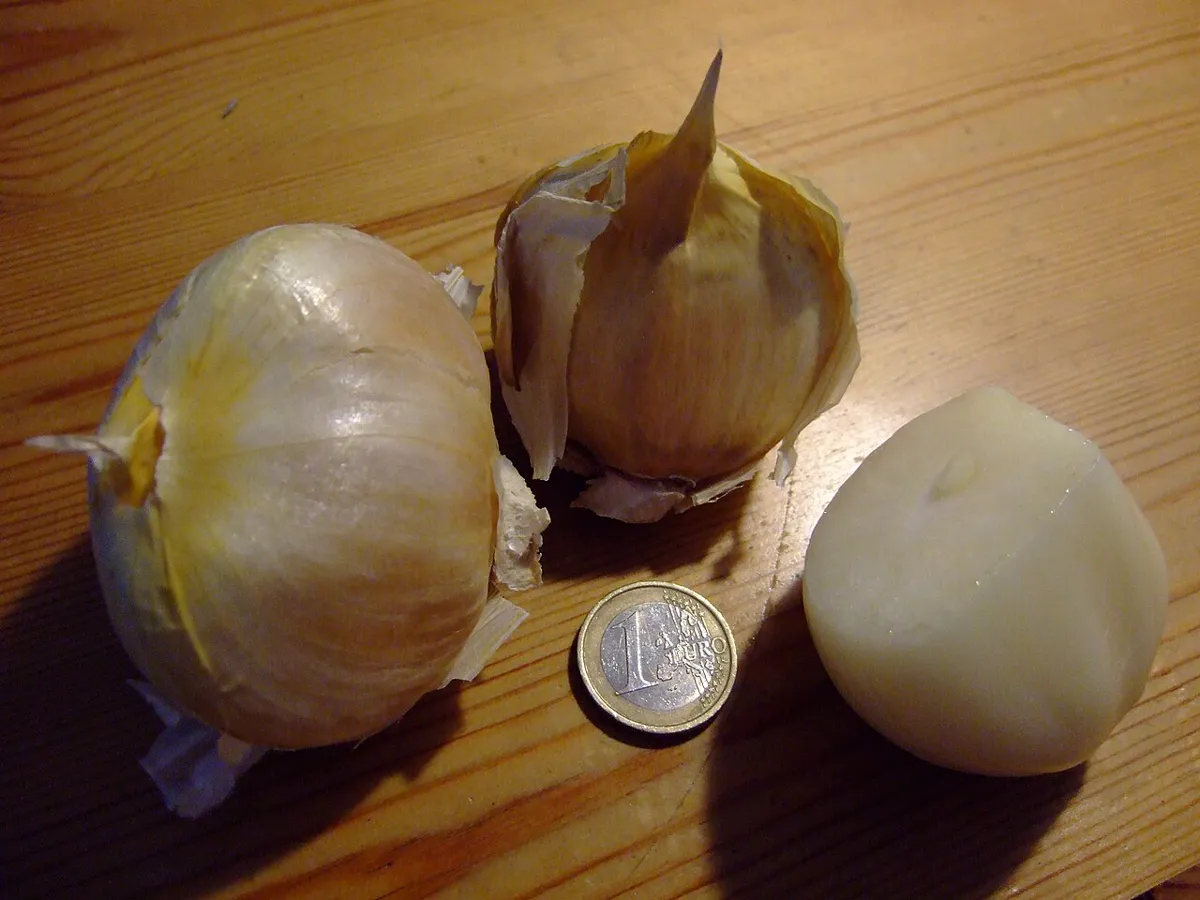
In early summer, elephant garlic often sends up a tall flower stalk, or scape. Snapping these off directs energy into the bulb rather than the flower, giving you larger cloves. The scapes are also edible and delicious.
Two quirks surprise new growers. First, a clove planted in poor conditions or its first year may form a single round, undivided bulb instead of cloves — simply replant it and it will segment the next season. Second, the plants produce small hard bulbils around the main bulb, which can be saved and grown on over a couple of years into full bulbs.
Harvesting & storing
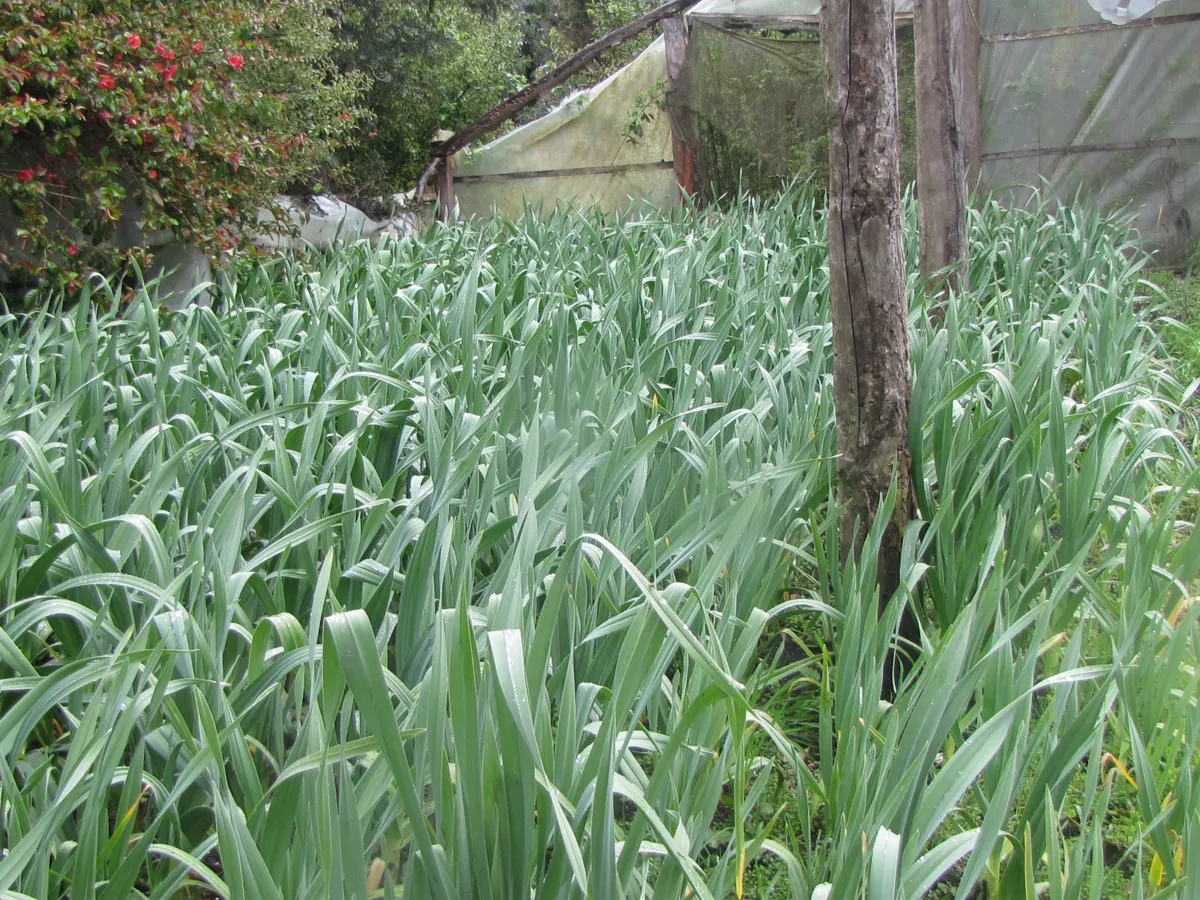
Elephant garlic is ready in early to mid summer, when the lower leaves turn yellow and start to die back while several green leaves remain at the top. Don’t wait too long, or the bulb wrappers split and storage suffers.
Loosen the soil with a fork and lift the bulbs gently rather than pulling. Then cure them in a warm, dry, airy place for a couple of weeks until the skins and roots are papery. Cured bulbs store for several months in a cool, dry spot, and you can save your best cloves to replant in autumn.
Common pests & diseases
As an allium, elephant garlic shares the troubles of garlic, leeks, and onions. Watch for rust, which marks leaves with orange pustules, and for white rot and onion fly in soil where alliums have grown before. Crop rotation is the best prevention.
Keep plants healthy, weed-free, and well drained, and avoid planting alliums in the same bed year after year. Our guides to rust and organic pest control cover the main fixes if trouble appears.
Health benefits & uses
Like other alliums, elephant garlic contains sulphur compounds and is a source of vitamin C and various minerals, though its milder flavour means lower concentrations than true garlic. It is enjoyed mainly as a gentle, sweet seasoning.
In the kitchen it is wonderfully versatile: roast whole cloves until soft and caramelised, slice it raw into salads, or use it in cooking wherever you want a mellow garlic note without the bite. The leaves and scapes are edible too.
This article is for general information only and is not medical advice. Consult a qualified professional for dietary or medical guidance.
Common elephant garlic problems
Single round instead of cloves
Normal in the first year or without enough cold. Replant the round in autumn and it usually segments next season.
Small bulbs
Often too little space, food, or water, or no cold spell. Give rich soil, room, steady moisture, and autumn planting.
Rotting bulbs
Caused by heavy, wet soil or allium diseases. Improve drainage, rotate crops, and ease off watering near harvest.
Related plant guides
- How to grow Egyptian Walking Onions
- How to grow Jerusalem Artichoke
- How to grow Oca
- How to grow Quinoa
- How to grow Shallots
- How to grow Garlic
Frequently asked questions
Is elephant garlic real garlic?
No. It is botanically a type of leek (Allium ampeloprasum), not true garlic. It looks like a giant garlic but tastes much milder and sweeter.
When should I plant elephant garlic?
Plant cloves in autumn so they root and get the winter cold needed to form a properly segmented bulb. Autumn planting gives the biggest bulbs.
Why did my elephant garlic grow as one round bulb?
That is normal in the first year or without enough cold. Just replant the round in autumn and it usually splits into cloves the following season.
Can I grow elephant garlic in India?
Yes, in the cool season or hill stations, planted in autumn or early winter so it gets a cold spell. The hot plains make good bulbs hard to form.
When should I harvest elephant garlic?
Lift the bulbs when roughly half the leaves have yellowed and flopped, usually in early to midsummer. Stop watering a few days before you dig so the soil dries and the wrappers stay intact. Timing matters in both directions: dug too early the bulb is small and the cloves may not have separated properly, while left too long the wrappers split and the cloves start to break apart in the ground.
Should I cut the scape off elephant garlic?
Yes — once the flower stalk curls up out of the centre, snip it off so the plant puts its energy into the bulb rather than the flower head. The scapes are perfectly edible with a mild garlic-leek flavour and are excellent grilled or blitzed into pesto. Expect the bulb to be ready roughly a month after you remove the scapes.
What are the little hard bulbs around my elephant garlic?
Those hard, shell-covered nodules attached to the base are corms, sometimes called bulbils, and they are how the plant multiplies naturally. Do not throw them away — collect them at harvest and plant them in autumn. Small corms usually take two or three seasons to build up to a full segmented bulb, while large ones can produce a properly cloved head in a single year.
How far apart should elephant garlic be planted?
Give it far more room than ordinary garlic: about 20-30 cm between plants and 30-45 cm between rows, planting each clove around 10 cm deep with the pointed end up. The plants get large, and crowding them is the most common reason for disappointingly small bulbs. Corms can go closer together, since they are only being grown on to size up.
How do I cure and store elephant garlic?
Cure the lifted bulbs for two to four weeks somewhere dry, airy, and out of direct sun, leaving the tops on until the necks are papery. Leave the outer skin intact and store the bulbs somewhere cool and dry with low humidity — around 7-13C with modest humidity is ideal. Well-cured bulbs keep for many months, considerably longer than most true garlic.
Why are my elephant garlic leaves turning yellow?
Yellowing from the bottom leaves upward in early summer is simply the plant maturing and is your harvest signal, not a problem. Yellowing much earlier in the season usually means waterlogged soil, a nitrogen shortage, or onion white rot in the soil. Check drainage first, feed with a nitrogen-rich fertiliser in spring, and rotate alliums to fresh ground each year to avoid soil-borne disease.
What does elephant garlic taste like?
Much milder and sweeter than true garlic, closer to a leek with a gentle garlic note, and it loses heat further when cooked. That mildness is why it suits roasting whole, slicing raw into salads, or using in quantities that would be overpowering with ordinary garlic. If you want the sharp pungency of a real garlic clove, this is not a substitute — it is its own thing.
Is elephant garlic safe for dogs and cats?
Elephant garlic is mild for people, but it is not mild for pets. Despite the name it is not a true garlic — it is Allium ampeloprasum, the same species as leek. The ASPCA lists the whole onion family — onion, garlic and leek (Allium ampeloprasum) — as toxic to dogs, cats and horses.
The compound responsible, N-propyl disulfide, damages red blood cells and can cause anaemia. Cats are the most sensitive of all. Cooking does not remove it, so leftovers and scraps count too. The bulbs are large and smell strongly, which makes them attractive to a curious dog. So store the harvest out of reach and keep peelings off the kitchen floor. Contact a vet if a pet has eaten some. This is general information, not veterinary advice.
Sources and further reading
Still stuck? Ask the Plant Doctor
Describe the problem — yellow leaves, holes, no flowers — and get a clear answer in seconds. FreeAI can make mistakes. Answers are guidance, not a guarantee — check anything important against the guide it links to, and always read the label on any product before you use it.