How to Grow Litchi (Lychee)
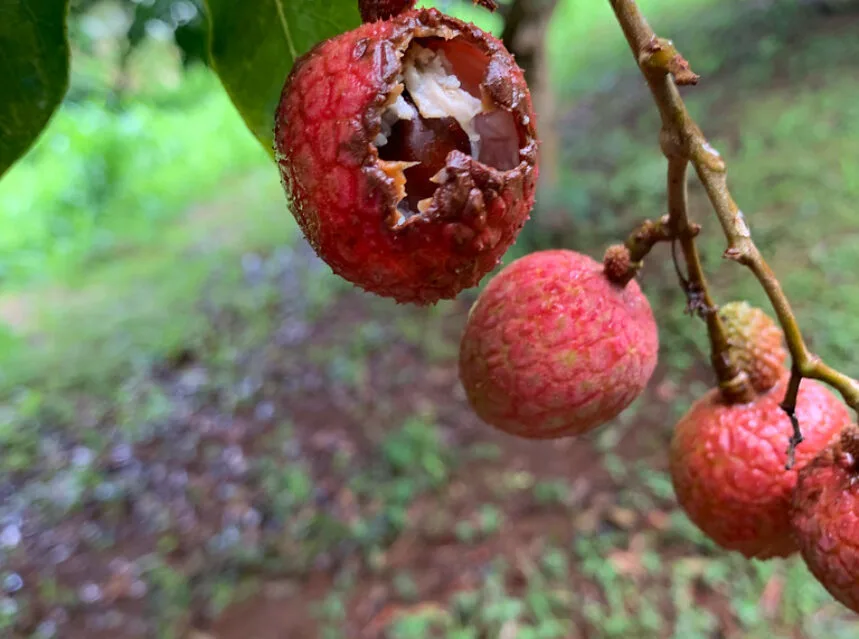
Litchi (Litchi chinensis), also spelt lychee, is one of the most exquisite of all tropical fruits — a cluster of rosy-red, bumpy-skinned globes that peel to reveal translucent, juicy, perfumed white flesh tasting of rose and grape. Loved across India and Asia, it’s a beautiful evergreen tree that fruits in early summer. It does demand the right climate, but the reward is unforgettable. Here is the complete guide on how to grow litchi.
Quick start: Grow litchi in full sun in well-drained, fertile, slightly acidic loamy soil rich in organic matter. It needs warm, humid summers and a touch of winter cool to flower well. Keep it consistently moist, shelter it from wind and frost, and grow an air-layered/grafted tree to fruit in 3–5 years. The fruit ripens red in early summer.
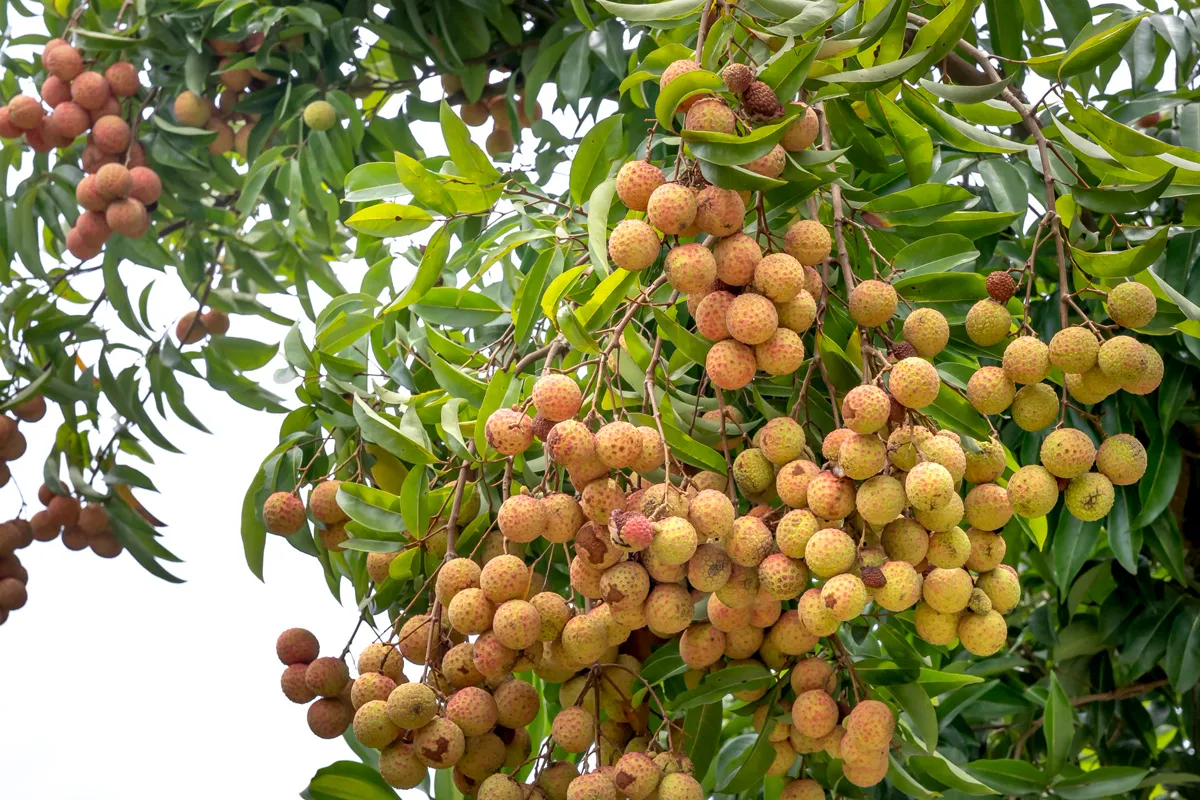
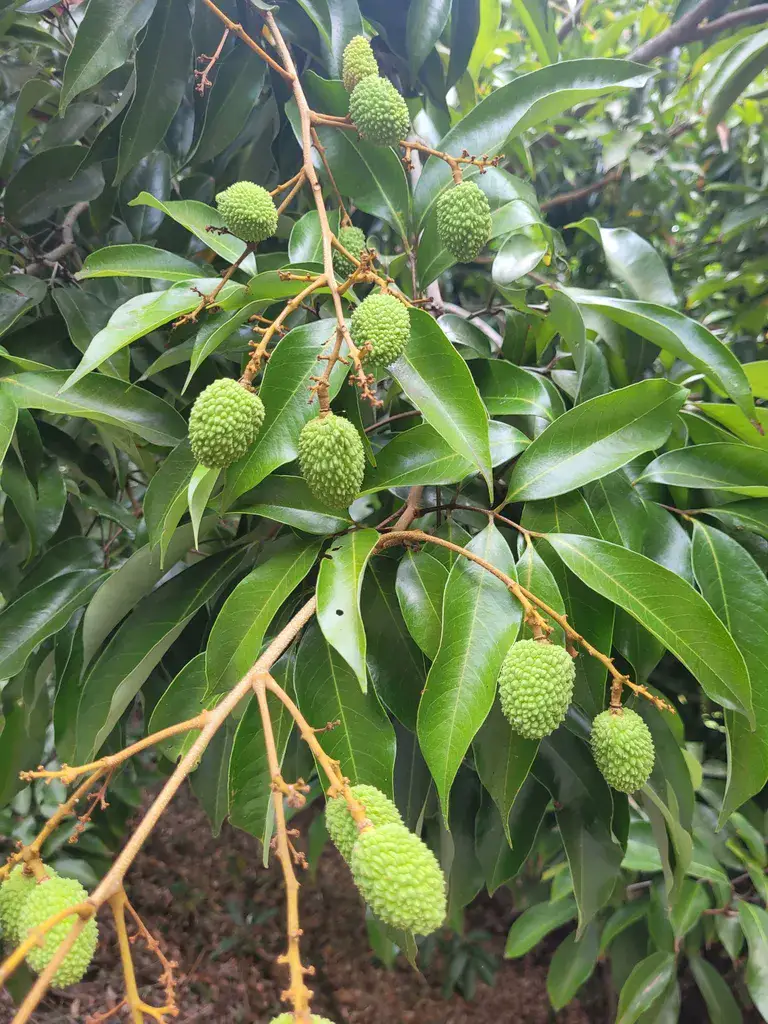
A litchi tree is a long-term project, but a cluster of homegrown lychees is a real reward. Growers learn it needs a particular climate, with a warm, humid summer to swell the fruit and a cool but frost-free winter to trigger flowering, so it can be shy to crop outside its comfort zone. It likes rich, well-drained, slightly acidic soil and shelter from drying wind. The fruit ripens in hanging clusters in early summer and is best eaten fresh, straight from the tree.
🧰 In a hurry? Jump straight to our tested picks for this guide ↓
Litchi at a glance
| Feature | Detail |
|---|---|
| Botanical name | Litchi chinensis (family Sapindaceae) |
| Common names | Litchi, lychee |
| Plant type | Evergreen fruit tree |
| Sun | Full sun, sheltered |
| Soil | Fertile, free-draining, slightly acidic |
| Climate | Warm humid summer + cool (frost-free) winter |
| First fruit | 3–5 years (grafted/air-layered) |
Why grow a litchi tree?
Litchi rewards you with a uniquely fragrant, luxurious fruit that’s expensive and fleetingly seasonal in shops. The tree is a handsome evergreen with glossy leaves and coppery new growth, it’s long-lived and productive in the right climate, and home-grown fruit, eaten fresh and warm, is in another league. For warm-climate growers and lovers of fine fruit, it’s a treasured tree.
Where litchi grows best
Litchi (Litchi chinensis) is native to southern China and is grown across India (a major producer — especially Bihar), China, Southeast Asia, and warm parts of the US (Florida, Hawaii) and Australia. It’s subtropical-to-tropical (zones 10–11, 9 at a push), needing warm, humid summers for fruiting plus a period of winter cool to trigger flower buds — a fairly specific climate.
Best season & when to plant
Plant litchi in early spring for the best establishment. It flowers in spring after a cool winter, and the fruit ripens in early summer over a short, glorious season. From a nursery (air-layered or grafted) tree, expect first fruit in 3–5 years; seed-grown trees take a decade or more and are unreliable.
How to plant and grow litchi
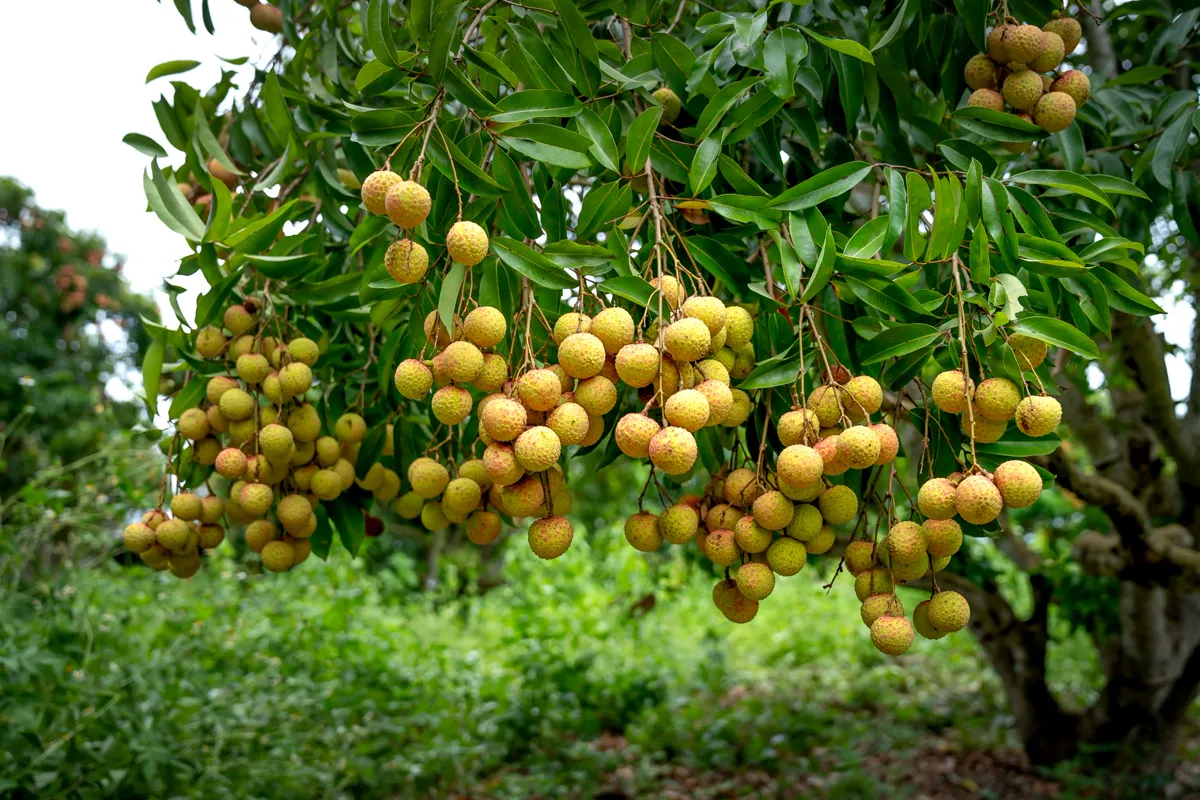
- Choose an air-layered or grafted tree of a named variety — seed-grown litchis are slow and often poor.
- Plant in full sun in a sheltered, frost-free, wind-protected spot, in well-drained, fertile, slightly acidic, organic-rich loamy soil (see improving garden soil).
- It’s a long-term tree, but young/dwarf trees can be grown in large containers in marginal climates and protected over winter.
Sun, soil, watering & feeding
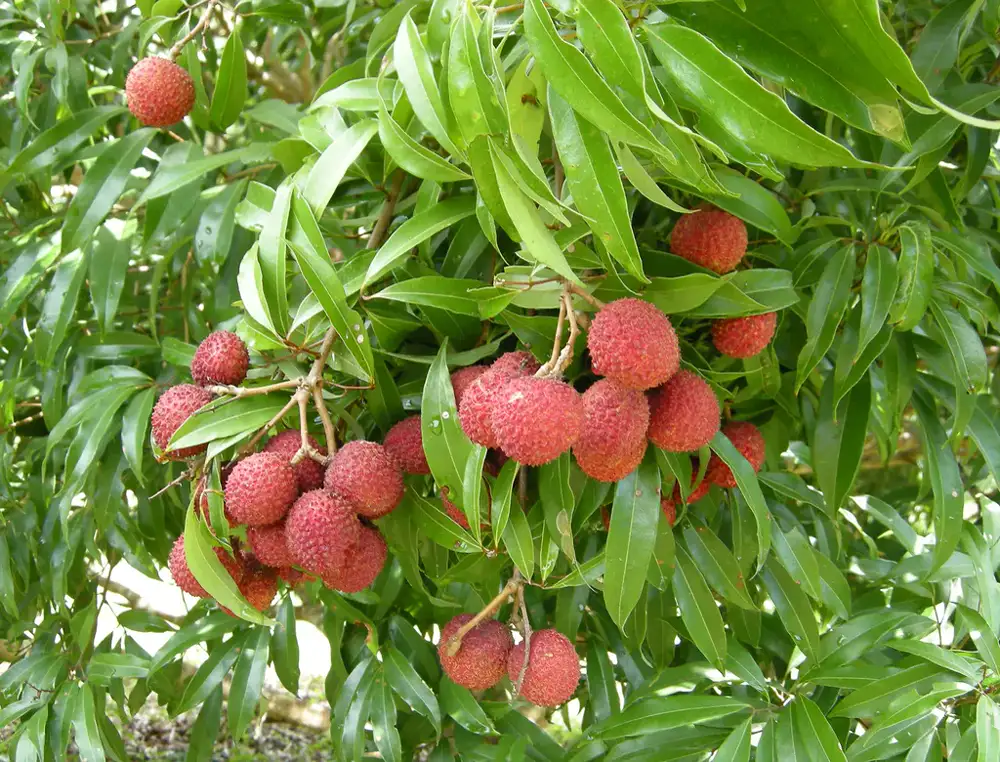
Litchi needs bright, direct sun and warm, humid conditions. Keep the soil consistently moist but not waterlogged — it has shallow roots and dislikes both drying out and soggy ground (see how often to water); mulch to keep roots cool and moist. Feed with a balanced fertilizer through the growing season, easing off as flowering approaches. A dry/cool winter spell helps flowering.
Pruning
Prune litchi lightly after harvest to shape the tree, remove dead or crowded wood, and keep it compact for easier picking. Tip-pruning young trees encourages a bushy, well-branched framework. Avoid heavy pruning near flowering time, as you’ll remove the fruiting wood.
Common pests & diseases
Watch for the litchi mite (erinose mite), fruit borers, mealybugs, and scale (see sap-sucker control), plus anthracnose in humid weather. Birds, bats, and squirrels are major competitors for the ripening fruit — net if needed. Good airflow, post-harvest pruning, and our organic pest control guide keep it healthy.
Harvesting
Litchi must ripen fully on the tree — it doesn’t sweeten after picking. It’s ready when the skin turns vivid pink-red, the bumps flatten and smooth out, and the fruit gives a slight, springy squeeze. Snip whole clusters with a little stem attached. It’s best eaten within days, though it stores briefly in the fridge.
Health benefits & uses
Litchi carries 71.5 mg of vitamin C per 100 g — more than an orange — with 171 mg of potassium, on 66 kcal (USDA record 169086). Fibre is low at 1.3 g; this is a vitamin C and water fruit. It’s almost always eaten fresh (peeled, with the inedible seed removed), and also used in desserts, drinks, sorbets, and canning. A note of caution: unripe litchi should not be eaten in quantity on an empty stomach, as it contains hypoglycin A and MCPG, compounds linked to a sharp drop in blood sugar in undernourished children who had gone without an evening meal (see the Lancet Global Health case-control study of the 2014 Muzaffarpur outbreak).
This article is for general information only and is not medical advice. Talk to a qualified professional before using any plant medicinally.
Common litchi problems
No flowers / no fruit
Often the wrong climate — litchi needs a cool winter spell to set flower buds. Without it, fruiting is poor.
Fruit cracking or dropping
Irregular watering during fruiting. Keep moisture steady and mulch the roots.
Birds and bats taking the crop
They love ripe litchi. Net clusters as they colour up.
History, origin & how litchi spread
The litchi is native to southern China, where it has been prized and cultivated for well over two thousand years, celebrated in poetry and once rushed to emperors by relay (see Encyclopaedia Britannica). From China it spread across Southeast Asia and beyond.
Today it is grown across India, China and Southeast Asia. China is the main producer, with India second and Bihar its leading state, followed by Vietnam, other parts of South and Southeast Asia, Madagascar and South Africa (Wikipedia on lychee cultivation). No official world tonnage exists, because FAO’s crop statistics have no lychee item. Its particular need for a warm, humid summer plus a cool but frost-free winter to trigger flowering explains why it crops well only in a fairly specific climate.
Growing litchi in containers
In marginal climates, a young or dwarf litchi can be grown in a large container, which allows it to be moved into shelter during frost or excessive wet (see improving garden soil). Use a rich, free-draining, slightly acidic compost, keep it consistently moist but never waterlogged, and give it the warmest, brightest, most sheltered position available. A potted tree stays smaller and crops less than one in the ground, but it makes growing this exquisite fruit possible far beyond its usual range.
Companion fruit and garden value
Litchi pairs naturally in a warm-climate garden with other subtropical fruits that enjoy similar conditions, such as guava and mango, all of which relish heat and shelter. Beyond the fruit, it is a handsome, long-lived evergreen with glossy leaves and coppery new growth, giving year-round structure and shade. For lovers of fine fruit in the right climate, it is a treasured tree that rewards patience generously over many decades.
Best litchi varieties to grow
A litchi variety is a named cultivar selected for its fruit size, sweetness, seed type and how reliably it crops in a given climate. Choosing the right one matters more than almost any other decision, because the same care produces very different results from a well-adapted cultivar versus a poorly suited one. The single most prized trait to look for is a small, shrivelled “chicken-tongue” seed — these abortive seeds leave far more of the translucent flesh, so chicken-tongue fruit commands a premium and is the best eating (see Wikipedia).
| Cultivar | Best for | Notes |
|---|---|---|
| Mauritius | US (Florida, California), global | Leading commercial pick; crops more regularly than Brewster, medium-large pink-red fruit, but prone to anthracnose. |
| Brewster | US home gardens | One of the oldest US cultivars; vigorous, excellent flavour, anthracnose-resistant, but bears irregularly (alternate years). |
| Emperor | Showpiece fruit | Unusually large, red fruit on a vigorous spreading tree; regular bearing. |
| Hak Ip | Flavour seekers | Classic Chinese cultivar, purple-red, small-seeded, excellent flavour, anthracnose-resistant. |
| Shahi | India (Bihar, north) | India’s most famous litchi, GI-tagged to Muzaffarpur; aromatic, sweet, with the highest pulp percentage. |
| China / Bombai | India, eastern belt | Heavy, reliable bearers widely grown across Bihar and West Bengal for fresh market and processing. |
For US and global growers, Mauritius is the dependable workhorse for steady crops, while Brewster rewards patience with superb flavour in its on-years; in milder marginal zones a vigorous, regular bearer pays off best. For India, the celebrated Shahi litchi of Bihar — the country’s flagship cultivar — sets the standard for fragrance and sweetness, with China and Bombai grown alongside for sheer productivity (see FAO cultivar reference).
Whichever you choose, buy a named, air-layered or grafted tree from a reputable nursery rather than a seedling, so you know exactly which variety, seed type and cropping habit you are getting. Matching the cultivar to your climate and confirming it carries the small chicken-tongue seed is the surest route to a tree that delivers heavy clusters of the finest fresh fruit for decades.
How to propagate litchi
Air layering is the standard way to propagate litchi, and it gives a tree true to the parent. Seed sprouts easily but is a decade-long detour — worth knowing the difference before you start.
By air layering (gootee)
Choose a pencil-thick, one-year-old shoot. Remove a ring of bark about 2–3 cm wide, pack the exposed wood with moist sphagnum moss or coir, and wrap it in polythene tied tightly at both ends. The monsoon period is the best time, because warmth and humidity together speed rooting. Roots usually show through the wrapping in six to ten weeks, after which you cut the branch below the root ball, pot it up, and keep it in shade until it settles. Air-layered trees from productive mother plants typically fruit in two to four years.
By grafting
Grafted trees are the nursery alternative and fruit in about three to five years. Whichever you buy, choose a named variety such as Shahi, China or Bombai from a reliable nursery, so you know what the fruit will be.
From seed
The seed germinates within a couple of weeks if sown fresh, because litchi seed loses viability very quickly once it dries. The catch is what follows: seedling trees may take a decade or more to fruit, and the fruit rarely matches the parent. A seed-grown litchi is a handsome foliage tree and a good learning project — just not a route to fruit.
Related plant guides
- How to grow Soursop
- How to grow Custard Apple
- How to grow Orange
- How to grow Mango
- How to grow Chikoo
- How to grow Star Fruit
Frequently asked questions
Why won't my litchi flower?
It usually needs a period of winter cool to trigger flower buds; in too-warm or too-cold climates it flowers poorly.
Does litchi ripen after picking?
No — it must ripen fully on the tree, so harvest only when the skin is vivid red and smooth.
How long until a litchi tree fruits?
Air-layered or grafted trees fruit in about 3–5 years; seed-grown trees take a decade or more and are unreliable.
Is unripe litchi safe?
Eat only ripe litchi, and not large amounts of unripe fruit on an empty stomach, as unripe litchi contains compounds that have been linked to dangerously low blood sugar in vulnerable children.
Why is my litchi fruit cracking or splitting?
Fruit cracking is the classic litchi disorder and it is driven by swings in moisture. When a dry, hot spell is followed by heavy irrigation or the first monsoon showers, the pulp swells faster than the thin skin can stretch, and the fruit splits. Indian research on the crop points to hot dry winds and low humidity during fruit development as the trigger, with boron and calcium shortage making the skin less elastic. Steady mulched irrigation through the fruiting weeks, plus recommended foliar sprays of borax and a calcium salt at fruit set, cut the losses sharply.
Why are my litchi leaf tips turning brown?
Litchi is unusually sensitive to salts, especially chloride, so brown scorched leaf margins and tips often mean salty irrigation water or a heavy hand with fertiliser. Bore-well water in parts of India and Florida is quite enough to do it. Flush the root zone with clean water, mulch heavily to reduce salt build-up, and switch to sulphate-based rather than chloride-based fertilisers such as muriate of potash. Wind burn and drought stress produce a similar look, so check your watering pattern before blaming the soil.
Why does my litchi tree have pink or bronze new leaves?
That is a healthy sign, not a problem. Litchi pushes its growth in flushes, and each new flush emerges soft, limp and coloured pink, bronze or coppery before hardening into normal glossy green over a couple of weeks. Young trees may flush four or five times a year. Just note that a tree flushing heavily in late autumn is spending energy on leaves instead of setting flower buds, which is one reason vigorous, well-fed trees can be shy to fruit.
How do you air-layer a litchi tree?
Air layering, known in India as gootee, is the standard way to propagate litchi and gives a tree true to the parent. Choose a pencil-thick, one-year-old shoot, remove a ring of bark about 2-3 cm wide, pack the exposed wood with moist sphagnum moss or coir, and wrap it in polythene tied tightly at both ends. The monsoon period is the best time, because warmth and humidity speed rooting. Roots usually show through the wrapping in six to ten weeks, after which the branch is cut below the ball, potted, and kept in shade until it settles.
Can you grow a litchi tree from seed?
You can sprout one easily — the seed germinates within a couple of weeks if sown fresh, because litchi seed loses viability very quickly once it dries. The catch is what follows: seedling trees may take a decade or more to fruit, and the fruit rarely matches the parent variety. A seed-grown litchi is a fine ornamental foliage tree and a good learning project. For fruit, buy an air-layered or grafted plant of a named variety such as Shahi, China or Bombai.
How do you tell when litchi is ripe, and how long does it keep?
Ripe litchi has an even, deep red or pink-red skin, the surface tubercles flatten out and feel smoother, and the fruit gives slightly under gentle pressure. Because it does not ripen further after picking, taste one from each cluster before harvesting the branch. Once picked, the skin browns within a couple of days at room temperature even though the flesh is still good. Harvest with a short piece of stem attached, keep the fruit cool and out of the sun, and store in a perforated bag in the fridge for about a week.
Where is litchi grown in India and when is the season?
Bihar is the leading producing state, with Muzaffarpur so closely linked to the crop that its Shahi litchi carries a Geographical Indication tag. West Bengal, Jharkhand, Uttar Pradesh, Uttarakhand, Assam, Tripura and parts of Punjab also grow it commercially. The harvest is short and intense, generally running from mid-May to late June across the northern belt, with the hills a few weeks later. That narrow window, plus the fruit’s poor shelf life, is why fresh litchi feels like a brief seasonal treat.
Why is litchi so popular in India?
India is one of the world’s largest litchi producers, particularly in Bihar and West Bengal where the subtropical climate — cool dry winters followed by warm humid summers — is ideal. The fruit has a short, intense season (May-June) and is deeply associated with summer in north India. Fresh litchi from local trees has a fragrance and flavour that no imported fruit can match.
How long does a litchi tree take to fruit?
Air-layered (marcot) trees from productive mother plants typically fruit in 2-4 years. Grafted trees fruit in 3-5 years. Seed-grown trees can take 10-15 years and produce unpredictable quality. Always buy air-layered or grafted plants from a reliable nursery.
What is the difference between litchi and longan?
Both are subtropical fruits in the Sapindaceae family with a similar structure (rough-skinned exterior, translucent flesh around a seed). Litchi (Litchi chinensis) has bumpy pink-red skin and a floral, fragrant flavour. Longan (Dimocarpus longan) has smoother tan-brown skin and a sweeter, slightly musky flavour. Litchi is generally considered the more prized of the two.
Is it true that unripe litchi can be dangerous?
There is a genuine, well-documented safety point here. Unripe litchi contain natural compounds (hypoglycin A and MCPG) that can sharply lower blood sugar. Outbreaks of a serious brain illness in undernourished children in litchi-growing areas such as Muzaffarpur in Bihar were linked to children eating large numbers of unripe fallen litchi on an empty stomach after skipping their evening meal. The sensible advice is to eat only ripe litchi in moderation, never green ones, and make sure children have eaten a proper meal first. Ripe litchi eaten normally are enjoyed safely by millions.
Why is my litchi tree not fruiting?
The most common reason is climate: litchi need a spell of cool, dry winter weather to trigger flowering, and in areas that stay warm the tree grows leafy but sets few or no flowers. Young trees also simply need time, often several years, before they crop. Excess nitrogen feeding, heavy rain during flowering, and erratic watering can all reduce fruit set. Litchi are famously prone to alternate bearing too, giving a heavy crop one year and little the next.
How do you store fresh litchi?
Fresh litchi are highly perishable and the skin browns quickly at room temperature, so eat them within a day or two of picking for the best flavour. Kept unwashed in a perforated or loosely closed bag in the refrigerator, they stay good for up to a week or so, though the shells darken even as the flesh remains fine. For longer storage, peel and freeze the flesh, or freeze whole fruit in the shell. Bring refrigerated litchi back to room temperature before eating for full fragrance.
How many litchi can you eat in a day?
Litchi are high in natural sugar, so they are best enjoyed in moderation — a modest handful as part of a balanced diet is fine for most healthy adults. Eating very large quantities, especially on an empty stomach, is not advisable and can upset blood sugar in vulnerable people. Children in particular should eat only ripe fruit and only after a proper meal. This is general guidance rather than medical advice, so anyone with specific health concerns should ask their doctor.
Is litchi safe to eat during pregnancy?
Ripe litchi eaten in normal, moderate amounts are generally considered fine during pregnancy and provide vitamin C and hydration. Because the fruit is high in sugar, it is wise not to overindulge, and unripe fruit should always be avoided. Every pregnancy is different, so this is general information rather than medical advice. Pregnant women with diabetes, gestational diabetes, or any other concern should check suitable amounts with their own doctor.
Does litchi raise blood sugar?
Ripe litchi are sweet and contain a fair amount of natural sugar, so eating a large quantity can raise blood sugar much like other sweet fruits. Interestingly, unripe litchi have the opposite and dangerous effect of lowering blood sugar because of the toxins they contain. For people managing diabetes, small portions of ripe fruit are the safest approach. This is nutritional information rather than medical advice, so confirm suitable amounts with your doctor or dietitian.
Is litchi safe to give to a dog?
The peeled white flesh is not a poison, but the fruit is still a bad idea for a dog whole. The single large, smooth stone is a genuine choking and gut-blockage risk, and the leathery skin is not digestible. The caution above about unripe fruit applies to animals as well as people, so never offer windfalls that have dropped before they coloured. If you do share a piece, peel it, remove the stone and keep the amount small, because the sugar content is high. Pick up fallen fruit under the tree rather than leaving it for a dog to find. Contact a vet if a pet has eaten a lot. This is general information, not veterinary advice.
Still stuck? Ask the Plant Doctor
Describe the problem — yellow leaves, holes, no flowers — and get a clear answer in seconds. FreeAI can make mistakes. Answers are guidance, not a guarantee — check anything important against the guide it links to, and always read the label on any product before you use it.