How to Grow Water Lilies: Pond & Container Guide
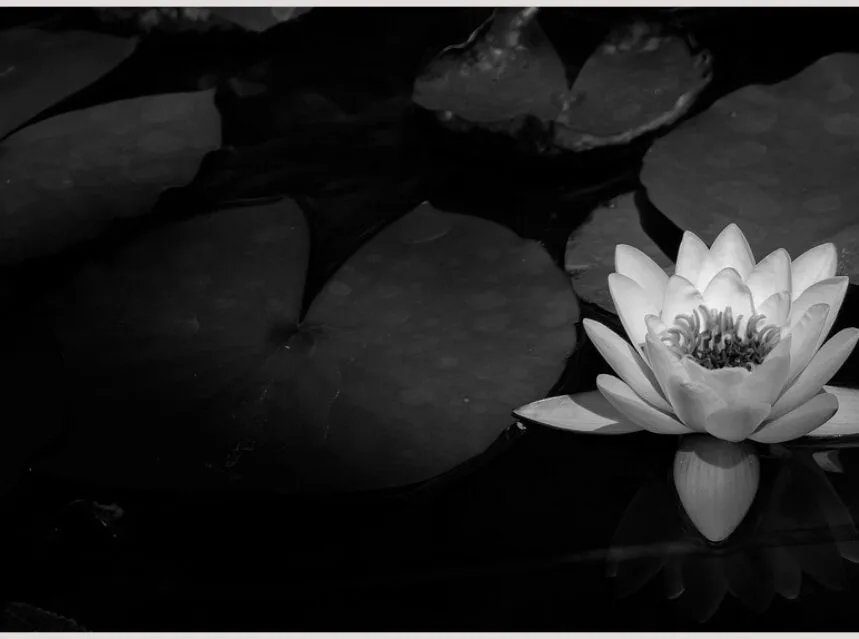
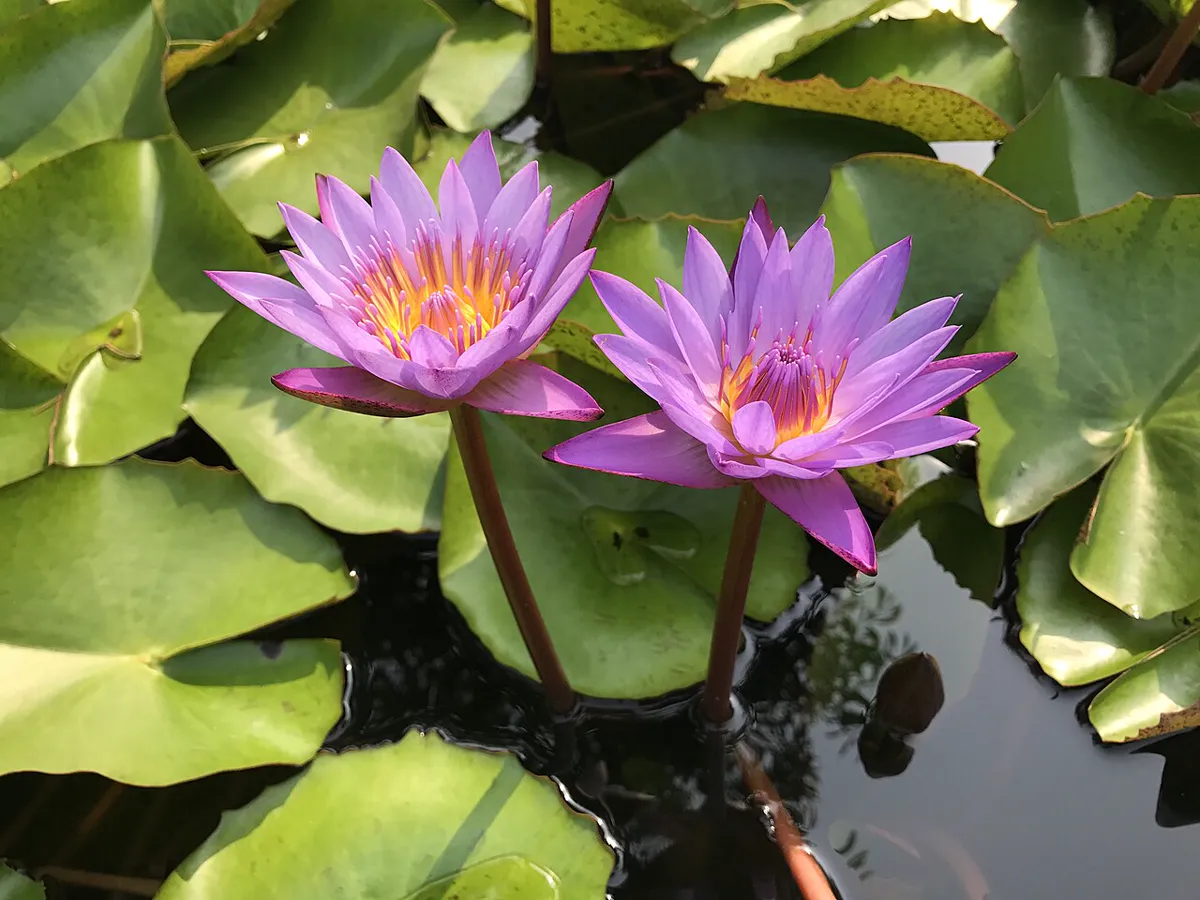
The water lily is the jewel of the pond. Its cup-shaped blooms in white, pink, yellow, and blue float serenely among round pads, opening with the sun. It turns any pond — or even a patio water bowl — into a tranquil, living picture, and it draws frogs, dragonflies, and pollinators. Like the lotus, it’s an aquatic plant, but it floats on the surface and is wonderfully rewarding. Here is the complete guide on how to grow water lilies.
Quick start: Grow water lilies in full sun in a pond or a wide aquatic container (see our container pond guide). Plant the tuber at an angle in heavy clay soil, growing tip up. Keep the water still and warm, feed with aquatic fertilizer, and remove spent blooms. Then enjoy floating flowers all summer.
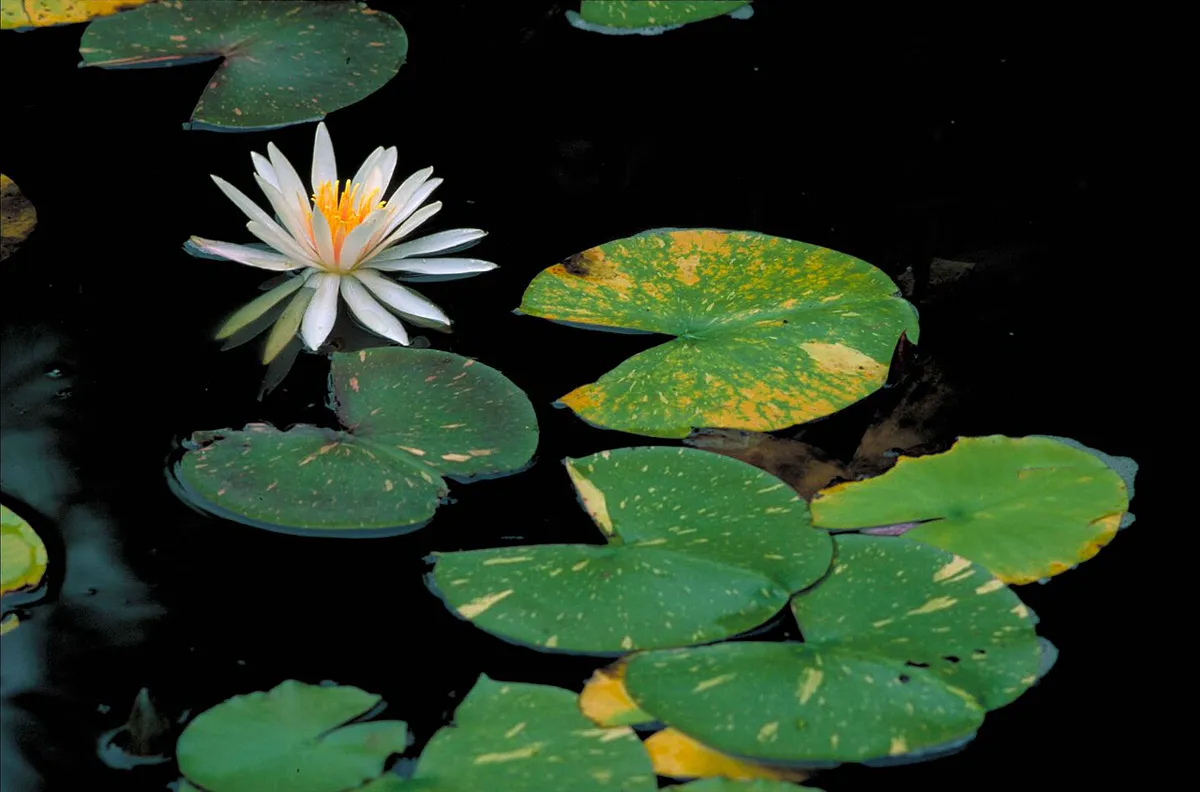
The water lily is the crowning glory of a garden pond, its exquisite flowers floating among flat green pads on the still water. The key things growers learn are that it needs full sun to flower well and genuinely still water, as it dislikes the splash and current near a fountain. It is planted in a special aquatic basket of heavy soil and lowered into the pond. Hardy and tropical types suit different climates, and congested plants are lifted and divided every few years.
🧰 In a hurry? Jump straight to our tested picks for this guide ↓
Water lily at a glance
| Feature | Detail |
|---|---|
| Botanical name | Nymphaea species (family Nymphaeaceae) |
| Plant type | Aquatic perennial |
| Sun | Full sun |
| Water | Still, calm; depth by variety |
| Planting | Aquatic basket of heavy soil |
| Types | Hardy and tropical |
| Note | Dislikes moving water and splash |
Why grow water lilies?
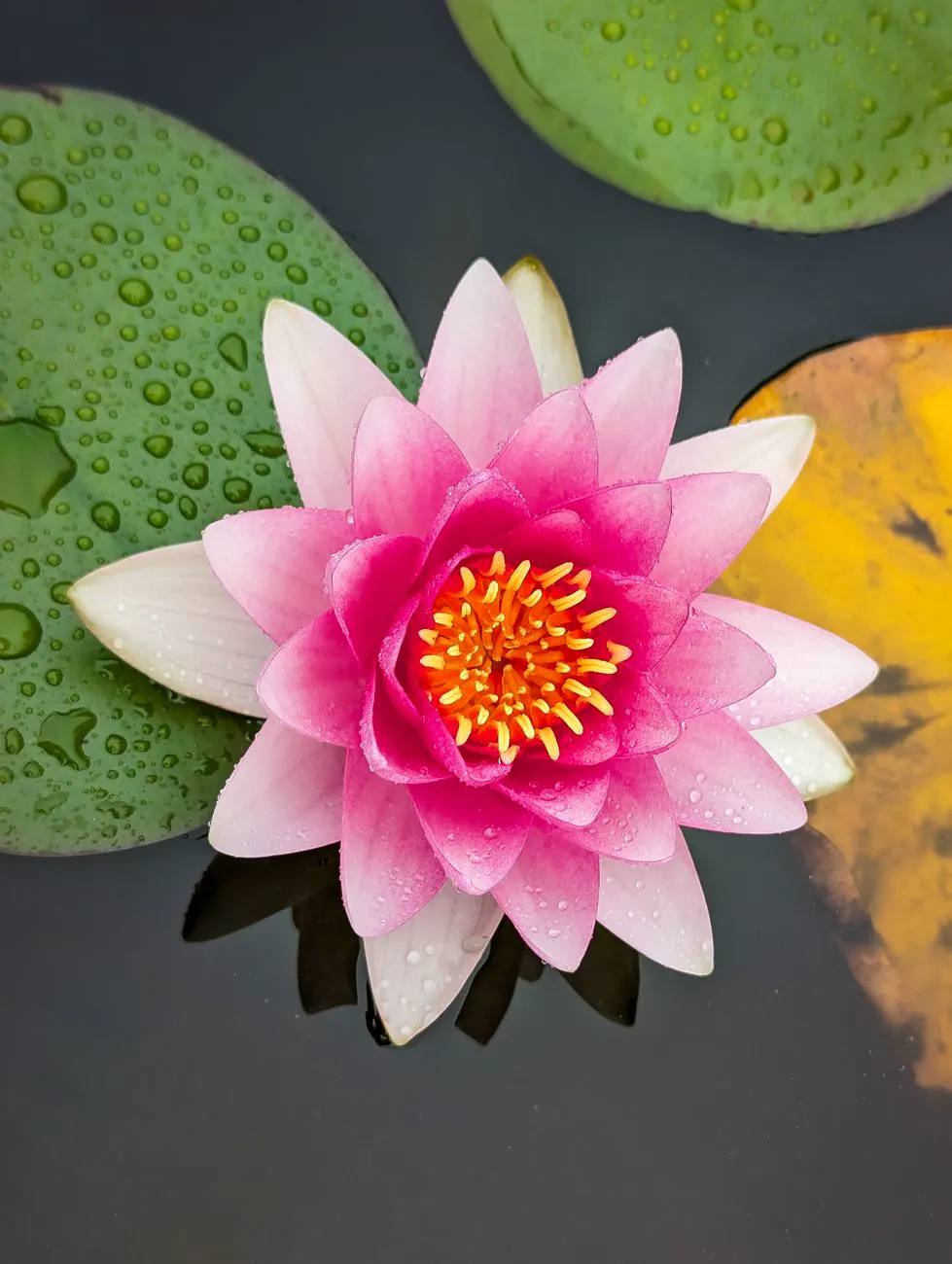
Water lilies bring instant calm and beauty to water. Their floating flowers and pads soften a pond, provide shade and cover for fish, and help keep the water clear. They attract pollinators and wildlife, and they’re easier than they look. Whether in a full pond or a simple container water garden, they’re a serene focal point. (They pair beautifully with the lotus.)
Where water lilies come from
Water lilies (Nymphaea) grow in ponds and slow waters across much of the world, from tropical to temperate regions. There are hardy types (for cold climates) and tropical types (some night-blooming). They’re true aquatics that root in mud underwater and float their leaves and flowers on the surface.
Best season & when to plant
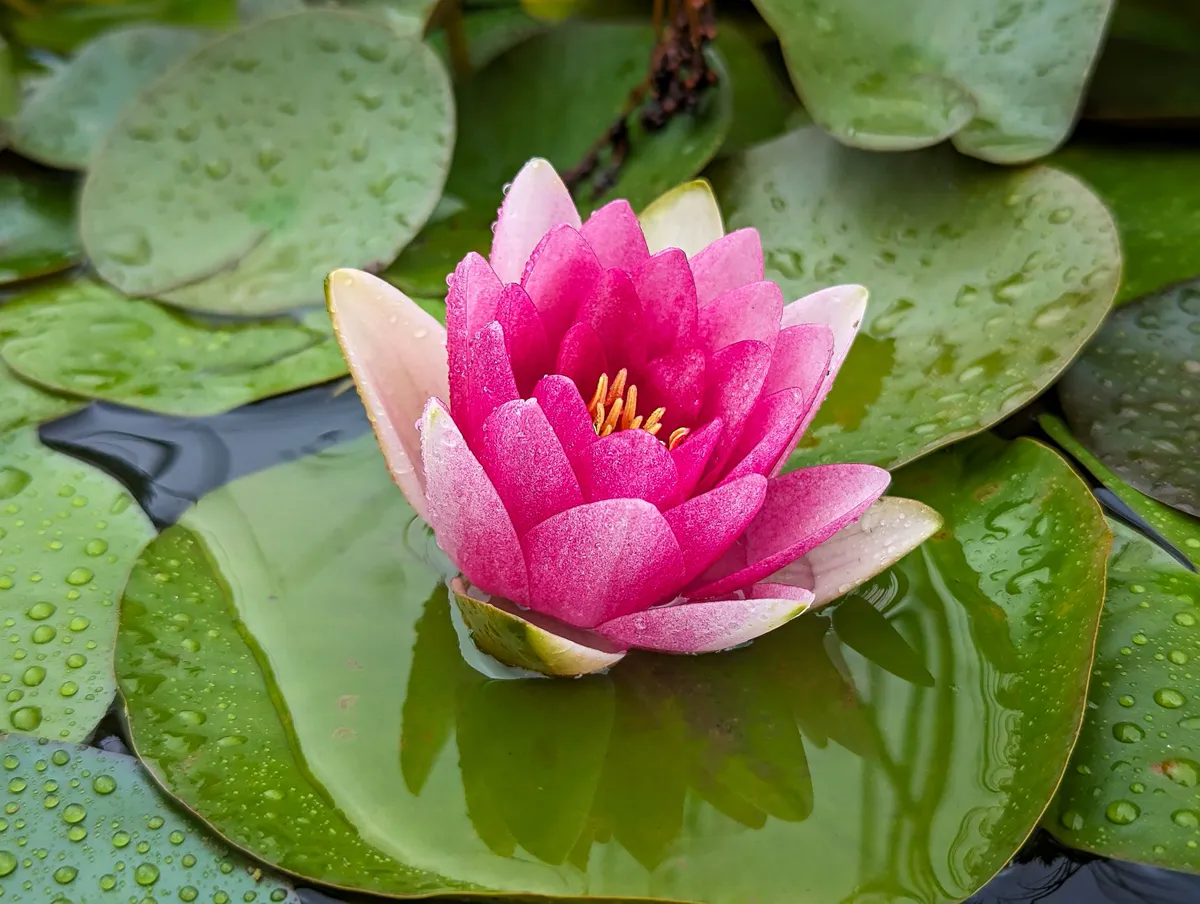
Plant water lilies in spring to early summer, as the water warms. They bloom from about May to September. Hardy types survive cold winters in the pond if the roots don’t freeze; tropical types need warmth and are lifted or treated as annuals where it’s cold.
How to plant a water lily
- Use a wide, shallow aquatic planting pot (about 15–18 inches across) filled with heavy clay soil (regular potting mix floats).
- Set the tuber at a 45° angle toward the side, growing tip pointing up and toward the centre. Don’t bury the crown.
- Top with a layer of gravel to hold the soil down, then lower the pot into the pond so the leaves can reach the surface.
Sun, water & feeding
Water lilies need full sun — at least 6 hours (some bloom with 4) — to flower well. Keep the water still and calm; avoid placing them under fountains or splashing water, which they dislike. Feed with aquatic fertilizer tablets pushed into the soil every 2–4 weeks during the growing season for steady blooms.
Deadheading & dividing
Remove spent flowers and yellowing pads to keep the plant tidy and encourage more blooms — cut the faded flower stalks as far down as possible. Divide the tubers every 2–3 years in spring when the pot gets crowded, to renew vigour and make new plants.
Common pests & diseases
Water lilies are mostly trouble-free. Watch for aphids (rinse them into the water for fish to eat, or hose off — see aphid control) and leaf-eating caterpillars or beetles. Avoid chemical sprays near water; use the safe methods in our organic pest control guide.
Benefits & uses
Water lilies bring serene beauty, shade, and ecological balance to a pond — their pads cut algae-feeding light and shelter fish, while the flowers draw pollinators. They are also the reason one garden became a painting: Monet’s water garden at Giverny was planted around exactly this plant, and the pond he dug to grow it is still the model most people picture when they think of a lily pond. They’re the centrepiece of any water garden, big or small, and a source of calm in the garden. Hardy types return reliably each year.
This article is for general information only and is not medical advice. Talk to a qualified professional before using any plant medicinally.
Common water lily problems
No flowers
Too little sun, moving water, or no feeding. Give full sun, still water, and aquatic fertilizer.
Yellowing pads
Normal turnover, or crowded roots. Remove old pads and divide every 2–3 years.
Leaves but few blooms
Crowded pot or shade. Divide and ensure full sun.
History, origin & where they grow
Water lilies grow in still and slow-moving fresh water across much of the world, from temperate ponds to tropical lakes, and they have been admired and cultivated since ancient times, famously in ancient Egypt and across Asia (see Encyclopaedia Britannica). They hold deep cultural and spiritual significance in many traditions.
Breeders have produced a vast range of garden varieties in almost every colour (see the RHS). They fall into two broad groups: hardy water lilies, which survive cold winters, and tropical types, which need warmth, so it is important to choose the kind suited to your climate and pond.
Related plant guides
- How to grow Lotus
- How to grow Canna
- How to grow Snowdrop
- How to grow Tanacetum
- How to grow Jasmine
- How to grow Shasta Daisy
Frequently asked questions
Can I grow a water lily without a pond?
Yes — a wide, watertight container (a patio water bowl) in full sun works well for compact varieties.
How much sun do water lilies need?
At least 6 hours of full sun for good flowering (some bloom with about 4).
What soil do water lilies need?
Heavy clay soil in an aquatic pot — regular potting mix floats and clouds the water.
Do water lilies come back every year?
Hardy types overwinter in the pond and return each year; tropical types need warmth or lifting in cold climates.
How deep should a water lily be planted in a pond?
It depends on the type and its vigour. Compact and small lilies sit happily with 20 to 40 cm of water over the crown, while large, vigorous kinds want 45 to 90 cm. A useful trick is to start a new plant on bricks so the leaves reach the surface, then lower the pot in stages as the stems lengthen.
What is the difference between hardy and tropical water lilies?
Hardy lilies survive freezing winters by resting in the pond, flower in daylight, and float their blooms on the water. Tropical lilies need warm water, often hold their flowers above the surface, come in richer blues and purples, and some open at night. In cold climates tropicals must be overwintered indoors, while hardy types stay put.
How do you divide and repot a water lily?
Lift the pot in spring or early summer, wash off the soil, and cut the rhizome into pieces that each have a growing tip and some roots. Replant a single piece in heavy loam or aquatic compost, topped with grit, in a wide mesh basket. Dividing every two or three years keeps a crowded lily flowering freely.
Why is my water lily not flowering?
The most common reasons are too little sun, a pot that has become root-bound, or a lack of feeding. Water lilies need at least six hours of direct sun and a special aquatic fertiliser tablet pushed into the soil during the growing season. Too much moving water or shade from overhanging plants also cuts flowering sharply.
Are water lilies the same as lotus?
No, they are different plants often confused. Water lily leaves and flowers usually rest on or just above the water, while a lotus holds its round leaves and blooms high on tall stalks. They belong to separate plant families, though both are grown in ponds for their striking flowers.
How do you overwinter water lilies?
Hardy lilies simply stay in the pond as long as the crown sits below the ice line, so lowering the pot into deeper water protects it. Cut back dying leaves in autumn to keep the water clean. Tropical lilies are tender and must be lifted and kept warm and moist indoors, or treated as annuals.
Do water lilies need still water?
Yes, they much prefer calm, still water and dislike splashing or fast flow. Fountains and waterfalls disturb the leaves and can stop the flowers opening properly. If your pond has moving water, site the lily in the quietest corner well away from the current.
How do I fertilise a water lily?
Use slow-release aquatic fertiliser tablets made for pond plants, never ordinary soluble feed, which would pour nutrients into the water and trigger algae. Push one or two tablets deep into the basket soil beside the rhizome, then pinch the hole closed. Feed at planting time and roughly every four to six weeks while the plant is growing — spring through summer in cool climates, most of the year in warm regions. Well-fed lilies flower far more freely and hold richer leaf colour.
Why are my water lily leaves turning yellow?
Some yellowing is completely normal: each pad lives only three to four weeks before fading and being replaced, so trim old leaves at the base and move on. Widespread early yellowing points to a problem — usually hunger, too little light, or planting too deep. Check for crown rot (soft, foul-smelling rhizome) and for aphids or leaf-mining midges on the pads. Feed with aquatic tablets, thin overcrowded growth, and remove dying foliage promptly so it does not rot in the water.
What is the difference between a water lily and a lotus?
They are unrelated plants that share a pond habit. Water lily (Nymphaea) pads and flowers float on or sit just above the surface, and the pads have a distinctive slit. Lotus (Nelumbo) lifts round, unslit leaves and flowers high above the water on stiff stems, and forms the famous seed pods. The lotus is India’s national flower and generally needs more heat and root room than a lily. Care overlaps, but lotuses are hungrier and need larger, deeper containers.
Do water lilies help keep pond water clear?
Yes, indirectly. Their floating pads shade the water, which cools it and starves algae of the light it needs, so ponds with about half their surface covered stay noticeably clearer. The plants also take up some dissolved nutrients that would otherwise feed green water. Pads give fish shade and cover from herons as well. Aim for 50-60 percent surface coverage at most; a completely covered pond deprives submerged plants and fish of light and oxygen exchange.
Can I grow water lilies in hot climates like India?
Absolutely — warm regions are ideal, especially for tropical water lilies, which produce fragrant, often blue or purple flowers held above the surface and bloom for much of the year in Indian conditions. Grow them in wide tubs or cement tanks in full sun, feed monthly, and top up water lost to evaporation. In north India, protect tropicals during cold winter spells or switch to hardy types. Day-blooming and night-blooming varieties can be combined for round-the-clock flowers.
Still stuck? Ask the Plant Doctor
Describe the problem — yellow leaves, holes, no flowers — and get a clear answer in seconds. FreeAI can make mistakes. Answers are guidance, not a guarantee — check anything important against the guide it links to, and always read the label on any product before you use it.