Is Corn Plant Toxic to Dogs? Dracaena Symptoms and First Aid
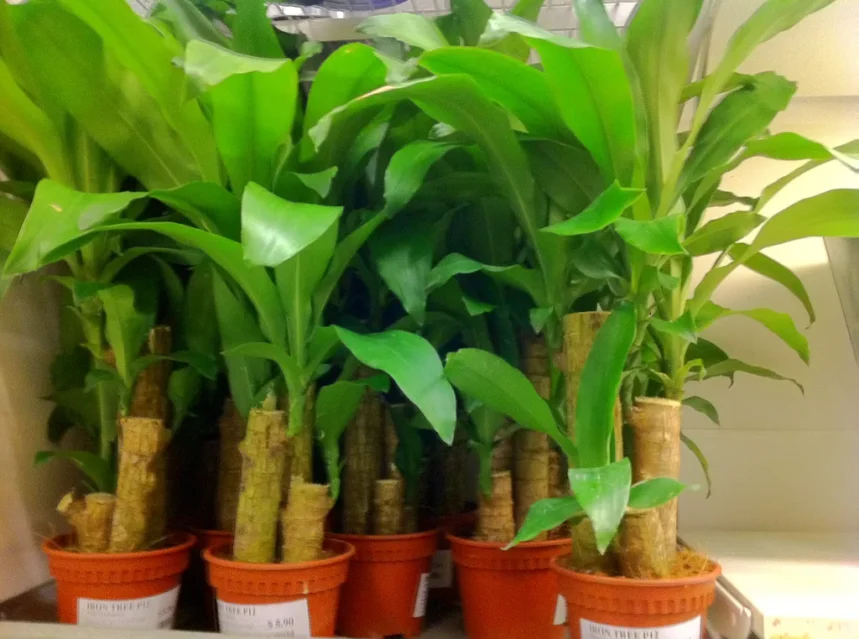
Is corn plant toxic to dogs? Yes, but only mildly. The corn plant (Dracaena fragrans) contains natural compounds called saponins. A dog that chews it typically drools, then vomits and may go quiet and off its food. The reassuring part: it is not a deadly plant. It causes an upset stomach, not organ damage. Here is the full picture.
Quick answer: If your dog chewed a corn plant, take the plant away. Clear its mouth and offer fresh water. Do not induce vomiting. Watch for drooling, vomiting, low energy, and loss of appetite. It is usually mild, but call your vet if vomiting repeats or your dog seems weak. This is general information, not veterinary advice.
🧰 In a hurry? Jump straight to our tested picks for this guide ↓
Is corn plant toxic to dogs? Severity at a glance
| What you notice | What it means |
|---|---|
| Drooling or lip smacking after a chew | Early saponin irritation, usually mild |
| Vomiting, sometimes with a little blood | Common gut reaction, monitor closely |
| Low energy, quiet, or hiding | Depression from the saponins, watch it |
| Refusing food for a while | Upset stomach, offer water and soft food |
| Repeated vomiting or weakness | Call your vet |
| Wobbliness or a fast heart rate | Uncommon, get veterinary advice |
Why corn plant upsets dogs: the saponin mechanism
The corn plant does not sting the mouth like pothos does. Its irritant is a group of soap-like compounds called saponins, spread through the leaves.
Saponins disrupt the lining of the stomach and intestines. So the classic corn plant reaction is a gut one: drooling, vomiting, and a quiet, off-colour dog, rather than an instantly burning mouth.
The ASPCA lists the corn plant (Dracaena fragrans) as toxic to dogs. The signs it names are vomiting, drooling, and loss of appetite.
It is a dracaena, just like the snake plant
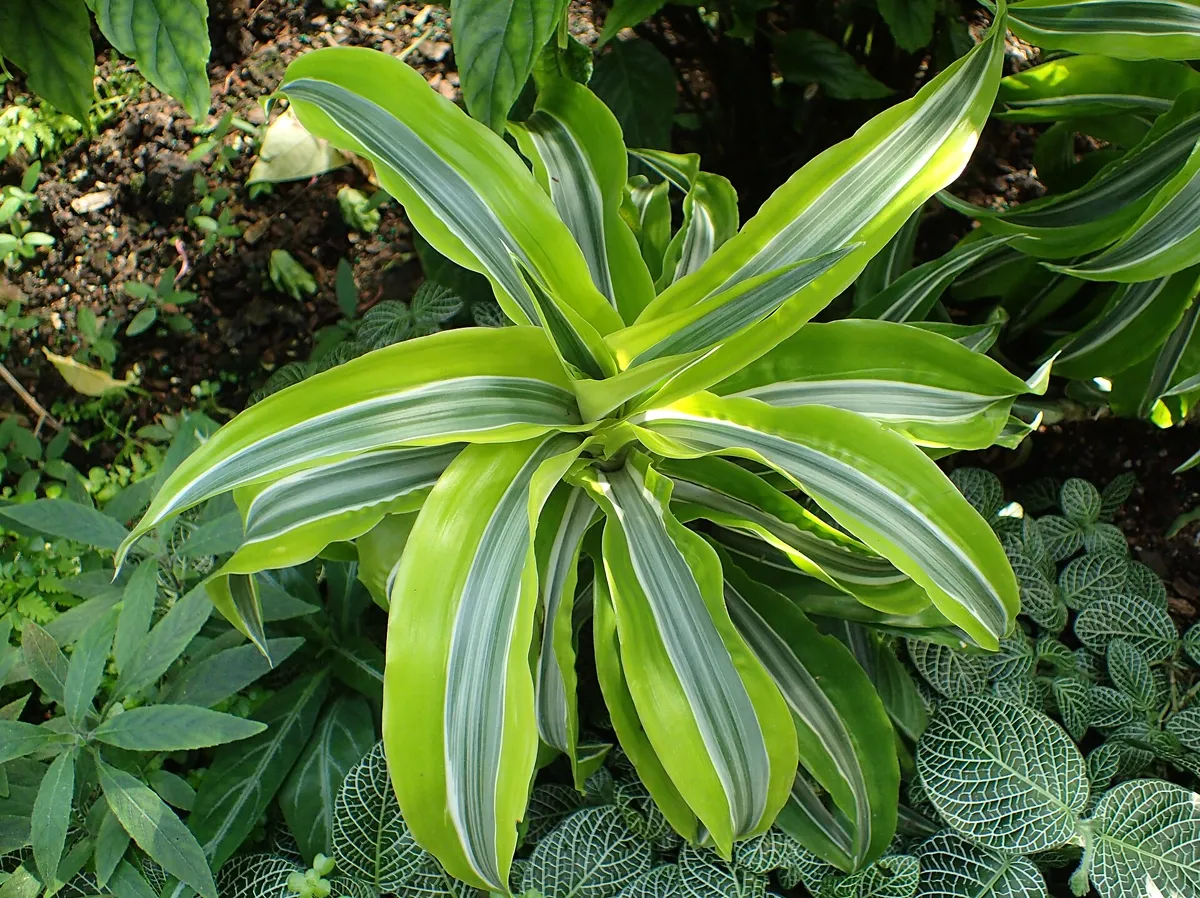
This point helps you screen your whole shelf. The corn plant is a Dracaena fragrans, part of the dracaena family.
That matters because the snake plant is now classed as a dracaena too. Both carry the same saponins and cause the same mild, saponin-based gut upset. The dragon tree and the “lucky bamboo” are also dracaenas with the same risk.
So if you keep several of these, treat them as one group. Our snake plant guide covers the closest relative in detail.
The dog trap: a name that sounds like food
Here is a dog-specific quirk worth knowing. The name “corn plant” makes it sound edible, and that is a little misleading.
It is not related to sweetcorn at all. The name simply comes from its long, corn-like leaves. But a food-motivated dog does not read labels, and the big, grassy leaves can look tempting to chew.
Dogs are also far less fussy than cats. A cat quits at the bitter taste, but a bored or greedy dog may keep going, so it can eat more before the upset stomach sets in.
How dangerous is it really? The honest severity answer
Here is the balanced truth. Corn plant poisoning is unpleasant, but it is rarely dangerous for a healthy adult dog.
Most cases involve some drooling and vomiting, and a dog that goes quiet for a while before recovering within a day. The plant simply irritates the gut and passes.
The exceptions are minor. Puppies, small breeds, and unwell dogs can get more dehydrated from repeated vomiting. Heavy vomiting is the main thing to watch. Respect it, but do not panic over it.
What to do right now if your dog chewed a corn plant
Work through this calmly, in order.
First, remove the plant and any leaf pieces from your dog’s reach. Check its mouth and clear any fragments. Offer fresh water to help settle the stomach and keep it hydrated.
Do not induce vomiting unless a vet tells you to. Then watch. Mild drooling and a single vomit can be monitored at home. Call your vet or an animal poison line if vomiting repeats, your dog turns very lethargic, or you notice blood. Our plant doctor tool can help you confirm the plant. Your vet’s advice always comes first.
Keeping dog and corn plant apart
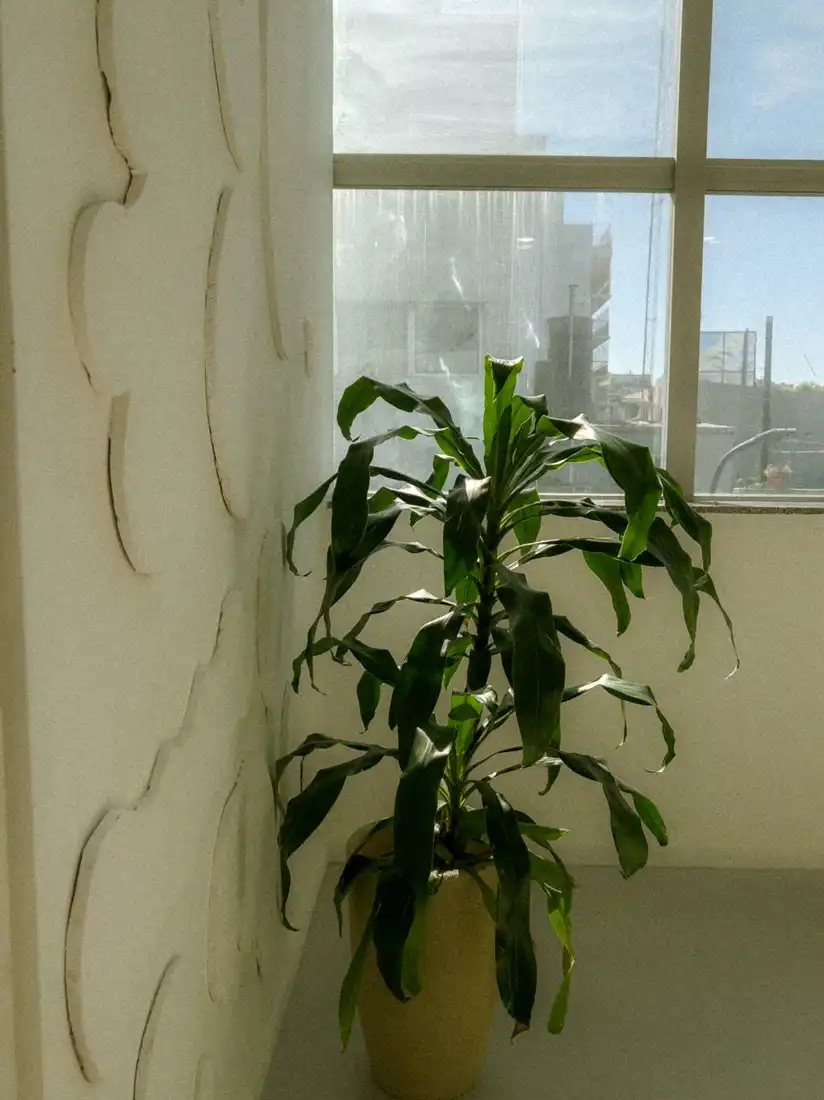
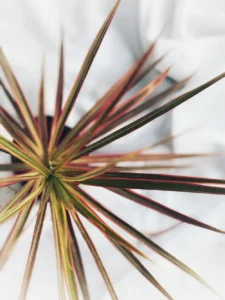
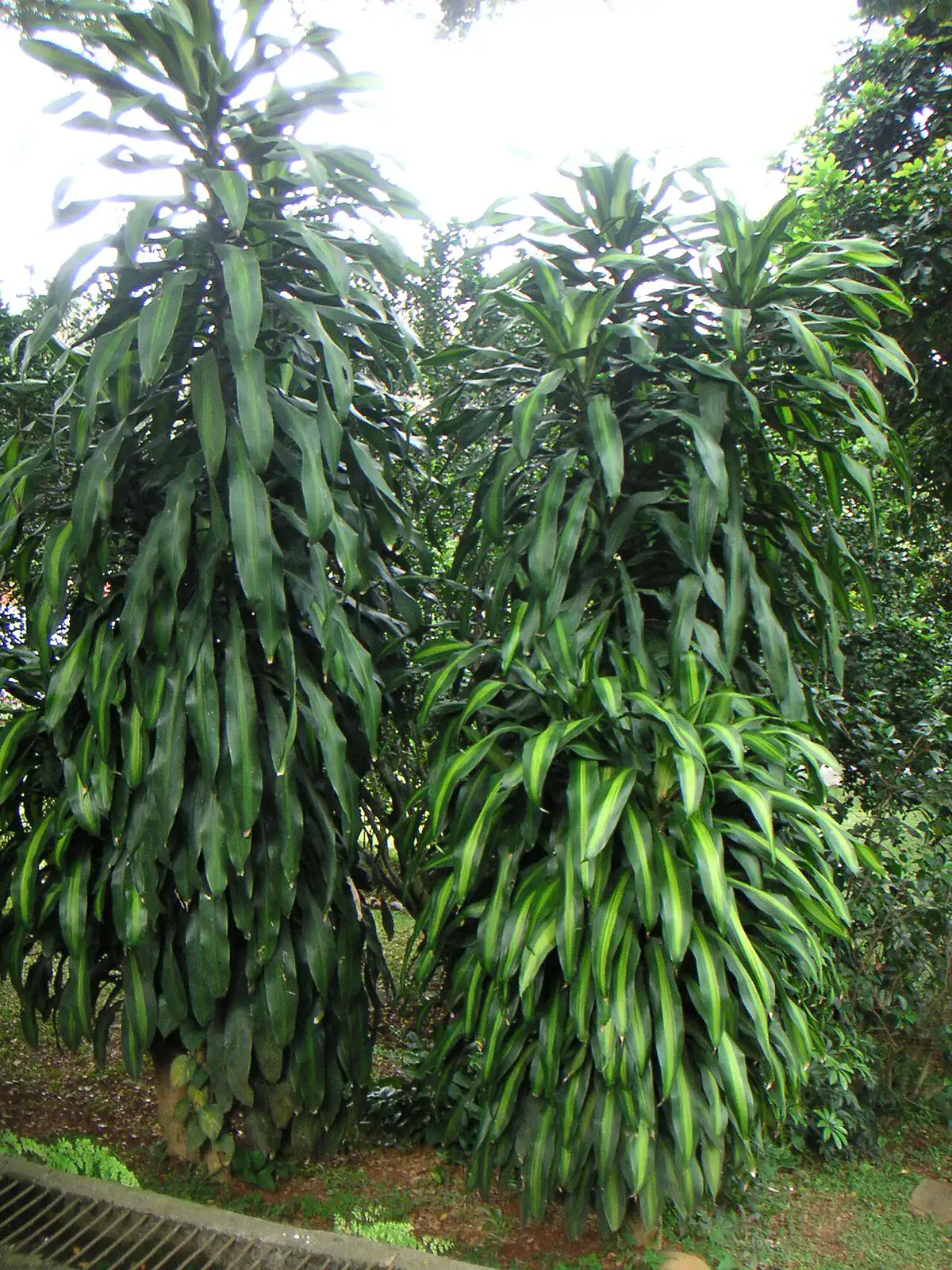
The corn plant is a tall cane plant with arching leaves that fan out low down. Those lower leaves sit right at a dog’s level.
The good news is that a dog cannot climb. So raising the pot on a stand, or removing the lowest leaves, lifts the foliage out of reach. Anchor the tall cane so a big dog cannot knock it over.
Back it up with training and redirection. A firm “leave it” cue, a proper chew toy, and daily exercise all cut the boredom that drives chewing.
Five pet-safe swaps that keep the same leafy look
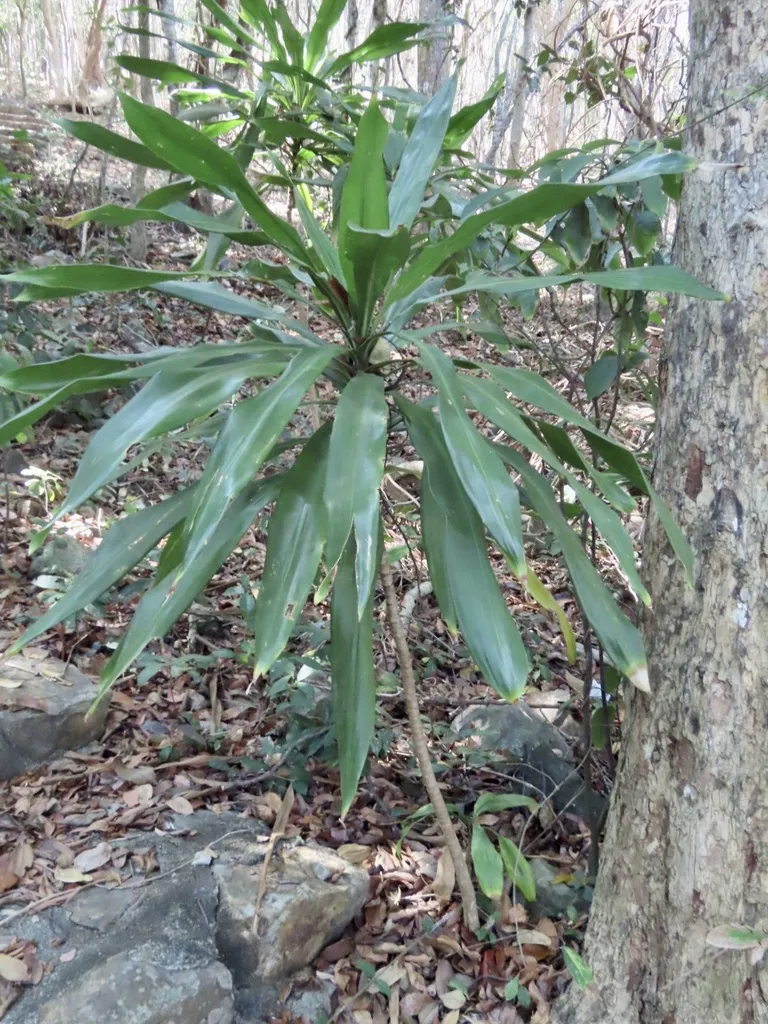
If you would rather skip the sappy risk, swap the plant, not the dog. These non-toxic plants cover the corn plant’s tall, striped, leafy job:
| Safe plant | What it replaces |
|---|---|
| Spider plant | Striped, arching leaves, near indestructible |
| Parlour palm | Tall, soft green floor presence |
| Areca palm | Big tropical statement look |
| Calathea | Bold patterned upright leaves |
| Boston fern | Full, cascading foliage volume |
All five appear on the ASPCA’s non-toxic list. Our pet-safe houseplants guide ranks the full roster. Our spider plant care guide covers the easiest swap of all.
Corn plant and dogs step by step
- Know the risk: mild saponin gut upset, not a deadly poison.
- Remember it is a dracaena, like the snake plant.
- Do not be fooled by the food-like name, it is not sweetcorn.
- After chewing: remove plant, clear the mouth, offer water.
- Never induce vomiting without vet instruction.
- Call the vet for heavy vomiting, weakness, or any blood.
A dog household can absolutely keep a corn plant’s easy greenery. It just keeps the plant, and its low leaves, out of chewing range.
Corn plant and dogs in homes worldwide
The corn plant is one of the most popular easy-care floor plants on the planet. It stands in dog-owning homes from New York and London to Sydney and Toronto, valued for tolerating low light and neglect.
In India, the corn plant and its dracaena cousins are familiar office and living-room plants, grown for their neat, striped foliage. They are usually big floor pots, right at dog height. Raise the pot or trim the lowest leaves, give the dog a proper chew toy, and know your nearest vet’s number.
Wherever you live, save an animal poison helpline number in your phone before you need it. Our dracaena care guide covers the plant’s side of the household. Our pet-safe plant guide covers the dog’s.
Frequently asked questions
What happens if my dog eats a corn plant leaf?
Expect stomach upset rather than a burning mouth. Within a few hours the saponins can cause drooling, vomiting, and a quiet, off-colour dog, and sometimes a little blood in the vomit. Remove the plant, clear the mouth, and offer water. Do not induce vomiting. Most dogs recover within a day. Call your vet if vomiting repeats, your dog turns very lethargic, or you notice ongoing blood.
Can a corn plant kill a dog?
No, this is not a deadly plant. The corn plant is a mild irritant, with no liver or heart toxin like the sago palm or kalanchoe. Its saponins cause short-lived gut upset, not organ failure. The realistic risk is dehydration from heavy vomiting, which is more of a concern in puppies and small breeds. Keep it out of reach to avoid the discomfort, but there is no need to fear a fatal dose.
Is the corn plant related to sweetcorn?
No, and the name causes confusion. The corn plant is Dracaena fragrans, a member of the dracaena family, not a food crop. Its name simply comes from its long, corn-like striped leaves. It is not related to sweetcorn and is not edible for people or dogs. Because the name sounds like food, keep it in mind that a food-motivated dog may find the plant tempting, and keep it out of reach.
Is the corn plant the same risk as a snake plant?
Very similar. Both the corn plant and the snake plant are now classed as dracaenas, and both carry the same saponins. So both cause mild, saponin-based gut upset: drooling, vomiting, and low energy, rather than anything deadly. If you keep several dracaenas, treat them as one mild-risk group and keep the low leaves out of your dog’s reach.
Is the corn plant toxic to cats as well as dogs?
Yes, and cats often react a little differently. The ASPCA lists the corn plant (Dracaena fragrans) as toxic to both cats and dogs because of its saponins. In cats you may see the same drooling, vomiting, and low energy as in dogs, but also dilated pupils, which is a cat-specific sign worth knowing. If you keep both pets, treat the corn plant as a whole-household hazard and raise it out of reach of climbers and chewers alike.
Which part of the corn plant is most toxic to a dog?
The leaves are the part a dog is most likely to reach, and they carry the saponins that cause the trouble. There is no single part that is safe to chew — stems and leaves both contain the irritant compounds. Because the long, striped leaves droop within a dog’s reach, they are the usual culprit in a poisoning. Keeping the lower foliage trimmed or the whole plant elevated removes the easiest target.
How much corn plant is dangerous for a dog?
There is no precise toxic dose, and most reactions stay mild because the saponins taste unpleasant and dogs rarely eat a lot. A few chewed leaves typically bring drooling and some vomiting that passes in a day. The real risk grows with the amount eaten and with the dog’s size: a small dog or puppy that eats a large quantity can lose enough fluid through vomiting to become dehydrated. Treat any large ingestion, or any dog that keeps vomiting, as a reason to call your vet.
How long do corn plant symptoms last in a dog?
Usually under a day. The saponins cause a short bout of drooling, vomiting, and a quiet, off-colour mood that most dogs shake off within 24 hours once the plant is out of reach. Occasionally there is a little blood in the vomit, which looks alarming but often settles with the rest of the upset. If vomiting keeps repeating, your dog turns very lethargic, or the blood continues, contact your vet promptly.
What should I do if my dog ate a corn plant leaf?
Remove the plant, clear any leaf fragments from the mouth, and offer water, but do not try to make your dog vomit at home. Watch for drooling, vomiting, low energy, and any blood in the vomit over the next several hours. Most dogs recover on their own, but call your vet if the vomiting repeats or your dog becomes very quiet. You can also reach the ASPCA Animal Poison Control line on (888) 426-4435; this is general information, not veterinary advice.
Are other dracaenas like marginata and lucky bamboo also toxic to dogs?
Yes, the whole dracaena group shares the same saponins. Dragon tree (Dracaena marginata), the massangeana cane, lucky bamboo (Dracaena sanderiana), and even the snake plant, now reclassified as a dracaena, all cause the same mild, saponin-based gut upset. So if you grow several of these, think of them as one mild-risk group rather than judging each separately. Keep the low leaves and stems of all of them out of your dog’s reach.
Why is there blood in my dog's vomit after eating corn plant?
Saponins irritate the lining of the stomach, and vigorous vomiting can bring up a little blood along with the plant material. In a mild corn plant case this is usually minor and settles as the upset passes. It should never be ignored, though, because ongoing or heavy blood points to more serious irritation. If you see more than a trace, or it keeps appearing, call your vet the same day.
How do I keep my dog away from a corn plant?
Height is your best tool, since a corn plant’s drooping leaves are what tempt a dog. Stand it on a tall plant stand, sideboard, or shelf where the foliage cannot dangle within reach, and trim off any low leaves. Giving your dog its own chew toys and enough exercise cuts the boredom that drives plant-chewing. If your dog is a determined nibbler, it is safest to move the plant to a room the dog does not use.
Related guides
- Is snake plant toxic to dogs
- Is pothos toxic to dogs
- Is monstera toxic to dogs
- Best pet-safe houseplants
- Dracaena care guide
- Why is my dracaena drooping
Still stuck? Ask the Plant Doctor
Describe the problem — yellow leaves, holes, no flowers — and get a clear answer in seconds. FreeAI can make mistakes. Answers are guidance, not a guarantee — check anything important against the guide it links to, and always read the label on any product before you use it.