Is Lucky Bamboo Toxic to Dogs? Yes, and It Is Not Real Bamboo
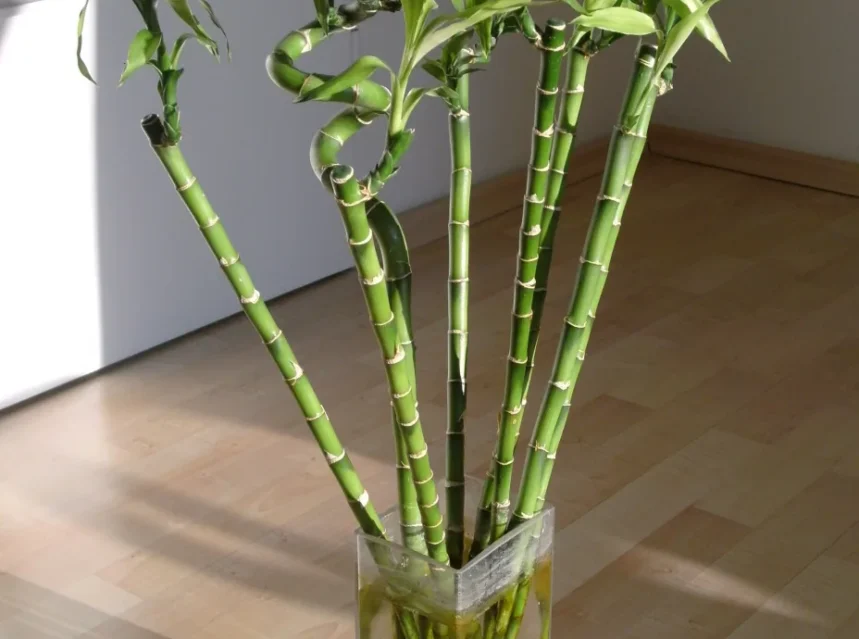
Is lucky bamboo toxic to dogs? Yes, but only mildly, and there is a twist most people miss: it is not real bamboo at all. Lucky bamboo is Dracaena sanderiana, and like other dracaenas it carries saponins that upset a dog’s stomach. A dog that chews a stalk usually drools, vomits, and goes quiet for a while. None of it is deadly. Here is the full picture, plus the naming trap that catches so many owners.
Quick answer: If your dog chewed lucky bamboo, take the plant away. Clear its mouth and offer fresh water. Do not induce vomiting. Watch for drooling, vomiting, low energy, and loss of appetite. It is usually mild, but call your vet if vomiting repeats or you see blood. This is general information, not veterinary advice.
🧰 In a hurry? Jump straight to our tested picks for this guide ↓
Is lucky bamboo toxic to dogs? Severity at a glance
| What you notice | What it means |
|---|---|
| Drooling or lip smacking after a chew | Early saponin irritation, usually mild |
| Vomiting, sometimes with a little blood | Common gut reaction, monitor closely |
| Low energy, quiet, or hiding | Depression from the saponins, watch it |
| Refusing food for a while | Upset stomach, offer water and soft food |
| Gagging after swallowing a pebble | Choking or blockage risk, act fast |
| Repeated vomiting or weakness | Call your vet |
The big myth: it is not real bamboo
This is the point that trips almost everyone up, so read it first. Lucky bamboo looks like bamboo and is sold as bamboo, but botanically it is neither.
Real bamboo (the true grass, Bambusa) is non-toxic and safe for dogs. Lucky bamboo is Dracaena sanderiana, a member of the dracaena family, and it carries the same saponins as the corn plant and snake plant.
So the reassuring name hides a mild toxin. The ASPCA lists lucky bamboo (as “ribbon plant”, Dracaena sanderiana) as toxic to dogs, with vomiting and drooling among the signs. Do not let the word “bamboo” fool you.
Why lucky bamboo upsets dogs: the saponin mechanism
Lucky bamboo does not sting the mouth like pothos does. Its irritant is a group of soap-like compounds called saponins, held in the stalks and leaves.
Saponins disrupt the lining of the stomach and gut. So the classic reaction is a gut one: drooling, vomiting, and a quiet, off-colour dog, rather than a burning mouth.
It is the same family of compounds found in the snake plant and corn plant, which are also dracaenas. Our dracaena and dogs guide covers the whole genus in one place.
The dog trap: a chewable stick in a water bowl
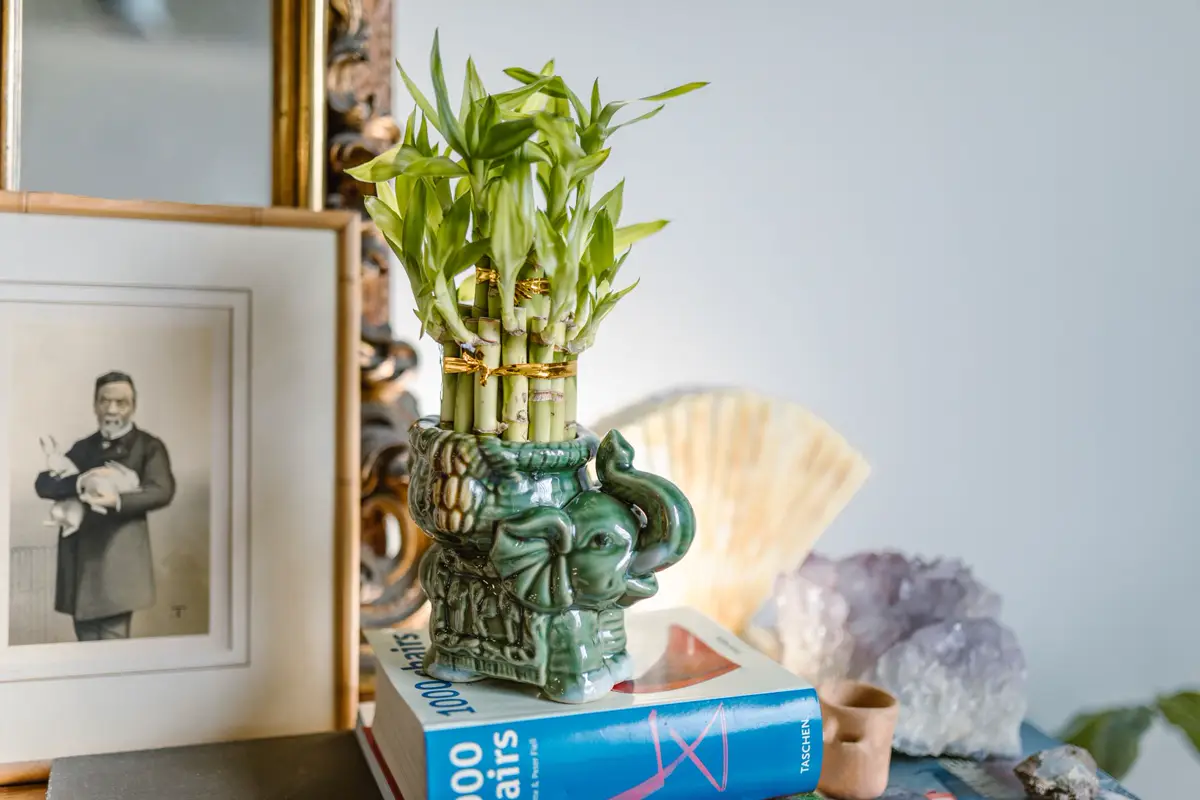
Here is where lucky bamboo becomes a dog problem, and it is all about how it is displayed. Most lucky bamboo sits in a shallow dish of water and pebbles.
Think about that from a dog’s eye level. A cluster of upright green stalks looks like a bunch of chewable sticks, standing in what looks like a drinking bowl. It usually sits low, on a desk, table, or floor.
So a dog can knock it over, chew a stalk, or lap the water, which may contain plant food. Worse, a curious dog can swallow the pebbles, which brings a real choking or blockage risk on top of the mild plant toxin. Move the whole arrangement well out of reach.
How dangerous is it really? The honest severity answer
Let me be plain about this. Lucky bamboo poisoning is unpleasant, but it is rarely dangerous for a healthy adult dog.
Most cases are a bout of drooling and vomiting, and a dog that sulks for a few hours before bouncing back. The saponins irritate and then pass.
The exceptions are small but worth naming. Puppies and tiny breeds can get dehydrated from heavy vomiting, blood in the vomit deserves a vet call, and a swallowed pebble is its own hazard. Respect it, do not panic over it.

What to do right now if your dog chewed lucky bamboo
Work through this calmly, in order.
First, remove the plant, the water dish, and any loose pebbles from your dog’s reach. Check its mouth and clear any fragments. Offer fresh water to settle the stomach and keep it hydrated.
Do not induce vomiting unless a vet tells you to. Then watch. Mild drooling and a single vomit can be monitored at home. Call your vet or an animal poison line if vomiting repeats, your dog turns very lethargic, you see blood, or you think a pebble was swallowed. Our plant doctor tool can help you confirm the plant. Your vet’s advice always comes first.
Lucky bamboo and the dracaena family
Because lucky bamboo is a dracaena, it helps to treat it as part of that family rather than a one-off.
The snake plant, corn plant, and dragon tree are all dracaenas with the same mild saponin risk. So if you own several, screen them as one group, not plant by plant.
Our guides on snake plant and corn plant toxicity cover the closest relatives, and the dracaena guide ties them together.
Keeping dog and lucky bamboo apart
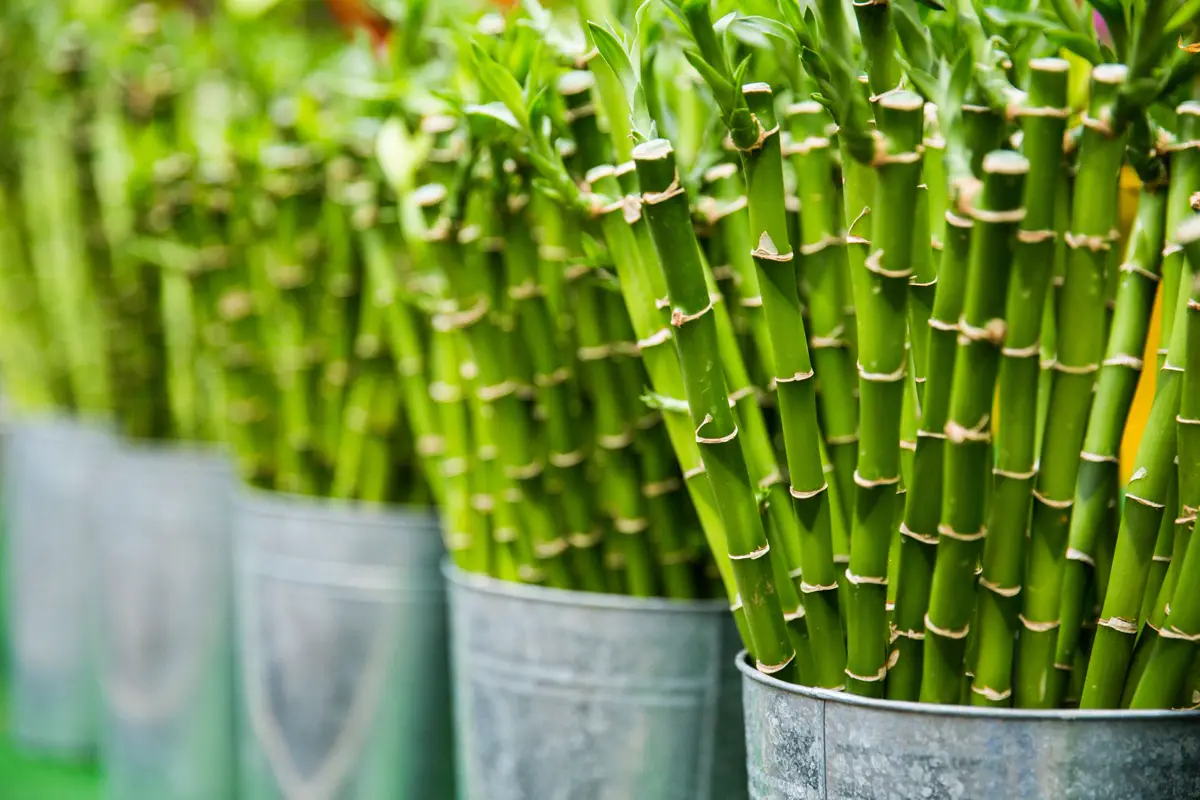
The fix is mostly about placement, since lucky bamboo is usually low and grabbable. A dog cannot climb, so height is your friend.
Move the dish to a tall shelf or a room the dog does not enter. Swap loose pebbles for a heavier, stable vase the dog cannot tip, or one with a narrow neck that hides the water. Sweep up any stray pebbles promptly.
Then back it up with the basics: a firm “leave it” cue, a proper chew toy, and enough exercise to cut the boredom that starts the chewing.
Five pet-safe swaps, including the real thing
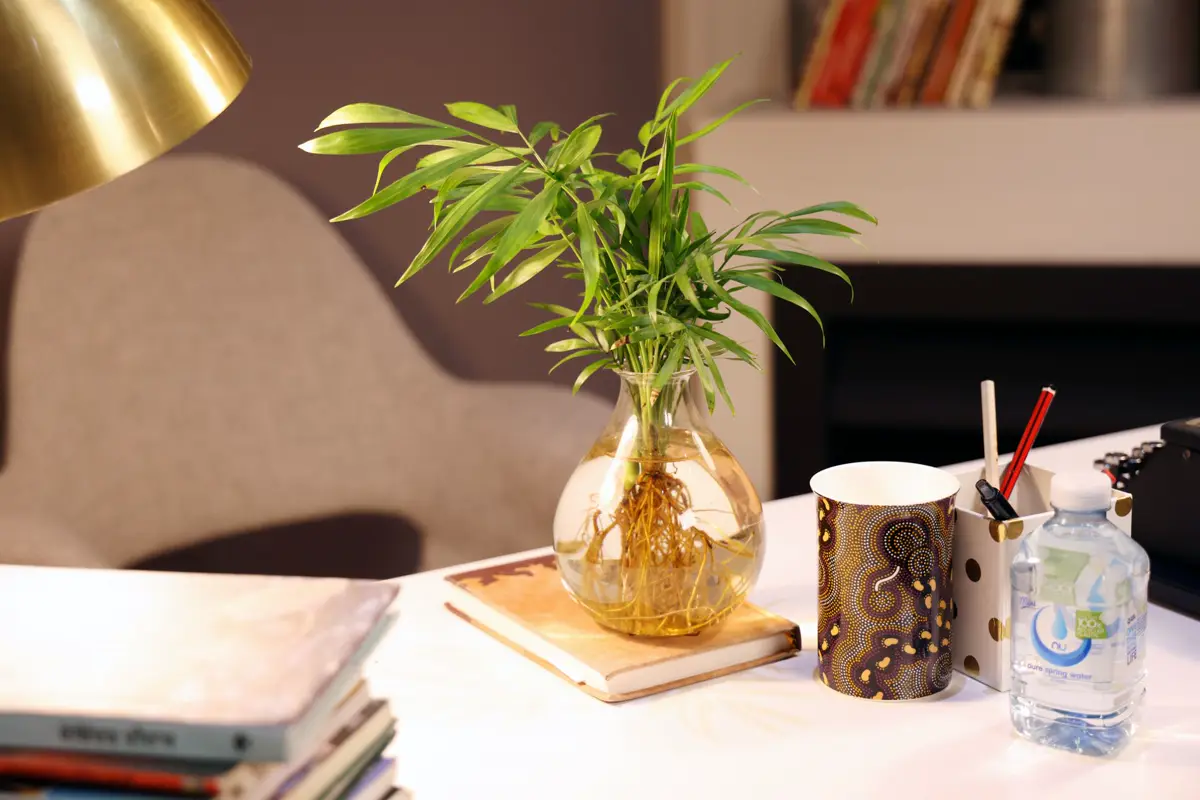
Want the same fresh, upright green look without the saponins? Swap the plant, not the dog. These non-toxic picks do the job:
| Safe plant | What it offers |
|---|---|
| True bamboo (Bambusa) | The actual grass, non-toxic and safe |
| Spider plant | Upright arching green, near indestructible |
| Parlour palm | Soft green stems for the same vibe |
| Areca palm | Tall, cane-like tropical look |
| Peperomia | Compact glossy foliage |
All appear on the ASPCA’s non-toxic list. Our pet-safe houseplants guide ranks the full roster, and our guide to growing real bamboo covers the genuinely pet-safe lookalike.
Lucky bamboo and dogs step by step
- Know the truth: it is a dracaena, not real bamboo.
- Expect mild saponin gut upset if a dog chews a stalk.
- Mind the pebbles, which are a choking and blockage risk.
- After chewing: remove plant and water, clear the mouth, offer water.
- Never induce vomiting without vet instruction.
- Call the vet for heavy vomiting, blood, or a swallowed pebble.
A dog household can still keep lucky bamboo. It just lifts the whole dish out of reach and skips the panic.
Lucky bamboo and dogs in homes worldwide
Lucky bamboo shows up everywhere, often as a gift, which is exactly why it catches dog owners off guard. It sits in dog-owning homes from New York and London to Sydney and Toronto, prized as a low-fuss token of good fortune.
In India, lucky bamboo is hugely popular as a Vastu and Feng Shui plant, gifted at housewarmings, festivals, and offices for prosperity. It usually arrives suddenly, in a low glass vase of water and pebbles, right where a dog can reach it. Lift it out of reach, give the dog a proper chew toy, and know your nearest vet’s number.
Wherever you live, save an animal poison helpline number in your phone before you need it. Our lucky bamboo care guide covers the plant’s side of the household. Our pet-safe plant guide covers the dog’s.
Frequently asked questions
Is lucky bamboo the same as real bamboo?
No, and this is the key point for pet safety. Lucky bamboo is Dracaena sanderiana, a member of the dracaena family, not a true bamboo at all. Real bamboo is a grass (Bambusa) and is non-toxic to dogs, while lucky bamboo carries mild saponins that upset the stomach. The similar look and the reassuring name mislead people. If you want a genuinely dog-safe “bamboo” look, choose actual bamboo or a safe lookalike instead.
What happens if my dog eats lucky bamboo?
Expect stomach upset rather than a burning mouth. Within a few hours the saponins can cause drooling, vomiting that sometimes contains a little blood, and a quiet, off-colour dog. Remove the plant, clear the mouth, and offer water. Do not induce vomiting. Most dogs recover within a day. Call your vet if vomiting repeats, your dog turns very lethargic, you see blood, or you suspect it swallowed a pebble from the dish.
Can lucky bamboo kill a dog?
No, this is not a deadly plant. Lucky bamboo is a mild irritant, with no liver or heart toxin like the sago palm or kalanchoe. Its saponins cause short-lived gut upset, not organ failure. The realistic risks are dehydration from heavy vomiting in small dogs, and a swallowed pebble from the display causing a blockage. Keep the whole arrangement out of reach to avoid the discomfort, but there is no fatal-dose fear from the plant itself.
Is the water from lucky bamboo harmful to dogs?
It can be a minor risk, so do not let a dog drink it. The water often contains dissolved plant food or fertiliser, and traces of the plant’s saponins. Neither is likely to seriously harm a dog in small amounts, but it can add to the stomach upset. The bigger hazard is the pebbles in the dish, which a dog can swallow. Keep the vase out of reach so your dog cannot chew the stalks or lap the water.
How much lucky bamboo is toxic to a dog?
Lucky bamboo is a mild-toxicity plant, so there is no small deadly dose to fear, but the more a dog chews the more stomach upset it gets. A stalk or two of the Dracaena stem holds enough saponins to cause drooling and vomiting, especially in a small dog. Large amounts simply mean a rougher, longer upset rather than organ damage. Remove the plant, offer water, and watch for repeated vomiting or unusual dullness.
What are the symptoms of lucky bamboo poisoning in dogs?
The classic signs follow the ASPCA description for Dracaena: drooling, vomiting that occasionally contains a little blood, a loss of appetite, and a subdued, depressed mood. Symptoms usually start within a few hours of chewing and settle within a day in most dogs. There is no burning-mouth reaction as you would see with a calcium oxalate plant. Call your vet if vomiting keeps repeating, you see blood, or a small dog becomes very lethargic or dehydrated.
How do I stop my dog chewing lucky bamboo?
The simplest fix is placement: put the arrangement on a high shelf or in a room the dog cannot reach, since a plant on the floor or a low table is an open invitation. For a persistent chewer, redirect the habit with a proper chew toy and reward the dog for leaving the plant alone. A pet-safe deterrent spray on nearby surfaces can help. Removing the temptation entirely is more reliable than relying on training alone.
Is lucky bamboo grown in soil more dangerous than in water?
The plant itself carries the same saponins whether it is grown in a water vase or in a pot of soil, so the toxicity of the stalks does not change. A soil pot adds a different worry, because some dogs also eat the potting mix, which can contain fertiliser or cause its own upset. A water display, meanwhile, brings the risk of a dog swallowing the pebbles or drinking treated water. Both setups are best kept out of reach.
Are the pebbles in a lucky bamboo dish a danger to dogs?
Yes, and for many dogs the pebbles are the bigger hazard than the plant. The glass beads or stones used to anchor the stalks can be swallowed by a dog that is mouthing the display, and a swallowed stone can cause choking or an intestinal blockage that may need surgery. This risk is real even though the plant itself is only mildly toxic. Keep the whole vase, pebbles included, well out of a dog’s reach.
Is lucky bamboo toxic to puppies?
Yes, and puppies deserve extra caution. The plant is only mildly toxic, but a puppy is small, explores everything with its mouth, and dehydrates faster if it vomits, so the same nibble hits a puppy harder than a grown dog. The pebbles are also a serious choking risk for a small mouth. In a home with a puppy, keep lucky bamboo completely inaccessible and call your vet if the puppy chews it and then vomits repeatedly.
What pet-safe plants look like lucky bamboo?
If you want the upright green stems without the saponins or the true bamboo confusion, there are dog-safe options. Actual bamboo, which is a grass, is non-toxic to dogs, and pet-friendly houseplants such as parlour palm or spider plant give a similar leafy, structural look. Always confirm a new plant against the ASPCA non-toxic list before buying. Choosing a safe plant from the start is easier than guarding a curious dog from a toxic one. This is general information, not veterinary advice.
Related guides
- Is dracaena toxic to dogs
- Is snake plant toxic to dogs
- Is corn plant toxic to dogs
- Best pet-safe houseplants
- Lucky bamboo care guide
- How to grow bamboo
Still stuck? Ask the Plant Doctor
Describe the problem — yellow leaves, holes, no flowers — and get a clear answer in seconds. FreeAI can make mistakes. Answers are guidance, not a guarantee — check anything important against the guide it links to, and always read the label on any product before you use it.