Why Are My Hoya Leaves Turning Yellow? Causes and Fixes
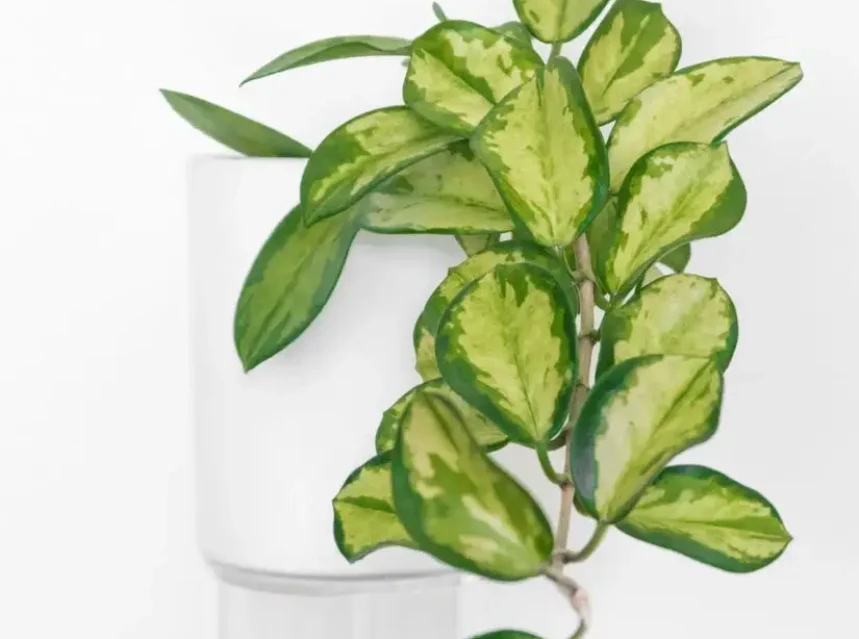
Why are my hoya leaves turning yellow? Overwatering is the top cause — hoyas are semi-succulent plants that store water in their thick, waxy leaves and rot in soggy soil, so wet roots make several leaves yellow and go soft at once. Too much or too little light, underwatering and poor drainage cause the same yellowing.
Quick answer: Several yellow, soft, mushy leaves with soggy soil mean overwatering. Individual dry, wrinkled yellow leaves mean thirst. Yellow, scorched leaves in strong sun mean too much light. Match your cause below and act on it.
🧰 In a hurry? Jump straight to our tested picks for this guide ↓
Why are my hoya leaves turning yellow? Quick diagnosis
| What you see | Most likely cause |
|---|---|
| Several soft, mushy yellow leaves, soggy soil | Overwatering and root rot |
| Individual dry, wrinkled yellow leaves | Underwatering |
| Yellow, scorched patches in strong sun | Too much direct light |
| Slow, pale yellowing in a dim spot | Too little light |
| Yellowing in heavy, slow-draining soil | Poor drainage |
| One old lower leaf yellowing | Natural ageing |
Overwatering: the number one cause
Overwatering yellows hoyas more than anything else. Hoyas are semi-succulent, storing water in their thick, waxy leaves, so they cope well with dry spells but rot fast in soggy soil. When the roots stay wet they suffocate and rot, and several leaves yellow and turn soft or squishy at once.
The fix is to water less and let the soil nearly dry out first. Push a finger into the pot, and only water when it feels dry a good way down, then let it drain fully. Always use a pot with drainage holes. Get the watering right and the remaining yellow leaves stop spreading, even if they never turn green again. Our hoya care guide has the full routine.
Overwatering versus underwatering
The pattern of yellowing tells the two apart. With overwatering, several leaves yellow together and feel soft, mushy and swollen, because the rotting roots can no longer manage the water. This is the more common problem, since hoyas are far more often overwatered than underwatered.
With underwatering, it is usually individual leaves that yellow, and they feel dry and wrinkled rather than mushy, as the plant draws on the water stored in its leaves. If several leaves are soft and the soil is wet, treat it as overwatering and possible root rot. If a few leaves are dry and wrinkled in bone-dry soil, give a thorough soak.
Light: too much or too little
Light yellows hoyas from both directions. In harsh, direct sun the waxy leaves scorch and yellow or brown where they burn, so keep them out of strong midday sun. In a dark corner, the plant cannot photosynthesise well and the leaves slowly pale and yellow.
So aim for bright, indirect light, which hoyas love. A spot near an east or west window, or a little back from a bright south one, suits them well and also encourages flowering. The Royal Horticultural Society recommends bright, filtered light and free-draining compost for hoyas. If a room is genuinely dark, a grow light helps. Our grow light guide covers the options.
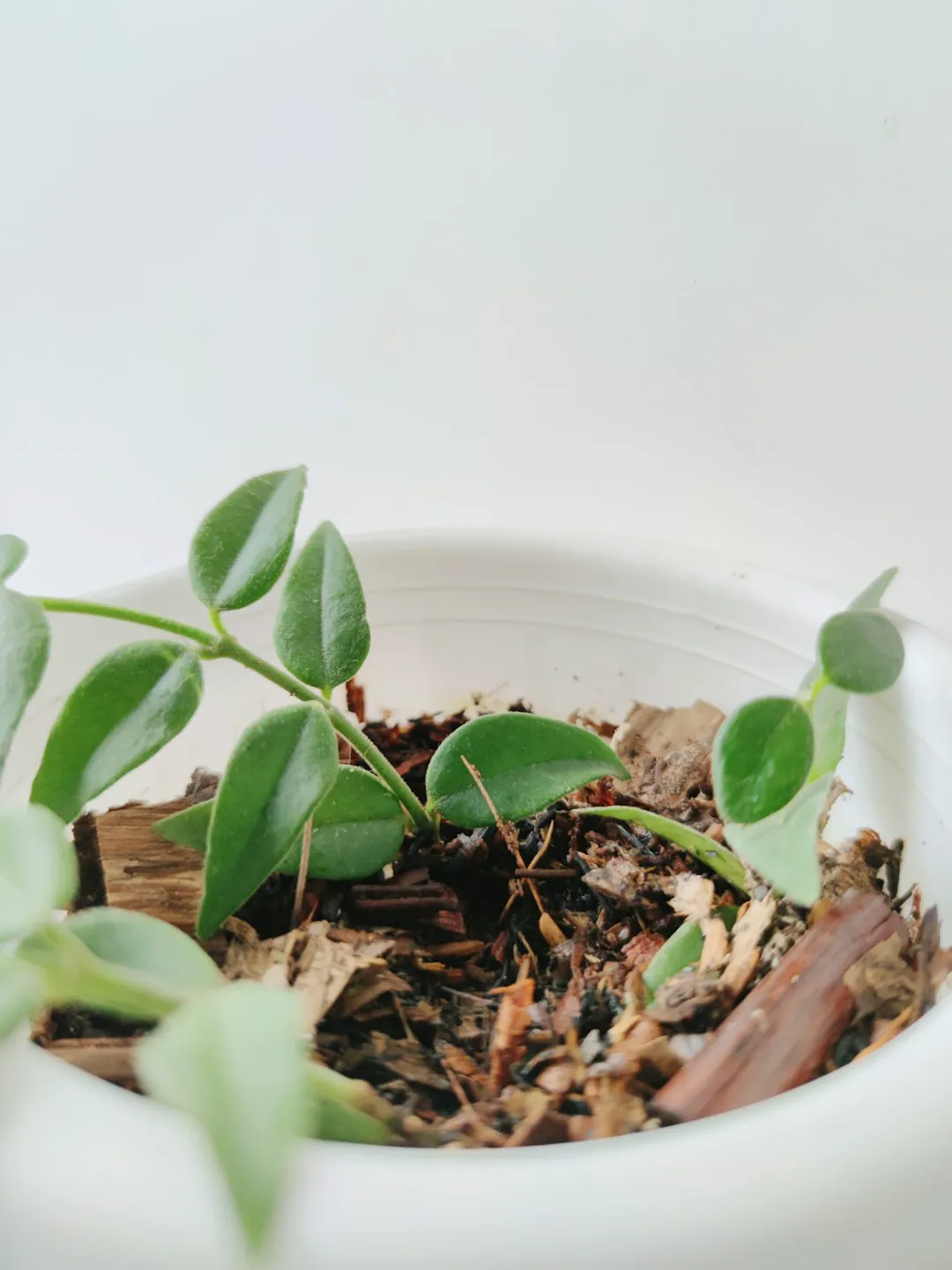
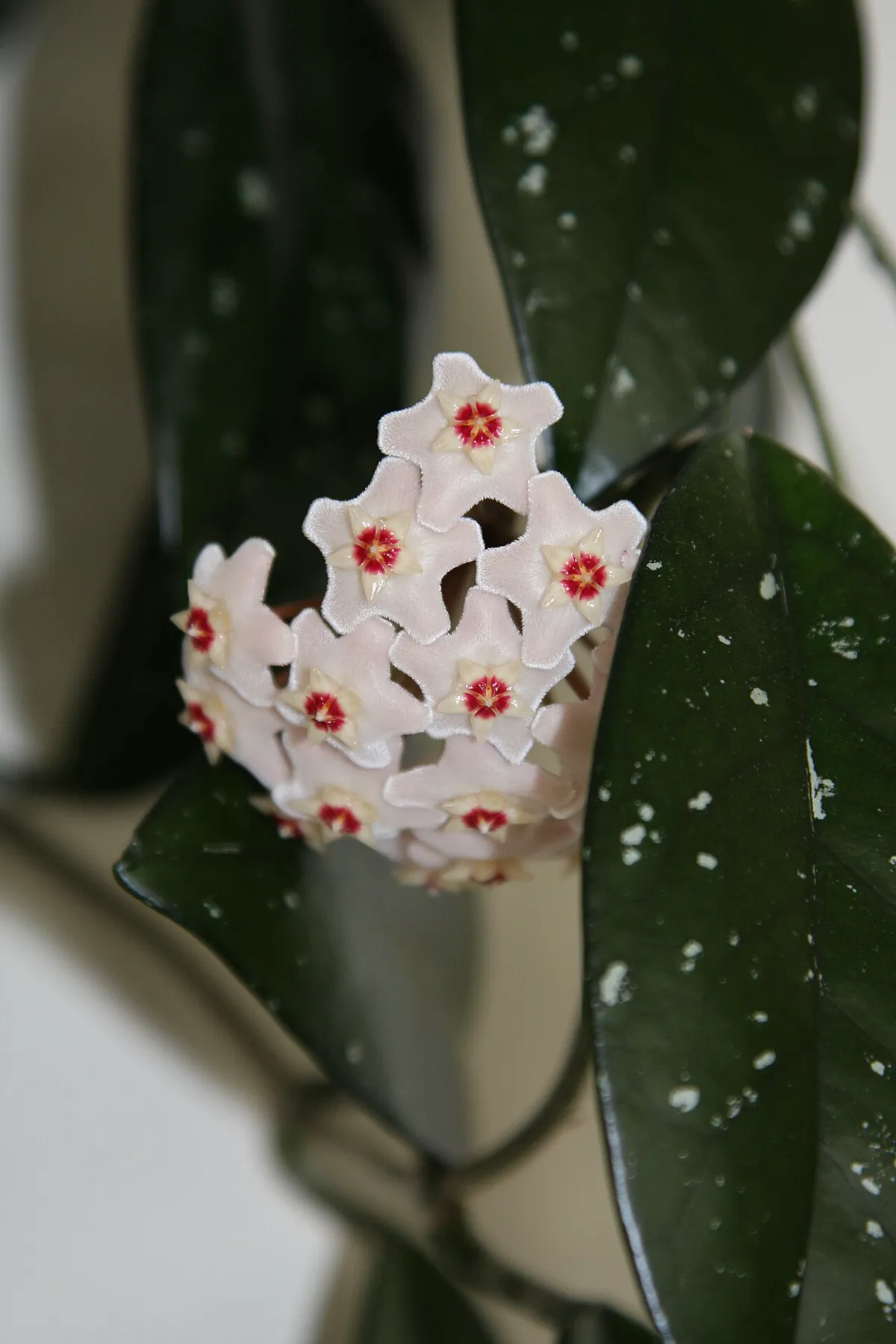
Drainage and tired soil
Poor drainage is a hidden cause of yellowing. Heavy, water-retaining soil keeps the roots wet even when you water correctly, leading to the same rot and yellow leaves. Hoyas have air-loving roots, much like the orchids they often grow near in the wild, so they need a light, airy mix. The Missouri Botanical Garden notes hoyas grow as epiphytes and need very well-drained conditions.
So grow hoya in a chunky, fast-draining blend, such as a mix of orchid bark, perlite and a little potting soil, in a pot with drainage holes. If the plant has sat in the same tired, broken-down mix for years, refreshing it improves both drainage and feeding at once. Our potting soil guide explains the right blend.
Hoya leaves turning yellow in India
Two settings yellow hoyas fast in India: overwatering and the humid monsoon.
Hoya, sometimes called wax plant, grows well as a houseplant across much of the country, especially in warm, humid regions, but it rots if overwatered. In the humid monsoon the mix stays damp far longer, so water much less then and use a chunky, fast-draining mix. Give bright, indirect light away from harsh afternoon sun. Our hoya guide has more.
Pests and diseases that cause yellow hoya leaves
Sometimes hoya leaves turn yellow because of pests, not water. Sap-sucking insects drain the leaves and leave them pale, stippled or yellow. Mealybugs are the most common culprit. Look for white, cottony blobs in the leaf joints and along the stems.
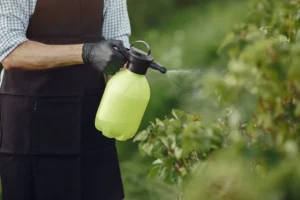
Spider mites and scale cause trouble too. Mites leave fine yellow speckling and faint webbing, while scale shows up as small brown bumps. First, wipe the leaves with a damp cloth. Next, treat the plant with neem oil or insecticidal soap every week until the pests clear. Check new plants before you bring them home, because pests spread fast indoors.
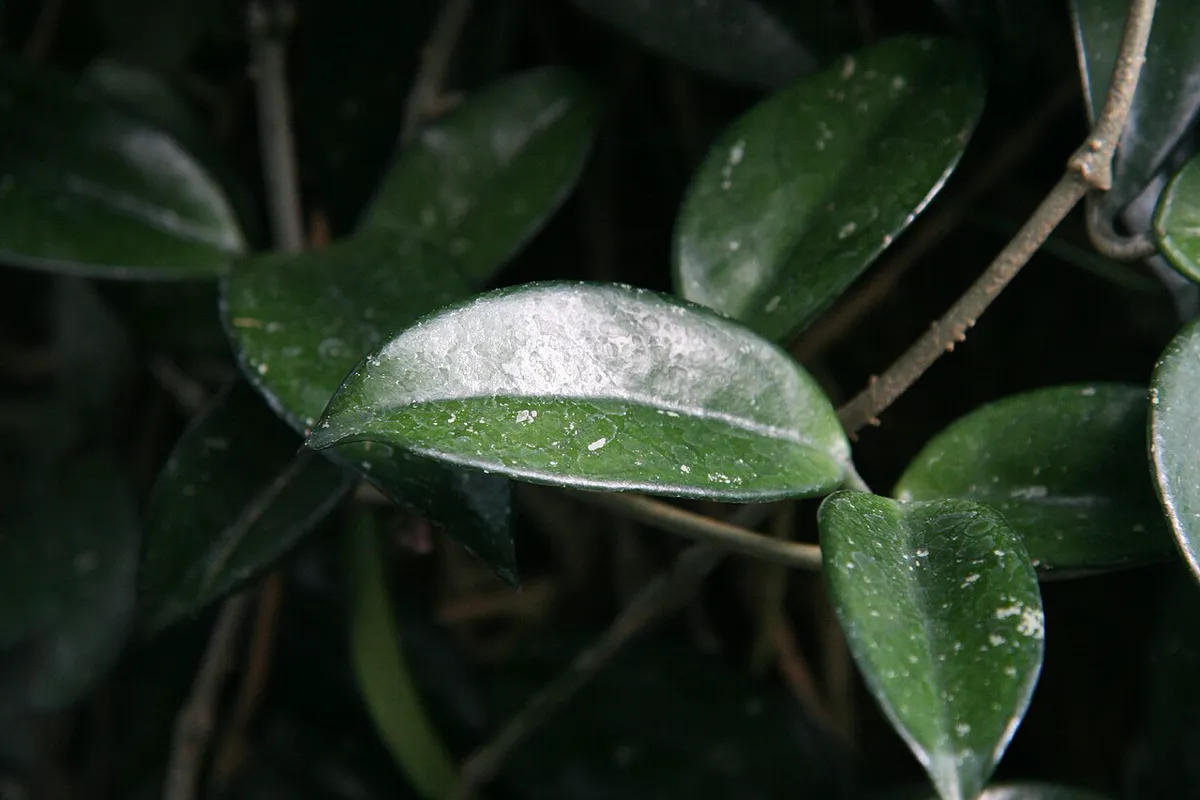
Feeding and other causes of yellow hoya leaves
A hungry hoya can yellow as well. When the plant runs short of nutrients, older leaves often fade first. So feed lightly with a balanced houseplant fertiliser during spring and summer, then ease off in winter. Do not overfeed, because too much fertiliser can burn the roots and cause yellowing of its own.
Cold and shock also play a part. A sudden cold draught, a chilly windowsill or a big move can stress the plant, and a few leaves may yellow in response. Keep your hoya warm and away from cold windows and air-conditioning vents. Repotting stress can trigger the same reaction for a week or two.
When yellow hoya leaves are normal
Not every yellow leaf is a problem. One old leaf low on the stem often yellows and drops as the plant ages, and this is natural. However, watch the pattern closely. Several leaves yellowing at once points to overwatering or another cause you need to fix.
To prevent yellow hoya leaves, keep the basics steady. Water only when the mix has nearly dried, use a chunky and free-draining blend, and give bright, indirect light. Check for pests now and then. Get these three right and yellowing rarely returns.
How to fix yellow hoya leaves
- Let the soil nearly dry out, then water thoroughly and drain fully.
- Check whether leaves are mushy (overwatered) or dry and wrinkled (thirsty).
- Inspect the roots and repot into a gritty, airy mix if you find rot.
- Give bright, indirect light, out of harsh direct sun.
- Use a pot with drainage holes and refresh tired, old soil.
- Pick off old, spent yellow leaves.
Firm, thick, waxy green new leaves are the sign your hoya has recovered.
Frequently asked questions
Should I cut yellow leaves off my hoya?
Yes, once a leaf has yellowed it will not turn green again, so snip it off with clean scissors. Removing it lets the plant focus on healthy growth, but always fix the cause first, usually overwatering, so more leaves do not yellow too.
Is my hoya yellow from overwatering or underwatering?
Check how the leaves feel. Several soft, mushy, swollen yellow leaves with wet soil mean overwatering, which is the common problem. Individual dry, wrinkled yellow leaves mean thirst. Hoyas are far more often overwatered, so if in doubt, let the soil dry more.
How often should I water a hoya?
Only when the soil has nearly dried out, since hoyas store water in their leaves and dislike sitting wet. This might be every one to two weeks in the growing season and less in winter. Always check the soil first rather than watering on a fixed schedule.
What is the best soil for a hoya?
A chunky, fast-draining, airy mix, because hoyas have air-loving roots. A blend of orchid bark, perlite and a little potting soil works well, in a pot with drainage holes. This prevents the soggy conditions that rot the roots and yellow the leaves.
Can too little light turn hoya leaves yellow?
Yes. In a dim spot the plant cannot power all of its foliage, so it sacrifices the oldest, lowest leaves. They turn completely yellow and drop while the vine grows long and sparse with wide gaps between leaves. Move the plant to bright indirect light, such as an east-facing window or a metre back from a south window. Rotate the pot every couple of weeks so every side gets a fair share and the growth stays balanced.
Can too much sun turn hoya leaves yellow?
It can, though strong sun more often bleaches leaves pale or flushes them red and bronze before they yellow. Look for washed-out patches on the side facing the glass and dry, papery spots where the tissue has burned. Filter harsh midday light with a sheer curtain, and in hot tropical climates keep hoyas out of direct afternoon sun altogether. A plant moved suddenly from shade into full sun burns fastest, so make any change gradual.
Does a nutrient deficiency turn hoya leaves yellow?
It does, and nitrogen shortage is the classic version. The oldest leaves fade to a uniform pale yellow while newer growth stays smaller than usual, because the plant moves nitrogen from old tissue into new. This is common in plants that have sat in the same tired mix for years. Feed at half strength every four to six weeks during spring and summer, stop in winter, and refresh the potting mix every two to three years.
Is it normal for old hoya leaves to turn yellow and drop?
Some of it is completely normal. A mature vine sheds its oldest leaves as it ages, usually one at a time near the base, and that is nothing to fix. The signal to act is scale and pattern. Several leaves yellowing together, yellowing on new growth, or leaves that turn soft and yellow at the same time all point to a watering, root, or light problem rather than the ordinary rhythm of an established plant.
Why did my hoya turn yellow after I brought it home or repotted it?
Adjustment stress. A change in light level, humidity, or root space makes the plant drop a few leaves while it settles, and those leaves usually yellow first. Nursery greenhouses are far brighter and more humid than a living room, so some loss is expected. Keep conditions steady, water only when the mix is nearly dry, and skip fertiliser for about a month. Most hoyas stabilise within three to six weeks and then push out new growth.
Can cold temperatures turn hoya leaves yellow?
Yes. Hoyas are tropical plants and dislike anything much below about 12 degrees Celsius. Cold draughts from a window, a chilly balcony overnight, or icy water straight from the tap all shock the roots, and the leaves respond with yellowing and sometimes limp, translucent patches. Move plants away from draughty windows in winter, use room-temperature water, and bring outdoor hoyas inside before the first cold nights arrive in temperate regions.
Do pests make hoya leaves turn yellow?
They can. Mealybugs, scale, aphids, and spider mites feed on sap, and heavy feeding leaves speckled or blotchy yellowing rather than an even fade. Check leaf undersides, stems, and the tight joints where leaves meet the vine for cottony white clumps, small brown bumps, or fine dusty stippling. Wipe them away with a cotton bud dipped in rubbing alcohol, then treat the plant with insecticidal soap or neem oil and repeat every week until clear.
How do I check whether root rot is causing the yellowing?
Slide the plant gently out of its pot and look at the roots. Healthy hoya roots are firm and pale. Rotted ones are brown or tan, smell sour, and the fine feeder roots snap easily when tugged. Wet, heavy mix and a rotten smell at the drainage holes are early warnings. Trim every damaged root with clean scissors, repot into a fresh chunky mix in a pot only slightly bigger, and water sparingly until new growth appears.
Sources and further reading
Related guides
- Hoya care guide
- Why is my succulent turning yellow
- Why are my pothos leaves turning yellow
- Root rot
- Best potting soil
- How often to water plants
Still stuck? Ask the Plant Doctor
Describe the problem — yellow leaves, holes, no flowers — and get a clear answer in seconds. FreeAI can make mistakes. Answers are guidance, not a guarantee — check anything important against the guide it links to, and always read the label on any product before you use it.