Why Is My Boston Fern Turning Brown? Causes and Fixes
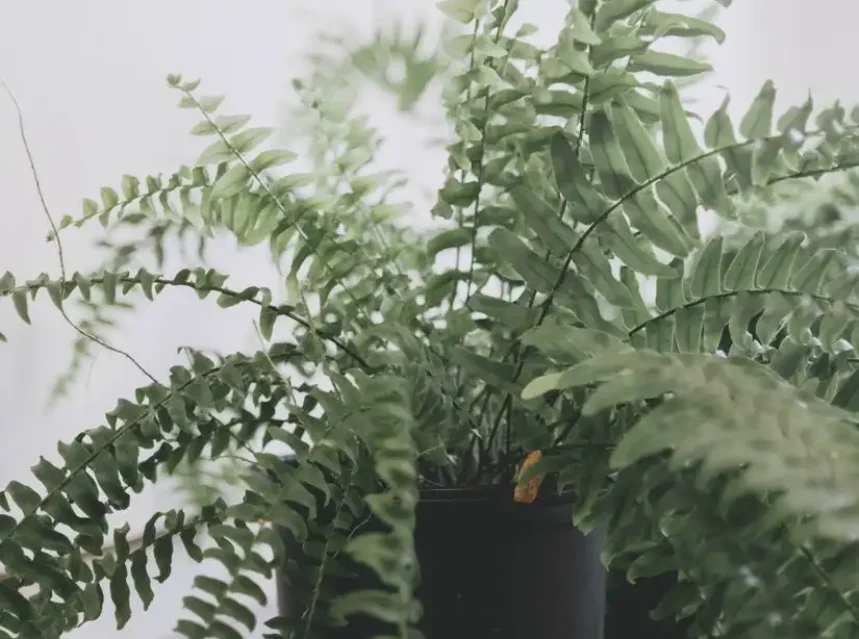
Why is my boston fern turning brown? Low humidity is the top cause — this fern comes from humid forests, so dry indoor air crisps the fronds brown, starting at the tips. Underwatering, too much light and salt build-up cause the same browning.
Quick answer: Crispy brown tips in dry air mean low humidity. Crispy, dry fronds with dry soil mean thirst. Brown, scorched edges in bright light mean too much sun. Raise humidity and keep the soil evenly moist. Match the cause below.
🧰 In a hurry? Jump straight to our tested picks for this guide ↓
Why is my boston fern turning brown? Quick diagnosis
| What you see | Most likely cause |
|---|---|
| Crispy brown tips in a dry, heated room | Low humidity |
| Crispy, dry brown fronds with dry soil | Underwatering |
| Brown, scorched edges in bright light | Too much light |
| Brown fronds with soggy soil | Overwatering and root rot |
| Brown edges with a white crust on the soil | Salt build-up |
| A few old inner fronds browning | Natural ageing |
Low humidity: the number one cause
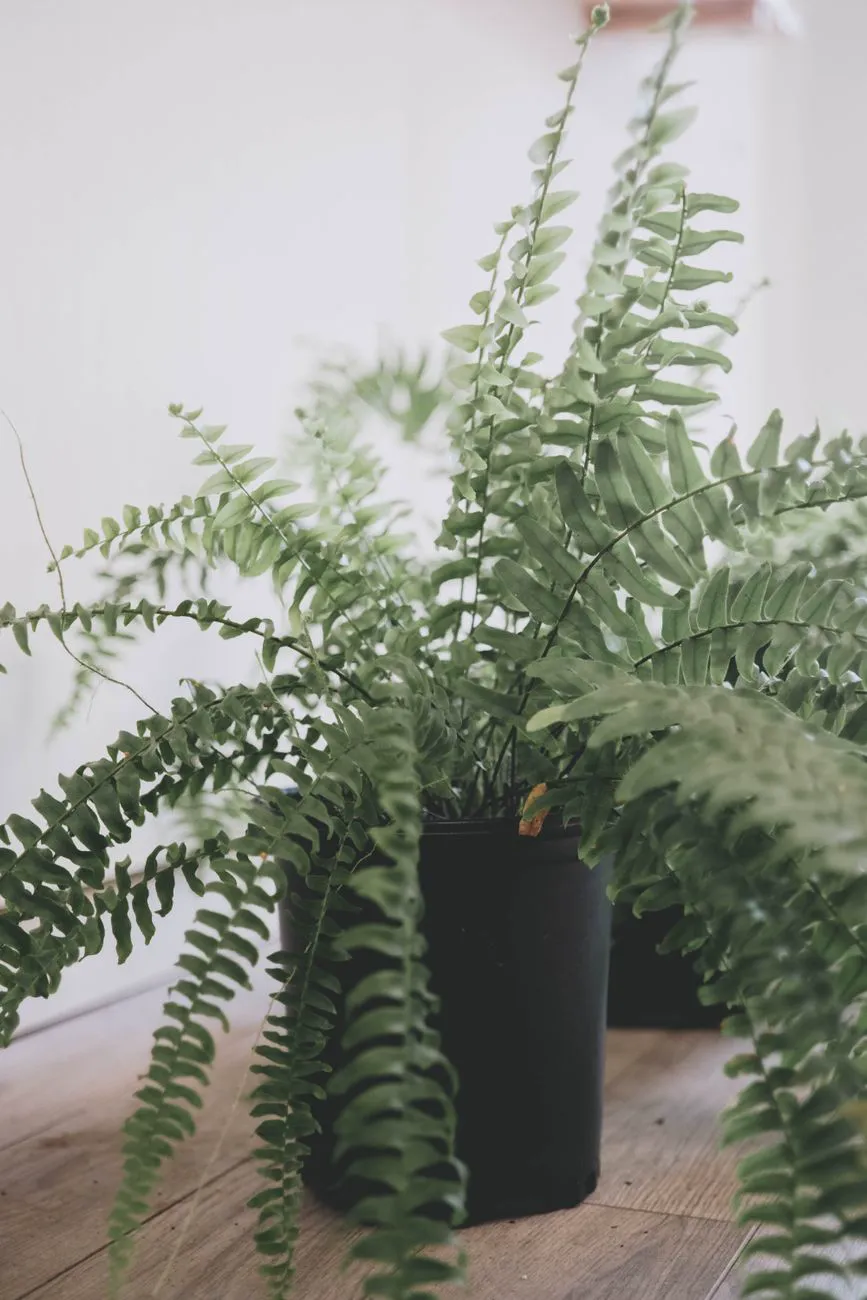
Dry air browns boston ferns more than anything else. These ferns come from humid forests and want around 50 to 60% humidity. Most homes sit far lower, so the fronds crisp brown, starting at the tips.
So raise the humidity around the plant. A humidifier is the most reliable fix. A pebble tray or grouping plants together also help. The Homes & Gardens experts name low humidity as the top cause. Our humidity guide has more methods.
Underwatering: keep it evenly moist
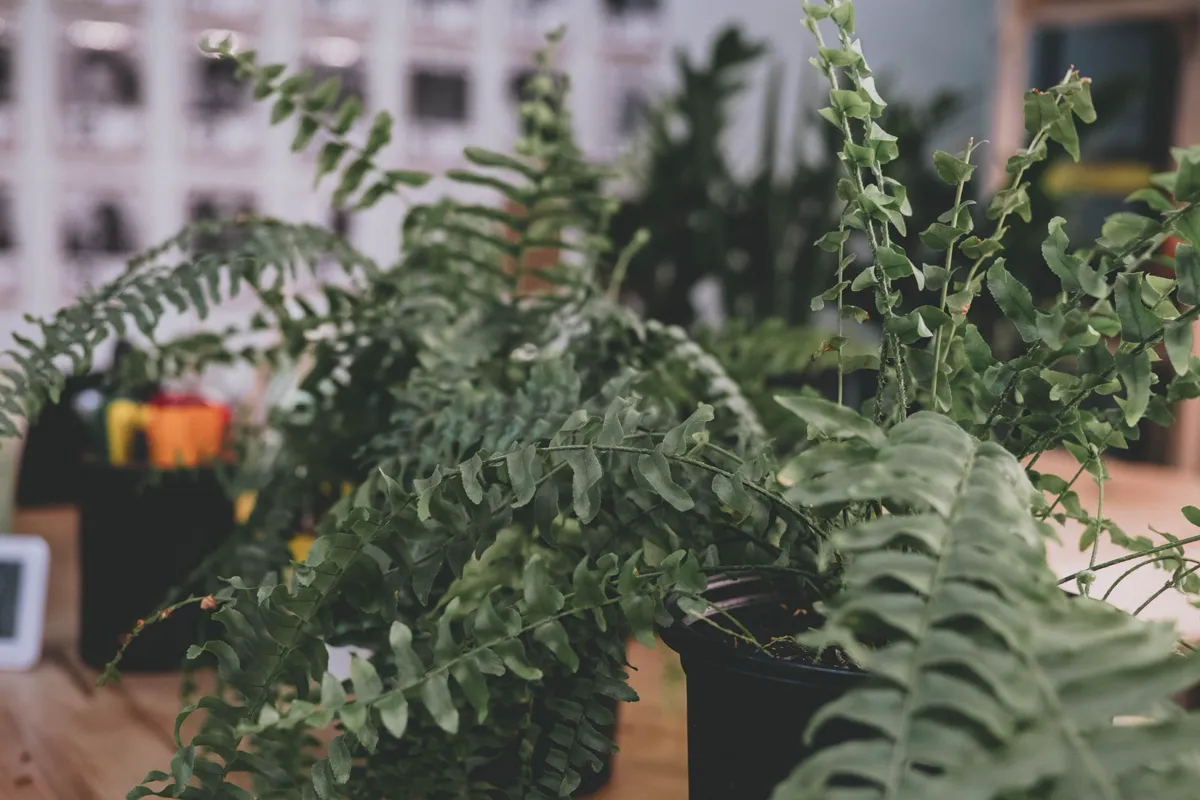
Dry soil is the next big cause. Boston ferns like evenly moist soil, never bone dry. When they dry out too far, the fine roots shut down and the fronds crisp fast.
So keep the soil lightly, evenly moist at all times. Water as soon as the surface starts to dry, and never let the pot bake dry. It should not be soggy either.
Underwatering is a leading cause of brown fronds. Our watering guide helps you keep it steady.
Too much light and overwatering
Harsh light browns the fronds too. Boston ferns want bright, indirect light. Too much direct sun, especially at a south window in summer, scorches the fronds to crispy brown edges.
So keep it out of direct sun, behind a sheer curtain or a few feet back from a bright window. The Royal Horticultural Society recommends bright, indirect light and high humidity for boston ferns. Overwatering causes the opposite kind of browning. Soggy soil rots the roots, so the fronds brown and the base turns mushy. Treat that as root rot, and keep the mix moist but never waterlogged.
Salt build-up and trimming
Salts brown the edges as well. Too much fertiliser, or hard tap water, leaves salts in the soil that burn the frond tips. So feed only lightly, and flush the pot with clean water now and then. Watering with filtered or rainwater helps, and the same salt issue affects other plants, as our spider plant guide shows.
Once a frond is brown and crispy, it will not turn green again. So trim off badly browned fronds at the base with clean scissors. Snip just the brown tips off part-green fronds. Fresh green fronds then grow in once you have fixed the cause.
Pests that brown the fronds
Pests can brown a boston fern too, and they thrive in the same dry air that crisps the tips. Spider mites are the worst. They love hot, dry rooms and can strip a dense fern fast.
Look for fine speckling and tiny webbing on the undersides of the fronds. Mealybugs show up as small cottony blobs where the leaflets meet the stem. Scale looks like tiny brown bumps clinging to the stems and leaf backs.
All three suck sap, so the fronds yellow, then brown and drop. First, wipe the plant down and rinse it in the shower. Next, treat with insecticidal soap or neem, and repeat weekly until the pests clear. Raising humidity also keeps spider mites in check. The University of Wisconsin Horticulture notes that cutting old fronds at the soil encourages fresh growth.
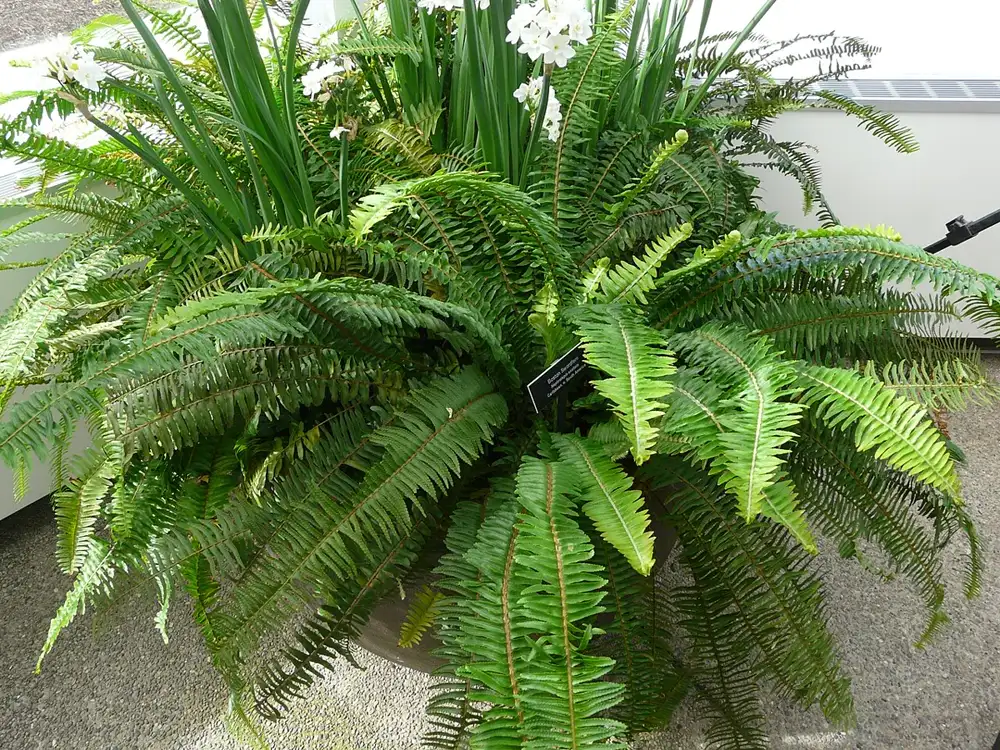
Winter and heating: seasonal browning
Many boston ferns brown most in winter, and heating is the reason. Radiators, heaters and vents dry the indoor air right when humidity matters most. So the fronds crisp brown even when you water on schedule.
Move the fern away from any heat source and dry draught. Then run a humidifier or set the pot on a pebble tray through the cold months. Growth slows in winter, so water a little less, but never let the soil dry out fully. Bright, indirect light near a window still keeps it happy.
Rootbound plants and old soil
A pot-bound fern browns as well. When roots fill the pot, they crowd out the soil that holds water. So the plant dries within a day of watering, and the fronds crisp.
Check the drainage holes for roots pushing through. If the fern is tight, repot it in spring into a slightly bigger pot with fresh, peat-based mix. This gives the roots room and helps the soil stay evenly moist for longer.
Boston fern turning brown in India
Two settings brown boston ferns fast in India: dry, air-conditioned rooms and harsh direct sun.
Boston fern grows well in shady, humid spots like bathrooms and verandahs across the country. But dry AC air and the hot summer crisp the fronds brown, so raise humidity with a humidifier or pebble tray. The strong Indian sun also scorches the fronds, so keep it in bright, indirect light out of direct sun. Keep the soil evenly moist, and it thrives in humid weather. Our boston fern guide has more.
How to fix a browning boston fern
- Raise humidity to 50 to 60% with a humidifier or pebble tray.
- Keep the soil evenly moist, never bone dry or soggy.
- Give bright, indirect light, out of harsh direct sun.
- Feed lightly and flush the soil to clear salts.
- Water with filtered or rainwater if your tap water is hard.
- Trim browned fronds and tips; new green fronds follow.
Fresh, arching green fronds without crispy tips are the sign your boston fern has recovered.
To stop the browning coming back, keep the humidity steady all year. A bright bathroom suits this fern well, because the air stays moist there. Check the soil every day or two, and water before it dries out. Wipe the fronds now and then so pests cannot settle. With even moisture and humid air, a boston fern stays lush and green for years.
Frequently asked questions
Should I cut the brown fronds off my boston fern?
Yes. Once a frond is brown and crispy it will not recover. So trim badly browned fronds at the base with clean scissors, and snip just the brown tips off part-green fronds. This tidies the plant and lets fresh green fronds grow in once you fix the cause.
How do I keep my boston fern humid enough?
Aim for 50 to 60% humidity. A small humidifier is the most reliable fix. A pebble tray under the pot, grouping plants together, or a spot in a bright bathroom all help too. Keep the fern away from heating vents and dry draughts, which pull moisture away.
Is my boston fern browning from over or underwatering?
Check the soil. Crispy, dry brown fronds with dry soil mean underwatering, which is common with ferns. Brown fronds with soggy soil and a mushy base mean overwatering and root rot. Boston ferns like even moisture, so aim for damp but never waterlogged.
Why does my boston fern have brown tips?
Usually low humidity or dry soil. Dry indoor air and a fern that dries out too far both crisp the frond tips brown. Salt build-up from hard water or feed does the same. Raise humidity, keep the soil evenly moist, and flush the soil to help.
Are the brown dots under the leaves a disease?
No, those neat rows of brown dots on the underside are sori, the spore cases every healthy fern produces. They sit in a regular pattern along each leaflet and do not spread to the top surface. Pests and disease look different, showing as random blotches, sticky residue, webbing, or bumps that scrape off. So leave the spore dots alone. On a mature boston fern they are a sign the plant is doing well.
Why is my boston fern turning brown in winter?
Winter conditions dry the plant out from every direction. Indoor heating drops humidity sharply, light levels fall, and cold draughts chill the roots so they take up less water. Move the fern away from radiators, heaters, and cold window glass, keep the room between roughly 16-24°C (60-75°F), and add humidity with a tray of pebbles and water or a humidifier. Water less often than in summer, but never let the mix dry right out.
Can too much sun turn a boston fern brown?
Yes. This fern evolved in shaded, humid forest conditions, so strong direct light scorches it. Sun damage shows as pale, bleached patches that turn brown and papery on the side facing the window. Keep the plant out of south-facing windows and away from harsh afternoon sun, and give it bright indirect light instead. In India, a shaded balcony or a spot behind a sheer curtain protects it through the hot months.
Why are the lower fronds browning while new ones look fine?
That is often normal ageing. Older fronds near the base naturally yellow, brown, and die back as fresh growth takes over, and it happens faster in a crowded plant where light cannot reach the centre. Trim the spent fronds at the base with clean scissors to open the crown. Worry only if browning starts on the new fronds too, which points to a watering, humidity, or root problem instead of ordinary ageing.
Can fertiliser burn turn a boston fern brown?
It can, easily. Fern roots are fine and sensitive, so full-strength or frequent feeding scorches them and browns the frond tips and edges. A white crust on the soil surface or pot rim is a strong clue. Flush the pot with plenty of plain water so the excess salts wash out through the drainage holes, then feed only monthly at half strength during spring and summer, and not at all in winter.
Will a completely brown boston fern come back?
Sometimes. Check the crown and roots first. If the roots are firm and pale and the centre still has a little green, cut all the dead fronds back to about 5 cm (2 inches), water well, and keep the plant warm, humid, and in bright indirect light. New shoots may appear within a few weeks. If the roots are black, soft, and foul-smelling, the rot has gone too far and the plant will not recover.
Why is my hanging basket fern browning outdoors?
Hanging baskets dry out far faster than pots on the ground because wind moves over them from all sides. Add heat and the fronds crisp within days. Water thoroughly in the morning and check again in the evening during hot weather, move the basket into shade, and use a mix with coco coir to hold moisture. Where summers are very hot, taking the basket indoors for the worst weeks prevents most browning.
Can pests cause brown patches on the fronds?
Yes. Scale insects, mealybugs, and spider mites feed on sap, leaving stippled, brown, dry patches and often sticky residue or fine webbing. Check the undersides and stalks, and remember that random damage means pests while neat rows of dots mean spores. Rinse the plant in the shower, then treat with insecticidal soap or neem oil once a week until it stays clean. Better humidity keeps mites away in the first place.
Sources and further reading
Related guides
- Boston fern care guide
- Bird’s nest fern care
- Maidenhair fern care
- Why are my spider plant tips turning brown
- Humidity for houseplants
- How often to water plants
Still stuck? Ask the Plant Doctor
Describe the problem — yellow leaves, holes, no flowers — and get a clear answer in seconds. FreeAI can make mistakes. Answers are guidance, not a guarantee — check anything important against the guide it links to, and always read the label on any product before you use it.