Why Is My Jade Plant Leggy? Causes and How to Fix It
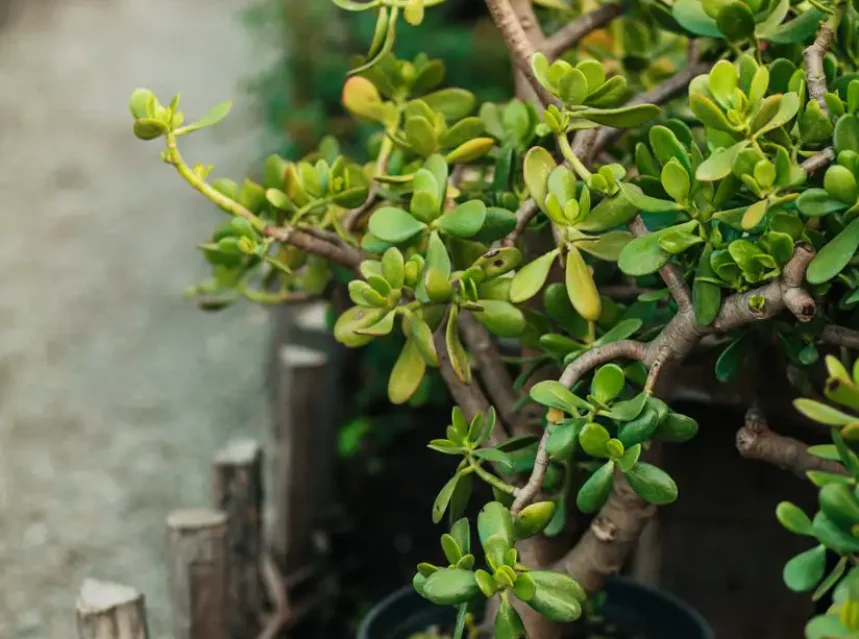
Why is my jade plant leggy? Too little light is the cause — a jade needs several hours of bright, direct sun, so in normal indoor light it stretches, growing long bare stems with wide gaps between the leaves. Gardeners and botanists call this stretch etiolation. The good news is that a leggy jade is easy to fix, and even to multiply into free new plants.
Quick answer: Move your jade to a bright, sunny window, but shift it gradually so the leaves do not scorch. Then prune the long, bare stems back to a leaf node to force bushier growth, and root the cuttings into new plants. Match the cause and fixes below.
🧰 In a hurry? Jump straight to our tested picks for this guide ↓
Why is my jade plant leggy? Quick diagnosis
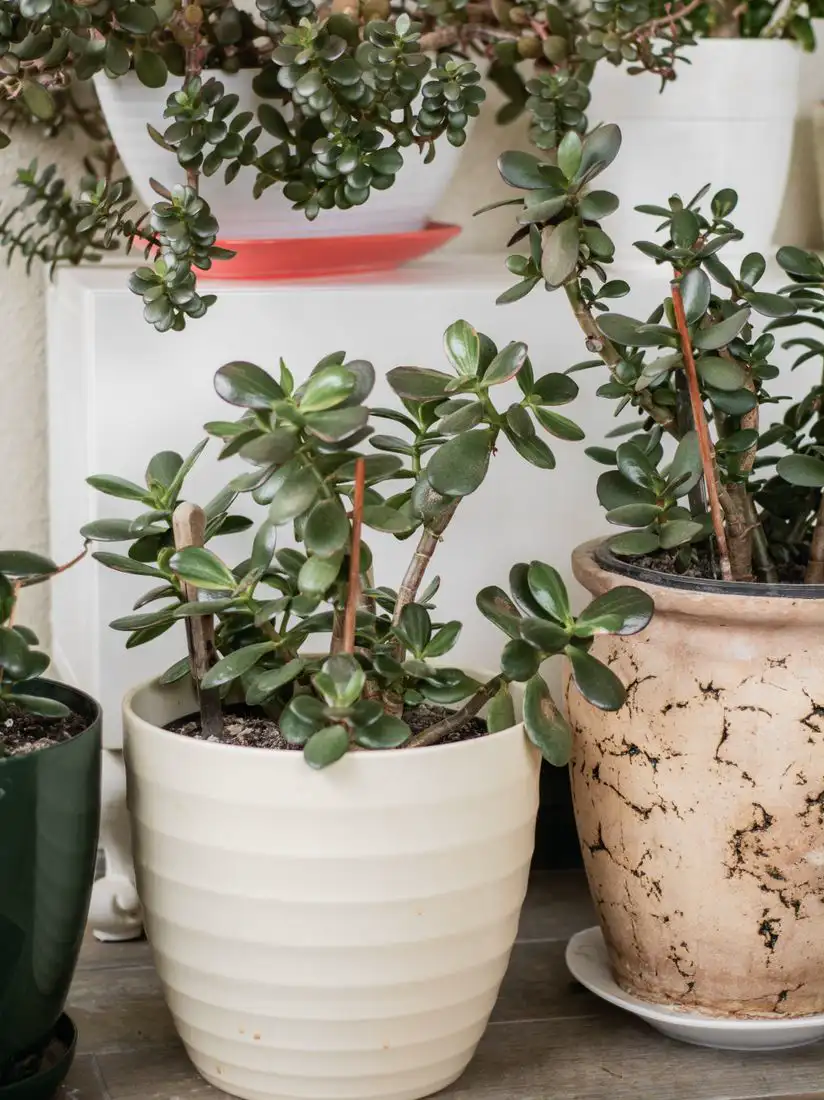
| What you see | Most likely cause |
|---|---|
| Long, bare stems reaching one way | Too little light (etiolation) |
| Wide gaps between the leaves | Stretching for light |
| Pale, floppy, thin new growth | Low light or overfeeding |
| One-sided, lopsided lean | Not rotating the plant |
| Whole plant tips or flops over | Top-heavy or root-bound |
| Tall and sparse, never pruned | No pruning |
| Weak stretch in a warm, dim winter room | Warmth plus low light |
Light: the number one cause
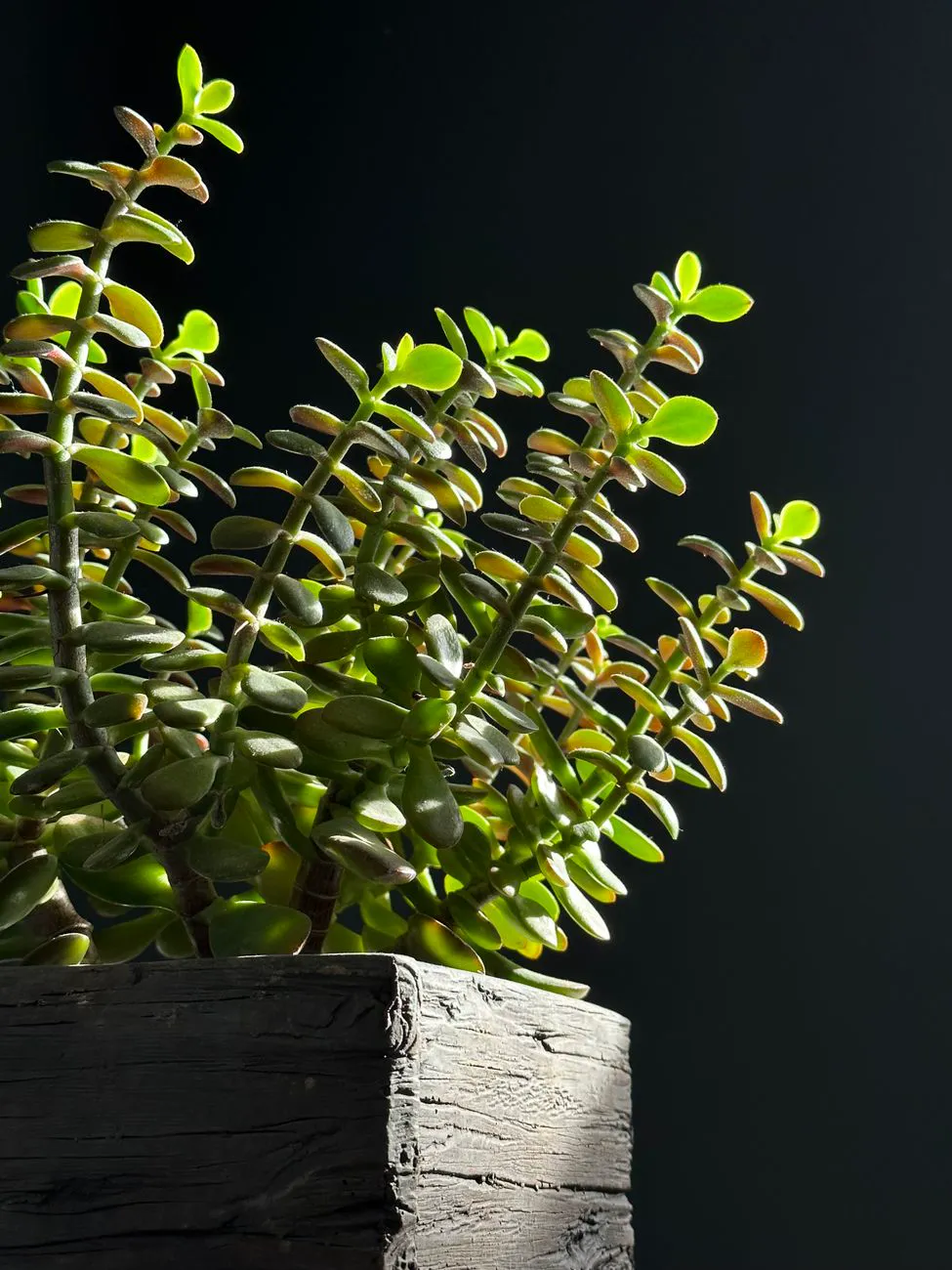
Light is why a jade goes leggy. The jade plant (Crassula ovata) is native to the dry, sunny slopes of South Africa. Because of that origin, it wants far more sun than most houseplants.
Unlike ferns or pothos that enjoy shade, a jade wants several hours of bright, direct sun each day. In a dim spot it stretches its stems toward the nearest window to hunt for more. That stretch is etiolation, and it leaves you with long, bare, floppy growth.
So give it four to six hours of bright light a day. A south- or west-facing window is best. North- and most east-facing windows are usually too weak, and that is where jades stretch most. Set the pot right on the sill, not across the room. A grow light helps in a dark room, as our grow light guide covers. This is the single biggest fix, as our jade plant care guide explains.
Too little light is the reason jade plants stretch and go leggy.
Other reasons a jade plant gets leggy
Light is the main driver, but a few other habits make legginess worse. Rule these out too.
- Overfeeding. Too much fertilizer, especially a high-nitrogen one, pushes fast, soft, weak stems. Jades are light feeders and barely need it.
- Overwatering. Soggy roots force quick, spindly growth that cannot support itself. Water only when the soil is bone dry.
- No pruning. Left alone, a jade grows straight up and gets top-heavy and bare at the base.
- Root-bound roots. A pot the roots have filled can tilt the plant and starve new growth, so it leans and thins.
- No rotation. A jade always leans toward the light. If you never turn it, it grows lopsided.
Fix the light first. Then correct these, and your jade stays firm and even.
Move it to the sun — but slowly
Here is a step most quick guides skip. A jade grown in low light has soft, tender leaves. Move it straight into strong midday sun and those leaves scorch, showing brown or white burn spots.
So acclimate it over one to two weeks. Start with morning sun or a lightly filtered spot, then move it a little brighter every few days. This lets the leaves toughen up. Larger, mature jades handle direct sun better than small young ones, which still burn easily.
The fix is a win: prune and multiply
A leggy jade is not a loss. Pruning is the real fix, and it gives you more plants for free. Prune in spring or early summer, when the plant is growing fast and heals quickly. Avoid pruning in fall or winter indoors, because the fresh growth just stretches again in weak light.
First, wipe your blade with 70% rubbing alcohol so no infection enters the cut. Then cut the long, bare stems back to just above a leaf node or leaf scar. Cut at a slight downward angle so water runs off.
Each cut then branches into two or more new stems, so the plant grows bushier from that point. One key rule: never remove more than about a third of the plant at once, or you risk shocking it. Better still, jade roots very easily, so the cut pieces become new plants. So a leggy jade is a chance to make a fuller plant and free cuttings at once.
Hard reset for an old, woody, leggy jade
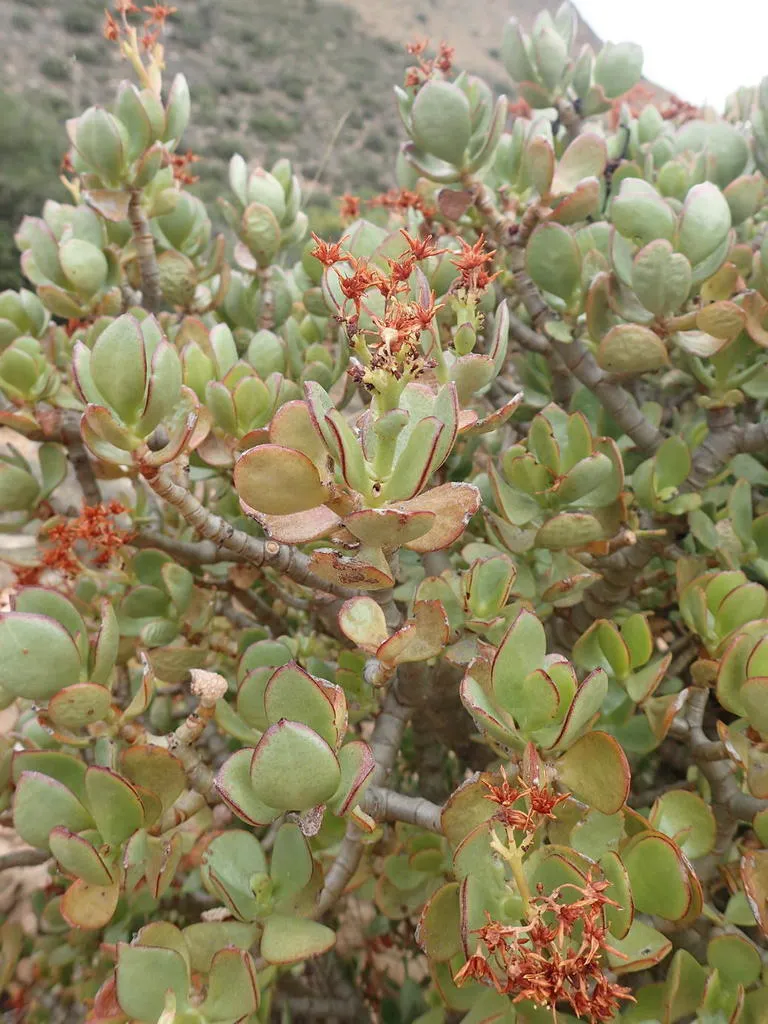
What about an old jade with long, bare, woody trunks and only a tuft of leaves on top? Light and light pruning alone will not refill those bare stems. They need a bolder fix.
Experienced growers use a hard reset. Cut the tall stems right back, even down to a few inches of bare trunk above the soil. It looks drastic, but a healthy jade pushes many new shoots from below each cut over the next weeks. Let the removed tops callus, then root them as backups. Do this only in spring or summer, on a plant with firm, healthy roots.
How to root the cuttings
Rooting jade cuttings is simple. Take a healthy stem cutting, and let the cut end dry and callus for three to five days first. This scab stops rot once you plant it.
Then set it on gritty, well-draining succulent mix, and hold off water for about a week. Water lightly once it roots. Even single leaves root into new plants this way, as our succulent soil guide covers. So you never waste a trimmed piece. For more methods, see our guide on propagating houseplants.
Pinch tips for a bushier plant
You can also shape a jade without waiting. Pinch off the soft growing tip at the end of a stem with your fingers.
This tells the plant to branch out sideways instead of up, so it grows bushier over time. Repeat it every few weeks through the growing season. So pinch the tips of a young or stretchy jade regularly, and it stays fuller and more compact.
Pruning just above a node turns one jade branch into two.
Cooler nights keep it compact
Here is a lesser-known trick. Warm, dim rooms make a jade stretch the most, with long gaps between leaves. Cooler conditions with bright light do the opposite.
So a slightly cooler spot, still with plenty of light, slows the stretch and keeps the leaves close together. This gives you shorter gaps and a naturally more compact plant, especially in winter. The Royal Horticultural Society recommends bright light and cool, dry winters for crassula jade plants.
Grow lights: get the setup right
If no window is bright enough, a grow light closes the gap. But small details matter, or the jade keeps stretching.
Position a full-spectrum light about 6 to 12 inches above the plant. Run it 12 to 14 hours a day on a timer, and raise it as the plant grows taller. This mimics the strong daylight a jade craves, so new growth stays short and packed with leaves.
Watering, feeding and rotating
A few habits keep a jade firm and even. Overfeeding pushes fast, weak, stretchy growth, so feed only lightly, once or twice in the growing season, at half strength. Water only when the soil is fully dry, and never leave it soggy, as our watering guide shows. Treat a mushy base as root rot.
Rotating helps too. A jade leans toward light, so turn the pot a quarter every week or two for even, balanced growth. Repot a root-bound jade into gritty mix so it can grow firm and upright again. The same fixes suit other stretchy succulents, as our guides on the leggy peperomia and stretching succulents show.
How long until it fills back out?
Once you fix the light and prune, be patient. The old bare stretch will not shrink back. But fresh, bushy growth soon fills in above each cut.
| Stage | What to expect |
|---|---|
| 1 to 2 weeks | Callus forms; cuttings ready to plant |
| 2 to 4 weeks | New buds appear below each cut |
| 6 to 8 weeks | Fresh side branches with tight, plump leaves |
| 2 to 3 months | Visibly fuller, bushier, more compact plant |
Progress is fastest in spring and summer. In a bright winter room it slows, so give it time.
Leggy jade plant in India
Two things stretch jade plants in India: dim indoor corners and warm rooms with low light.
The monsoon months make it worse. From June to September, cloudy skies cut the light while warmth stays high, so a jade shoots up thin and leggy fast. Jade, often grown as a lucky money plant here, needs bright sun to stay compact.
So keep it on a bright, sunny windowsill or balcony with gentle morning sun, and shift it to the brightest spot you have through the rains. Prune leggy stems in the warm season, root the cuttings, and pinch the tips for a fuller plant. Our jade plant guide has more, and note that jade is mildly toxic to cats and dogs if chewed, so keep pets away.
How to fix a leggy jade plant
- Move it to a bright, sunny south or west window, shifting it there gradually to avoid scorch.
- Prune long, bare stems back to just above a leaf node in spring or summer.
- Never remove more than a third at once, and sterilize your blade first.
- Root the cuttings in gritty mix to make new plants.
- Pinch the growing tips to force bushier, sideways growth.
- Keep it a little cooler with bright light for shorter gaps.
- Feed lightly, water only when dry, rotate the pot, and repot if root-bound.
Short gaps between leaves and full, branching, sturdy stems are the sign your jade is compact and happy.
Frequently asked questions
How do I make my leggy jade plant bushy?
Give it bright, direct light first, so it stops stretching. Then prune the long stems back to just above a leaf node, and each cut branches into two or more. Pinch the growing tips to force sideways growth. Root the cuttings, and replant them for an even fuller pot.
Will a leggy jade plant fill back out?
Yes, with light and pruning. Once it gets bright light and you prune the stretched stems, it branches out and fills in over the growing season. The old bare stretch will not shrink, but new, compact, bushy growth forms above each cut, so the plant looks fuller.
Can I cut the top off a leggy jade plant?
Yes, and you should. Cutting the top off a leggy stem, just above a leaf node, makes the plant branch out below the cut. Let the removed top callus for a few days, then root it as a new plant. So one cut gives you a bushier plant and a free cutting.
Why does my jade plant keep getting leggy?
Almost always too little light. Jade needs several hours of bright, direct sun, and in dim indoor light it keeps stretching to find more. So move it to a sunny window or add a grow light, pinch the tips, and keep it slightly cooler to hold its compact shape.
When is the best time to prune a leggy jade plant?
Spring and early summer are ideal. The plant is growing actively then, so cuts heal quickly and new side shoots appear within weeks. Pruning in late autumn or winter leaves open wounds on a plant that is barely growing, and recovery drags on. Use clean, sharp secateurs or a craft knife and cut just above a leaf node. If your plant is badly stretched in winter, improve the light now and save the pruning for spring.
How much of a leggy jade plant can I cut back at once?
Keep each session to about a quarter, and never more than a third, of the total growth. Jade stores its energy in its leaves, so stripping too many at once leaves it struggling to recover. Work in stages across a season instead: shorten the worst stems first, wait for branching, then tackle the next ones. Step back often while cutting and picture the shape you want, because every cut becomes a branching point.
Do I need a grow light for a leggy jade plant?
Only if the natural light is genuinely short. Jade wants around four to six hours of direct sun daily, so a bright south or west-facing window is usually enough. In dark flats, long winters or north-facing rooms, a simple LED grow light run for ten to twelve hours a day, placed roughly thirty centimetres above the plant, prevents further stretching. Increase light gradually rather than suddenly, since etiolated leaves scorch easily.
Why is my jade still leggy in a sunny window?
Check what really reaches the plant. Net curtains, tinted or dusty glass, a deep windowsill, or an overhanging tree outside all cut the intensity sharply, and light falls off fast just a step back from the pane. Winters with short days also cause a stretch that shows up later. Clean the glass, move the pot right up to it, and rotate the plant a quarter turn each week so every side develops evenly.
Can overwatering or fertiliser make a jade plant leggy?
They contribute. Frequent watering combined with a nitrogen-rich feed pushes soft, fast, weak growth with widely spaced leaves, especially when the light is already poor. Jade grows naturally lean and slow. Water only when the soil dries out fully, and feed at most two or three times through spring and summer with a diluted balanced or cactus fertiliser. Stop feeding altogether in winter, when the plant is resting and cannot use it.
Why are my jade plant's stems bending or flopping over?
Long, thin stems carrying heavy leaf clusters simply cannot hold themselves upright, and stems that grew in low light are weaker than sun-grown ones. Turning the pot regularly stops the plant leaning permanently towards the window. Prune the heaviest, longest stems back to strengthen the framework rather than propping them up long term. A heavier terracotta pot also helps stop a top-heavy plant tipping over, and it dries the soil faster too.
Do jade plants get leggy indoors in India?
Less often, because most Indian homes have balconies or terraces with strong light for much of the year. Legginess usually appears when the plant is kept in a dim inner room, behind heavy curtains, or under a covered balcony through the monsoon, when weeks of cloud reduce light sharply. Keep the pot where it gets several hours of morning sun, shift it out of heavy rain, and prune in spring once the bright, dry weather returns.
Sources and further reading
- RHS — growing crassula (jade plant)
- NC State Extension — Crassula ovata
- SDSU Extension — Jade Plant houseplant how-to
Related guides
- Jade plant care guide
- Why is my jade plant shriveling
- Why is my jade plant dropping leaves
- Why is my succulent stretching
- Why is my peperomia leggy
- Best soil for succulents
Still stuck? Ask the Plant Doctor
Describe the problem — yellow leaves, holes, no flowers — and get a clear answer in seconds. FreeAI can make mistakes. Answers are guidance, not a guarantee — check anything important against the guide it links to, and always read the label on any product before you use it.