Why Is My Peperomia Leggy? Causes and Easy Fixes
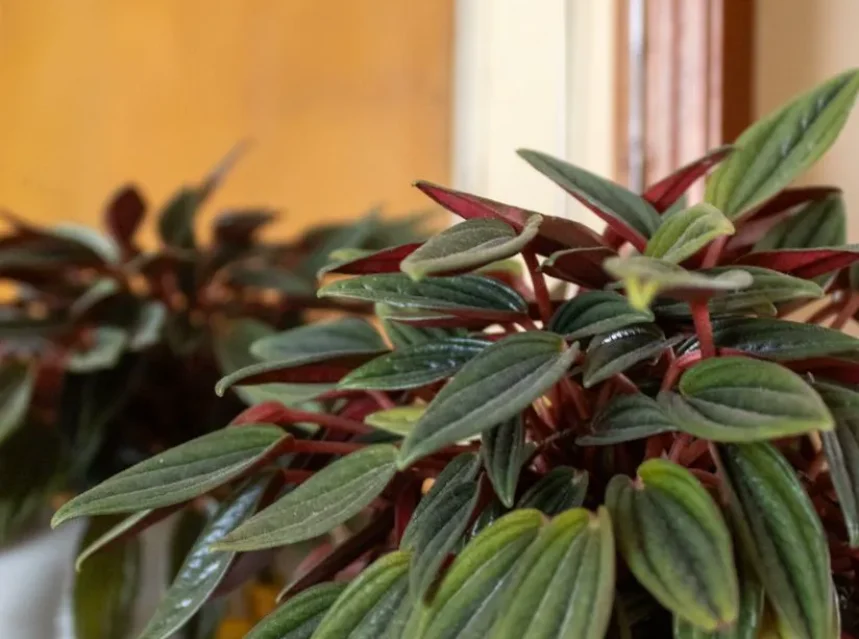
Why is my peperomia leggy? A leggy peperomia is one with long, bare, stretched stems and wide gaps between the leaves — and too little light is almost always the cause. In a dim spot the plant reaches toward the nearest window, so it grows tall, sparse and floppy instead of compact. Overfeeding, no pruning and a skipped weekly turn make the leggy peperomia worse.
Quick answer: Move your peperomia to bright, indirect light near an east or west window. Prune the long stems back to just above a leaf node. Root the cuttings and plant them back in to fill the gaps. Feed lightly, and rotate the pot each week. Match your cause in the table below, then act on it.
🧰 In a hurry? Jump straight to our tested picks for this guide ↓
Why is my peperomia leggy? Quick diagnosis
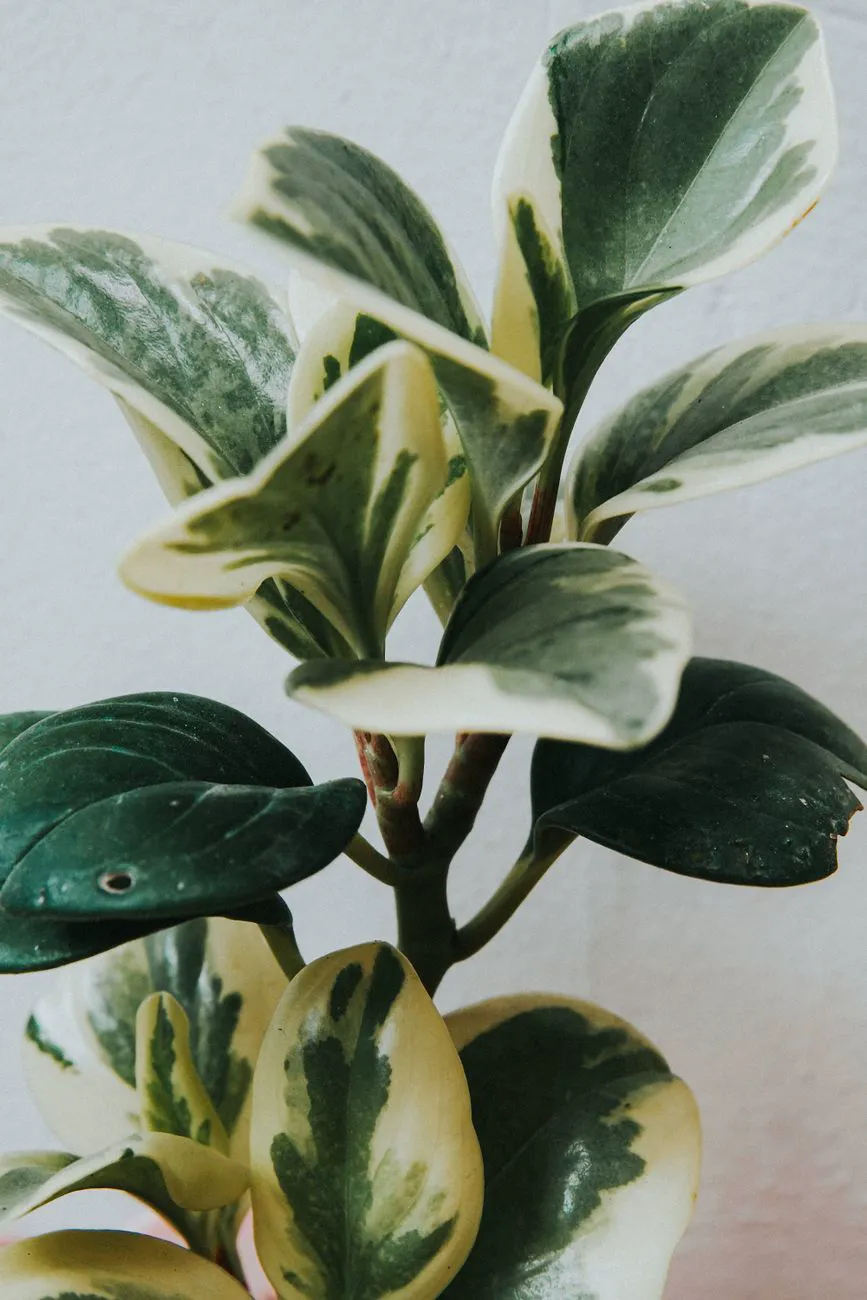
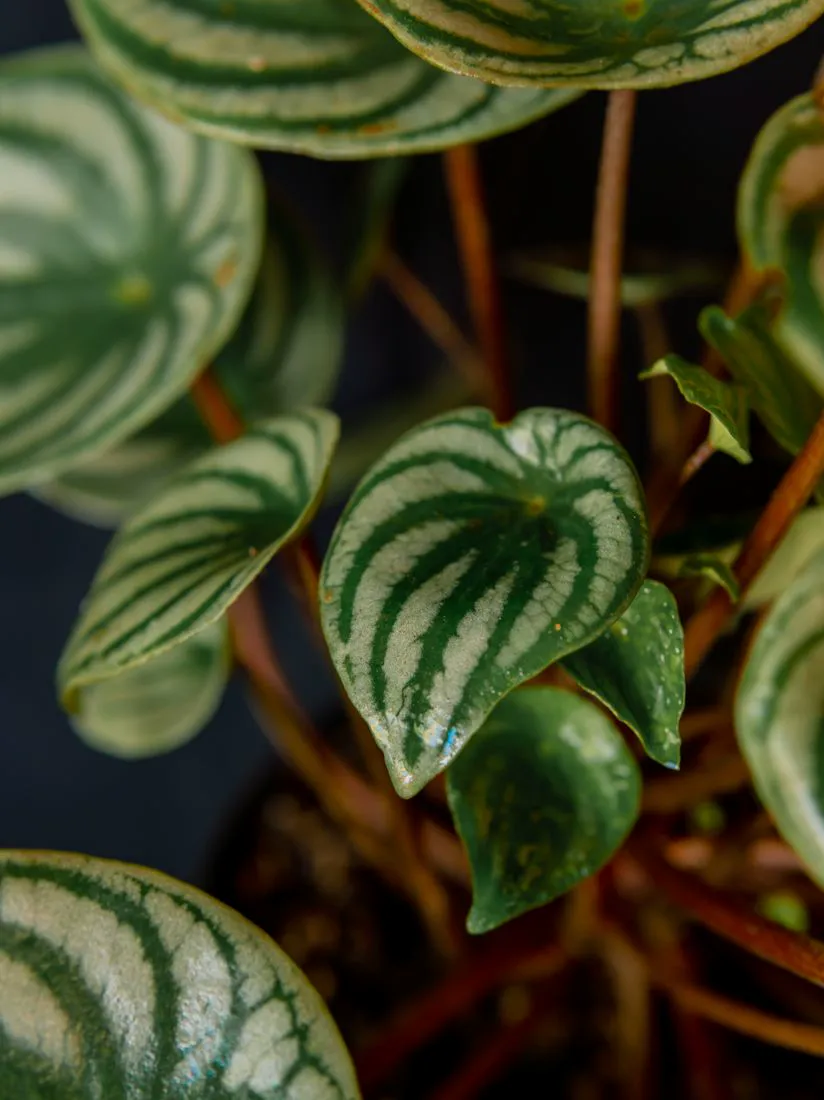
First, match what you see to the likely cause. Most cases point straight back to light, but this quick table separates the real culprits so you fix the right one.
| What you see | Most likely cause |
|---|---|
| Long, bare stems reaching one way | Too little light |
| Wide gaps (2–4 in) between leaves | Stretching for light |
| Faded markings, smaller new leaves | Light too weak for variegation |
| Fast, weak, floppy new growth | Overfeeding |
| Lopsided, one-sided growth | Not rotating the plant |
| Tall and sparse, never trimmed | No pruning |
| Leggy after a spell in a dark room | Low winter or monsoon light |
| Long, hanging stems on a trailing type | Natural habit, not leggy |
Is it leggy, or just a trailing peperomia?
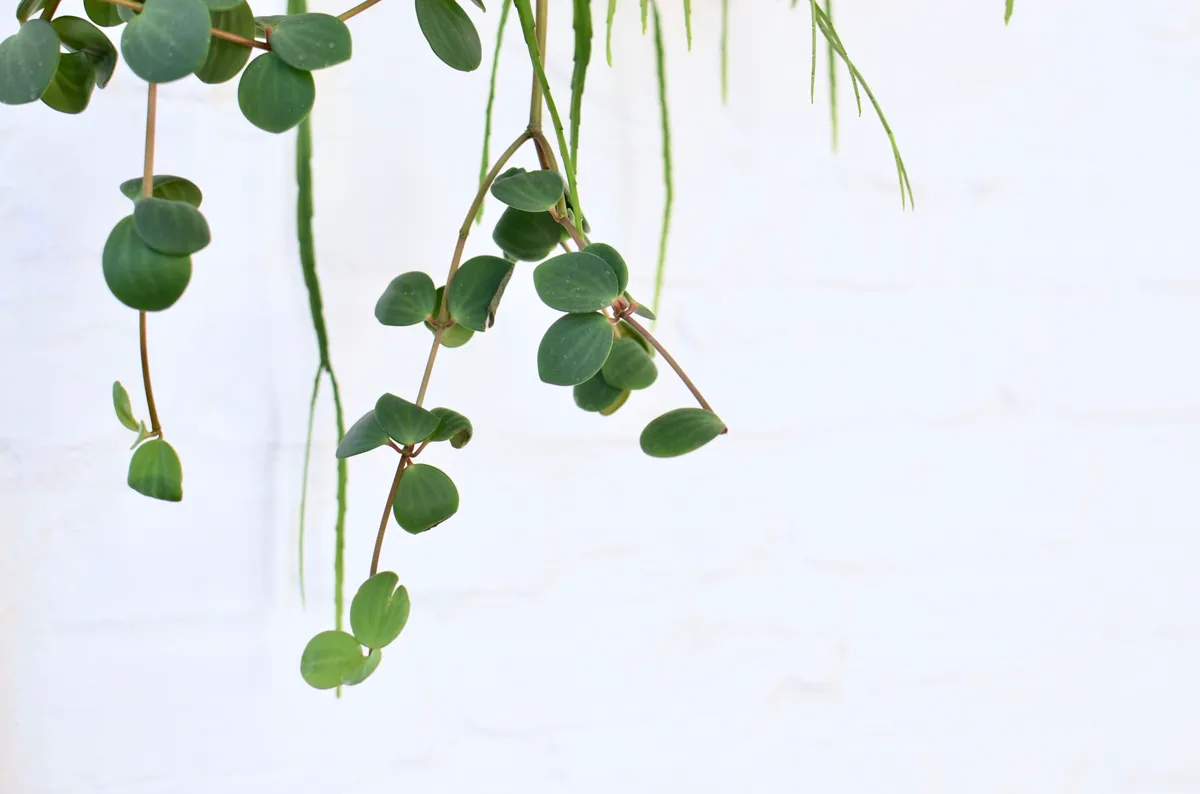
Before you reach for the scissors, check the species. Not every long stem means a problem. Peperomia is a huge genus with over 1,000 species, and their habits differ a lot, as Wikipedia’s genus overview explains.
Upright, bushy types like baby rubber plant (Peperomia obtusifolia) and watermelon peperomia should stay compact. Long bare stems on these means the plant is leggy. However, trailing types like String of Turtles and Peperomia prostrata are meant to cascade. Their trailing stems are normal, not stretched. So judge legginess by wide leaf gaps and pale, reaching growth, not stem length alone.
Light: the number one cause
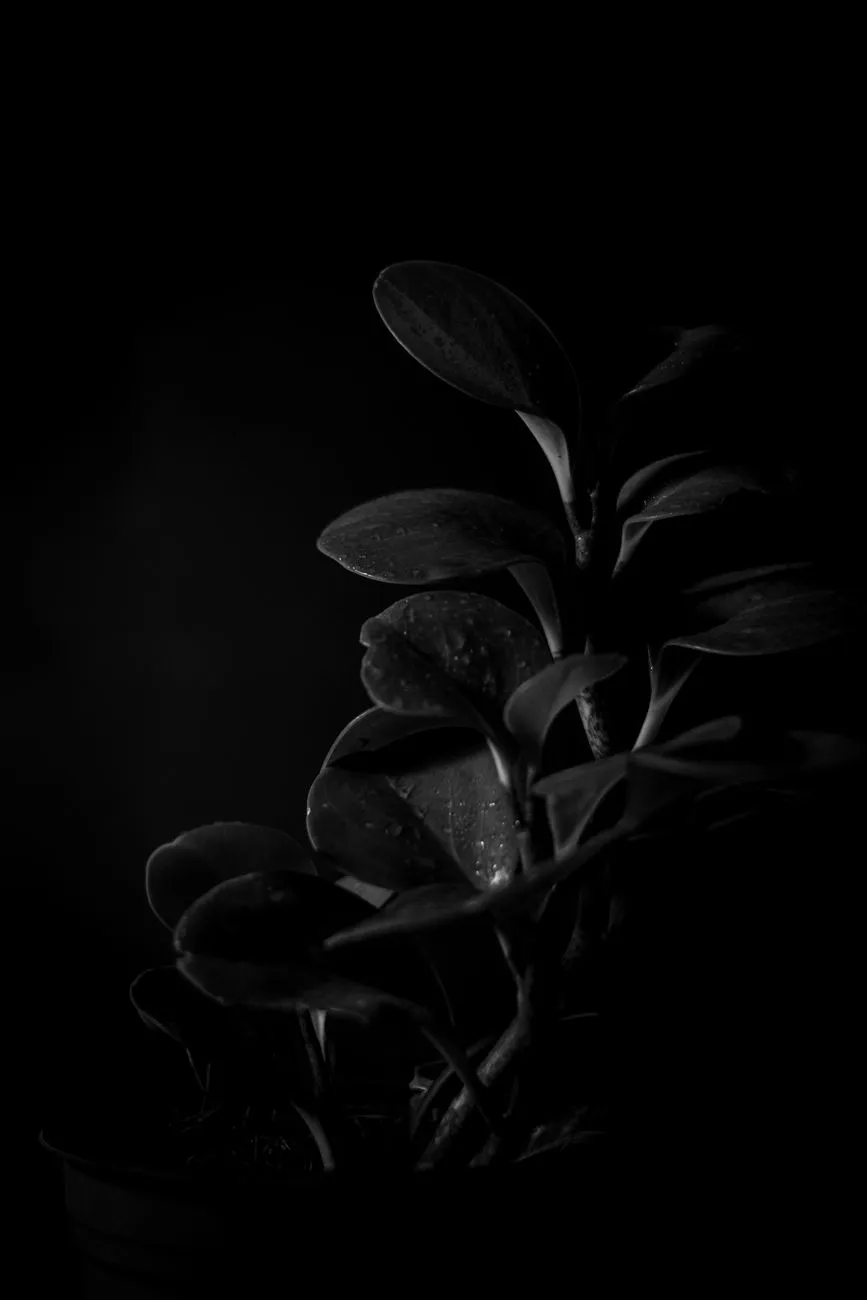
Light is the main reason a leggy peperomia happens. In the wild many peperomias are epiphytes that grow on tree trunks in dappled shade. So in a dark room the plant reads the low light as “reach higher,” and the stems stretch toward the window.
The fix is brighter, filtered light. An east or west window is ideal. Clemson Extension notes peperomia does best in indirect light from an east or south window, and tolerates low light near a north window. Keep it out of harsh direct sun, which scorches the leaves and fades the markings.
Watch for the wider signs of too little light too: leggy stems, pale or dull leaves, smaller new growth, and faded variegation. In a genuinely dark room a grow light closes the gap, as our grow light guide covers.
How much light, and how to use a grow light
Peperomia wants roughly 6 to 8 hours of bright, indirect daylight. In a low-light room, an LED grow light run 8 to 12 hours a day makes up the difference. LEDs suit it well because they stay cool and will not cook the compact leaves.
Position matters as much as hours. Set a small grow light about 6 to 12 inches above the plant, or follow the maker’s stated distance for stronger panels. Put it on a timer so the plant gets a steady daily dose. Then rotate the pot so every side is lit evenly.
How to fix a leggy peperomia by pruning
Pruning is the quickest fix for a leggy peperomia. The trick is where you cut. Always trim a long stem back to just above a leaf node — the little bump where a leaf meets the stem. New shoots emerge from that node, so a well-placed cut forces the plant to branch and grow bushier from below.
Use sharp, clean shears and wipe the blades with rubbing alcohol between cuts. Do not pinch the stems with your fingernails. Peperomia stems are succulent and soft, so nails crush them instead of making a clean cut. Cut at a slight angle, about a quarter-inch above the node.
Go gently. Most growers and pruning guides agree on removing no more than 20 to 25 percent of the plant in one session, and never more than a third. So trim lightly, then let it recover before the next tidy-up. Watering the plant the day before you prune helps it bounce back faster.
Turn cuttings into new plants
Do not throw the trimmings away. Peperomia roots very easily, so the offcuts become free plants. You have three easy routes:
- Stem cuttings: take a 3 to 4 inch piece with a few leaves, cut just below a node, and root it in water or moist soil. This is the fastest, most reliable method.
- Leaf cuttings: plant a healthy leaf (or leaf section) in moist mix under a loose plastic cover. Slower, but it works well for watermelon types.
- Division: split a mature clump into sections, each with roots and stems, and pot them up.
Roots usually appear in about 2 to 4 weeks. Let cut ends callus for a few hours first, and use a light, well-draining mix. Then plant several rooted cuttings back into the mother pot to fill the bare gaps fast, much like our houseplant propagation guide and pilea propagation tips show.
Do not overfeed a light feeder
Overfeeding backfires with peperomia. This is a light feeder that needs very little fertiliser. Too much salt pushes fast, weak, stretchy growth instead of a compact plant, and it can brown the leaf tips.
So feed only lightly in spring and summer. A balanced houseplant feed at half strength, roughly once a month, is plenty. Then stop in autumn and winter when growth slows. Our fertiliser guide explains the right amounts.
Rotate, and mind the temperature
An unrotated plant grows lopsided. Because peperomia leans toward light, one side gets leggy while the other stays full. So turn the pot a quarter turn every week for even, balanced growth.
Steady warmth matters too. Peperomia likes about 18 to 27 °C (65 to 80 °F). Sudden swings near vents, draughts, radiators or cold windows can stress it into weak, spindly growth. Keep it in a stable, warm spot, water only when the top inch is dry, and use a well-draining mix, as our watering guide shows. Do not over-pot it either — peperomia is happy a little root-bound.
Peperomia growing leggy in India
Two things make peperomia leggy in India: dim indoor corners and the cloudy monsoon.
Peperomia is a popular, compact houseplant across the country. But in a dark corner, or during the long grey monsoon, natural light drops sharply and the plant stretches. So move it near a bright east window with filtered light. During weeks of heavy cloud, an LED grow light for 8 to 12 hours a day keeps it compact. Prune leggy stems, root the cuttings, and ease off feeding in the low-light spell. A little humidity suits it well, as our humidity guide notes.
How long does a leggy peperomia take to recover?
Be patient — peperomia is a slow grower. After you improve the light and prune, fresh shoots take a few weeks to push from the nodes. A full, bushy look usually returns over one to three months in the growing season.
Replanting rooted cuttings speeds up the fuller look far more than waiting on new growth alone. If nothing changes after brighter light and a trim, check for other issues, like overwatering or a stalled plant, covered in our guides on peperomia drooping and peperomia not growing.
How to keep a peperomia bushy
- Give it bright, indirect light near an east or west window, or add a grow light in a dim room.
- Prune long stems back to just above a leaf node, no more than 20 to 25 percent at once.
- Use clean shears, not fingernails — the soft stems crush easily.
- Root the cuttings in water or soil, then plant them back to fill gaps.
- Feed only lightly at half strength, as peperomia is a light feeder.
- Rotate the pot a quarter turn each week for even growth.
- Keep it warm (18–27 °C) and steady, away from draughts and vents.
Fresh, tightly spaced leaves on shorter, branching stems are the sign your peperomia is bushy again. As a bonus, the ASPCA lists the common peperomias — baby rubber plant (P. obtusifolia) and watermelon peperomia (P. argyreia) among them — as non-toxic to cats and dogs, so a few new plants on the windowsill are pet-safe company.
Frequently asked questions
How do I make my leggy peperomia bushy again?
Move it into bright, indirect light first, so it stops stretching. Then prune the long, bare stems back, no more than 20 percent at a time. Root the cuttings and plant them back in for a fuller look. Rotate the pot weekly for even, balanced growth.
Should I cut the long stems off my peperomia?
Yes, pruning is the main fix. Trim the long, leggy stems back to a fuller point to trigger bushier growth. Cut only a little at a time, though, no more than a fifth of the plant. Save the healthy cuttings, as they root easily into new plants.
Can a leggy peperomia recover?
Yes, easily. Give it brighter light and prune the stretched stems, and it grows back fuller. Rooting the cuttings and replanting them speeds up the bushy look. Peperomia is forgiving, so most leggy plants bounce back with light and a trim.
Does too much fertiliser make peperomia leggy?
It can. Peperomia is a light feeder, so too much fertiliser pushes fast, weak, stretchy growth. Feed only lightly in spring and summer, with a well-diluted feed, and stop in winter. Light, not heavy feeding, is what keeps the plant compact.
How much light does a peperomia need to stay compact?
Aim for several hours of bright but indirect light every day. An east-facing window, or a spot a metre back from a south or west window, works well in most homes. Direct midday sun scorches the leaves, while a dim corner sets off the stretching in the first place. In Indian homes a shaded balcony is usually ideal, as long as the plant is out of the harsh afternoon glare.
Will a grow light fix a leggy peperomia?
It helps a great deal in dark rooms and through dull winter months. A basic full-spectrum LED placed about 30 centimetres above the plant, running for 10 to 12 hours a day, gives steady growth. Keep the light on a timer so the plant gets a proper dark period too. Existing stretched stems will not shrink back, so pair the light with pruning to rebuild a compact shape.
What does pinching a peperomia mean?
Pinching means removing the soft growing tip of a stem, just above a leaf node, using your fingers or clean scissors. This stops the stem growing longer and pushes the plant to branch from the buds below. Doing it regularly during spring and summer keeps the plant dense instead of straggly. It is the gentlest form of pruning, so you can pinch several tips without setting the plant back.
When is the best time to prune a leggy peperomia?
Spring and early summer are best, because the plant is in active growth and fills back in quickly. In much of India that means roughly February through to the start of the monsoon. Avoid heavy pruning in winter, when growth slows and cuts heal slowly. Light tidying of one or two stems is fine at any time of year if a stem has become awkward.
How do I root the cuttings from a leggy peperomia?
Take a stem cutting a few centimetres long with two or three leaves and cut just below a node. Strip the lowest leaf, then put the cutting in water or push it into a moist, gritty mix. Keep it in bright indirect light and out of direct sun. Roots usually appear in two to four weeks. Plant three or four rooted cuttings into one pot for an instantly fuller plant.
Will leaves grow back on a bare peperomia stem?
Rarely in the same spot. Once a leaf falls, that node does not usually produce another one, so a long bare section stays bare. New growth comes from the tip or from dormant buds near a cut. That is why pruning the bare stem back is the real fix, not waiting. Root the trimmed top and tuck it back into the same pot to hide the gap.
Is my trailing peperomia leggy or just growing normally?
Trailing types such as string of turtles and Peperomia prostrata are meant to hang, so long stems alone are not a problem. Judge it by the spacing instead. Tight, evenly spaced leaves mean healthy growth, while long gaps of bare stem between small pale leaves mean it is stretching for light. Fix that the same way: brighter indirect light, then trim and lay the cuttings back over the soil.
Does repotting stop a peperomia from getting leggy?
Usually not, because legginess is a light problem rather than a root problem. Peperomias have small root systems and are happy slightly snug, so a bigger pot mainly adds wet soil and rot risk. Repot only once roots fill the pot, and then move up just one size. Light, pruning, and the odd pinch do far more for a compact shape than a new pot ever will.
Sources and further reading
- Clemson Cooperative Extension — Peperomia care
- NC State Extension — Peperomia
- Wikipedia — Peperomia (genus)
Related guides
- Peperomia care guide
- Why houseplants get leggy
- Why is my polka dot plant leggy
- Why are my peperomia leaves curling
- Best grow lights
- Fertiliser guide
Still stuck? Ask the Plant Doctor
Describe the problem — yellow leaves, holes, no flowers — and get a clear answer in seconds. FreeAI can make mistakes. Answers are guidance, not a guarantee — check anything important against the guide it links to, and always read the label on any product before you use it.