Why Are My Peperomia Leaves Curling? Causes and Fixes
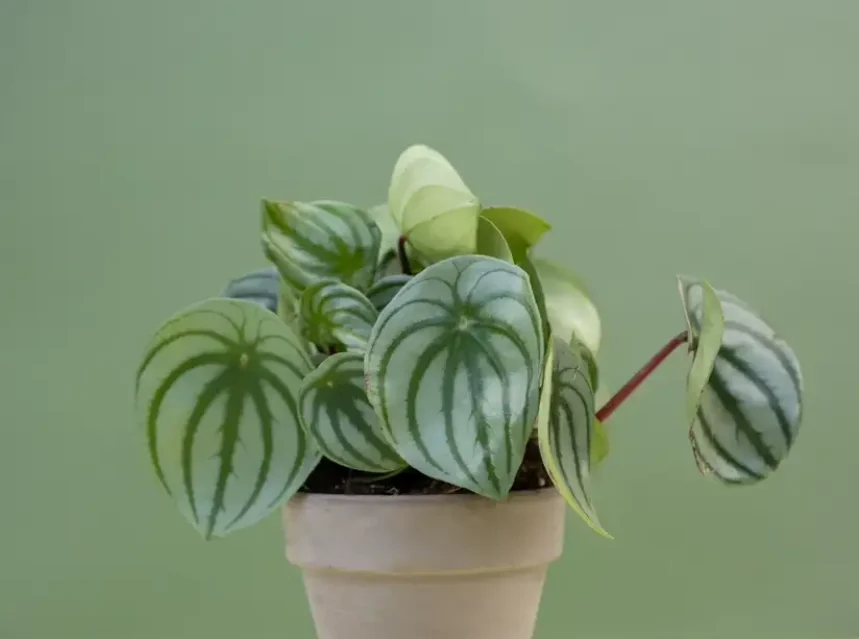
Why are my peperomia leaves curling? Feel a leaf to find out — a peperomia is semi-succulent, so firm leaves that cup or curl with dry soil mean thirst, while soft, limp, curling leaves with wet soil mean overwatering and rot. Low humidity and pests can curl them too. Some rippled leaves are simply natural.
Quick answer: Pinch a leaf. Firm but curling, with dry soil, means the plant is thirsty, so water it. Soft and limp, with soggy soil, means rot, so let it dry and check the roots. Match the cause below before you water again.
🧰 In a hurry? Jump straight to our tested picks for this guide ↓
Why are my peperomia leaves curling? Quick diagnosis
| What you see | Most likely cause |
|---|---|
| Firm leaves cupping or curling, dry soil | Underwatering |
| Soft, limp, curling leaves, soggy soil | Overwatering and root rot |
| Curling with crispy edges in dry air | Low humidity |
| Curled, speckled leaves with webbing | Spider mites |
| Young leaves curling down, weak stems | Nutrient shortage |
| Naturally rippled or quilted leaves | Normal leaf texture |
Feel a leaf first
The quickest way to diagnose is to pinch a leaf. A peperomia is semi-succulent, so its thick leaves store water, and their feel tells you a lot.
A thirsty leaf is still firm but starts to cup or curl, and the soil is dry. An overwatered leaf feels soft, limp or squishy, and the soil is wet. So feel a leaf, check the soil, then read the matching cause below. This one touch stops you from watering a plant that is already too wet.
Underwatering: firm leaves cup and curl
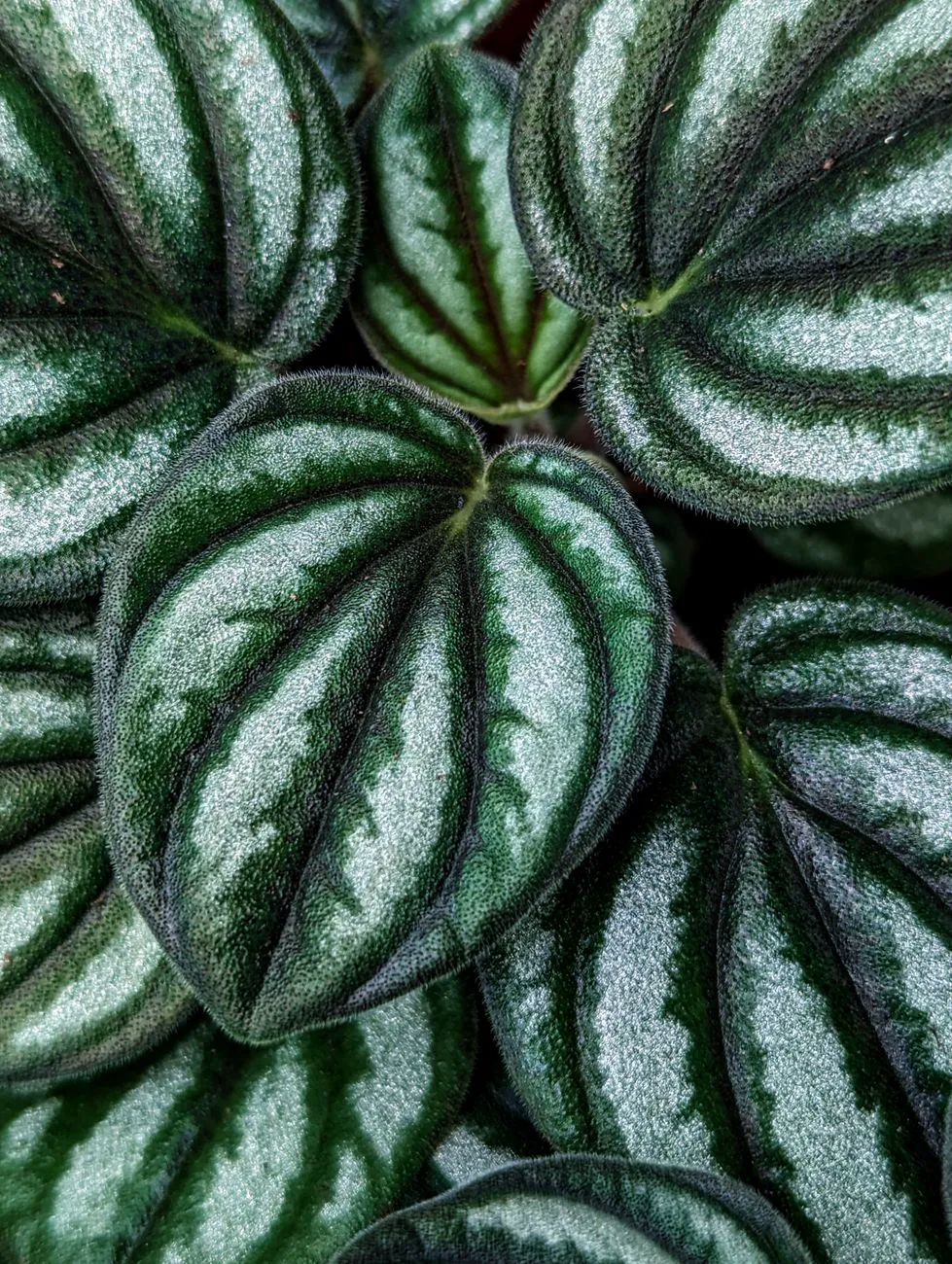
Thirst is the most common cause of curling. When the soil dries out for too long, the plant taps the water stored in its thick leaves, so they cup, curl and lose their plump shape.
The good news is it recovers fast. Give the plant a deep, thorough soak until water runs from the holes, and the leaves usually plump back up within a day or two, as our watering guide shows. Then let the top inch dry before the next drink. Underwatering is the usual reason peperomia leaves curl, so check the soil before you look for anything worse.
Overwatering: the risk the thick leaves hide
Here is the catch most people miss. Because peperomia leaves are thick and hold water, an overwatered plant can look firm at first, so the rot creeps up unnoticed. Then the leaves curl, soften and yellow, even though the soil is wet.
So watch for soft, limp leaves and soggy soil. Unpot the plant, trim any black, mushy roots, and repot into fresh, airy mix. Treat it as root rot, and water far less. A peperomia would much rather be a little dry than sitting wet, as our peperomia care guide explains.
Some rippled leaves are simply normal
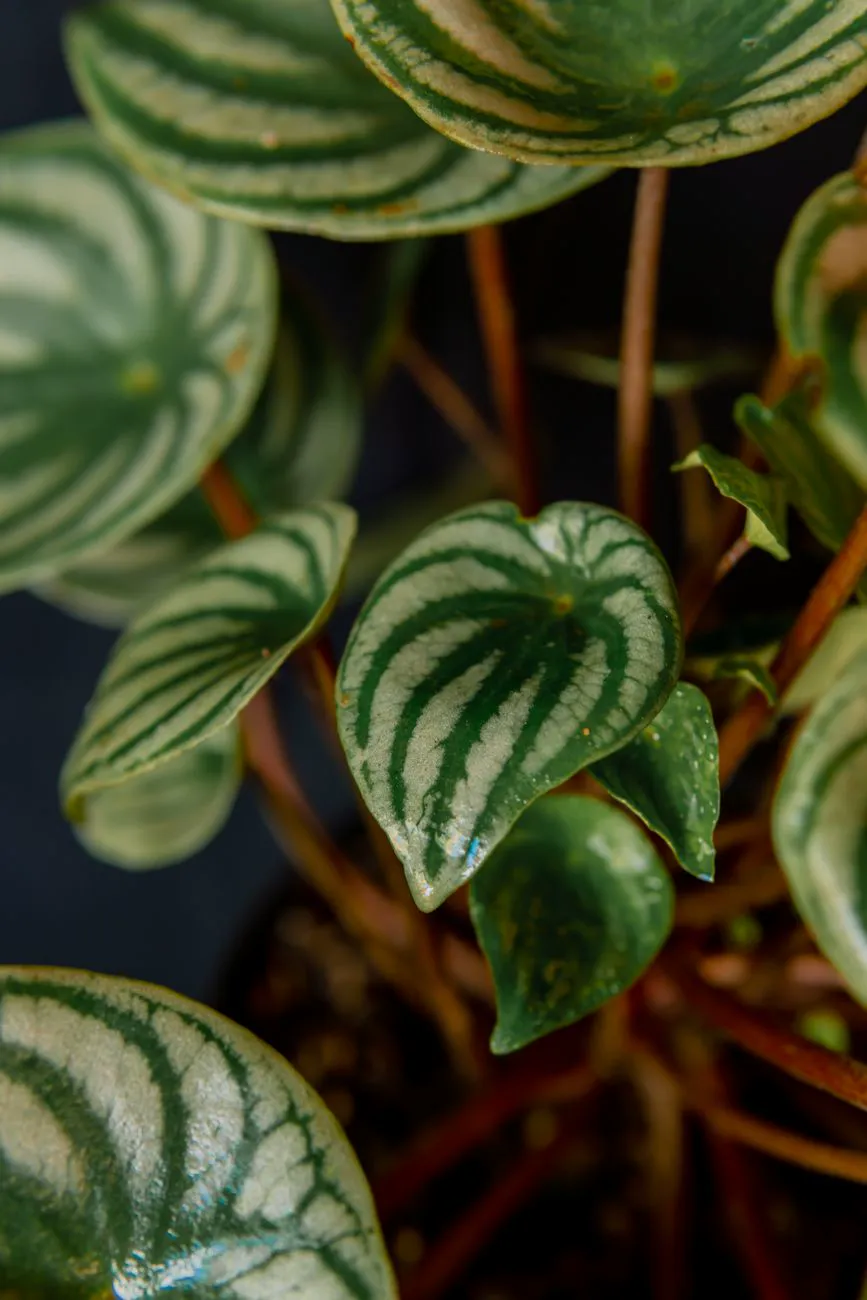
Do not panic at every wrinkle. Many peperomia have naturally textured leaves, and this is not a problem at all. It is just how the plant looks.
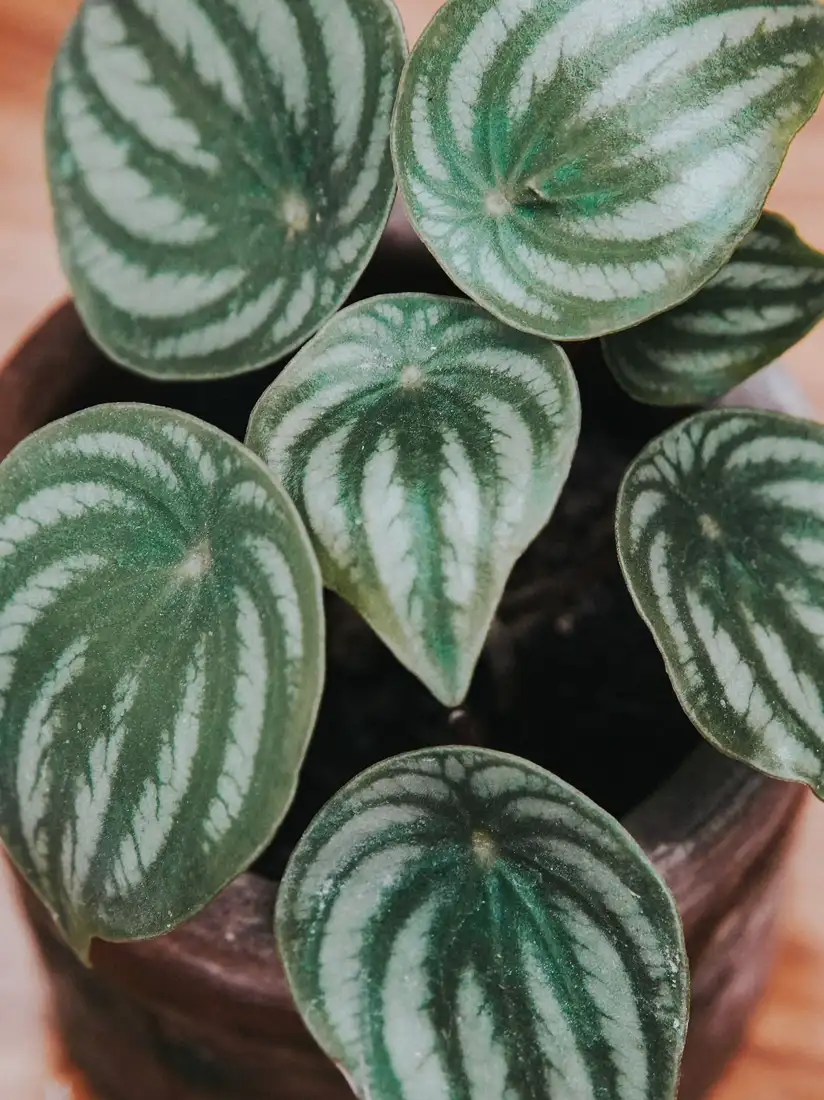
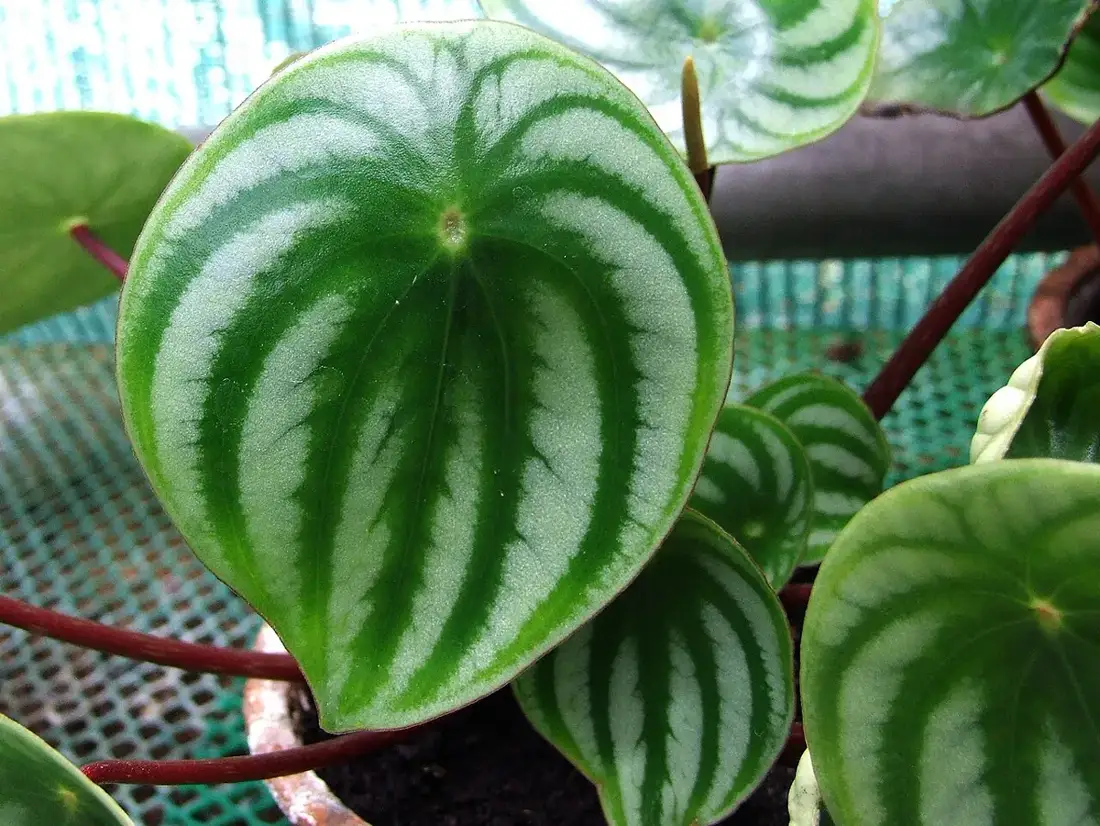
Ripple peperomia has deeply quilted, wavy leaves by nature. Watermelon peperomia has firm, rounded, cupped leaves with silver stripes. So if the leaves are firm, evenly coloured and simply textured, that is healthy. Worry only when a once-flat leaf starts to curl, soften or discolour.
Low humidity and dry air
Dry air curls the leaves too. Peperomia enjoys moderate humidity, so very dry indoor air, especially near a heater or in winter, curls the leaves and crisps the edges.
So raise the humidity a little around the plant. A pebble tray or a nearby humidifier works well, and grouping plants lifts the local moisture, as our humidity guide shows. Peperomia is not as fussy as a calathea, but steady, moderate humidity keeps the leaves flat, much like our calathea curling guide covers.
Pests and nutrient shortage
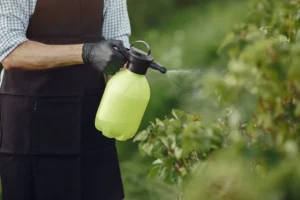
Two less obvious causes can curl the leaves. Peperomia is prone to spider mites, which pierce the leaves and leave them curled, speckled or webbed. So check the undersides, and treat with neem oil if you find pests, as our spider mite guide covers.
Nutrients matter as well. A shortage, such as low calcium, can curl the young leaves downward while the older leaves stay normal. So feed lightly with a balanced houseplant food in the growing season. A peperomia needs only light, occasional feeding, so never overdo it.
Light and temperature
The setting curls the leaves too. Peperomia likes bright, indirect light, so harsh, direct sun scorches and curls the leaves, while deep shade weakens them. So give it bright, filtered light, or a grow light in a dim room, as our grow light guide covers.
Heat and cold both stress it. High heat can make it droop and curl, so move it somewhere cooler and give it a drink. Cold draughts hurt it too, so keep it warm and stable. The Royal Horticultural Society recommends warmth, bright indirect light and careful watering for peperomia.
Peperomia leaves curling in India
Two things curl peperomia in India: hot, dry summer air and overwatering.
Peperomia grows well as a compact indoor plant across the country, since it stays small. But in the hot, dry summer the leaves curl from thirst and dry air, so water when the soil dries and raise the humidity a little. Do not overwater, though, especially in the humid monsoon, when the airy soil still needs to dry between drinks. Watch for spider mites in dry heat. Our peperomia guide has more.
How to fix curling peperomia leaves
- Pinch a leaf, as firm and cupping means thirst.
- Soak dry soil, and the firm leaves plump up in days.
- For soft, limp leaves and wet soil, check the roots for rot.
- Repot rot into fresh, airy mix, and water far less.
- Raise the humidity, and check for spider mites.
- Ignore natural ripple or quilt texture on healthy leaves.
Firm, plump, evenly coloured leaves are the sign your peperomia is healthy again.
Frequently asked questions
Is my peperomia curling from over or underwatering?
Feel a leaf and the soil. A firm leaf that cups or curls, with dry soil, means thirst, so give it a deep soak. A soft, limp leaf, with soggy soil, means overwatering and rot, so let it dry and check the roots. The firmness of the leaf is the quickest way to tell the two apart.
Will curled peperomia leaves uncurl?
Often, yes, if you fix the cause early. A leaf curled from thirst usually plumps and flattens after a good soak. But a badly curled or rot-damaged leaf may not recover, so trim it. Either way, once the roots and watering are right, the fresh new leaves come in firm and flat.
Should I mist my peperomia to stop curling?
Misting helps a little, but it is not the main fix. Peperomia likes moderate humidity, so a pebble tray or humidifier raises it more steadily than misting. Focus first on correct watering, since thirst and rot curl the leaves far more often than dry air does.
Why are my peperomia leaves curling and turning yellow?
Curling with yellowing usually points to overwatering. The thick leaves hide the problem at first, then soften, curl and yellow as the roots rot. So check the soil and roots, trim any mushy ones, and repot into fresh, airy mix. Then water only when the top inch has dried.
How do I fix curling peperomia leaves?
Work through the causes in order. First check the soil: water deeply if the top inch is dry, or hold off and improve drainage if it is soggy. Next move the plant out of direct sun into bright indirect light. Then inspect the leaf undersides for mites and treat if you find any. Finally keep it away from heaters, cold glass and air conditioner vents. Peperomia recovers slowly but reliably, so give it two to three weeks before judging results.
Can too much sunlight curl peperomia leaves?
Yes. Peperomia grows under forest canopy in tropical America, so long spells of direct sun scorch the thick leaves. They curl at the edges, then turn crispy and lose their glossy colour. A west-facing window is the usual culprit, since afternoon sun is the strongest. Move the plant a few feet back or filter the light with a sheer curtain. In Indian summers, keep pots off open balconies from March through June.
Can low light cause peperomia leaves to curl?
It can. In deep shade the plant stretches toward whatever light it can find, and the new leaves emerge small, thin and slightly cupped. Stems grow long and bare between leaves, which is the clearest sign. Peperomia does well in medium to bright indirect light, so a spot near an east window suits it. If natural light is poor, a simple grow light on for eight to ten hours a day fixes the problem.
Do pests make peperomia leaves curl?
Yes, and spider mites are the usual offender. They feed on the underside of the leaf, which then puckers, curls and shows fine pale speckling. Look for delicate webbing between the leaves and the stems. Mealybugs and aphids cause similar distortion on new growth. Rinse the plant, wipe the leaves, and spray neem oil or insecticidal soap every seven to ten days for three rounds. Hot, dry indoor air lets mite numbers explode, so inspect weekly.
Does cold air or a draught curl peperomia leaves?
Yes. Peperomia prefers a steady 18C to 26C and dislikes sudden change. Cold draughts from doors and windows, or a blast from an air conditioner, make the leaves curl and sometimes darken along the edges. Damage often shows on one side of the plant only. Move the pot away from vents and cold glass. In cooler regions, including north India in winter, bring the plant indoors before nights turn chilly.
Can over-fertilising curl peperomia leaves?
Yes. Peperomia is a light feeder with a small root system, so excess fertiliser leaves salts that burn the roots and curl the leaves with brown tips. A white crust on the soil or pot rim confirms it. Flush the pot with plain water several times until it drains freely, then let the mix dry to the top inch. Feed only during spring and summer, about once a month, at half the recommended strength.
Can a root-bound peperomia cause curling leaves?
It can, though it happens less often than growers expect. Peperomia has a small root system and actually enjoys a snug pot. Trouble starts only when roots completely fill the container, leaving almost no soil to hold moisture, so the plant dries out within a day or two and the leaves curl. Check for roots pushing through the drainage holes, and repot in spring into a pot only one size larger with fresh, airy mix.
Should I cut off curled peperomia leaves?
Not straight away. A leaf that is curled but still firm and green will usually flatten once you correct the watering, light or temperature, so give it a couple of weeks. Remove a leaf only when it has gone soft, brown or crisp, cutting the stalk cleanly at the base. Avoid stripping many leaves at once, because the plant needs its foliage to rebuild. If leaves keep failing, inspect the roots instead of pruning more.
Sources and further reading
Related guides
- Peperomia care guide
- Why is my peperomia leggy
- Why are my syngonium leaves curling
- Why are my calathea leaves curling
- Humidity for houseplants
- Root rot
Still stuck? Ask the Plant Doctor
Describe the problem — yellow leaves, holes, no flowers — and get a clear answer in seconds. FreeAI can make mistakes. Answers are guidance, not a guarantee — check anything important against the guide it links to, and always read the label on any product before you use it.