Why Is My Peperomia Drooping? Causes and Fixes
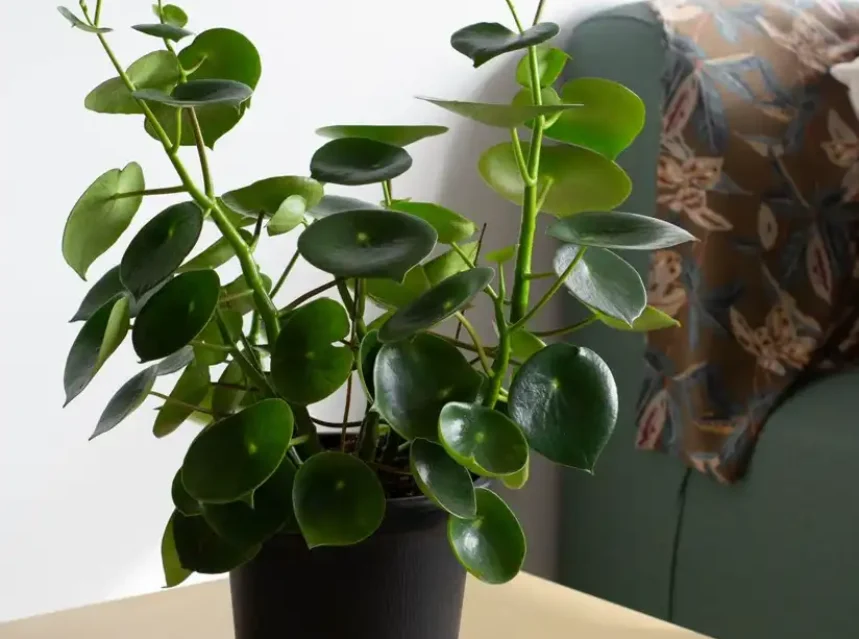
Why is my peperomia drooping? Most often it is overwatering, not thirst, which surprises people. A peperomia is a semi-succulent that stores water in its thick leaves and stems, so a droop usually means soggy soil and rotting roots. Feel the stem base before you reach for the watering can.
Quick answer: Feel the base of the stems and the soil. Soft, mushy stems with wet soil mean overwatering and rot, so stop watering. Firm stems with bone-dry soil mean thirst, so give it a drink. Do not just water a droopy peperomia. Match the cause below.
🧰 In a hurry? Jump straight to our tested picks for this guide ↓
Why is my peperomia drooping? Quick diagnosis
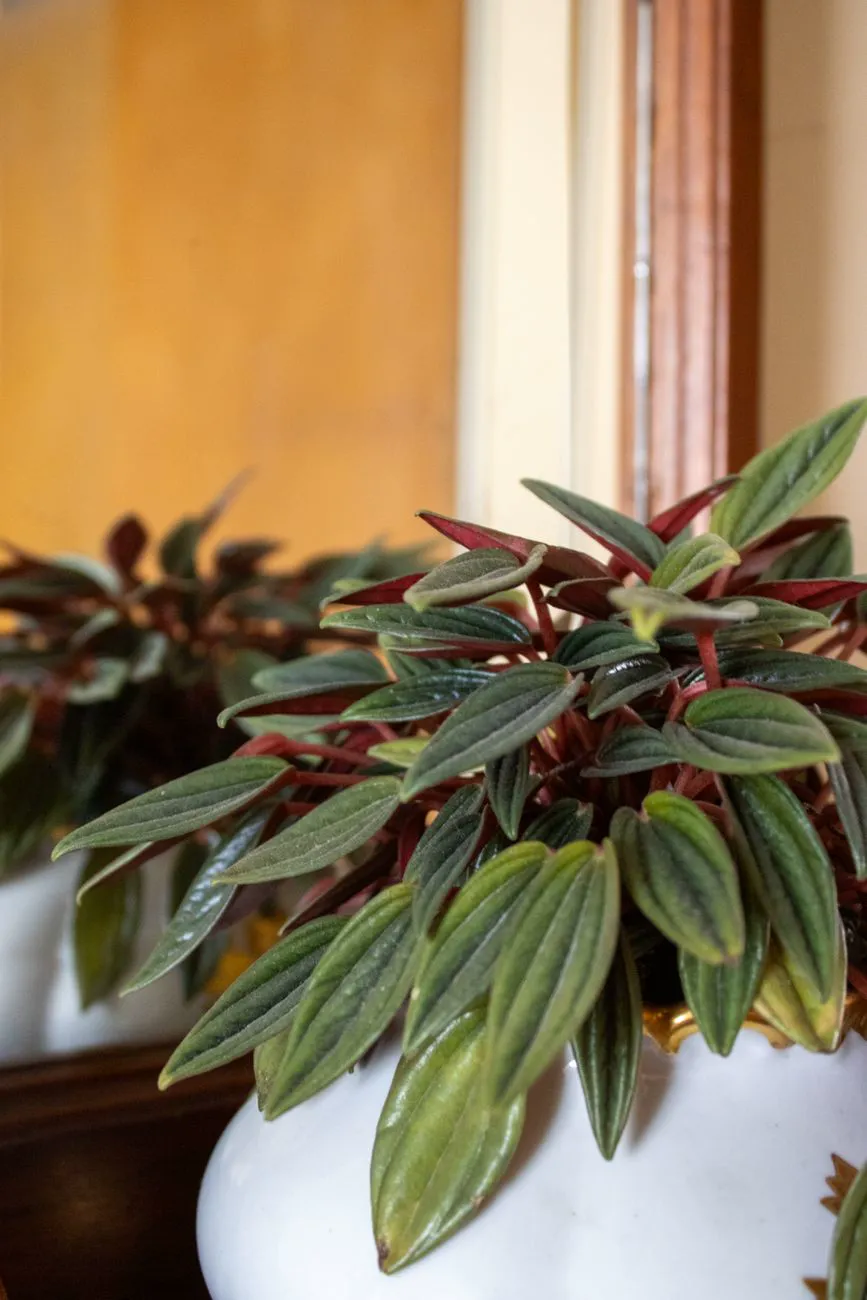
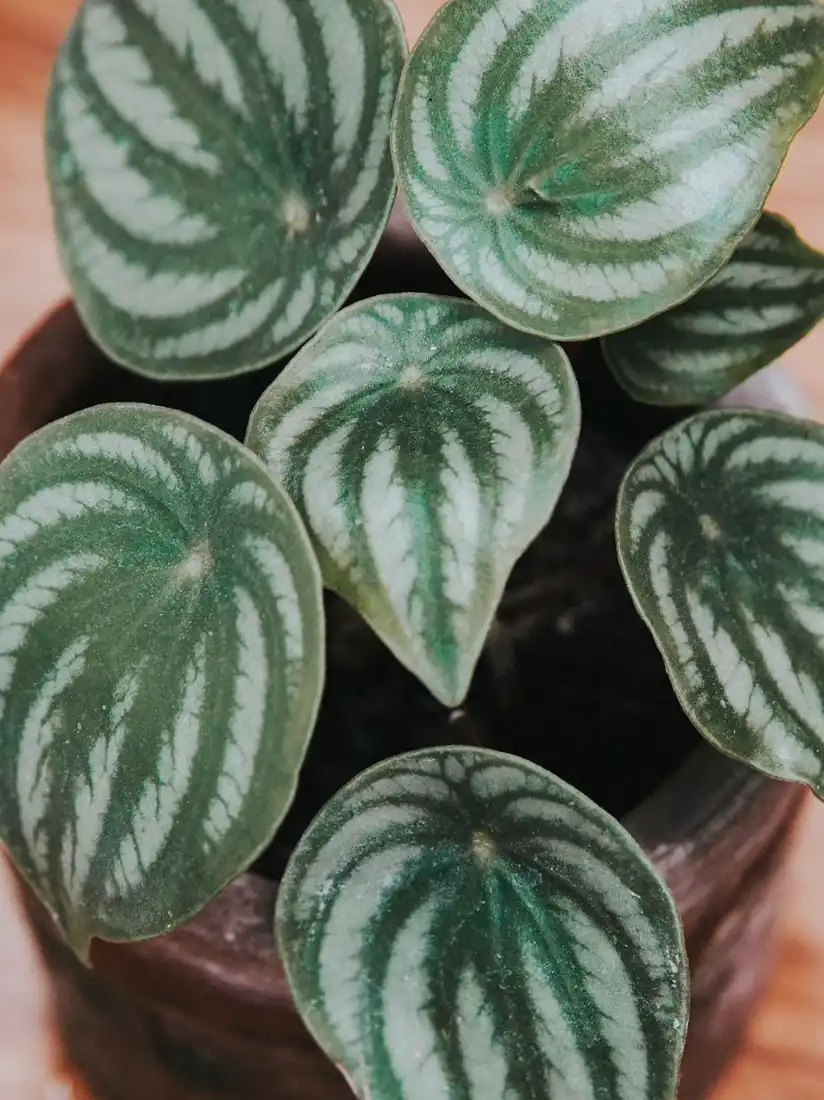
| What you see | Most likely cause |
|---|---|
| Droopy leaves, mushy stems, soggy soil | Overwatering and rot |
| Limp leaves with bone-dry soil | Underwatering |
| Drooping in a big pot of wet soil | Pot too large |
| Sudden droop near a cold window or vent | Cold draught |
| Drooping soon after repotting | Transplant shock |
| Wilting with pests on the leaves | Pest stress |
First, remember it is a semi-succulent
Start here, because it flips the usual advice on its head. Many droopy houseplants are simply thirsty, but a peperomia is different, since it stores water in its thick, fleshy leaves and stems.
So when it droops, thirst is usually not the cause. In fact, the most common reason is the opposite, which is too much water. That is why you should never just water a drooping peperomia on sight, as our peperomia care guide explains. Check first, then act.
Overwatering and root rot: the usual culprit
Overwatering is the number one cause of a drooping peperomia. Its small roots sit in soggy soil, run out of oxygen, and begin to rot, so they can no longer draw water up to the leaves.
The tell is clear once you look. The stems turn soft and mushy at the base, the lower leaves yellow and drop, and the soil smells sour. So stop watering, slide the plant out, and trim any brown, mushy roots. Then repot into fresh, airy mix. Treat it as root rot, much like a mushy succulent, and use a chunky, free-draining mix, as our succulent soil guide covers.
Feel the stem base: the key test
Here is the check that saves a drooping peperomia, and it takes two seconds. Gently squeeze the base of the stems, where they meet the soil.
Firm, solid stems mean the plant is structurally fine, so the droop is likely thirst or a passing stress. Soft, squishy, brown or black stems mean rot has set in, and no amount of watering will fix that. So feel the base first, then feel the soil. This simple habit stops you from watering a plant that is already drowning.
The pot and soil trap
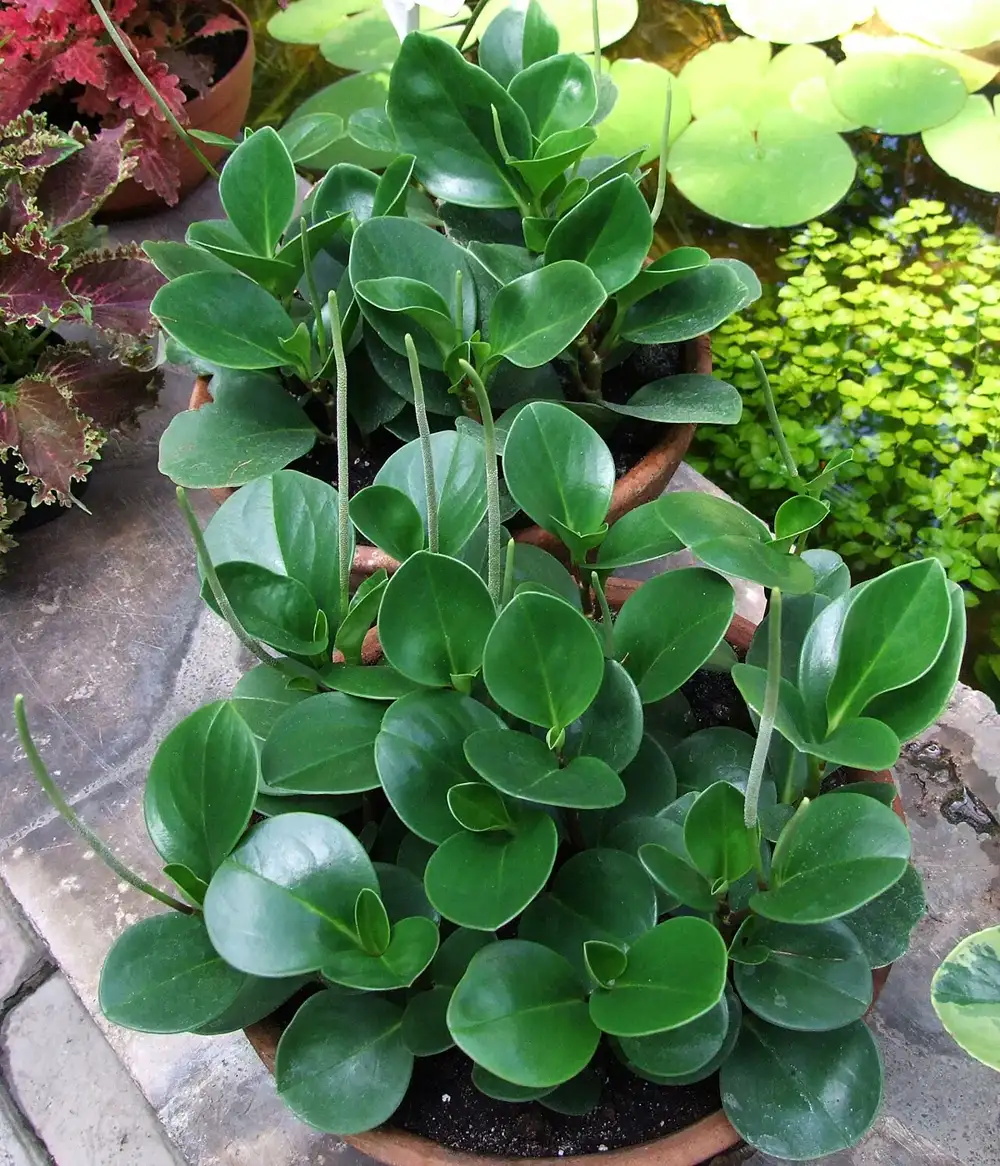
This is where many people go wrong without realising it. A peperomia has a small, shallow root system, so it needs surprisingly little soil and water.
Put it in a big pot, and all that extra soil holds water the small roots cannot use, staying wet for days and rotting them. So keep a peperomia in a snug pot, only a little bigger than its roots, with a chunky, airy mix. A well-draining mix in a small pot dries quickly and keeps the roots healthy, as our potting soil guide covers. Bigger is not better for this plant.
Thirst: the rarer droop
Thirst can droop it too, just far less often. Because it stores water, a peperomia copes with a dry spell, so it takes real neglect to run it dry.
The signs are different from rot. A thirsty peperomia has limp leaves but firm stems, and bone-dry soil. So give it a thorough drink until water runs from the pot, and it usually perks up within a day. Then water again only when the top inch or two dries, as our watering guide shows. When in doubt, wait, since it handles dry far better than wet.
Cold, shock and pests
A few other things droop it. A cold draught from a window or vent stresses this tropical plant and makes it wilt, so keep it warm and away from cold spots. A recent repot can also cause a brief droop while the roots settle, which usually passes on its own.
Pests play a part too. Mealybugs and spider mites suck the sap and sap the plant’s strength, so check the leaves and stems, and treat with neem oil if you find them. A peperomia also likes moderate humidity, though it is not fussy, as our humidity guide notes. The Royal Horticultural Society recommends bright, indirect light and careful watering for peperomia.
How to rescue an overwatered peperomia
Since overwatering is the usual cause, it helps to know the rescue steps. Move quickly once you spot soggy soil and soft stems, as an early rescue often works.
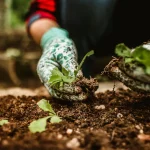
Take the plant out of its pot and gently wash the soil off the roots so you can see them clearly. Snip away any brown, mushy or smelly roots with clean scissors, leaving only the firm, pale ones. Then repot into fresh, chunky, fast-draining mix in a snug pot, and water it once, lightly. From there, wait until the soil is properly dry before watering again. If most of the roots have gone, take a few healthy leaf or stem cuttings, since peperomias root easily and give you a fresh start. Mushy stems and soggy soil are the clearest signs a drooping peperomia has been overwatered.
How to fix a drooping peperomia
- Feel the stem base first, since mushy means rot.
- For soggy soil and soft stems, stop watering and check the roots.
- Trim rotten roots and repot into chunky, fast-draining mix.
- Keep it in a snug pot, not an oversized one.
- For firm stems and dry soil, give it a good soak.
- Keep it warm, away from draughts, and check for pests.
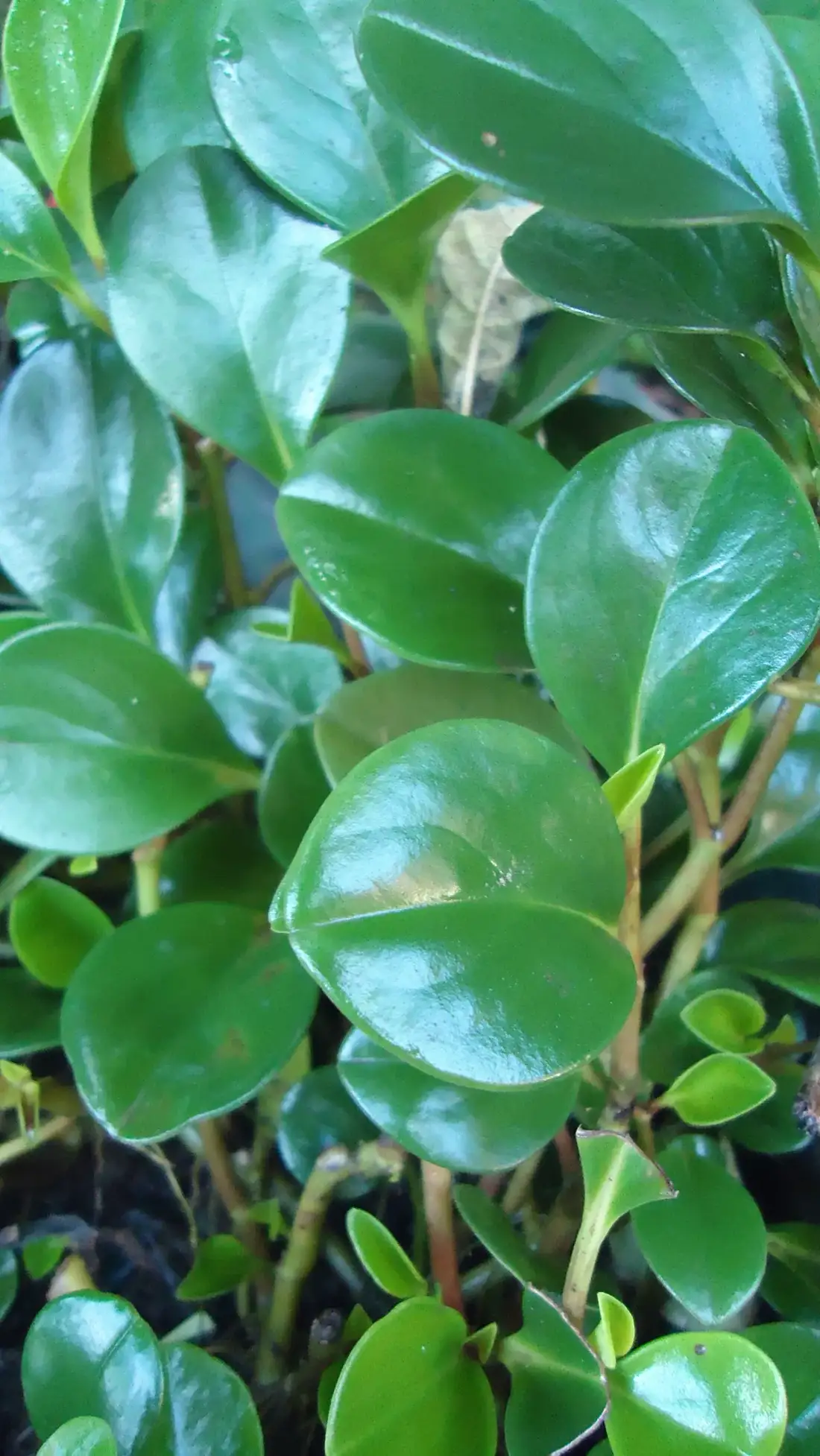
Firm, upright stems and plump, glossy leaves are the sign your peperomia is happy again.
Peperomia drooping in India
Two things droop peperomia in India: overwatering and monsoon damp.
Peperomia grows well as a compact indoor plant across much of the country. The biggest mistake here is watering it like a leafy plant, which rots its small roots fast. So water only when the soil is dry, and far less in the humid monsoon, when the soil stays wet for days. Use a chunky, fast-draining mix in a small pot with drainage holes, and keep it in bright, indirect light. Our peperomia guide and curling leaves guide have more.
Frequently asked questions
Is my peperomia drooping from over or underwatering?
Feel the stem base and the soil. Soft, mushy stems with soggy soil mean overwatering and root rot, so stop watering. Firm stems with bone-dry soil mean thirst, so water it well. Since a peperomia is a semi-succulent that stores water, overwatering is by far the more common and more dangerous cause of drooping.
Will a drooping peperomia recover?
A thirst droop recovers fully, and the leaves firm up within a day of a good soak. An overwatered one can recover too, but only if you catch it early, trim the rotten roots, and repot into fresh, airy mix. If the stems have gone soft and black at the base, take a healthy cutting as a backup, since that rot is hard to reverse.
Why is my peperomia drooping after watering?
That points straight to overwatering. If your peperomia droops soon after a drink, the soil is likely staying too wet for its small roots, which then struggle and rot. So ease off the water, make sure the pot drains freely, and switch to a chunky mix in a snug pot. Let the soil dry out well before you water again.
How often should I water a peperomia?
Only when the top inch or two of soil is dry, which is often every week or two. A peperomia stores water in its leaves and has small roots, so it needs far less water than most houseplants. Always err on the side of underwatering, use a well-draining mix, and never leave it sitting in water.
Why is my peperomia drooping after repotting?
Repotting disturbs the fine, shallow roots a peperomia depends on, so a short droop for a week or two is normal. Keep the plant in bright indirect light, hold off on fertiliser, and water only when the top inch of mix feels dry. Avoid jumping to a much larger pot, because extra soil holds water the small root ball cannot use. New growth at the tips is your sign that the plant has settled in.
Can low humidity make a peperomia droop?
Thick-leaved types such as the watermelon and baby rubber peperomia store water well, so ordinary room humidity suits them. Very dry air still adds stress, especially next to a heater in winter or under a running air conditioner. Thin-leaved trailing types feel it first, and their leaves soften or curl at the edges. Grouping plants together or setting the pot on a pebble tray lifts local humidity without wetting the soil.
Does cold air cause peperomia leaves to droop?
Yes. Peperomias come from warm tropical forests, so they are happiest around 18 to 24 degrees Celsius. Below roughly 10 degrees the leaves go limp and may turn dark and mushy. Cold draughts from a window, a door, or an air-conditioner vent do the same damage in a smaller way. In North Indian winters, move the pot away from window glass at night and cut watering right back until temperatures rise.
Can too little light make a peperomia droop?
It can. In deep shade the stems stretch, the leaves lose their firmness, and the whole plant looks slack. Deep shade also means the soil dries slowly, which raises the risk of root rot and a second kind of droop. Bright indirect light near an east window suits it best. In hot climates keep it out of harsh afternoon sun, since scorched leaves droop and bleach rather than firm up.
Should I cut off drooping peperomia leaves?
Not straight away. Leaves that droop only from thirst plump up again within a day of watering, so give them that chance. Remove a leaf once it turns yellow, mushy, or translucent, because it will not recover and it invites fungal problems. Snip it at the base of its stalk with clean scissors. Healthy leaves you take off during a rot rescue can be used as leaf cuttings to grow spare plants.
How do I save a peperomia with root rot?
Slide the plant out of its pot and rinse the soil off the roots. Healthy roots are pale and firm; rotted ones are brown, stringy, and fall apart. Trim every damaged root with clean scissors, then repot into fresh, gritty mix in a pot only slightly wider than the root ball. Water lightly and wait. If the stem base is already black and soft, take a healthy leaf or stem cutting instead and start again.
Do pests make peperomia leaves droop?
Sometimes. Mealybugs, spider mites, and thrips drain sap and leave leaves limp, speckled, or sticky. Check the leaf undersides and the joints where stalks meet the stem, since mealybugs hide there as small white fluffy dots. Wipe them off with a cotton bud dipped in rubbing alcohol, then treat with insecticidal soap or neem oil spray. Isolate the plant until the pests are gone so they do not spread.
Why does my peperomia droop in the Indian summer?
Heat above the mid thirties, plus dry loo winds, makes the plant lose water faster than its small roots can replace it, so the leaves flag by afternoon. Move it off a hot balcony to a bright but shaded indoor spot. Terracotta pots dry out very quickly in that heat, so check the soil more often than usual. During the monsoon do the opposite: watering drops sharply, since damp air keeps the mix wet for days.
Sources and further reading
Related guides
- Peperomia care guide
- Why are my peperomia leaves curling
- Why is my peperomia leggy
- Root rot
- Best soil for succulents
- How often to water plants
Still stuck? Ask the Plant Doctor
Describe the problem — yellow leaves, holes, no flowers — and get a clear answer in seconds. FreeAI can make mistakes. Answers are guidance, not a guarantee — check anything important against the guide it links to, and always read the label on any product before you use it.