Why Is My Peperomia Not Growing? Causes and How to Fix It
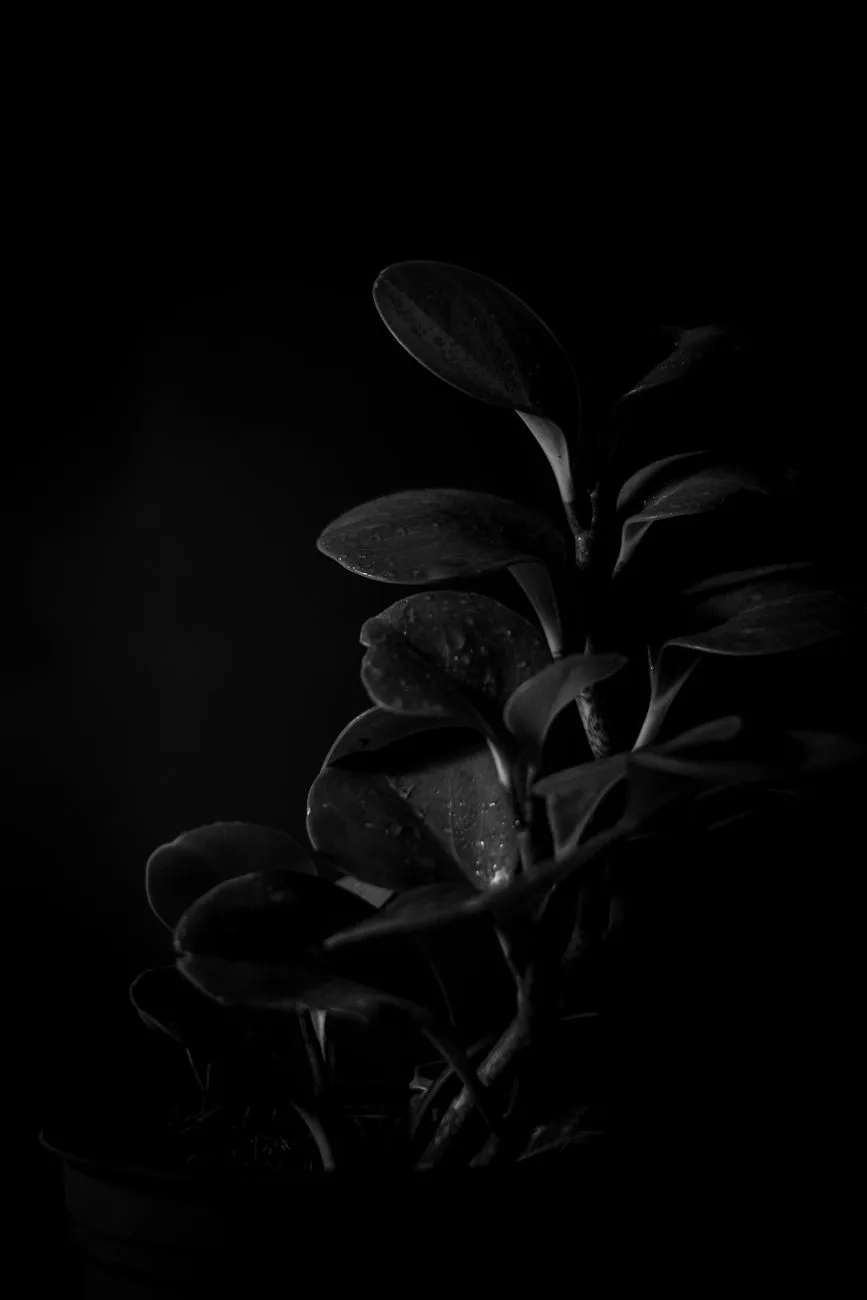
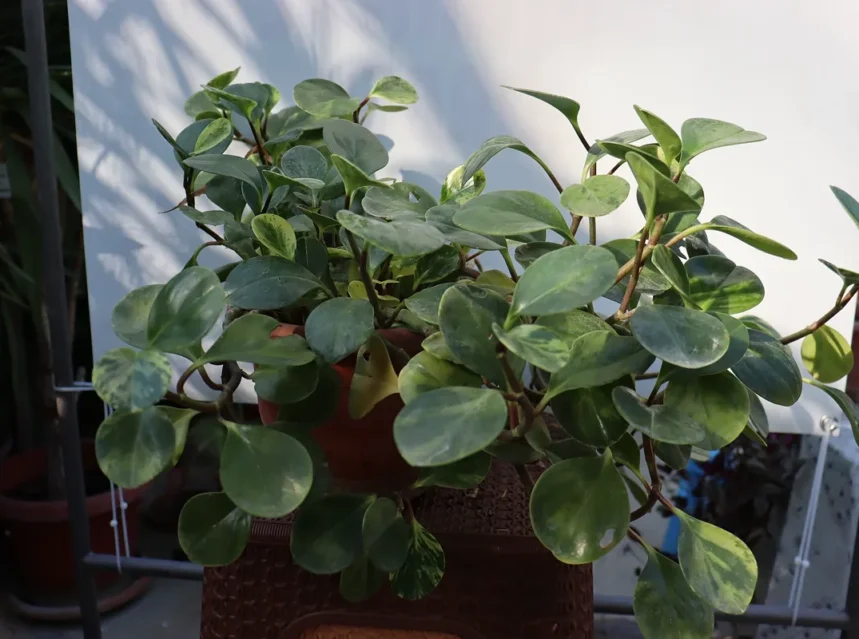 Potted baby rubber plant with thick round leaves on a shaded balcony
Why is my peperomia not growing? Often nothing is wrong, since peperomia is a naturally slow, small plant. When it truly stalls, the usual causes are too little light or overwatering. It has thick, semi-succulent leaves, so it needs less water and a smaller pot than most houseplants.
Quick answer: Give your peperomia bright, indirect light, and do not overwater it, since it stores water in its leaves. Keep it in a small, snug pot with an airy mix, and be patient, as it grows slowly by nature. Match the cause below.
🧰 In a hurry? Jump straight to our tested picks for this guide ↓
Why is my peperomia not growing? Quick diagnosis
| What you see | Most likely cause |
|---|---|
| Slow growth on a healthy plant | Normal, peperomia is slow |
| No new leaves in a dim spot | Too little light |
| No growth with soggy soil, soft stems | Overwatering or root rot |
| No growth in a large pot of wet soil | Pot too big, staying wet |
| Small leaves and slow growth in old soil | Needs feeding |
| Stalled in a cold room or winter | Too cold, or seasonal rest |
First, peperomia is meant to be slow
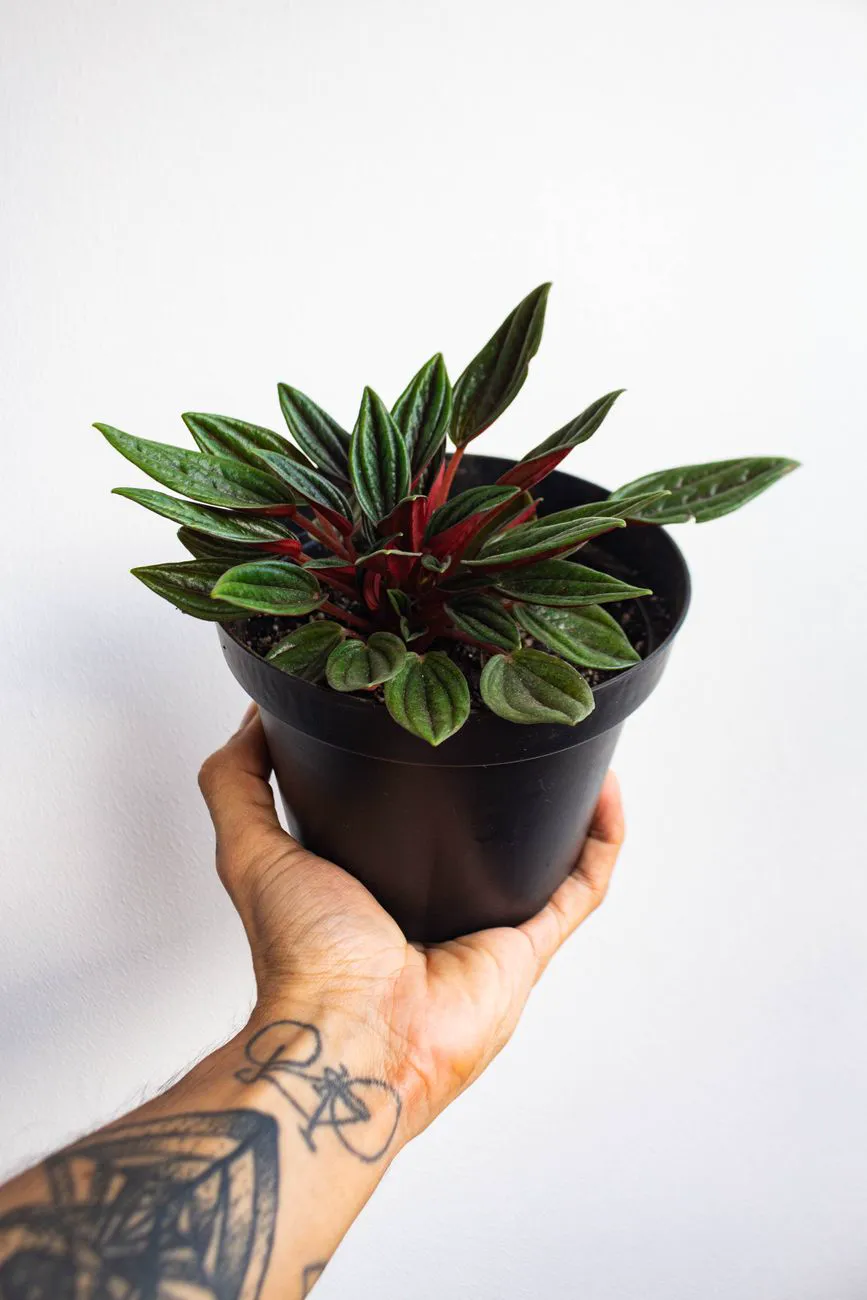
Start by adjusting your expectations, since it saves a lot of worry and mistakes. Peperomias are naturally slow-growing, compact plants that stay small, adding just a little growth at a time.
So a peperomia that grows slowly, or seems to pause for a while, is usually behaving exactly as it should, as our peperomia care guide explains. The danger is trying to force faster growth by watering or feeding heavily, which does far more harm than good. When it genuinely stalls, light and watering are the things to check.
Too little light: the top cause
Light is the main driver of what growth a peperomia does make. These plants like a well-lit spot with bright, indirect light, ideally near a window with a sheer curtain to soften it.
In low light, a peperomia grows even more slowly or stops, and variegated types lose their markings and turn plainer. So poor colour and stalled growth often go together. Move yours to a brighter spot, out of harsh direct sun, or add a grow light, as our grow light guide covers. Better light gives it the energy to grow and keeps the variegation.
Overwatering: the number one killer
This is the cause that catches most people out, because peperomia care runs against the usual instinct. Peperomias have thick, semi-succulent leaves that store water, so they are quite drought-tolerant and need far less water than most houseplants.
That makes them very easy to overwater, and soggy soil quickly rots their fine roots, which stops growth and can kill the plant. So let the top inch or two of soil dry out before watering again, and never leave it sitting in water, as our watering guide covers. If the soil stays wet and the stems go soft, check for root rot, much like a drooping peperomia.
The pot is too big and staying wet
Pot size is a hidden cause of a stalled peperomia, and it links straight to overwatering. Because the plant is small with fine, shallow roots, a large pot holds far more soil than the roots can use.
All that extra soil stays wet for days, which rots the roots and stalls growth. So keep your peperomia in a small, snug pot, only a little bigger than its roots, with drainage holes. Many peperomias also grow on trees in the wild, so they love a chunky, airy mix rather than dense soil, as our gritty mix guide covers. A snug pot and an airy mix let the roots breathe and dry out.
Feeding and pot-bound roots
Nutrients matter for slow, steady growth. A peperomia in old, spent soil eventually runs short of nutrients and stops growing, so feed with a balanced houseplant fertiliser diluted to half strength, about once a month in spring and summer.
Do not overfeed, though, since too much fertiliser builds up salts that harm the fine roots. If the plant has been in the same pot for years and the roots are truly packed, pot it up just one size into fresh, airy mix, as our potting soil guide covers. Only go up a small size, since a big pot brings back the wet-soil problem.
Warmth, humidity and season
A few conditions round things out. Peperomias are warmth-loving tropicals that grow best between about 18 and 26C, and they slow or stop in the cold, so keep yours away from chilly draughts and cold windows.
They enjoy moderate humidity, so very dry air can slow growth and crisp the leaf edges, though they cope better than many tropicals, as our humidity guide covers. Growth also naturally eases in autumn and winter, which is normal. The Royal Horticultural Society recommends warmth, bright indirect light and careful watering for peperomia. Peperomias grow slowly by nature, and overwatering harms them fastest.
Pinch and propagate for a fuller plant
If your peperomia is healthy but you want more from it, a little pruning helps. Pinching the growing tips encourages the plant to branch and grow fuller, rather than getting sparse or leggy in low light.
Peperomias also root easily from leaf or stem cuttings, so you can pop cuttings back into the pot to make it denser, as our propagation guide covers. This is the same approach that fixes a leggy peperomia. Low light and overwatering remain the two leading reasons a peperomia stops growing.
How to get a peperomia growing again
- Move it to bright, indirect light for growth and colour.
- Water only when the top inch or two of soil is dry.
- Keep it in a small, snug pot with a chunky, airy mix.
- Feed lightly at half strength in spring and summer.
- Keep it warm, away from cold draughts.
- Be patient, since peperomia grows slowly by nature.
Firm, glossy new leaves, even if they come slowly, are the sign your peperomia is healthy and growing.
Peperomia not growing in India
Two things stall peperomias in India: overwatering and dim indoor light.
Peperomias grow well as small indoor plants across the country, but the biggest mistake here is watering them too often, which rots their fine roots, especially in the humid monsoon when the soil stays wet for days. So use a chunky, free-draining mix in a small pot, and water only when the top has dried. In a dark room they barely grow, so give yours a bright spot with plenty of filtered light, out of the harsh afternoon sun. Our peperomia guide has more.
Frequently asked questions
How fast should a peperomia grow?
Slowly, and that is normal. Peperomias are naturally slow-growing, compact plants that stay small and add just a little growth at a time, mostly in spring and summer. So do not expect fast growth like a pothos or tradescantia. If yours has firm, glossy, healthy leaves and adds the odd new leaf, it is doing fine, and patience is really all it needs.
Why is my peperomia not growing new leaves?
Usually too little light, or overwatering. Peperomias need bright, indirect light to grow, and they stall in a dim spot. But they also rot easily if overwatered, since they store water in their thick leaves. So move it somewhere brighter, and let the soil dry between waterings. Check that the pot is not too big and staying wet, and feed it lightly in the growing season.
Does my peperomia need a small pot?
Yes, a snug one suits it best. Peperomias have small, fine, shallow roots, so a large pot holds too much soil that stays wet and rots them, which stalls growth. So keep yours in a small pot, only a little bigger than its roots, with drainage holes and an airy mix. When you do repot, go up just one size, since a big jump usually causes more harm than good.
Why is my peperomia not growing in winter?
Because it is resting, which is completely normal. Peperomias slow right down or stop in autumn and winter, when the light is weak and the room is cooler. So do not worry, and do not try to force growth by watering or feeding more, since that risks rotting the roots. Ease off water, keep the plant warm and in bright light, and it will pick up again in spring.
How often should I fertilise a peperomia that is not growing?
Feed a balanced liquid houseplant food at half the label strength, once a month through spring and summer only. Peperomias are light feeders, so more is not better and strong doses burn their fine roots. If the plant has sat in the same soil for two or three years, the mix is probably spent, and fresh potting mix helps more than extra feed. Stop feeding altogether in autumn and winter.
Can a root-bound peperomia stop growing?
It can, though it takes a while, since these plants are happy slightly snug. Tip the plant out and look. A solid mass of roots with almost no soil left means it is time to move up one pot size. Loose soil and a modest root ball mean the pot is not the problem, so look at light and watering instead. Repot in spring, using a chunky, free-draining mix.
What temperature does a peperomia need to grow well?
Steady warmth of roughly 18 to 24 degrees Celsius suits it best. Growth slows noticeably below about 15 degrees and stops near 10, which is why North Indian winters and cold flats bring everything to a halt. Very hot, dry air above the mid thirties also stalls growth. Keep the pot away from heaters, cold window glass, and air-conditioner vents, since sudden swings stress the plant more than the actual temperature.
What soil mix helps a peperomia grow faster?
An airy mix that drains fast, because these plants grow on bark and leaf litter in the wild rather than in heavy ground soil. A good blend is roughly equal parts potting mix, coco peat or fine bark, and perlite or coarse sand. That keeps oxygen around the roots while still holding a little moisture. Heavy garden soil packs down, holds water, and is one of the commonest reasons a potted peperomia sits still.
Does low humidity stop a peperomia from growing?
Very dry air slows it and browns the leaf edges, but it is seldom the main reason for no growth. Moderate humidity of around 40 to 50 percent is plenty for most types. A pebble tray, a nearby humidifier, or simply grouping plants together lifts the level enough. Do not mist heavily, since water sitting on thick peperomia leaves and crowns can encourage rot rather than growth.
Can pests cause slow or stunted peperomia growth?
Yes. Mealybugs, spider mites, thrips, and fungus gnat larvae all drain the plant or damage its roots, and new leaves come out small, pale, or deformed. Check the leaf undersides and the crown regularly. Wipe mealybugs off with a cotton bud dipped in rubbing alcohol, then treat with neem oil or insecticidal soap. Letting the topsoil dry between waterings also breaks the fungus gnat cycle.
Should I repot a peperomia to make it grow?
Only if it genuinely needs it. Repotting a plant that is stalled from low light or soggy soil just adds more stress and more wet mix. Repot when the roots have filled the pot, when the old mix has broken down, or when you are rescuing rotted roots. Choose a pot one size up with drainage holes, use fresh airy mix, and wait a month before feeding.
Why is my peperomia growing new leaves that stay small?
Small new leaves usually mean the plant is running on low resources. Weak light is the most common cause, followed by exhausted soil and damaged roots from overwatering. Move it into brighter indirect light, check that water drains freely, and start a gentle monthly feed in the growing season. If the roots are brown and mushy, deal with the rot first, because no amount of feeding fixes leaves fed by dead roots.
Sources and further reading
Related guides
- Peperomia care guide
- Why is my peperomia leggy
- Why is my peperomia drooping
- Why are my peperomia leaves curling
- Best grow lights
- How often to water plants
Still stuck? Ask the Plant Doctor
Describe the problem — yellow leaves, holes, no flowers — and get a clear answer in seconds. FreeAI can make mistakes. Answers are guidance, not a guarantee — check anything important against the guide it links to, and always read the label on any product before you use it.