Why Is My Peace Lily Not Growing? Causes and How to Fix It
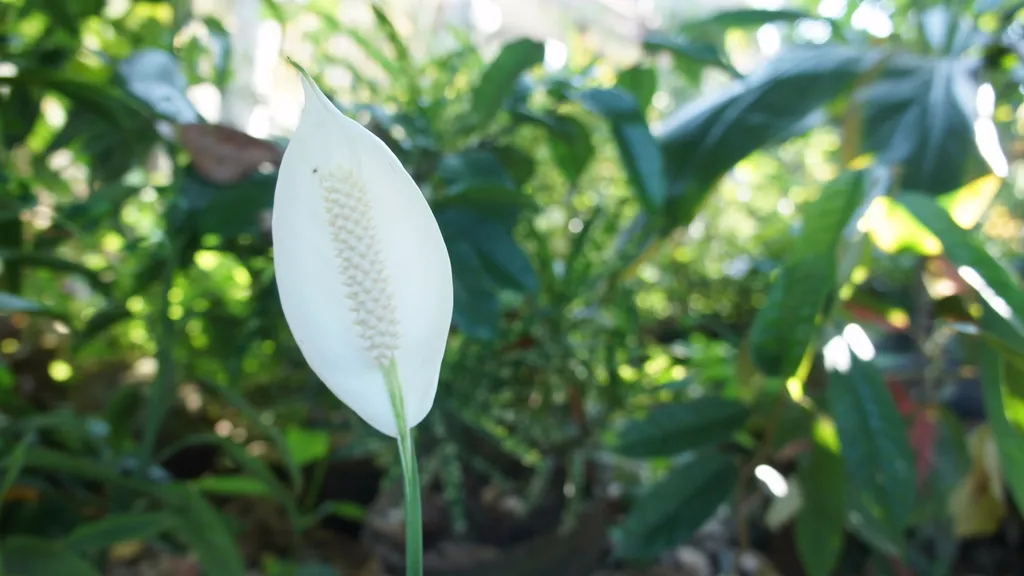
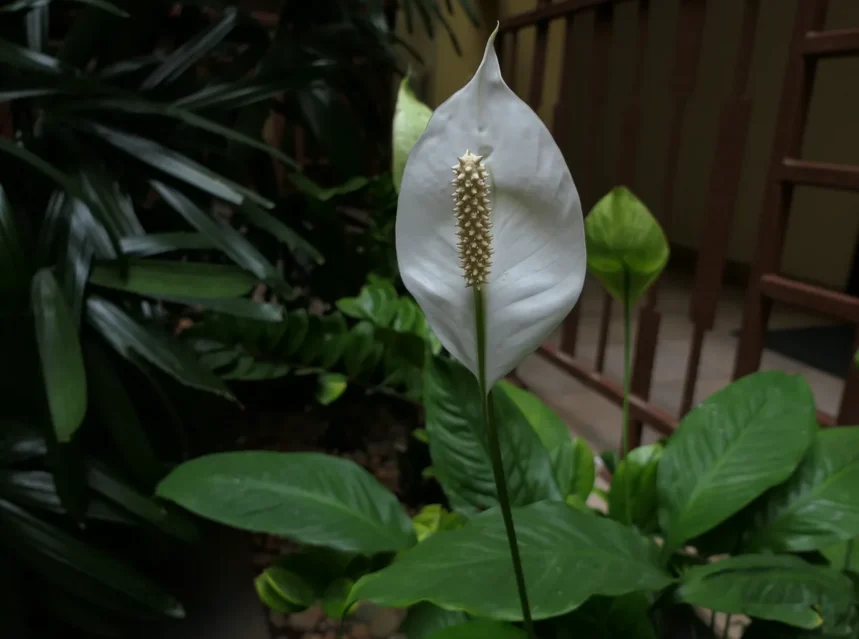 Peace lily plant with dark green leaves and one white spathe
Why is my peace lily not growing? Most often it is too little light, since a peace lily survives in shade but only grows in bright, indirect light. A root-bound pot, overwatering, and hard water also stall it. Move it somewhere brighter, and check the causes below.
Quick answer: Give your peace lily bright, indirect light, since low light keeps it alive but not growing. Check if it is root-bound and needs repotting. Water it properly, use soft water, and be patient in winter. Match the cause below.
🧰 In a hurry? Jump straight to our tested picks for this guide ↓
Why is my peace lily not growing? Quick diagnosis
| What you see | Most likely cause |
|---|---|
| Alive but no new leaves in low light | Too little light to grow |
| Roots circling or out the drainage holes | Root-bound, plant has plateaued |
| No growth with soggy soil | Overwatering or root rot |
| Stalled with brown leaf tips | Hard water or dry air |
| No change through autumn and winter | Natural seasonal rest |
| Slow growth in old, tired soil | Needs feeding or repotting |
The low-light myth: surviving is not growing
Start here, because this is the biggest reason by far. The peace lily is famous as a low-light plant, and it truly does survive in shade better than almost any houseplant.
But surviving and growing are two very different things. In a dim spot a peace lily simply holds steady, making no new leaves, because it lacks the light energy to grow. So it is not dying, it is just idling. Move it to bright, indirect light, out of harsh direct sun, and it usually starts growing within a few weeks, as our peace lily care guide explains. A grow light works well too, as our grow light guide covers.
Root-bound: when the plant plateaus
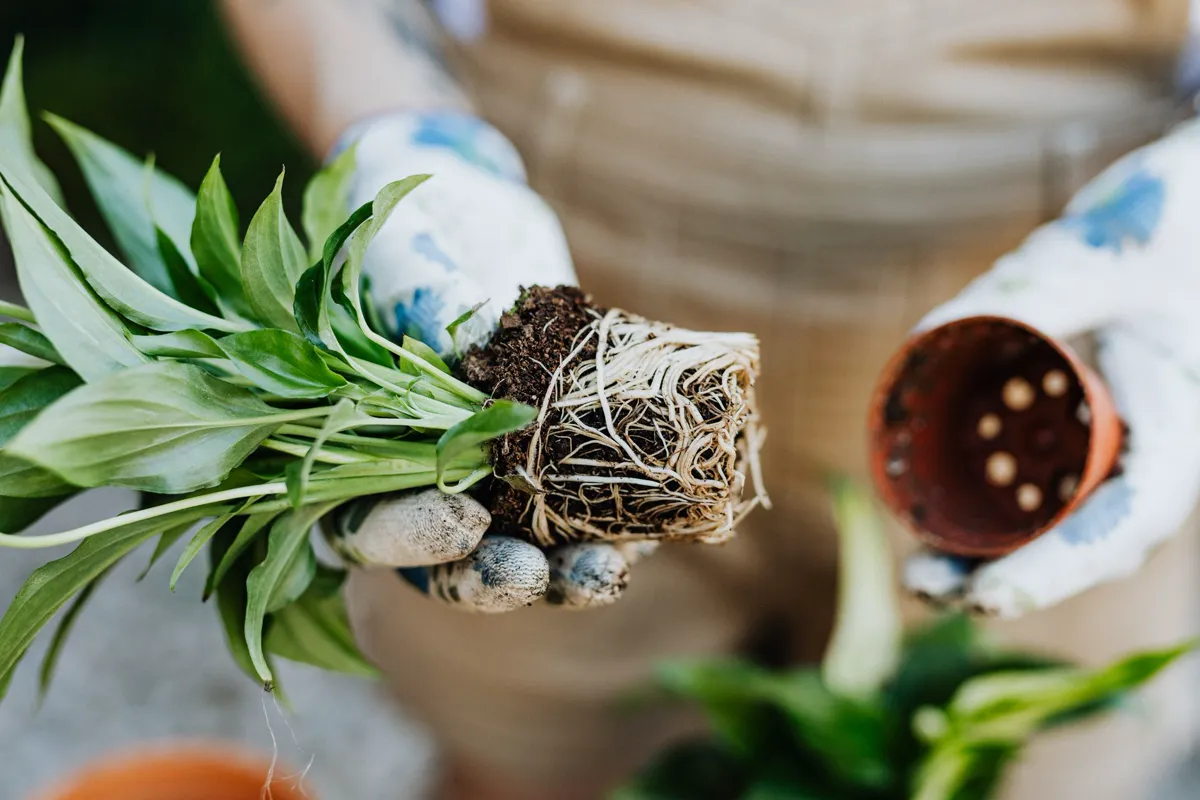
A crowded pot is the next big cause, and it has a clear signature. When the roots completely fill the pot, circling the bottom or growing out the drainage holes, the plant plateaus.
It maintains the leaves it has, but it has no room or resources to make new ones. So slide it out and check the roots. If they are a dense, circling mass, move it up one size into fresh, well-draining mix, as our potting soil guide covers. A big, old peace lily can also be divided into several plants at this point, which refreshes each one. Low light and a root-bound pot are the two leading reasons a peace lily stops growing.
Watch the base: growth comes from the crown
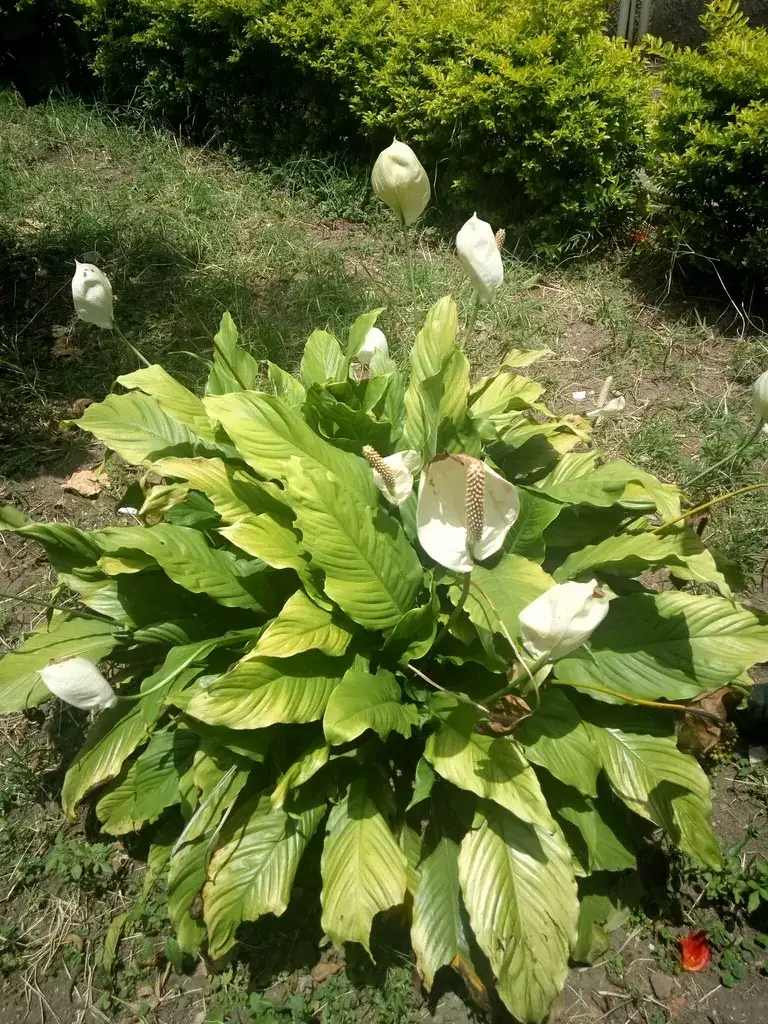
Here is a detail that helps you judge growth fairly. A peace lily grows as a clump, with new leaves unfurling from the crown at the base of the plant.
They do not grow from the tips of the old leaves. So do not stare at the existing leaves waiting for them to enlarge. Instead, watch the centre of the clump at soil level for tightly rolled new leaves pushing up. That is where all the fresh growth appears, and where new fans form that you can later divide.
Overwatering and root rot
Watering trouble stalls a peace lily too, and overwatering is the classic mistake. Soggy soil starves the roots of air and rots them, and rotted roots cannot fuel new growth.
Peace lilies are dramatic about thirst, drooping suddenly then reviving after a drink, which tempts people to overwater. So water only when the top inch of soil feels dry, and never leave the plant sitting in water, as our watering guide covers. If the soil stays soggy and growth has stopped, check for root rot, much like a chronically drooping peace lily.
Hard water and dry air
Water quality and humidity quietly hold many peace lilies back. Peace lilies are sensitive to the fluoride and salts in hard tap water, which build up and stress the plant, browning the leaf tips and slowing growth.
Dry indoor air adds to that stress, since these are tropical plants that enjoy humidity. So water with filtered, distilled, or rain water where you can, and raise the humidity with a pebble tray or humidifier, as our humidity guide covers. Cleaner water and moister air let the plant put its energy into growing, and keep the tips from browning, as with blackening tips.
Winter rest, feeding and temperature
A few conditions round out the picture. Peace lilies slow right down or stop through autumn and winter, when the light is weak, and this seasonal rest is normal, not a fault.
Feeding matters in the growing season, since a plant in old, spent soil runs short of nutrients and stalls. So feed with a balanced houseplant food at half strength every few weeks in spring and summer, and not in winter. Keep the plant warm too, ideally above 15C and away from cold draughts, since chills stall it. The Royal Horticultural Society recommends warmth, humidity and bright, indirect light for spathiphyllum.
A quick safety note
One thing to know while you care for a peace lily. Like many aroids, its leaves contain calcium oxalate crystals, which can irritate the mouth and stomach if chewed.
So keep the plant out of reach of curious pets and small children, and wash your hands after handling cut leaves. This is general care information, not medical advice, so speak to a professional if anyone reacts. It does not affect how you grow the plant, but it is worth knowing for a safe home.
How to get a peace lily growing again
- Move it to bright, indirect light, since low light only sustains it.
- Check for a root-bound pot and repot or divide it.
- Watch the base for new rolled leaves, not the old tips.
- Water only when the top inch is dry, and never leave it soggy.
- Use soft water and raise the humidity to avoid tip burn.
- Feed lightly in summer, keep it warm, and rest it in winter.
Fresh, glossy leaves unfurling from the centre, and the odd white bloom, are the sign your peace lily is growing again.
Peace lily not growing in India
Two things stall peace lilies in India: dim indoor corners and hard tap water.
Peace lilies are hugely popular here because they cope with low light, but they only truly grow in a bright spot. So give yours plenty of bright, filtered light, out of the harsh afternoon sun. Hard, salty tap water is common and browns the tips while slowing growth, so use stored rainwater or filtered water where you can. Water when the top inch is dry, raise the humidity in the dry season, and keep the plant warm. Our peace lily guide and not-flowering guide have more.
Frequently asked questions
How fast should a peace lily grow?
At a moderate pace in good conditions. In bright, indirect light with even watering and warmth, a healthy peace lily puts out new leaves steadily through spring and summer, and blooms on and off. It slows or stops in winter, which is normal. So if yours is not growing at all in the warm months, the usual cause is too little light or a root-bound pot.
Why is my peace lily not growing new leaves?
Usually too little light, since a peace lily survives shade but only grows in bright, indirect light. So move it somewhere brighter. If the light is already good, check whether it is root-bound, since a full pot makes the plant plateau. Watch the base of the plant for new rolled leaves, as that is where fresh growth appears, not from the old leaves.
Should I repot my peace lily to make it grow?
Yes, if it is root-bound. When the roots fill the pot and circle the bottom or grow out the holes, the plant has no room to grow and stalls. So repot it one size up into fresh mix, or divide a large clump into several plants. Avoid a very big pot, though, since too much wet soil around the roots can cause rot rather than growth.
How long before a stalled peace lily grows again?
Usually a few weeks once you fix the cause. A peace lily moved to better light, or repotted into fresh soil, often shows new growth within four to six weeks. So make the change and then be patient. Keep the conditions steady and correct, and watch the centre of the plant, where the new leaves will start to push up from the crown.
Is it normal for a peace lily to stop growing in winter?
Yes, and it worries people every year. Peace lilies do not go fully dormant, but short days and cooler rooms slow photosynthesis, so a plant that made a new leaf every few weeks in summer may produce nothing from late autumn to early spring. That pause is healthy. Water less often in this period, stop feeding, and keep the plant warm and away from draughts. Growth restarts on its own once light improves.
Why are my peace lily's new leaves so small?
Small new leaves usually mean the plant is short of light or nutrients, or the roots have run out of room. Each fresh leaf is built from current resources, so a dim corner, exhausted old potting mix or a solid mass of circling roots all produce weaker growth. Move it into brighter indirect light, refresh the top layer of compost or repot in spring, and feed lightly through the growing season.
Does a peace lily need fertiliser to grow?
It benefits from a little, but far less than most people give. A balanced liquid houseplant feed at half strength, roughly every four to eight weeks in spring and summer, is enough. Nutrients wash out of pots with each watering, so an unfed plant in old mix often stalls with pale, small leaves. Do not feed in autumn and winter. Excess fertiliser burns roots and browns leaf tips, which slows growth further.
Can root rot stop a peace lily from growing?
Yes, and it is a common hidden cause. Soil kept constantly soggy, or a pot with no drainage hole, kills fine roots, so the plant cannot take up water or nutrients even though it looks well watered. Healthy roots are firm and pale, while rotten ones are brown, soft and smell sour. Tip the plant out, trim damaged roots, repot into fresh free-draining mix, and water only when the surface feels dry.
Can pests make a peace lily stop growing?
They can. Mealybugs, spider mites and aphids feed on sap and target soft new growth, so leaves emerge distorted, fail to unfurl properly or simply stop appearing. Look under the leaves and where stalks meet the crown for white fluffy specks, fine webbing or sticky residue. Wipe the plant down, then treat with insecticidal soap or neem oil every week or so until it is clear, and isolate it from other houseplants.
What temperature does a peace lily need to grow?
It grows best between about 18°C and 27°C, reflecting its tropical rainforest origins. Below roughly 15°C growth stalls, and below 10°C the tissue can be damaged. Keep it away from cold window glass in winter, from heaters, and from direct air-conditioning blasts. In much of India room temperatures suit it year round, though a plant on a hot summer balcony will bake, so indoor bright shade is the safer place.
Why has my peace lily stopped growing after repotting?
Fresh roots take time. After repotting, the plant rebuilds its root system before it makes new leaves, so a pause of several weeks is normal. Two mistakes make it longer: a pot much bigger than the root ball, which keeps the mix wet, and fertiliser applied too soon on damaged roots. Keep it in bright indirect light, water sparingly until it settles, and wait a month or more before feeding again.
How do I make my peace lily grow bigger and bushier?
Give it consistent conditions rather than a single boost. Bright indirect light, watering when the top few centimetres dry, a light feed in the growing season and a pot only slightly larger than the roots together produce steady new leaves. Wipe dust off the foliage so it can photosynthesise, and remove yellow leaves at the base. For a fuller look, keep the clump undivided, since each crown throws up its own leaves.
Sources and further reading
Related guides
- Peace lily care guide
- Why is my peace lily not flowering
- Why is my peace lily drooping
- Why are my peace lily leaves turning yellow
- Why are my peace lily leaves turning black
- Humidity for houseplants
Still stuck? Ask the Plant Doctor
Describe the problem — yellow leaves, holes, no flowers — and get a clear answer in seconds. FreeAI can make mistakes. Answers are guidance, not a guarantee — check anything important against the guide it links to, and always read the label on any product before you use it.