Why Is My String of Hearts Not Growing? Causes and Fixes
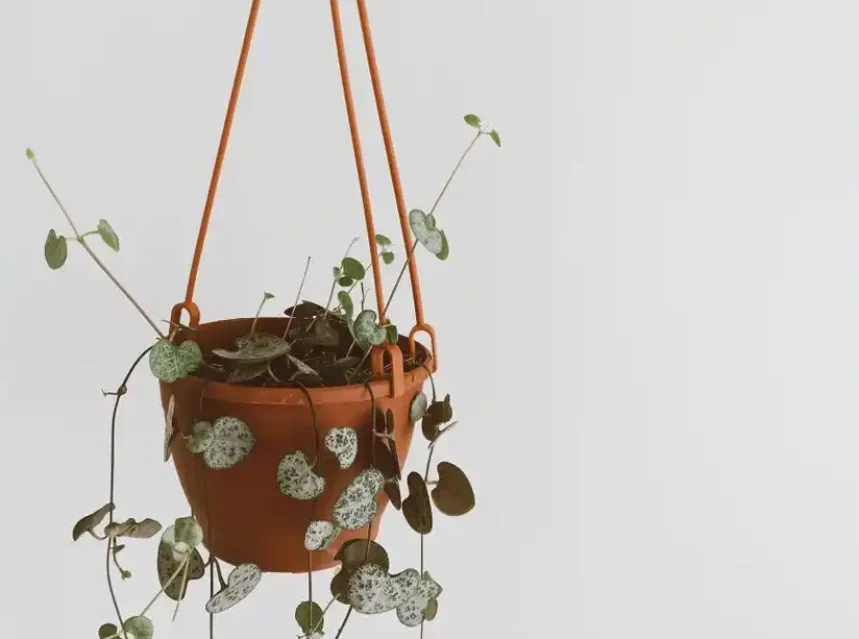
Why is my string of hearts not growing? Most often it is too little light, or a natural winter rest. A crowded pot and too little water stall it too. This plant needs bright light and, unlike drier succulents, fairly regular watering in the growing season.
Quick answer: Move your string of hearts to a bright window, since it is not a low-light plant. Be patient in winter, when it naturally rests. Do not keep it bone-dry, and pot it up a size if the roots are packed. Match the cause below.
🧰 In a hurry? Jump straight to our tested picks for this guide ↓
Why is my string of hearts not growing? Quick diagnosis
| What you see | Most likely cause |
|---|---|
| No new growth in a dim spot | Too little light |
| Stalled through autumn and winter | Normal seasonal rest |
| New leaves tiny and widely spaced | Not enough light (leggy) |
| Slow growth, roots packed in the pot | Root-bound, pot it up |
| Shrivelled new growth, very dry soil | Kept too dry |
| No growth with soggy soil | Overwatering or rot |
First, string of hearts grows in bursts
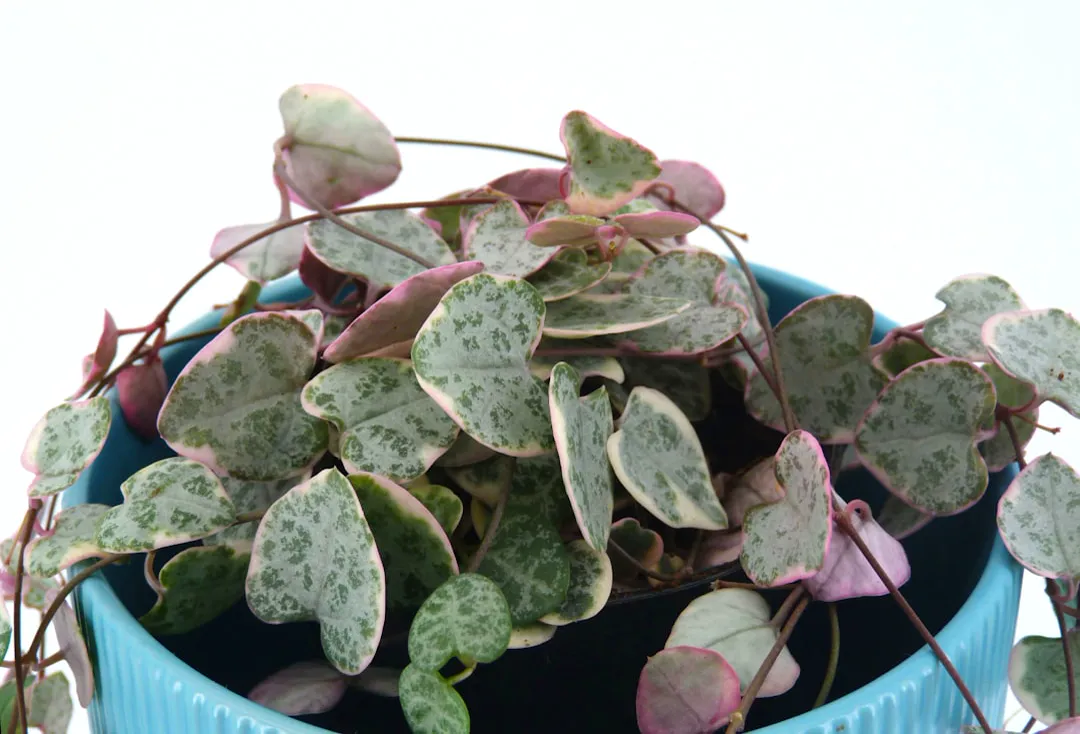
It helps to know how this plant behaves. String of hearts, or Ceropegia woodii, is a trailing succulent that grows fast in warmth and bright light, then rests in the cold.
So growth is seasonal, not steady all year. A plant that races away in summer and sits still in winter is behaving normally, as our string of hearts care guide explains. The trick is giving it the light and water it needs in its growing months.
Too little light: the top cause
Light is the single biggest driver of growth here. Despite being sold as easy, string of hearts is not a low-light plant, and it grows slowly or not at all in a dim spot.
The brighter the position, the faster it grows. So put yours right in front of a bright window, where it can even take some gentle direct sun. In poor light it stalls, and any new leaves come small and widely spaced, giving that bare, leggy look, as our leggy string of hearts guide covers.
Winter dormancy is normal
Sometimes the plant is simply resting. Ceropegia woodii goes semi-dormant through the cold months, roughly autumn to late winter, and almost stops growing.
So a string of hearts that is not growing from around October to February is usually just dormant, not failing. Ease right off the water and stop feeding during this rest. When the warm, bright days return in spring, it will pick up and grow again on its own.
The watering myth: do not keep it bone-dry
Here is where many people go wrong, so it is worth stressing. String of hearts is a succulent, so the common advice is to keep it very dry, but that is a mistake in the growing season.
It actually likes fairly regular watering when it is growing, as long as the mix is never soggy. Kept too dry, its new growth stalls and the young leaves shrivel. So water when the top of the soil dries out, giving it a proper drink, then let it dry again, as our watering guide covers. Just avoid leaving it wet, which rots the tuber. Far more of these plants stall from being kept bone-dry than from a sensible watering routine.
Pot size and feeding
A crowded pot can slow it right down. When the roots and tuber fill the pot, the plant runs low on room and nutrients, and growth stalls even in summer.
So if yours is packed and root-bound, pot it up a size into a gritty, free-draining succulent mix, as our succulent soil guide covers. A light feed every couple of months through spring and summer helps it grow bigger leaves and longer strands. Do not overpot into a huge container, though, since too much wet soil around the tuber invites rot.
It grows from the tuber and along the strands
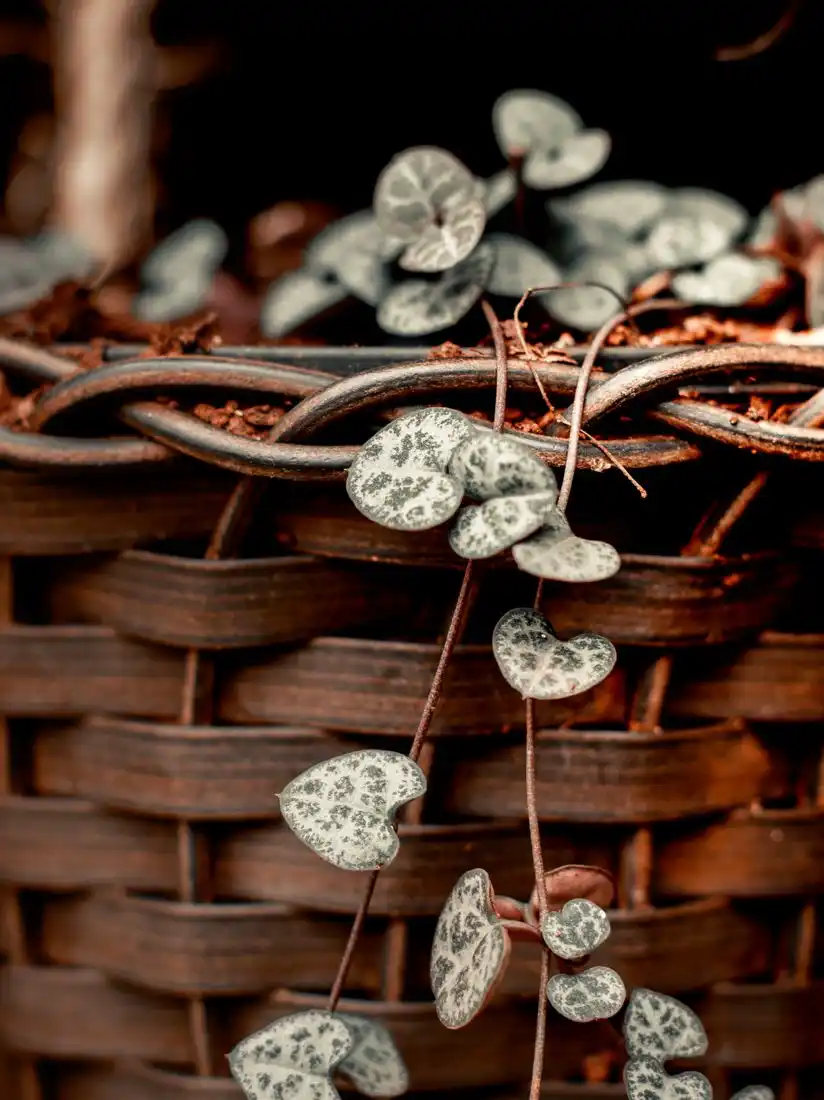
Understanding how it grows helps you help it. String of hearts grows from a tuber at the base, and it also forms small tubers, called beads, along the strands.
New growth pushes from the vine tips and these nodes, so the plant lengthens along its strands. Do not bury the trailing vines in the pot hoping they root, as that just rots them. Instead, look for the little aerial tubers on the strands, which you can lay on soil to propagate new plants, as our propagation guide covers.
Warmth and overwatering
Two last things affect growth. String of hearts likes warmth, ideally above about 15C, and it slows or stops when cold, so keep it away from chilly windows and draughts.
Overwatering stalls it in the opposite way. Soggy soil rots the tuber and roots, so the plant cannot grow and may start dying back. If the soil stays wet and growth has stopped, check for root rot rather than watering more. The University of Wisconsin Horticulture notes string of hearts needs bright light and a well-drained mix. The Royal Horticultural Society recommends bright light and free-draining compost for ceropegia.
How to get a string of hearts growing again
- Move it to a bright window, since it is not a low-light plant.
- Be patient in winter, when it naturally rests.
- Do not keep it bone-dry; water it in the growing season.
- Pot it up a size if the roots and tuber are packed.
- Feed lightly through spring and summer for bigger leaves.
- Keep it warm, and never leave the soil soggy.
Fresh strands, closely spaced heart leaves, and steady length are the sign your string of hearts is growing happily again.
String of hearts not growing in India
Two things stall string of hearts in India: dim indoor spots and the cooler winter.
String of hearts thrives in the warm Indian climate and grows fast on a bright balcony or windowsill. But in a dark room it barely grows, so give yours a very bright spot, even some gentle morning sun. In the cooler winter months it rests, which is normal, so ease off water and feed. Through the warm season, water regularly without letting it stay soggy, and it will trail quickly. Our string of hearts guide has more.
Frequently asked questions
How fast should a string of hearts grow?
Quickly in the right conditions, and in bursts. Given bright light, warmth, and regular water in spring and summer, a healthy string of hearts can grow several centimetres of new strand a week. It then slows or stops in winter, which is normal. If yours barely grows even in summer, the usual cause is too little light, so move it somewhere brighter.
Why is my string of hearts not growing new leaves?
Usually too little light or a winter rest. String of hearts needs bright light to make new leaves, and it goes dormant in the cold months. So move it to a bright window and be patient if it is winter. Also check you are not keeping it too dry, since bone-dry soil stalls and shrivels new growth on this thirstier-than-average succulent.
Does string of hearts grow better root-bound?
Only up to a point. A snug pot is fine, but a severely root-bound string of hearts slows down for lack of room and nutrients. So pot it up one size into gritty succulent mix when it gets packed, which lets it grow bigger leaves and longer strands. Avoid a huge pot, though, since too much wet soil around the tuber can cause rot.
Should I water my string of hearts more to make it grow?
In the growing season, yes, within reason. Unlike many succulents, string of hearts likes fairly regular watering in spring and summer, as long as the mix drains well and never stays soggy. Keeping it too dry is a common reason new growth stalls. So water when the top of the soil dries, give it a good drink, then let it dry before the next one.
Why is my string of hearts growing balls along the vines?
Those pea-sized lumps are aerial tubers, and they are good news. A settled, well-lit plant makes them at the nodes as a natural store of water and energy, so they signal maturity rather than trouble. Leave them alone if you like the look. Otherwise, press one onto moist gritty mix while it is still attached to the vine, and it roots within a few weeks. Then snip it free and you have a strong new plant.
Does a string of hearts need fertiliser to grow?
A light feed genuinely speeds it up. Use a balanced houseplant or cactus feed at half the label strength, once a month from spring to early autumn, and stop completely in winter. Always water first, then feed, so the fine roots never sit in strong solution. Too much fertiliser builds salts that scorch root tips and stall growth, which is the opposite of what you wanted. Repotting into fresh mix every couple of years also resets nutrients.
What soil mix helps a string of hearts grow faster?
A gritty, free-draining mix that still holds a little moisture. Two parts ordinary potting compost to one part perlite, coarse sand or fine pumice works well and suits most homes. Skip heavy peat-only mixes and garden soil, which stay wet and rot the tubers. In humid monsoon regions, add extra grit so the pot dries within a few days. Good drainage lets you water freely in the growing season, and that is what drives quick growth.
What temperature does a string of hearts need?
It grows best between about eighteen and twenty-six degrees Celsius. Growth slows below fifteen, and anything near or below ten degrees can damage the leaves and tubers, since this South African plant is not frost hardy. So bring balcony plants indoors before a cold snap in temperate countries. In hot Indian summers, keep it out of direct afternoon sun and give it airflow, because scorching heat stalls growth just as surely as cold does.
Does a string of hearts stop growing in winter?
Yes, and that is completely normal. Short days and cool nights push it into a rest, so new leaves may not appear for weeks. Water far less then, only when the leaves start to look slightly flat, and hold back all fertiliser. Keep it in the brightest window you have, away from cold glass and heaters. Growth restarts by itself as days lengthen, so resist the urge to fix a resting plant with more water.
Why did my string of hearts stop growing after repotting?
Root disturbance costs it a few weeks, so a pause is expected. Trouble only starts if the new pot is much bigger, because the extra soil holds water the small root system cannot use. So keep to one size up, use a shallow pot, and water sparingly for the first two weeks. Firm the mix gently around the tubers rather than burying them deep. Normal growth usually returns within three to four weeks.
Do string of hearts flower, and is flowering a good sign?
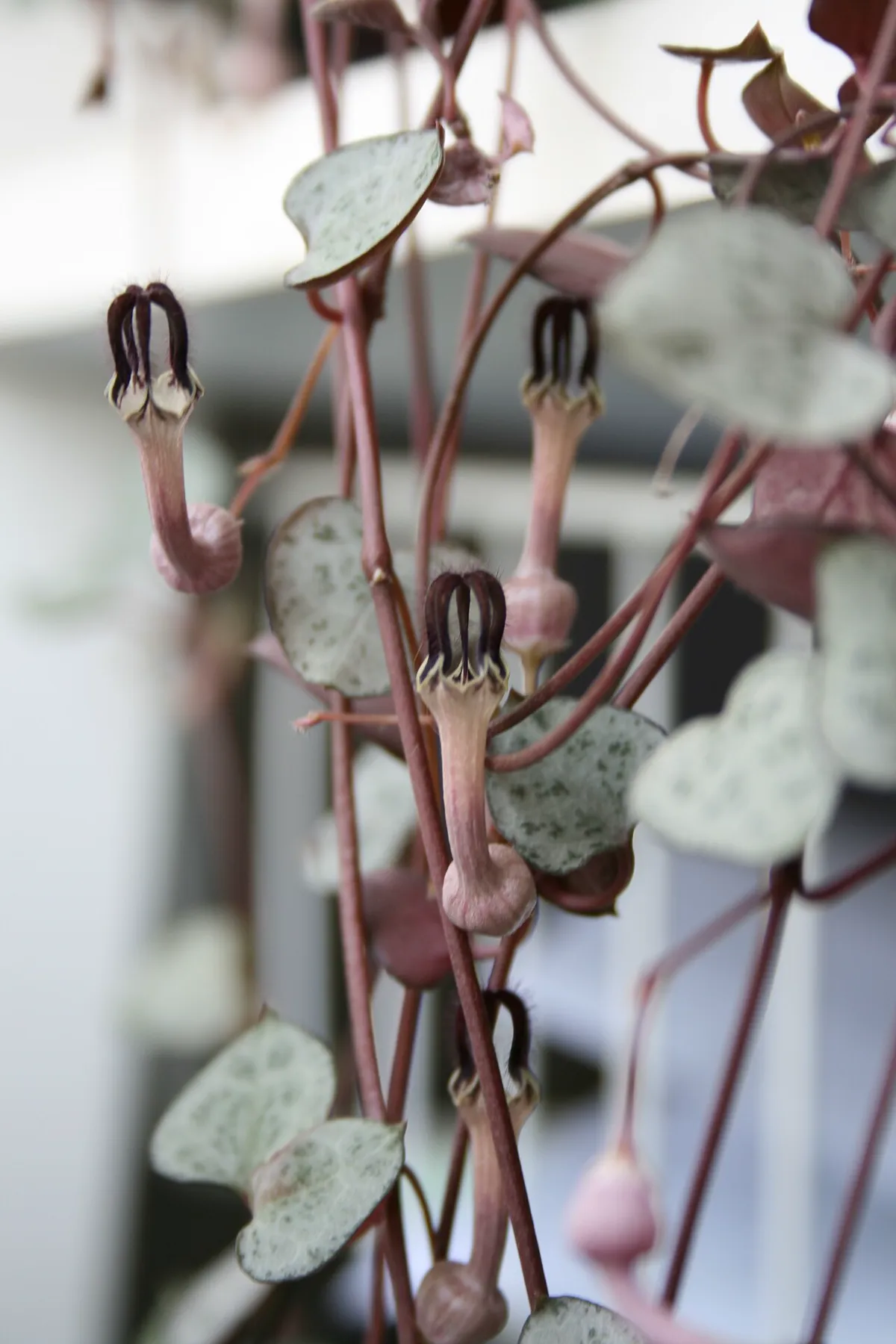
They do flower, and it is a healthy sign. Mature plants produce small, pinkish-purple tubular blooms shaped like tiny lanterns, usually in summer and autumn when light is strong. The flowers trap small flies briefly for pollination, then release them. Flowering costs the plant very little, so there is no need to remove the blooms. If yours never flowers, more light is nearly always the answer rather than more feeding.
Do string of hearts like shallow pots?
Yes, a wide shallow pot suits them far better than a deep one. The roots and tubers sit near the surface, so deep soil below them stays wet and sour, which slows growth and invites rot. Choose a pot with generous drainage holes and only a few centimetres more width than the root ball. Terracotta helps in humid climates because it dries quickly, while plastic suits very dry, air-conditioned rooms.
Related guides
- String of hearts care guide
- Why is my string of hearts leggy
- Why is my string of hearts dying
- Best grow lights
- Best soil for succulents
- How to propagate houseplants
Still stuck? Ask the Plant Doctor
Describe the problem — yellow leaves, holes, no flowers — and get a clear answer in seconds. FreeAI can make mistakes. Answers are guidance, not a guarantee — check anything important against the guide it links to, and always read the label on any product before you use it.