Why Is My Rubber Plant Not Growing? Causes and How to Fix It
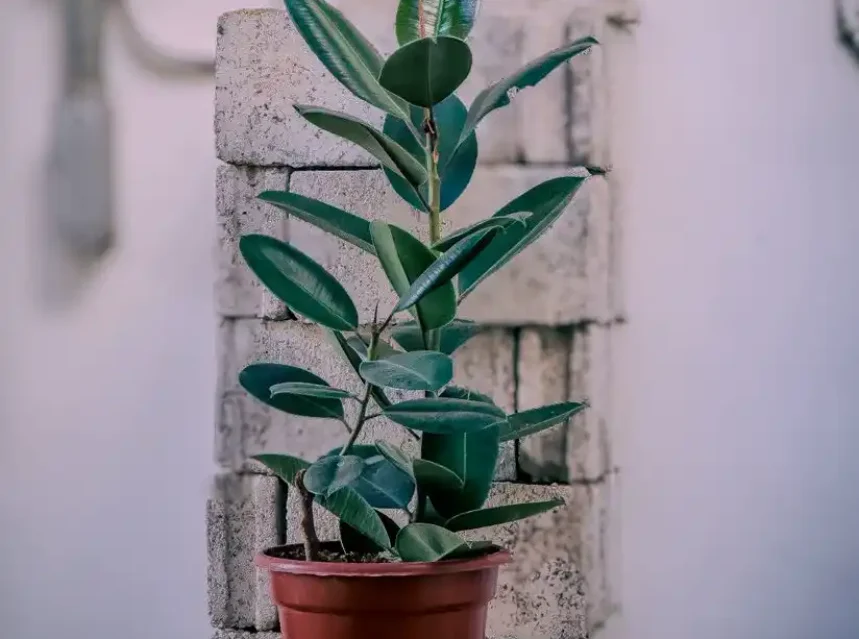
Why is my rubber plant not growing? Most often it is too little light, or a natural winter rest. A newly bought or just-moved plant also pauses for weeks while it settles. Give it bright, indirect light, check the season, and be patient before assuming something is wrong.
Quick answer: Move your rubber plant to bright, indirect light, the main driver of growth. Check whether it is winter, when a rest is normal. Give a newly moved plant time to settle, and repot and feed if it is root-bound in good light. Match the cause below.
🧰 In a hurry? Jump straight to our tested picks for this guide ↓
Why is my rubber plant not growing? Quick diagnosis
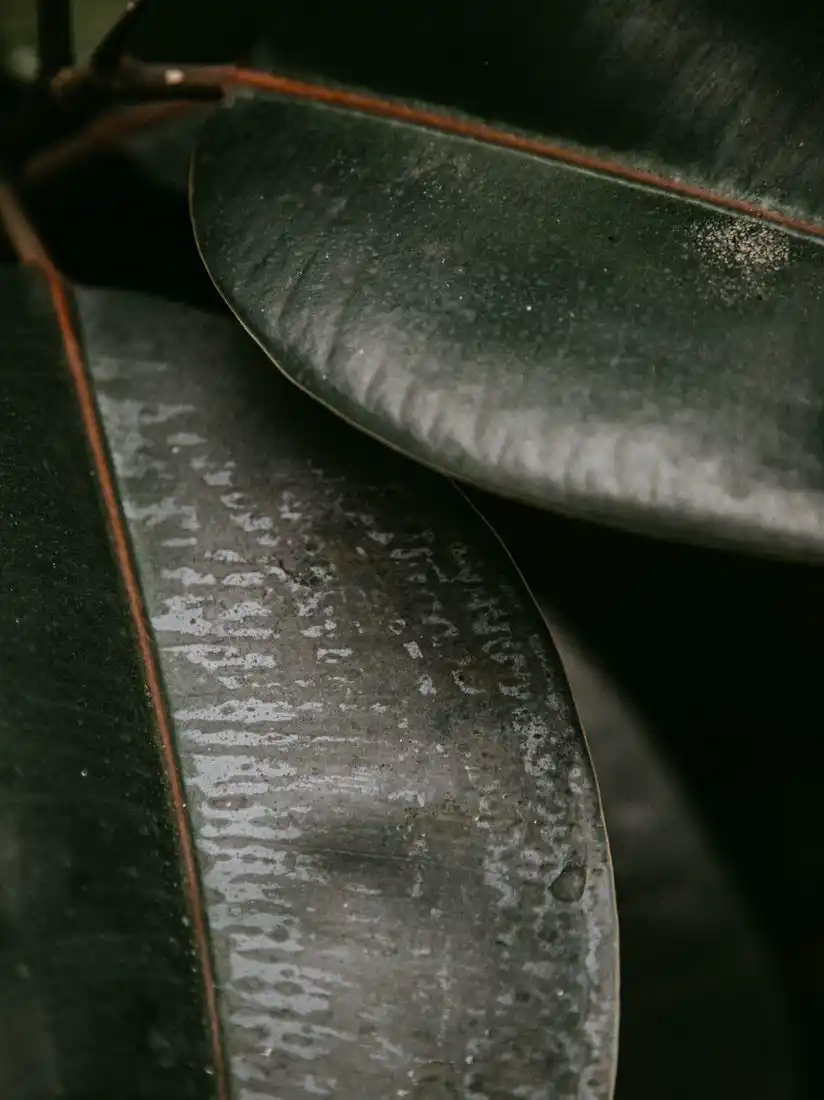
| What you see | Most likely cause |
|---|---|
| No new leaves in a dim spot | Too little light |
| Stalled through autumn and winter | Normal seasonal rest |
| Just bought or moved, now paused | Acclimation shock |
| New leaves with long bare gaps | Not enough light (leggy) |
| Stalled in good light, roots packed | Root-bound, repot and feed |
| No growth with soggy soil | Overwatering or root rot |
First, rubber plants grow in seasons
It helps to know the rhythm of this plant. The rubber plant, or Ficus elastica, grows actively from spring through to autumn, then rests over winter.
So growth is seasonal, not constant. A rubber plant that races up in summer and sits still in the cold months is behaving exactly as it should, as our rubber plant care guide explains. Work out the season first, since no fix helps a plant that is simply dormant.
Too little light: the top cause
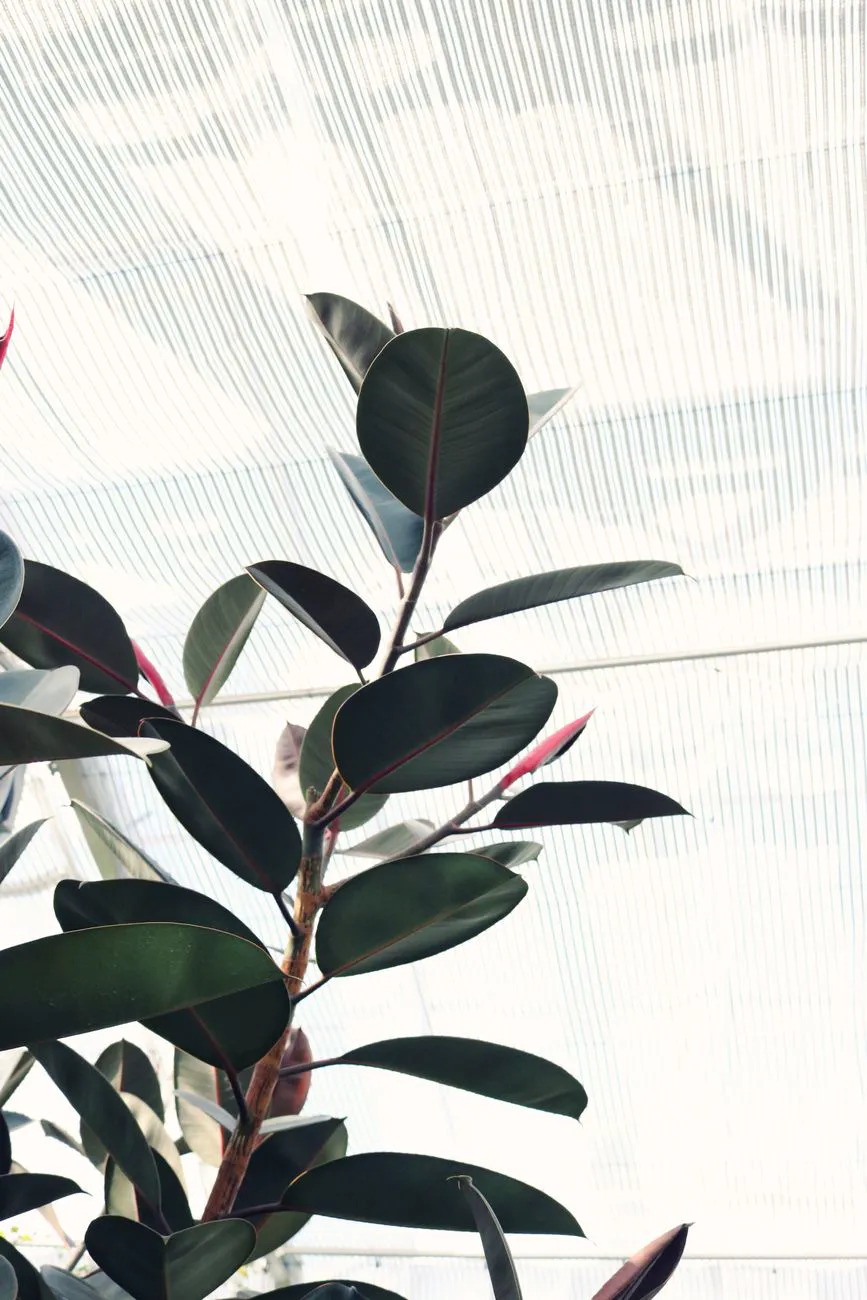
Light is the biggest driver of new leaves. Rubber plants are often called tolerant of shade, but tolerating low light and growing well in it are two different things.
In a dim spot, a rubber plant stalls, and any new leaves come with long bare gaps of stem between them. So give yours bright, indirect light, ideally near an east or south window, out of harsh direct sun. Six to eight hours of good light keeps it growing, or add a grow light, as our grow light guide covers.
Winter rest is normal
Sometimes the plant is just resting. Like most houseplants, rubber plants slow right down from around October to February, when the light is weak and the days are short.
Growth stops or crawls, then picks up in spring. So a rubber plant that is not growing in winter is usually dormant, not failing. Ease off the water and stop feeding through the rest, and it will flush again when the warm, bright days return.
Acclimation shock: newly moved plants pause
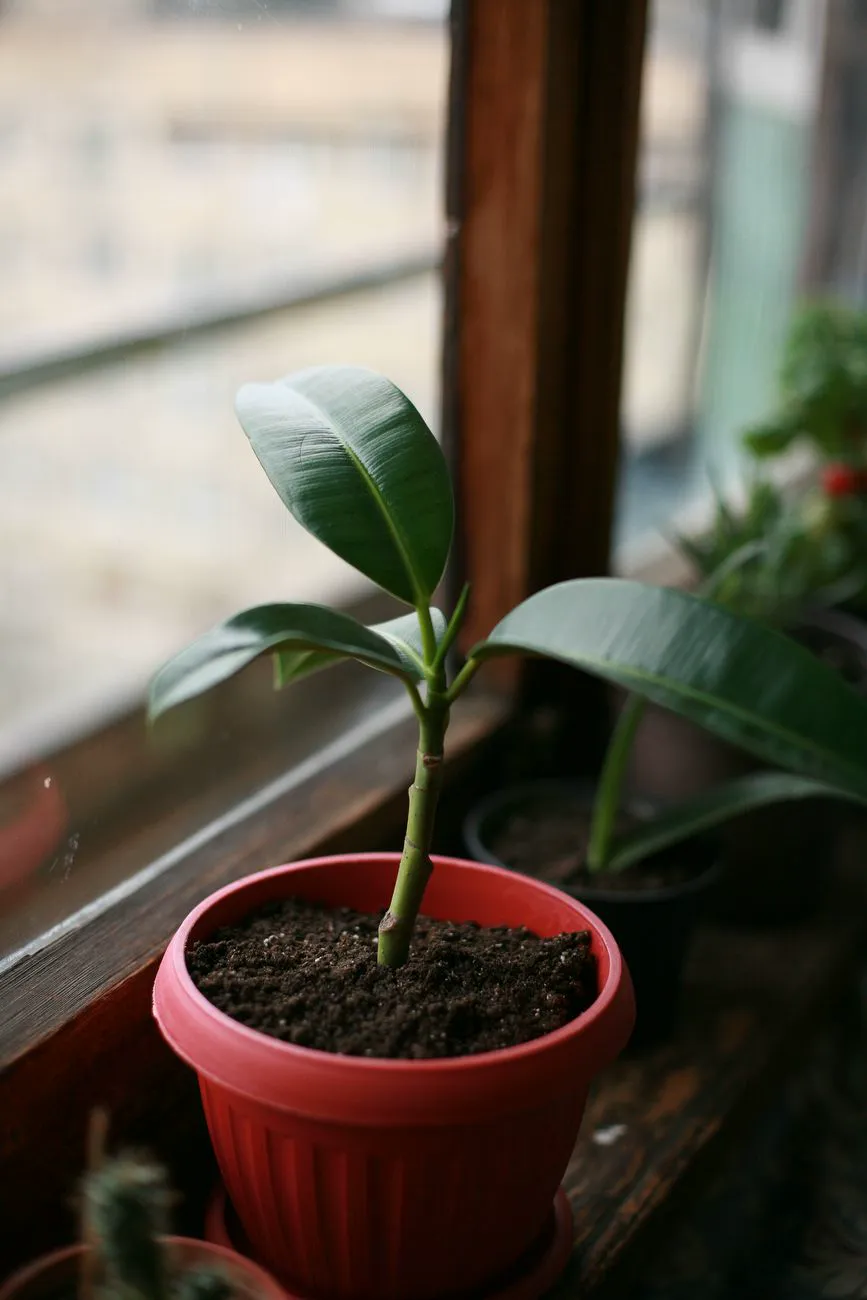
This is the cause people most often miss, so it is worth knowing. When you bring a rubber plant home, or move it to a new room, it often pauses growth for weeks while it adjusts.
It may even drop a few lower leaves as it settles into the new light and conditions. This is normal acclimation, not a fault, much like a plant that is dropping leaves after a move. So do not overreact by overwatering or overfeeding. Give it steady light and care, and it will resume growth once it feels at home.
Root-bound and hungry in good light
Here is a useful clue. If your rubber plant sits in good, bright light but has still stopped growing, it has often simply used up its pot.
In strong light the plant draws on the soil’s moisture and nutrients quickly, and once the roots fill the pot, growth stalls. So slide it out and check. If the roots are packed and circling, move it up a size into fresh, well-draining mix and start a light feed, as our potting soil guide and fertiliser guide cover.
Watering and root rot
Watering trouble stalls a rubber plant too, and overwatering is the usual culprit. Soggy soil starves the roots of oxygen and rots them, and damaged roots cannot feed new growth.
Rubber plants like evenly moist soil, not constant wet. So water only when the top two to three inches of soil feel dry, in a pot with drainage holes, as our watering guide covers. If the soil stays soggy and growth has stopped, check the roots for root rot. The Royal Horticultural Society recommends bright, indirect light and moderate watering for ficus. Rubber plants need bright light and a warm spot to grow well.
Warmth, humidity and feeding
A few conditions round things out. Rubber plants grow best when warm, ideally between 18 and 27C, and cold draughts slow or stop them.
They also enjoy moderate humidity, so very dry air can hold growth back, as our humidity guide covers. Feed with a balanced houseplant food every few weeks in spring and summer, then stop in winter. A rubber plant in good light often just needs repotting and feeding to resume growth.
A quick safety note
One thing to be aware of with rubber plants. When a leaf or stem is cut or broken, it releases a milky white sap, or latex.
This sap can irritate the skin, and it is mildly toxic if chewed, so keep the plant away from curious pets and small children. Wash your hands after pruning, and wear gloves if your skin is sensitive. This is general care information, not medical advice, so speak to a professional if anyone reacts to the sap.
How to get a rubber plant growing again
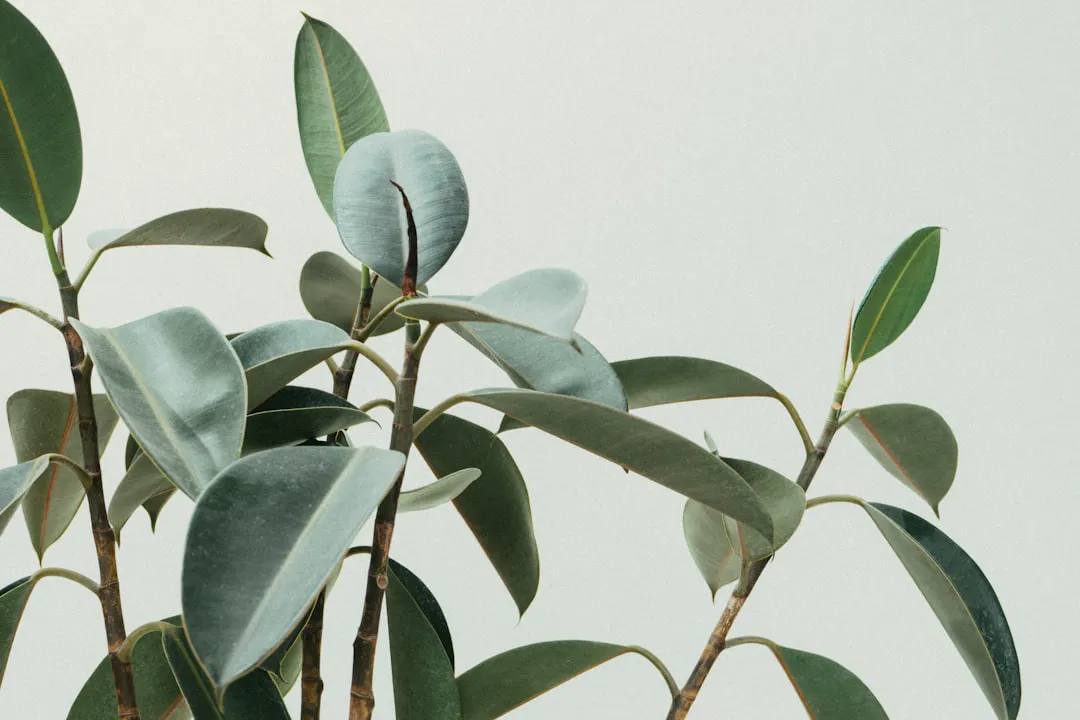
- Move it to bright, indirect light, the main driver of growth.
- Check the season, since a winter rest is normal.
- Give a newly moved plant time to settle before worrying.
- Repot up a size and feed if it is root-bound in good light.
- Water only when the top few inches of soil are dry.
- Keep it warm, out of cold draughts, and feed in summer.
Fresh, glossy new leaves unfurling from the growing tip are the sign your rubber plant is on the move again.
Rubber plant not growing in India
Two things stall rubber plants in India: dim indoor corners and the cooler winter.
Rubber plants love the warm Indian climate and grow fast in a bright spot near a window or on a balcony. But in a dark room they simply sit still, so give yours plenty of bright, filtered light, even some gentle morning sun. In the cooler months growth naturally slows, which is normal, so ease off water and feed. Come the warm season, resume light feeding and watch for fresh leaves. Our rubber plant guide has more.
Frequently asked questions
How long does it take a rubber plant to start growing again?
It depends on the cause. If low light was the problem, expect new growth within a few weeks of moving it somewhere brighter, in the growing season. A newly moved plant may take several weeks to settle before it grows. If it is winter, the plant may not grow at all until spring, which is completely normal, so be patient.
Why is my rubber plant not growing new leaves?
Usually too little light or a natural winter rest. Rubber plants need bright, indirect light to push new leaves, and they pause over the cold months. So move it somewhere brighter and check the season. If it is a newly bought or moved plant, give it time to settle, and do not overwater or overfeed while you wait, since that stalls it further.
Should I repot my rubber plant to make it grow?
Only if it is root-bound, and ideally in spring or summer. A rubber plant in good light that has stopped growing has often used up its pot, so repotting one size up with fresh mix and starting a feed usually gets it moving. But do not jump to a huge pot, since too much wet soil around the roots can cause rot. A snug size up is best.
Is my rubber plant dormant or actually stalled?
Check the time of year first. From late autumn to late winter, little or no growth is normal dormancy, and none of the usual fixes will help until spring. In the growing season, spring to autumn, a lack of growth points to a real cause, usually light, watering, feeding, or being root-bound. So match your fix to the season.
How fast should a rubber plant grow indoors?
Given bright, indirect light and steady care, expect roughly 30 to 60 cm of new height in a growing season, with most of it between spring and early autumn. Indoors the plant usually settles at 2 to 3 metres, far short of the 15 metres plus it reaches in the wild forests of northeast India and Southeast Asia. In warm Indian conditions growth often runs longer through the year, while cold-climate homes see a clear winter pause.
Does a rubber plant need fertiliser to grow?
It grows without feeding, but slowly, because potting mix runs out of nutrients within a season or two. During spring and summer, use a balanced water-soluble houseplant fertiliser roughly every two to four weeks at half the label strength. Always water first, then feed, so the salts do not burn dry roots. Stop feeding in autumn and winter, when the plant is not using the nutrients and the leftovers simply build up in the soil.
Will more sunlight make my rubber plant grow faster?
Brighter light does speed growth, but direct sun does not. Rubber plants want bright, indirect light, ideally near an east-facing window with gentle morning sun, and they need protection from harsh afternoon rays that scorch the leaves into brown patches. A south or west window works if you filter it with a sheer curtain. Also turn the pot every couple of weeks so all sides grow evenly instead of leaning towards the glass.
How do I make my rubber plant grow taller?
Give it the three things height depends on: bright indirect light, a pot that is not cramped, and regular feeding through spring and summer. Keep the main growing tip intact, because cutting it stops upward growth. Support a tall stem with a cane so it does not bend, keep the temperature above about 13C, and leave the plant in one spot. Wiping dust off the leaves helps too, since clean leaves capture more light.
How do I get my rubber plant to branch out and look bushier?
Cut the top. A rubber plant grows as a single stem because the tip suppresses the buds below it, so removing that tip in spring or early summer forces two or three side shoots to break from the nodes underneath. Cut just above a leaf node with clean, sharp secateurs. Wear gloves, since the milky sap irritates skin. Keep the plant in good light afterwards, and you should see new shoots within a few weeks.
Why are my rubber plant's new leaves smaller than the old ones?
Small new leaves usually mean the plant cannot support full-sized ones. Too little light is the most common reason, followed by exhausted soil, a root-bound pot and inconsistent watering. Move it somewhere brighter, start a half-strength feed in the growing season, and check whether roots are circling the pot or escaping the drainage holes. Leaves that emerge during a winter pause are often smaller too, and the next spring flush usually returns to normal size.
Can overwatering stop a rubber plant from growing?
Yes, and it is one of the most common reasons. Constantly wet mix drives out the air that roots need, so they start to rot and the plant cannot take up water or nutrients, however much you give it. Growth stalls, and lower leaves often yellow. Let the top few centimetres of mix dry before watering again, always empty the saucer, and use a free-draining mix in a pot with drainage holes. During an Indian monsoon or a cold winter, water far less often.
Can pests make a rubber plant stop growing?
They can. Mealybugs, scale, spider mites and thrips feed on sap, and a steady infestation drains the energy the plant would otherwise put into new leaves. Look under the leaves and where leaf stalks meet the stem for white cottony patches, brown bumps, fine webbing or silvery streaking. Wipe them off with soapy water, then spray insecticidal soap or neem oil weekly for three or four weeks. Growth normally restarts once the pests are cleared.
Sources and further reading
Related guides
- Rubber plant care guide
- Why is my rubber plant dropping leaves
- Why are my rubber plant leaves curling
- Why is my rubber plant drooping
- Best grow lights
- How often to water plants
Still stuck? Ask the Plant Doctor
Describe the problem — yellow leaves, holes, no flowers — and get a clear answer in seconds. FreeAI can make mistakes. Answers are guidance, not a guarantee — check anything important against the guide it links to, and always read the label on any product before you use it.