Why Is My ZZ Plant Not Growing? Causes and Fixes
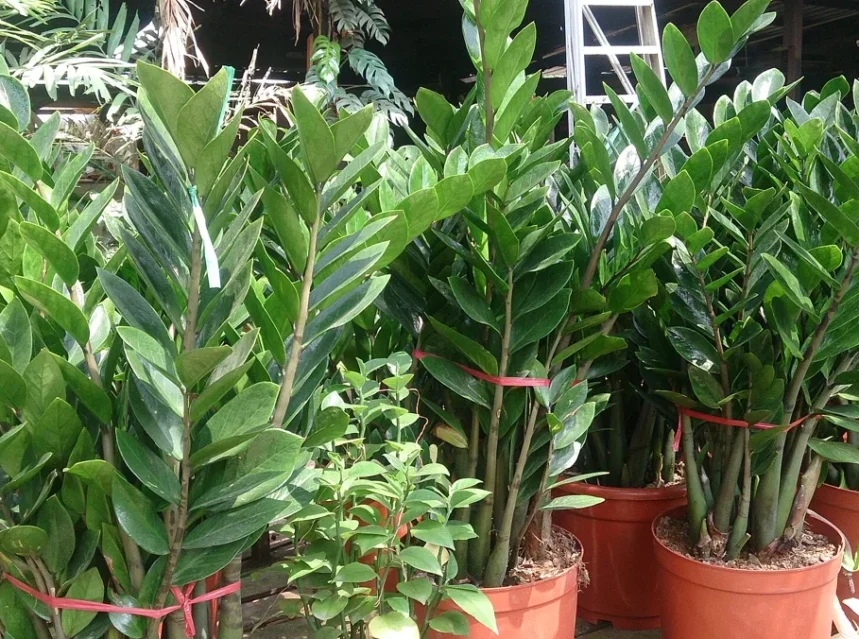 Several potted ZZ plants with upright glossy stems standing together
Why is my ZZ plant not growing? Often nothing is wrong — a ZZ plant is naturally slow, sending up only two or three new stems a year, in spurts. Too little light, winter rest, cramped roots and overwatering slow it further.
Quick answer: If your ZZ looks healthy but grows little, that is normal. To speed it up, give it brighter, indirect light and feed it lightly in spring and summer. Match the cause below and act on it.
🧰 In a hurry? Jump straight to our tested picks for this guide ↓
Why is my ZZ plant not growing? Quick diagnosis
| What you see | Most likely cause |
|---|---|
| Healthy plant, just a few new stems a year | Normal slow growth |
| No new growth and it sits in a dim spot | Too little light |
| No new stems in autumn or winter | Seasonal rest |
| Stalled growth with rhizomes filling the pot | Root-bound |
| No growth with soft, yellowing stems | Overwatering and rot |
| Slow, pale growth over a long time | Underfed |
Is it just slow by nature?
First, know that ZZ plants are simply slow. A healthy plant may send up only two or three new stems a year. These often appear in sudden spurts, not steadily.
So a ZZ that looks green and firm but grows little is usually fine. The Our Houseplants guide confirms this naturally slow pace. Patience is often all it needs, as our ZZ plant care guide explains.
Light: the number one way to speed it up
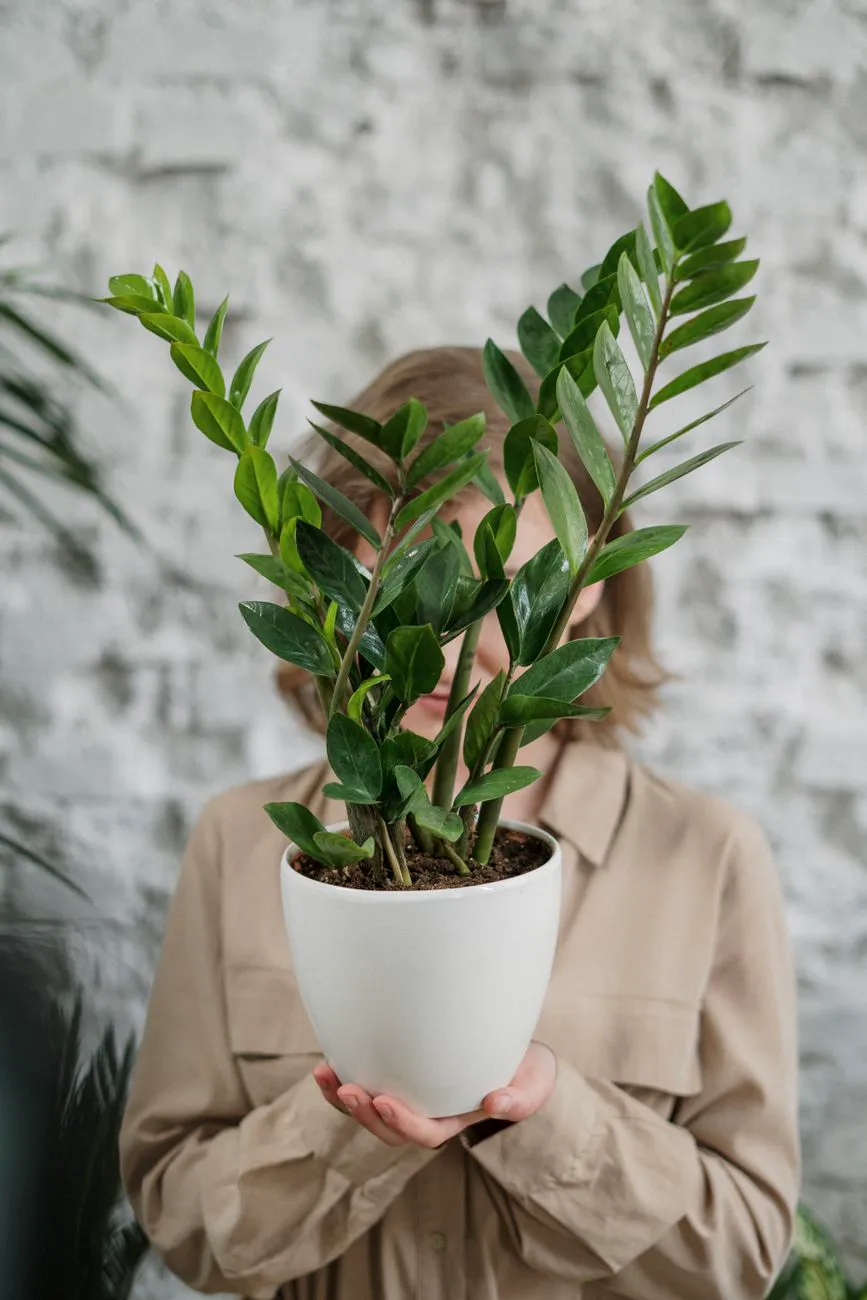
Light drives ZZ growth more than anything else. A ZZ survives in low light, but it grows very slowly there to save energy. So it will not push out new stems in a dark corner.
The fix is more light. Move it near a north or east window for bright, indirect light. The Practical Planter guide links low light to stalled ZZ growth. A grow light helps in a dim room, as our grow light guide covers.
Season and root-bound roots
Season matters a lot. A ZZ grows in spring and summer, then rests in autumn and winter. So a stall in the cold months is completely normal, and growth resumes as the days lengthen.
Cramped roots slow it too. A ZZ grows from thick rhizomes that multiply and fill the pot. When they run out of room, the plant stops growing. So repot a root-bound ZZ up one pot size in spring, as our potting soil guide covers.
The Royal Horticultural Society recommends bright, indirect light and careful, sparing watering for zamioculcas.
Water and root health
Overwatering stalls a ZZ and can kill it. This plant stores water in its rhizomes and hates wet feet. So soggy soil rots the roots, and a rotting plant cannot grow.
The fix is to water less. Let the soil dry out fully between waterings, then soak it well. Treat a mushy base as root rot, and check timing with our watering guide. Dry spells suit a ZZ far better than constant moisture.
Feed a hungry ZZ
A little feed helps a ZZ grow. It is not a heavy feeder, but a starved plant grows even slower. So feed it lightly during spring and summer.
Use a balanced houseplant fertiliser once a month in the growing season, then stop in winter. Our fertiliser guide explains the amounts. The same slow, steady care suits other tough plants, as our pothos growth guide shows.
ZZ plant not growing in India
Two things slow ZZ plants in India: dim indoor corners and overwatering.
ZZ plant is a tough, popular houseplant across the country. But in a dark corner it barely grows, so give it a bright spot near a window with filtered light. It rots easily if overwatered, especially in the humid monsoon, so water much less then. Feed it lightly in the warm season, when it grows best. The warm climate suits it well. Our ZZ plant guide has more.
How to get a ZZ plant growing
- Accept that ZZ plants are slow, with only a few new stems a year.
- Move it into bright, indirect light, or add a grow light.
- Be patient in winter, as growth naturally rests then.
- Repot a root-bound plant up one size in spring.
- Water only when the soil is fully dry, and never leave it soggy.
- Feed lightly once a month in spring and summer.
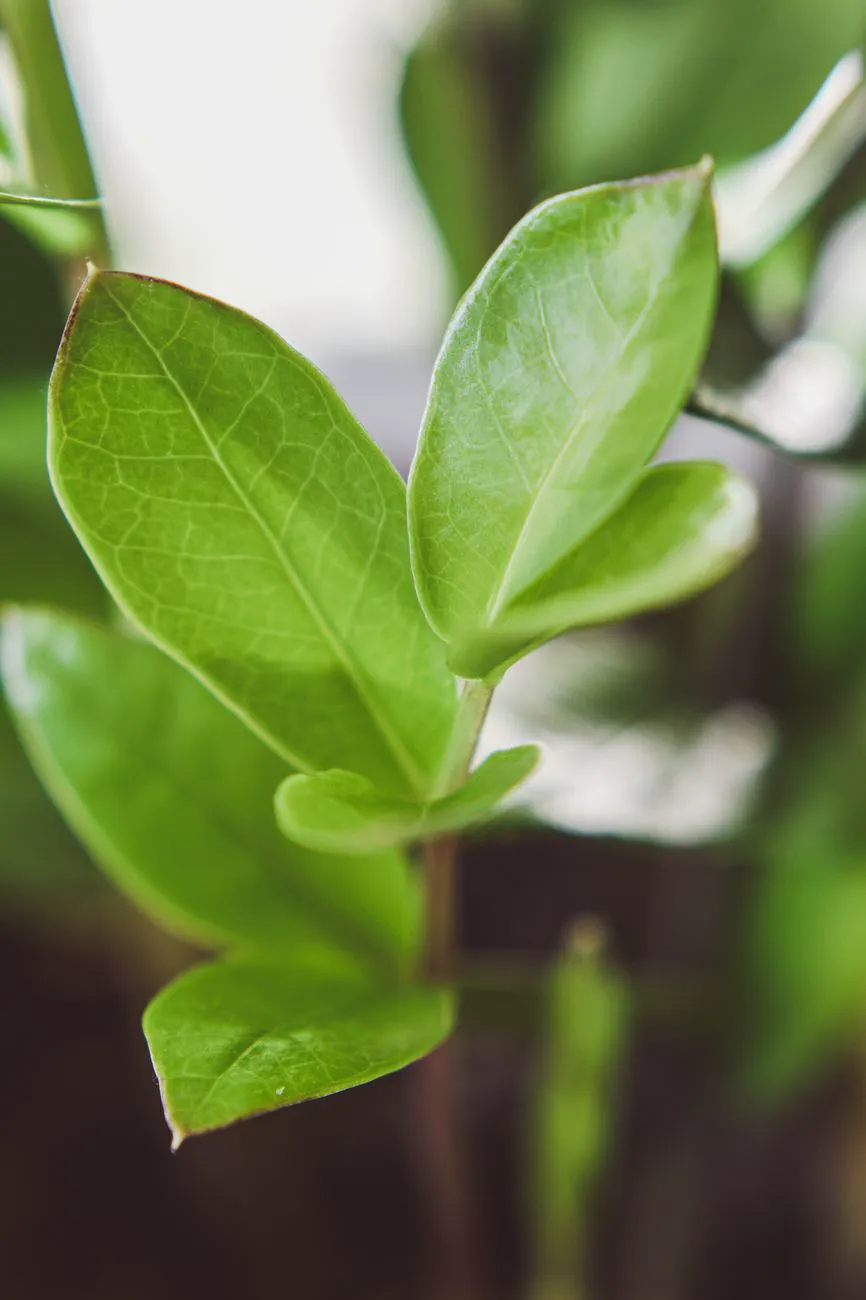
Fresh green stems pushing up from the soil in the warm months are the sign your ZZ is growing well.
Frequently asked questions
How fast should a ZZ plant grow?
Slowly. A healthy ZZ plant usually sends up only two or three new stems a year, often in sudden spurts rather than steadily. So little visible growth is normal. Bright, indirect light and a light feed in the growing season give you the most new stems.
How do I make my ZZ plant grow faster?
Give it brighter, indirect light, which is the biggest factor. Feed it lightly once a month in spring and summer, and repot if it is root-bound. Keep the soil on the dry side. Even then, a ZZ grows slowly by nature, so patience helps.
Do ZZ plants stop growing in winter?
Yes, and it is normal. ZZ plants grow in spring and summer, then rest in autumn and winter. Keep it warm and lit, ease off water and feed, and wait. New stems return naturally as the days lengthen in spring.
Does a root-bound ZZ plant stop growing?
It can. A ZZ grows from thick rhizomes that multiply and fill the pot. When they run out of room, the plant shifts energy from growth to survival. If roots press the pot walls or push it out of shape, repot up one size in spring.
Why is my ZZ plant not pushing out new shoots at all?
New shoots come from the rhizomes below the soil, not from the existing stalks. If the rhizomes are storing energy rather than spending it, nothing appears above ground. The usual reasons are dim light, a cool room, soil kept slightly damp all the time, or a plant that has just been moved. Give it the brightest indirect spot you have, let the soil dry fully between waterings, and expect the first spear within a couple of months.
My ZZ plant is not growing but it also looks healthy. Should I worry?
No. A ZZ that holds firm, glossy leaves and simply sits still is coasting, not dying. This species evolved in seasonally dry East African woodland, so pausing through poor conditions is its normal survival mode. Check that the rhizomes feel firm and the leaves are not wrinkling. If both are fine, improve light and warmth and wait for the next flush rather than watering or feeding more.
Why did my ZZ plant stop growing after repotting?
Repotting resets the plant. Roots are disturbed, and for several weeks the rhizomes rebuild the root system before they invest in leaves. A pot that is much too large makes the pause longer, because the plant fills the space below the soil first. Go up only one pot size, avoid feeding for six to eight weeks, and keep watering light. Growth usually resumes within one to three months.
Is it normal for new ZZ growth to be pale, light green?
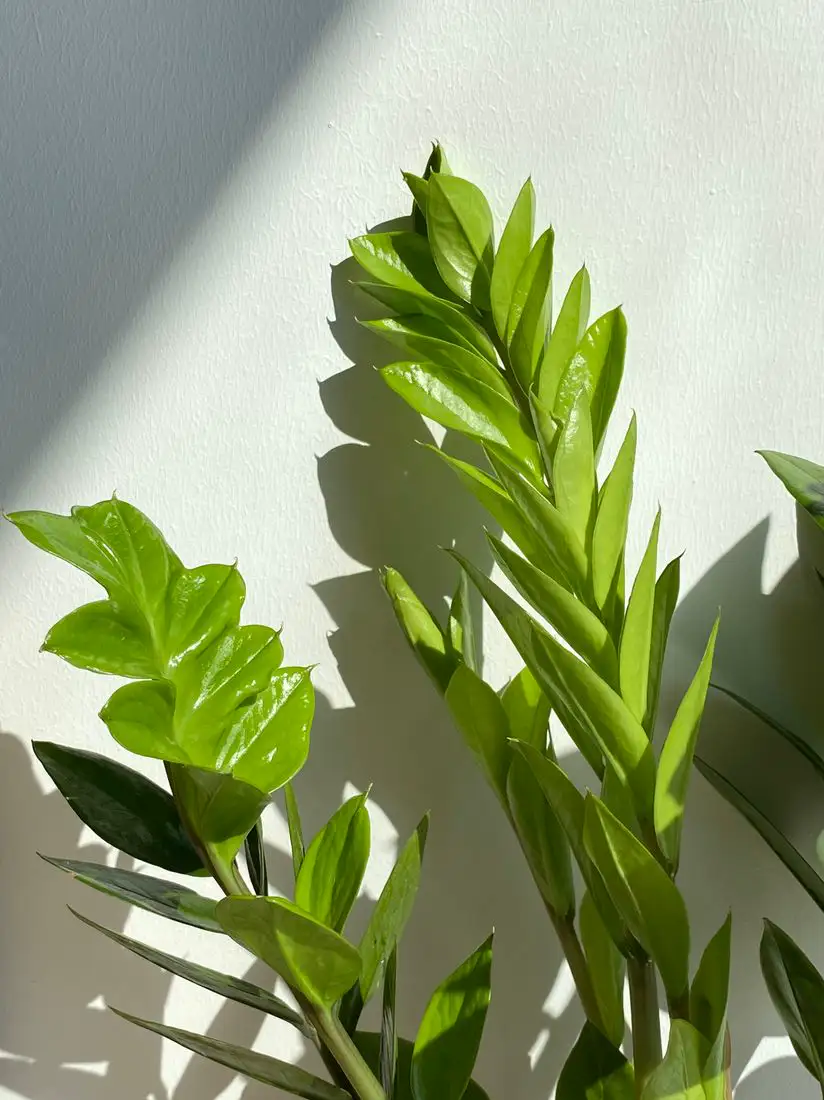
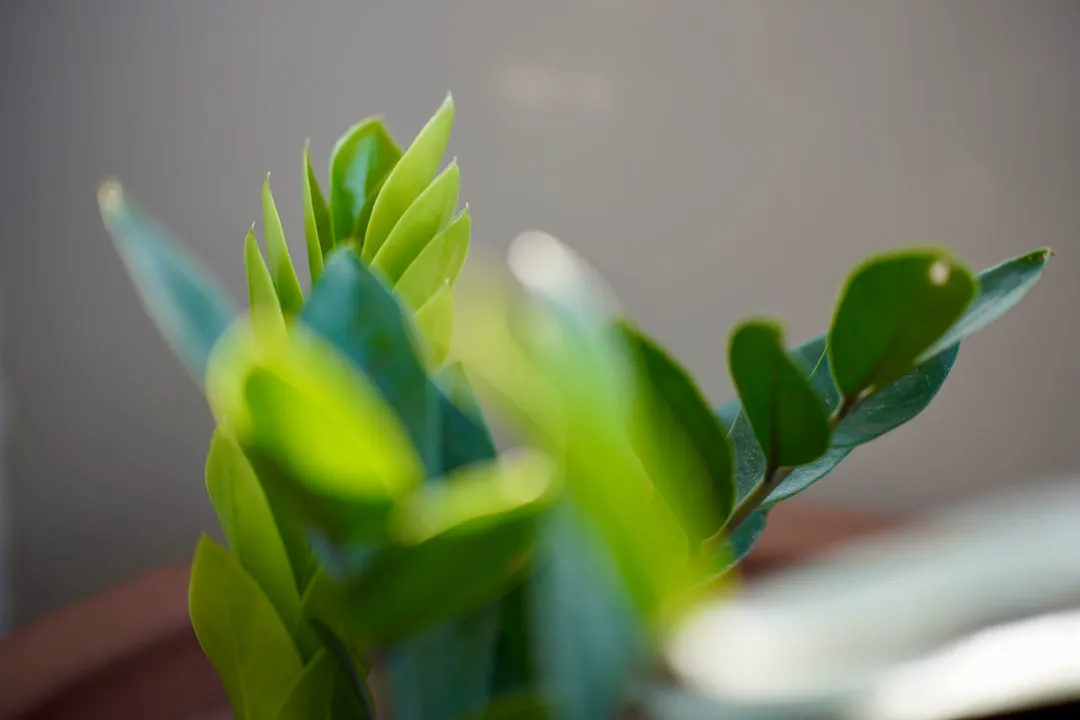
Yes, and it is a good sign. Fresh spears and young leaflets emerge a soft lime green and darken over several weeks as chlorophyll builds up. Do not treat this as a nutrient problem. Worry only if the pale colour spreads to older, previously dark leaves, or if the new growth stays limp and thin, which usually points to too little light rather than a missing feed.
Why is my new ZZ spear not unfurling its leaves?
A spear can take several weeks to open, so patience comes first. Slow unfurling usually means low light, very dry air, or soil that has been bone dry for too long during the push. Move the plant somewhere brighter, water normally once the mix is dry, and leave the spear alone. Never peel it open by hand, because the leaflets are fragile and tear.
How much light does a ZZ plant need to actually grow rather than just survive?
Survival and growth need very different light levels. A ZZ tolerates a dim corner for months, but it only produces new stalks in bright, indirect light, such as a metre or two from an east or north facing window. In low light it may add one shoot a year. Move it closer to a window, or add a simple grow light for eight to ten hours a day, and the difference shows within a season.
My ZZ cutting has not rooted after months. Is it dead?
Probably not. Leaf cuttings are famously slow and often need six to twelve months to form a small rhizome, while stalk cuttings root faster. Gently lift one cutting and look for a pea sized swelling at the base. If the cut end is firm and that lump is forming, it is working. Discard only cuttings that have gone brown and soft. Keep the mix barely moist and the pot warm.
Does hot Indian summer or monsoon weather stall ZZ growth?
It can, at both extremes. In peak summer heat above roughly 35 degrees Celsius the plant conserves water and slows down, especially on a bright balcony. During the monsoon, soil stays wet and light drops, so growth also pauses. The strongest flushes usually come in the milder weeks either side of those seasons. Shift the pot into filtered light in high summer, and water far less often once the rains set in.
Sources and further reading
Related guides
- ZZ plant care guide
- Why is my ZZ plant drooping
- Why is my ZZ plant turning yellow
- Why does my ZZ plant have brown tips
- Best grow lights
- How often to water plants
Still stuck? Ask the Plant Doctor
Describe the problem — yellow leaves, holes, no flowers — and get a clear answer in seconds. FreeAI can make mistakes. Answers are guidance, not a guarantee — check anything important against the guide it links to, and always read the label on any product before you use it.