Best Asparagus Seeds
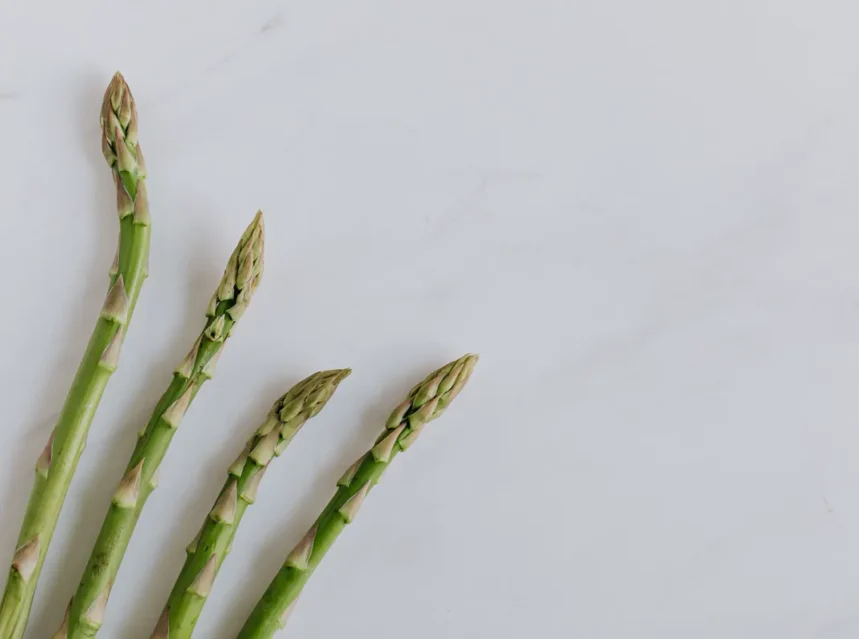
The best asparagus seeds grow a long-lived perennial that can crop tender spears every spring for twenty years or more, rewarding a little early patience with decades of harvests. Few vegetables give so much for so long.
Asparagus is a hardy perennial, Asparagus officinalis, grown for its tender young spears. Once a bed is established, it returns faithfully each spring for many years.
🧰 In a hurry? Jump straight to our tested picks for this guide ↓
Quick start
- Type: Long-lived perennial vegetable
- Grow from: Seed or crowns
- Plant: Spring, in a permanent bed
- Soil: Deep, rich, free-draining
- Sun: Full sun
- Harvest: Spears in spring, from year three
Asparagus belongs to the family Asparagaceae. For background, see asparagus on Wikipedia and the RHS guide to asparagus.
Asparagus seeds or crowns?
You can start asparagus two ways. Both lead to the same long-lived bed.
Crowns are one-year-old roots, ready to plant. They give a slightly faster first harvest.
Seed is much cheaper and offers more choice. It just takes an extra year to reach cropping size.
So crowns suit the impatient, seed suits the thrifty. Either way, you build a bed that lasts decades. Our asparagus guide has more.
Why grow asparagus?
Asparagus is a true gourmet treat. Fresh spears taste far sweeter than shop-bought ones.
It is also remarkably long-lived. One good bed crops for twenty years or more.
The spring harvest is a yearly highlight. Spears appear just as the garden wakes up.
It needs space but little fuss once settled. Like globe artichoke, it earns its permanent spot.
Asparagus at a glance
| Feature | Detail |
|---|---|
| Botanical name | Asparagus officinalis |
| Family | Asparagaceae |
| Common names | Asparagus, garden asparagus |
| Grown from | Seed or crowns |
| Edible part | Young spring spears |
| Lifespan | 20 years or more |
| Light | Full sun |
| Type | Long-lived perennial vegetable |
History, origin and how it reached India
Asparagus has been eaten since ancient times. The Greeks and Romans both prized its spears.
It grew wild around the Mediterranean and beyond. Cooks gathered it long before they farmed it.
It spread across Europe as a luxury vegetable. Settlers later carried it around the world.
In India it suits cooler hill gardens. It needs a cold or dry resting season to thrive.
Asparagus types to look for
Asparagus comes in green, white and purple forms. Modern all-male hybrids crop heavily.
| Type | Notes |
|---|---|
| Green asparagus | The classic; grown in full light |
| White asparagus | Blanched under soil; mild and tender |
| Purple asparagus | Sweet, tender spears with a rich colour |
| All-male hybrids | Heavy croppers; no seedling weeds |
Choose fresh seed or healthy, plump crowns. Dry or damaged crowns establish poorly.
Asparagus seed facts: soaking, warmth and spacing
Asparagus seed has a hard coat and germinates slowly enough that many gardeners assume the packet was dead. Soaking first, and giving it real warmth, makes the difference.
| Seed detail | What to expect |
|---|---|
| Seed viability | About 3 years |
| Pre-treatment | Soak 24–48 hours in warm water |
| Sowing depth | 1–2 cm |
| Germination temperature | 21–25°C; much slower below 18°C |
| Time to emerge | 14–21 days, sometimes longer |
| Final spacing | 45 cm in the permanent bed |
| Seed to first cut | Three growing seasons |
Best season and when to plant
Asparagus is planted in spring. So prepare the bed as the soil warms.
In the US and UK, set crowns out in early spring. Sow seed under cover a little earlier.
In India, grow it in cooler hill regions. It needs a clear resting season each year.
Plant it where it can stay for years. Choose the site carefully, as it will not move.
How to grow asparagus from seed
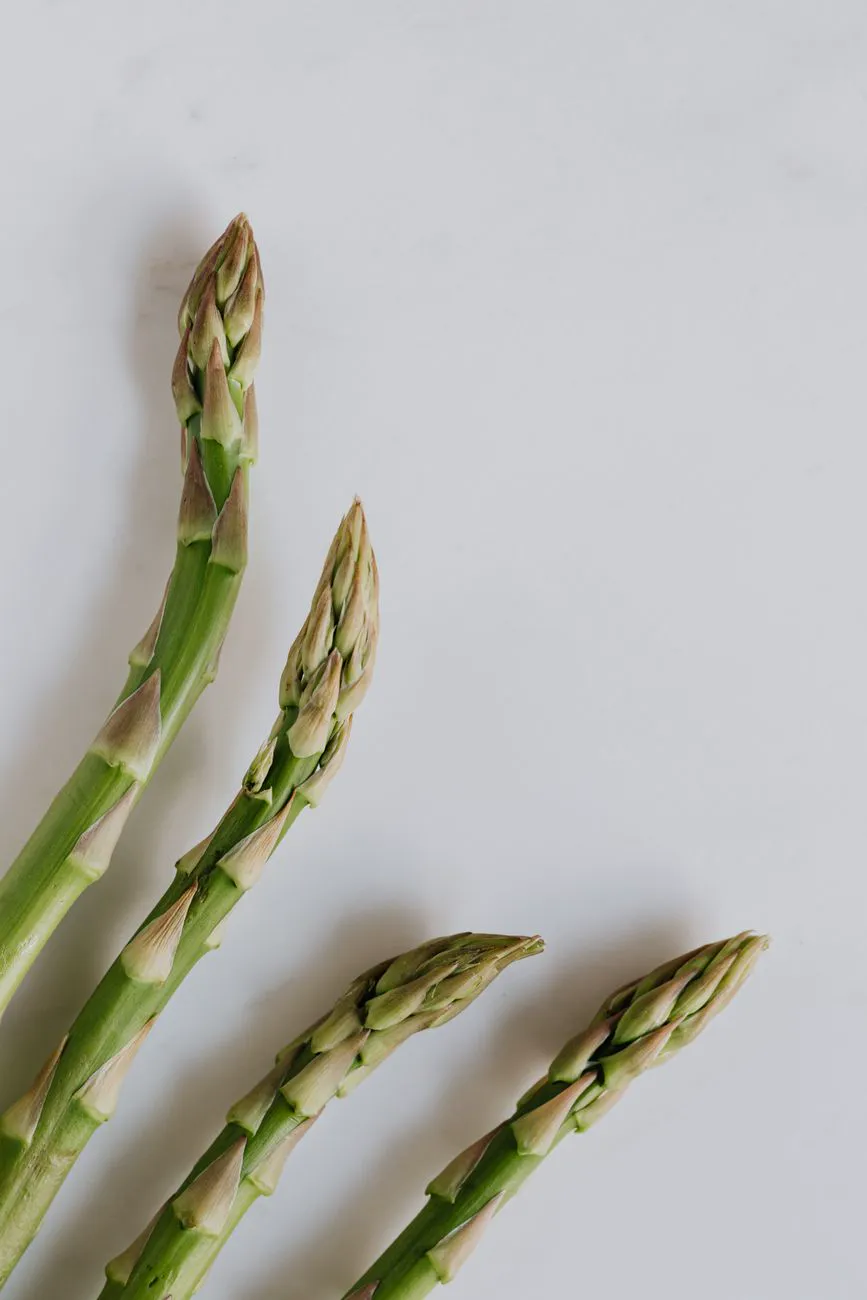
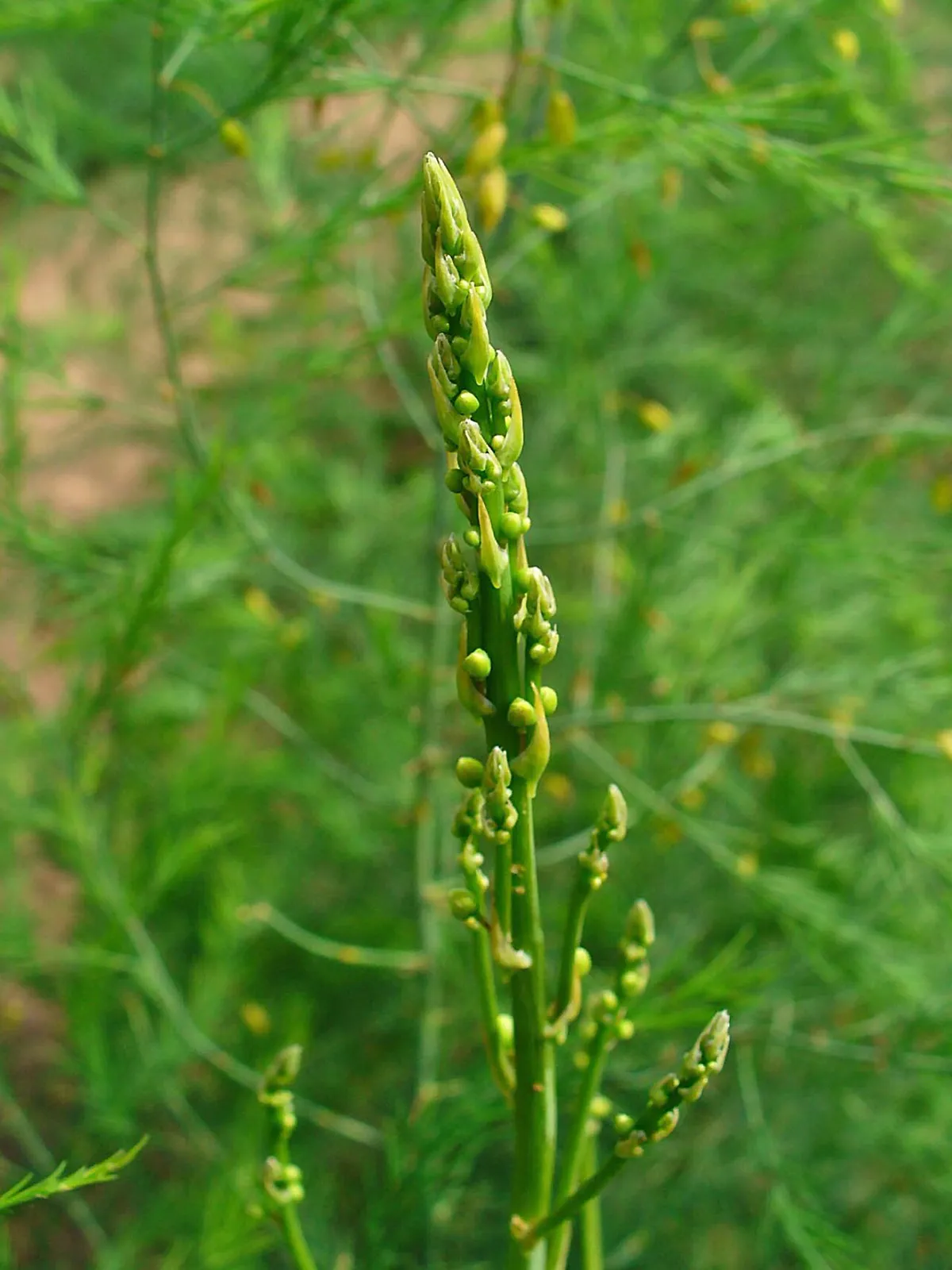
Growing from seed takes patience but works well. The seedlings start as fine, ferny shoots.
- Sow seed indoors in early spring.
- Grow the young plants on for a year.
- Prepare a deep, weed-free permanent bed.
- Plant the young crowns about 30 cm apart.
- Let them build strength before harvesting.
The wait is real but worth it. Like other slow perennials such as cardoon, early patience pays off for years.
Sun, soil, watering and feeding
Asparagus needs full sun and free-draining soil. Wet ground is its biggest enemy.
Dig the bed deep and add plenty of compost. A rich, open soil grows strong crowns.
Water well while plants are young. Established beds cope with some drought.
Feed each spring and again after harvest. A yearly mulch keeps the bed productive, much like leeks enjoy rich ground.
Why the first harvest waits
This is the golden rule with asparagus. Do not cut spears in the first couple of years.
Young plants need to build deep, strong roots. Cutting too soon weakens the whole bed.
Let the ferny growth feed the crowns instead. From year three, you can harvest for decades.
Common pests and diseases
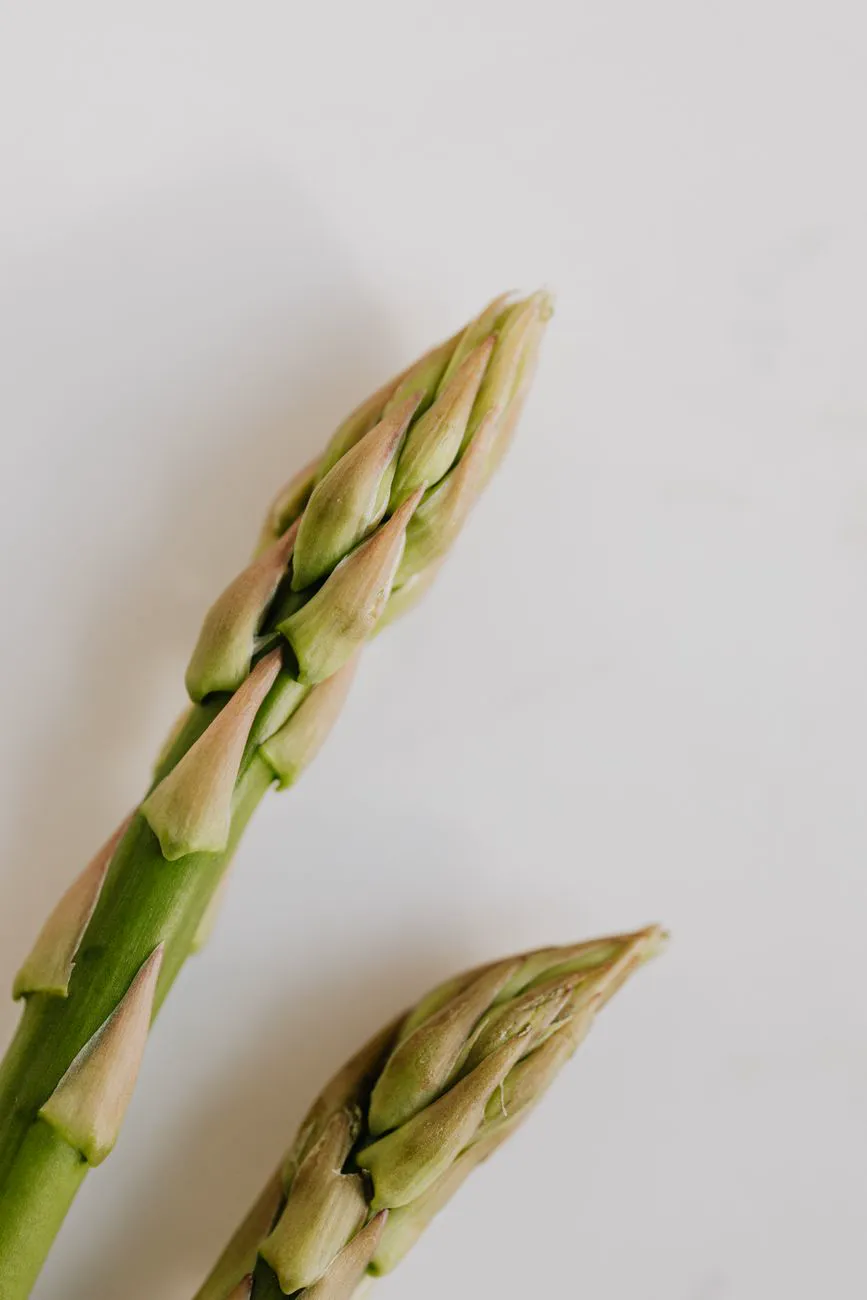
Asparagus is fairly robust once settled. A few problems can appear.
- Asparagus beetle: Chews spears and ferny foliage.
- Slugs: Nibble tender young spears.
- Crown rot: In wet, poorly drained beds.
- Rust: An orange fungus on the foliage.
Good drainage and airflow prevent most issues. Pick beetles off by hand early, as with many pea pests.
Harvesting asparagus
Harvest spears in spring from year three. Cut them when about 15-20 cm tall.
Slice each spear at or just below soil level. Use a sharp knife to avoid damaging others.
Harvest for around six to eight weeks. Then stop and let the bed grow ferny.
The summer foliage rebuilds the crowns. This feeds next spring’s crop of spears.
Cut the yellowed ferns back in late autumn. This tidies the bed and limits pests over winter.
Uses in the kitchen
Asparagus is a spring delicacy. Its sweet spears need very little cooking.
Steam, roast or griddle them lightly. A drizzle of oil and a squeeze of lemon is plenty.
They shine in salads, tarts and pasta. Their flavour is best when very fresh.
Use spears soon after cutting. Their sweetness fades faster than a stored beetroot.
This article is for gardening information only and is not health or medical advice. For dietary guidance, consult a qualified professional.
7 tips for the best asparagus
A few simple habits give a long, productive bed. Follow these for years of spears.
- Choose fresh seed or plump crowns.
- Plant in deep, free-draining soil.
- Pick a permanent, sunny site.
- Do not harvest for the first two years.
- Let the summer ferns feed the crowns.
- Feed and mulch the bed each year.
- Keep the bed weed-free always.
These steps suit most long-lived perennials. The same patient care helps crops like globe artichoke along.
Common problems
Most asparagus troubles come from wet soil or early cutting. Use this guide to fix them.
- Thin spears: Young or weak bed; let it build strength.
- Rotting crowns: Wet soil; plant in free-draining ground.
- Weedy seedlings: Female plants; grow all-male hybrids.
- Few spears: Over-cutting; stop harvest after eight weeks.
Companion planting and placement
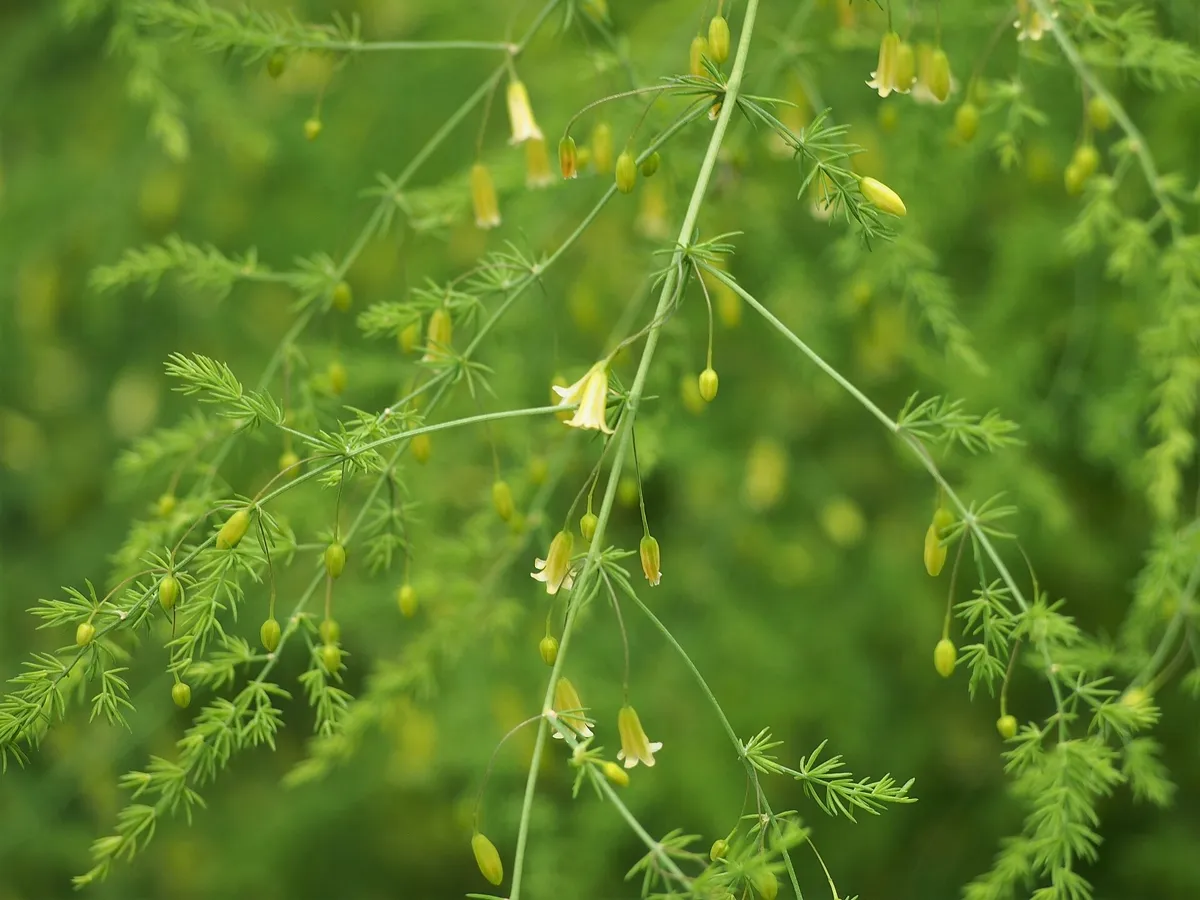
Asparagus suits a permanent bed of its own. Its long life makes it a poor fit for rotation.
Tomatoes make a classic companion. Each is said to help deter the other’s pests.
Edge the bed with parsley or basil. They use the space without crowding the crowns.
Keep hungry annuals out of the bed. Grow leafy crops like spinach elsewhere.
Growing asparagus in containers
Asparagus can grow in a very large container. It is not ideal, but it can work.
Choose the deepest, widest tub you can. Fill it with rich, free-draining compost.
Feed and water it well, and expect lighter crops. A few pots can still give a spring treat.
Spears vs sprue: what is the difference?
Both come from the same plant. The difference is simply spear thickness.
Fat, tender spears are the prized main crop. Thin, wispy spears are known as sprue.
Sprue is still delicious, just smaller. It often appears early or late in the season.
Frequently asked questions
Can you grow asparagus from seed?
Yes. Seed is cheaper and offers more choice, but it takes about a year longer to reach cropping size than crowns.
How long until asparagus crops?
Usually from the third year. Avoid harvesting for the first two years so the crowns can build strength.
Can I grow asparagus in India?
Yes, in cooler hill regions. It needs a clear cold or dry resting season each year.
How long does an asparagus bed last?
A well-cared-for bed can crop for twenty years or more, so it is well worth the early patience.
Asparagus is one of the most rewarding long-term crops a garden can hold. Whether you start with the best asparagus seeds or ready crowns, a little patience buys you decades of sweet spring spears. For more long-lived perennials, see our guides on globe artichoke, cardoon and tangy rhubarb.
Are male asparagus plants better than female?
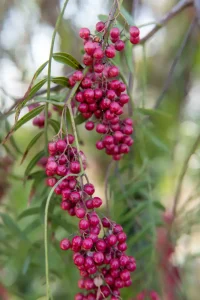
Yes, for eating. Female plants put energy into red berries and seed, so they send up fewer and thinner spears. Males crop noticeably heavier. Grown from seed you get roughly half of each, so most growers pull the females out once berries appear in the second autumn. Keep a couple only if you want to save your own seed. Modern all-male F1 varieties skip this step entirely.
How deep do you sow asparagus seed?
Sow about 1-1.5 cm (half an inch) deep in pots or a seedbed, spacing seeds 5 cm apart. Soak the seed in water for 24 hours first, as the coat is hard and dry seed germinates unevenly. Keep the compost at 20-25°C. Even then be patient: asparagus takes two to three weeks to appear, sometimes longer in cool soil.
How long before you can harvest asparagus grown from seed?
Wait until the third season. Year one grows a seedling, year two builds the crown, and the first light cut comes in year three. Take only a few spears that year and stop by mid-May. Cutting earlier or harder starves the crown and weakens the bed for good. A well-fed bed then crops for 15-20 years, so the wait pays back.
Should you soak asparagus seeds before planting?
Yes. A 24-hour soak in room-temperature water softens the hard seed coat and makes germination faster and more even. Some growers soak for 48 hours, changing the water once. Do not soak longer than that, as the seed starts to ferment and rot. Sow straight after soaking while the seed is still swollen.
Do you cut back asparagus ferns?
Yes, but only once they turn yellow or brown in late autumn. The fern is the plant’s factory: while it is green it is feeding next year’s crown, so cutting it early directly reduces next season’s spears. Once it has yellowed, cut it to about 5 cm above the ground and clear the debris, which also removes asparagus beetle eggs overwintering there.
Is it better to grow asparagus from seed or crowns?
Crowns crop about a year sooner, which is why most gardeners buy them. Seed is far cheaper, gives a much wider choice of variety, and avoids the risk of importing disease with bought roots. Seed-raised plants also establish without the transplant shock crowns suffer. If you can wait the extra year, seed is the better long-term buy.
Can you grow asparagus in India?
Yes, but only where winters are genuinely cool. Asparagus needs a cold dormant rest, so it does well in Himachal Pradesh, Uttarakhand, the Nilgiris and other hill regions. In the plains it rarely gets the chilling it needs and the crown stays weak. Sow in spring in the hills and give the bed rich, free-draining soil, as it will occupy that ground for years.
Still stuck? Ask the Plant Doctor
Describe the problem — yellow leaves, holes, no flowers — and get a clear answer in seconds. FreeAI can make mistakes. Answers are guidance, not a guarantee — check anything important against the guide it links to, and always read the label on any product before you use it.