How to Grow Asparagus (A Perennial Harvest for Decades)
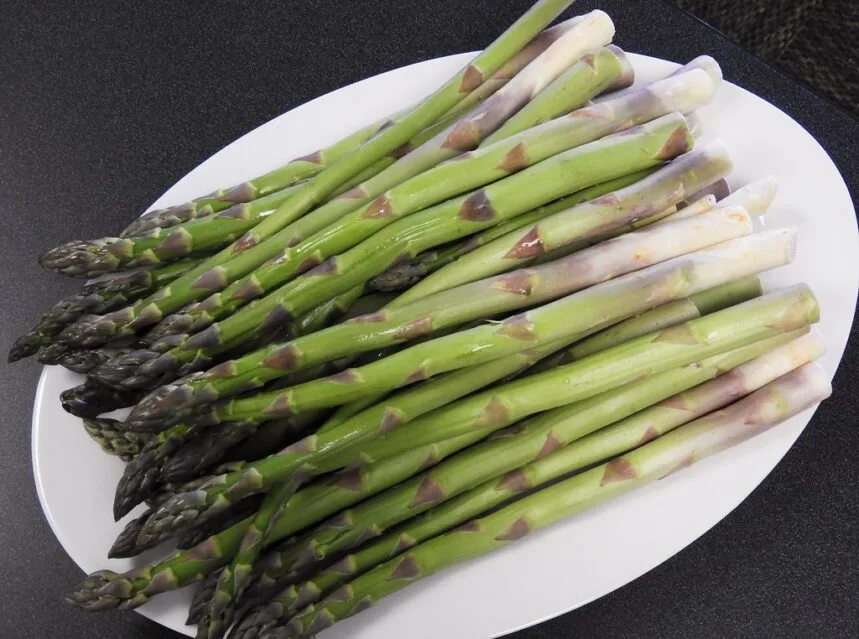
Asparagus (Asparagus officinalis) is a long-lived perennial vegetable grown for its tender green spring spears, cropping for decades from a single planting — the ultimate “plant once, harvest for years” crop. Once established, a bed sends up spears every spring for 15, 20, even 30 years. It demands one thing most vegetables do not, though: patience. You wait a couple of years for the first real harvest, but few crops reward that patience so richly. Here is the complete guide on how to grow asparagus.
Quick start: Plant one-year-old asparagus crowns in early spring in a deep, well-drained, full-sun bed you will not disturb. Do not harvest for the first two years, letting the plants build strong roots. From year three, enjoy spears every spring for decades.
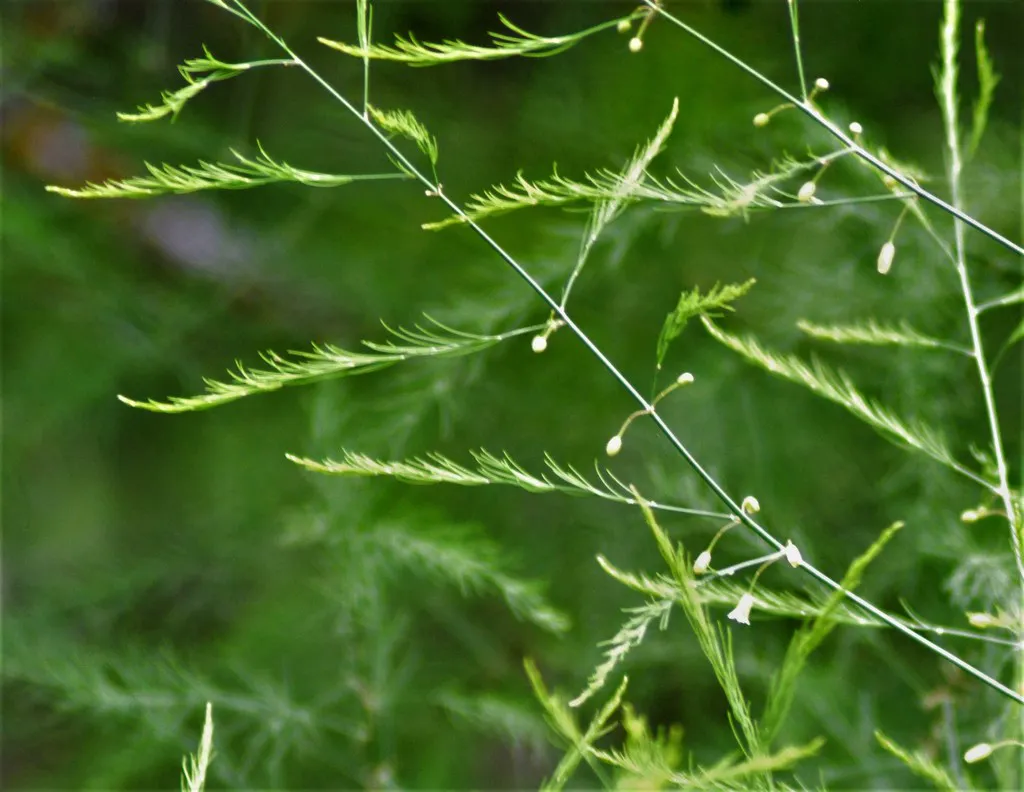
Asparagus is the ultimate patience crop, but few vegetables repay the wait so generously, cropping for twenty years or more from a single planting. The hard lesson every grower accepts is to resist cutting any spears for the first two or three years while the crowns build strength underground. A weed-free, free-draining bed is essential, as the crowns rot in waterlogged soil. After harvest, the ferny top growth is left to feed next year’s spears.
🧰 In a hurry? Jump straight to our tested picks for this guide ↓
Asparagus at a glance
| Feature | Detail |
|---|---|
| Botanical name | Asparagus officinalis (family Asparagaceae) |
| Plant type | Long-lived perennial vegetable |
| Grown from | One-year-old crowns (or seed) |
| Sun | Full sun (6–8 hours) |
| Soil | Deep, very well-drained |
| First harvest | Year three (be patient) |
| Lifespan | 15–30 years |
| Harvest | Spring spears, 6–8 in, tight tips |
Why grow asparagus?
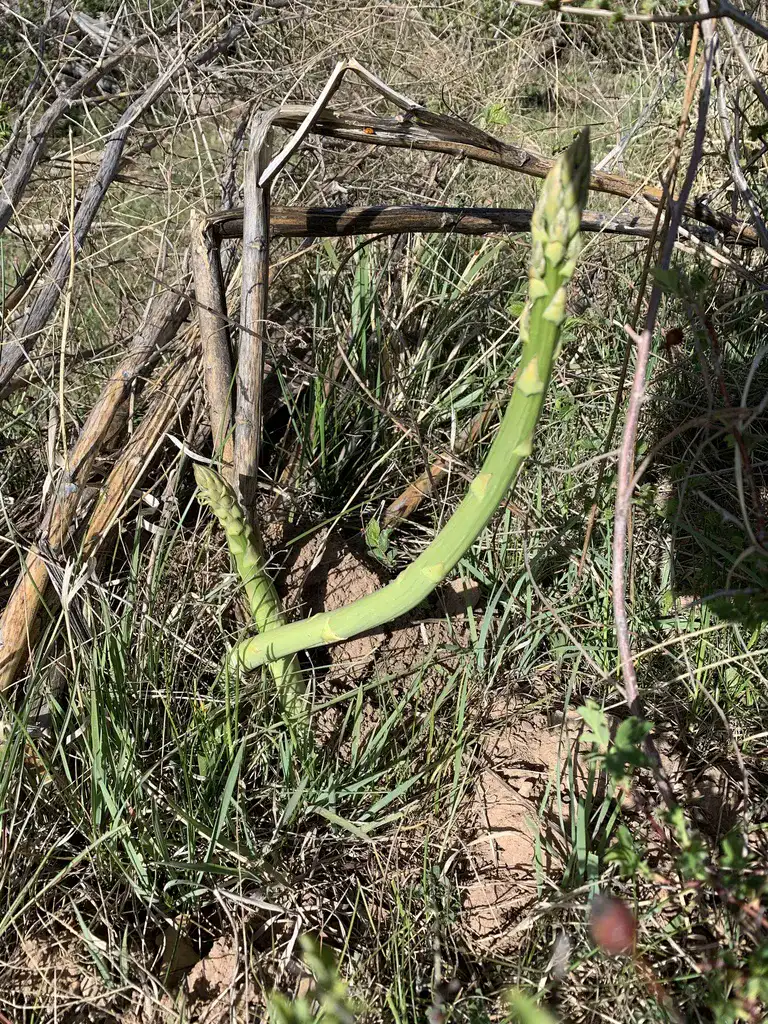
Asparagus is a long-term investment that pays off enormously. A few reasons to grow it:
- Decades of cropping. One well-made bed produces for 15–30 years.
- Superb flavour. Just-cut spears taste far better than shop-bought.
- Saves money. Fresh asparagus is expensive to buy.
- Low ongoing work. As a perennial, it fits a permanent corner with other perennials.
History, origin & where asparagus grows
Asparagus is native to most of Europe and western temperate Asia — the exact limits are disputed, because it has been moved around by people for so long (origin and history). How long? A recipe for cooking it survives in Apicius’s De re coquinaria from the 1st century AD, and Augustus is said to have used “faster than cooking asparagus” to mean anything done in a hurry — the spears cook quickly, and Romans already knew it. The ancient Greeks and Romans prized it as both a vegetable and a medicine, and the Romans even developed ways to preserve it. It has been a luxury crop for much of its history.
From the Mediterranean it spread across Europe and, with settlers, around the world. Its status as a gourmet spring treat has never faded. Each spring, “asparagus season” remains a genuine event for cooks and growers.
It is a temperate crop, and China is overwhelmingly the world’s largest producer, followed by Peru, Mexico and Germany. “Overwhelmingly” is not an exaggeration: of a world crop of about 8.9 million tonnes in 2024, China grew roughly 7.8 million tonnes, or 87% of the total, while Peru and Mexico managed around 330,000 tonnes each (see asparagus production by country, sourced from FAOSTAT). It grows best where plants get a cold or dry dormant period each year, with cool winters and well-drained soil. Gardeners in many climates can succeed with the right variety.
Best season & when to plant
Plant asparagus crowns in early spring, about 2–4 weeks before your last frost, while they are still dormant. You can grow from seed, but it adds a year, so most gardeners start with one-year-old crowns to harvest sooner. Because the bed is permanent, choose the site carefully from the start.
How to plant asparagus crowns
- Pick a full-sun spot (6–8 hours) with excellent drainage, as asparagus hates wet roots, toward the edge of the garden where it will not be disturbed.
- Dig a trench about 6–12 inches deep, enrich the bottom with compost (see improving garden soil and making compost), and set the crowns about 12 inches apart in rows around 5 feet apart, spreading the roots out.
- Cover lightly at first, then gradually backfill the trench as the spears grow.
The patience rule (don’t harvest too soon)
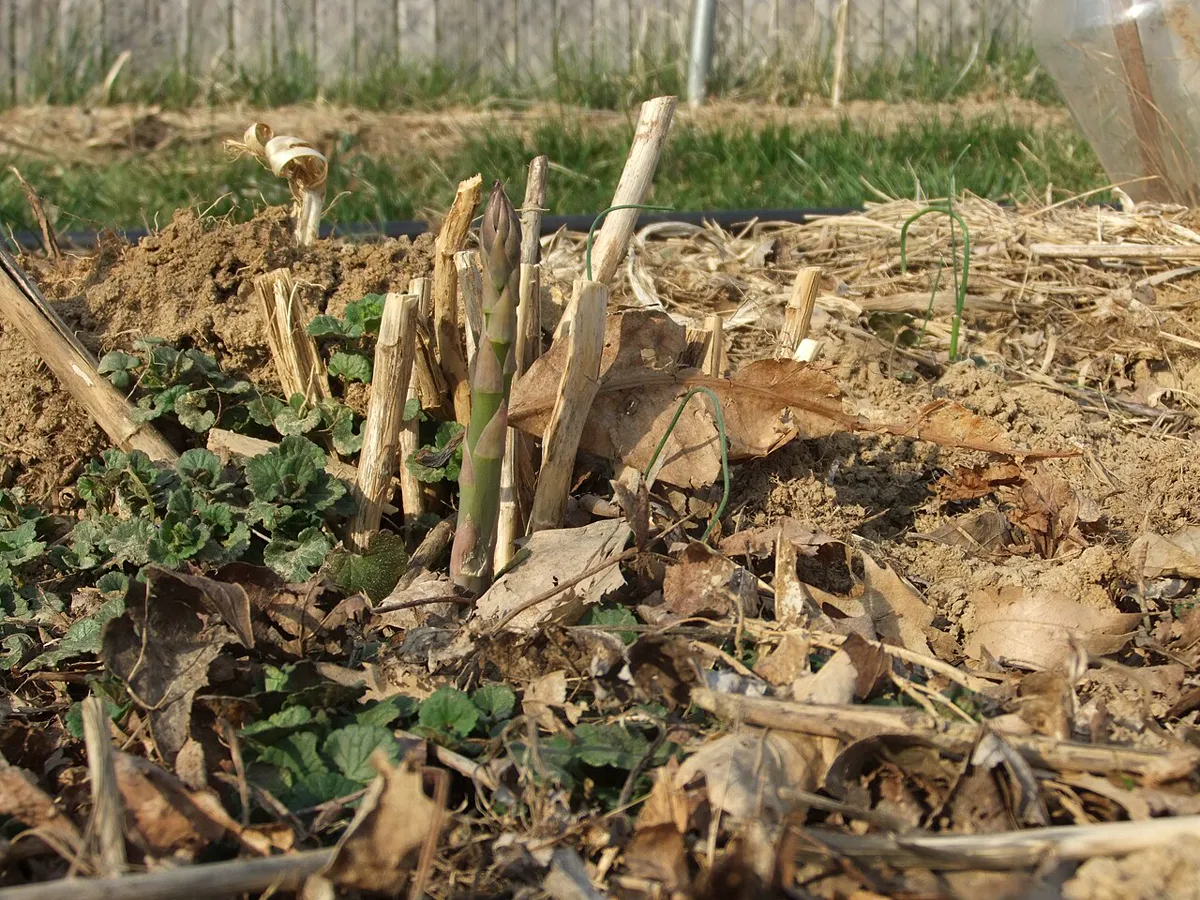
This is the single most important thing about asparagus: do not harvest in the first or second year. The young plants need that time to build a strong root system. Let the spears grow into tall ferny foliage, which feeds the roots. In year three, the bed comes into full production and you can harvest properly each spring. Harvesting too early permanently weakens the planting.
Sun, soil, watering & year-round care
Keep the bed weed-free, as weeds compete badly, watered in dry spells especially while establishing (see how often to water plants), and mulched. Each year, let the ferns grow all summer to fuel the roots, then cut down the dead foliage in late fall and side-dress with compost. That simple annual rhythm keeps the bed productive for decades.
Green, white and purple asparagus
Asparagus comes in more than the familiar green. A few types are worth knowing. So you can choose the spears you most enjoy.
Green asparagus is the standard, grown in full light and rich in flavour. White asparagus is the very same plant, simply blanched by mounding soil over the spears to keep out the light. Purple varieties are sweeter and more tender, with a striking colour that often greens when cooked.
For the home garden, green is the easiest and most productive choice. Try blanching a few spears for white asparagus as an experiment. All grow from crowns in the same patient way.
Looking after the bed for the long term
An asparagus bed is a long relationship, not a quick crop. A little yearly care keeps it cropping for decades. So a steady routine is the real secret to success.
Each spring, harvest the spears, then let the later ones grow into tall ferns. Through summer, those ferns feed and recharge the underground crowns. Keep the bed weed-free, watered in dry spells, and mulched to hold moisture.
In late autumn, cut down the yellowed ferns and tidy the bed. Top-dress it with compost or well-rotted manure to feed next year’s crop. This simple annual rhythm is all a healthy bed needs.
Common pests & diseases
The main pest is the asparagus beetle, which chews the spears and foliage — hand-pick the beetles and their dark eggs, and clear away old foliage in fall to remove overwintering sites (see controlling garden insects). Watch for rust and crown or root rot in poorly drained soil, as good drainage prevents most disease. See our organic pest control guide for safe options.
Harvesting asparagus
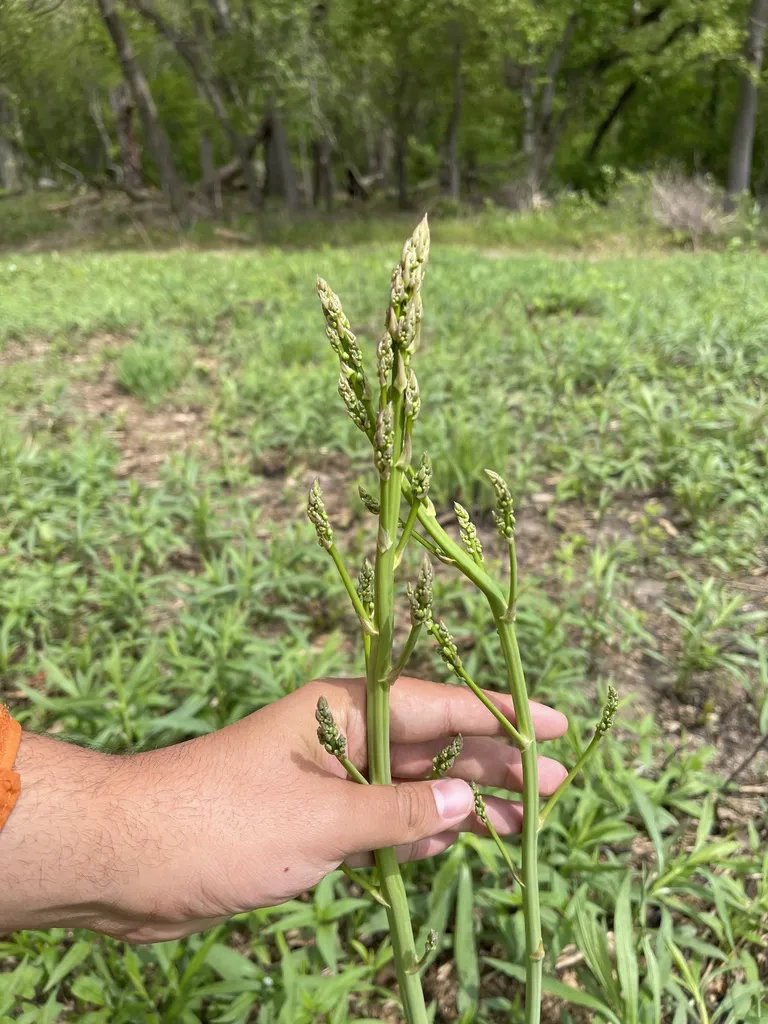
From year three, harvest the spears in spring when they are about 6–8 inches tall and the tips are still tight, snapping them at ground level or cutting just below the soil. Harvest over a window of a few weeks early on, extending to 6–8 weeks in a mature bed, then stop and let the rest grow into ferns to recharge the roots for next year. Pick every couple of days during the season, as spears grow fast.
Health benefits & uses
Asparagus is light at 20 kcal per 100 g, and the nutrient that stands out is vitamin K — 41.6 µg, about 35% of a day’s requirement. Folate follows at 52 µg (13%), with 2.2 g of protein and 2.1 g of fibre; vitamin C sits at only 6% despite how often it is listed (USDA record 168389). Asparagus also contains asparagusic acid, which digestion breaks into sulfur compounds — the reason for the famous smell, detectable within 15 to 30 minutes and gone within hours. The odd part is that producing it and being able to smell it are separate traits: a large share of people cannot detect it at all, so the dinner-table disagreement is real rather than imagined. Enjoy the spears roasted, grilled, steamed or stir-fried, shaved raw into salads, or in soups and risottos. Cook them soon after cutting, when they are sweetest.
This article is for general information only and is not medical advice. Talk to a qualified professional before using any plant medicinally.
Common asparagus problems
Thin, spindly spears
A young or stressed bed, overharvesting, or poor soil. Be patient in the early years, feed annually, and do not over-pick.
Crown rot
Wet, poorly drained soil. Plant in a raised, well-drained bed.
Chewed spears and foliage
Asparagus beetle. Hand-pick the beetles and eggs and clear old foliage in fall.
Related plant guides
- How to grow Apple
- How to grow Leeks
- How to grow Raspberry
- How to grow Celery
- How to grow Globe Artichokes
- How to grow Cabbage
Frequently asked questions
How long until I can harvest asparagus?
Do not harvest for the first two years; full harvests begin in year three, then continue for decades.
How long does an asparagus bed last?
A well-tended bed can stay productive for 15–30 years, so choose the site carefully.
Should I grow asparagus from seed or crowns?
Crowns (one-year-old plants) are easiest and let you harvest a year sooner than starting from seed.
Why are my asparagus spears thin?
Often a young bed, overharvesting, or poor feeding. Let it mature, feed yearly, and stop harvesting in time each spring.
Can I grow asparagus in a warm climate?
It is best in regions with a cool or dry dormant season, but warm-climate gardeners can succeed with suitable varieties and a well-drained, sunny bed that gets a clear rest period.
What is the difference between male and female asparagus plants?
Asparagus is one of the few vegetables with separate male and female plants. Females put energy into red berries and seed, so they send up fewer but fatter spears and tend to be shorter-lived, and their dropped seed sprouts into weedy volunteer seedlings that crowd the bed. Males skip seed production entirely and give more spears, though slightly thinner ones. This is why modern all-male hybrids such as Jersey Knight and Millennium are the usual recommendation for a home bed.
How deep should I plant asparagus crowns?
Dig a trench about 8 inches deep, mound a low ridge of soil along the bottom and drape the roots over it with the bud end upwards. Then cover the crown with only about 2 inches of soil to start with, not the whole trench. As the spears grow through the summer, gradually pull more soil in until the trench is level. Burying a crown deeply in one go often smothers it before it can push through.
Why have my asparagus ferns turned yellow?
Yellowing in autumn is the normal end of the season, and it is exactly what you want to see. Those tall ferns spend the summer feeding sugars back down into the crown for next spring’s spears, so they must be left standing until they have properly yellowed and died off. Cut them down only after that, and clear the debris away to reduce overwintering pests. Ferns yellowing in midsummer are a different matter and usually point to rust, poor drainage or drought.
When should I stop harvesting asparagus each spring?
In the first cutting year, which is two years after planting crowns, harvest for only about 4 weeks. From the following year an established bed can be cut for 6 to 8 weeks. The practical signal to stop is spear thickness: once the spears coming through are consistently thinner than a pencil, the crown is running low on reserves, so stop cutting and let everything grow into fern. Cutting too long is the single most common reason a bed declines.
How do I keep weeds out of an asparagus bed?
Weeds are the biggest long-term threat because the bed stays in place for decades and the crowns sit too shallow for deep digging. Cultivate very shallowly in early spring before the spears appear, then lay 3 to 4 inches of straw, compost, pine needles or bark to smother anything that follows. Hand pull rather than hoe once spears are up, so you do not slice into the crown. Never let perennial weeds such as bindweed or couch grass establish, since removing them later means lifting the whole bed.
Can asparagus be grown in a container?
It can, but it is not a natural fit and yields are modest. You need a very large container, at least 45 to 60 cm deep and wide, one crown per pot, with rich free-draining compost and reliable watering. Even then a potted crown rarely lives as long or crops as heavily as one in open ground, and it needs protection from freezing solid in a cold winter. If you have any open soil at all, a permanent bed is a much better investment.
How much sun does asparagus need?
Full sun, ideally eight hours or more a day. The ferns need that light through the whole summer to build the reserves that produce next spring’s spears, so a shaded bed gives thin spears year after year no matter how well you feed it. Avoid siting it where tree roots compete or where a building throws afternoon shade. Good drainage matters just as much, since crowns rot in ground that stays wet in winter.
Still stuck? Ask the Plant Doctor
Describe the problem — yellow leaves, holes, no flowers — and get a clear answer in seconds. FreeAI can make mistakes. Answers are guidance, not a guarantee — check anything important against the guide it links to, and always read the label on any product before you use it.