How to Grow Angelonia (Summer Snapdragon)
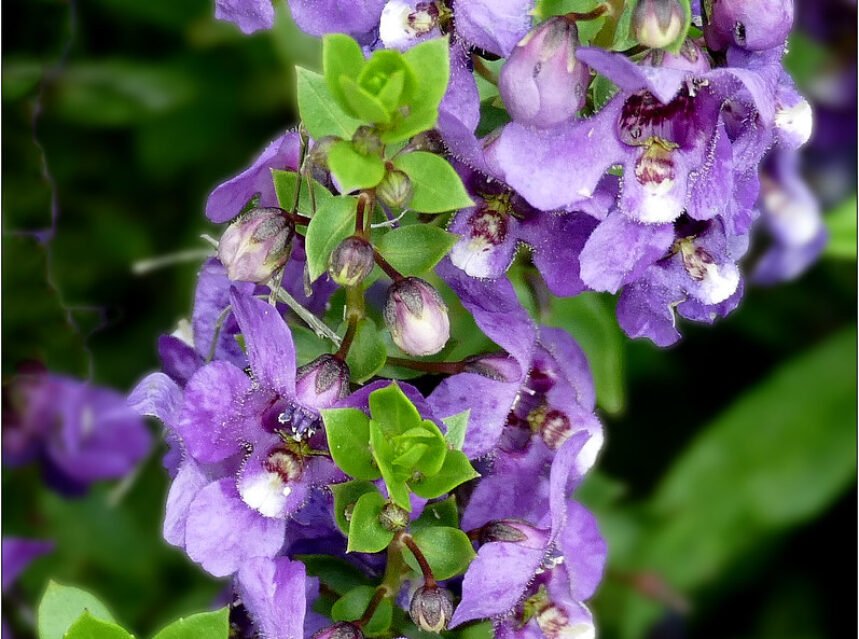
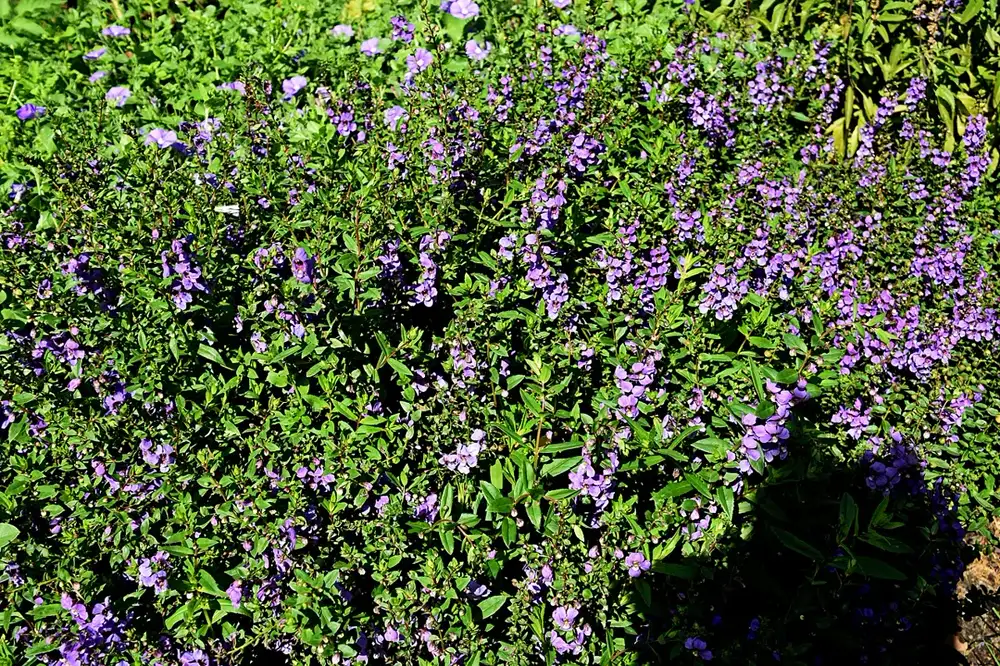
Angelonia (summer snapdragon) is a heat-loving flowering plant grown for its elegant spikes of small snapdragon-like blooms that last all summer — the plant to grow when summer heat defeats everything else. The spikes, in purple, blue, pink and white, keep coming right through the hottest, most humid weather. Unlike true snapdragons, it positively loves the heat. It is also self-cleaning, so there is no deadheading. Here is the complete guide on how to grow angelonia.
Quick start: Grow angelonia in full sun in rich, well-drained soil. Plant out once the weather is warm. Keep the soil consistently moist (it takes heat but not drought), feed lightly, and enjoy nonstop flower spikes all summer. No deadheading needed, as it is self-cleaning.
Angelonia keeps pots and borders looking fresh in the dead of summer, when much else flags. A common first-year mistake is to treat it like a true snapdragon and keep it dry. In fact it takes the heat but hates drying out, so kept watered it blooms nonstop until autumn. Best of all, it is self-cleaning and needs no deadheading. It also draws bees and butterflies through the hottest weeks of the year.
🧰 In a hurry? Jump straight to our tested picks for this guide ↓
Angelonia at a glance
| Feature | Detail |
|---|---|
| Botanical name | Angelonia angustifolia (family Plantaginaceae) |
| Common name | Summer snapdragon |
| Plant type | Heat-loving tender perennial / annual |
| Light | Full sun |
| Soil | Rich, mildly acidic, well-drained |
| Water | Consistently moist (not soggy) |
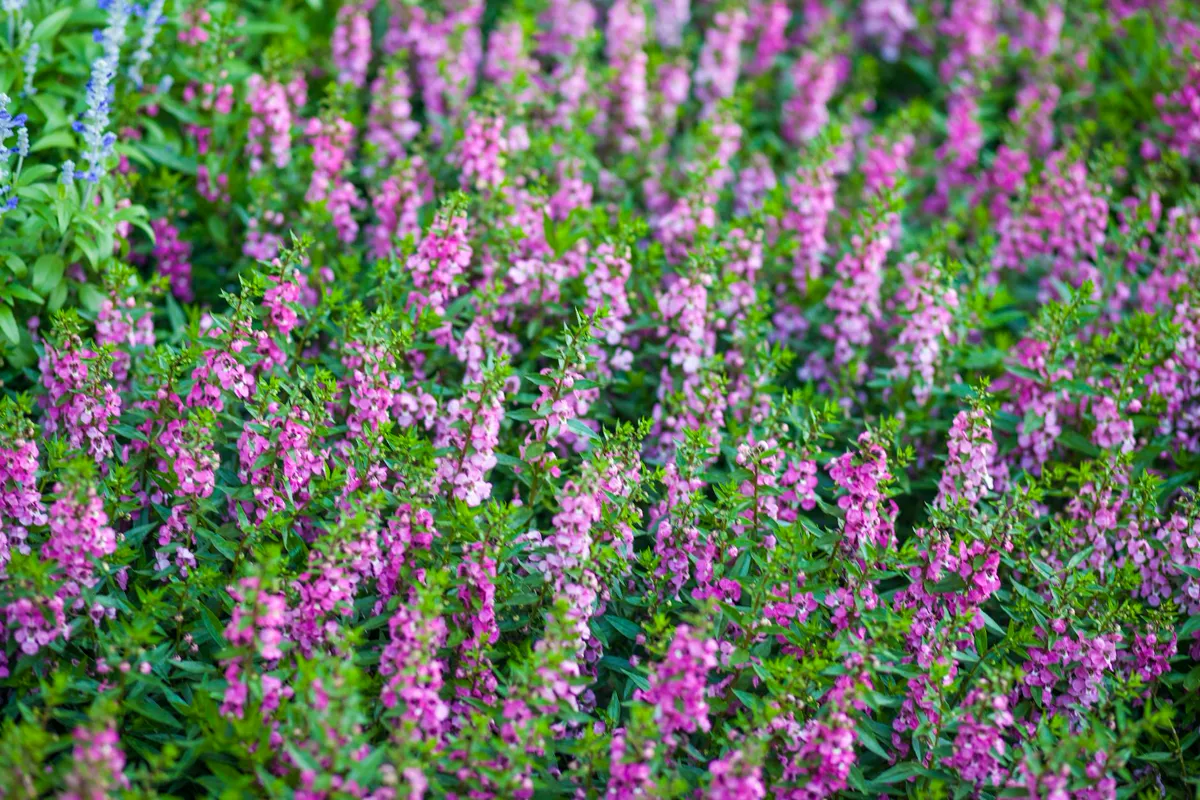
| Flowers | Purple, blue, pink, white; all summer |
| Bonus | Self-cleaning — no deadheading |
Why grow angelonia?
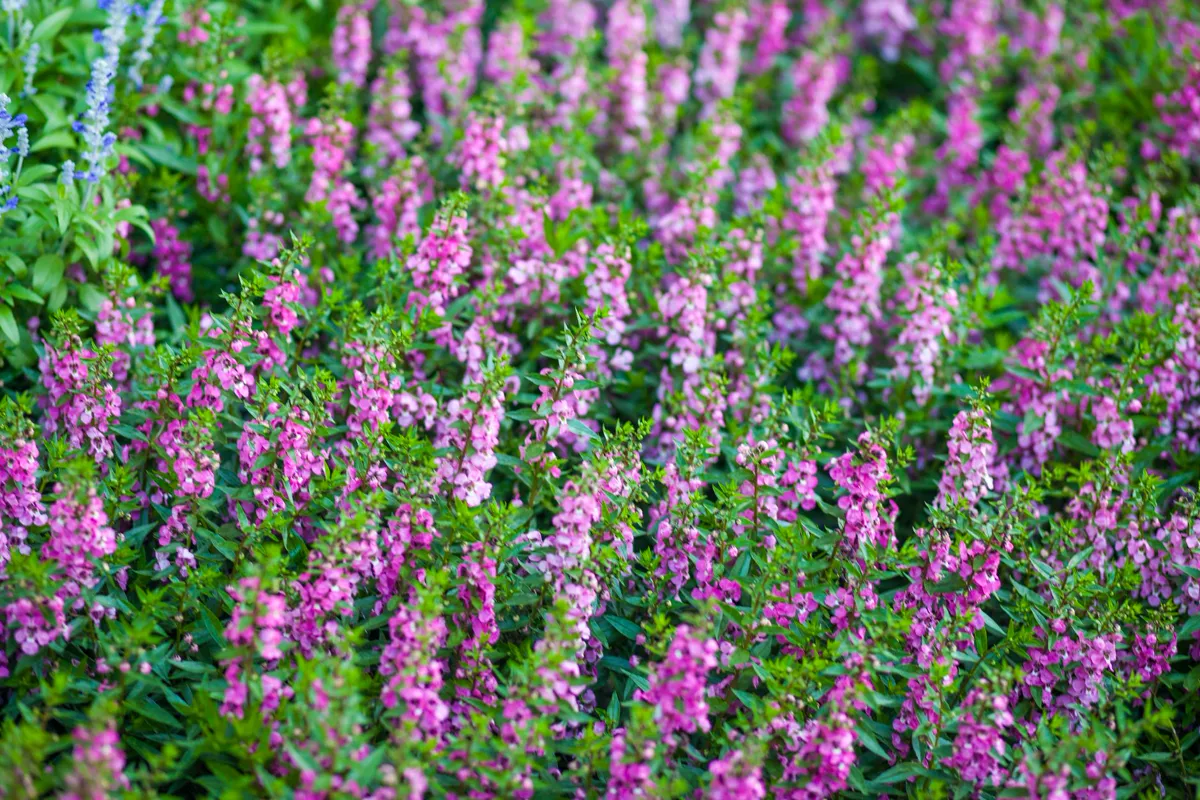
Angelonia delivers reliable, low-fuss colour in the hardest season. A few reasons to grow it:
- Thrives in heat. It blooms through peak summer heat and humidity.
- Self-cleaning. No deadheading is needed to keep it flowering.
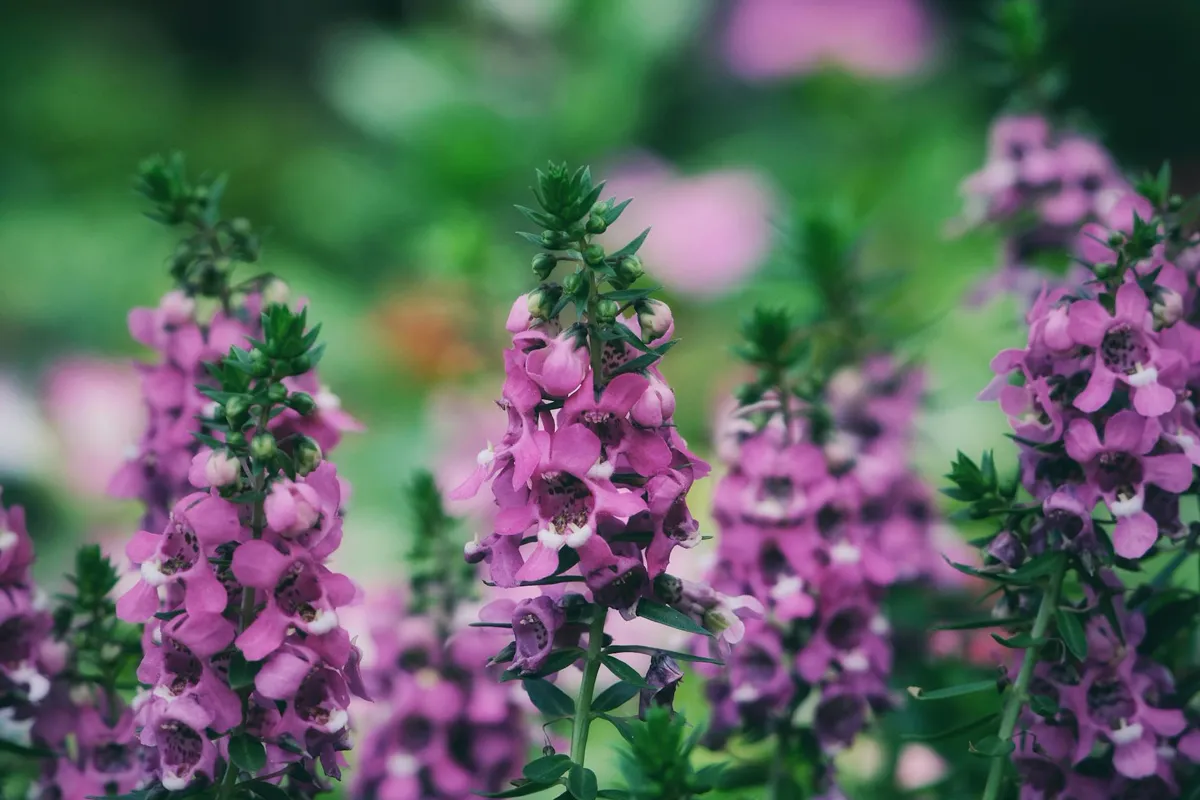
- Structural. The upright spikes add vertical interest to beds and pots.
- Tough. It is pest- and disease-resistant and draws pollinators.
History, origin & where angelonia grows
Angelonia is a genus of about 30 species running from Mexico to Argentina, most of them in the dry Caatinga forest of north-eastern Brazil (range and species). That origin is the whole explanation for how it behaves in a bed: it is a hot, dry-country plant, which is why it keeps flowering through weather that flattens most summer bedding. Its heat tolerance went largely unnoticed in gardens until modern breeding. Then plant breeders transformed it into one of the most popular summer bedding plants.
Today’s compact, free-flowering series come in a wide range of colours. They earned the nickname “summer snapdragon” for their spike shape. Unlike the true snapdragon, though, angelonia revels in heat rather than cool weather.
It thrives where summers are hot and humid (see the Royal Horticultural Society). In cold climates it is grown as a warm-season annual, and as a tender perennial in frost-free regions. This heat-loving nature makes it superb for Indian summers.
Best season & when to plant
Plant angelonia out after the last frost, once the weather has warmed up. It grows and blooms best as the summer heat builds, flowering continuously from late spring or early summer until frost. It is frost-tender, so it is a warm-season plant, perfect for filling the hot months with colour.
How to plant angelonia
- Choose full sun for the best flowering; light afternoon shade helps in extreme heat.
- Use organically rich, mildly acidic, well-drained soil, working in some compost at planting (see improving garden soil).
- It is usually bought as young plants or grown from seed or cuttings; mulch after planting to conserve moisture.
Watering & feeding
The key with angelonia: it handles heat but not drying out. Keep the soil consistently moist (not soggy), especially while establishing; once rooted it tolerates somewhat drier soil (see how often to water plants). A mulch helps hold moisture. Feed lightly — a little compost at planting, then a monthly flower feed for container plants if they tire. Do not overdo nitrogen, or you will get leaves instead of flowers.
Angelonia in containers
Angelonia is a star performer in pots and window boxes. Its upright spikes add height and structure to a container. So it makes a brilliant “thriller” in mixed plantings.
Use a good-quality, free-draining compost and a pot with drainage holes. Stand it in full sun, the sunnier the better. Pots dry out fast in summer heat, so check the moisture daily.
Combine it with trailing plants like bacopa or calibrachoa for a full display. Feed monthly through the season to keep it blooming. Because it is self-cleaning, the pot stays tidy with no deadheading.
Angelonia vs true snapdragons
The nickname “summer snapdragon” causes some confusion, so it helps to compare. The two plants look a little alike but behave very differently. So knowing the difference matters.
True snapdragons (Antirrhinum) are cool-season flowers that fade and stall in summer heat. Angelonia is the opposite, blooming hardest exactly when snapdragons give up. So the two together can cover the whole growing year.
Grow true snapdragons for spring and autumn colour in cooler weather. Then let angelonia carry the display through the hot middle of summer. This simple pairing keeps a border full of spikes for months.
Designing with angelonia
Angelonia’s upright spikes make it a useful design plant. They add height and a vertical line to a planting. So it works as a structural element in beds and pots.
Use it as the tall centrepiece in a container, surrounded by lower, trailing flowers. In a border, plant it in groups for a stronger block of colour. The purples and blues cool down hot summer schemes beautifully.
It pairs well with other heat-lovers like lantana, zinnias and pentas. Its neat, self-cleaning habit keeps the display tidy all season. Few summer flowers ask so little while giving so much.
Care (almost none needed)
Angelonia is wonderfully low-maintenance. It is self-cleaning, so deadheading is not required to keep it blooming, though you can snip spent spikes to tidy up or encourage fuller growth. Pinching young plants makes them bushier. That is essentially it: keep it sunny, watered and lightly fed.
Propagating and overwintering angelonia
Although usually grown as an annual, angelonia is easy to keep going. It roots readily from cuttings. So you can carry a favourite plant from one year to the next.
Take short stem cuttings in late summer, remove the lower leaves, and root them in moist compost. Kept warm and bright, they root within a couple of weeks, much like other cuttings projects. Grow the young plants on a windowsill over winter.
In frost-free climates, the parent plant simply carries on as a tender perennial. Elsewhere, the rooted cuttings give you fresh plants for spring. This saves buying new plants every year.
Common pests & diseases
Angelonia is notably resistant to most pests and diseases. The main risk is root rot in soggy soil, with the odd aphid or whitefly (see aphid control). Good drainage prevents most trouble. Use our organic pest control guide if pests appear.
Benefits & uses
Angelonia gives months of upright, colourful spikes that thrive in heat and humidity, making it ideal for summer beds, borders and containers, plus cutting. It is self-cleaning, low-maintenance, pollinator-friendly and disease-resistant (see attracting pollinators). For hot climates and Indian summers, it is a near-perfect, fuss-free flower.
This article is for general information only and is not medical advice. Talk to a qualified professional before using any plant medicinally.
Common angelonia problems
Wilting or poor growth in heat
It took the heat but dried out. Keep the soil consistently moist and mulch.
Lots of leaves, few flowers
Too much nitrogen feed. Ease off, feed lightly, and give full sun.
Floppy or sparse plants
Not pinched, or too little sun. Pinch young plants and grow in full sun.
Related plant guides
- How to grow Bidens
- How to grow Bacopa
- Browallia care
- How to grow Scaevola
- How to grow Nemesia
- How to grow Ageratum
Frequently asked questions
Does angelonia like heat?
Yes — unlike true snapdragons, angelonia loves heat and humidity and blooms right through summer, exactly when many other flowers fade and stall in the warmth.
Do I need to deadhead angelonia?
No — it is self-cleaning and keeps flowering without deadheading, though you can snip old spikes to tidy it up.
How often should I water angelonia?
Keep the soil consistently moist while establishing; it tolerates heat but not drying out.
Is angelonia an annual or perennial?
It is a tender perennial grown as a warm-season annual in cold climates.
Can I grow angelonia in pots?
Yes — it is excellent in containers, adding upright height. Use free-draining compost in full sun and keep it evenly moist.
Can I keep angelonia over winter?
In frost-free climates it survives as a tender perennial. Elsewhere, take stem cuttings in late summer and grow the rooted young plants on a warm, bright windowsill, ready for planting out again next spring.
Why is my angelonia leggy, and how do I fix it?
Legginess almost always means too little sun — angelonia wants 6-8 hours of direct light to stay compact and bloom-heavy. Pinching the tips of young plants encourages branching from the start. If an established plant stretches and thins by midsummer, cut it back by about half and feed it; it regrows quickly and returns to flower within a few weeks. Moving a potted plant to a sunnier position fixes the root cause.
Is angelonia deer resistant?
Generally yes — its aromatic foliage makes it unappealing, and deer usually pass it over for tastier plants. That said, no plant is truly deer-proof; hungry deer in a hard season will sample almost anything. Angelonia is a smart pick for beds that regularly get browsed. Rabbits tend to leave it alone for the same reason.
Does angelonia make a good cut flower?
Yes — the slim, upright flower spikes add height and an airy, snapdragon-like line to summer arrangements. Cut stems when the lower flowers on the spike have opened and the tip buds are still closed. Recut underwater and they hold up well in the vase for around a week. Regular cutting also works like deadheading, prompting the plant to send up more spikes.
Is angelonia fragrant?
Lightly, yes. Brush or bruise the foliage and many varieties release a soft, sweet scent often compared to grapes or vanilla — pleasant to gardeners but off-putting to deer. The flowers themselves carry little perfume, so grow it for colour first and treat the fragrance as a bonus. Scent strength varies noticeably between series and cultivars.
Can I grow angelonia from seed?
Yes, though only some series — notably Serena and Serenita — are sold as seed; most other angelonias are propagated from cuttings. Sow indoors 8-10 weeks before your last frost on the surface of warm, moist mix, as the fine seed appreciates warmth and light to sprout. Grow the seedlings on in bright conditions and plant out only after the soil has warmed. Seed-raised plants flower a little later but catch up fast in summer heat.
Still stuck? Ask the Plant Doctor
Describe the problem — yellow leaves, holes, no flowers — and get a clear answer in seconds. FreeAI can make mistakes. Answers are guidance, not a guarantee — check anything important against the guide it links to, and always read the label on any product before you use it.