How to Grow Land Cress
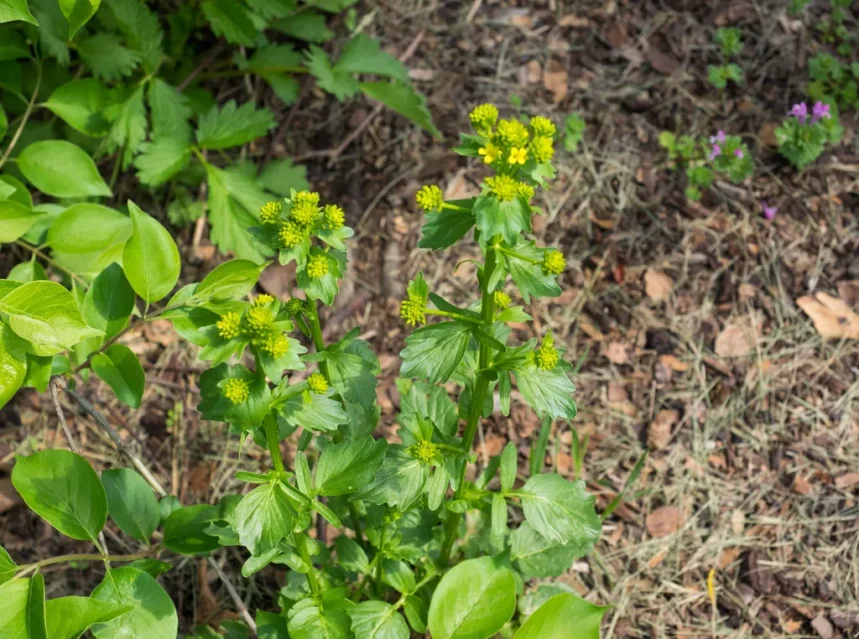
Land cress (Barbarea verna), also called American cress or upland cress, is a hardy leafy salad green with a hot, peppery flavour almost identical to watercress, but grown easily in ordinary garden soil without any running water — a tough, cool-season crop that crops through autumn, winter, and early spring. Here is the complete guide on how to grow land cress.
Quick start: Grow land cress in part shade in rich, moist soil, sowing in late summer for autumn and winter pickings, or spring for summer. Keep it well watered and harvest the leaves young as a cut-and-come-again crop. It is very hardy, peppery, and a brilliant cool-season substitute for watercress that needs no pond or stream.
Experienced growers describe land cress as the easy answer to watercress, with a couple of useful lessons. The biggest is moisture and shade. It tastes best and stays mild when grown cool, shaded, and well watered, turning harsh and bolting in hot, dry conditions. The second is timing. A late-summer sowing gives the most valuable crop, standing through autumn and winter when fresh salad is scarce. Most also note it is very hardy, often surviving under snow, and that picking young leaves keeps it productive and mild.
🧰 In a hurry? Jump straight to our tested picks for this guide ↓
Land cress at a glance
| Feature | Detail |
|---|---|
| Botanical name | Barbarea verna (family Brassicaceae) |
| Plant type | Hardy leafy biennial, grown as annual |
| Height | About 20–30 cm rosette |
| Sun | Part shade (cool conditions) |
| Soil | Rich, moist, free-draining |
| Time to harvest | About 50–60 days |
| Best for | Autumn/winter salads, peppery leaves, shade |
| Watch out | Turns harsh and bolts in heat; flea beetles |
Why grow land cress?

Land cress gives you the lovely hot, peppery taste of watercress without needing a stream or pond. Grown in ordinary moist soil, it is far easier and brings real bite to salads, sandwiches, soups, and garnishes.
It is also exceptionally hardy and productive in the cool seasons, cropping through autumn, winter, and early spring when little else is fresh. Easy from seed, happy in shade, and ready in just a couple of months, land cress is a brilliant, low-effort green for the cool-season kitchen garden.
History, origin & where it grows
Land cress comes from southwestern Europe and has been grown for centuries as an easy alternative to watercress. Its common names, American cress and upland cress, reflect how widely it was adopted as a hardy garden green.
It became especially valued as a winter salad in cottage and kitchen gardens, providing fresh, peppery leaves in the cold months (see the background on Barbarea verna). Unlike watercress, it needs no running water, just moist soil and shade.
Land cress grows wherever there is a cool season, across Europe, North America, and Asia. In India, it suits the cool winter months in the plains and the hill seasons, grown in moist, shaded ground as a peppery cool-weather salad leaf.
Best season & when to plant
Sow land cress in late summer for an autumn and winter crop, which is its most valuable timing, or in spring for summer leaves. It is very hardy and crops right through the cold.
It is quick, ready in about 50 to 60 days. In India and other warm regions, grow it through the cool season, sowing once the worst heat has passed. Successional sowings keep tender, mild leaves coming over a long period.
How to plant land cress
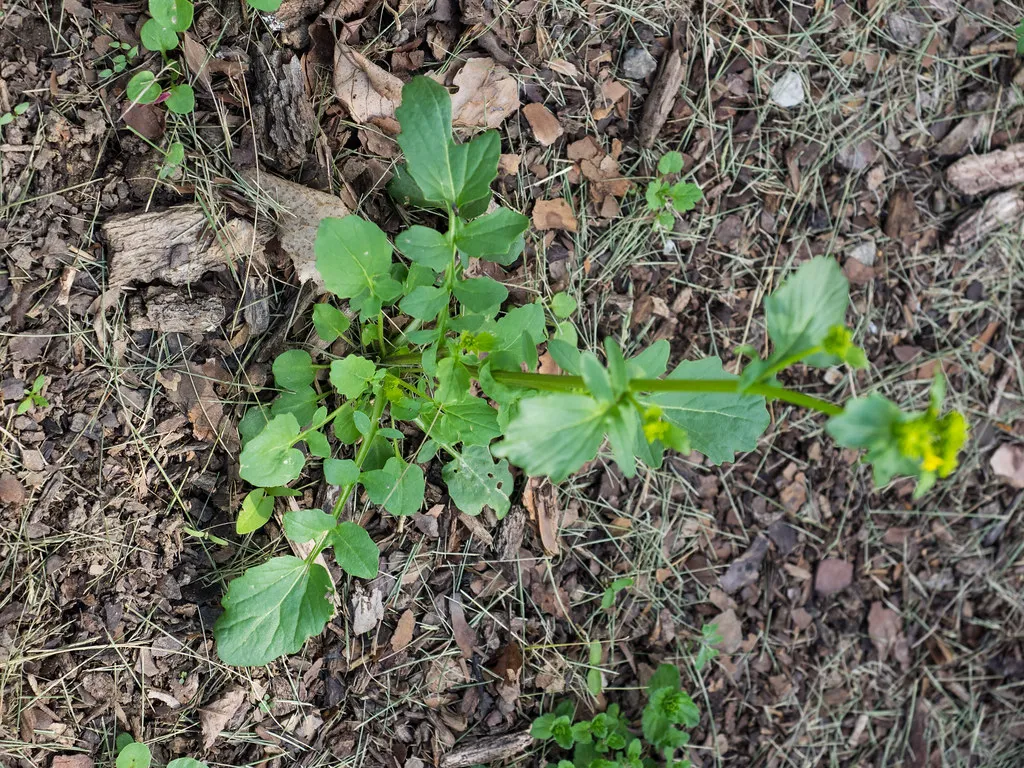
Land cress is grown from seed, sown directly where it is to grow, as it is so quick and easy. For mild, tender leaves:
- Choose a cool, part-shaded spot with rich, moisture-retentive soil; shade keeps it mild and slows bolting.
- Dig in plenty of compost to hold moisture (see improving garden soil).
- Sow seed thinly about 1 cm deep and thin plants to roughly 15 cm apart.
Keep the soil consistently moist from the start. Because it grows so fast, sow little and often for a steady supply of fresh, peppery leaves.
Sun, soil, watering & feeding
Land cress grows best in part shade and rich, moist soil, which keep the leaves tender and mild. In hot sun and dry soil it turns harsh and bitter and bolts quickly, so cool, damp conditions are key.
Water regularly and never let the soil dry out, mimicking the streamside conditions watercress enjoys (see how often to water plants). Feed lightly with a nitrogen-rich feed for lush leaves if the soil is poor. Consistent moisture is the single most important thing.
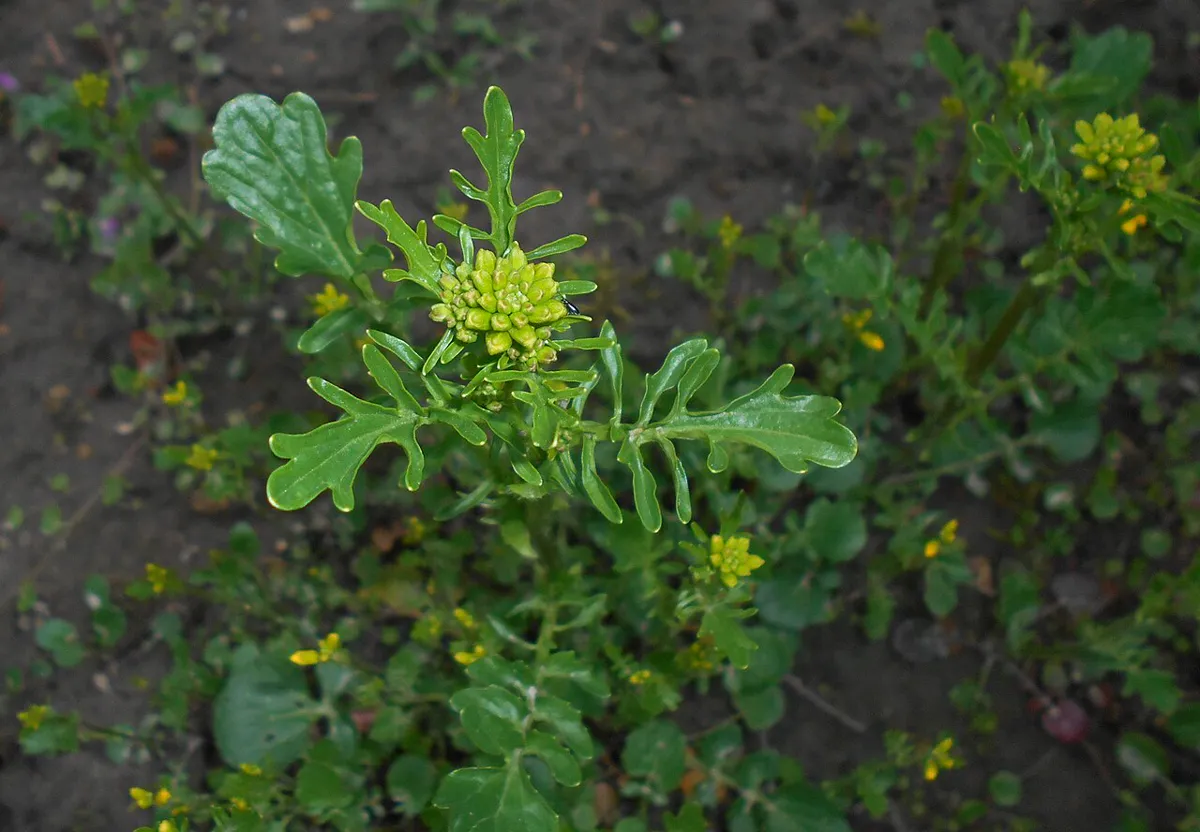
Harvesting land cress
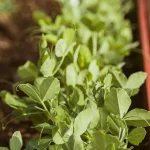
Land cress is a true cut-and-come-again crop, and picking young is the key to its flavour. The young leaves are mild and pleasantly peppery.
Start harvesting the outer leaves once the rosette is established, taking what you need and letting the centre keep growing, or snip whole young rosettes. Pick regularly to keep the plant productive and the leaves tender, as older leaves and bolting plants turn very hot and bitter. Use the leaves fresh, as they wilt quickly after cutting.
Land cress versus watercress
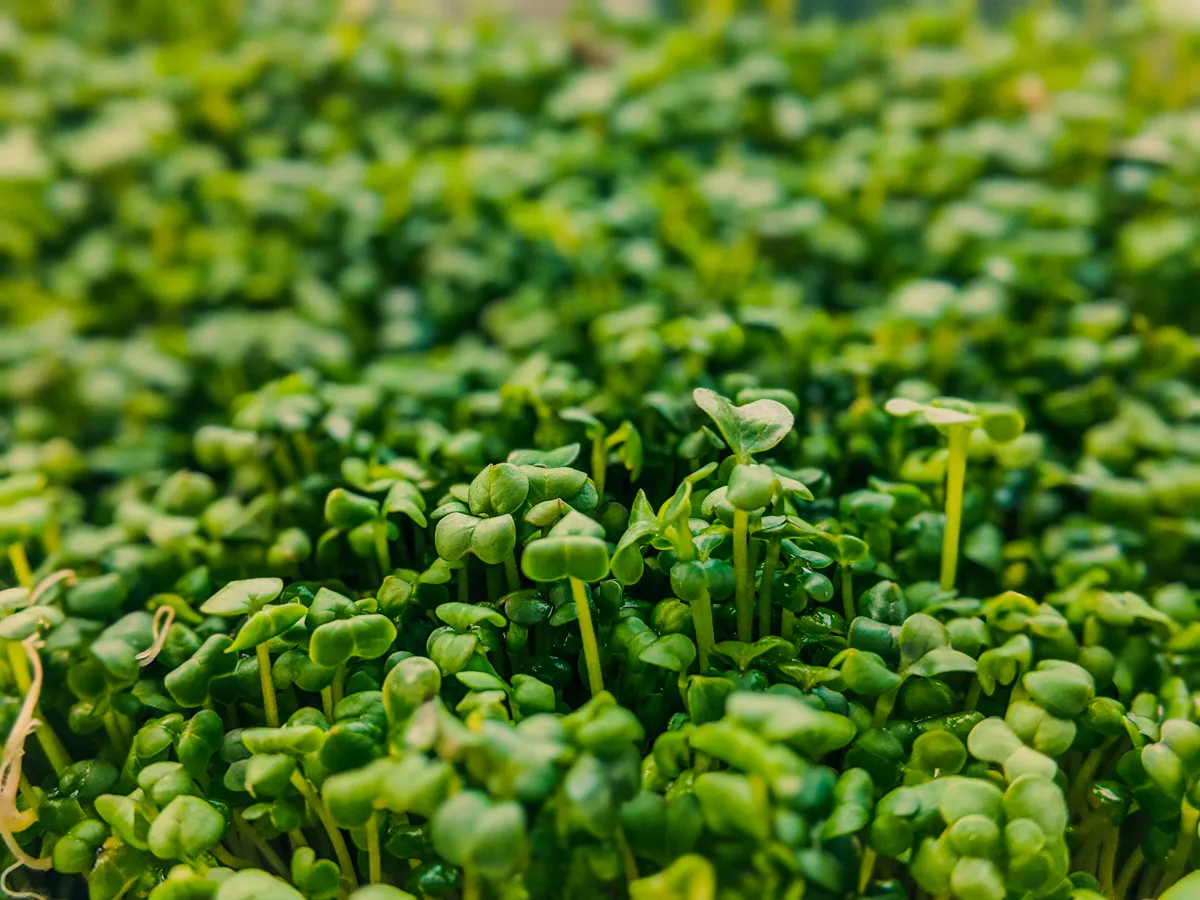
It helps to know how land cress compares with watercress, as the two are so similar in taste. The big difference is how you grow them.
Watercress grows in or beside running water, which is hard to provide in most gardens. Land cress gives almost the same hot, peppery flavour but grows in ordinary moist, shaded garden soil, with no stream needed. So for most gardeners, land cress is by far the easier way to enjoy a watercress-like leaf, used in exactly the same dishes.
Growing land cress in pots and through winter
Land cress is excellent in containers and for winter salads, thanks to its small size and toughness. It is one of the most reliable cold-weather leaves.
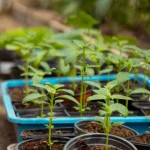
In a pot or window box of moist, fertile compost, it crops quickly and stays handy by the kitchen door. Sow densely for baby leaves, or thin for fuller rosettes. For winter pickings, a late-summer or autumn sowing in a cold frame, cloche, or unheated greenhouse keeps the peppery leaves coming through cold spells, as the plant is very hardy. The Royal Horticultural Society offers further guidance on growing land cress and winter salads. Picking little and often, and giving a little protection in the harshest weather, means fresh, hot, watercress-like leaves long after most salads have finished.
Common pests & diseases
As a brassica, land cress attracts the usual cabbage-family pests, with flea beetles especially fond of the peppery leaves. Its speed helps it stay ahead of trouble.
Watch for flea beetles peppering the leaves with holes, caterpillars, aphids, and slugs. Use fine netting or fleece against flea beetles, keep the soil moist, and protect seedlings with our slug and snail guide. Cool, shaded growing reduces most problems.
Health benefits & uses
Land cress is eaten raw and cooked, used just like watercress: in salads and sandwiches, as a peppery garnish, blended into soups such as a cress soup, or wilted into dishes at the end of cooking. Its hot, mustardy bite livens up mild ingredients.
It is low in calories and carries vitamins A and C like other leafy brassicas. Worth a word of care if you look the figures up: FoodData Central’s “Cress, garden” row is Lepidium sativum, a different plant. Land cress is Barbarea verna and has no row of its own. As with any food, enjoy it as part of a balanced diet. For information only, not medical advice — consult a professional for dietary guidance.
Common land cress problems
Harsh, very bitter leaves
Usually grown too hot and dry, or picked old. Grow it in cool part shade, keep it moist, and harvest young leaves.
Plants bolting to flower
Triggered by heat and dryness. Grow it as a cool-season crop, especially autumn to spring, and keep the soil moist.
Holes in the leaves
Flea beetles, which love peppery cress. Cover the crop with fine netting or fleece from sowing.
Related plant guides
- How to grow Tatsoi
- How to grow Watercress
- How to grow Shungiku
- How to grow Endive
- How to grow Broccoli Rabe
- How to grow Kailan
Frequently asked questions
Is land cress easy to grow?
Yes, very. Sown in cool, moist, shaded soil, it is quick, hardy, and productive, giving a watercress-like leaf with no need for running water.
Is land cress the same as watercress?
It is a different plant with a very similar hot, peppery flavour. The key difference is that land cress grows in ordinary moist garden soil, while watercress needs running water.
When should I grow land cress?
Sow in late summer for the most useful autumn and winter crop, as it is very hardy, or in spring for summer leaves. It dislikes summer heat.
Why is my land cress so hot and bitter?
Usually it was grown too hot and dry, or the leaves were picked old. Grow it cool and shaded, keep it moist, and harvest young leaves for a milder taste.
Is land cress a perennial or a biennial?
Botanically Barbarea verna is a biennial, and that is exactly how it behaves in the garden. It makes its leafy rosette in the first season, sits through winter, then throws up yellow flower spikes and sets seed the following spring before dying. Some plants hang on a little longer in cool conditions, which is why it is occasionally sold as a short-lived perennial. In practice you sow it fresh each year and treat the flowering plants as a bonus for pollinators.
Is land cress the same as upland cress?
Yes — upland cress, American land cress, early winter cress and creasy greens are all names for the same plant, Barbarea verna. Seed catalogues use them almost interchangeably, which causes plenty of confusion at ordering time. Be careful not to confuse it with common winter cress, Barbarea vulgaris, a coarser wild relative that is treated as a weed in many areas and is far less pleasant to eat. Check the botanical name on the packet if you want the salad crop.
Does land cress self-seed and become a weed?
It self-seeds enthusiastically if you let it flower, and a patch left alone will produce seedlings all over the bed. Most gardeners find that useful, since free autumn seedlings are exactly what you want, and unwanted ones hoe out easily as they are shallow-rooted. If you would rather keep control, cut the flower spikes before the pods ripen and turn brown. It does not run at the root, so it never becomes the kind of weed you have to dig out.
Can you grow land cress in a pot or on a windowsill?
Yes, and it is one of the better salad crops for containers because it does not need running water despite the watercress flavour. Use a pot at least 15 cm deep with multipurpose compost, sow thinly, and keep it consistently moist and out of blazing sun. A cool, bright windowsill or a shaded balcony corner suits it far better than a hot sunny ledge, which turns the leaves harsh and pushes it to bolt. Cut-and-come-again sowings in a trough will keep a kitchen supplied for months.
What pests attack land cress?
It is a brassica, so it gets brassica problems: flea beetles shot-hole the young leaves in warm dry spells, and aphids can build up on crowded plants. Slugs and snails also enjoy the tender rosettes in damp autumn weather. Interestingly, land cress works as a dead-end trap crop for cabbage white butterflies — they lay eggs on it readily but the caterpillars fail to thrive, which is why some gardeners plant it deliberately alongside cabbages. Fine mesh, moist soil and good spacing deal with most of the rest.
How do you harvest land cress so it keeps producing?
Pick the outer leaves individually and leave the growing point in the centre untouched, and one plant will crop for months. Take young and medium leaves rather than the oldest ones, which turn coarse and much hotter. If you would rather cut whole, shear the rosette to about 3 cm above the crown and it will regrow, though usually only two or three times. Keeping plants moist and picking regularly is what stops them bolting.
Is land cress good for you?
Like other leafy brassicas, it is low in calories and provides vitamin C, vitamin K, folate and a range of minerals, along with the sulphur compounds responsible for its peppery bite. Some studies suggest diets rich in leafy brassicas are associated with general health benefits, but that is about overall eating patterns rather than any single salad leaf. Anyone on blood-thinning medication should be aware that vitamin K rich greens can interact with it. This is general information only and not medical advice — check with a professional if you have a specific concern.
Still stuck? Ask the Plant Doctor
Describe the problem — yellow leaves, holes, no flowers — and get a clear answer in seconds. FreeAI can make mistakes. Answers are guidance, not a guarantee — check anything important against the guide it links to, and always read the label on any product before you use it.