Why Are My Peace Lily Leaves Curling? Causes and Fixes
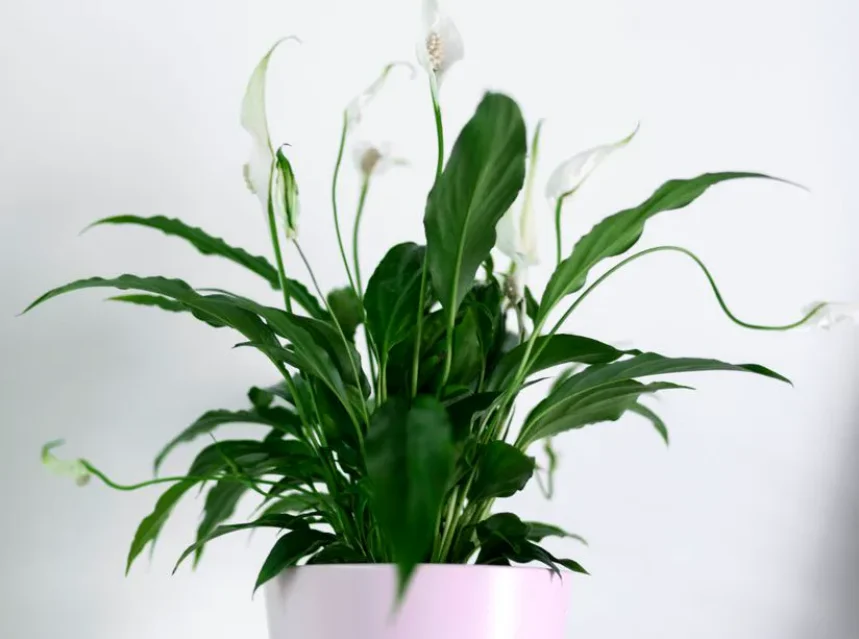
Why are my peace lily leaves curling? Thirst and dry air are the top causes — a peace lily curls its leaves inward to hold on to moisture when the soil dries out or the air is too dry. Overwatering, tap water, too much light and heat also curl the leaves.
Quick answer: Leaves that cup and curl inward mean moisture stress, so water well and raise the humidity. Leaves curling down at the tips point to feeding or tap water. Read the curl direction below, then act on it.
🧰 In a hurry? Jump straight to our tested picks for this guide ↓
Why are my peace lily leaves curling? Quick diagnosis
| What you see | Most likely cause |
|---|---|
| Leaves cup and curl inward, dry soil | Underwatering |
| Inward curl with crispy edges in dry air | Low humidity |
| Curl with soft leaves and soggy soil | Overwatering and root rot |
| Curling down at the tips, brown edges | Tap water or feeding issue |
| Curl and pale patches in bright sun | Too much light or heat |
| Curl with sticky spots or webbing | Pests |
Read the curl direction first
The way the leaves curl is a useful clue. Leaves that cup and curl inward, toward the middle, are conserving moisture. That points to thirst, dry air or heat.
Leaves that curl downward, especially at the tips with brown edges, point to a different problem. That usually means tap water, over-feeding or a nutrient issue. So check the curl direction before you change anything.
Underwatering: the number one cause
Thirst curls peace lily leaves more than anything else. When the soil dries out, the plant curls its leaves inward to slow its moisture loss. So the leaves cup and roll.
The fix is a good drink. Water thoroughly when the top inch of soil feels dry, then drain well. Underwatering and low humidity are the two causes most growers meet first. Our peace lily care guide has the full routine.
The fast test: does it perk up?
Peace lilies are dramatic, and that helps you diagnose. Give a dry, curled plant a thorough soak and let it drain. If thirst was the cause, the leaves relax and uncurl within a day.
If the leaves stay curled with wet soil, the roots may be rotting instead. So check the soil first, and treat a mushy, smelly base as root rot, as our watering guide explains.
Low humidity: the other big cause
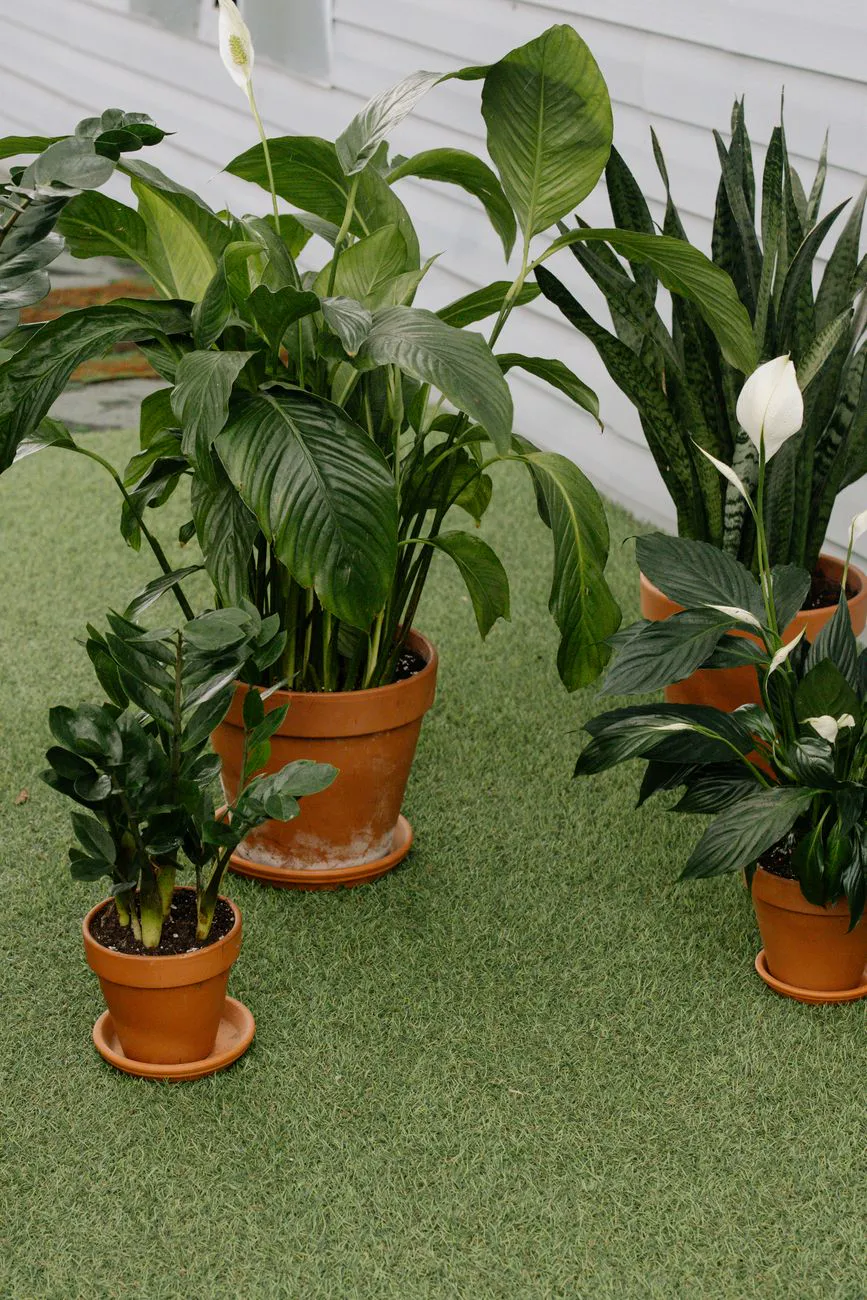
Dry air curls a peace lily too. This is a tropical plant that loves humidity of 50 percent or more. In dry indoor air the leaves curl inward and the edges crisp.
So raise the humidity around it. Use a pebble tray, group your plants, or run a humidifier. Our humidity guide shows simple ways to lift it.
Group plants together and they share moisture, which lifts the humidity around each one. A room hygrometer takes the guesswork out.
Tap water: the sneaky cause
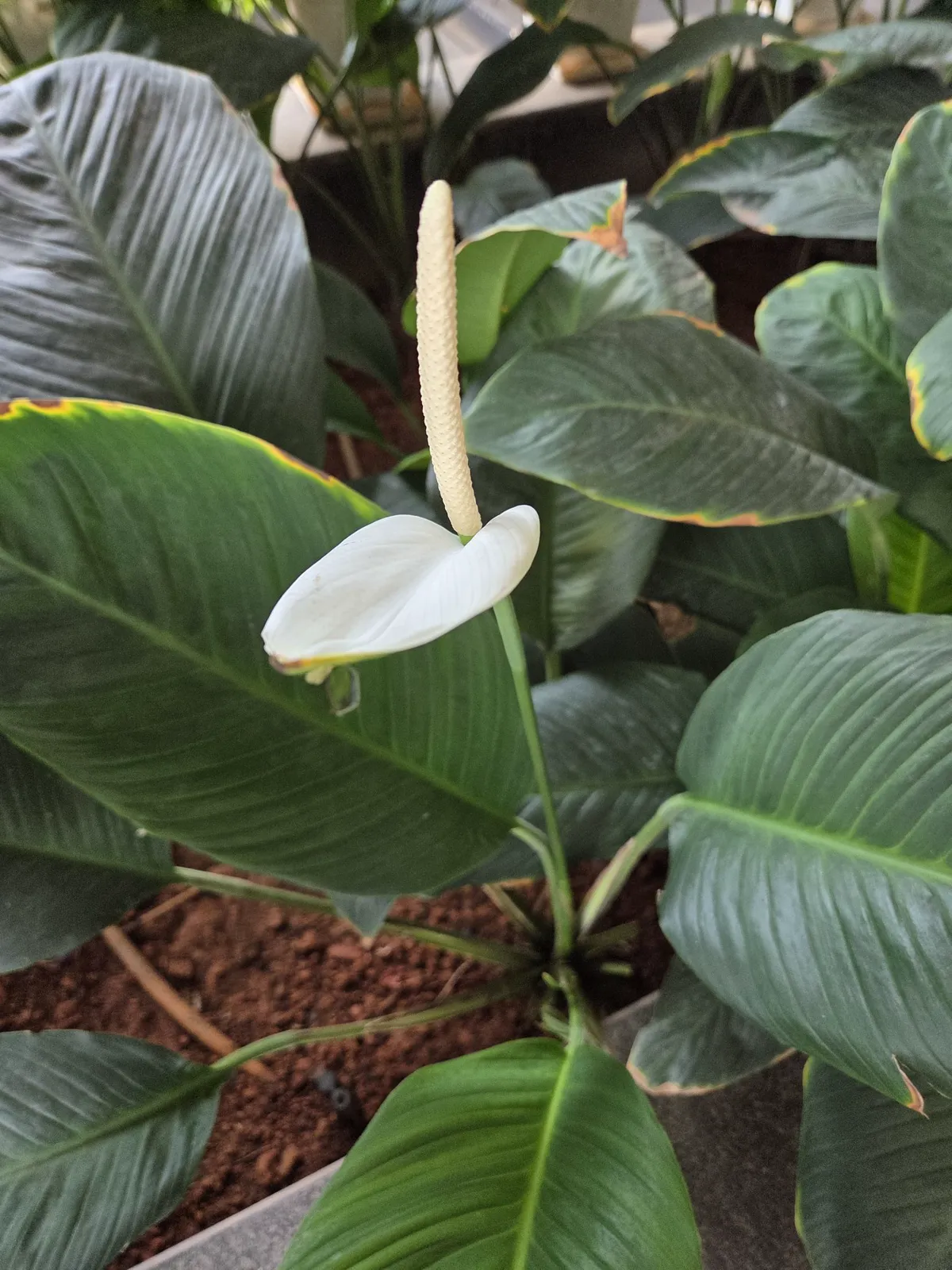
Tap water is a cause most people miss. Peace lilies are sensitive to the chlorine and fluoride in tap water. These build up and can curl the leaves and brown the tips over time.
So switch to filtered, distilled or rainwater. If you must use tap water, let it sit out for a day so the chlorine escapes. The Royal Horticultural Society recommends warm, humid conditions and bright, filtered light for spathiphyllum. The same fix suits other fussy plants, as our calathea crispy edges guide shows.
Overwatering and root rot: the wet trap
Too much water curls leaves too, and it fools a lot of people. Soggy soil starves the roots of air, so they start to rot. Damaged roots cannot drink, so the plant curls and droops as if it were thirsty.
The tell is the soil. A dry, curled plant is thirsty, but a curled plant in wet soil is drowning. So feel the soil before you reach for the watering can. Let the top inch dry between drinks, and always tip away water that pools in the saucer.
If the base smells sour and the roots look brown and mushy, treat it as root rot. Trim the dead roots, repot into fresh, free-draining mix, and water lightly until it recovers.
Is a curling peace lily dangerous to pets?
Curling on its own is a care problem, not a health one. But the plant itself matters if you have pets or small children. Peace lilies contain insoluble calcium oxalate crystals, which irritate the mouth if chewed.
The ASPCA lists the peace lily as toxic to cats and dogs. So keep it out of reach, and wash your hands after trimming curled leaves. This is general information, not veterinary or medical advice, so ask a vet or doctor if a pet or person chews the plant.
Light, heat, feeding and pests
Too much light or heat curls a peace lily. These are low-light plants, so harsh, direct sun and hot spots make the leaves curl to protect themselves. So give it bright, indirect light, or a grow light in dim rooms, as our grow light guide covers.
Feeding and pests are the last checks. Over-feeding burns the roots, while too little starves the plant, and both curl the leaves. Feed lightly, as our fertiliser guide covers, and check under the leaves for spider mites and aphids.
Peace lily leaves curling in India
Two things curl peace lily leaves in India: dry summer air and hard tap water.
Peace lily is a popular, easy houseplant across the country. But the hot, dry summer and air conditioning dry the air, so the leaves curl. Much of the tap water is hard and chlorinated too, which curls and browns the tips, so filtered or rainwater is gentler. Raise the humidity with a pebble tray, and keep it in bright, indirect light away from harsh sun. Our peace lily guide has more.
How to fix curling peace lily leaves
- Read the curl, as inward means moisture and downward means feeding or water.
- Water thoroughly when the top inch is dry, and it uncurls in a day.
- Check the soil, as soggy means overwatering and root rot.
- Raise the humidity to 50 percent or more with a tray or humidifier.
- Switch to filtered or rainwater to avoid chlorine and fluoride.
- Give bright, indirect light, and feed only lightly.
Firm, flat, glossy new leaves are the sign your peace lily is happy again.
How to stop peace lily leaves curling again
Prevention is easier than a rescue. A steady routine keeps the leaves flat, so a few habits go a long way.
- Water on a check, not a calendar. Feel the top inch first, then water only when it is dry.
- Keep the air moist. A pebble tray or humidifier holds humidity near 50 percent, even under air conditioning.
- Use gentle water. Filtered, distilled or rainwater avoids the chlorine that browns the tips.
- Pick the right spot. Bright, indirect light away from harsh sun and hot radiators suits it best.
- Feed with a light hand. A weak, monthly feed in spring and summer is plenty.
Follow these and curling rarely returns. For more common houseplant slip-ups, see our houseplant mistakes guide.
Frequently asked questions
Will curled peace lily leaves uncurl?
Often, yes, if thirst or dry air was the cause. A good soak and higher humidity relax the leaves, sometimes within a day. Badly damaged or brown leaves may not recover, but new leaves open flat. So fix the cause, and healthy growth follows.
Is my peace lily curling from over or underwatering?
Check the soil and the curl. Inward-cupping leaves with dry soil mean thirst, and they uncurl fast after watering. Soft, curled leaves with soggy soil mean overwatering and root rot. Peace lilies like even moisture, so water when the top inch of soil is dry.
Does tap water make peace lily leaves curl?
It can. Peace lilies are sensitive to the chlorine and fluoride in tap water, which can curl the leaves and brown the tips over time. Switch to filtered, distilled or rainwater, or let tap water sit out overnight so the chlorine escapes before you use it.
Why are my peace lily leaves curling and turning brown?
Usually dry air, tap water, or thirst. Low humidity and chlorine curl the leaves and crisp the edges, while a very dry plant curls to save moisture. Raise the humidity, switch to filtered water, and water when the topsoil dries to bring flat new leaves.
How do you fix curling peace lily leaves?
Start with the soil. Push a finger an inch down. If it feels dry, water deeply until the excess drains away, and the leaves usually relax within a day. If the soil is wet and smells sour, unpot the plant, trim any mushy brown roots and repot in fresh airy mix. Then move the pot out of direct sun, raise the humidity, and switch to filtered or rainwater. Most curling comes from a care mistake rather than disease, so one correct fix often solves it.
Can low humidity make peace lily leaves curl?
Yes. Peace lilies come from humid rainforest floors in tropical America, so dry indoor air is a common trigger. Below roughly 40 percent humidity the leaves curl inward and the edges crisp. Winter heating in cold climates and constant air conditioning in Indian cities both dry the air quickly. Group your plants together, stand the pot on a pebble tray filled with water, or run a small humidifier nearby. Misting helps only for a few minutes, so treat it as a bonus rather than the real fix.
Do peace lily leaves curl from too much sunlight?
Often, yes. Direct sun scorches these thin leaves, so the plant curls them to reduce the surface facing the light. You will usually see pale patches or bleached brown streaks along with the curl. Peace lilies prefer bright indirect light, such as a north-facing window or a spot a few feet back from a bright one. In India, keep them away from harsh afternoon sun on west-facing balconies, especially between April and June when the heat peaks.
Can too much fertiliser curl peace lily leaves?
Yes. Excess feed leaves salts behind in the soil, and those salts pull water away from the roots. The result is curled leaves with burnt brown tips. A white crust on the soil surface or around the pot rim is a strong clue. Flush the pot with plenty of plain water until it runs freely from the drainage holes, then repeat once more. After that, feed only during active growth, roughly every six to eight weeks, using a balanced liquid fertiliser at half strength.
Can pests cause peace lily leaves to curl?
They can. Spider mites, aphids, mealybugs and thrips suck sap from new growth, so the leaf expands unevenly and curls or puckers. Check the undersides and the leaf joints for fine webbing, sticky residue or small white cottony spots. Wipe the foliage with a damp cloth, then spray neem oil or insecticidal soap every seven to ten days for three rounds. Mite trouble rises in hot dry weather, which is common in India during the weeks just before the monsoon.
Should I cut off curled peace lily leaves?
Only if they are badly damaged. A leaf that is curled but still green will usually flatten again once you correct the watering, light or humidity, so leave it in place. Cut a leaf away at the base with clean scissors when it has turned mostly brown, yellow or crisp, because it no longer feeds the plant. Never remove more than about a third of the foliage at one time, and check the roots if many leaves fail together.
Why is my peace lily curling after repotting?
This is usually transplant shock. Fine feeder roots break during the move, so the plant cannot draw up enough water and the leaves curl for a week or two. Keep the soil evenly moist but never soggy, place the pot in bright indirect light, and skip fertiliser for about a month. Choose a pot only one size larger than the old one, because an oversized pot holds wet soil for too long. Flat new leaves are the sign of recovery.
Can cold air make peace lily leaves curl?
Yes. Peace lilies are happiest between roughly 18C and 30C, or 65F to 85F. Below about 12C the leaf cells stop working properly, so leaves curl, darken and sometimes go limp. Draughts from doors, windows and air conditioner vents cause the same damage on one side of the plant. Move the pot away from cold glass in winter. In north Indian homes, shift it indoors during the cold December and January nights, when balcony temperatures drop sharply.
Sources and further reading
Related guides
- Peace lily care guide
- Why is my peace lily drooping
- Why are my peace lily leaves turning yellow
- Why is my peace lily not flowering
- Humidity for houseplants
- Root rot
Still stuck? Ask the Plant Doctor
Describe the problem — yellow leaves, holes, no flowers — and get a clear answer in seconds. FreeAI can make mistakes. Answers are guidance, not a guarantee — check anything important against the guide it links to, and always read the label on any product before you use it.