Why Is My Chinese Money Plant Drooping? Causes and Fixes
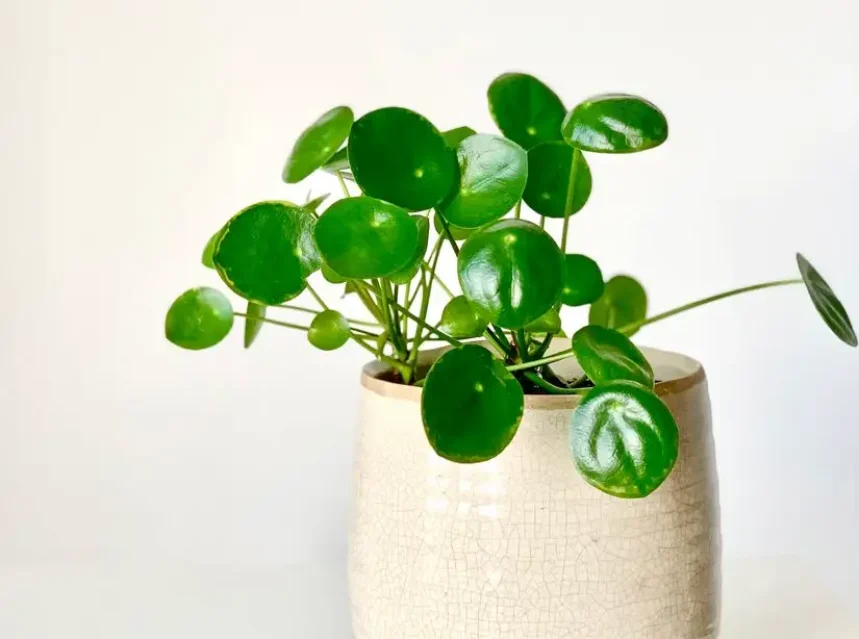
Why is my chinese money plant drooping? Underwatering is the usual cause — a thirsty pilea loses firmness and its round, coin-shaped leaves sag, so dry soil often means it just needs a drink. Overwatering and root rot, too little light, low humidity and temperature swings cause the same droop.
Quick answer: Drooping with dry soil means thirst, and a good water usually perks it up. Drooping with soggy soil means overwatering and root rot. Drooping and leaning toward a window means it needs more even light. Match your cause below.
🧰 In a hurry? Jump straight to our tested picks for this guide ↓
Why is my chinese money plant drooping? Quick diagnosis
| What you see | Most likely cause |
|---|---|
| Drooping with dry soil | Underwatering |
| Drooping with soggy soil, yellowing leaves | Overwatering and root rot |
| Drooping and leaning to one side | Uneven light |
| Drooping with curled, cupped leaves in dry air | Low humidity |
| Drooping after a hot or cold draught | Temperature stress |
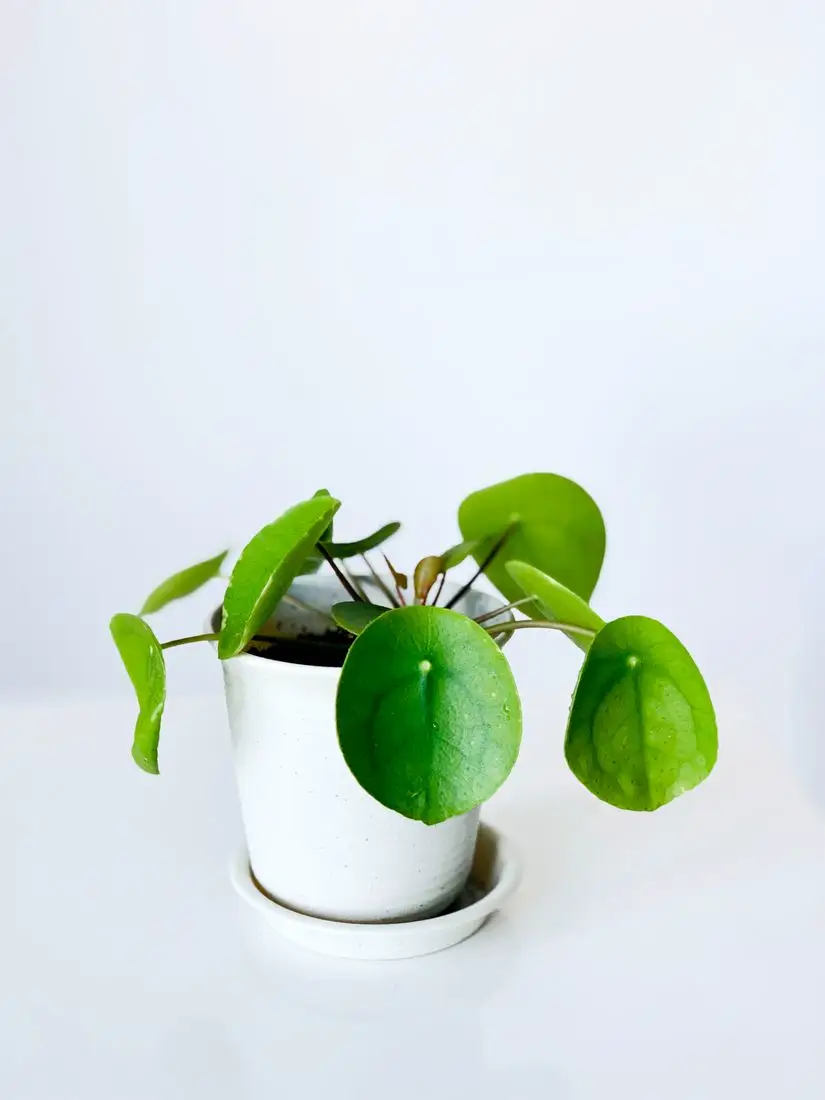
| A slight relaxed hang on a healthy plant | Normal — pilea grow loosely |
Underwatering: the number one cause
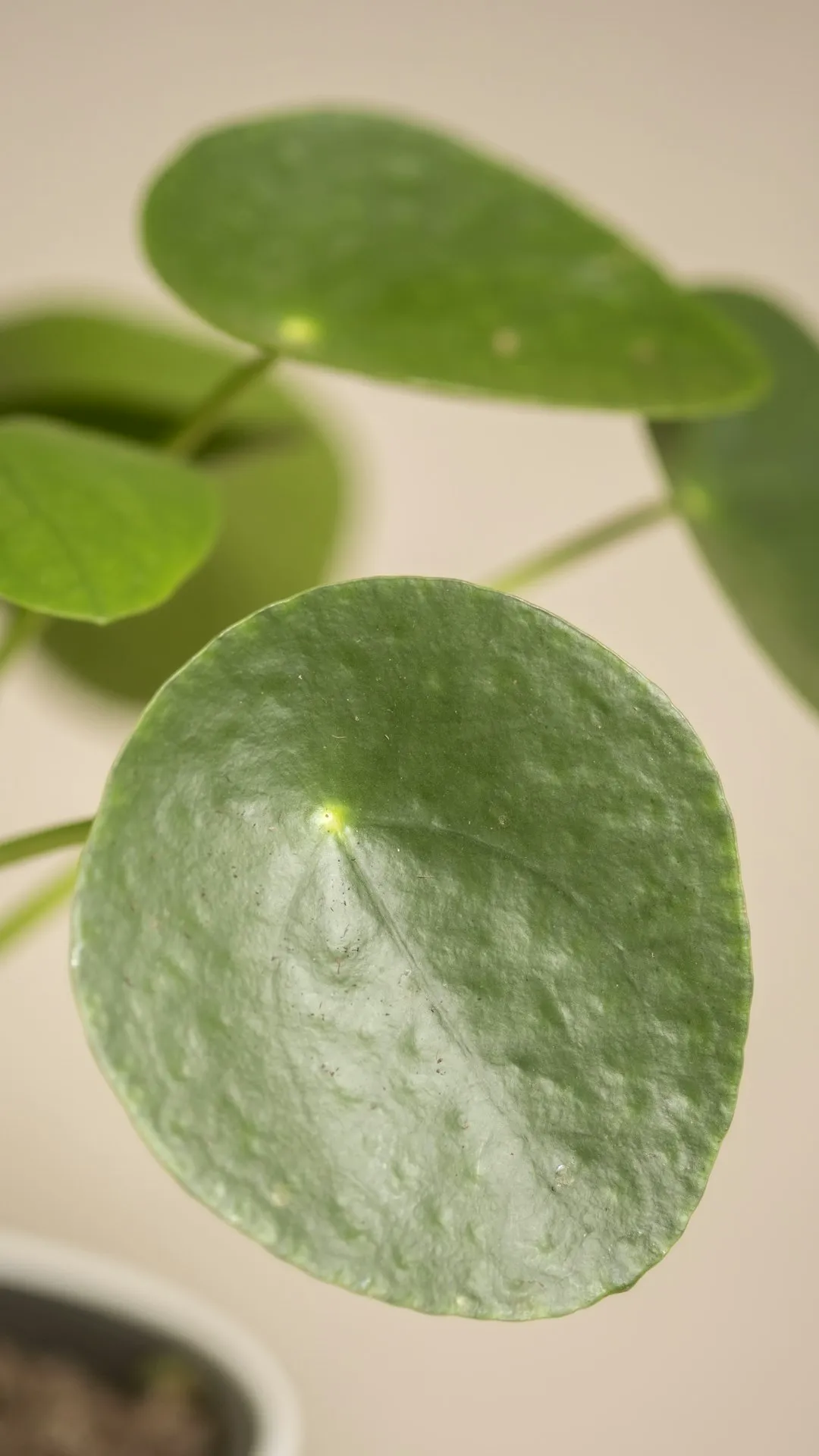
Thirst droops chinese money plants more than anything else. When the soil dries out, the leaves and stems lose their firmness and the round, coin-shaped leaves sag on their stalks. A thirsty pilea is forgiving, though, and usually perks back up within hours of a good drink.
The fix is simple. Water thoroughly when the top few centimetres of soil feel dry, until it runs from the drainage holes, then let it drain fully. Check the soil before each watering rather than watering on a fixed schedule. The Houseplant Central guide covers reviving a droopy pilea. Our chinese money plant care guide has the full routine.
Overwatering and root rot: the lookalike
Overwatering droops a pilea just as thirst does, which catches many people out. When the soil stays soggy, the roots suffocate and rot, so they can no longer take up water, and the plant droops even though the pot is wet. The leaves often yellow as well.
So the soil decides it. A thirsty pilea droops with dry soil and recovers after watering, while a rotting one droops with wet soil and does not. If the soil is wet and the plant sags, ease off, check the roots, and treat soft, dark, smelly ones as root rot, repotting into fresh, well-draining soil in a pot with drainage holes. Our potting soil guide explains the right mix.
Light: bright, indirect and even
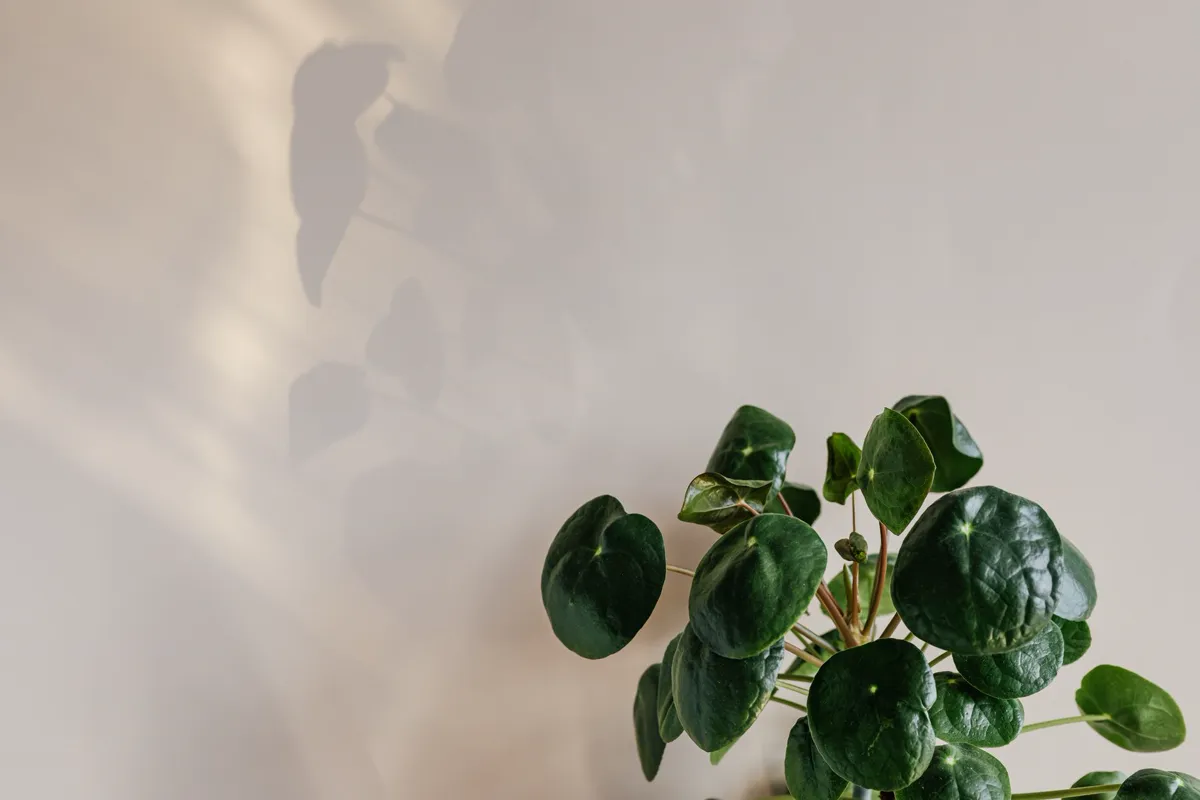
Light problems droop and distort a pilea. In a dark corner the stems grow weak and floppy and the plant droops, while harsh, direct afternoon sun scorches and curls the leaves. Pileas also lean hard toward the light, so a plant lit from one side droops and grows lopsided.
So give it bright, indirect light, such as an east-facing window or a spot shielded by a sheer curtain, and turn the pot a quarter every week or two so it grows evenly and upright. In a genuinely dark room, a grow light helps. The Royal Horticultural Society recommends bright, indirect light and free-draining compost for pileas. Our grow light guide covers the options.
Humidity, temperature and pests
Dry air and temperature swings add to the droop. Pileas come from humid Chinese forests and like moderate humidity, so very dry, heated rooms can curl and droop the leaves. A pebble tray or humidifier helps, as our humidity guide explains. Keep the plant away from hot and cold draughts, radiators and chilly windows, since sudden temperature changes stress it. In short, dry air and temperature swings together are a common cause of curling and drooping pilea leaves.
Pests are worth a check too. Sap-sucking spider mites, aphids and thrips drain the leaves and cause drooping, curling and stippling. So inspect the undersides, wipe the leaves with a damp cloth, and treat with insecticidal soap or neem oil if you find them. Our spider mite guide covers treatment.
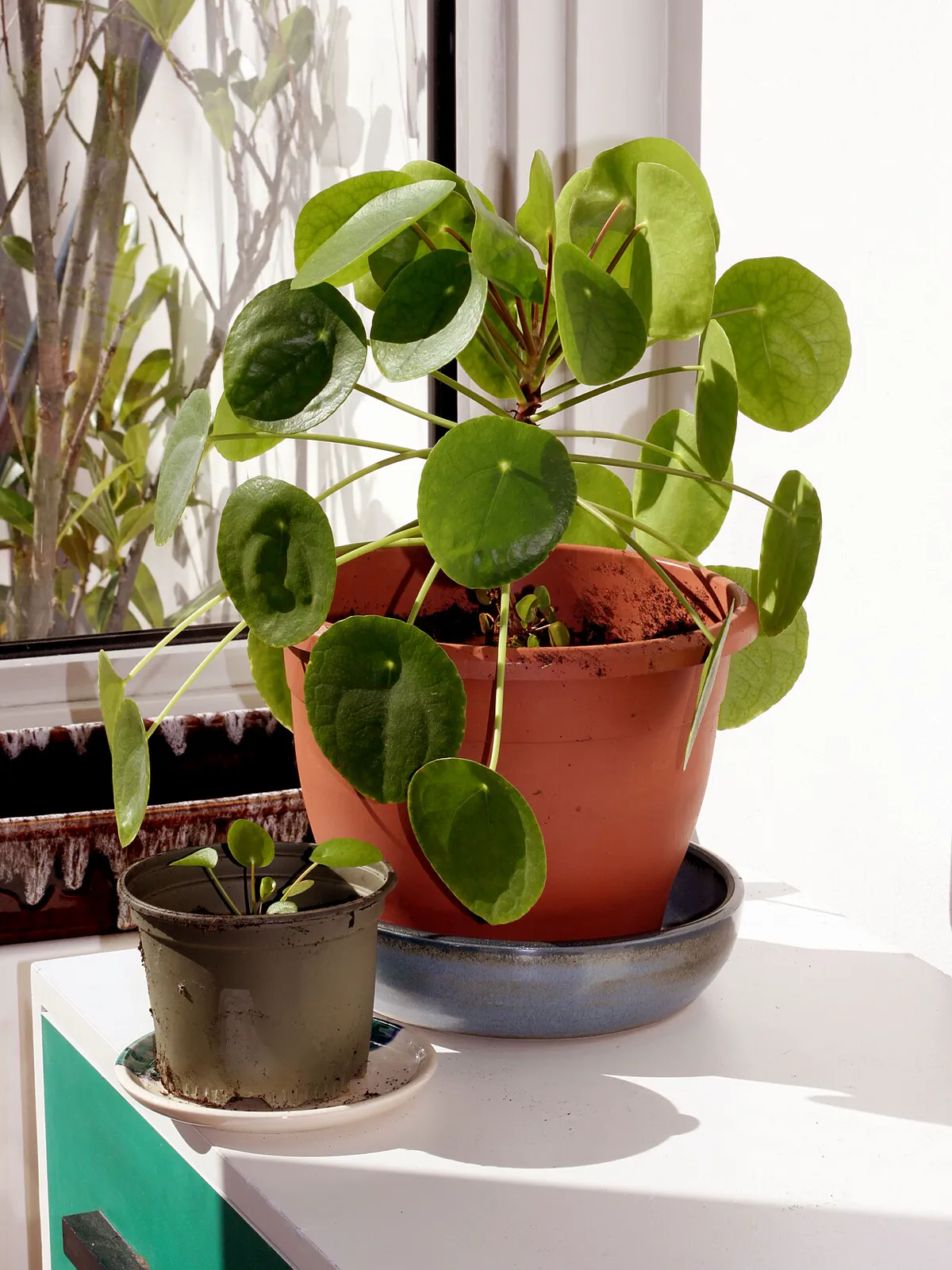
Chinese money plant drooping in India
Two settings droop chinese money plants fast in India: summer heat drying the soil and dry, air-conditioned rooms.
Chinese money plant grows well as an indoor plant in cooler regions and the milder months, but in the hot, dry season the soil dries quickly, so check watering more often and soak thoroughly when dry. In dry AC air the leaves curl and droop, so raise humidity with a pebble tray. Give bright, indirect light out of harsh afternoon sun, and turn the pot for even growth. Our chinese money plant guide has more.
Soil, feeding and repotting to stop the droop
The right soil prevents most drooping. Pileas hate soggy roots, so they need a light, free-draining mix. Use a peat-free houseplant compost with a handful of perlite added. This holds some moisture but lets water flow through fast.
Always plant in a pot with drainage holes. Water that sits in the base rots the roots and triggers the droop that mimics thirst. Empty the saucer after every watering.
Feed lightly in spring and summer. A balanced houseplant fertiliser at half strength, once a month, keeps growth firm and steady. Do not feed in winter, when the plant rests and needs little. Overfeeding can burn the roots and weaken the stems.
Repot every year or two, in spring, when roots fill the pot. Move up just one pot size. Too large a pot holds extra wet soil around the roots, which invites rot. Fresh soil also gives the plant new nutrients for upright, sturdy growth.
Other pilea problems that look like drooping
A few issues get mistaken for a simple droop. Knowing them helps you fix the real cause faster.
- Curling leaves. Dry air, too much sun or underwatering curl the coin-shaped leaves. Raise humidity and check the soil first.
- Yellow leaves. Overwatering is the usual reason, though very old lower leaves yellow and drop naturally with age.
- Leggy, stretched stems. Too little light makes the plant reach and flop. Move it somewhere brighter and turn the pot for even growth.
- Pale or bleached leaves. Harsh direct sun scorches the surface. Shift the plant back from the glass or add a sheer curtain.
Match the extra sign to the cause, then adjust one thing at a time. That way you can tell what worked.
How to fix a drooping chinese money plant
- Feel the soil first — dry means thirst, soggy means overwatering.
- For dry soil, water thoroughly; the plant usually perks up in hours.
- For wet soil, check the roots and repot if you find rot.
- Give bright, indirect light and turn the pot for even, upright growth.
- Raise humidity and keep the plant away from draughts and radiators.
- Check for pests and treat with neem or insecticidal soap.
Firm, upright, coin-shaped leaves within a day or two are the sign your pilea has recovered.
Frequently asked questions
Is my chinese money plant drooping from over or underwatering?
Feel the soil to tell them apart. Drooping with dry soil means thirst, and the plant usually perks up within hours of watering. Drooping with soggy soil, often with yellowing leaves, means overwatering and root rot, which needs less water and better drainage instead.
Why is my pilea drooping and leaning to one side?
That is usually uneven light. Pileas lean hard toward the brightest source, so a plant lit from one side grows lopsided and droops. Give it bright, indirect light and turn the pot a quarter every week or two so it grows evenly and stands upright.
How quickly will a drooping pilea recover?
A thirsty pilea often perks back up within hours to a day of a thorough watering. Recovery from root rot takes longer, since you have to trim the rotted roots and repot, but healthy new growth follows once the roots can breathe in fresh, well-draining soil.
Is some drooping on a pilea normal?
A little relaxed, loose hang is normal, as pileas naturally grow in a slightly casual way. It is a sudden or substantial droop that signals a problem, usually thirst. If the leaves sag noticeably, check the soil and water or adjust care as needed.
Can a root-bound Chinese money plant droop?
Yes. When roots fill the pot completely, there is little soil left to hold water, so the plant dries out fast and the leaves sag between waterings. Look for roots circling the surface or pushing out of the drainage holes. Move the plant into a pot one size larger, about 2 to 5 cm wider, using fresh well-draining mix. Spring and early summer are the best times, because the plant is growing and settles in quickly.
Why is my pilea drooping right after repotting?
Some sagging after repotting is normal transplant stress. Roots get disturbed, so the plant cannot pull up water at its usual pace for a week or two. Water it in well once, then keep the soil lightly moist rather than wet, and park it in bright indirect light away from strong sun. Skip fertiliser for at least four to six weeks, since fresh potting mix usually carries enough nutrients. Most plants firm up again once new roots take hold.
Does low light make a Chinese money plant droop?
It does, though slowly. In dim corners the plant stretches toward whatever light it can find, so stems grow long, thin and weak, and they cannot hold the round leaves upright. New leaves also come out smaller and paler. Bright indirect light is the target, such as a spot near an east window or a metre back from a bright south or west window. In hot climates, including most of India, filter harsh afternoon sun through a sheer curtain.
Why are my pilea leaves curling and drooping at the same time?
Curling plus drooping usually points to stress rather than one single fault. Dry air, cold nights, harsh direct sun, or an erratic watering routine can all make leaves cup inward while the stems sag. Check the soil first. If it is bone dry, water thoroughly until it runs from the drainage holes. If it is soggy, let it dry out. Then steady the conditions: even light, no hot or cold blasts, and watering on feel rather than on a fixed calendar day.
Can cold draughts or temperature swings cause drooping?
Yes. Pilea peperomioides comes from the cool hill forests of Yunnan in southern China and prefers roughly 15 to 25 degrees Celsius. Sudden chills below about 10 degrees, an open winter window, or the blast from an air conditioner or heater will make leaves droop within a day. In North Indian winters, move pots away from cold windows at night. In summer, keep them out of the direct path of an AC vent or cooler.
Can too much fertiliser make a Chinese money plant droop?
It can. Excess feeding leaves mineral salts in the soil, and those salts damage the fine roots that take up water, so the plant wilts even though the soil is moist. Crispy brown leaf edges often appear alongside the drooping. Flush the pot with plenty of plain water so the salts drain away, then feed only during the growing season, roughly once a month, at half the strength printed on the label. Do not feed in autumn and winter.
Does low humidity cause pilea leaves to droop?
Low humidity alone rarely causes a dramatic droop, but very dry air makes leaves lose water faster than the roots replace it, so the plant sags sooner between waterings and the edges may crisp. Around 40 to 60 percent humidity suits it well. Grouping plants together, standing the pot on a tray of pebbles and water, or shifting it out of the direct path of a heater or AC usually helps. Misting gives only a brief effect.
How should I water a Chinese money plant so it stops drooping?
Water on feel, not on a schedule. Push a finger into the mix and water only when the top 2 to 3 cm feel dry. Then water thoroughly until it runs out of the drainage holes, and empty the saucer so the pot never stands in water. Expect to water more often in a hot Indian summer and much less in winter or a cool damp climate. A gritty, free-draining mix with perlite or coarse sand makes the routine far more forgiving.
Sources and further reading
Related guides
- Chinese money plant care guide
- Root rot
- Spider mites
- Humidity for houseplants
- How often to water plants
- Best grow lights
Still stuck? Ask the Plant Doctor
Describe the problem — yellow leaves, holes, no flowers — and get a clear answer in seconds. FreeAI can make mistakes. Answers are guidance, not a guarantee — check anything important against the guide it links to, and always read the label on any product before you use it.