How to Grow Blackcurrants
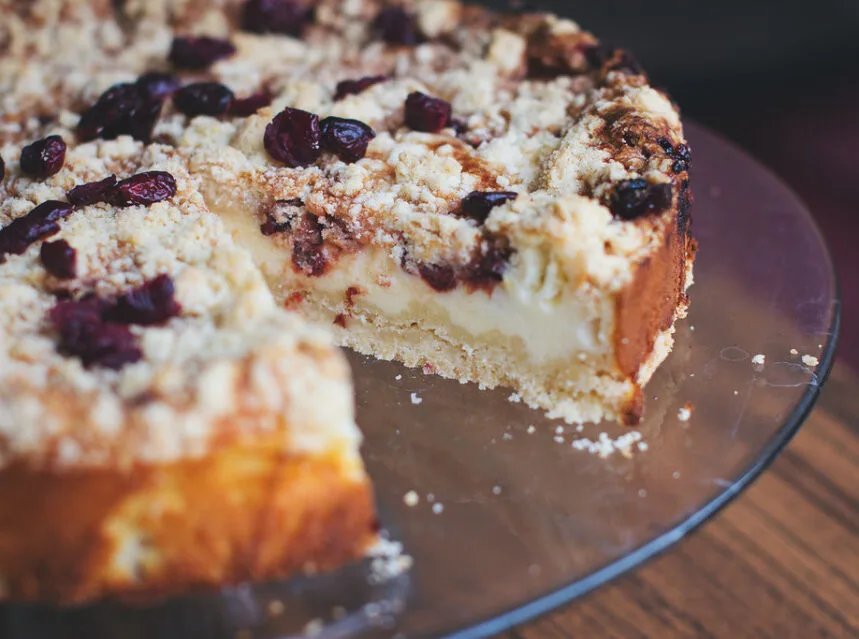
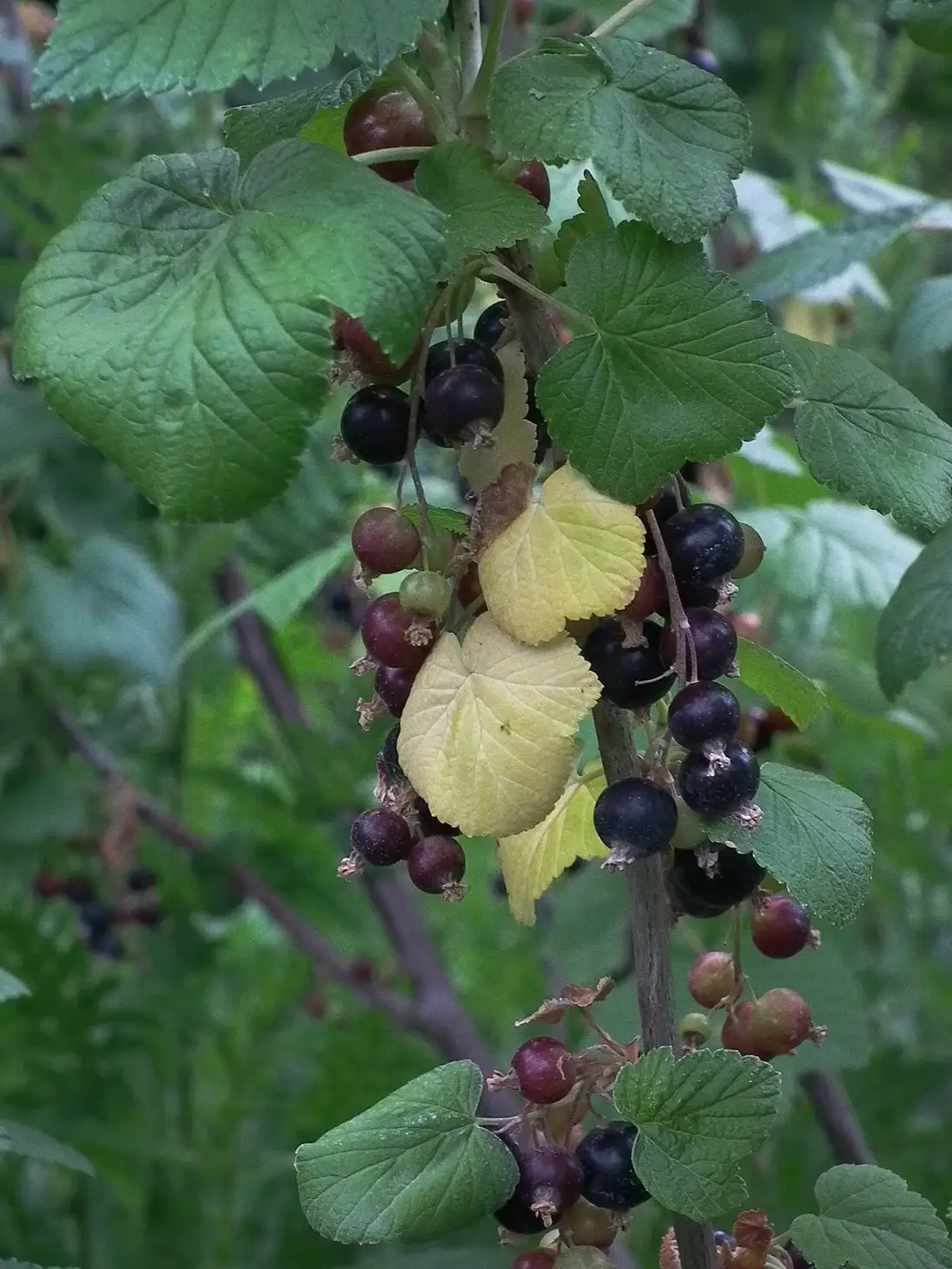
Blackcurrants (Ribes nigrum) are hardy soft-fruit bushes grown for their small, glossy black berries with an intense, tangy flavour and exceptional vitamin C — a genuine soft-fruit powerhouse. A single bush can give pounds of berries for jams, cordials and desserts, and the plants are easy and forgiving. Beloved in the UK and across Europe, they are one of the most rewarding fruits you can grow. Here is the complete guide on how to grow blackcurrants.
Quick start: Grow blackcurrants in full sun (light shade is fine) in rich, moisture-retentive soil. Plant bare-root bushes in late autumn, 2 inches deeper than they grew, to encourage new shoots. Feed with a high-potash fertiliser and mulch in spring, water well, and prune in winter, removing old wood, as they fruit best on young stems. Bushes crop from the second year.
Blackcurrants are packed with flavour and vitamin C — 181 mg per 100 g, more than three times an orange — and a well-grown bush is hugely productive. The pruning rule that trips up beginners is that they fruit best on younger wood, so cutting out about a third of the oldest stems each winter keeps a bush vigorous. They need a cold winter to crop well and so struggle in mild, warm climates. Netting is essential, as birds will strip the ripening fruit overnight.
🧰 In a hurry? Jump straight to our tested picks for this guide ↓
Blackcurrant at a glance
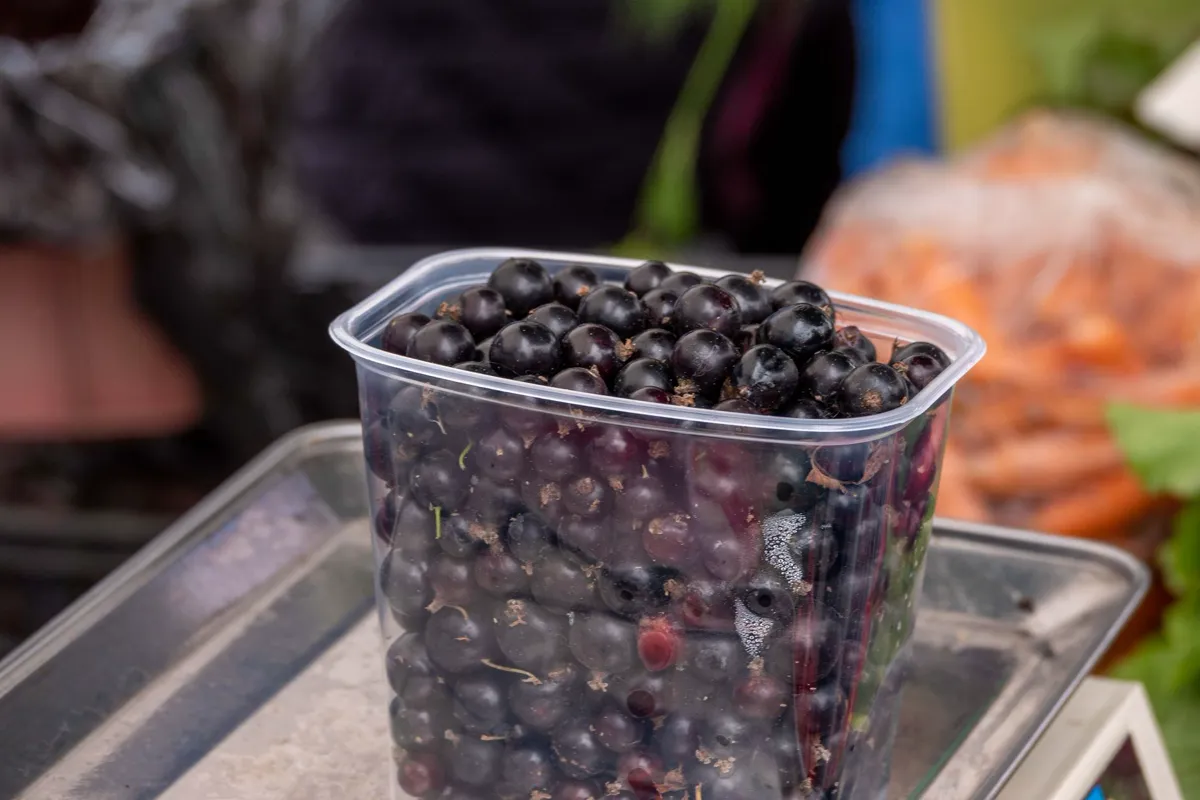
| Feature | Detail |
|---|---|
| Botanical name | Ribes nigrum (family Grossulariaceae) |
| Plant type | Hardy soft-fruit bush |
| Sun | Full sun (tolerates light shade) |
| Soil | Rich, moisture-retentive (not waterlogged) |
| Planting | Bare-root in dormancy; plant deep |
| Prune | Winter; remove oldest third of wood |
| Harvest | Mid-summer; fully black berries |
| Climate | Cool-temperate; needs winter chill |
Why grow blackcurrants?
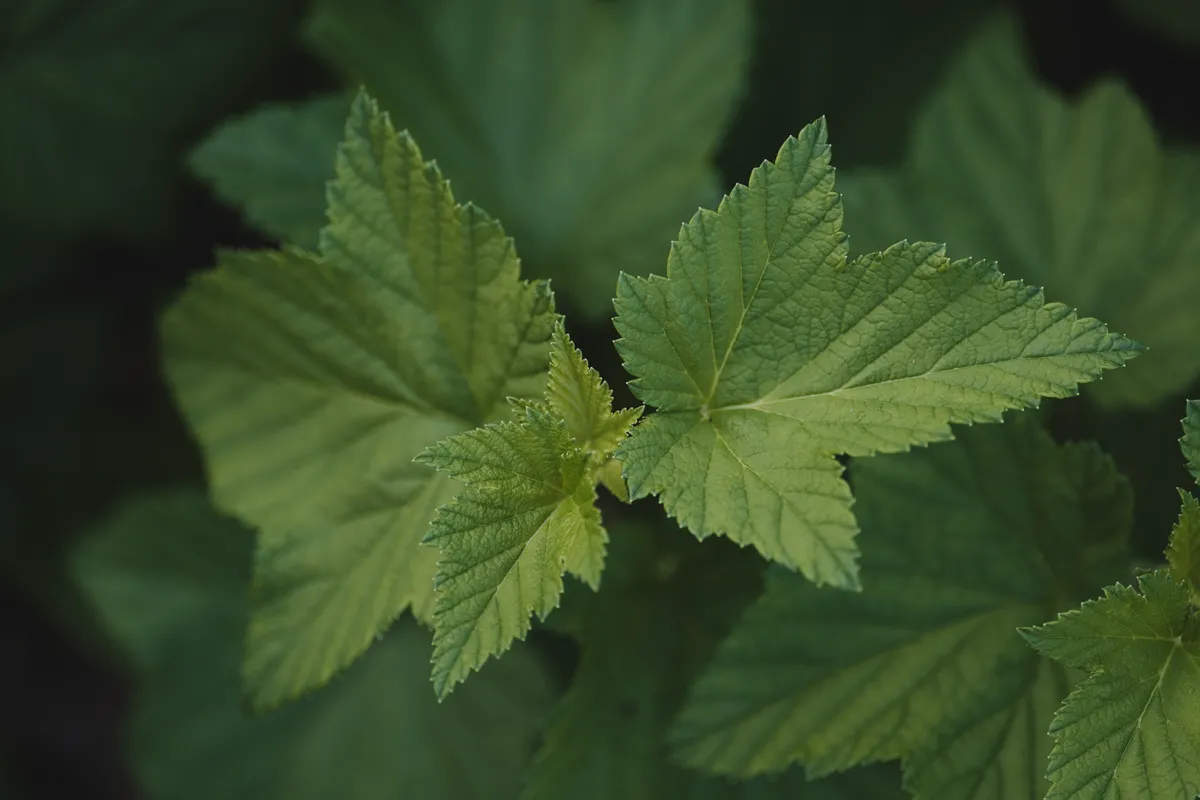
Blackcurrants are hardy, easy, and hugely productive — one bush yields pounds of intensely flavoured, vitamin-C-rich berries. They tolerate a range of conditions (even light shade), are long-lived, and the fruit is brilliant for jams, cordials, pies, and freezing. The flowers feed early bees. For high-value, low-fuss soft fruit packed with goodness, they’re outstanding.
History, origin & where blackcurrants grow
Blackcurrants are native to northern Europe and Asia, where they have grown wild in damp woodlands for centuries (history and cultivation). Two pieces of history explain why the fruit is a household flavour in Britain and a rarity in America. The United States banned it for much of the twentieth century because the bushes host white pine blister rust, a threat to the timber industry; the federal ban passed to individual states in 1966, and New York did not lift its own until 2003. In Britain the opposite happened: with citrus imports cut off in the war, blackcurrant syrup was given free to every child under two from 1942, and the taste never left. They became especially prized in Britain during the Second World War, when citrus was scarce and their vitamin C was vital. Children were famously given blackcurrant syrup to keep them healthy.
This wartime role cemented the blackcurrant’s place in British and European kitchens. It remains the basis of famous cordials and a staple of jam-making. Breeders have since produced heavier-cropping, mildew-resistant “Ben” varieties.
They are grown widely across the UK, Europe (Poland and Russia are top producers) and cool-temperate regions. Most large-scale cultivation is in eastern Europe and goes to juice and concentrate rather than the fresh market; Britain’s own commercial crop is about 1,400 hectares, almost all of it fully mechanised and grown on juicing contracts (see blackcurrant cultivation). They are very hardy and love cool, moist climates with a cold winter, which they need to fruit. They are not suited to hot climates and tolerate full sun or light shade.
Best season & when to plant
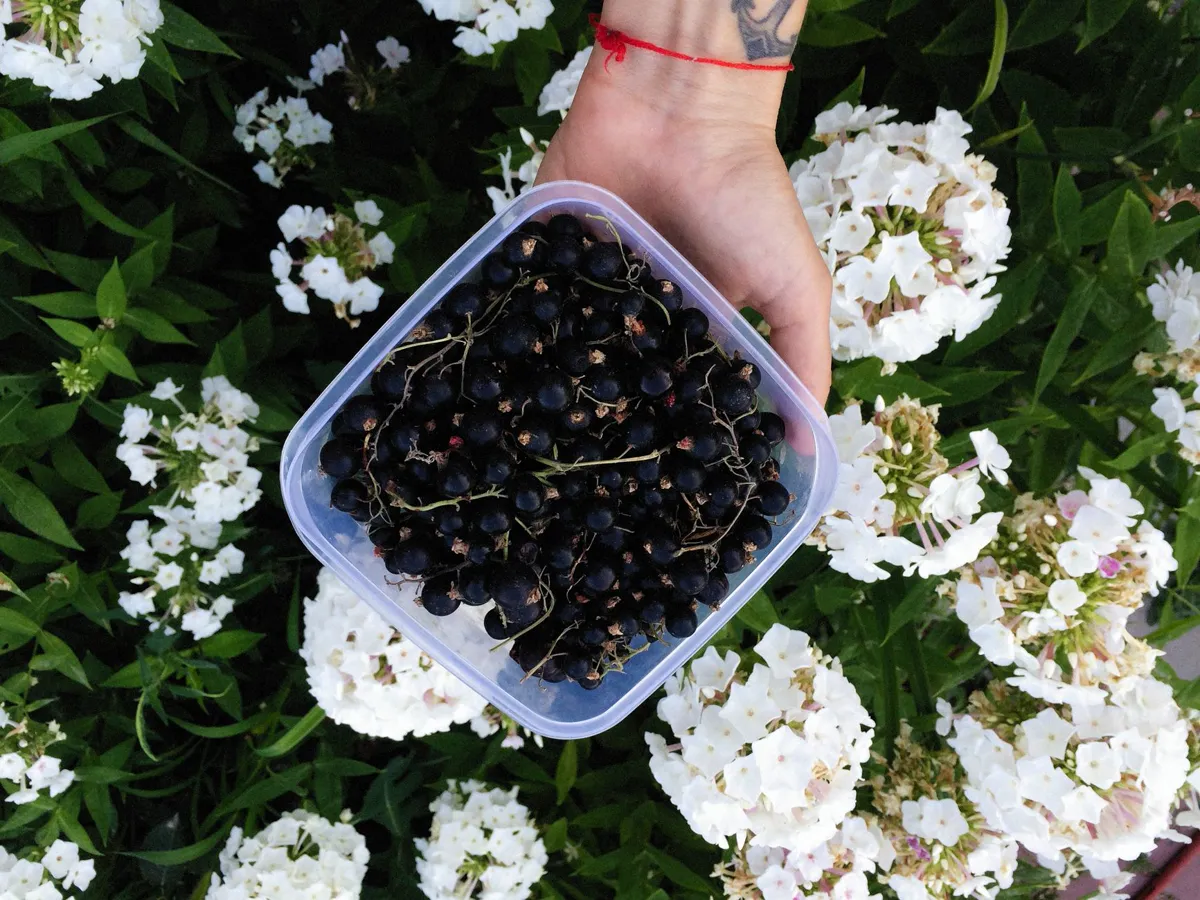
Plant bare-root blackcurrants in late autumn to early spring while dormant (containerised plants any time the soil isn’t frozen or waterlogged). They flower in spring and the berries ripen in mid-summer. Bushes crop from their second year and stay productive for around 10–15 years.
How to plant blackcurrants
- Choose full sun (light shade tolerated) in rich, heavy, moisture-retentive but not waterlogged soil (see improving garden soil).
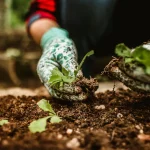
- Plant bushes about 2 inches (5 cm) deeper than they grew — unlike most fruit, this is deliberate, to encourage lots of new shoots from the base (the “stool”).
- After planting, cut all stems down to one or two buds above ground to build a strong, bushy plant, and mulch well.
Watering, feeding & mulching
Blackcurrants are hungry and thirsty — water and feed generously, especially in containers (see how often to water). In spring, feed with a high-potash fertilizer (or pelleted chicken manure) and lay a thick mulch of compost or well-rotted manure to retain moisture, feed the plant, and suppress weeds. Good feeding directly boosts the crop.
Pruning — the key to big crops
Blackcurrants fruit best on one- and two-year-old wood, so the goal is a steady supply of young stems. Prune in winter (November–February) while dormant: cut out the oldest (3+ year) darker wood right down to the base, plus any weak, crossing, or low branches, removing about a third of the bush each year. This keeps it young, open, and heavily productive.
Why plant blackcurrants deep
Blackcurrants break the usual fruit-planting rule, and it pays to know why. Most fruit is planted at the depth it grew. Blackcurrants are deliberately planted deeper.
Bury the base about 2 inches (5 cm) deeper than the old soil mark. This buried portion sends up plenty of fresh new shoots from below ground. The result is a bushy, multi-stemmed plant rather than a single leggy stem.
Those new basal shoots are exactly what you want, since blackcurrants fruit best on young wood. After planting, cut all the stems down to one or two buds. This seems drastic, but it builds a strong, productive bush.
Growing blackcurrants in containers
No room for a fruit cage? Blackcurrants grow well in large pots. A container suits a patio or small garden. So even limited space can give a worthwhile crop, much like other container fruits.
Choose a big, deep pot with good drainage and rich, moisture-retentive compost. Stand it in full sun and keep it well watered, as blackcurrants are thirsty. Feed generously with a high-potash feed in spring.
Prune it in winter just like a border bush, removing the oldest wood. Mulch the surface to hold moisture and feed the plant. A potted bush will crop for years with this simple care.
Common pests & diseases
Watch for big bud mite (swollen buds, which can spread reversion virus), aphids, sawfly, and powdery mildew (see aphid control), plus birds at the ripe fruit. Remove and bin swollen “big buds”, keep the bush open and airy, net against birds, and use the methods in our organic pest control guide.
Propagating blackcurrants from cuttings
Blackcurrants are among the easiest fruits to propagate. They root readily from hardwood cuttings. So you can raise new bushes for free, much like other cuttings projects.
In late autumn, cut a pencil-thick piece of this year’s wood about 8 inches long. Unlike most cuttings, leave all the buds on, as you want shoots from the base too. Push it two-thirds into the soil in a sheltered spot.
Leave it over winter and it roots by the following autumn. Lift and plant out the young, rooted bush in its final spot. This is how a single favourite variety can fill a whole fruit garden.
Harvesting
Blackcurrants are ready in mid-summer when the berries are fully black, glossy, and slightly soft. With modern varieties (like ‘Ben’ types), the whole strig (cluster) ripens together — simply snip off the strig once the currants are black. Older varieties ripen unevenly, so pick individual berries. They freeze brilliantly, so harvest and freeze gluts.
Health benefits & uses
Blackcurrants carry 181 mg of vitamin C per 100 g (USDA record 173963) against 53 mg for an orange (record 169097), so “several times an orange” is, for once, an understatement — plus anthocyanins and fibre. Too tart for most people to eat raw in quantity, they’re made into jam, cordial, juice, pies, sauces, and desserts, and they freeze superbly. The flowers help early bees (see attracting pollinators). A genuine soft-fruit superfood.
This article is for general information only and is not medical advice. Talk to a qualified professional before using any plant medicinally.
Common blackcurrant problems
Poor crop over time
Too much old wood. Prune out the oldest third of the bush each winter to keep young, fruitful stems coming.
Swollen, rounded buds
Big bud mite (can spread reversion virus). Remove and bin affected buds; replace badly infected bushes.
Few berries / weak growth
Underfeeding or planted too shallow. Feed high-potash, mulch, and plant deep to encourage new shoots.
Related plant guides
- Currant: all types compared
- How to grow Blackberry
- How to grow Cranberry
- How to grow Gooseberry
- How to grow Jostaberry
- How to grow Elderberry
Frequently asked questions
Why plant blackcurrants deeper than they grew?
Burying the base a couple of inches deeper encourages lots of new shoots from below ground, giving a bushier, more productive plant.
When and how do I prune blackcurrants?
In winter while dormant — cut out the oldest (3+ year) wood to the base, removing about a third of the bush, as they fruit best on young stems.
Can you eat blackcurrants raw?
You can, but they’re very tart, so they’re usually cooked into jam, cordial, and desserts.
Do blackcurrants need a cold winter?
Yes — they need a spell of winter chill to fruit well, so they suit cool-temperate climates rather than hot ones.
Why is my blackcurrant bush not fruiting?
The most common reason is pruning that removes the young wood — blackcurrants fruit mainly on one and two-year-old stems, so a bush trimmed all over like a hedge loses next year’s crop. Other causes are too much shade, a late frost catching the flowers, or a bush so congested that nothing ripens properly. Check for big bud mite too, and give the plant an annual feed, since blackcurrants are hungry and crop poorly on thin soil.
What is big bud mite on blackcurrants?
Big bud mite is a microscopic pest that overwinters inside the buds, making them swell to a round, unusually fat shape by late winter instead of staying slim and pointed. Affected buds either drop or produce distorted shoots that never fruit, and the mite can also spread reversion virus, which permanently ruins cropping. There is no chemical cure for home gardeners: pick off swollen buds when few, but a badly affected bush is best dug up and destroyed rather than composted.
How long does a blackcurrant bush live?
A well-managed bush stays productive for roughly 15 years, and some reach 20 with good annual pruning and feeding. Yields tail off once the plant is dominated by old wood, which is exactly what the yearly removal of the oldest third prevents. Taking hardwood cuttings every few years is easy insurance — they root readily, so you can raise replacements for nothing.
Can you grow blackcurrants in pots?
Yes, and they crop well for about four or five years in a large container. Use a pot of at least 45 cm across with a loam-based compost, keep it in sun or light shade, and never let it dry out while the fruit is swelling. Feed with a high-potassium fertiliser in spring, and once growth slows after a few years, repot in winter with fresh compost and some root pruning.
How do I stop birds eating my blackcurrants?
Netting is the only genuinely reliable answer. Drape taut netting over a frame as the berries start to colour, and take it right down to ground level, otherwise birds simply walk in underneath. Keep the mesh tight and clear of the foliage so birds cannot peck through it, and check daily that nothing has become trapped — a fruit cage does the same job permanently if you grow soft fruit every year.
When should I harvest blackcurrants?
Pick from midsummer, about a week after the berries turn fully black, when they have had time to sweeten and come away easily. The fruit ripens unevenly along each strig, so many gardeners cut whole strigs and strip the berries indoors rather than picking one by one. Blackcurrants freeze exceptionally well straight off the bush, which is handy when a heavy crop ripens all at once.
Do blackcurrants need another bush to pollinate?
No — blackcurrants are self-fertile, so a single bush will crop perfectly well on its own. Growing two or more can still improve fruit set slightly and spreads the harvest if you choose early and late varieties. What matters far more is protecting the flowers from late frost and having enough insect activity, so avoid an exposed frost pocket when choosing the planting spot.
Why should I plant blackcurrant deeply?
Deep planting (10-15 cm deeper than in the pot) encourages stems to emerge from below ground level, creating the natural multi-stemmed “stool” structure that blackcurrant needs for maximum productivity. Shallow planting creates a single-stemmed bush that is harder to prune correctly and less productive. Deep planting is the single most important step for a long-term productive bush.
How long do blackcurrant bushes last?
With good pruning (removing the oldest stems each winter) and regular feeding, blackcurrant bushes can remain productive for 15-20 years or longer. Without pruning, productivity declines significantly after 5-7 years as the wood ages. Annual pruning is the key to longevity.
When should I prune blackcurrant?
Prune in late autumn to early spring (November to February) while the plant is dormant. Remove approximately one-third of the oldest, darkest stems at ground level. This keeps the bush renewed with young productive stems that fruit best. The pruned stems can be used as hardwood cuttings to propagate new plants.
Can I grow blackcurrant in a container?
Yes, in a large pot (at least 50 cm wide and deep). Use a rich, moisture-retentive compost. Water regularly (containers dry out faster than the ground), feed monthly through the growing season with a high-potassium fertiliser, and prune as normal each winter. Compact varieties like “Ben Sarek” are better suited to containers. Yield will be lower than in the ground.
Still stuck? Ask the Plant Doctor
Describe the problem — yellow leaves, holes, no flowers — and get a clear answer in seconds. FreeAI can make mistakes. Answers are guidance, not a guarantee — check anything important against the guide it links to, and always read the label on any product before you use it.