How to Grow Chervil

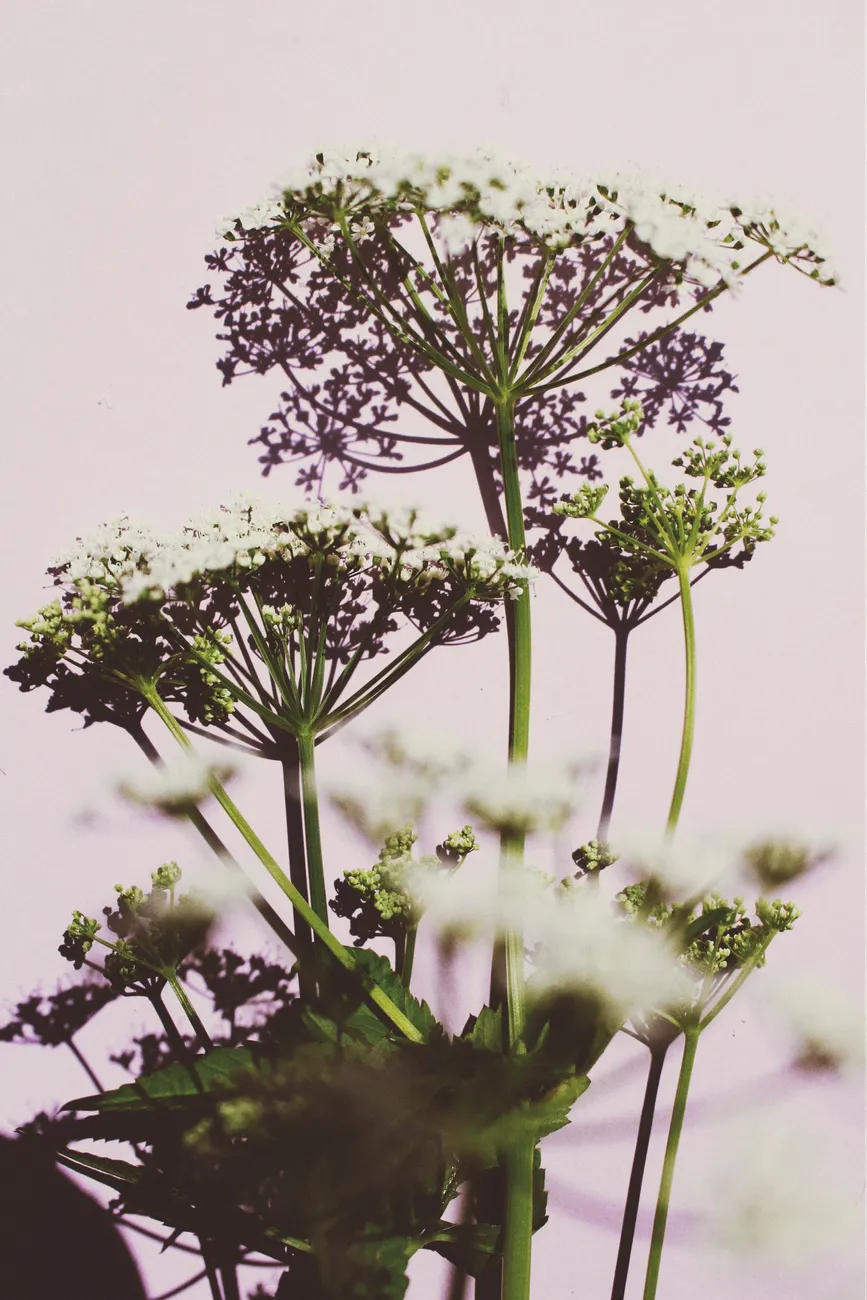
Chervil (Anthriscus cerefolium) is a delicate cool-season herb grown for its lacy leaves and gentle anise-and-parsley flavour — the quiet star of French cooking that lifts eggs, fish and salads. It is one of the few herbs that actually prefers shade and cool weather, making it perfect for spots where sun-lovers struggle. Here is the complete guide on how to grow chervil.
Quick start: Sow chervil seed directly in part shade and moist, rich soil during cool weather. Keep it damp, harvest the leaves young, and sow fresh batches every few weeks. It bolts fast in heat and sun, so cool and shady is the way to go.
Chervil is a delicate, anise-scented herb that rewards a cool, shady spot, which surprises gardeners used to herbs basking in the sun. In heat and bright light it bolts to flower almost at once, so it is best grown in part shade and sown little and often. It dislikes being transplanted, so sowing straight into its final position works best. Picked young, its lacy leaves are a classic part of French fines herbes.
🧰 In a hurry? Jump straight to our tested picks for this guide ↓
Chervil at a glance
| Feature | Detail |
|---|---|
| Botanical name | Anthriscus cerefolium (family Apiaceae) |
| Plant type | Cool-season annual herb |
| Light | Part to full shade |
| Soil | Rich, consistently moist |
| Sowing | Direct (dislikes transplanting); succession |
| Flavour | Delicate anise-and-parsley |
| Harvest | Young leaves, 6–8 weeks; use fresh |
| Note | Bolts fast in heat; a French fine herbe |
Why grow chervil?
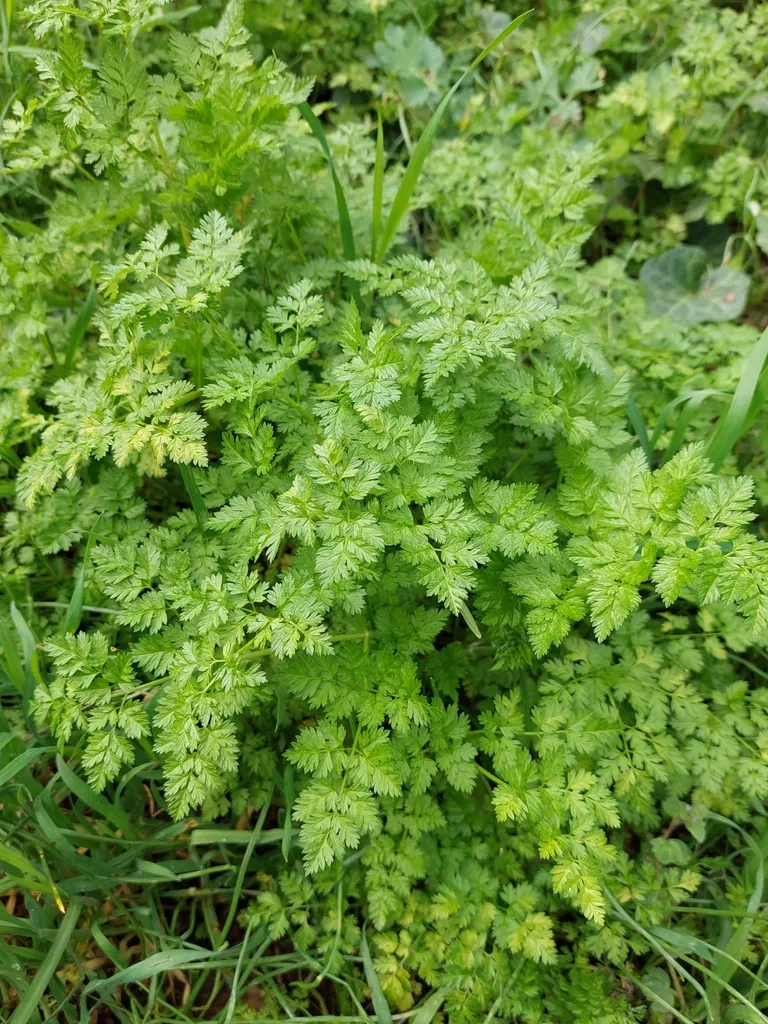
Chervil fills a useful niche: it thrives in the cool, shadier spots where many herbs sulk. It’s fast from seed, self-seeds for repeat crops, and gives a subtle, sophisticated flavor you rarely find fresh in shops. As one of the four classic French fines herbes, it’s a must for anyone who loves delicate, refined cooking.
History, origin & where chervil grows
Chervil is native to the Caucasus and western Asia, and has long been naturalised across Europe (see Encyclopaedia Britannica). The Romans are thought to have spread it westward, valuing it as both a food and a medicine. It became deeply woven into French cooking over the centuries.
Today it is most widely grown in Europe, especially France, where it is one of the four classic fines herbes. It traditionally appears in spring dishes and is even linked with Easter cooking. Despite its long history, it remains hard to find fresh in shops, which is reason enough to grow it.
It prefers cool, temperate conditions with some shade and moist soil (see the Royal Horticultural Society). Hot, dry, sunny weather makes it bolt almost immediately. In hot regions such as much of India, grow it through the cool winter months in shade.
Best season & when to plant
Chervil is firmly a cool-season herb. Sow it in spring and again in autumn in temperate climates, or through the cool months in hot regions like much of India. Information gain: unlike most herbs, chervil actively dislikes strong sun — give it a shady, cool spot and steady moisture, and it will keep producing tender leaves far longer before bolting.
How to plant chervil
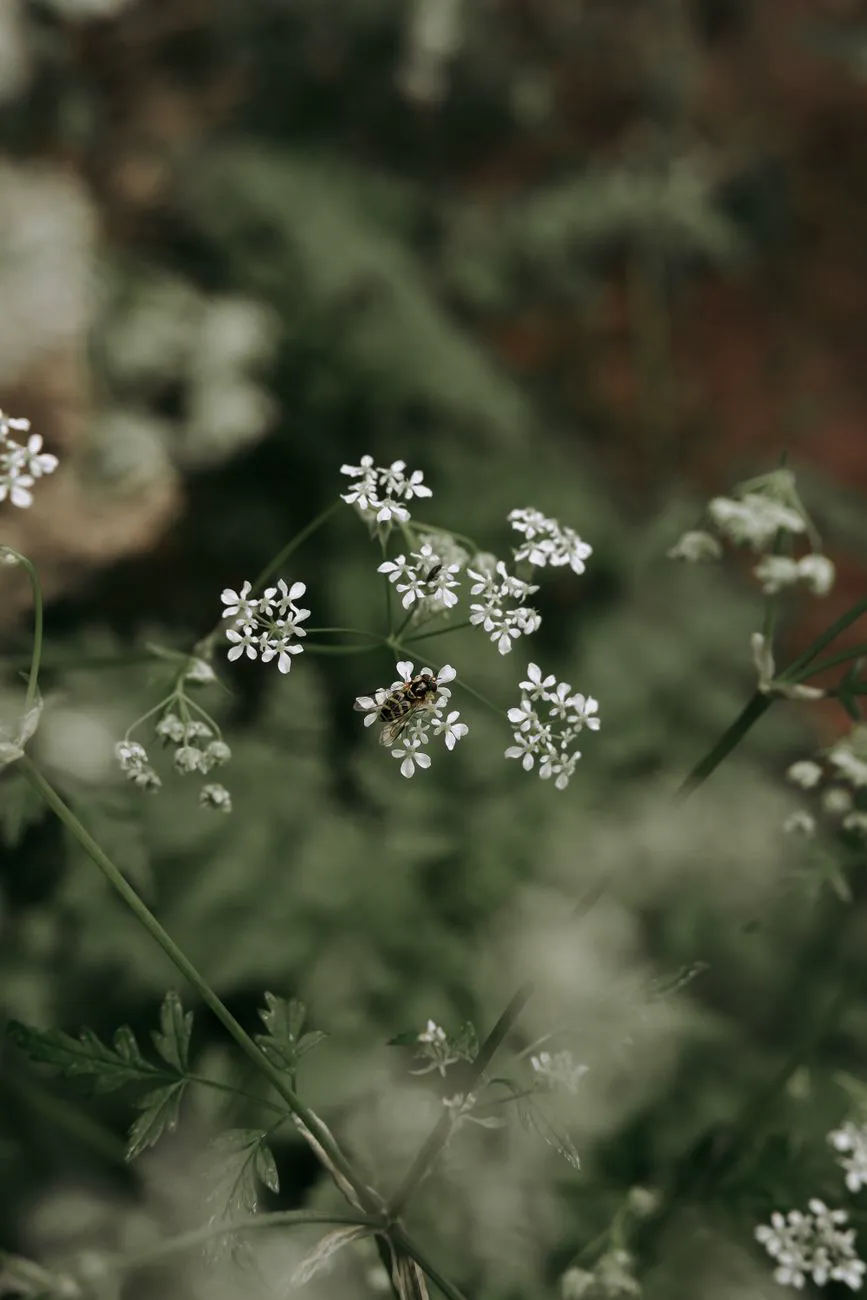
Chervil is sown directly, as its taproot resents transplanting.
- Sow seed shallowly in rich, moist soil and keep it damp (see seed-starting basics).
- Choose a spot in part to full shade — perfect under taller plants.
- Sow a fresh batch every three to four weeks for a continuous supply.
Sun, soil, watering & feeding
Chervil wants cool, shady conditions and consistently moist, rich soil. Don’t let it dry out, or it bolts straight to flower (see how often to water). Enrich the soil with compost first using our soil-improvement guide. It needs little feeding. The combination of shade, moisture and cool weather is what keeps it leafy and tender.
Keeping it from bolting
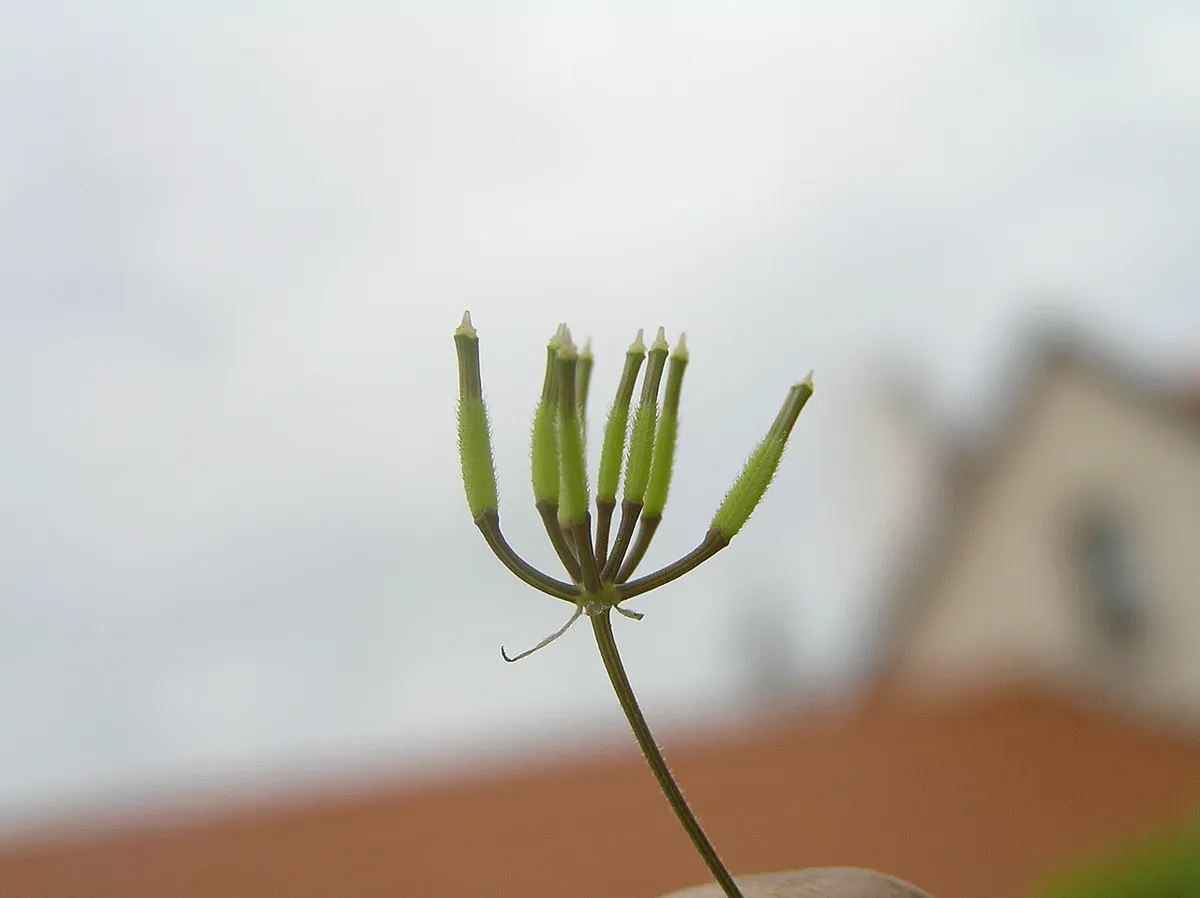
Bolting is chervil’s main challenge. Heat, drought and bright sun all push it to flower, after which the leaves lose flavor. To delay it, grow chervil in shade, keep the soil moist, harvest regularly, and pinch off any flower buds. Even so, it’s a short-lived herb, so the best strategy is simply to resow little and often.
Succession sowing for a steady supply
Chervil is short-lived and bolts readily, so one sowing is soon over. The answer is succession sowing. So instead of one batch, sow little and often.
Sow a short new row every three to four weeks through the cool season. Each batch matures soon after the last for a continuous supply. This way there is always tender young chervil ready to pick.
Stop sowing as the weather warms, since heat makes it bolt almost at once. Start again when cooler autumn weather returns. A few minutes every few weeks keeps the kitchen supplied.
Growing chervil in containers
Chervil grows well in pots, which suits its love of cool shade. A container can be moved out of strong sun and heat. So it is a great choice for a shady balcony or windowsill, like other easy container herbs.
Use a rich, moisture-retentive compost in a pot with good drainage. Sow the seed directly, as chervil dislikes being moved. Stand the pot in part shade and keep the compost consistently moist.
Pick the outer leaves young and often to keep it productive. Sow a fresh pot every few weeks for a continuous supply. A pot in a cool, shady spot indoors can even extend the season.
Common pests & diseases
Chervil is generally trouble-free. Watch for aphids on the soft foliage and the occasional slug or snail in its damp, shady habitat. Our aphid control and organic pest control guides cover gentle, organic remedies. Good airflow prevents fungal issues in the moist conditions it prefers.
Harvesting chervil
Harvest the leaves young, usually six to eight weeks after sowing, snipping the outer fronds first so the plant keeps producing. Pick little and often before the plant flowers, as that’s when the flavor is best. Chervil’s delicate taste fades with cooking and drying, so use it fresh and add it right at the end of cooking.
Cooking with chervil
Chervil’s whole charm lies in its delicate flavour, so it rewards a gentle touch. Its mild anise-parsley taste is easily lost. So how you use it matters as much as how you grow it.
Use it fresh and add it right at the end of cooking, never early. Long heat destroys its subtle flavour entirely. It is wonderful stirred into scrambled eggs, omelettes, fish, chicken and creamy sauces.
It is one of the four classic French fines herbes, alongside parsley, chives and tarragon. It also flavours the sauce béarnaise. Snip it generously over a finished dish, as its flavour is gentle rather than strong.
Health benefits & uses
Chervil offers vitamins and antioxidants and has a gentle traditional use as a digestive. Its real value is culinary: its mild anise-parsley flavor is delicate and refined, perfect with eggs, fish, chicken, salads and creamy sauces. It’s a cornerstone of French fines herbes and of classic sauces like béarnaise, always added late so its subtle taste survives.
This article is for general information only and is not medical advice. Talk to a qualified professional before using any plant medicinally.
Common chervil problems
Plant bolts quickly
Heat, sun and dry soil are the cause. Grow it in shade, keep it moist, and resow every few weeks.
Weak, pale growth
Often poor, dry soil. Enrich the bed with compost and keep it consistently moist.
Flavor fades in cooking
Chervil’s taste is delicate. Always add it fresh at the very end of cooking, never early.
Related plant guides
- How to grow Parsley
- How to grow Sorrel
- How to grow Fenugreek
- How to grow Marjoram
- How to grow Arugula
- How to grow Tarragon
Frequently asked questions
Does chervil need shade?
Yes — unusually for a herb, chervil prefers part to full shade and cool conditions. Bright sun makes it bolt fast.
Why does my chervil keep flowering?
Heat and dryness trigger bolting. Grow it cool and shady, keep the soil moist, and sow fresh batches regularly.
Can I dry chervil?
It dries poorly and loses much of its delicate flavor. Use it fresh, or freeze it to keep more of its taste.
Is chervil a perennial?
No — it is a short-lived annual that self-seeds readily. For a steady supply, sow it little and often through the cool season, and let a few plants set seed to come up again on their own.
How do I use chervil in cooking?
Use it fresh and add it at the very end of cooking, as heat destroys its delicate anise-parsley flavour. It is lovely with eggs, fish, chicken and creamy sauces, and is one of the four French fines herbes.
When and how often should I sow chervil?
Sow little and often — every two or three weeks from early spring into autumn keeps a steady supply, because each plant has a short productive life before it bolts. Spring and autumn sowings do best, since chervil hates summer heat. In hot regions, treat it as a winter crop and skip the summer months entirely rather than fighting the weather.
Can chervil be transplanted?
Not easily — chervil forms a taproot and resents root disturbance, so transplants often bolt within weeks of being moved. Direct sowing where the plants are to grow is far more reliable, whether that is open ground or the final container. If you must start under cover, use deep modules or biodegradable pots and plant out while the seedlings are still small.
How do I harvest chervil without killing the plant?
Start picking about six to nine weeks after sowing, once plants are a few inches tall, and always take the outer leaves first so the growing centre keeps producing. Never strip more than a third of the plant at once. Cut with scissors rather than pulling, and harvest in the morning when the leaves hold the most flavour.
What can I use instead of chervil?
Flat-leaf parsley with a pinch of tarragon comes closest, since chervil sits somewhere between the two with a mild aniseed note. Plain parsley works if you want the freshness without the anise, while a small amount of tarragon alone leans the other way. None is an exact match — chervil’s delicacy is precisely what makes it worth growing, since it is rarely sold fresh in shops.
Does chervil grow well in pots?
Yes, and a pot is often the easiest way to give it the cool, shaded conditions it wants. Choose a container at least 20 cm deep to accommodate the taproot, use a moisture-retentive compost, and stand it where it gets morning light and afternoon shade. Keep the compost consistently damp, since a pot drying out is one of the fastest ways to trigger bolting.
Can you eat chervil after it flowers?
The leaves turn coarse and noticeably bitter once flowering starts, so quality drops sharply. The flowers themselves are edible and pretty in salads, and the seed can be saved or left to self-sow. Most gardeners let one or two plants run to seed for next season’s free crop and pull the rest to make room for a fresh sowing.
Can chervil grow indoors on a windowsill?
It can, provided the spot stays cool and out of hot direct sun — an east-facing window or a bright but unheated room suits it far better than a warm sunny kitchen sill. Use a deep pot, keep the compost evenly moist, and expect a shorter productive life than outdoors. Sowing a fresh pot every few weeks is the practical way to keep indoor chervil going.
Still stuck? Ask the Plant Doctor
Describe the problem — yellow leaves, holes, no flowers — and get a clear answer in seconds. FreeAI can make mistakes. Answers are guidance, not a guarantee — check anything important against the guide it links to, and always read the label on any product before you use it.